Artwork
Dive at Vaterland
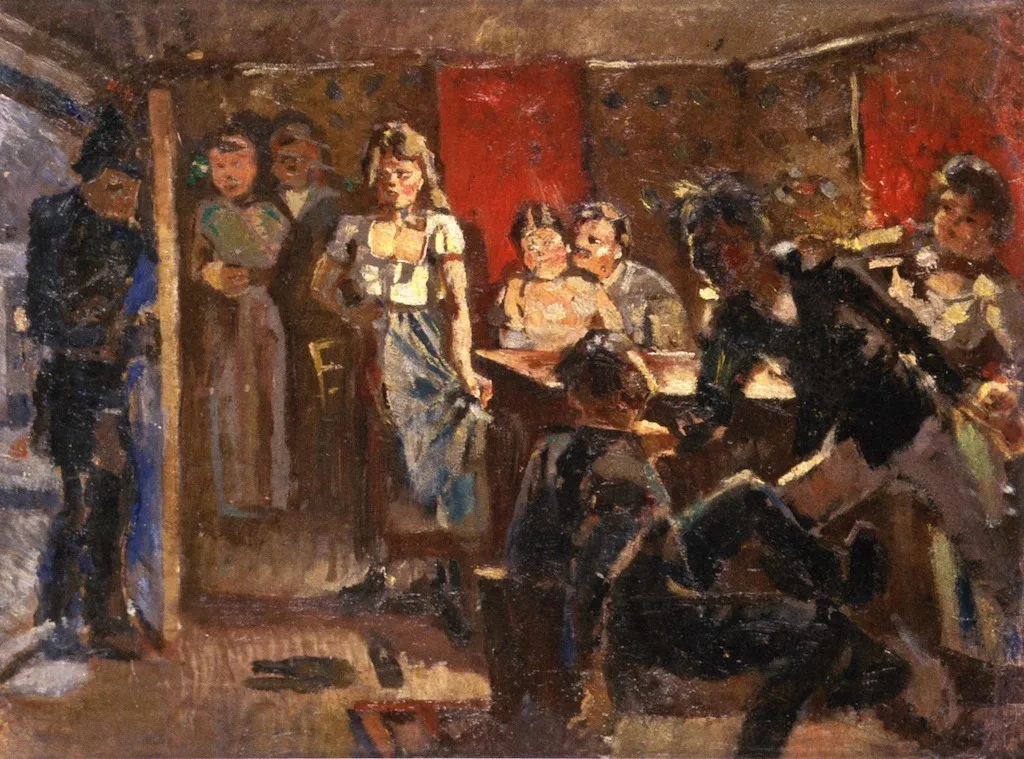
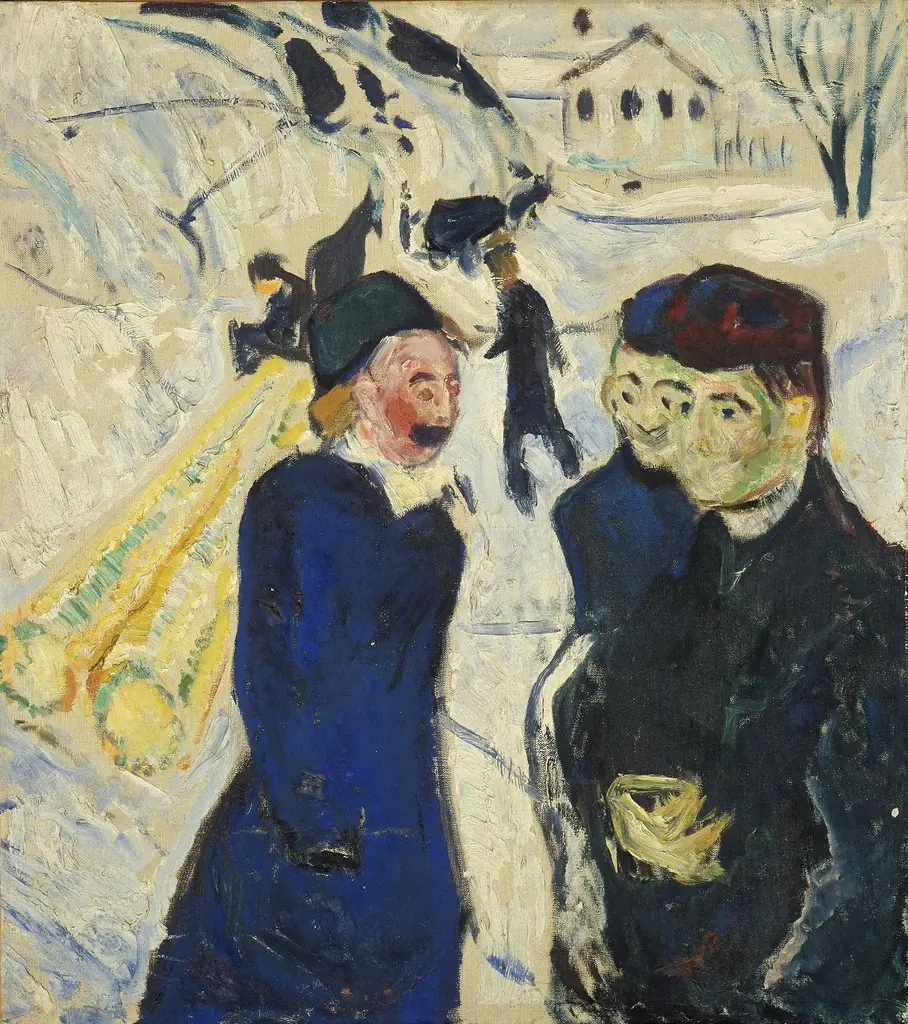
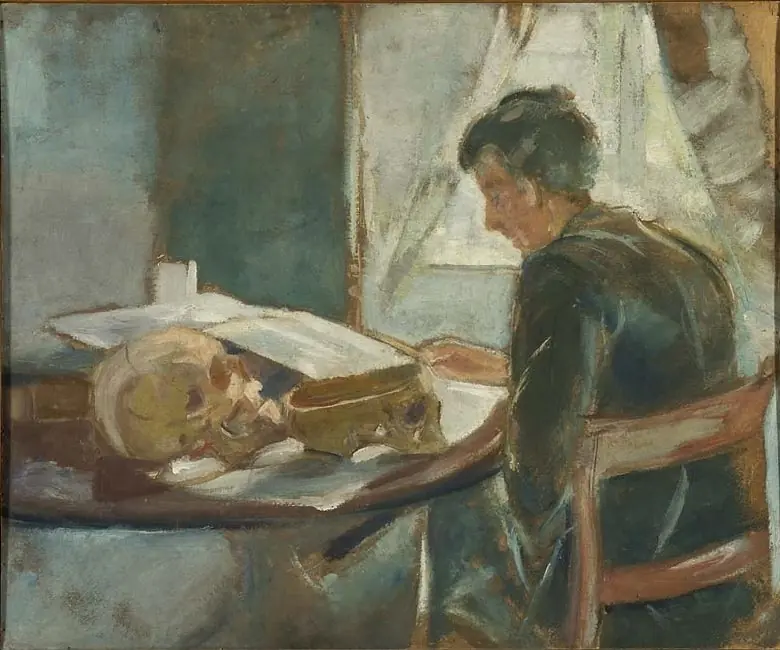
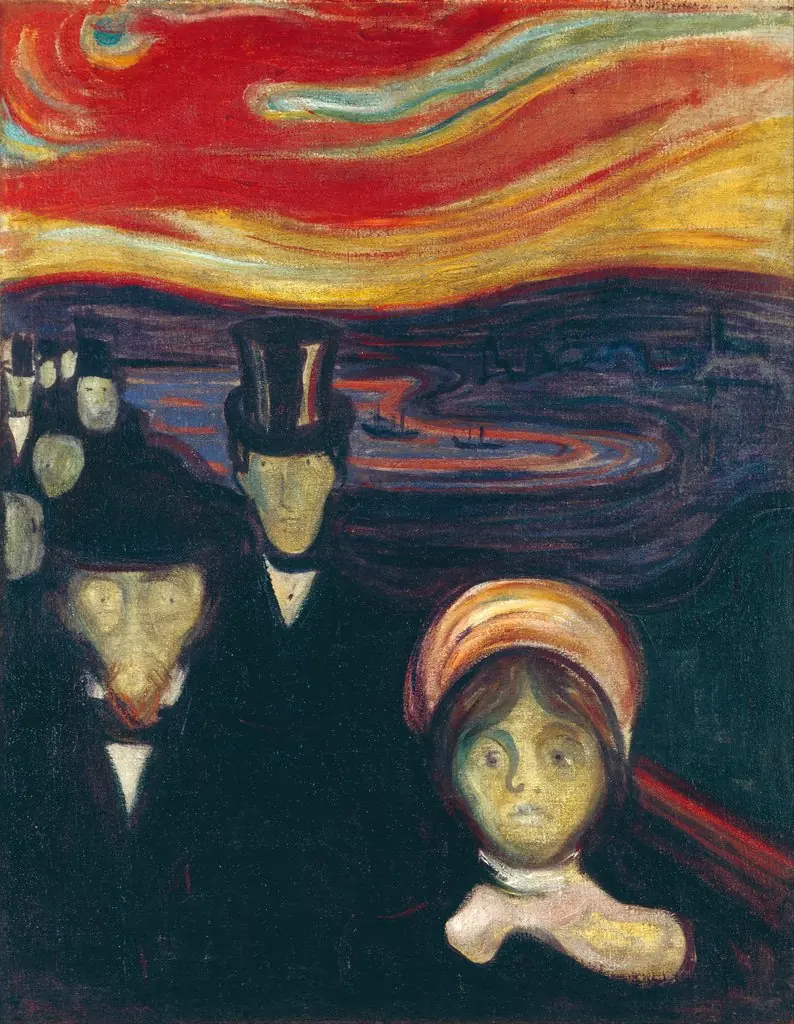
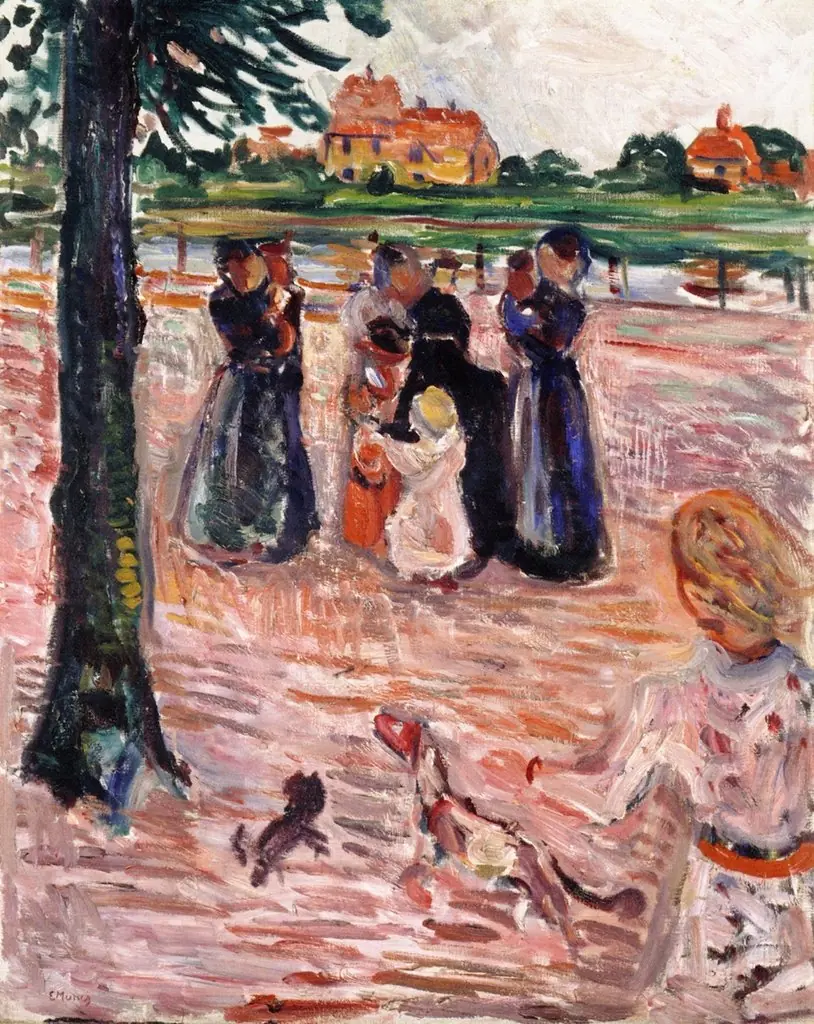
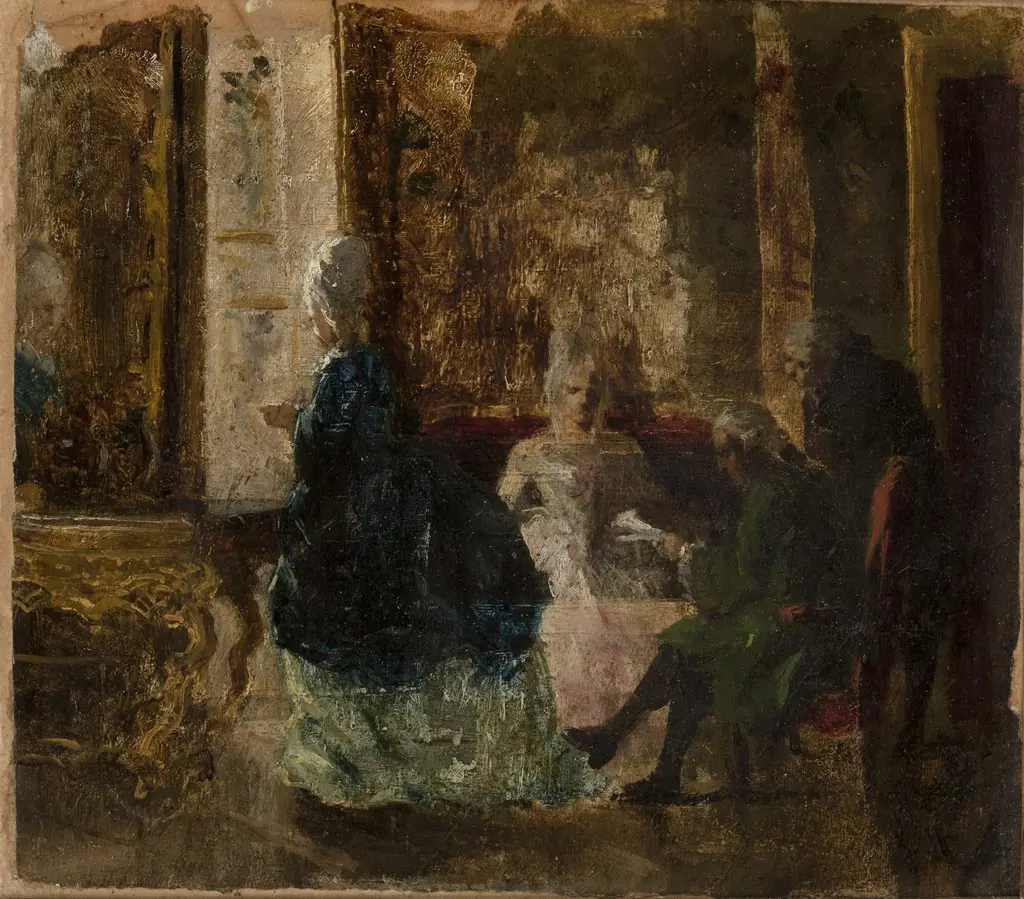
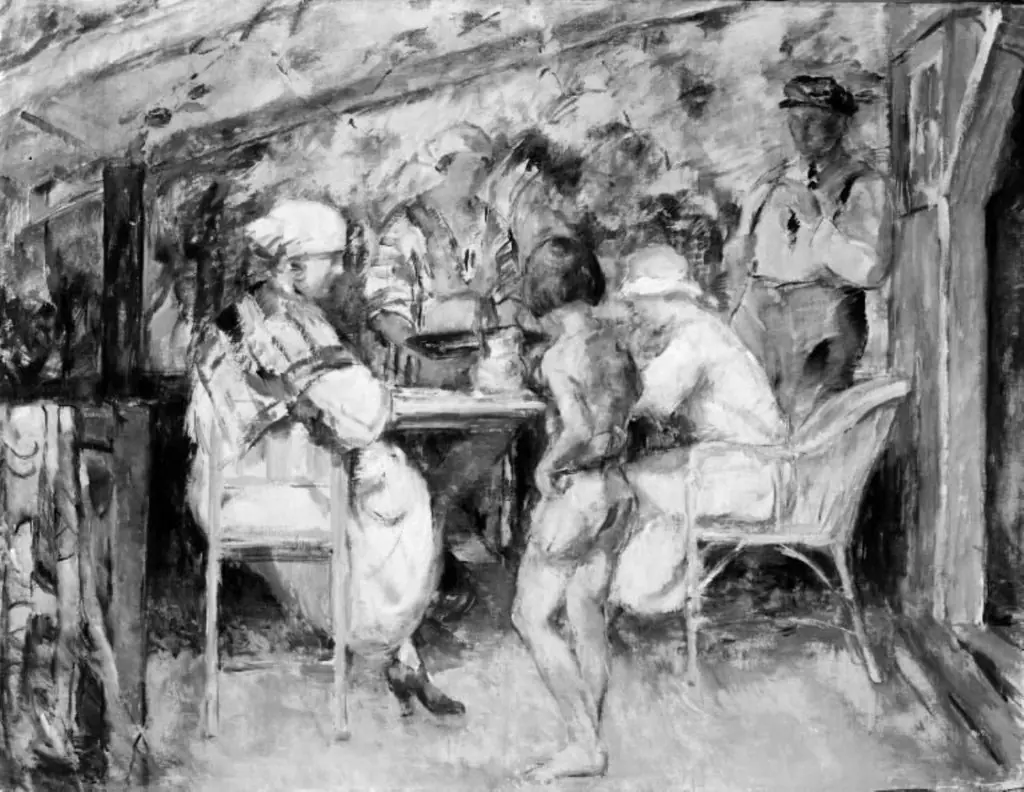
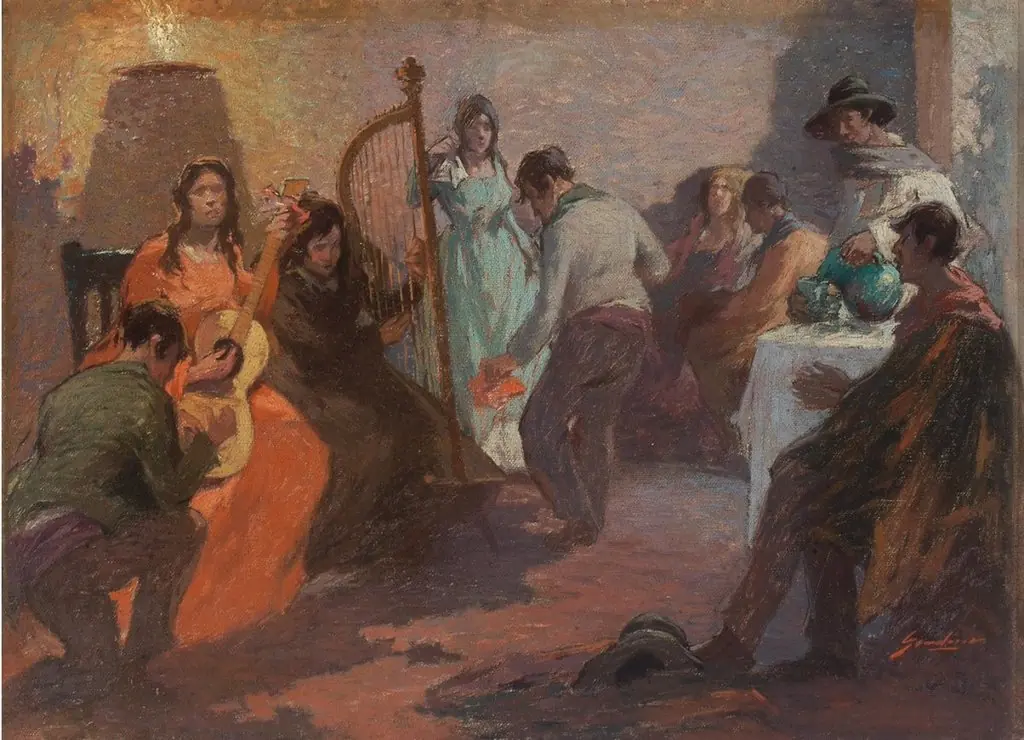
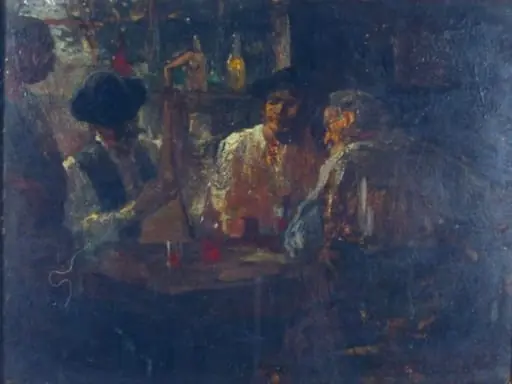
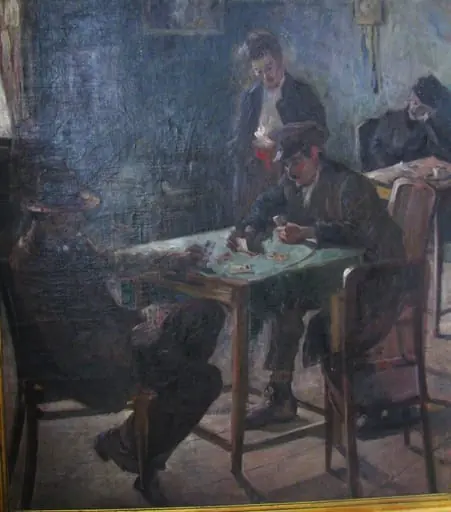
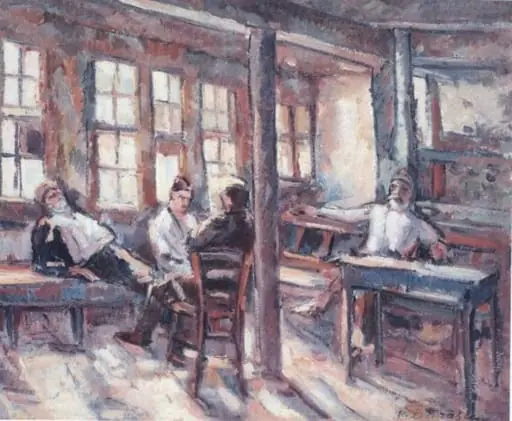
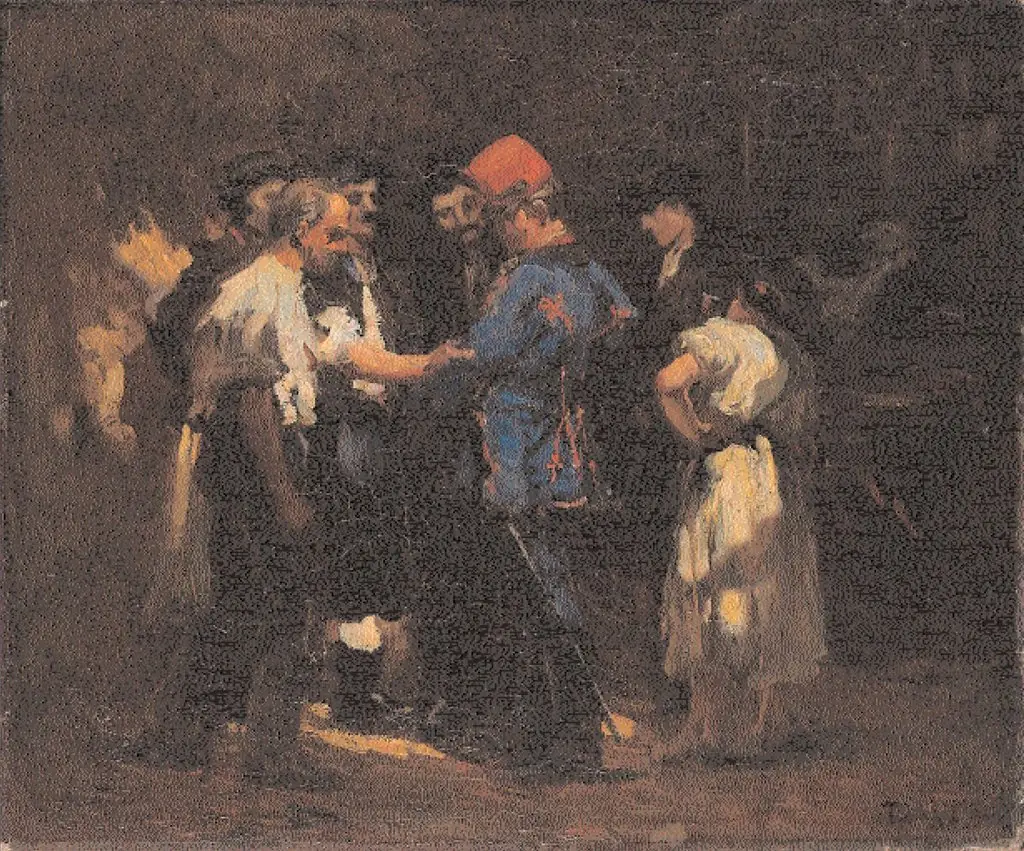
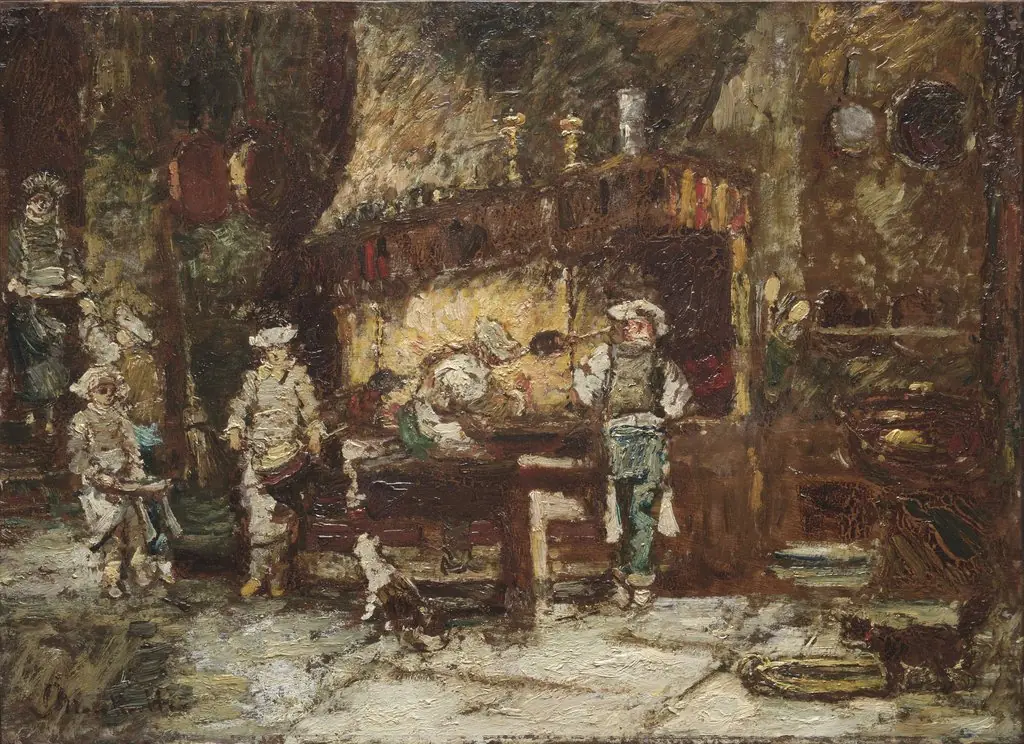
Dive at Vaterland is an oil painting by the Post-Impressionist artist Edvard Munch. It dates from 1892 and is held in the collection of the Munch Museum.
About this work
Overview
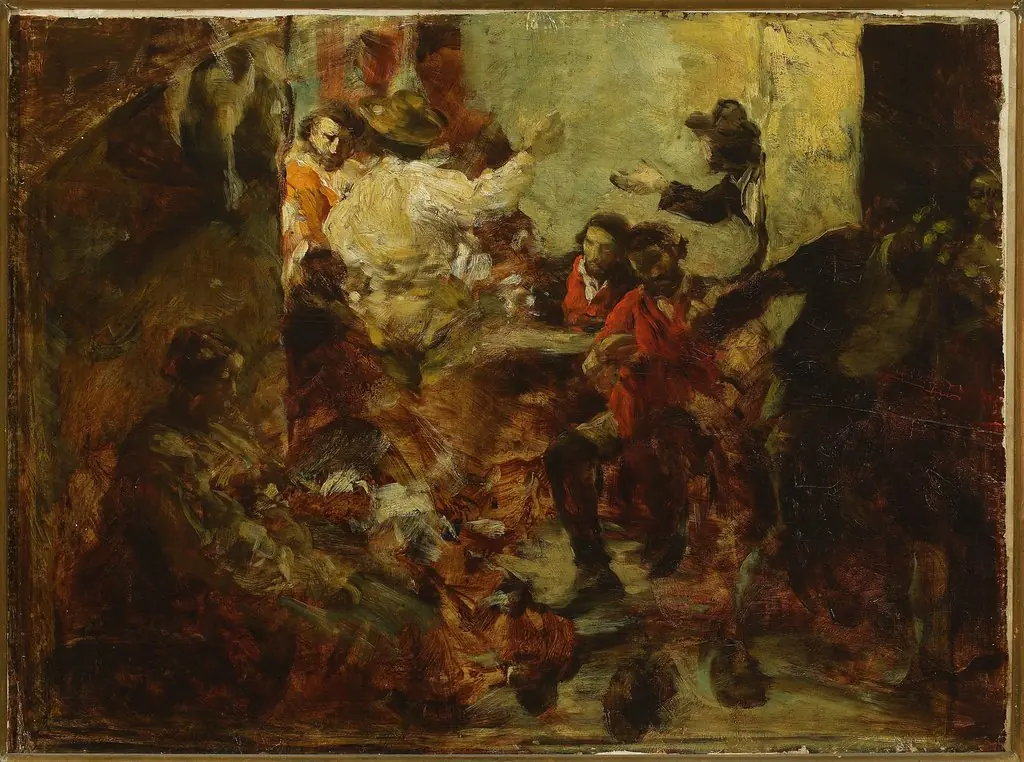
Dive at Vaterland is an 1892 oil painting by Edvard Munch, capturing a scene of everyday life in a crowded, dimly lit room at Vaterland, a popular gathering spot in late 19th-century Kristiania (now Oslo). The work is characterized by its emphasis on emotional expression and distinctive, textured brushwork.
Subject & Meaning
The painting depicts a group of people, with a woman in a striped dress prominently holding a drink amidst a mix of engaged and relaxed onlookers. The subject matter reflects Munch’s interest in portraying the psychological nuances of modern urban life.
Technique & Style
Executed in thick, rough brushstrokes with an impasto technique, the painting features a predominantly dark palette of browns, reds, and muted blues. This stylistic approach, influenced by post-impressionism, conveys a sense of raw urgency and emotional intensity.
History & Provenance
Created during Munch’s formative period after studying at the Royal School of Art and Design in Kristiania, the painting is now part of the Munch Museum’s collection. Its creation was influenced by Munch's association with nihilist thinker Hans Jæger.
Context
Dive at Vaterland reflects the artistic and philosophical climate of its time, blending post-impressionist techniques with the emotional depth characteristic of Munch’s work, which was shaped by his personal experiences of loss and the intellectual influences of his milieu.
Legacy
While not as widely recognized as some of Munch’s other works, Dive at Vaterland contributes to the broader understanding of the artist’s development and his contribution to the transition from impressionism to expressionism in European art.
Artist & collection
Artist
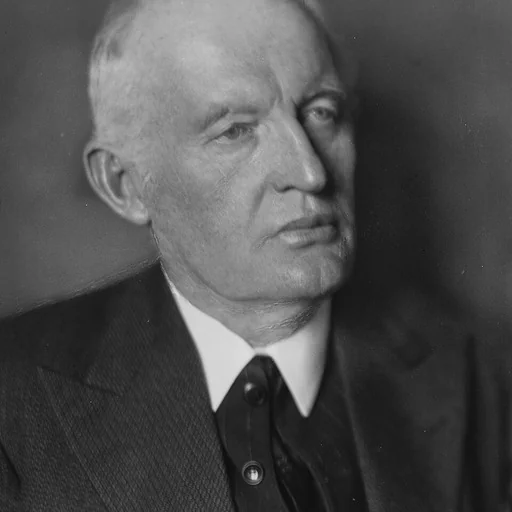
Edvard Munch ( MUUNK; Norwegian: ; 12 December 1863 – 23 January 1944) was a Norwegian painter.