Artwork
Head by Head
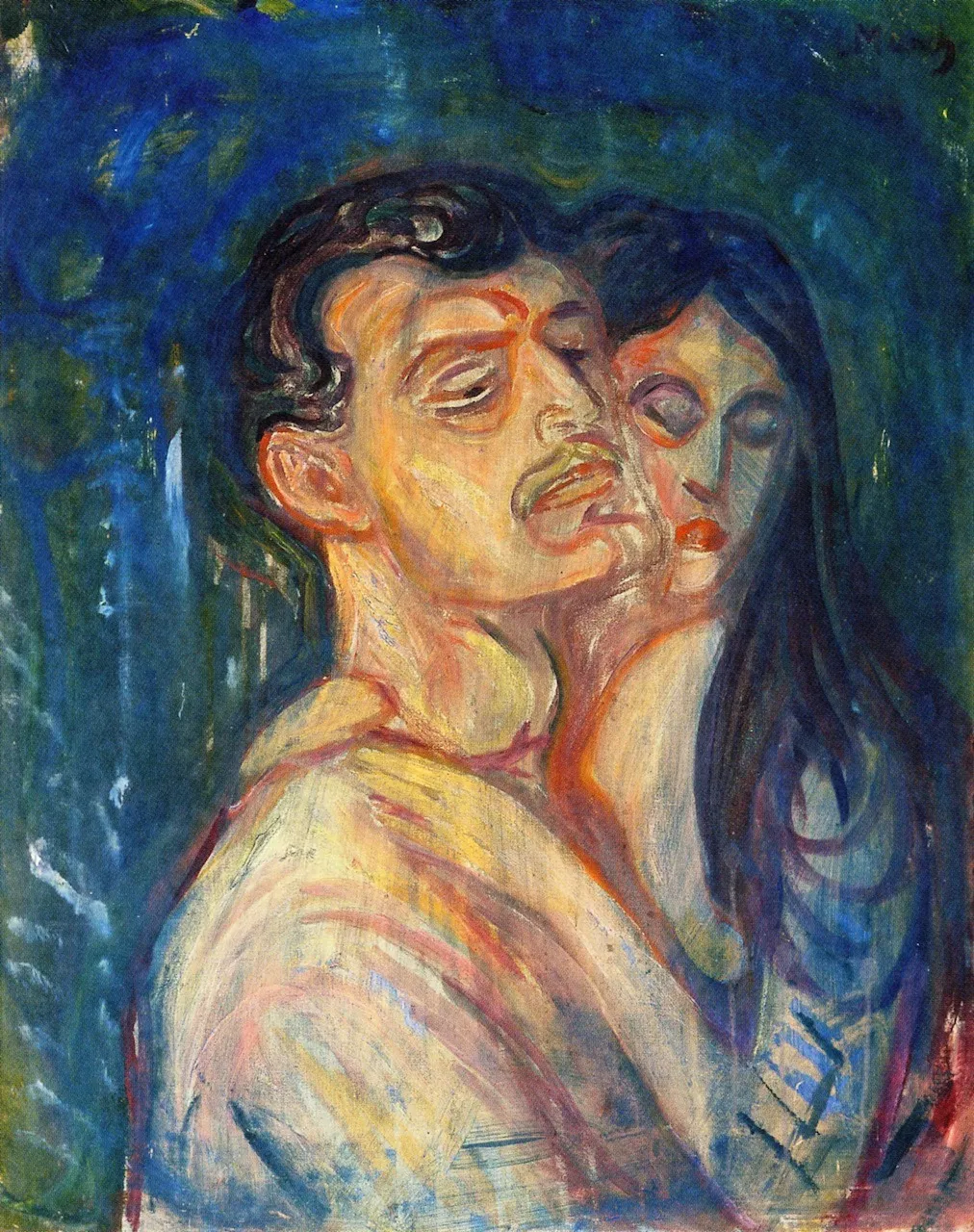
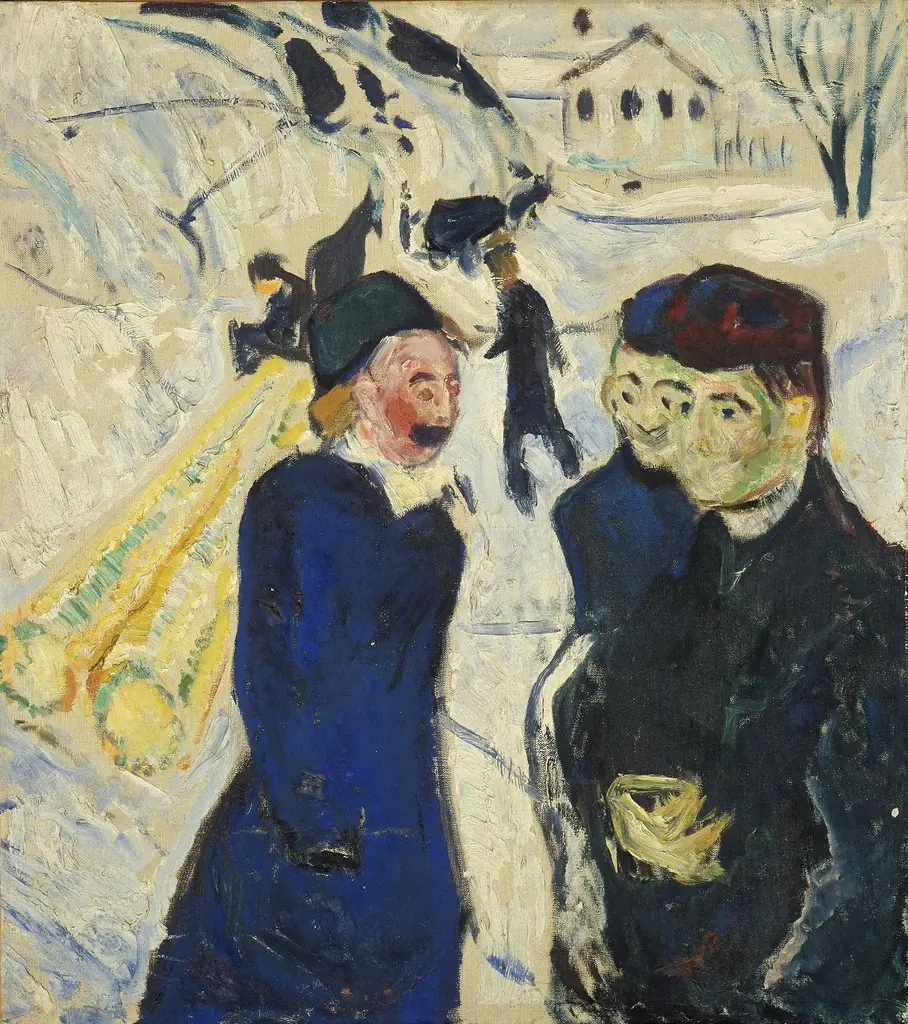
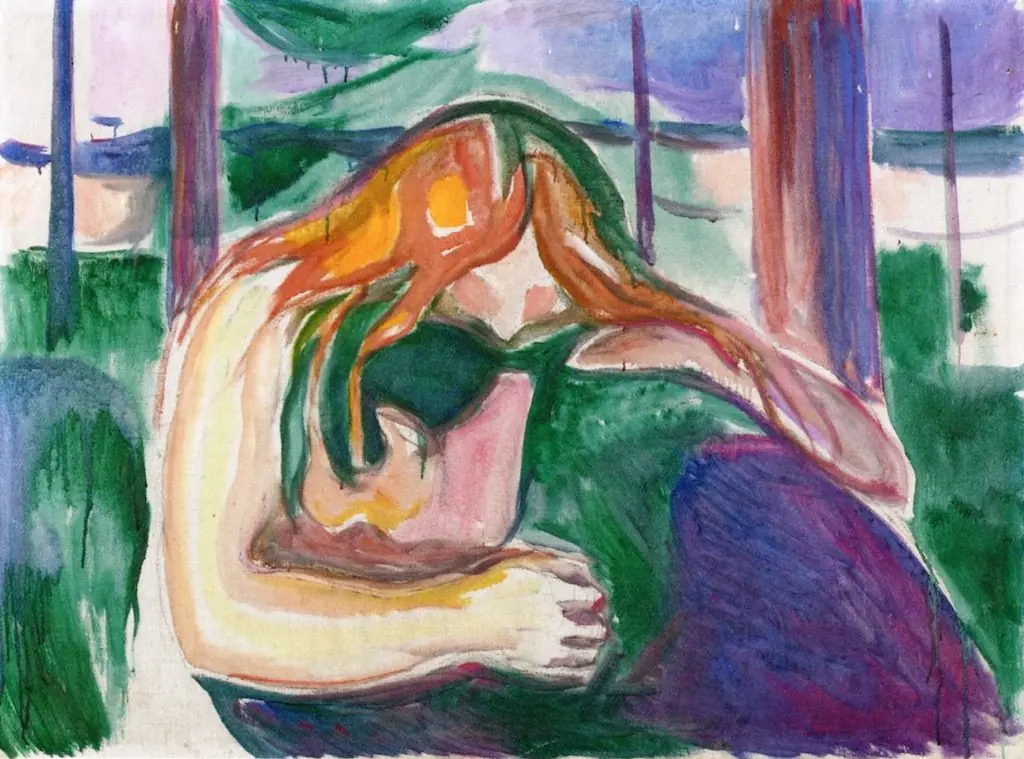
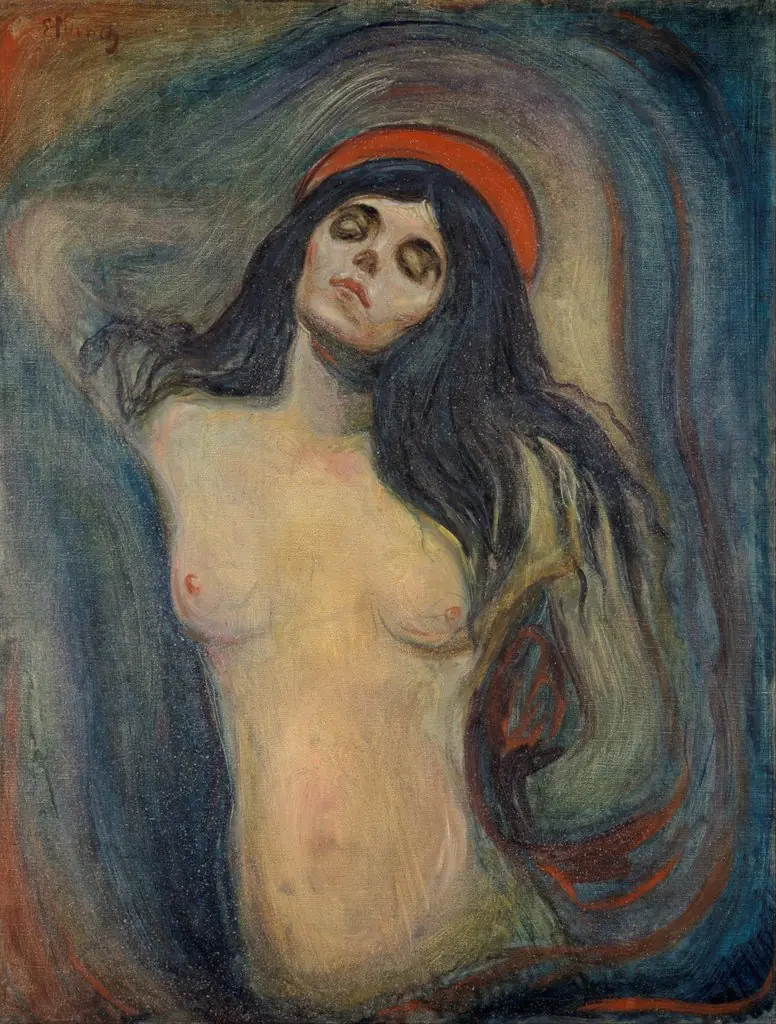
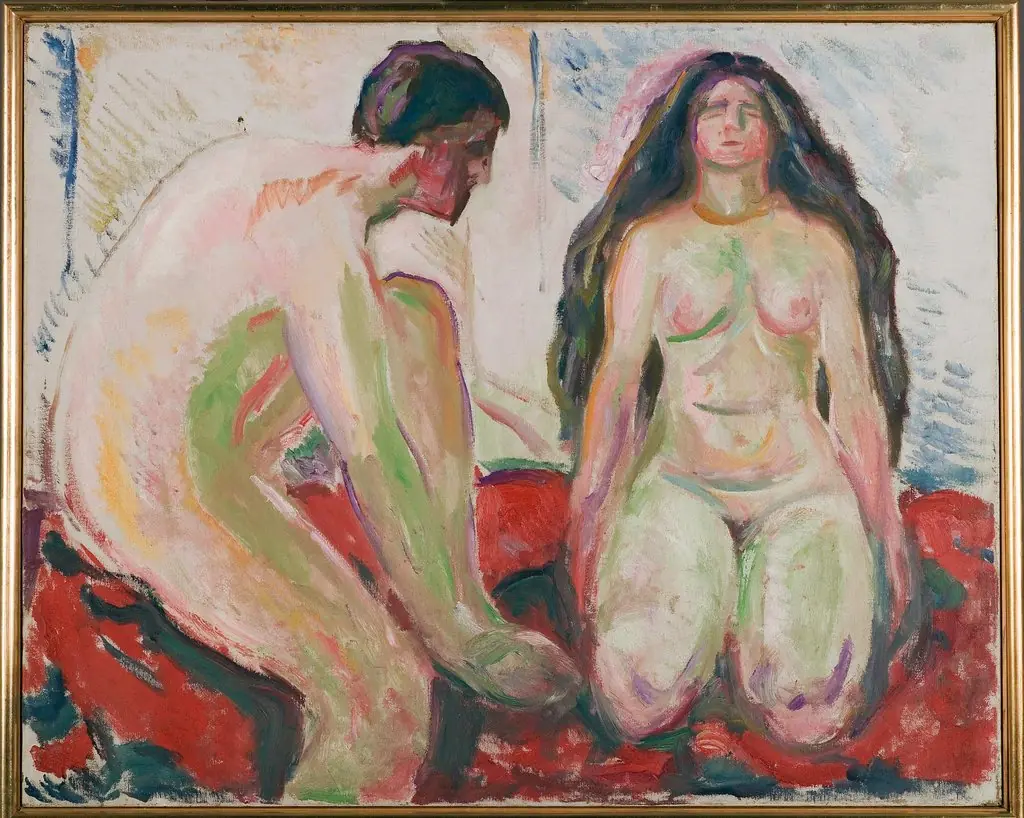
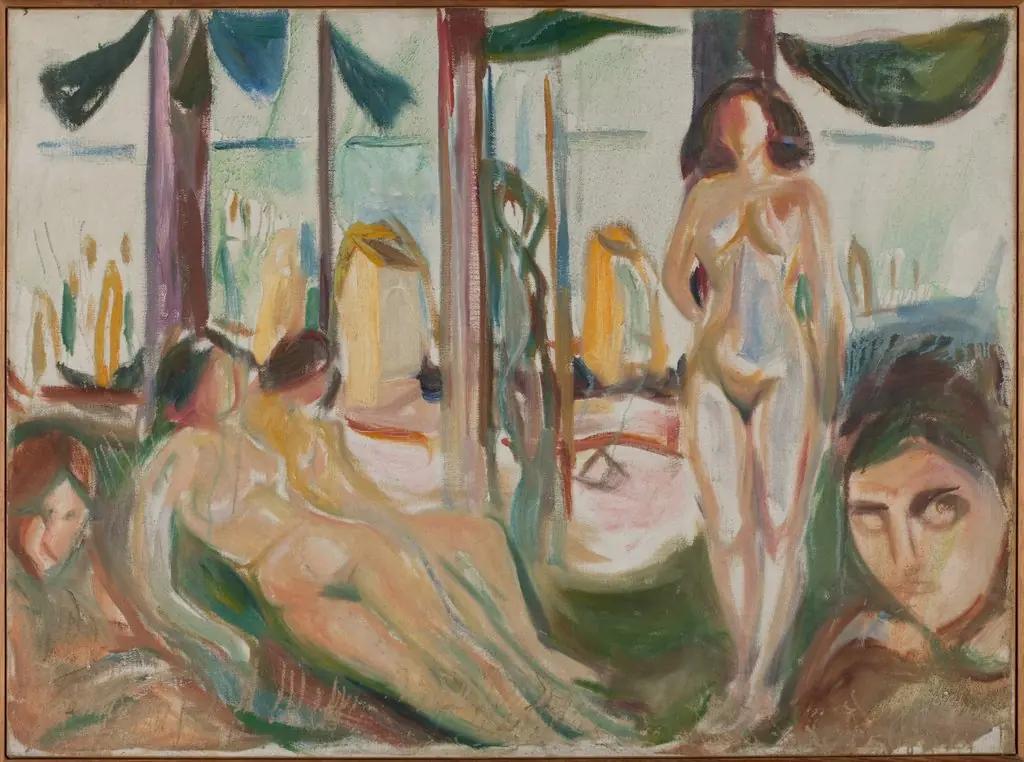
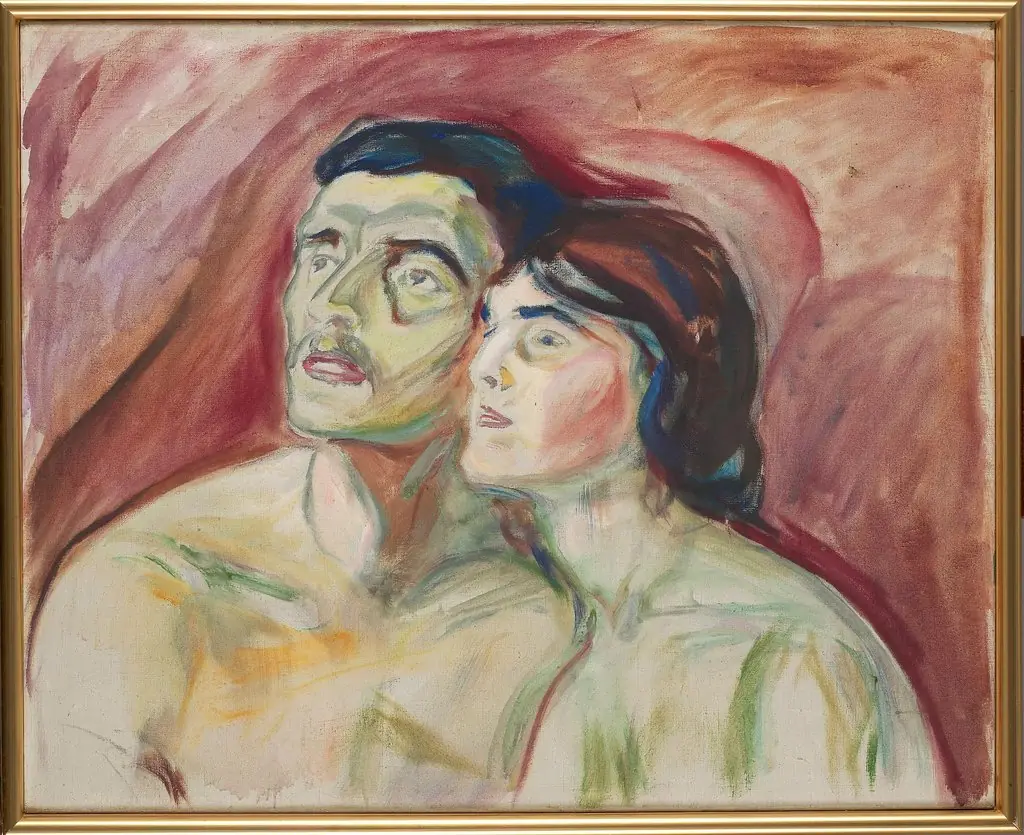
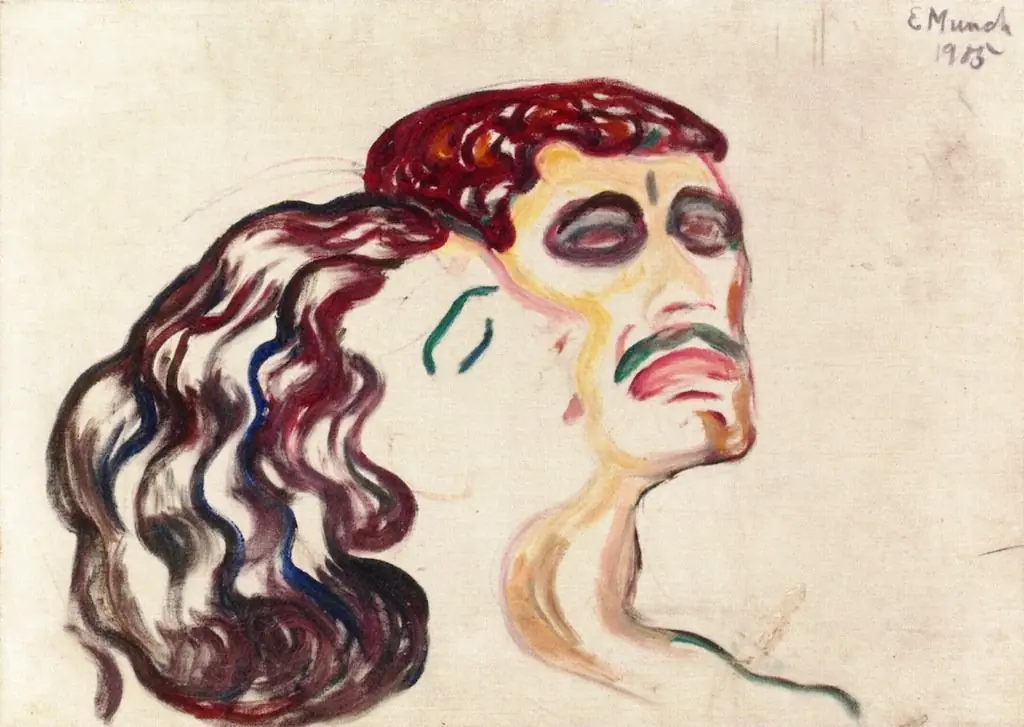
Head by Head is an oil painting by the Post-Impressionist artist Edvard Munch. It dates from 1905 and is held in the collection of the Munch Museum.
About this work
Overview
It belongs to a series in which he examined interpersonal dynamics through simplified, emotionally charged figures.
Painted in 1905, *Head by Head* is an oil-on-canvas work by Norwegian artist Edvard Munch. It belongs to a series in which he examined interpersonal dynamics through simplified, emotionally charged figures. The painting reflects Munch’s sustained interest in psychological tension and human connection, moving beyond literal representation to convey inner states through color and form. It resides in the Munch Museum in Oslo, where it is preserved as part of his broader thematic corpus.
Subject & Meaning
Two figures, rendered from the shoulders up, face each other with close proximity, suggesting a moment of quiet intimacy or confrontation. Their identities are unspecified, allowing the focus to remain on the emotional resonance between them. The lack of narrative detail invites interpretation: is this a moment of comfort, strain, or silent understanding? Munch avoids sentimentality, instead presenting human connection as ambiguous and charged with unspoken tension.
Technique & Style
Munch employs bold, expressive brushwork and heightened color contrasts to amplify emotional weight. Warm tones in the skin of the figures stand against a cool, abstracted background of blue and green, creating spatial depth without perspective. The paint is applied with visible, rhythmic strokes that emphasize texture and movement. This approach aligns with post-impressionist tendencies, prioritizing psychological expression over naturalistic detail.
History & Provenance
Created during a period of intense personal and artistic reflection, *Head by Head* emerged after Munch’s formative years in Oslo and his exposure to philosophical circles influenced by Hans Jæger. The work remained in the artist’s possession until his death, after which it entered the collection of the Munch Museum, established to preserve his legacy. Its continuity within this institution underscores its significance in understanding his thematic evolution.
Context
In early 20th-century Europe, artists increasingly turned inward, exploring emotion and identity beyond traditional representation. Munch’s work intersected with broader Symbolist and Expressionist currents, responding to anxieties of modern life and the fragility of human bonds. *Head by Head* reflects this shift, rejecting academic norms in favor of subjective experience, resonating with contemporaries like Klimt and Schiele who similarly probed psychological depth.
Legacy
The painting contributes to Munch’s enduring reputation for translating inner states into visual language. While less widely known than *The Scream*, *Head by Head* exemplifies his consistent focus on the quiet, unresolved moments between people. Its presence in the Munch Museum ensures ongoing scholarly attention, offering insight into how emotional intimacy was reimagined in modern art through abstraction and color rather than narrative.
Artist & collection
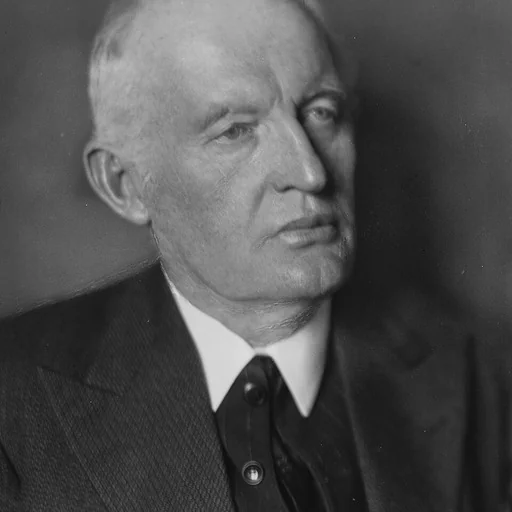
Artist
Edvard Munch ( MUUNK; Norwegian: ; 12 December 1863 – 23 January 1944) was a Norwegian painter.