Artwork
History: Study for the Old Man
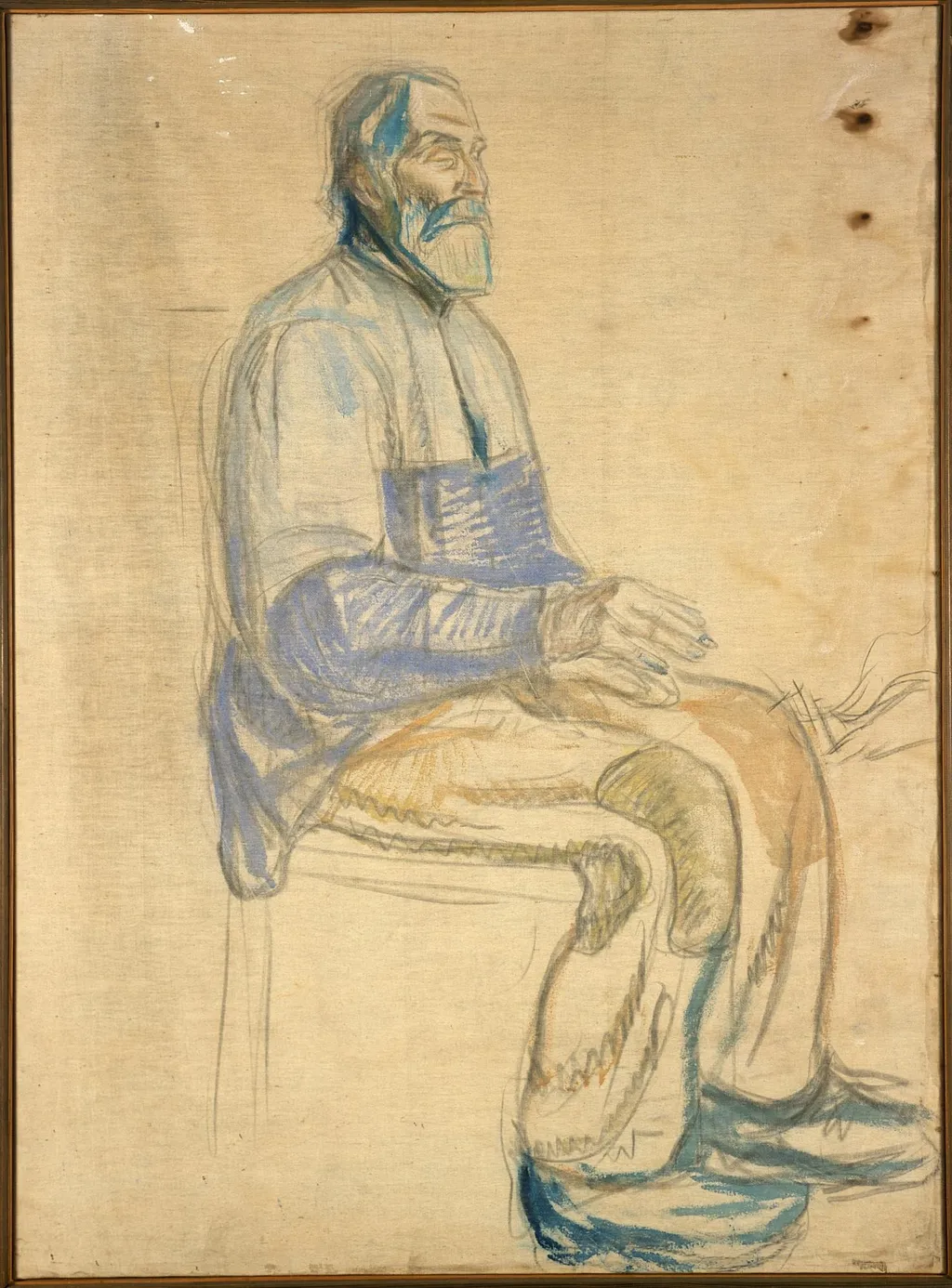
History: Study for the Old Man is a charcoal painting by the Post-Impressionist artist Edvard Munch. It dates from 1910 and is held in the collection of the Munch Museum.
About this work
Overview
Unlike his more famous expressionist works, this piece adopts a quieter tone, focusing on a single figure rather than psychological intensity.
Created in 1910, this tempera painting is a preparatory study by Edvard Munch, part of a broader series exploring themes of time and memory. Unlike his more famous expressionist works, this piece adopts a quieter tone, focusing on a single figure rather than psychological intensity. The medium of tempera, with its matte finish and slow drying time, allowed Munch to build subtle layers of color and texture, contributing to the work’s contemplative mood.
Subject & Meaning
The subject is Børre Eriksen, a Norwegian writer and friend of Munch’s, depicted seated in repose. Dressed in a white shirt and blue vest, his calm demeanor and white beard suggest wisdom and age. The figure is not portrayed as a historical hero but as an ordinary elder, inviting reflection on the quiet dignity of aging. Munch’s interest in human vulnerability and the passage of time underlies the image, aligning it with his broader preoccupations rather than traditional history painting.
Technique & Style
Munch employed tempera, a pigment mixed with water and egg yolk, to achieve a restrained, opaque surface. The brushwork is deliberate but unobtrusive, avoiding dramatic contrasts in favor of soft transitions. The muted palette—light brown background, pale garments, and subtle blues—enhances the stillness of the scene. The composition is simple, with the figure centered and facing right, drawing attention to the quiet intensity of the gaze rather than narrative action.
History & Provenance
The painting was made during a period when Munch was revisiting themes of mortality and personal history, following years of emotional turmoil and physical illness. It was likely created in or near Oslo, where Munch maintained a studio. The work remained in private collections for much of the 20th century before entering a public institution. Its status as a study suggests it was not intended for public display but as a step in a larger conceptual project.
Context
In the early 20th century, Munch moved away from the explosive symbolism of his youth toward more introspective subjects. While contemporaries like Cézanne and Gauguin explored form and color in new ways, Munch turned inward, focusing on individual presence and psychological weight. This study reflects his engagement with Nordic traditions of quiet portraiture, distinct from the theatricality of academic history painting.
Legacy
Though less known than *The Scream*, this study exemplifies Munch’s enduring interest in the human condition beyond overt emotion. It reveals his capacity for restraint and his ability to convey depth through simplicity. Art historians recognize it as a bridge between his early expressionism and later, more meditative works, offering insight into his evolving approach to portraiture and the passage of time.
Artist & collection
Artist
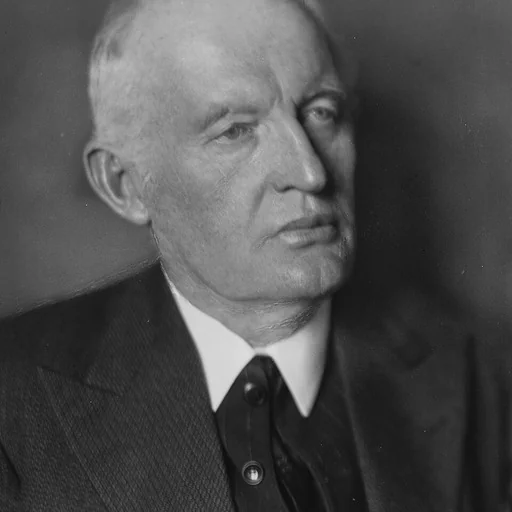
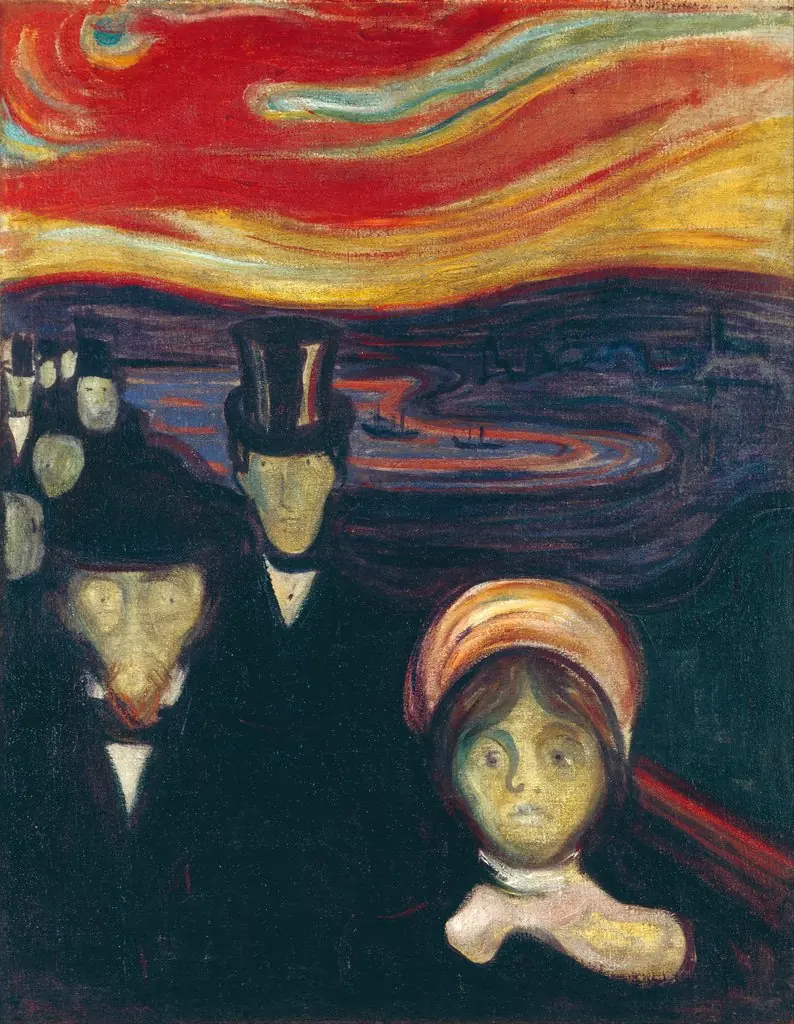
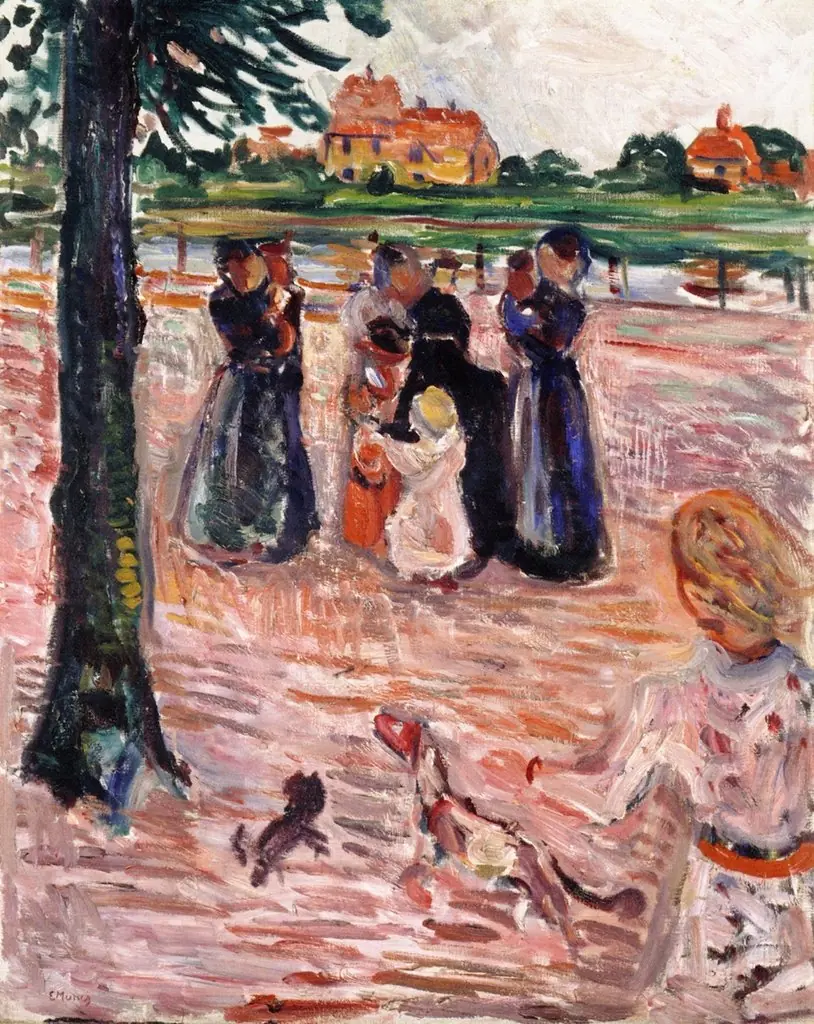
Edvard Munch ( MUUNK; Norwegian: ; 12 December 1863 – 23 January 1944) was a Norwegian painter.

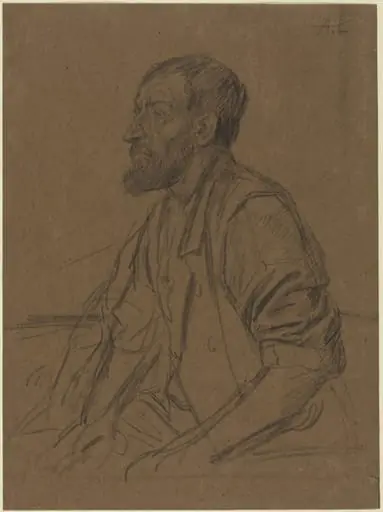 Study of a Workman
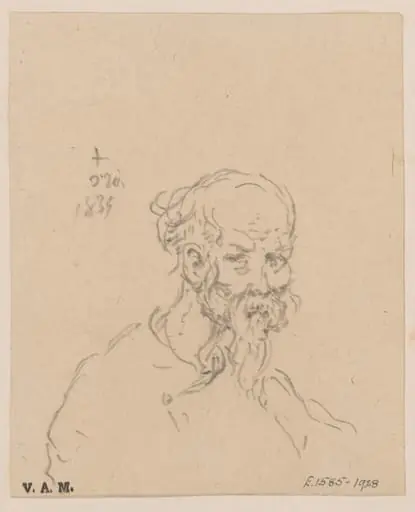 The head of an elderly Chinese man
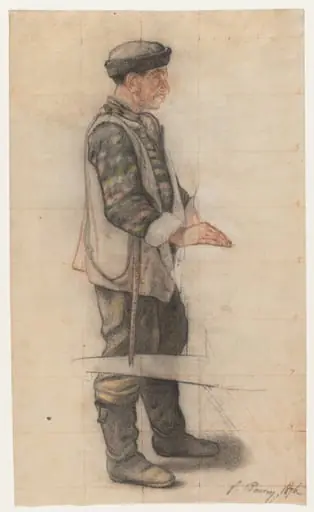 The Stretcher Bearer (Study for "Le Couvreur tombé")
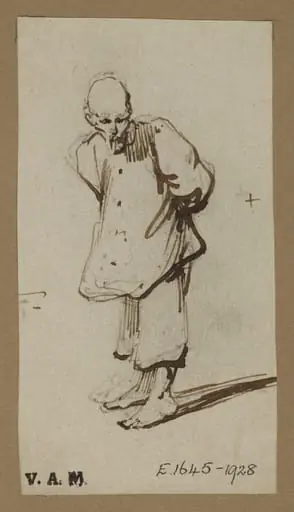 A stooping Chinese man
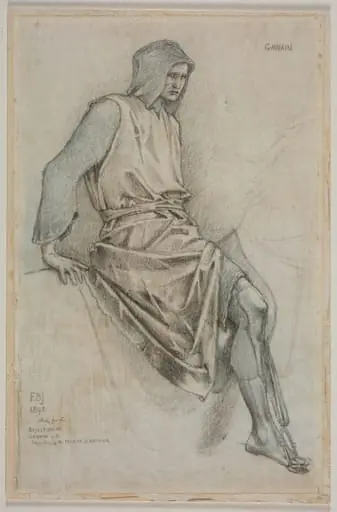 Study for the Failure of Gawain from the Holy Grail Tapestries
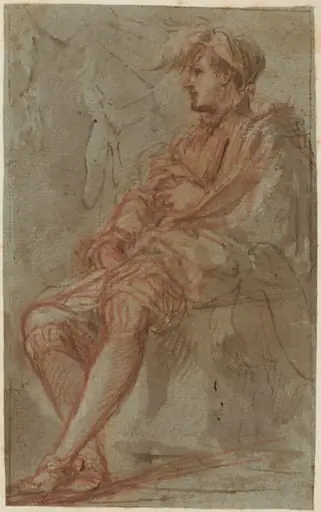 A Young Man
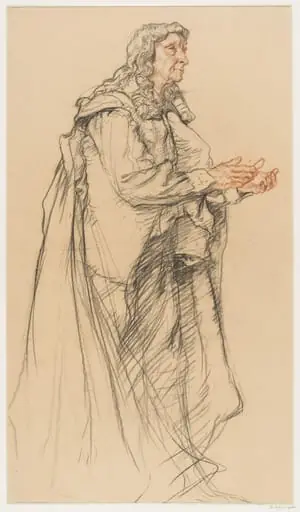 Prince Rupert receiving the Charter of the Hudson Bay Company from Charles II
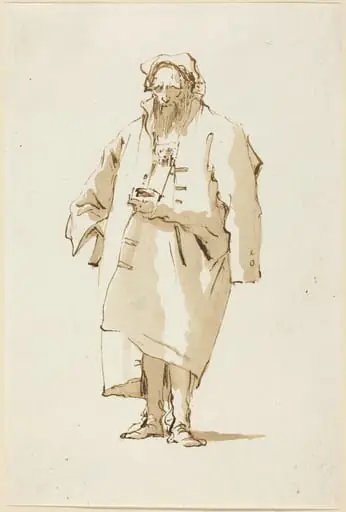 A Standing Oriental Wearing a Greatcoat
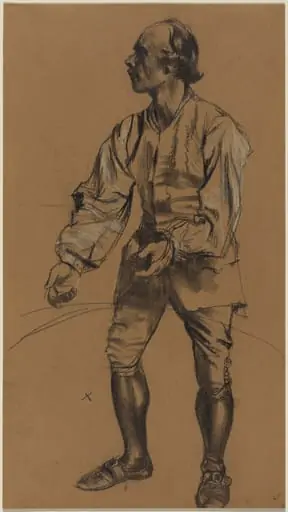 Richard Menzel Posing in Eighteenth-Century Costume
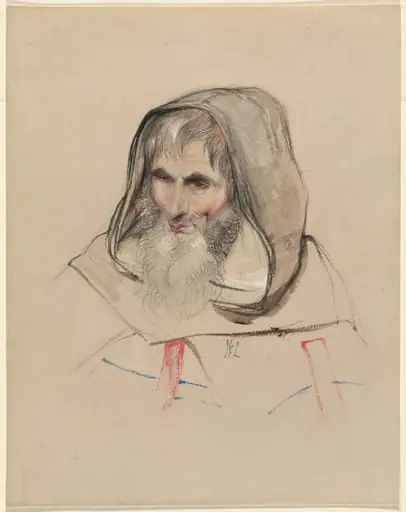 Head of a Spanish Monk