Artwork
Jealousy
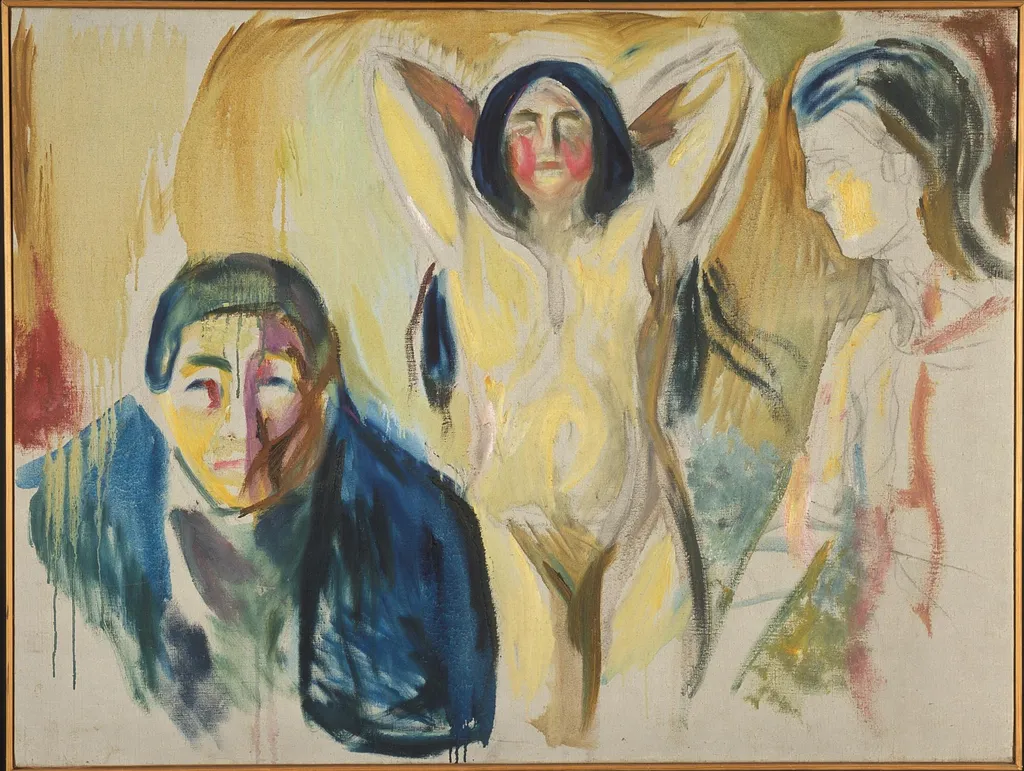
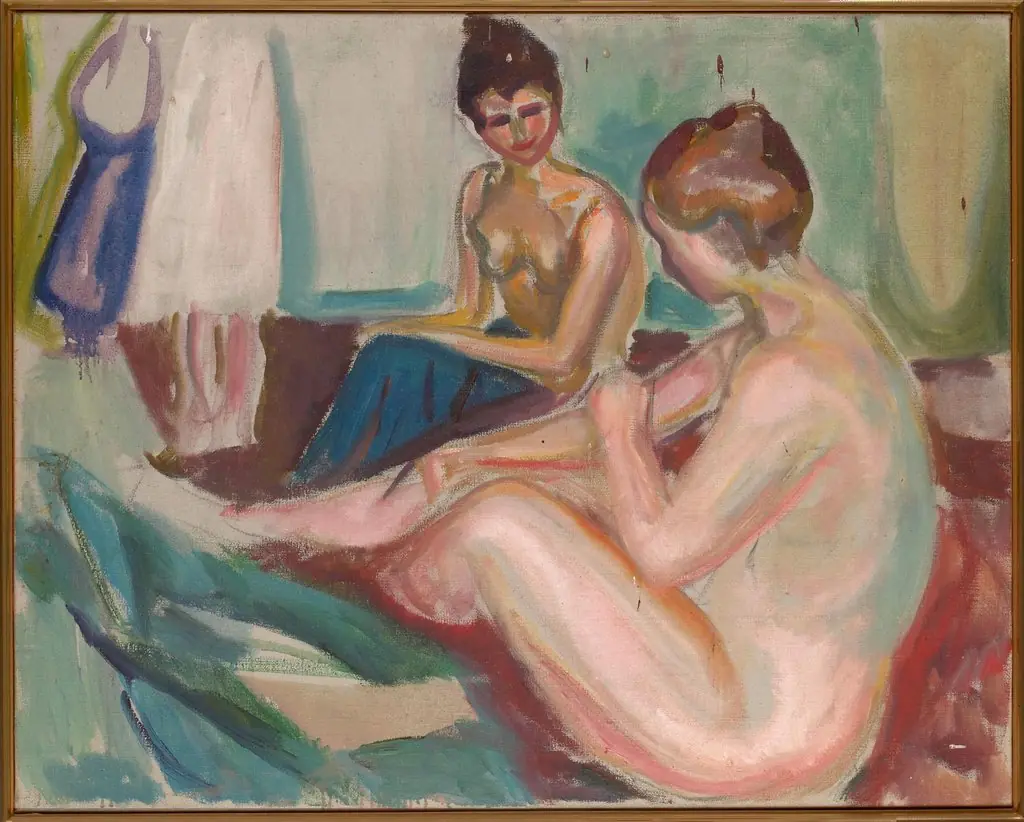
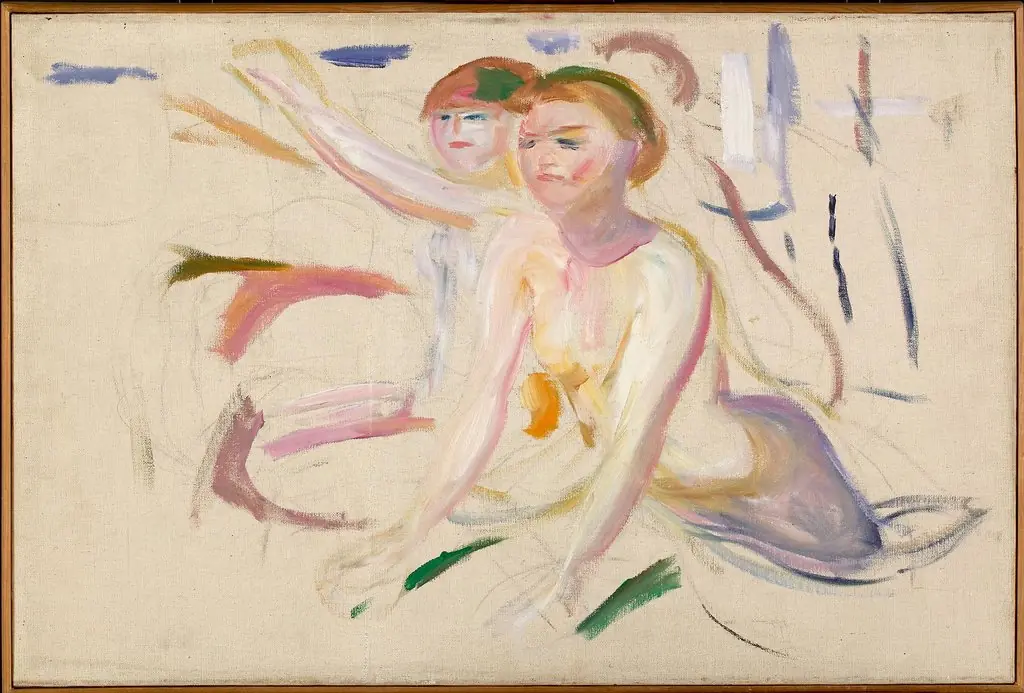
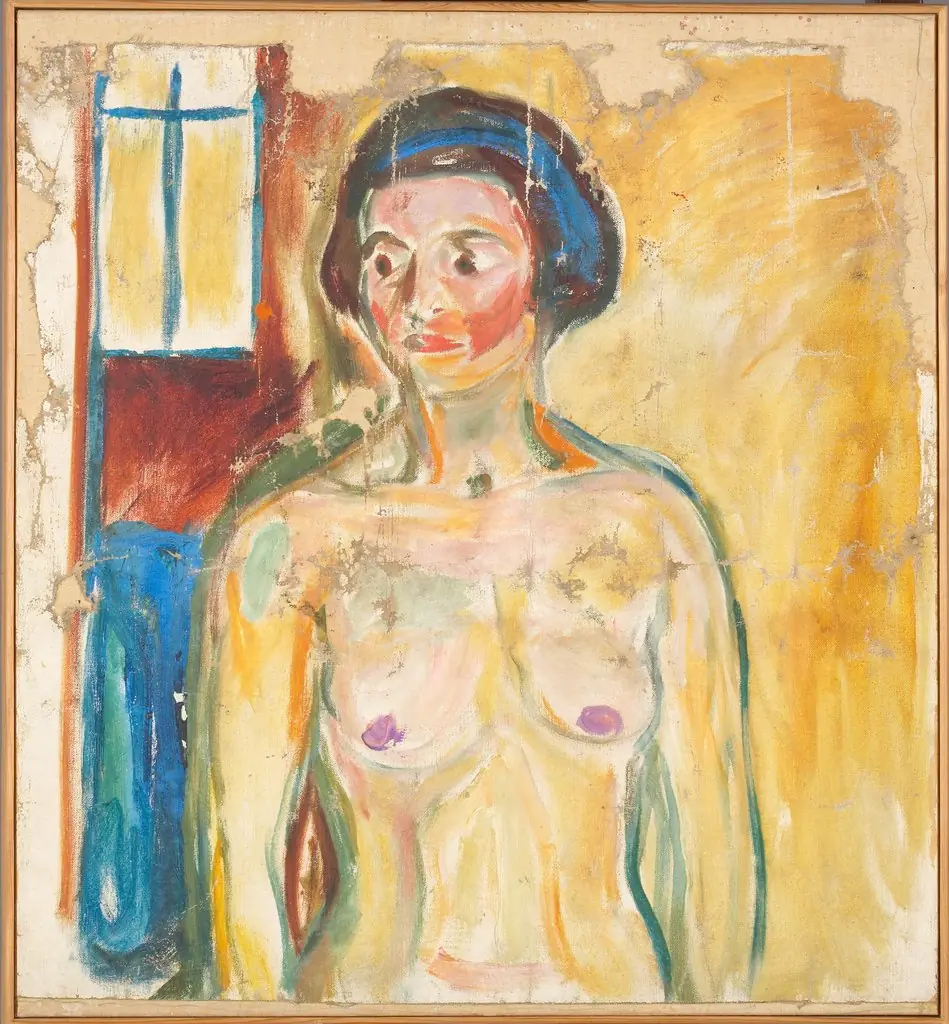
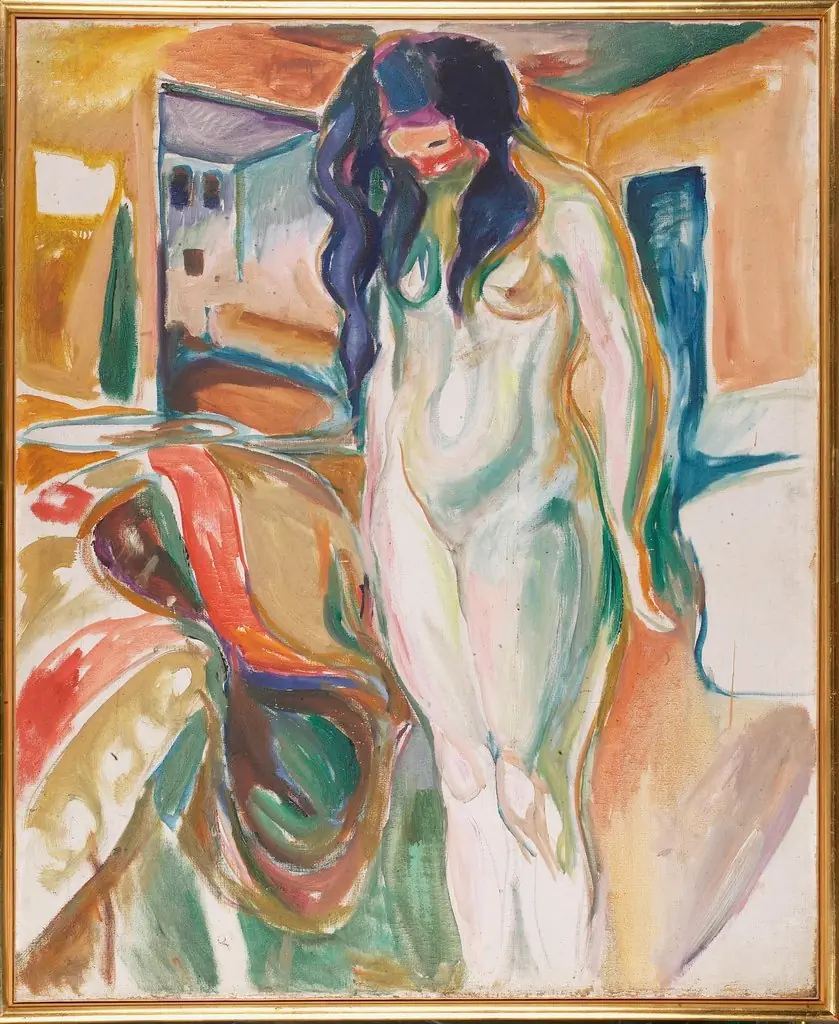
Jealousy is an oil painting by the Post-Impressionist artist Edvard Munch. It dates from 1913 and is held in the collection of the Munch Museum.
About this work
Overview
The painting is part of the permanent collection at the Munch Museum in Oslo, where it remains a key example of his mature style.
Created in 1913, *Jealousy* is an oil painting by Norwegian artist Edvard Munch. It belongs to a series of works exploring inner emotional states, reflecting his lifelong interest in psychological tension. Executed with visible, textured brushwork, the piece uses a restrained palette of yellows and browns to evoke unease. The painting is part of the permanent collection at the Munch Museum in Oslo, where it remains a key example of his mature style.
Subject & Meaning
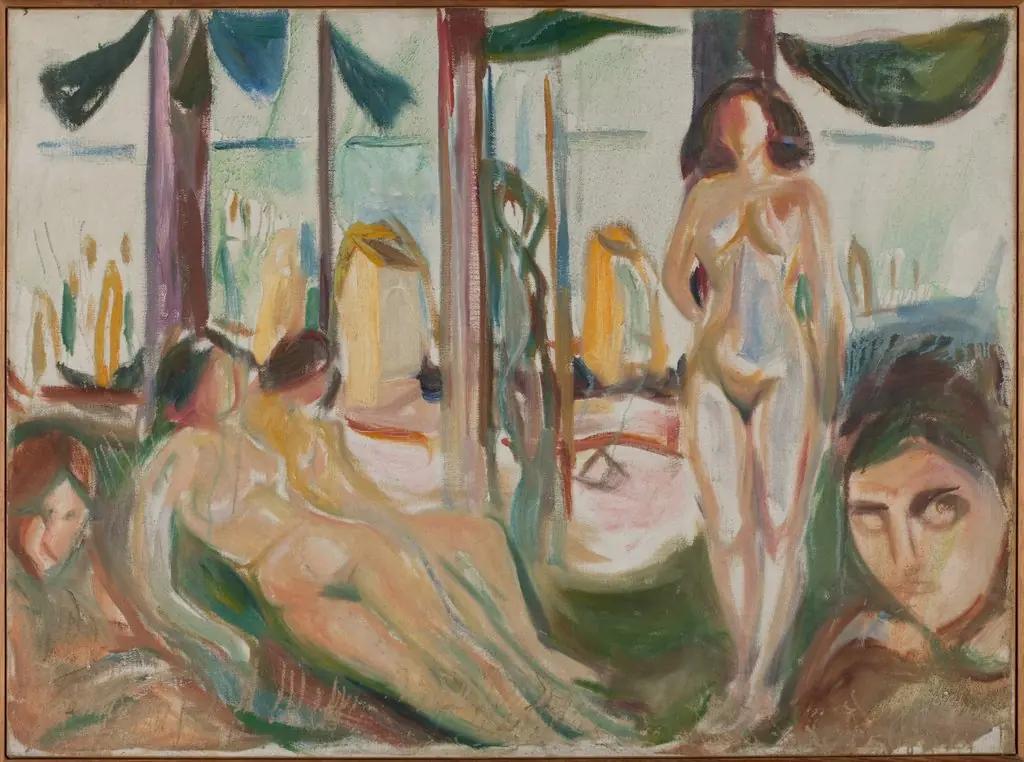
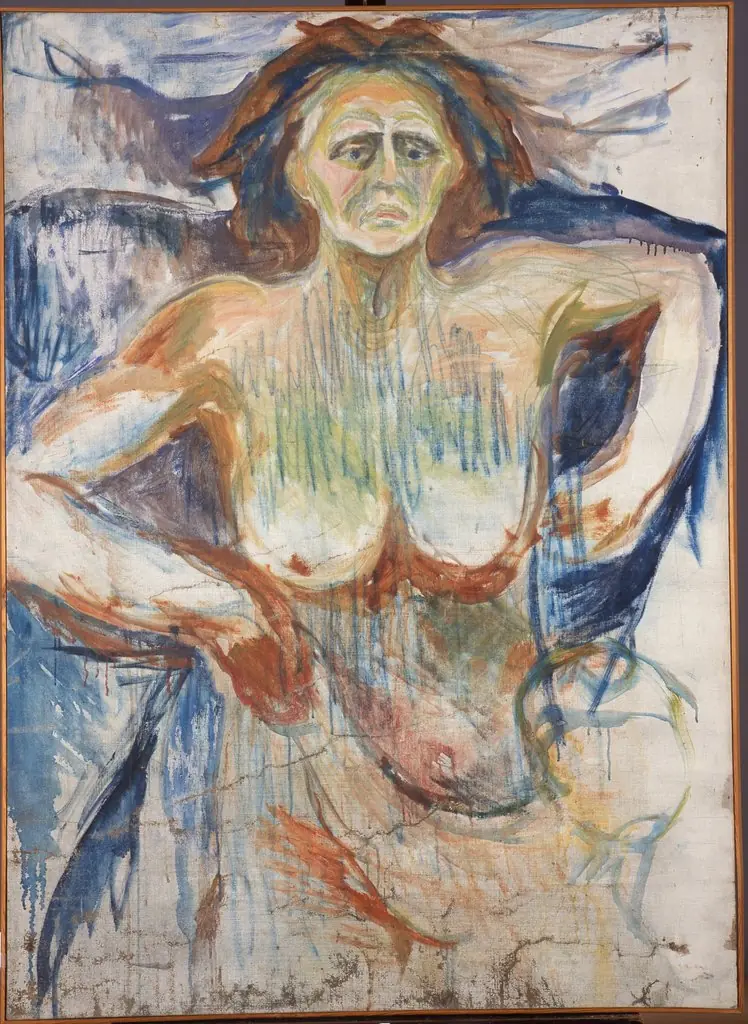
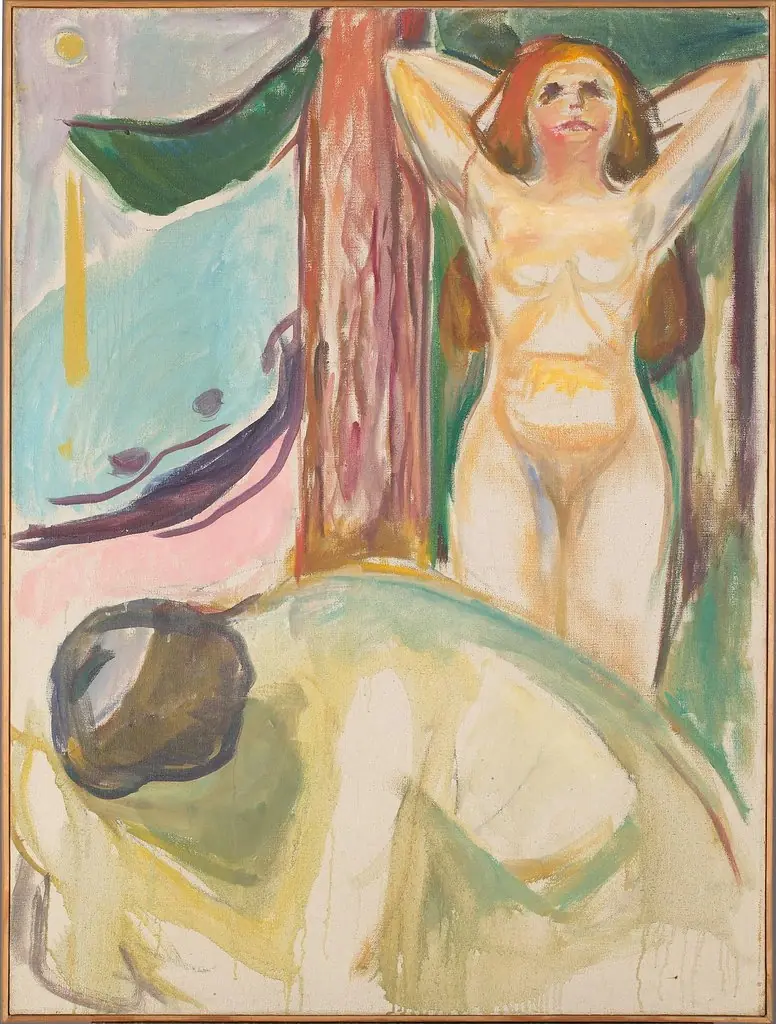
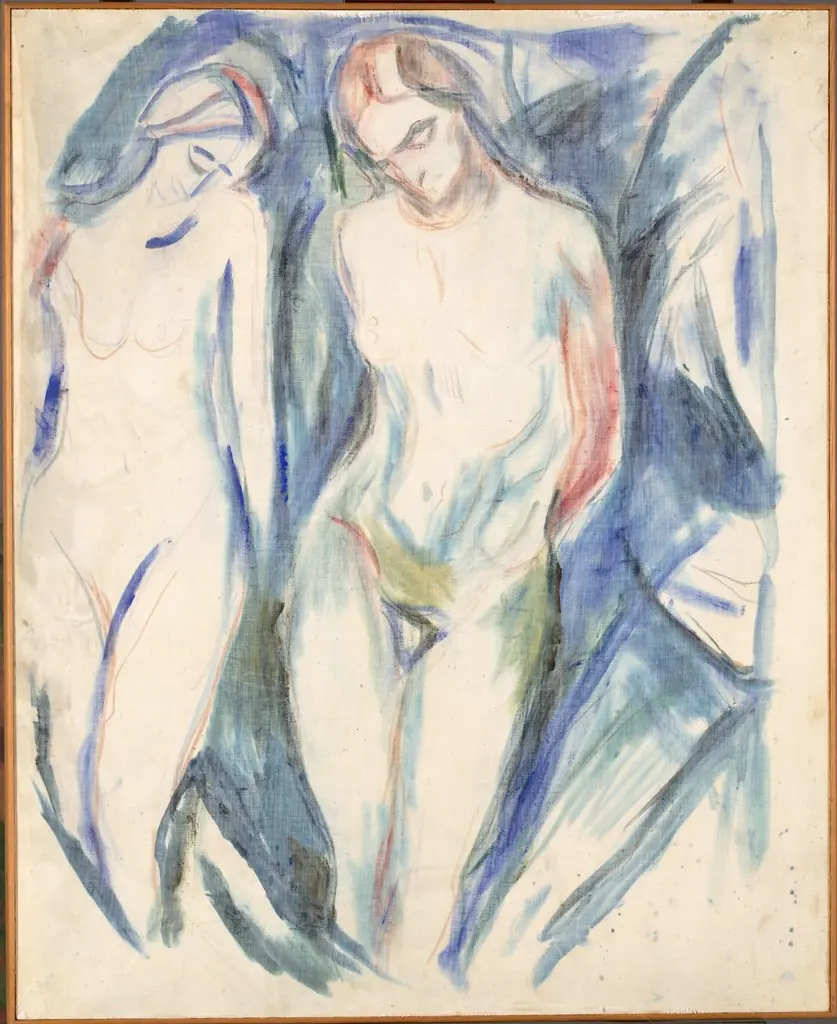
The painting depicts three figures in a static, intimate arrangement: a man on the left, head bowed; a central woman with arms raised; and a second woman on the right, head lowered. Their postures suggest emotional distance and unspoken conflict. Rather than narrating a specific event, Munch uses this composition as an allegory for the isolating nature of jealousy, rendering it as a silent, internal force rather than a dramatic scene.
Technique & Style
Munch applied oil paint with deliberate, uneven strokes, creating a tactile surface that enhances the painting’s emotional weight. Colors are subdued, dominated by ochres and earth tones, avoiding vivid contrast to amplify psychological ambiguity. The figures are simplified, with minimal detail, focusing attention on gesture and spatial tension. This approach aligns with his post-impressionist leanings, prioritizing mood over realism.
History & Provenance
Painted during Munch’s later period, *Jealousy* emerged from a phase in which he increasingly turned inward, revisiting themes of anxiety and human relationships. It was acquired by the Munch Museum shortly after its creation and has remained in its collection since. The work reflects his ongoing engagement with personal trauma and emotional memory, shaped by early losses and philosophical influences like Hans Jæger’s nihilism.
Context
Munch’s work in the early 20th century moved beyond the Symbolist intensity of his youth, adopting a more restrained, introspective tone. *Jealousy* reflects broader European artistic trends that favored psychological depth over narrative clarity. His training at the Royal School of Art in Kristiania and exposure to modernist circles informed his shift toward simplified forms and emotional abstraction, distancing his work from academic conventions.
Legacy
Though less widely known than *The Scream*, *Jealousy* exemplifies Munch’s enduring focus on the invisible dimensions of human experience. Its quiet intensity influenced later expressionist painters who sought to convey inner states through form and color. The painting remains a quiet but potent study in emotional isolation, continuing to resonate in discussions of psychological art in the modern era.
Artist & collection
Artist
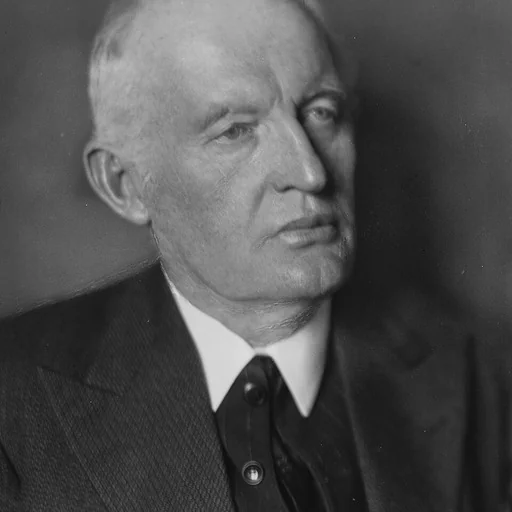
Edvard Munch ( MUUNK; Norwegian: ; 12 December 1863 – 23 January 1944) was a Norwegian painter.