Artwork
Landscape
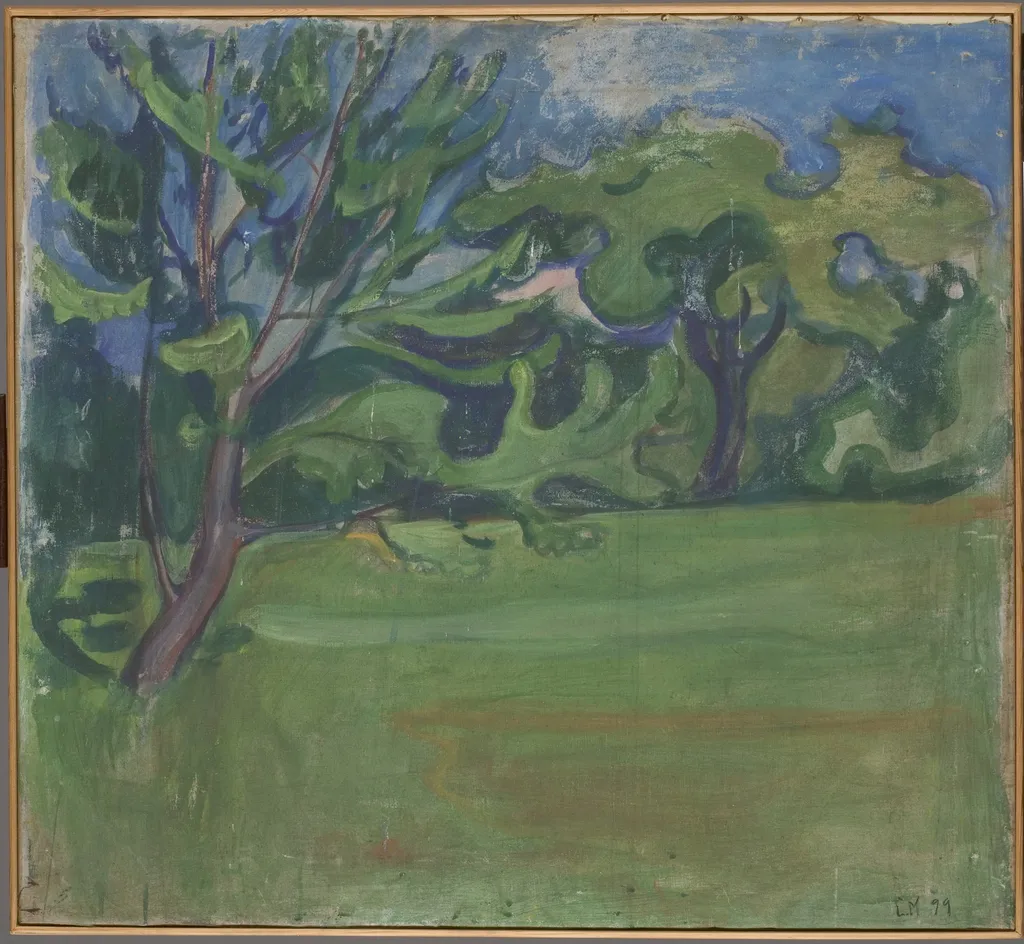
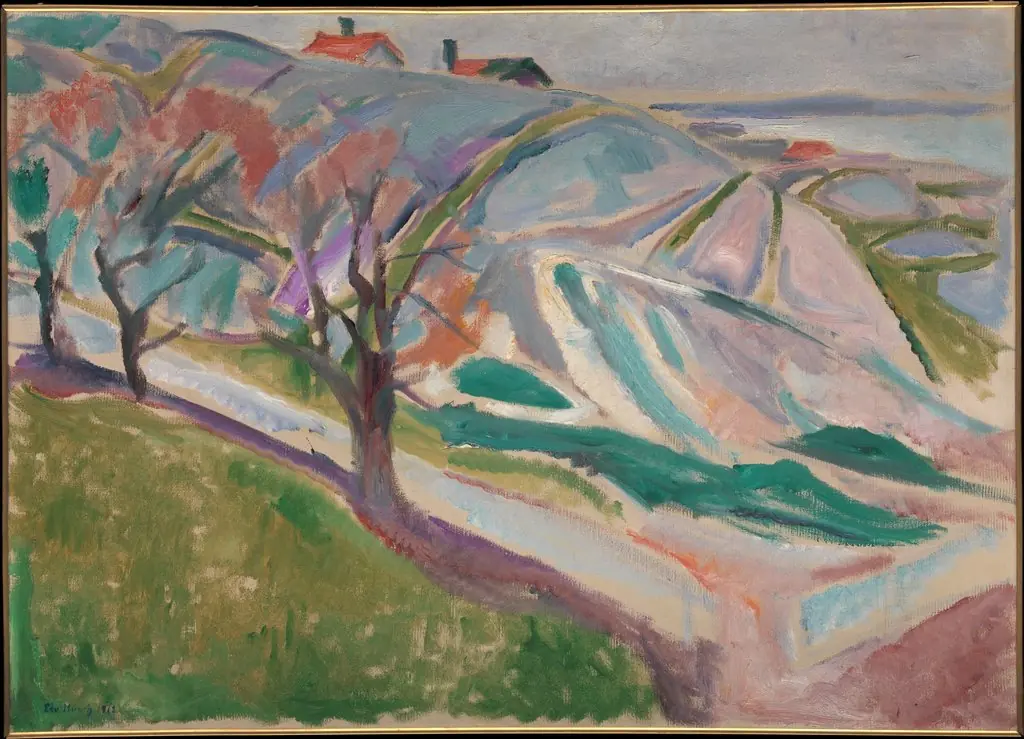
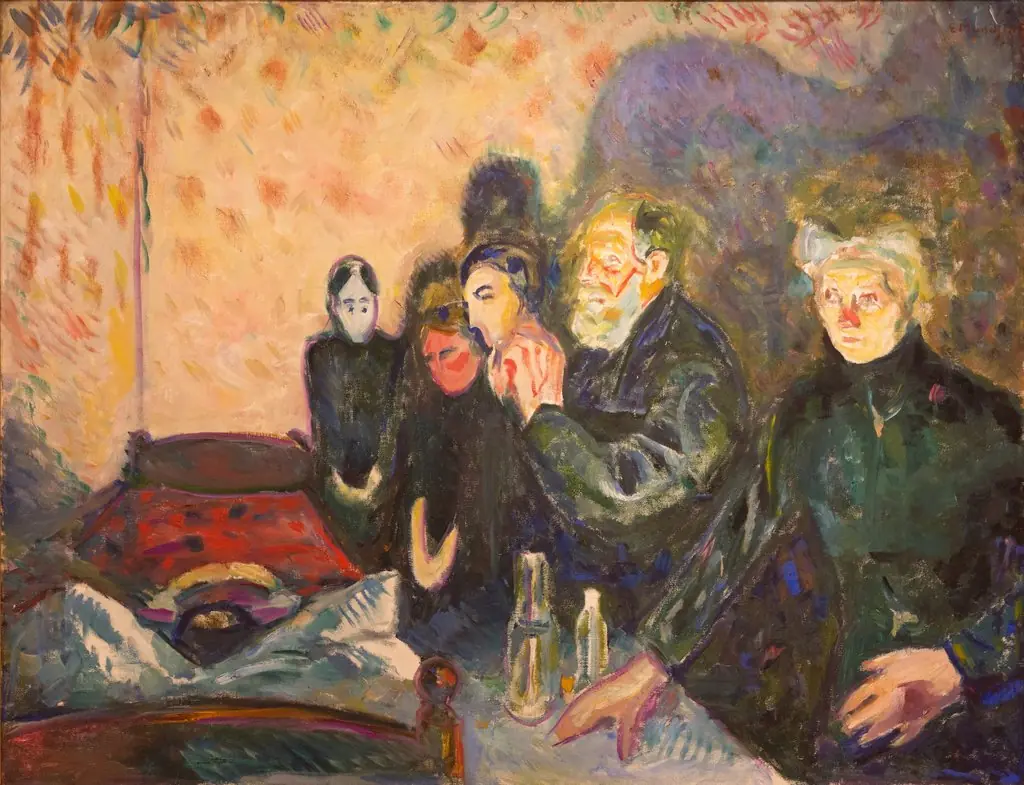
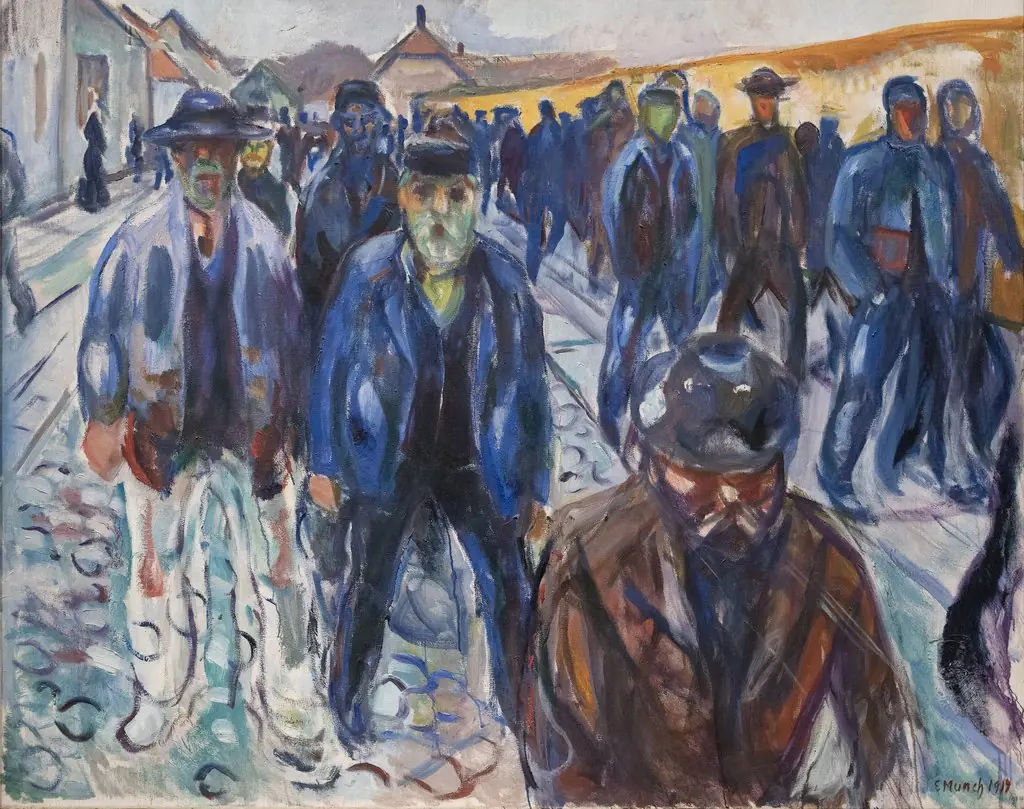
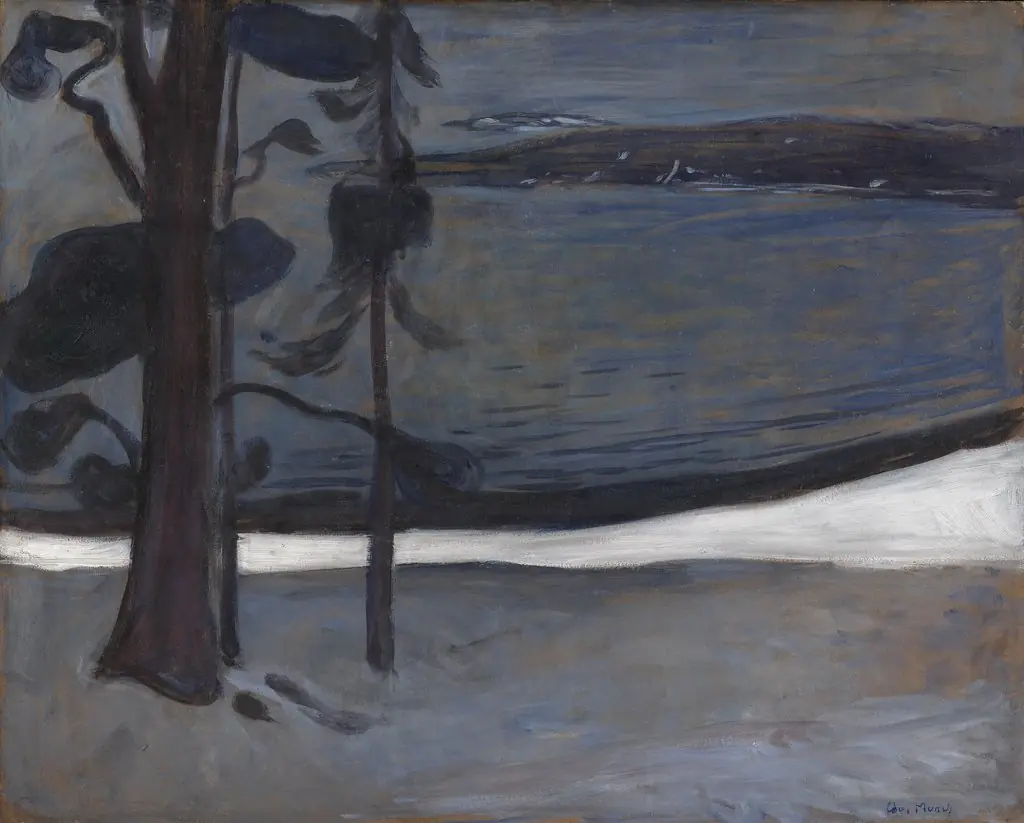
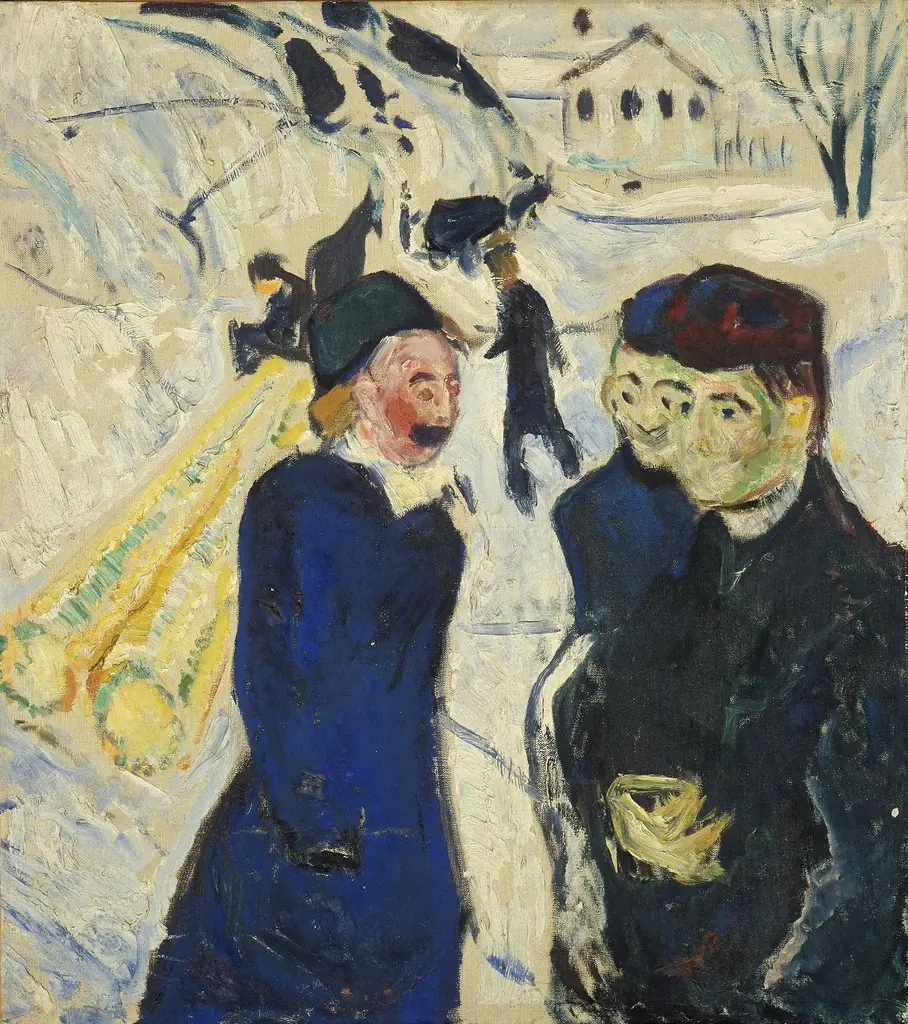
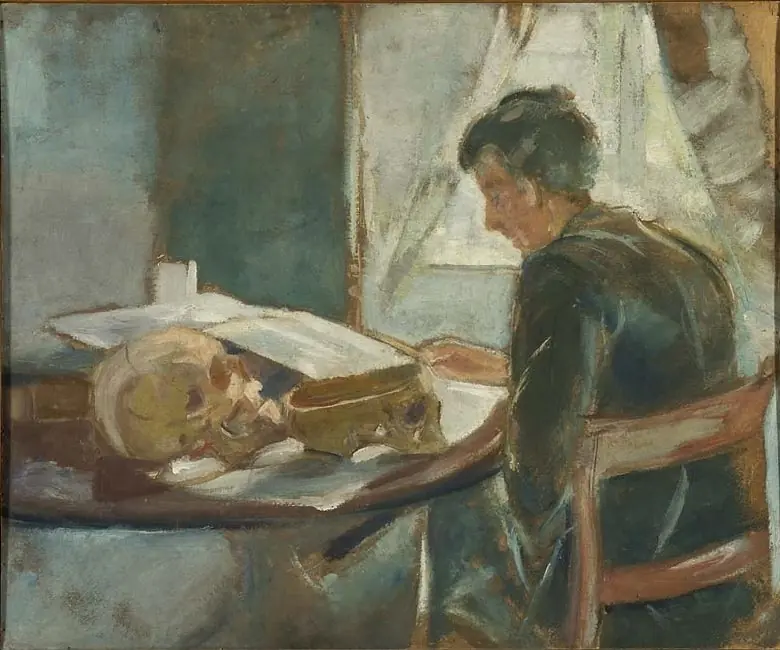
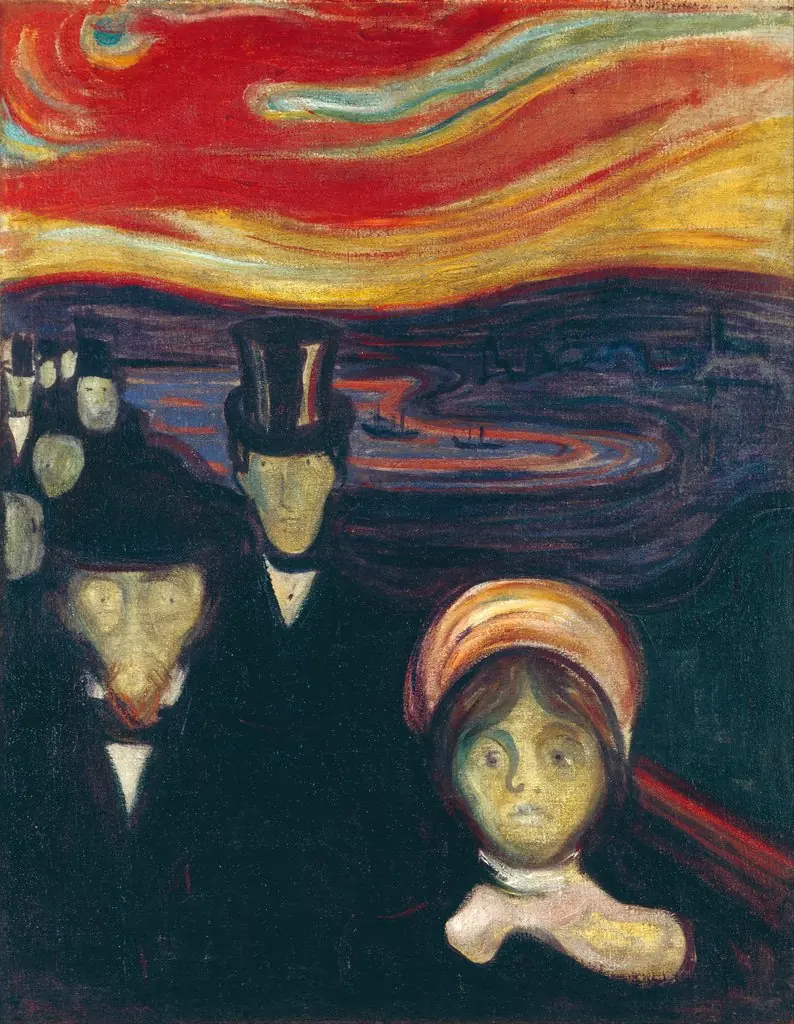
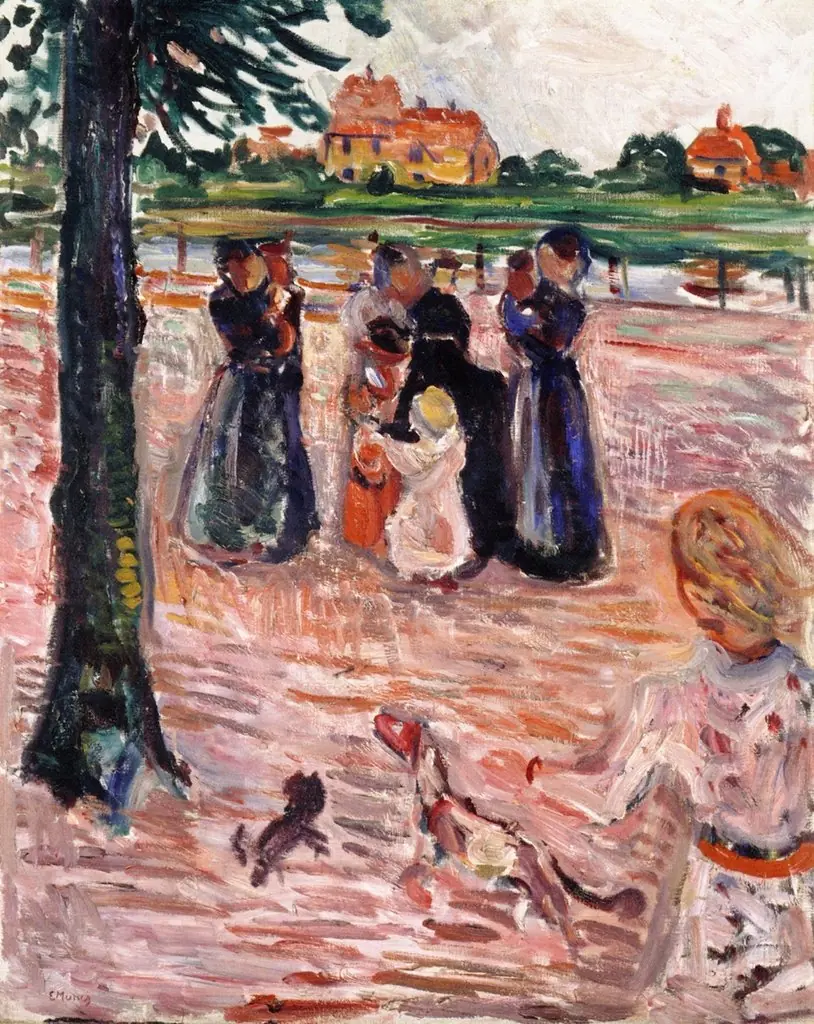
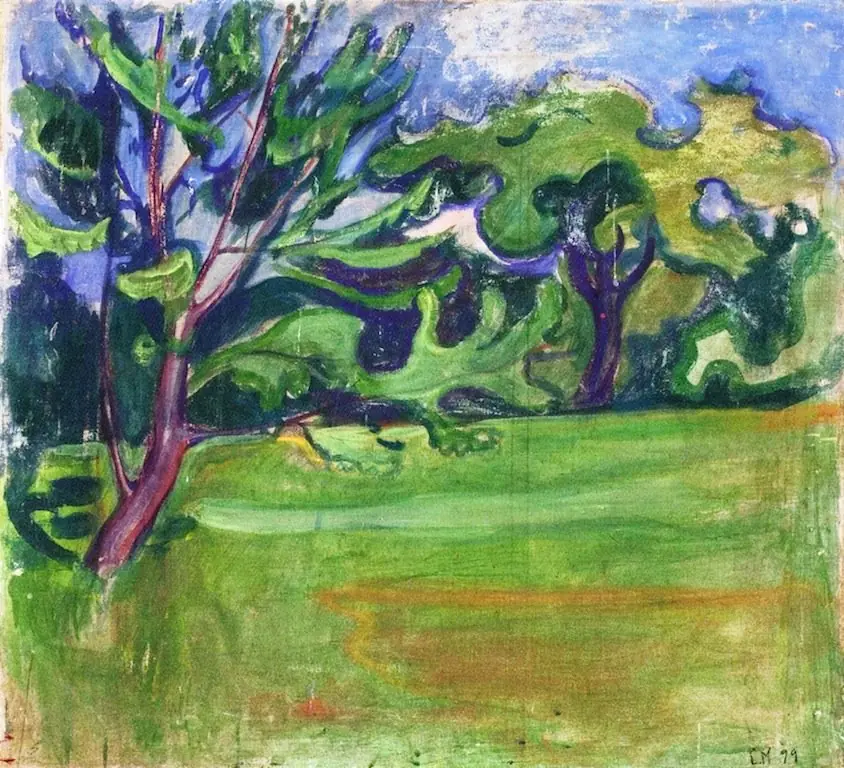
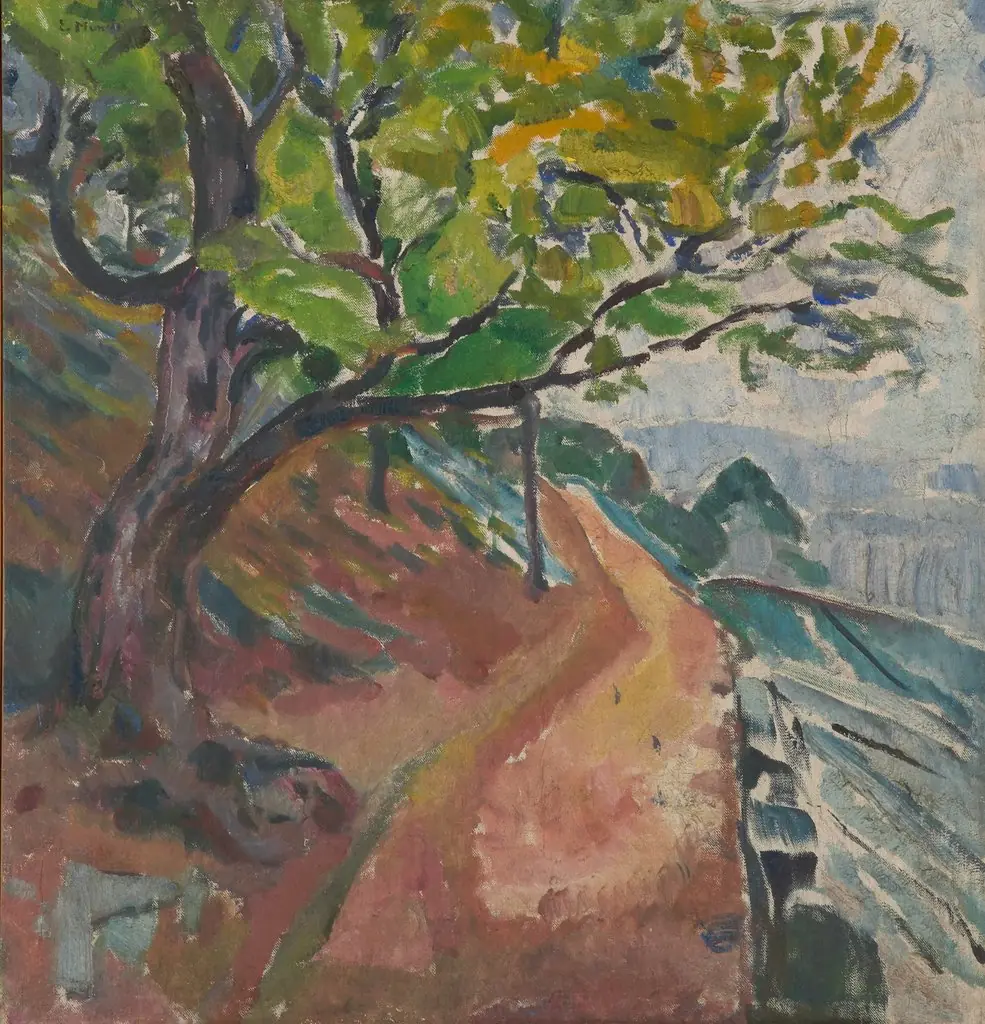
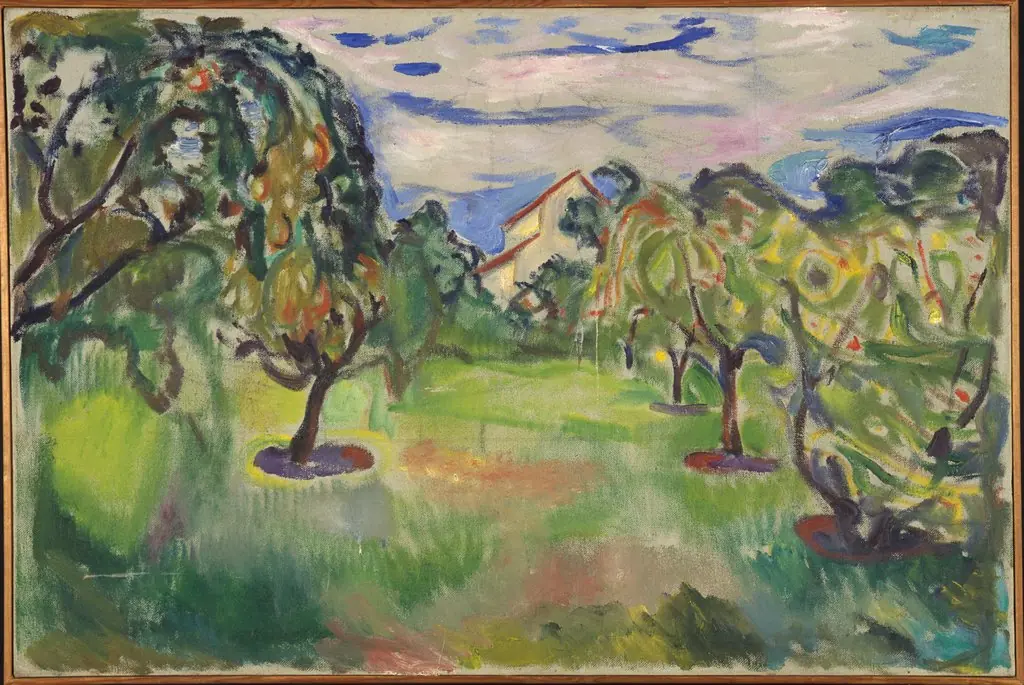
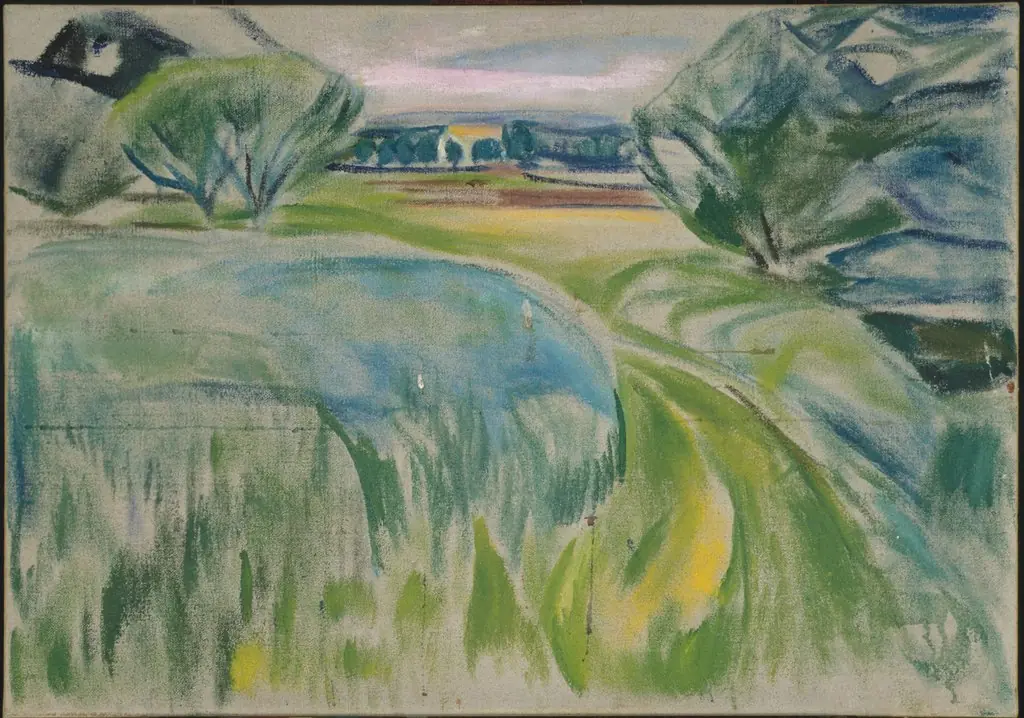
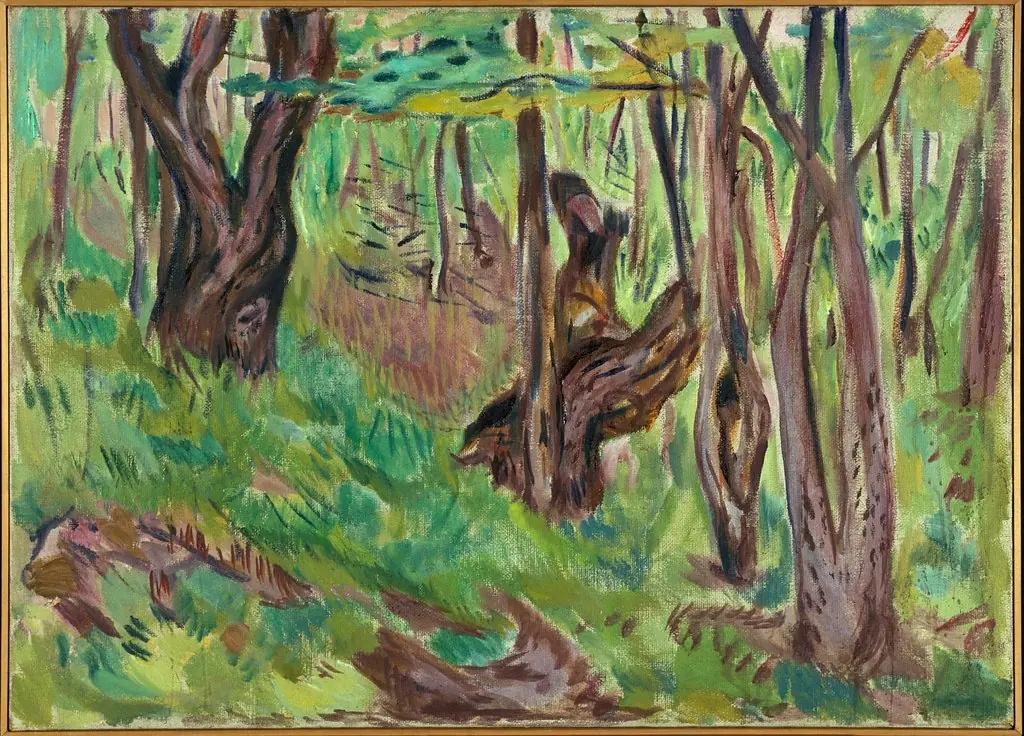
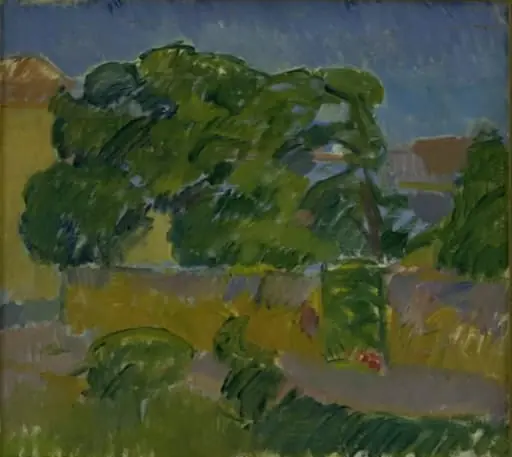
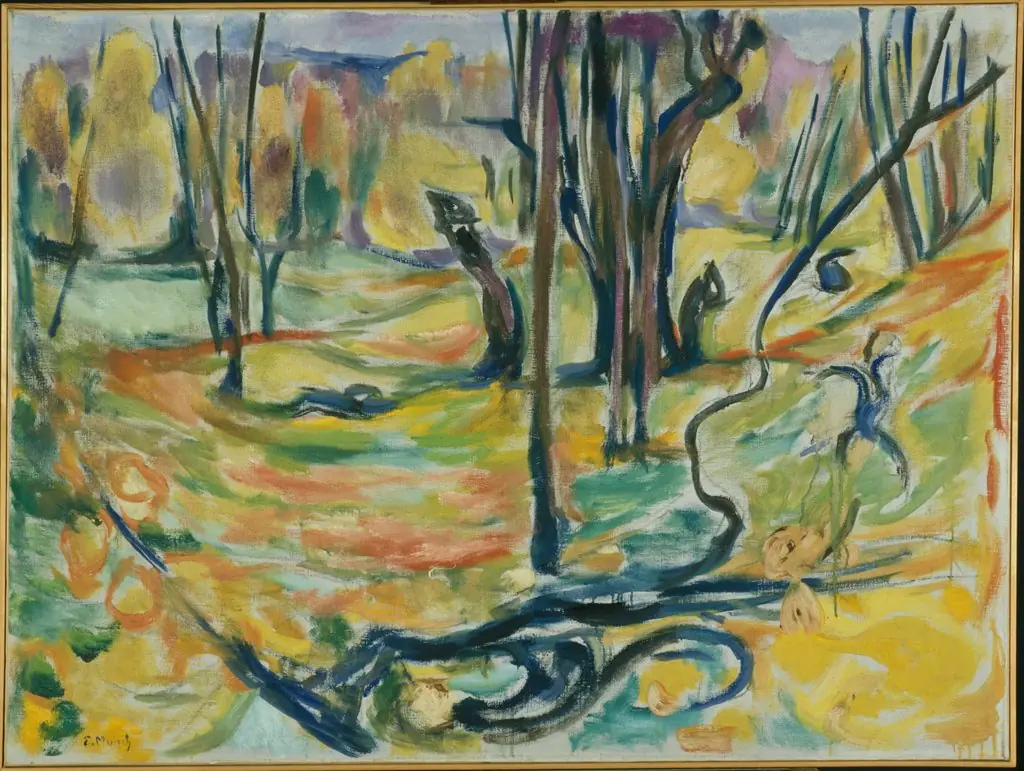
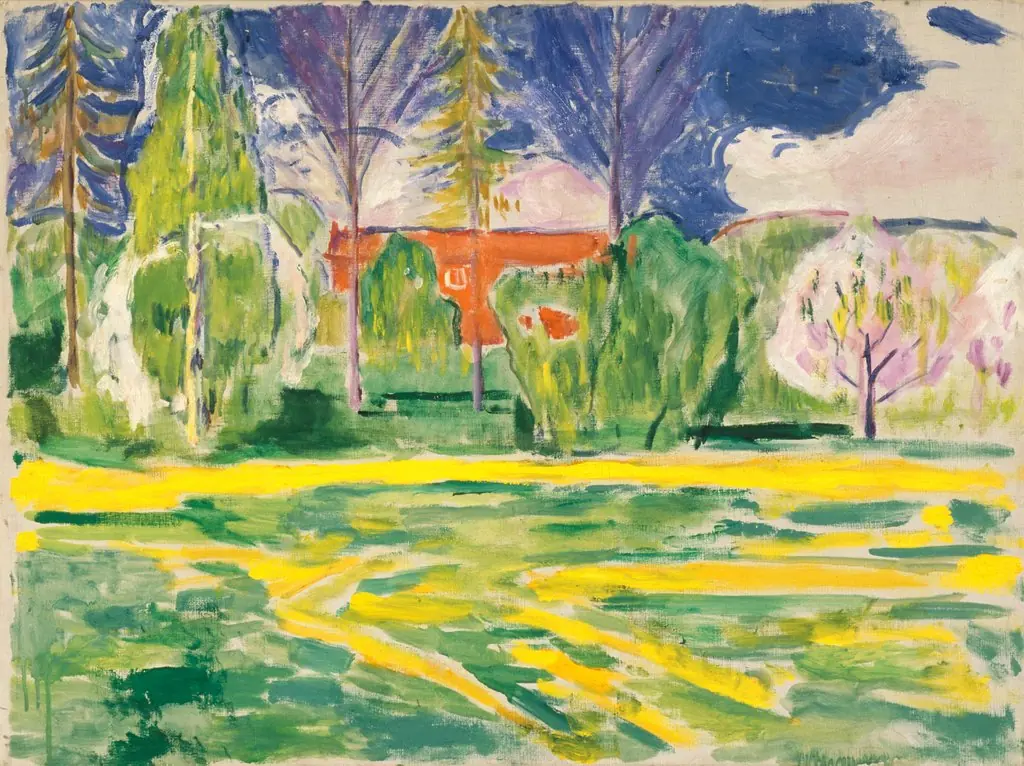
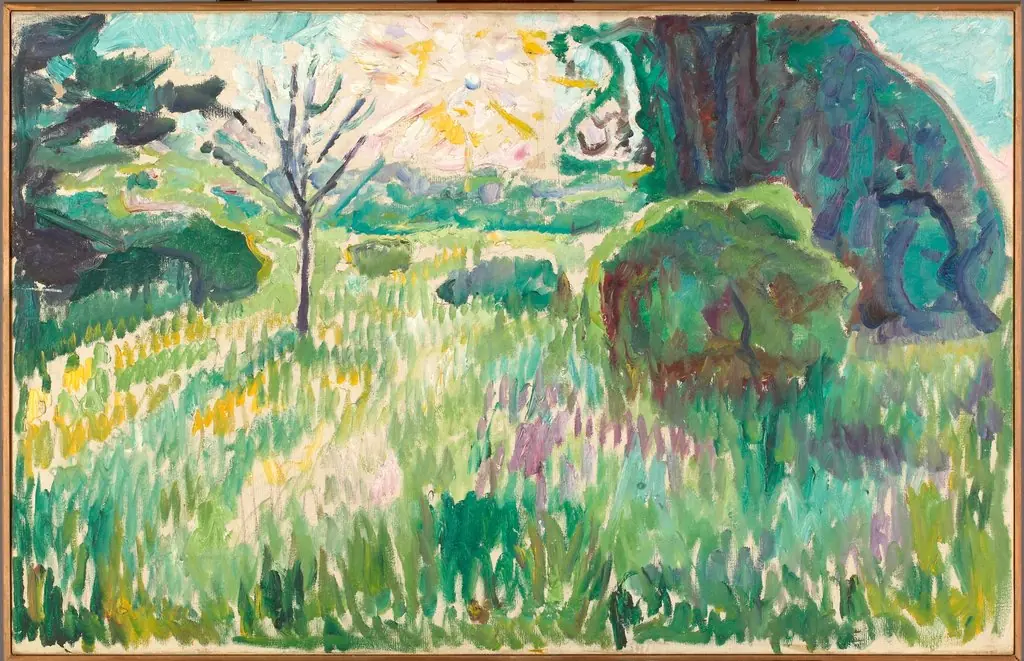
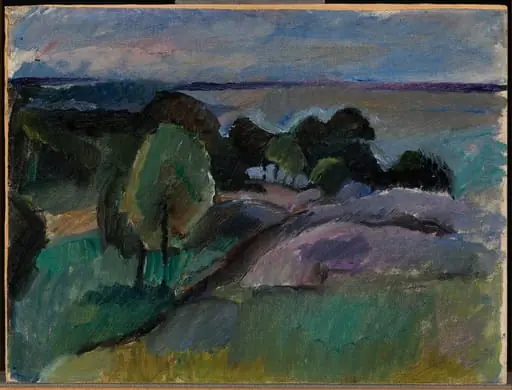
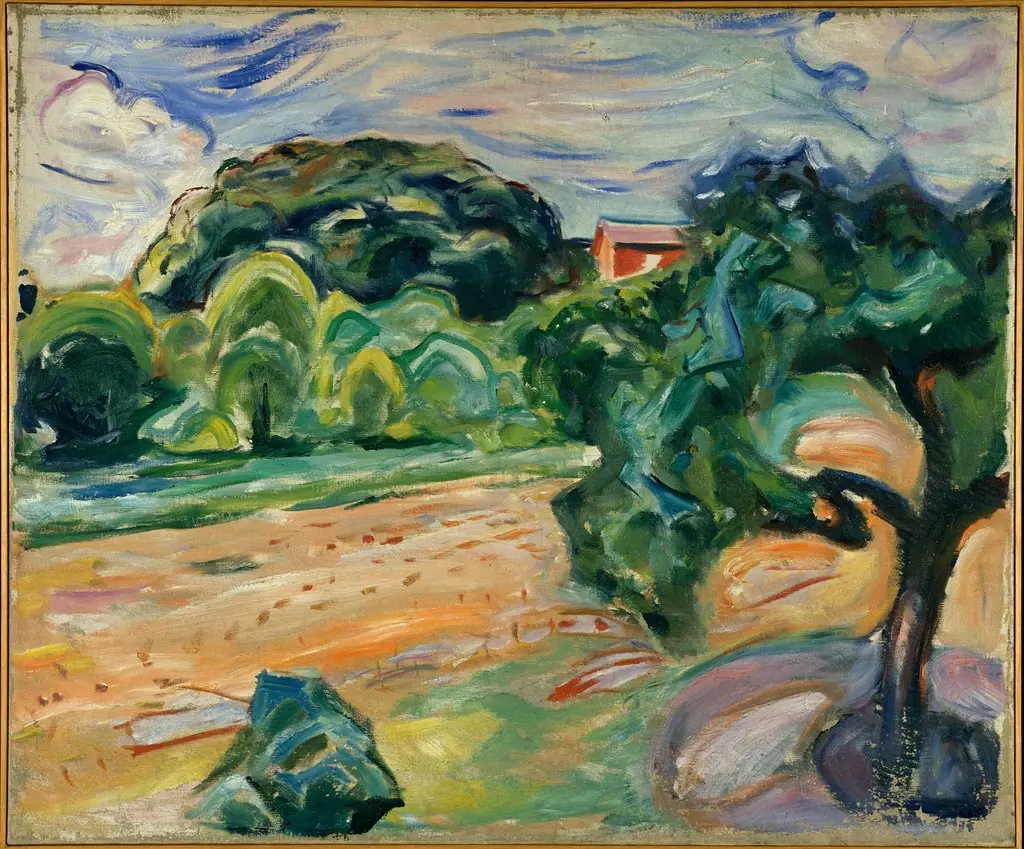
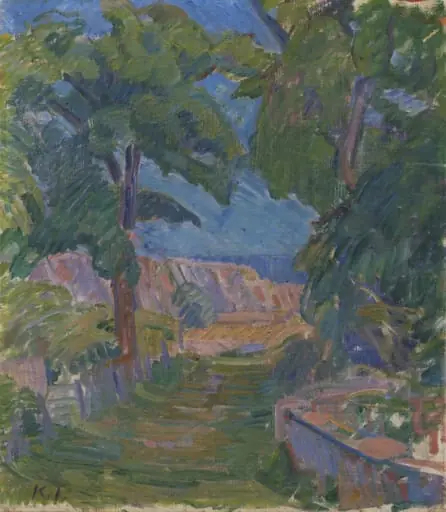
Landscape is a paint painting by the Post-Impressionist artist Edvard Munch. It dates from 1900 and is held in the collection of the Munch Museum.
About this work
Overview
Edvard Munch painted Landscape in 1900 using casein, a water-soluble medium that dries to a matte, durable finish.
Edvard Munch painted Landscape in 1900 using casein, a water-soluble medium that dries to a matte, durable finish. Unlike his more famous psychological portraits, this work focuses on a quiet natural setting. The choice of material reflects Munch’s experimentation with alternative techniques during this period, moving beyond oil to explore how different textures could convey mood without overt drama.
Subject & Meaning
The painting centers on a solitary tree rising from a tranquil woodland, its branches reaching into a soft blue sky. There is no human presence, yet the tree’s form carries a quiet weight, suggesting resilience or solitude. The calm atmosphere aligns with Munch’s broader interest in nature as a mirror for inner states—less about narrative, more about emotional resonance through stillness and form.
Technique & Style
Casein paint allowed Munch to build thin, layered washes that retain subtle tonal shifts without heavy brushwork. The trunk and foliage show delicate gradations of light and shadow, achieved through controlled application rather than impasto. The style leans toward post-impressionism, simplifying forms while preserving atmospheric depth, avoiding the intensity of his earlier Symbolist works in favor of restrained observation.
History & Provenance
Created during Munch’s time in Norway after years abroad, Landscape belongs to a series of works from the turn of the century that reflect his return to domestic landscapes. It entered the collection of the Munch Museum in Oslo, established to preserve the artist’s legacy, and remains part of its core holdings alongside his more widely recognized pieces.
Context
In 1900, Munch was navigating personal grief and artistic evolution. Influenced by his bohemian circle in Kristiania and the existential writings of Hans Jæger, he increasingly turned to nature as a site for contemplation. This period saw him reduce overt symbolism in favor of quieter, more meditative compositions, aligning with broader European shifts toward introspective realism.
Legacy
Landscape illustrates Munch’s lesser-known engagement with serene naturalism, contrasting with his dramatic imagery. While not central to his public reputation, it reveals his technical versatility and capacity for understated expression. The work contributes to understanding his full artistic range, showing how emotional depth could be conveyed without overt turmoil.
Artist & collection
Artist
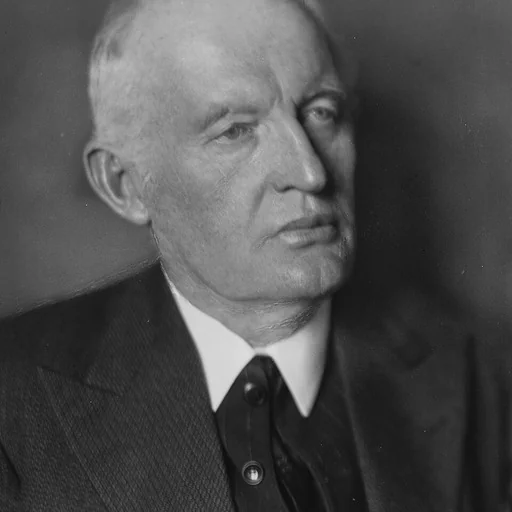
Edvard Munch ( MUUNK; Norwegian: ; 12 December 1863 – 23 January 1944) was a Norwegian painter.