Artwork
Landscape from Hvitsten
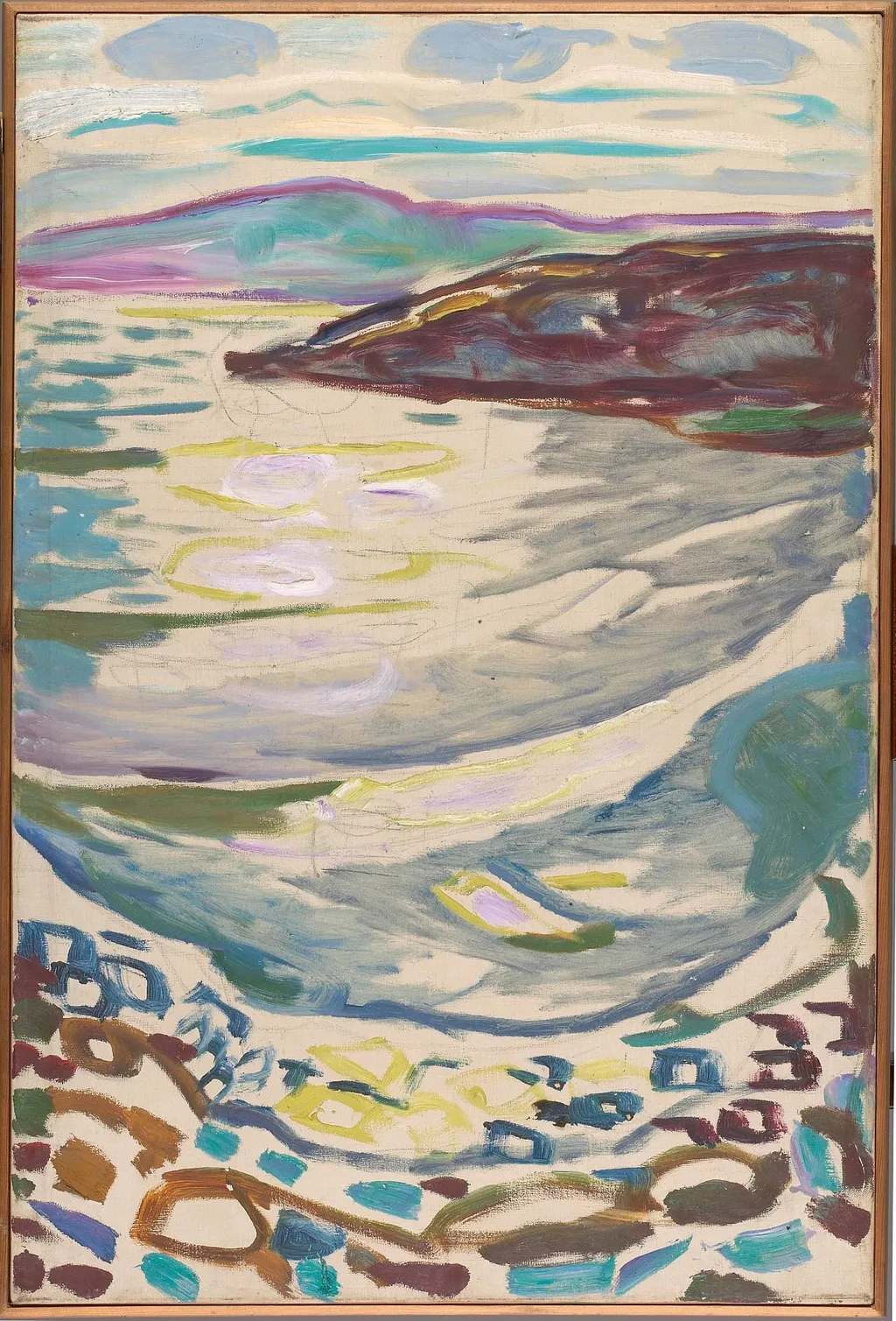
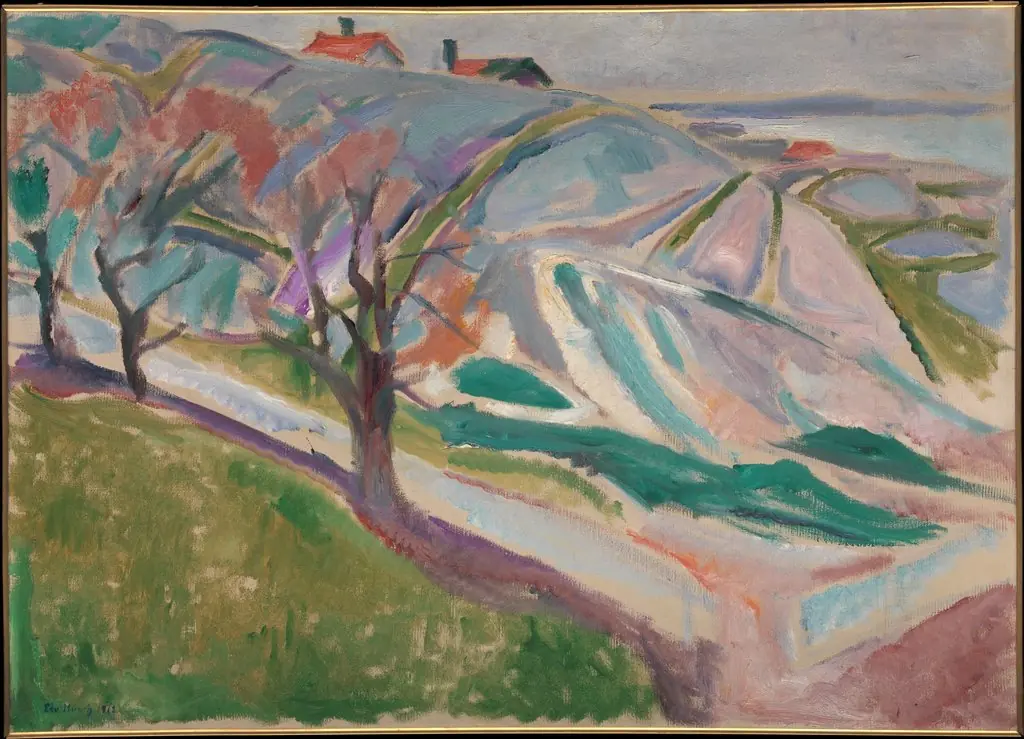
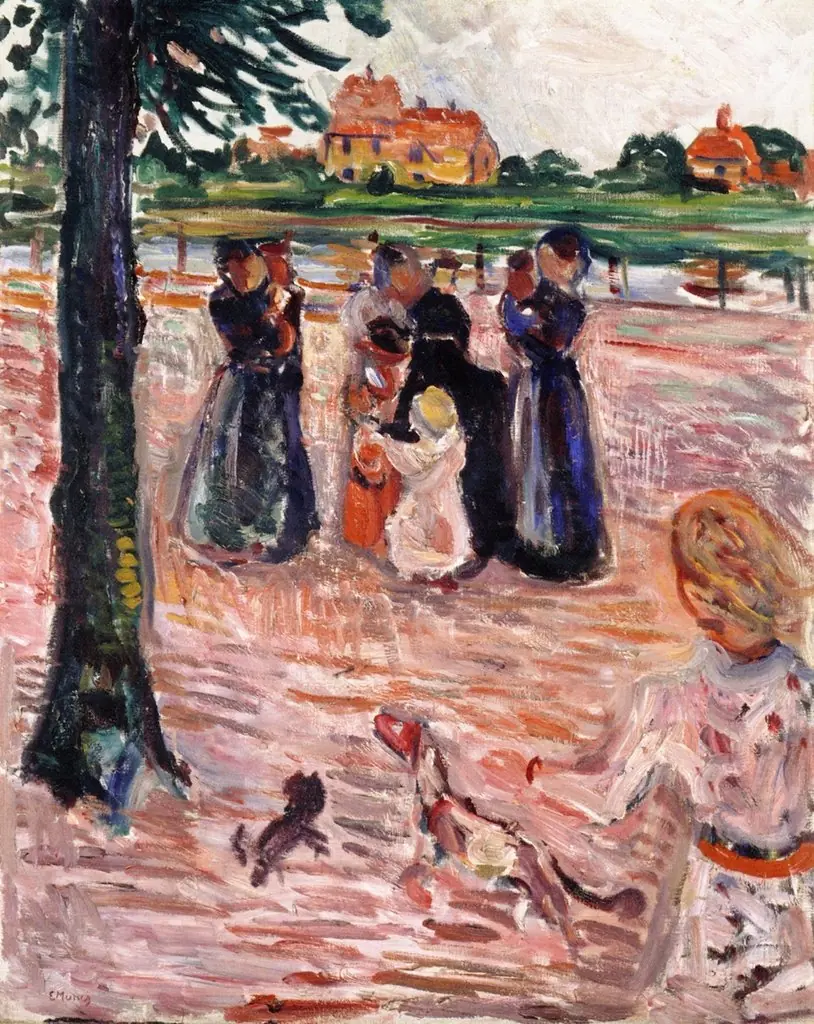
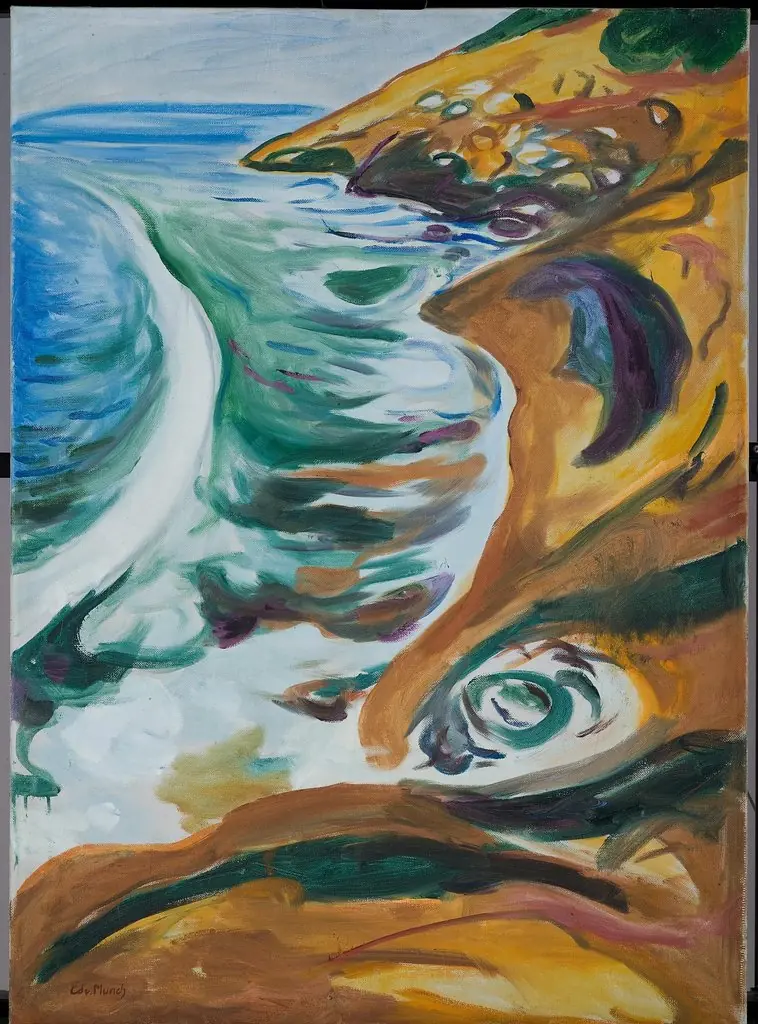
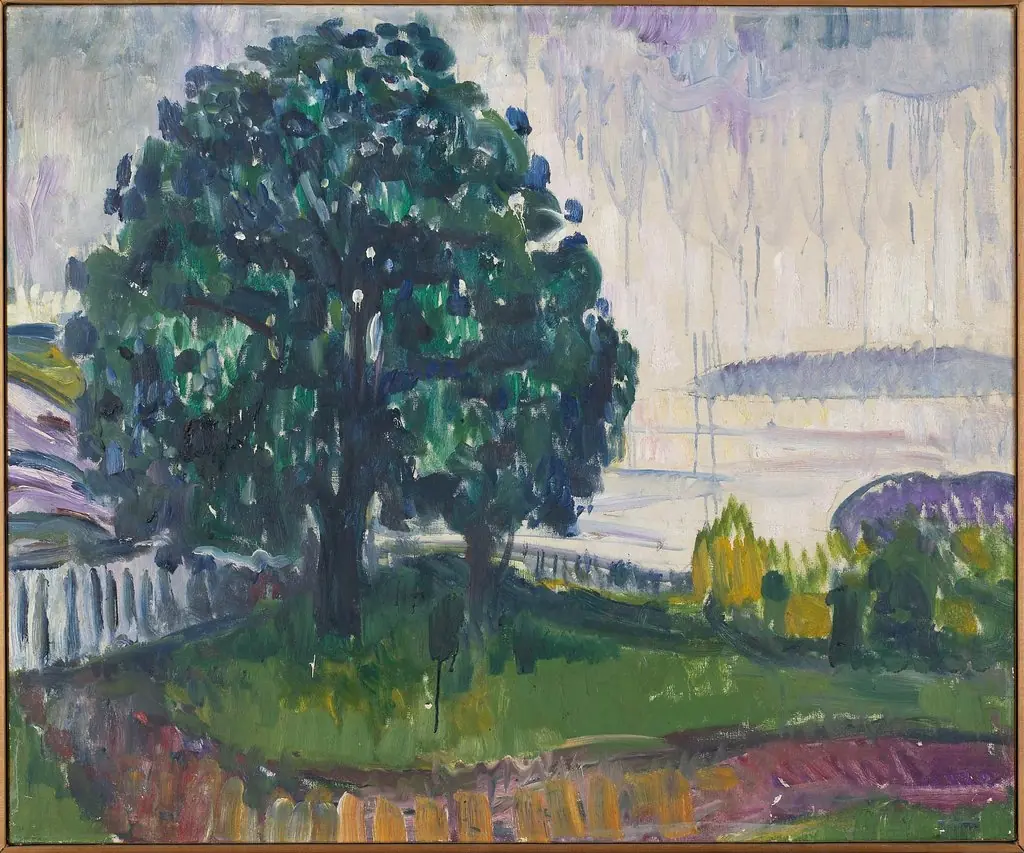
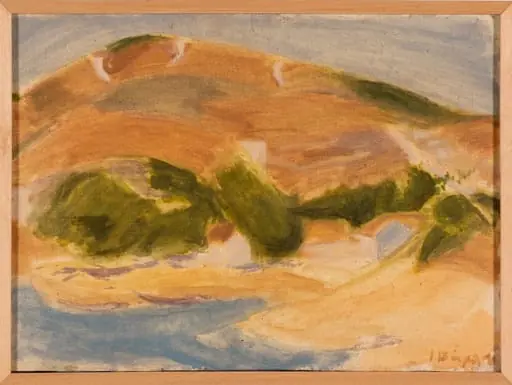
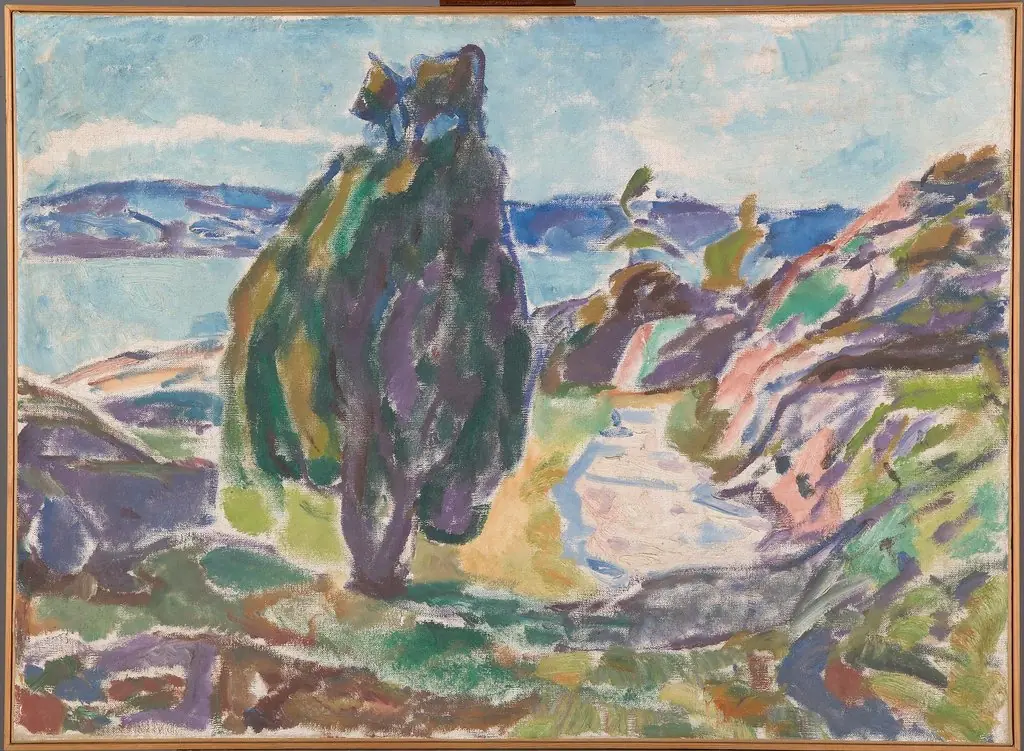
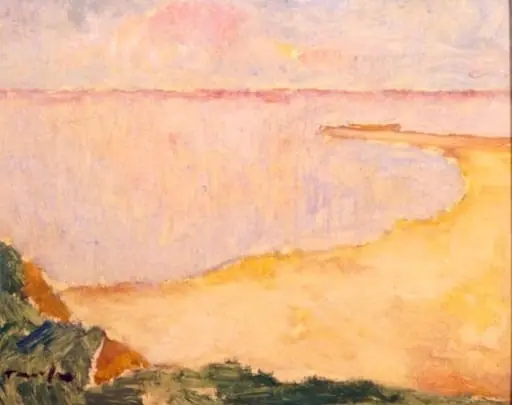
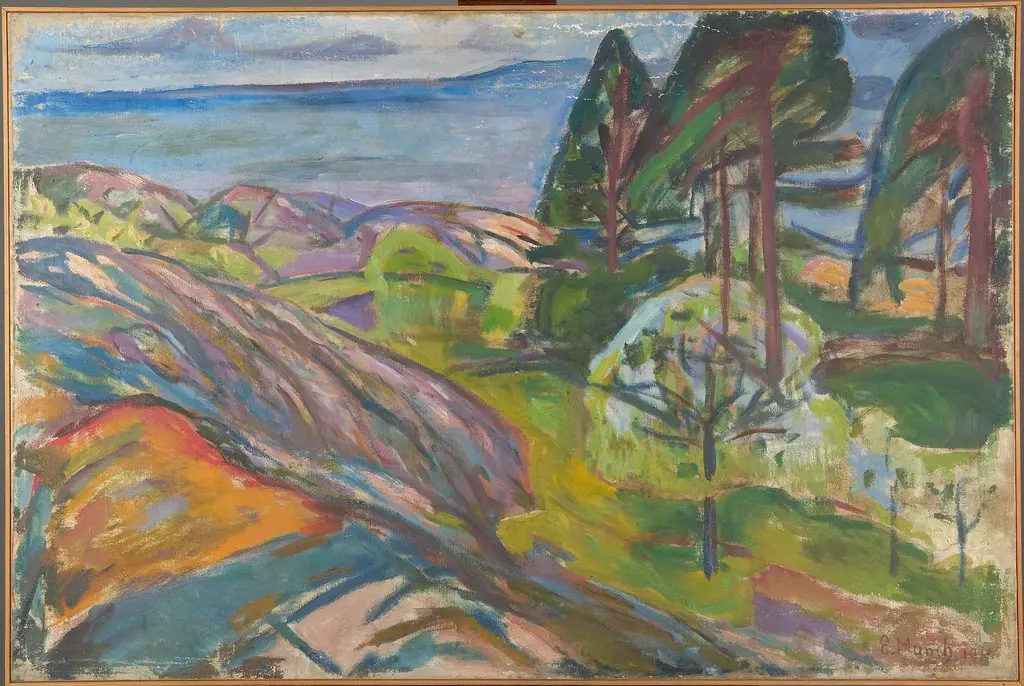
Landscape from Hvitsten is an oil painting by the Post-Impressionist artist Edvard Munch. It dates from 1918 and is held in the collection of the Munch Museum.
About this work
Overview
It reflects his sustained interest in nature not as mere scenery, but as a vessel for internal states, continuing themes developed throughout his career.
Painted in 1918, *Landscape from Hvitsten* is an oil on canvas work by Norwegian artist Edvard Munch. Created during a period of relative stability after years of personal turmoil, the piece belongs to a series of landscapes Munch produced at his summer home in Hvitsten, Norway. It reflects his sustained interest in nature not as mere scenery, but as a vessel for internal states, continuing themes developed throughout his career.
Subject & Meaning
The painting presents a quiet, undisturbed natural setting: water, low hills, and sparse vegetation under a subdued sky. There are no figures or signs of human activity. Munch’s choice of this tranquil scene does not imply escapism; rather, it suggests a contemplative engagement with the environment as an extension of psychological quietude. The stillness may reflect his own search for equilibrium after decades of emotional upheaval.
Technique & Style
Munch applied oil paint with loose, deliberate brushwork, creating texture through visible, gestural strokes. The palette is restrained—dominated by muted blues, greens, and earth tones—avoiding vivid contrast in favor of atmospheric harmony. Forms are suggested rather than precisely outlined, emphasizing mood over topographical accuracy. This approach aligns with his post-impressionist leanings, prioritizing emotional resonance over realistic depiction.
History & Provenance
Munch painted *Landscape from Hvitsten* during his time at the Hvitsten cottage, which he acquired in 1916. The work remained in his personal collection until his death in 1944. Following his will, the painting was transferred to the Munch Museum in Oslo, established to house his artistic legacy. It has been part of the museum’s permanent holdings since its founding, consistently included in exhibitions tracing his later work.
Context
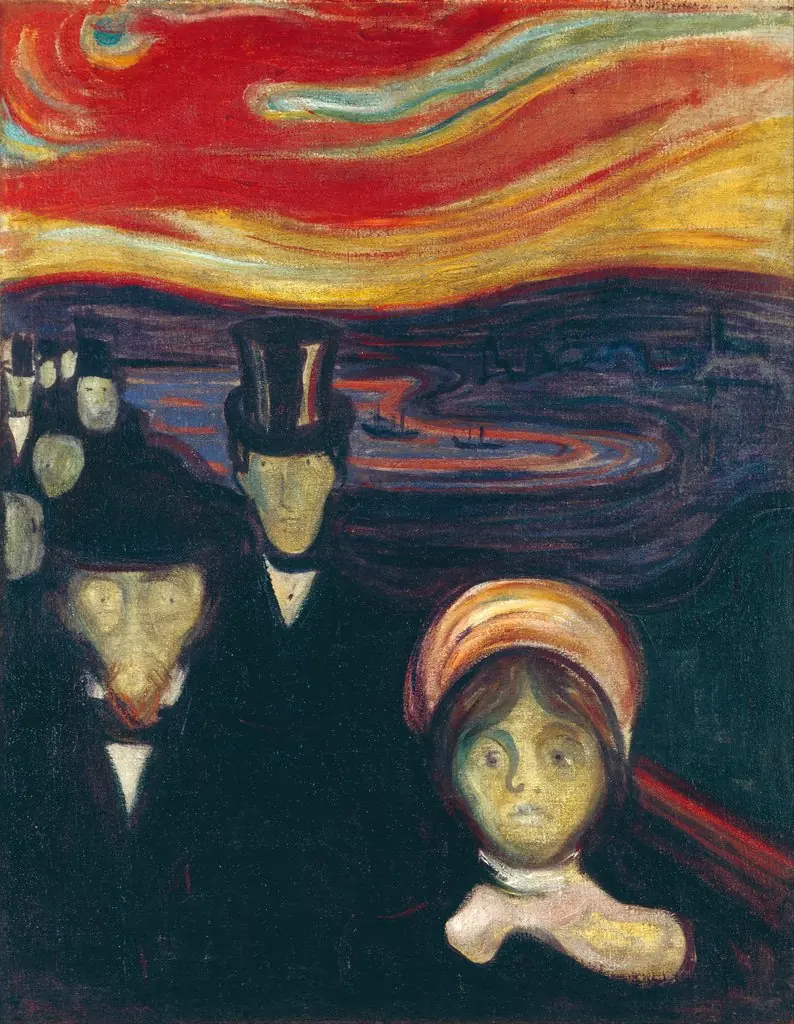
In the years leading up to this painting, Munch had moved away from the intense psychological themes of his earlier works, such as *The Scream*. He turned increasingly to nature, influenced by his rural surroundings and a desire for solitude. His association with Norwegian writers and thinkers, including Hans Jæger, had earlier shaped his worldview, but by 1918, his focus had shifted toward quiet observation and personal reflection.
Legacy
Though less widely known than his symbolic figures, Munch’s late landscapes like *Landscape from Hvitsten* reveal a nuanced evolution in his artistic vision. They demonstrate how his expressive style adapted to quieter subjects without losing emotional depth. These works now serve as important counterpoints in understanding the full arc of his career, showing that his exploration of inner life extended beyond human drama into the natural world.
Artist & collection
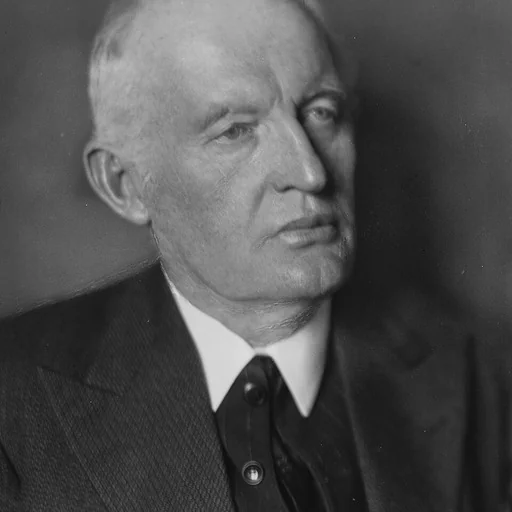
Artist
Edvard Munch ( MUUNK; Norwegian: ; 12 December 1863 – 23 January 1944) was a Norwegian painter.