Artwork
Promenade in Spring
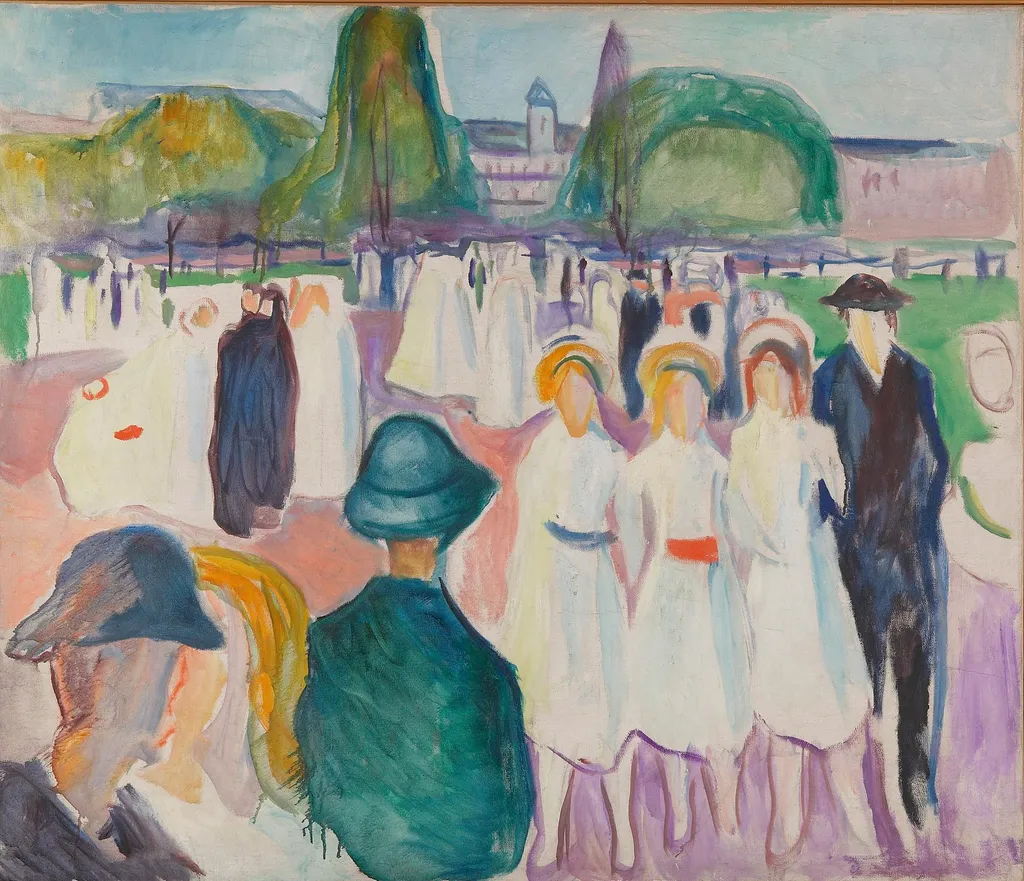
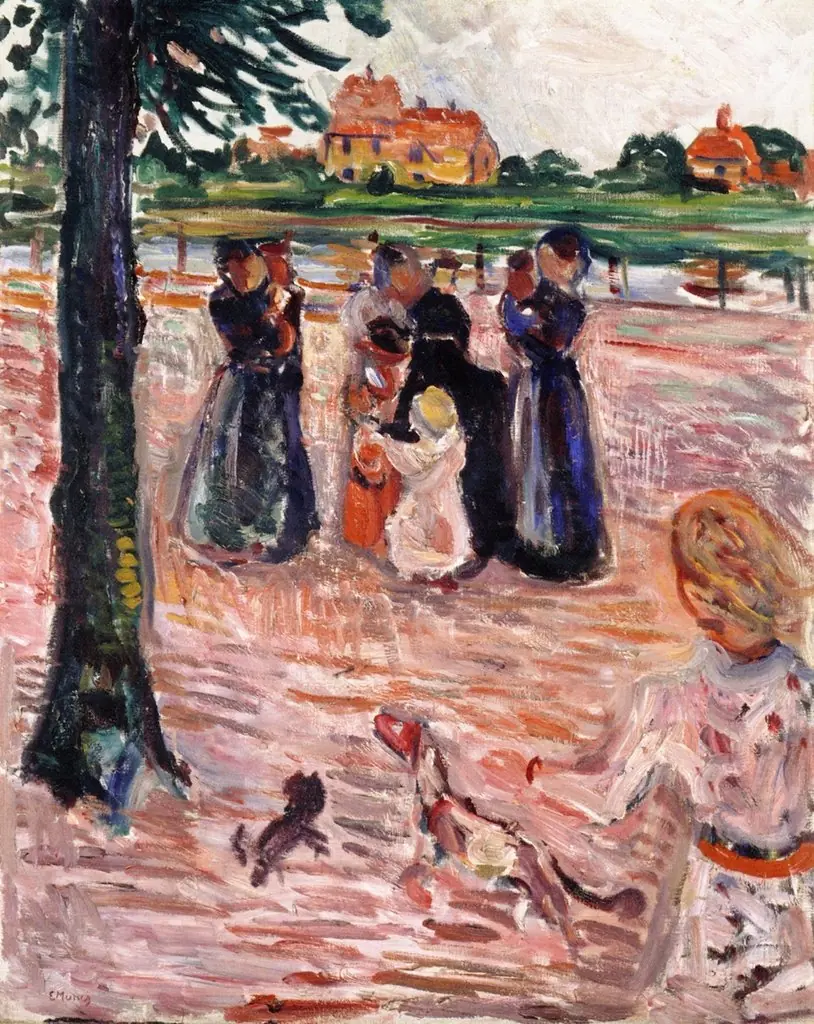
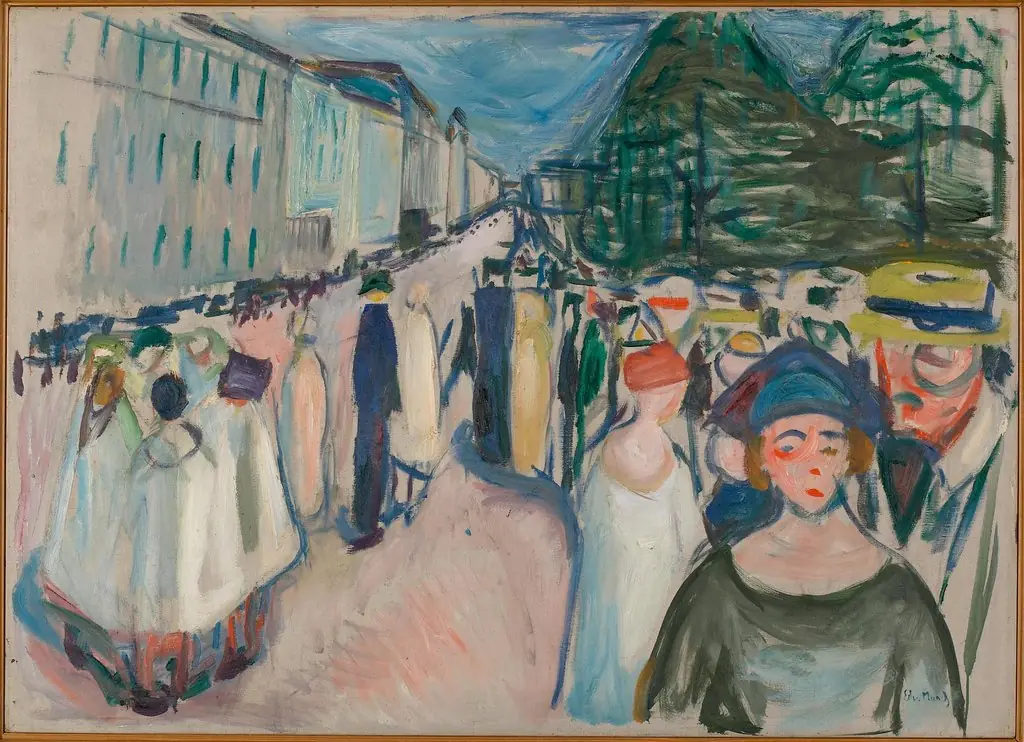
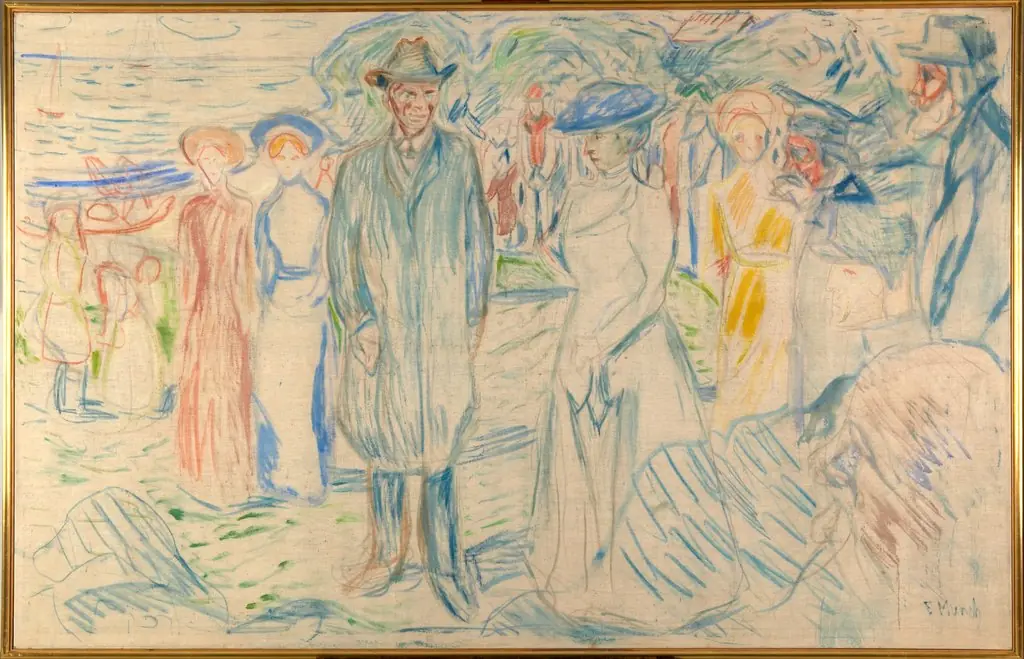
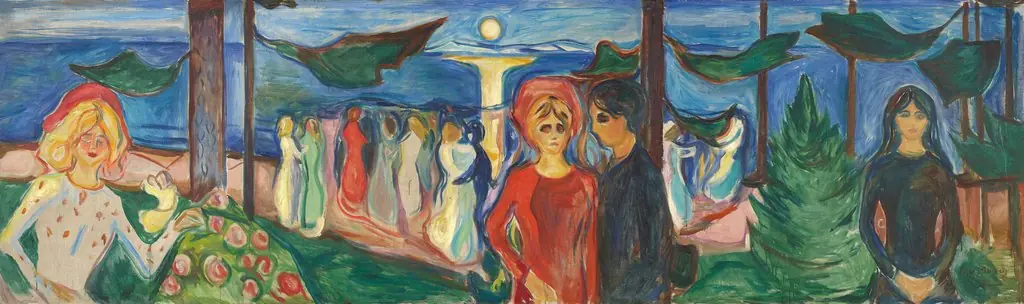
Promenade in Spring is an oil painting by the Post-Impressionist artist Edvard Munch. It dates from 1917 and is held in the collection of the Munch Museum.
About this work
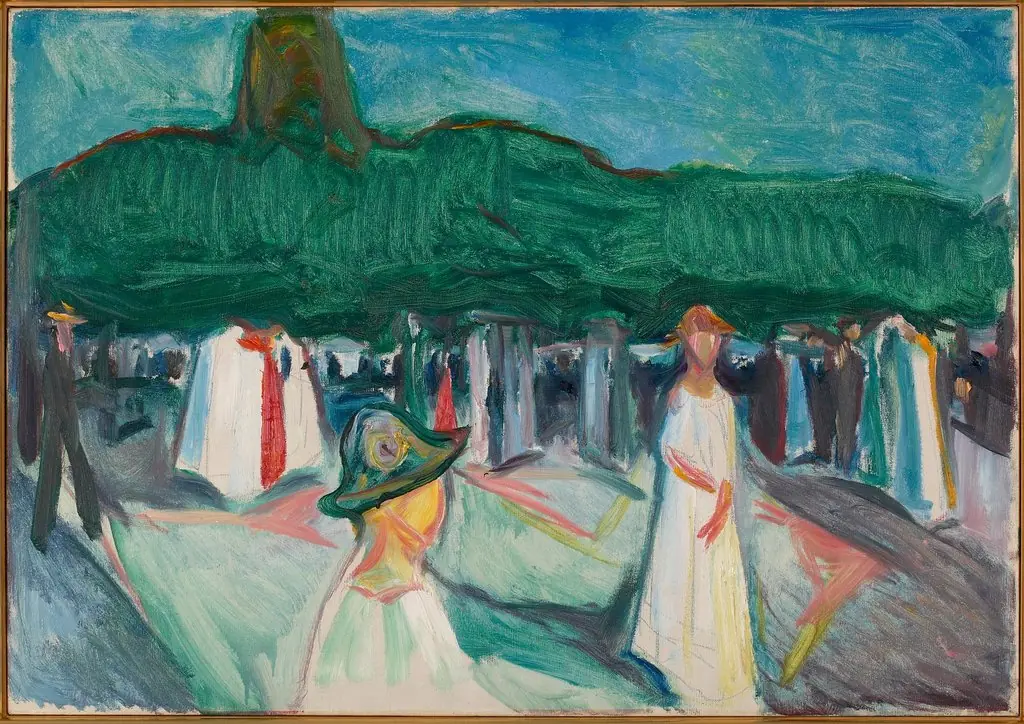
The figures, dressed in attire from the early 20th century, are shown in various poses, some walking and others standing.
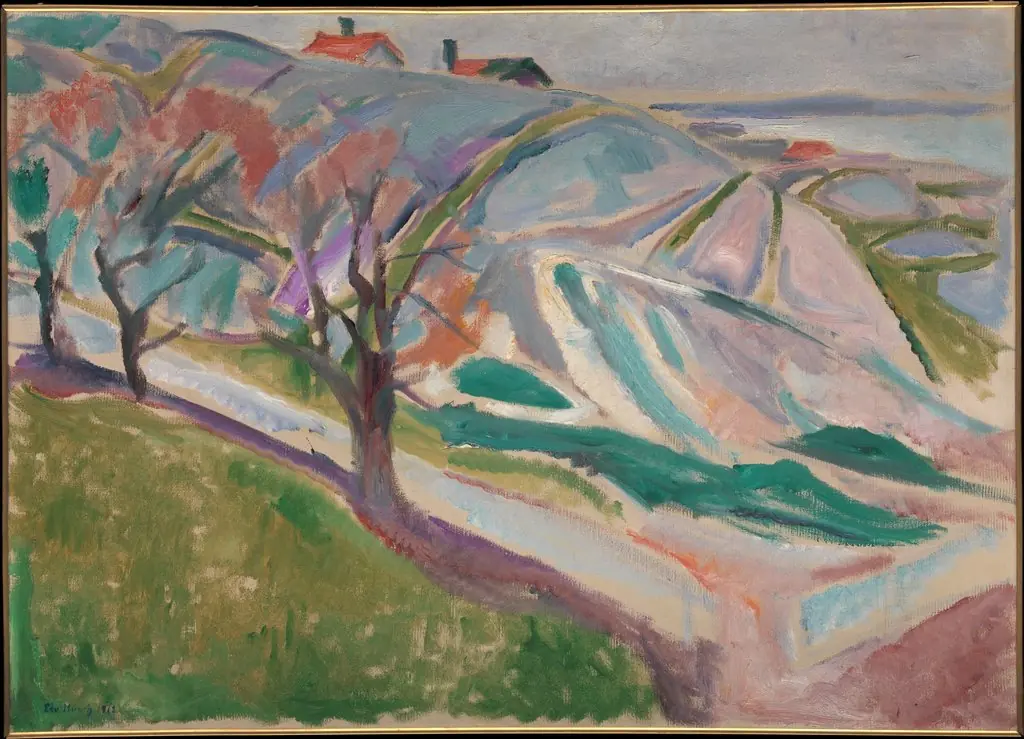
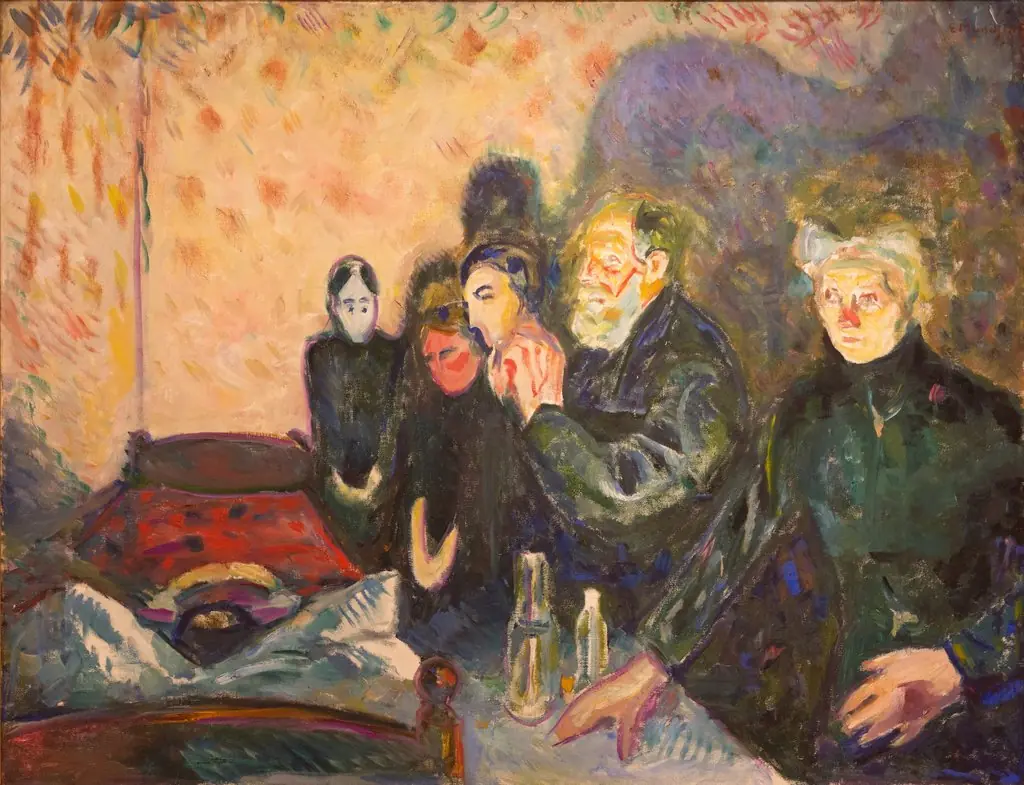
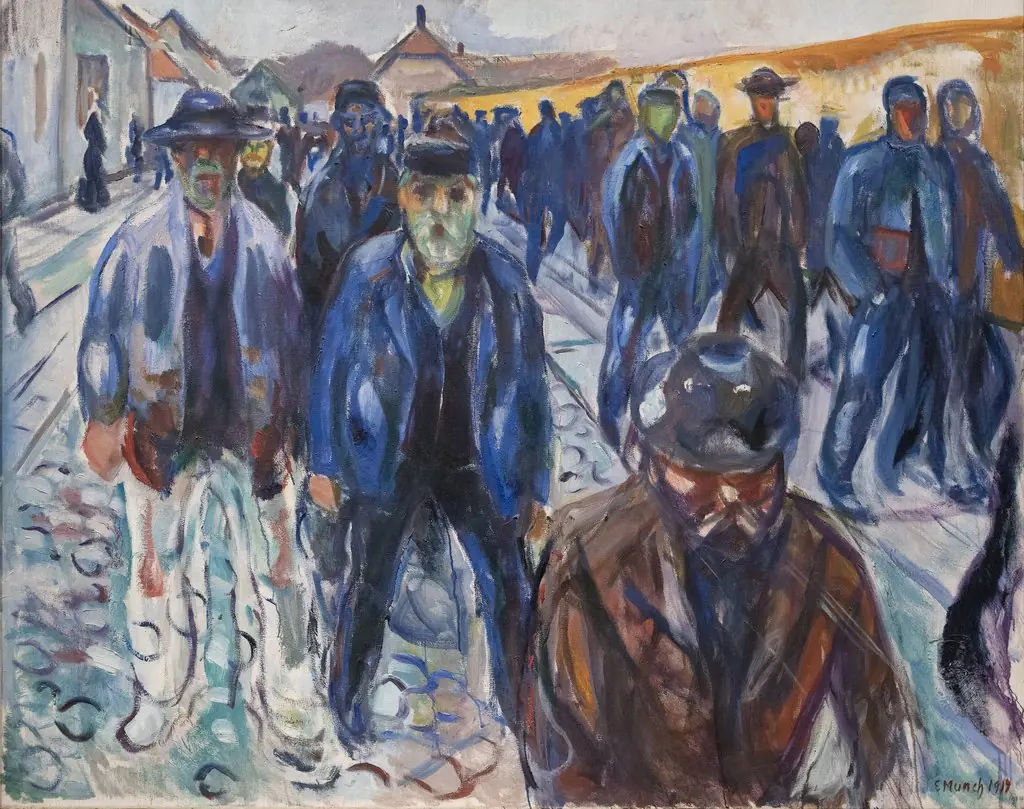
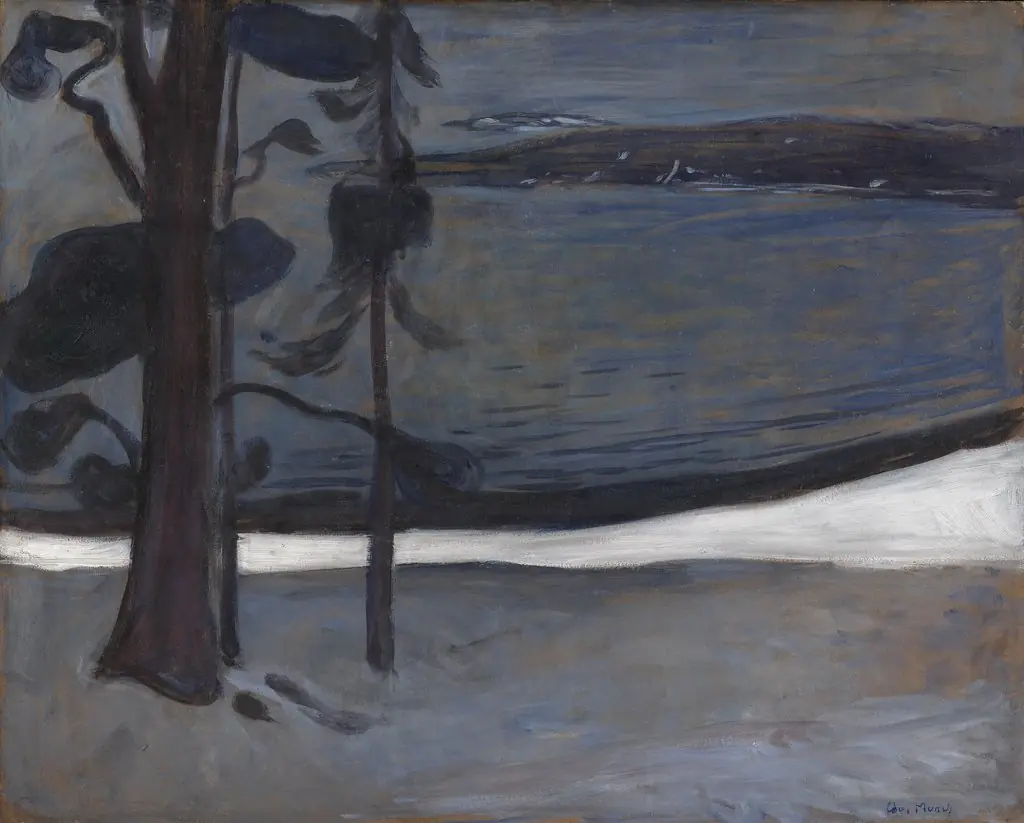
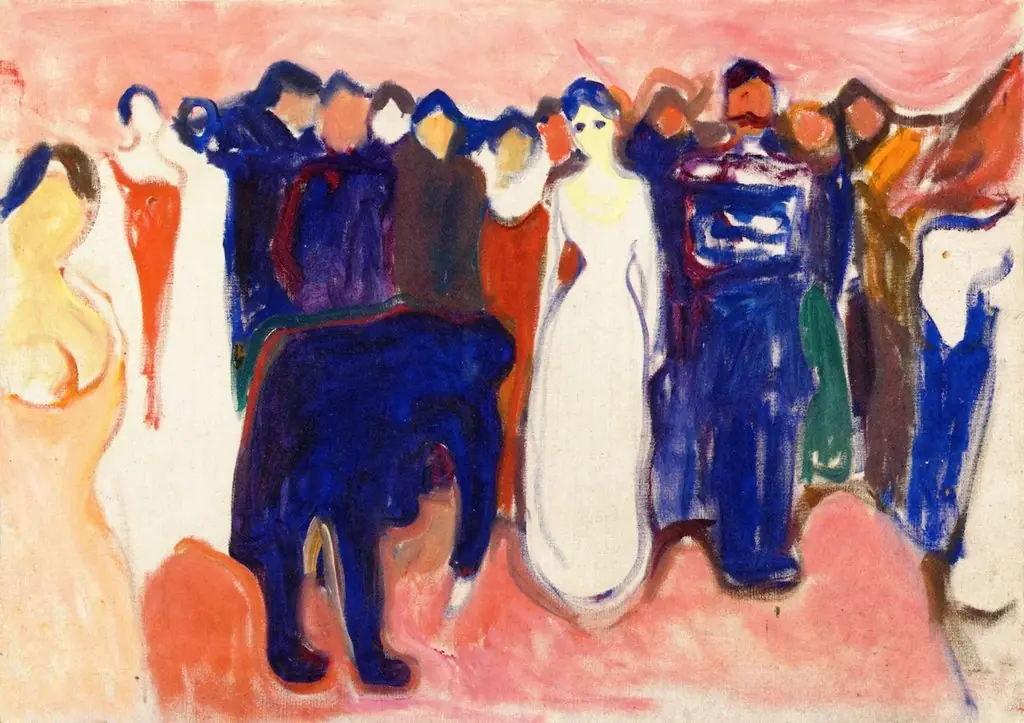
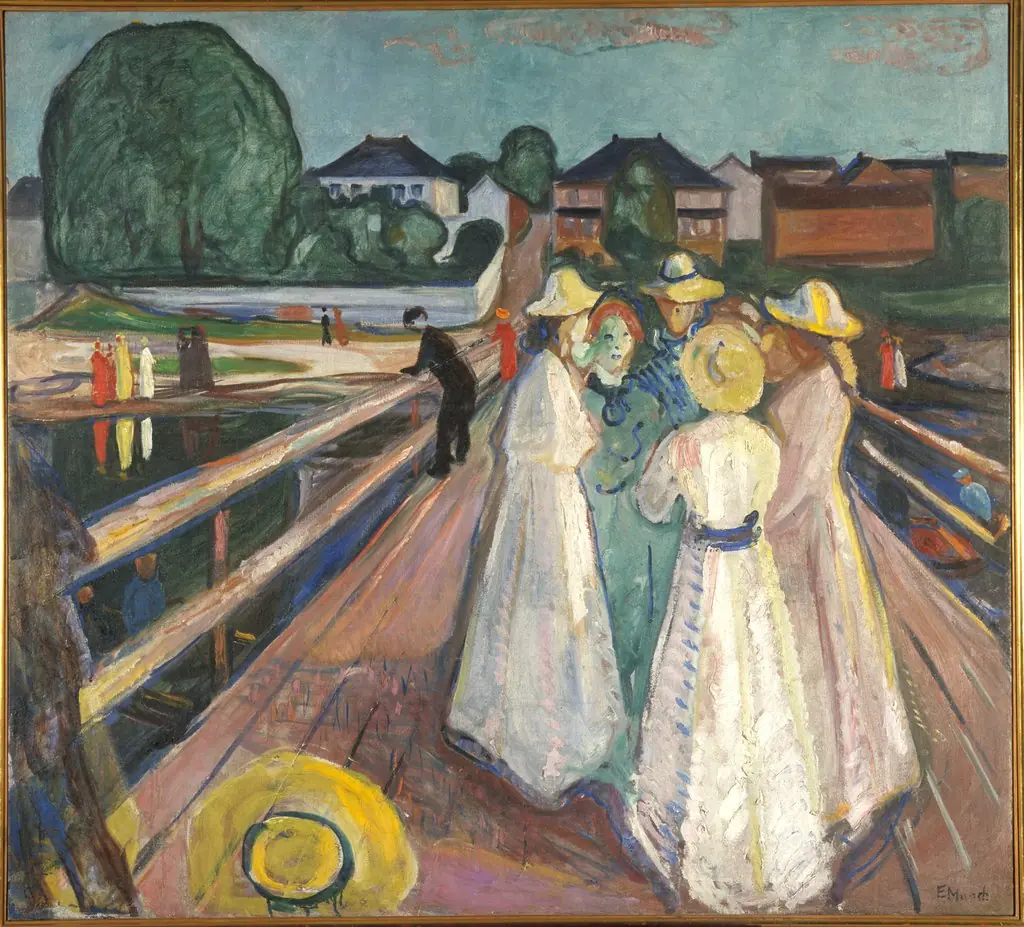
This painting, "Promenade in Spring," depicts a lively scene of people strolling in a park or garden. The figures, dressed in attire from the early 20th century, are shown in various poses, some walking and others standing. The scene is set against a backdrop of trees and possibly a building in the distance.
The artist's use of color is notable, with a palette that includes greens, blues, and yellows. The brushstrokes are loose and expressive, giving the painting a sense of energy and movement. The overall effect is one of a carefree and joyful scene, capturing the beauty of a spring day.
To learn more about the artist's style and techniques, explore the works of Edvard Munch.
Overview
Edvard Munch painted *Promenade in Spring* in 1917 using oil on canvas. It depicts a group of figures moving through a springtime landscape, capturing a moment of everyday life rather than a dramatic or psychological scene. Unlike his more famous works, this piece conveys quiet observation rather than inner turmoil. It is part of the permanent collection at the Munch Museum in Oslo, where many of his later works are preserved.
Subject & Meaning
The painting portrays a group of individuals strolling in a park, dressed in early 20th-century attire. Figures are arranged in loose groupings—some walking, others pausing—suggesting a casual, unscripted social interaction. Rather than emphasizing emotion or symbolism, Munch focuses on the rhythm of public life during spring. The scene reflects a moment of ordinary renewal, aligning with seasonal themes without overt narrative or allegory.
Technique & Style
Munch employed loose, visible brushwork and a restrained palette of greens, blues, and muted yellows to suggest light and movement. The forms are simplified, with figures rendered in flowing outlines rather than detailed anatomy. Background elements like trees and distant structures are suggested with broad strokes, creating depth without realism. This approach aligns with post-impressionist tendencies, prioritizing atmosphere over precise representation.
History & Provenance
Created during Munch’s mature period, *Promenade in Spring* was painted after he had settled in Norway following years abroad. It entered the collection of the Munch Museum upon its founding, as part of the artist’s own donation of works. The painting reflects his continued engagement with Norwegian landscapes and urban leisure, a theme he revisited frequently after returning from Germany in the early 1900s.
Context
In 1917, Norway was neutral during World War I, and Munch, then in his late 40s, lived in relative seclusion near Oslo. While much of Europe was engulfed in conflict, his work turned toward quieter, domestic scenes. This painting reflects a broader shift in his later output: less focused on existential dread, more attentive to the rhythms of nature and social life in his homeland.
Legacy
Though less known than *The Scream*, *Promenade in Spring* illustrates Munch’s range beyond psychological intensity. It demonstrates his ability to capture transient moments with sensitivity and restraint. The work contributes to understanding his later years, when he increasingly embraced observation over symbolism, offering a nuanced counterpoint to his earlier, more turbulent imagery.
Artist & collection
Artist
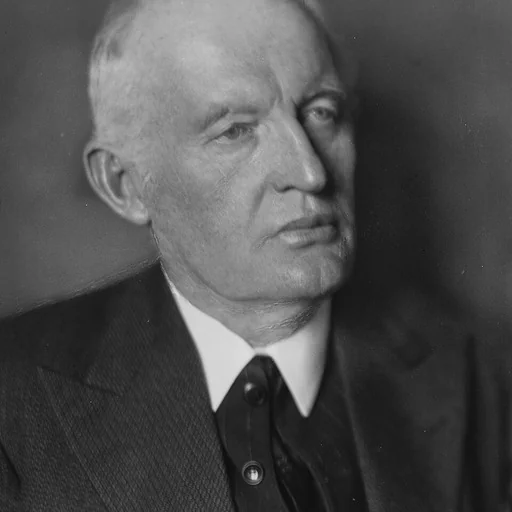
Edvard Munch ( MUUNK; Norwegian: ; 12 December 1863 – 23 January 1944) was a Norwegian painter.