Artwork
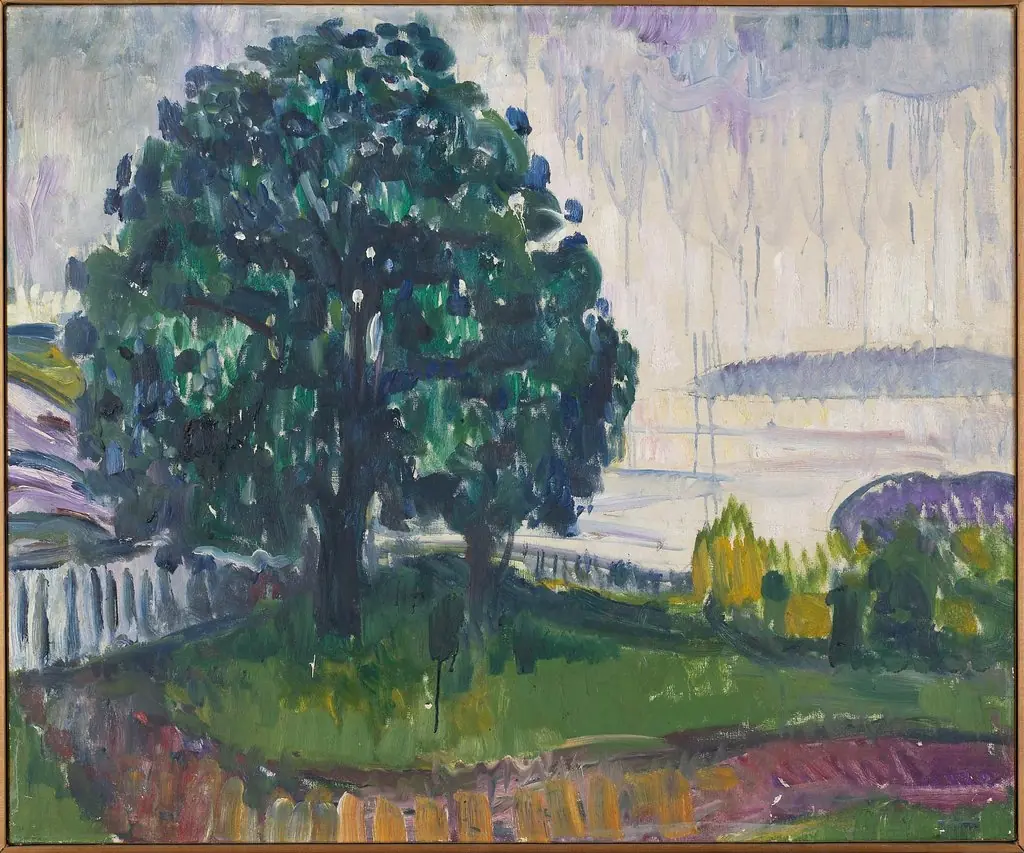
Rain at the Coast
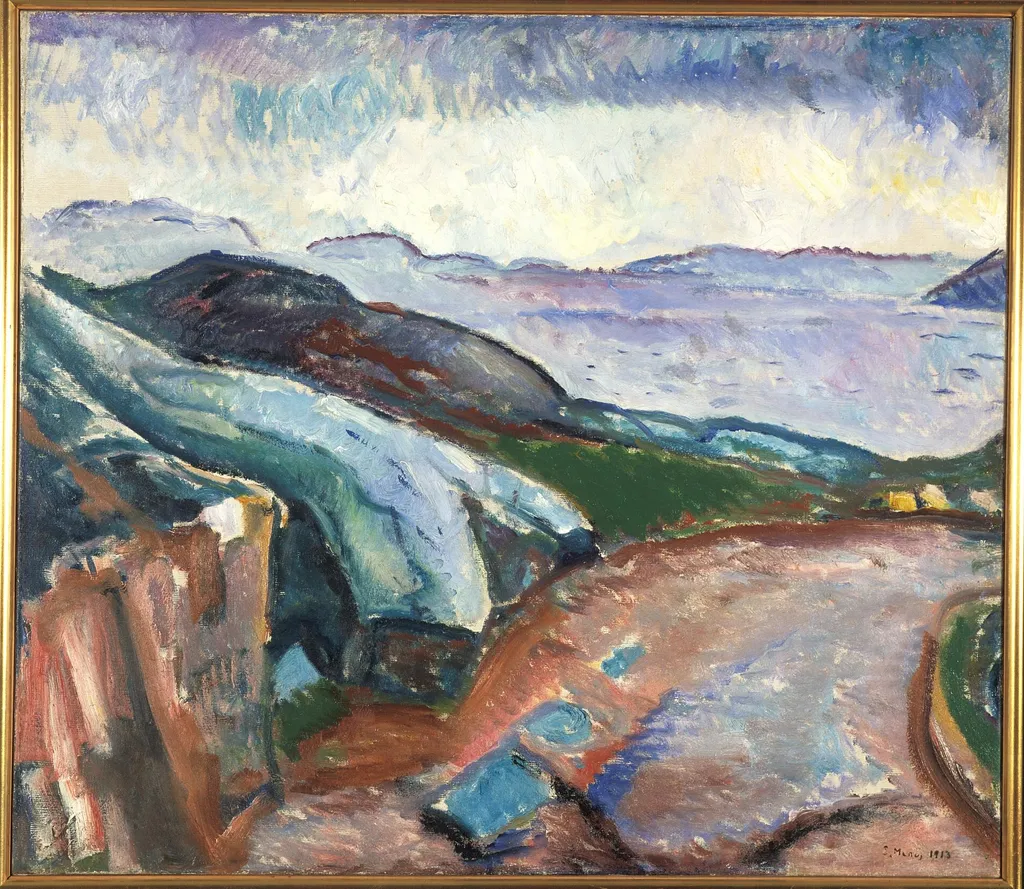
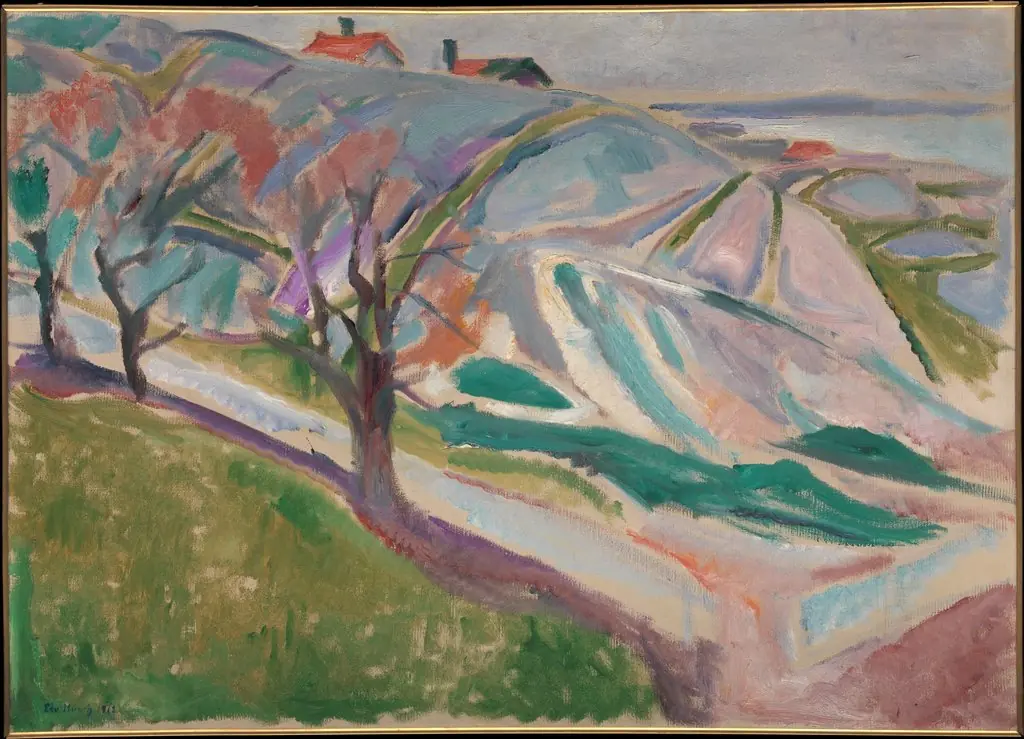
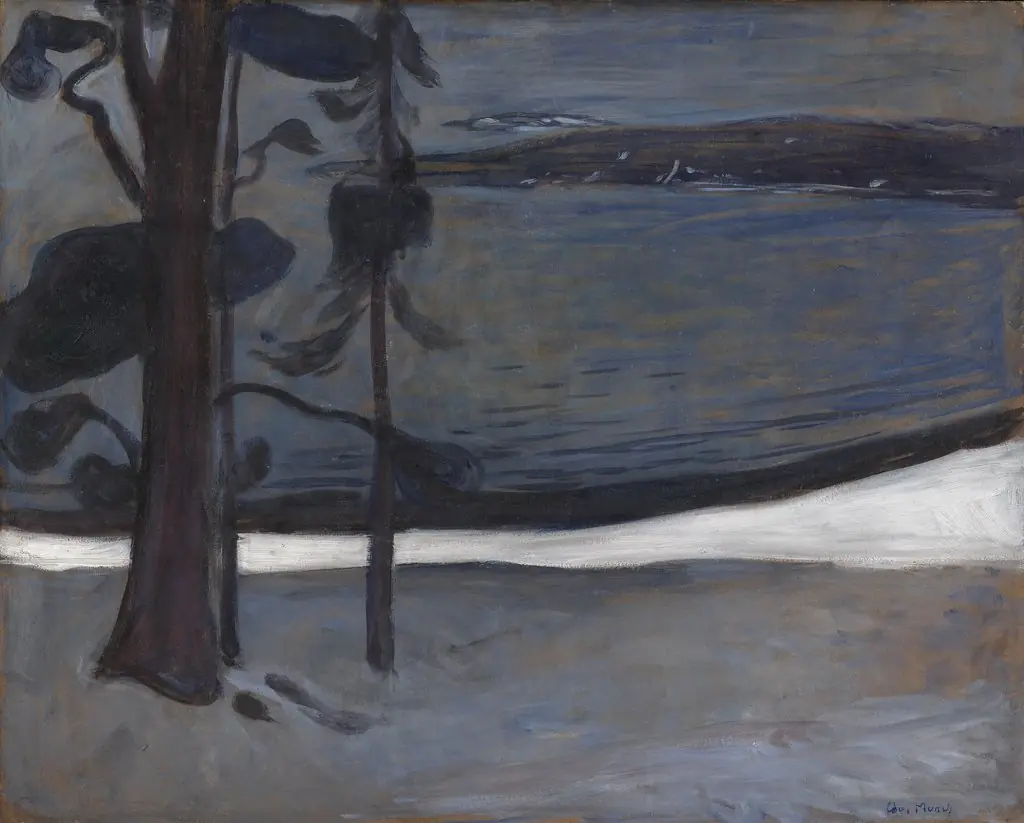
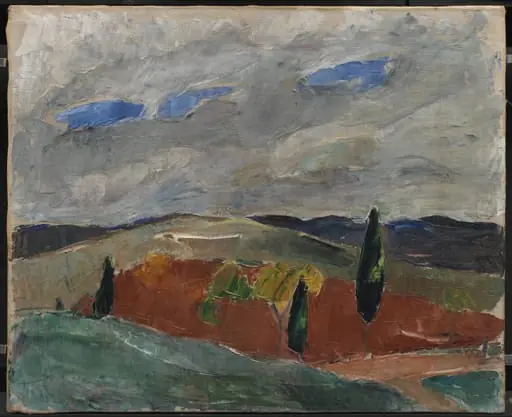
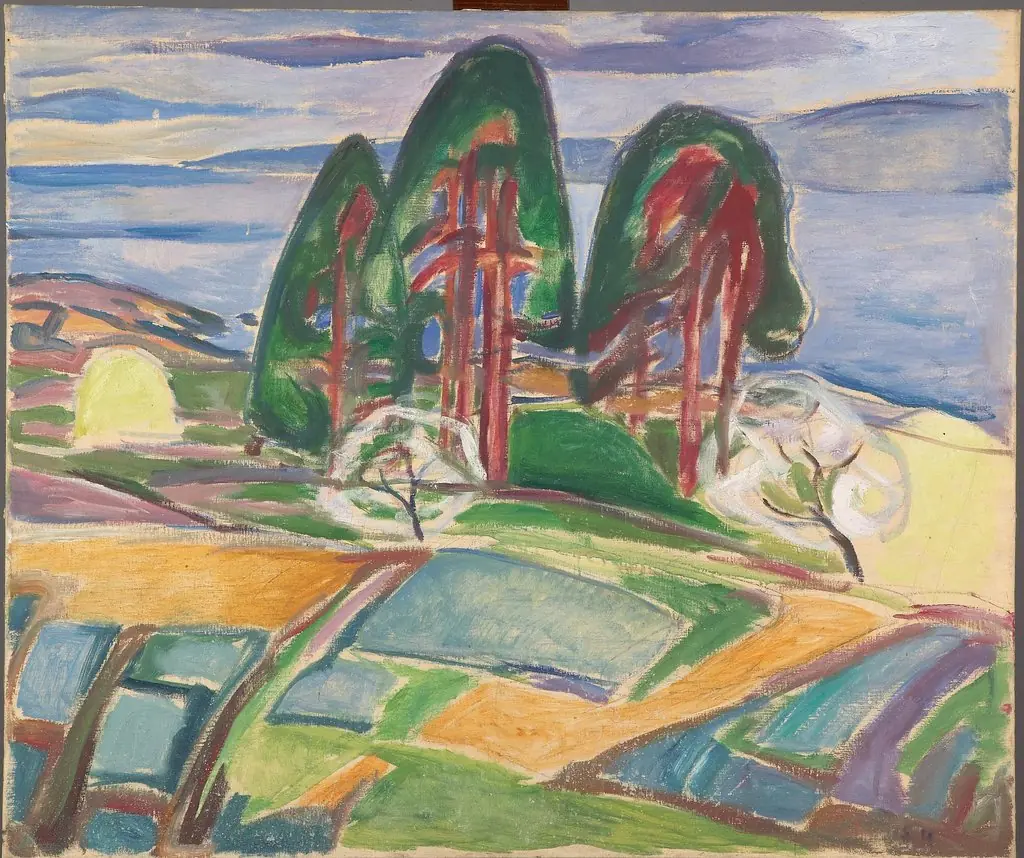
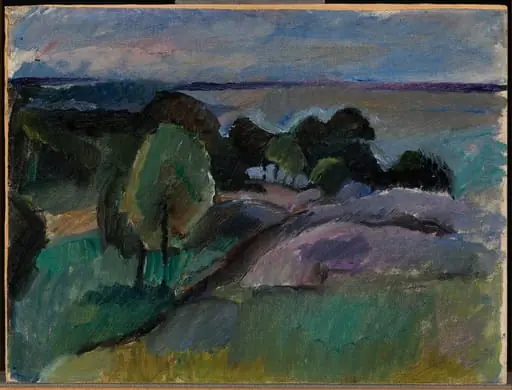
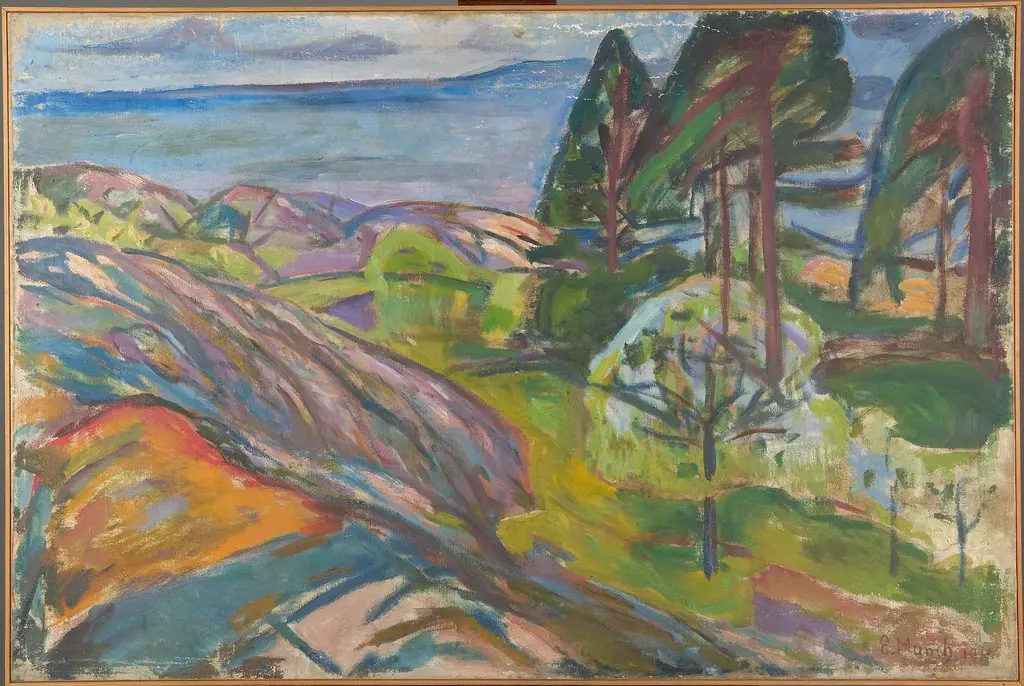
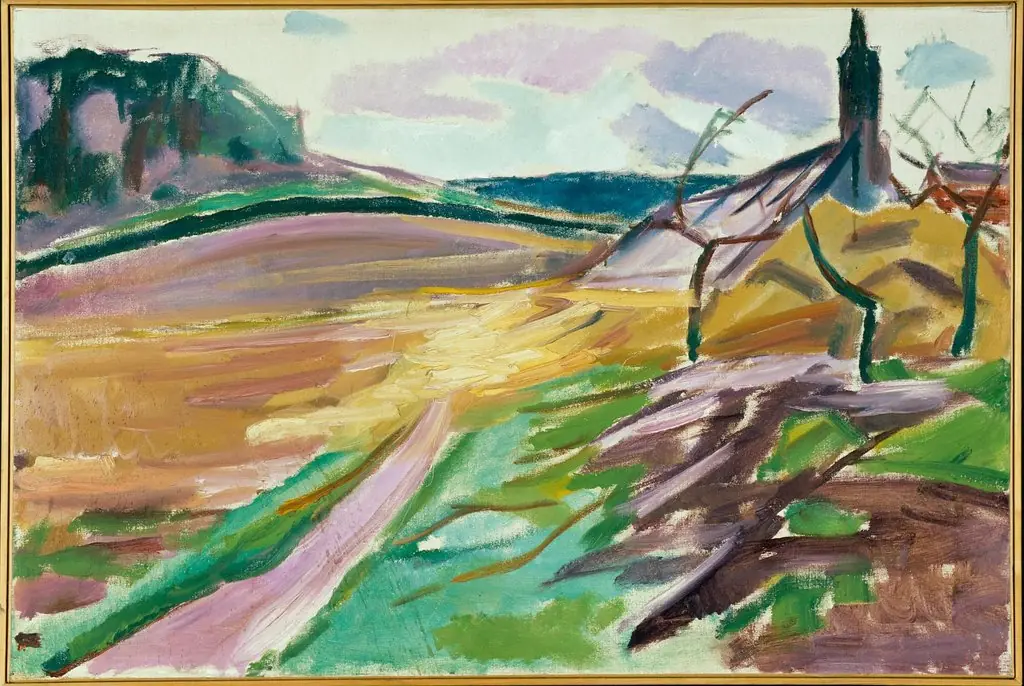
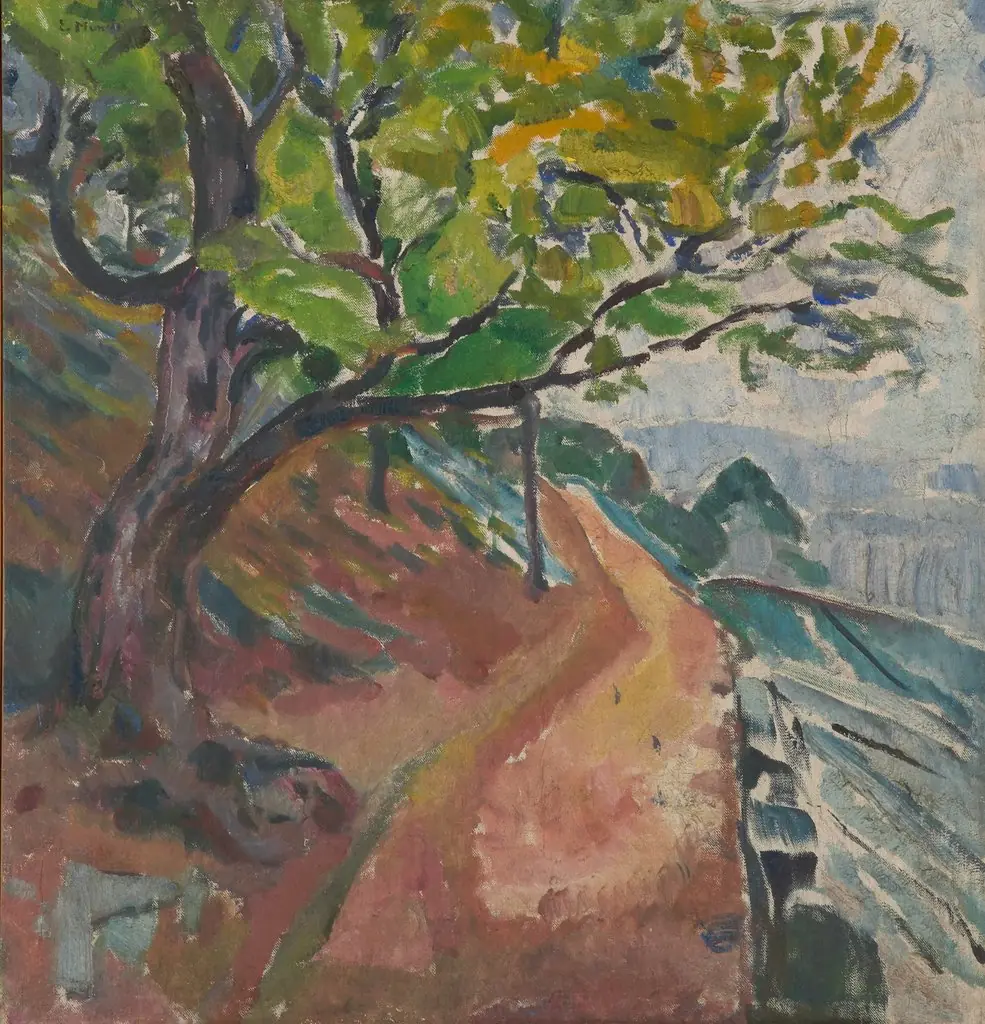
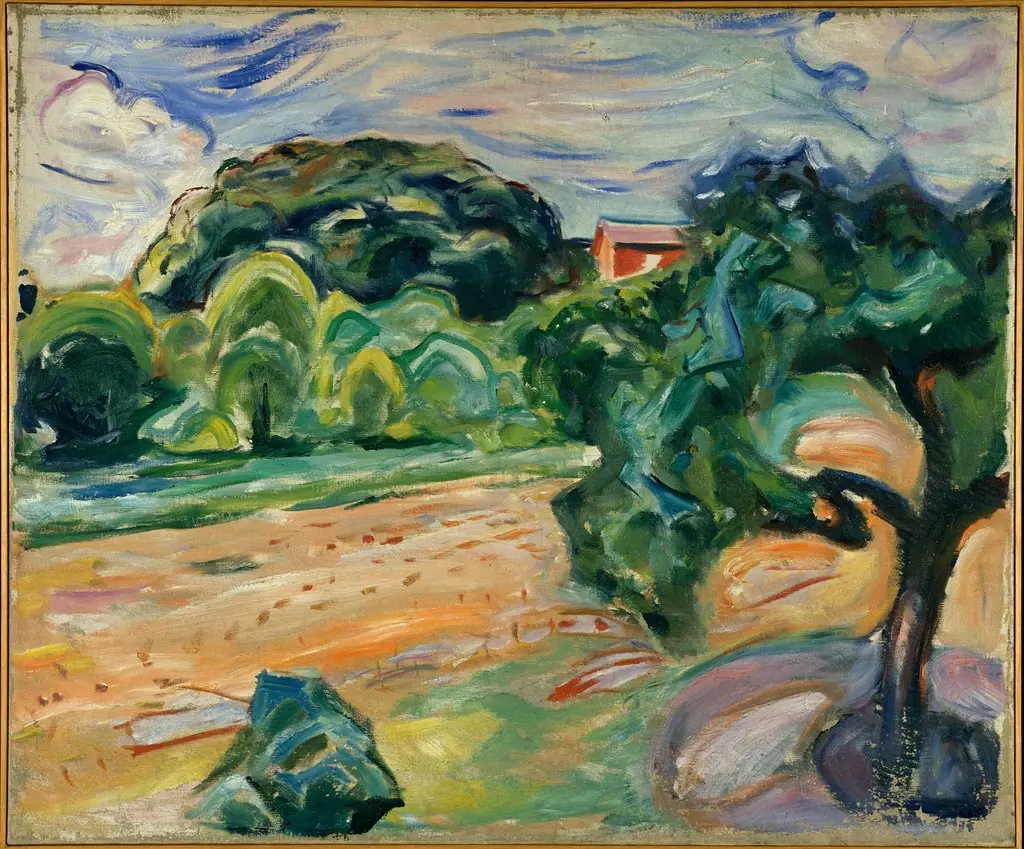
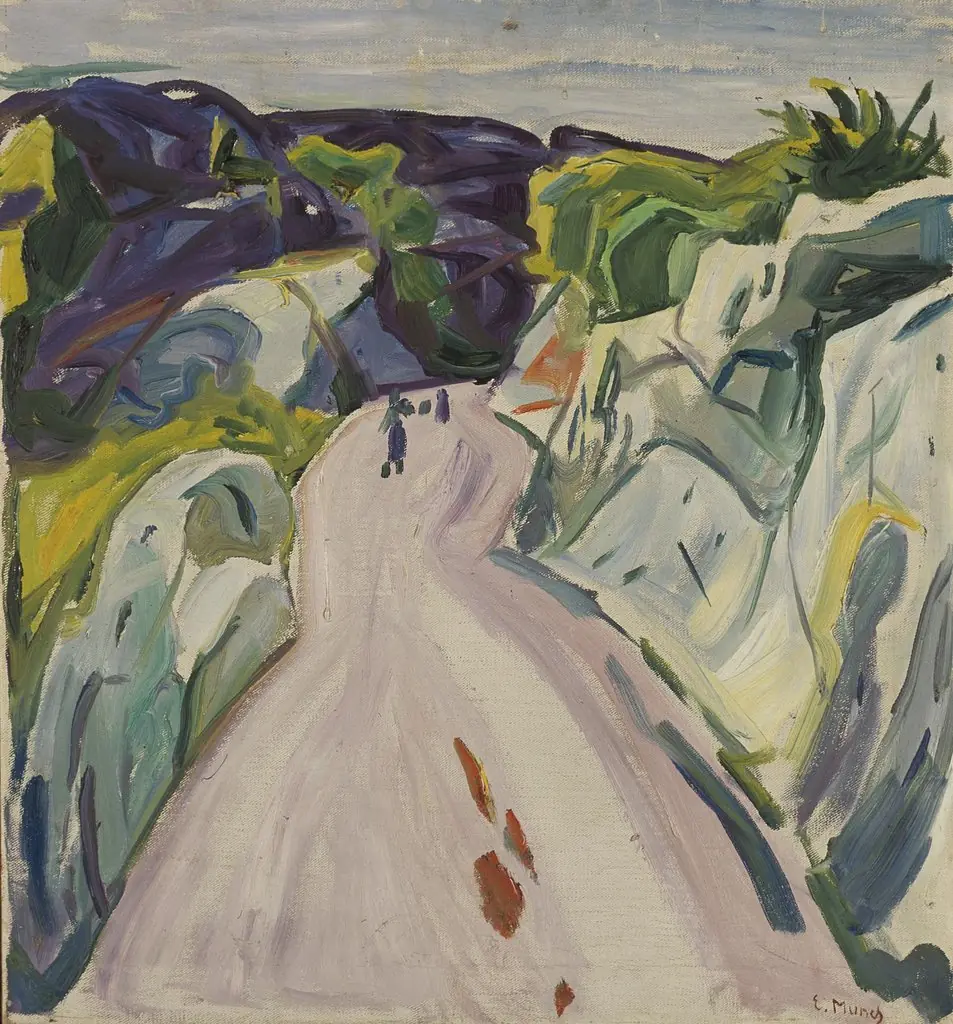
Rain at the Coast is an oil painting by the Post-Impressionist artist Edvard Munch. It dates from 1910 and is held in the collection of the Munch Museum.
About this work
Overview
The piece is part of the Munch Museum’s permanent collection and reflects the artist’s sustained interest in nature’s emotional resonance.
Painted in 1910, *Rain at the Coast* is an oil on canvas work by Norwegian artist Edvard Munch. It captures a coastal landscape under inclement weather, emphasizing atmosphere over narrative. The piece is part of the Munch Museum’s permanent collection and reflects the artist’s sustained interest in nature’s emotional resonance. Though often associated with Symbolism, its handling of light and form aligns with broader post-impressionist tendencies of the era.
Subject & Meaning
The painting portrays a barren stretch of Norwegian coastline during a rainstorm. No human figures appear, yet the environment conveys tension and unease. The falling rain, heavy clouds, and jagged rocks suggest nature’s indifference to human presence. Munch uses the scene not as a record of place, but as an expression of inner states—solitude, foreboding, and the sublime power of the natural world.
Technique & Style
Munch employed thick, directional brushwork to build texture in the rocks and turbulent sky. Colors are restrained—dominated by cool grays, blues, and muted greens—with occasional dark accents defining the shoreline. The paint is applied with urgency, creating a sense of movement. Rather than blending tones smoothly, he layered them to enhance the feeling of wind and precipitation, reinforcing the scene’s emotional weight.
History & Provenance
Created during Munch’s later period, the painting was produced after his return to Norway following years abroad. It entered the collection of the Munch Museum, established in Oslo to preserve his legacy. The work remained in private hands until the museum’s founding, and its inclusion there reflects its significance as part of his broader exploration of nature and mood in the early 20th century.
Context
In the decade before World War I, Munch increasingly turned to landscapes as vehicles for psychological expression. *Rain at the Coast* aligns with his contemporaneous studies of weather and terrain, where natural phenomena mirrored internal turmoil. This period saw him moving away from overt symbolism toward more immersive, atmospheric compositions, influenced by Nordic light and the emotional weight of the sea.
Legacy
Though less widely known than *The Scream*, *Rain at the Coast* exemplifies Munch’s enduring engagement with nature as a mirror of emotion. Its restrained palette and energetic brushwork influenced later Scandinavian painters seeking to convey mood through landscape. The work remains a quiet but potent example of how environment can embody psychological depth without narrative explanation.
Artist & collection
Artist
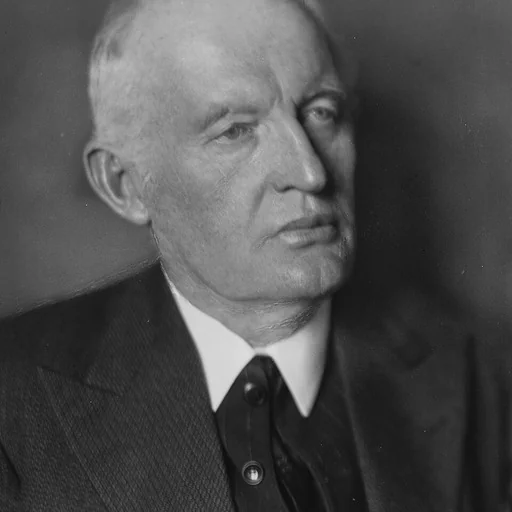
Edvard Munch ( MUUNK; Norwegian: ; 12 December 1863 – 23 January 1944) was a Norwegian painter.