Artwork
Self-Portrait in Hell
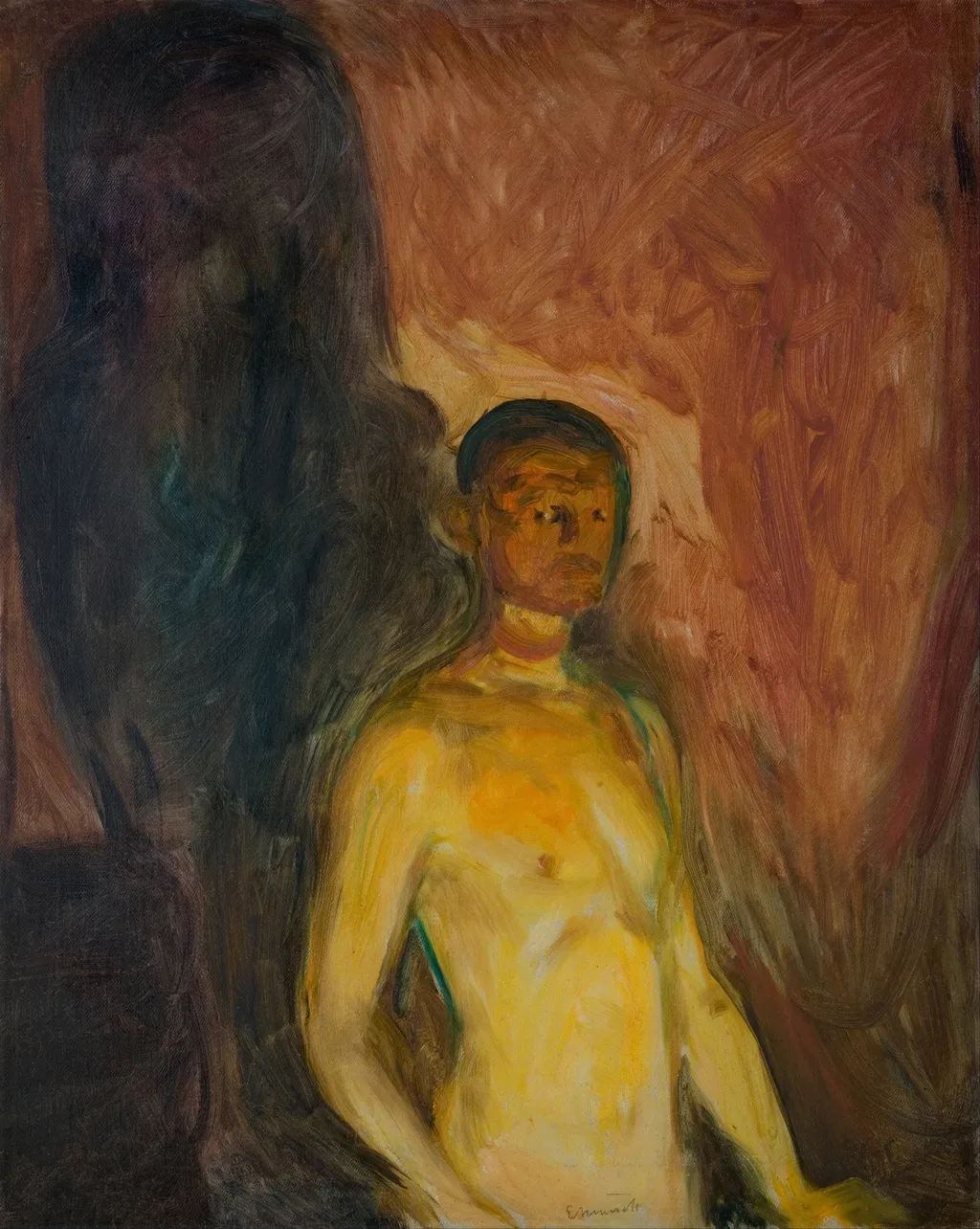
Self-Portrait in Hell is an oil painting by the Post-Impressionist artist Edvard Munch. It dates from 1903 and is held in the collection of the Munch Museum.
About this work
Overview
It presents a stark, emotionally charged depiction of the artist himself, set within an oppressive, chromatically intense environment.
Painted in 1903, *Self-Portrait in Hell* is an oil work by Norwegian artist Edvard Munch. It presents a stark, emotionally charged depiction of the artist himself, set within an oppressive, chromatically intense environment. The painting reflects Munch’s sustained interest in internal states over external realism, aligning with his broader exploration of psychological distress through visual form.
Subject & Meaning
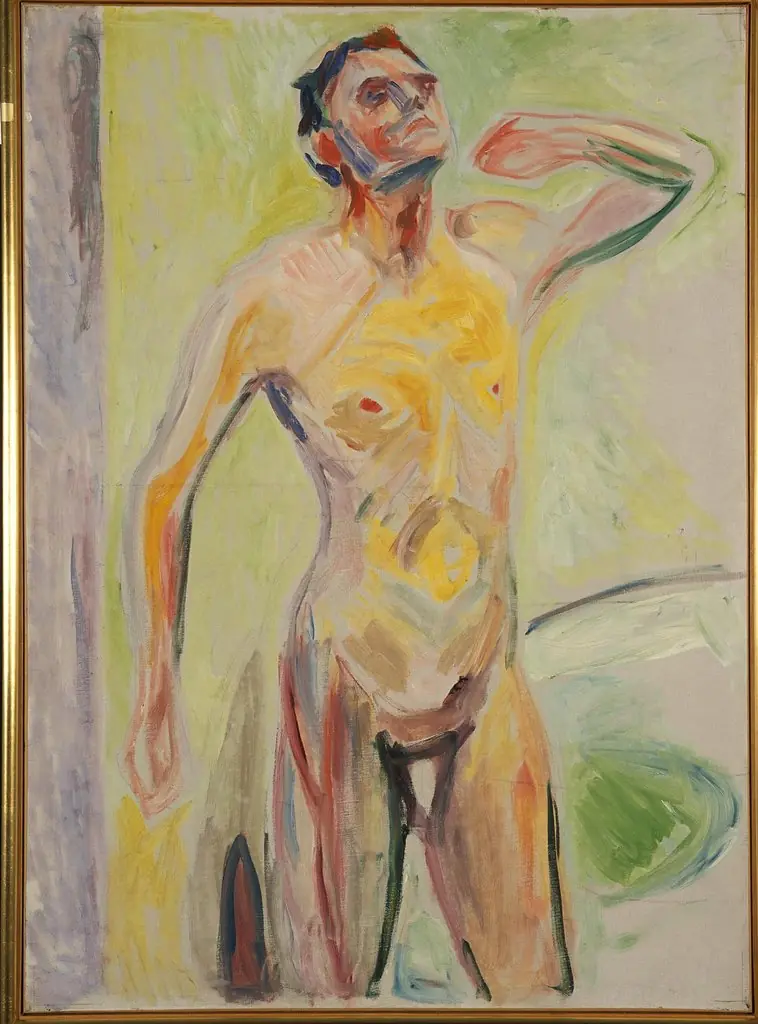
The figure in the painting is Munch’s own likeness, rendered with a sickly yellow hue that suggests physical or spiritual decay. Set against a swirling, infernal backdrop of red and brown, the image evokes a personal vision of torment rather than a literal depiction of hell. It conveys a sense of existential anguish, possibly tied to his lifelong preoccupations with mortality, isolation, and mental suffering.
Technique & Style
Munch employs bold, gestural brushwork on the face to amplify emotional intensity, while the body is painted with flatter, more restrained strokes. The contrast heightens the focus on the visage as the site of inner conflict. His palette—dominated by earthy reds and ochres against deep shadows—creates a claustrophobic atmosphere, characteristic of his post-impressionist approach to emotional expression over naturalistic detail.
History & Provenance
Created during a period of personal and artistic consolidation, the painting entered the collection of the Munch Museum in Oslo, where it remains today. The work was produced after Munch’s formative years in Kristiania, following his exposure to philosophical circles influenced by nihilism and his engagement with Symbolist ideas. It reflects a mature phase in his career, where personal trauma became central to his artistic language.
Context
Munch painted this during a time when European art increasingly turned inward, away from realism toward psychological exploration. His association with thinkers like Hans Jæger and his own experiences with illness and grief shaped a visual vocabulary centered on anxiety and alienation. *Self-Portrait in Hell* fits within a broader body of work that redefined portraiture as a conduit for emotional truth.
Legacy
The painting endures as a quiet but forceful example of early modernist introspection. It influenced later artists seeking to externalize psychological states through color and form. While not widely exhibited outside Norway, its presence in the Munch Museum anchors it as a key document in understanding the artist’s lifelong confrontation with inner darkness.
Own this work as a print
Artist & collection
Artist
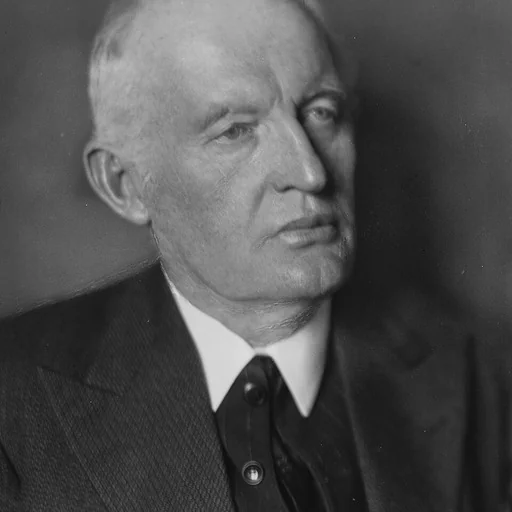
Edvard Munch ( MUUNK; Norwegian: ; 12 December 1863 – 23 January 1944) was a Norwegian painter.