Artwork
The Angel of Death
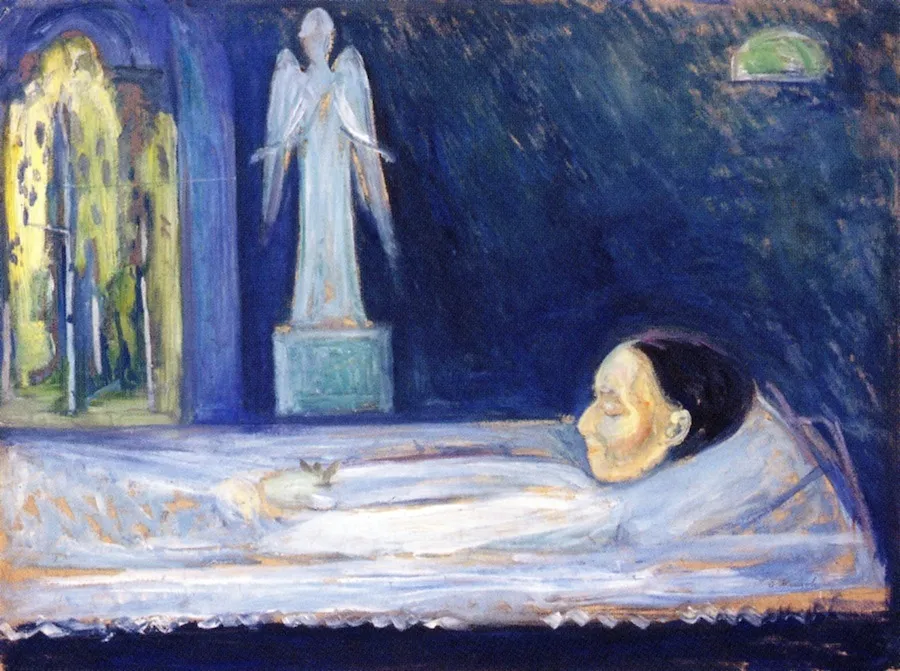
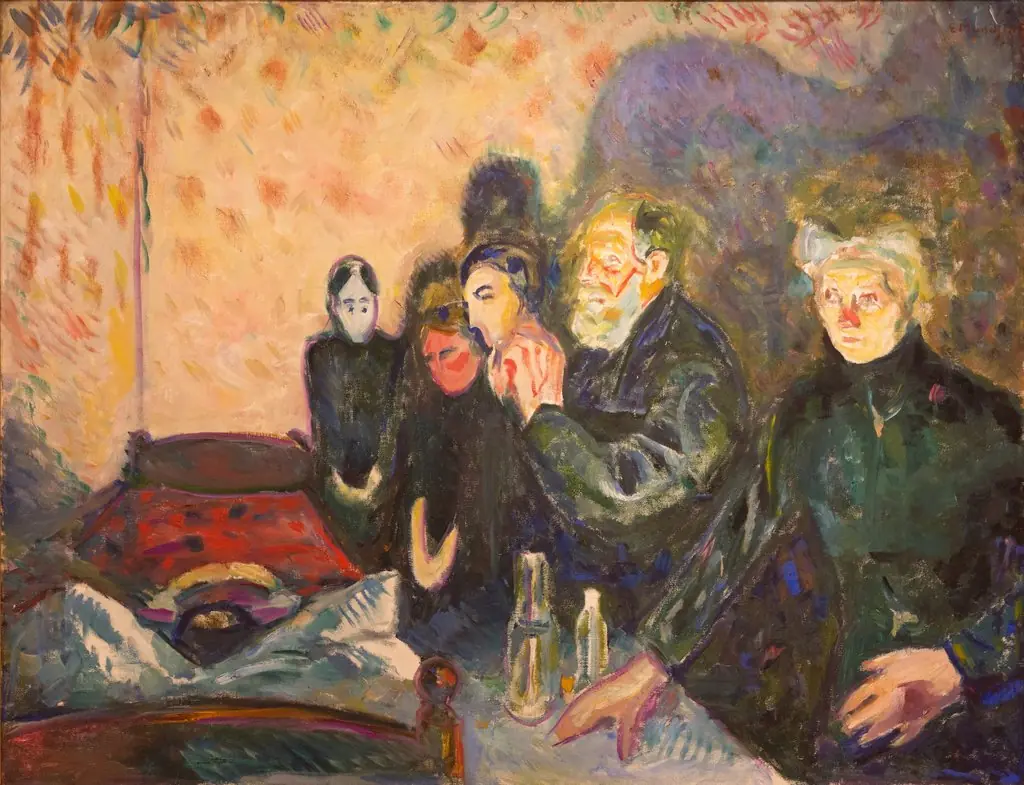
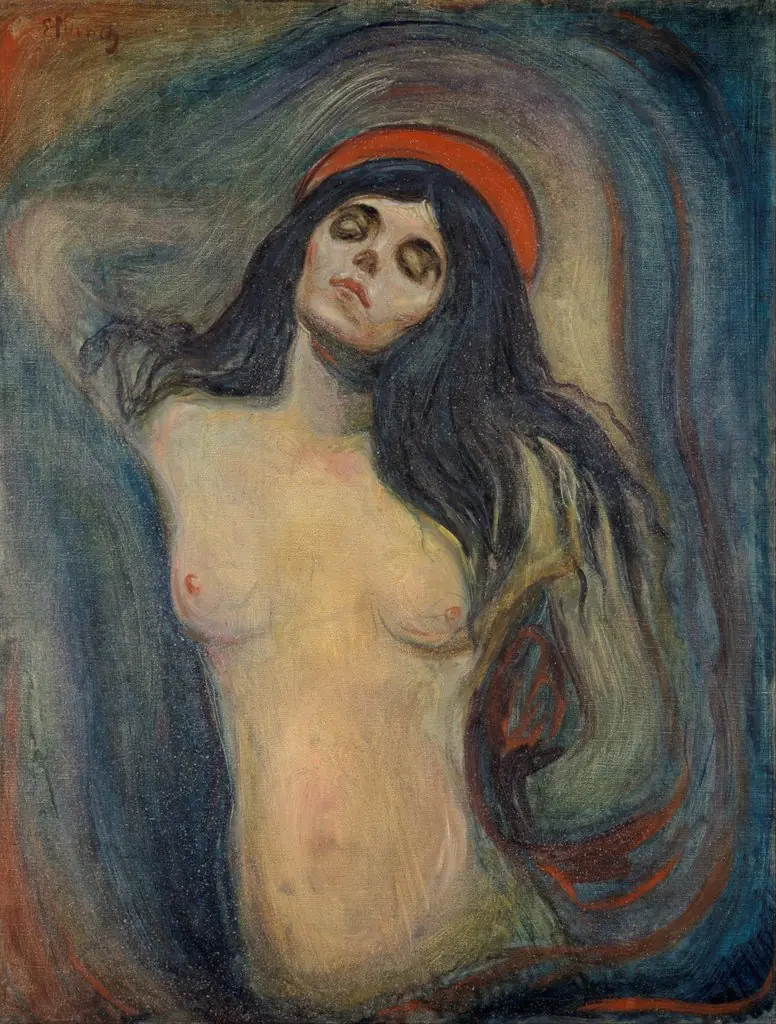
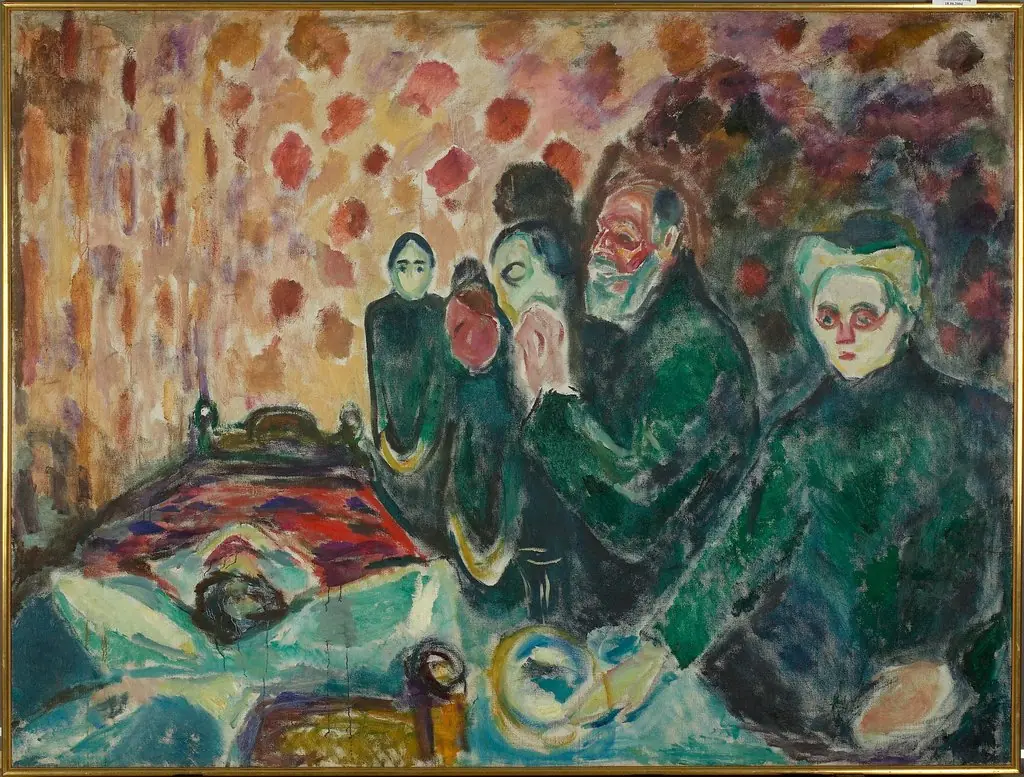
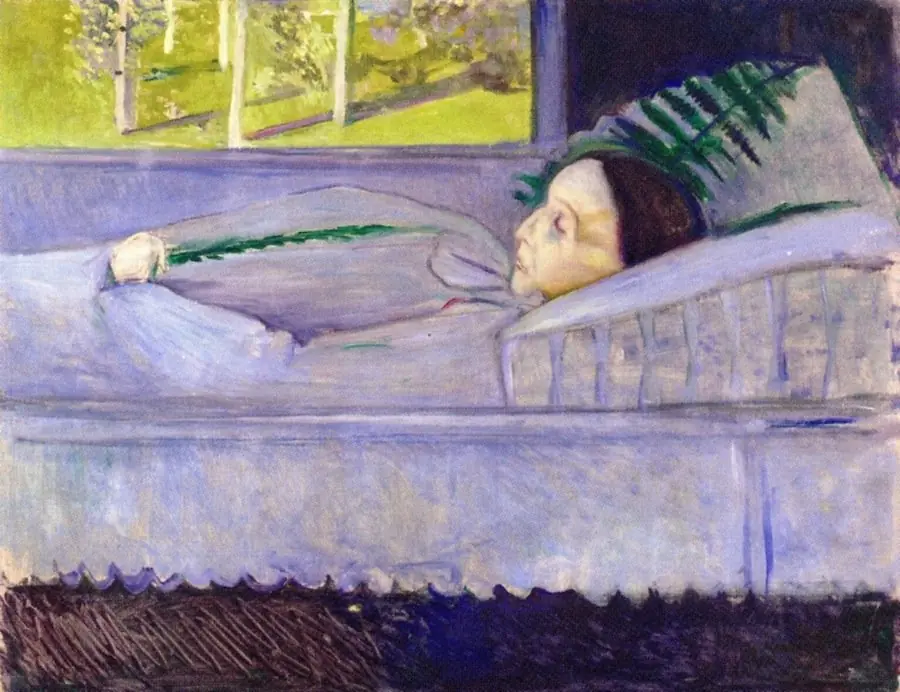
The Angel of Death is an oil painting by the Post-Impressionist artist Edvard Munch. It dates from 1897 and is held in the collection of the Munch Museum.
About this work
Overview
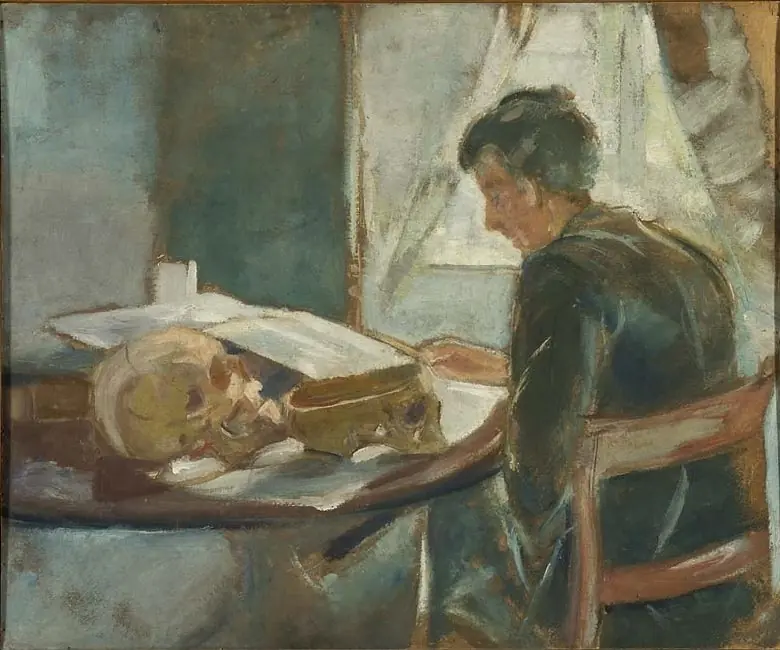
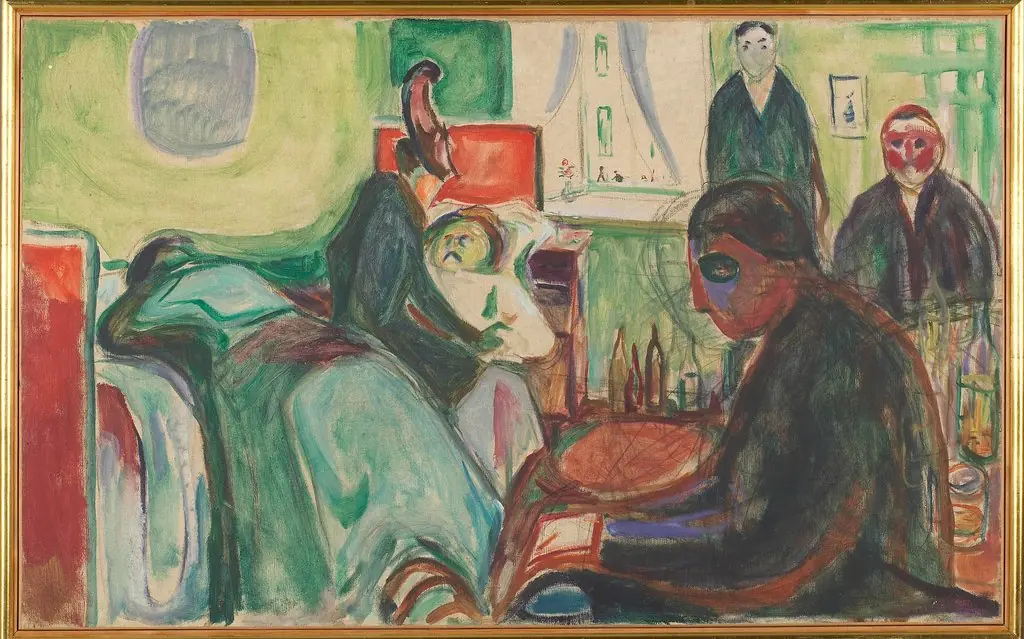
The Angel of Death, painted by Edvard Munch in 1897, is an oil-on-canvas work characterized by its somber and melancholic depiction of mortality. The piece features a deceased individual in a white shroud, set against a dimly lit backdrop with an angel statue and a window, evoking a complex emotional atmosphere.
Subject & Meaning
The painting explores themes of mortality and anxiety, reflective of Munch's personal experiences with family illnesses and mental health struggles. The angel statue introduces a note of spirituality, balancing the solemnity of death with reverence.
Technique & Style
Munch employs muted colors and soft, subdued lighting to create a sense of calm amidst the morbid subject. The style aligns with his post-impressionist approach, marked by expressive and emotionally charged representation.
History & Provenance
Created in 1897, The Angel of Death is part of the Munch Museum's collection. Munch's artistic background, including training at the Royal School of Art and Design in Kristiania and exposure to nihilist ideologies, influenced his expressive and thematic choices.
Context
Emerging during the post-impressionist period, the work reflects broader artistic trends towards emotional intensity and personal symbolism, while also echoing Munch's unique preoccupation with the human condition and mortality.
Legacy
The Angel of Death contributes to Munch's legacy of exploring mortality and emotional depth in art, resonating with viewers through its poignant and contemplative portrayal of universal human experiences.
Artist & collection
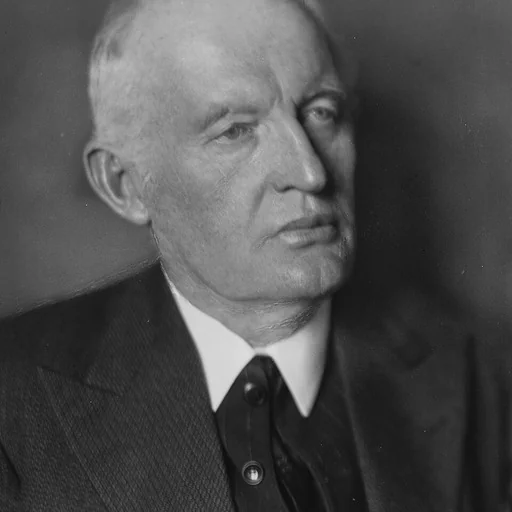
Artist
Edvard Munch ( MUUNK; Norwegian: ; 12 December 1863 – 23 January 1944) was a Norwegian painter.