Artwork
The Drowned Boy
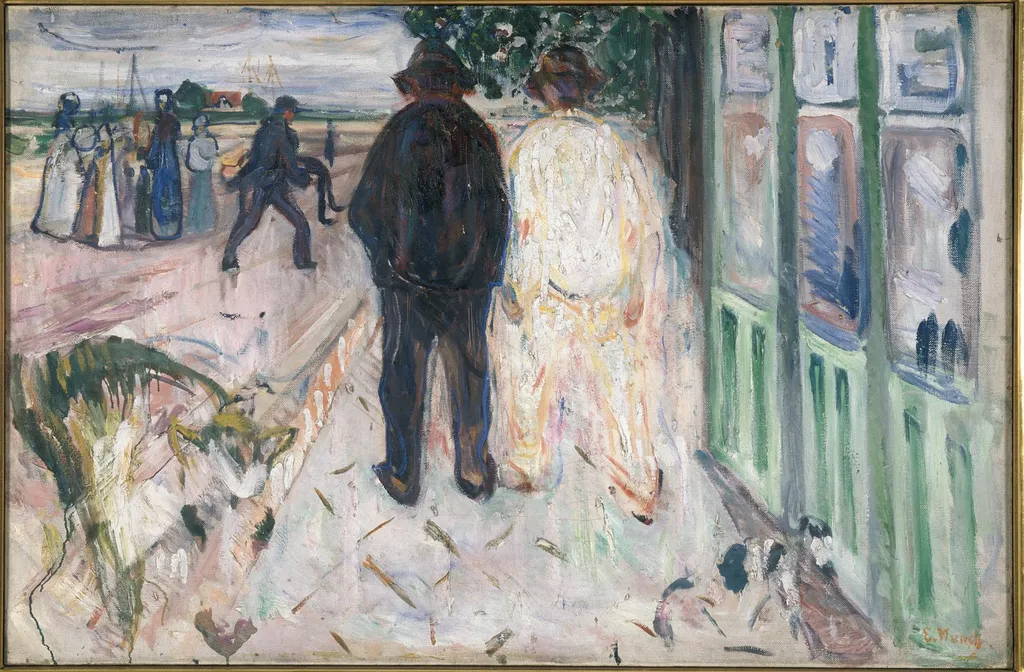
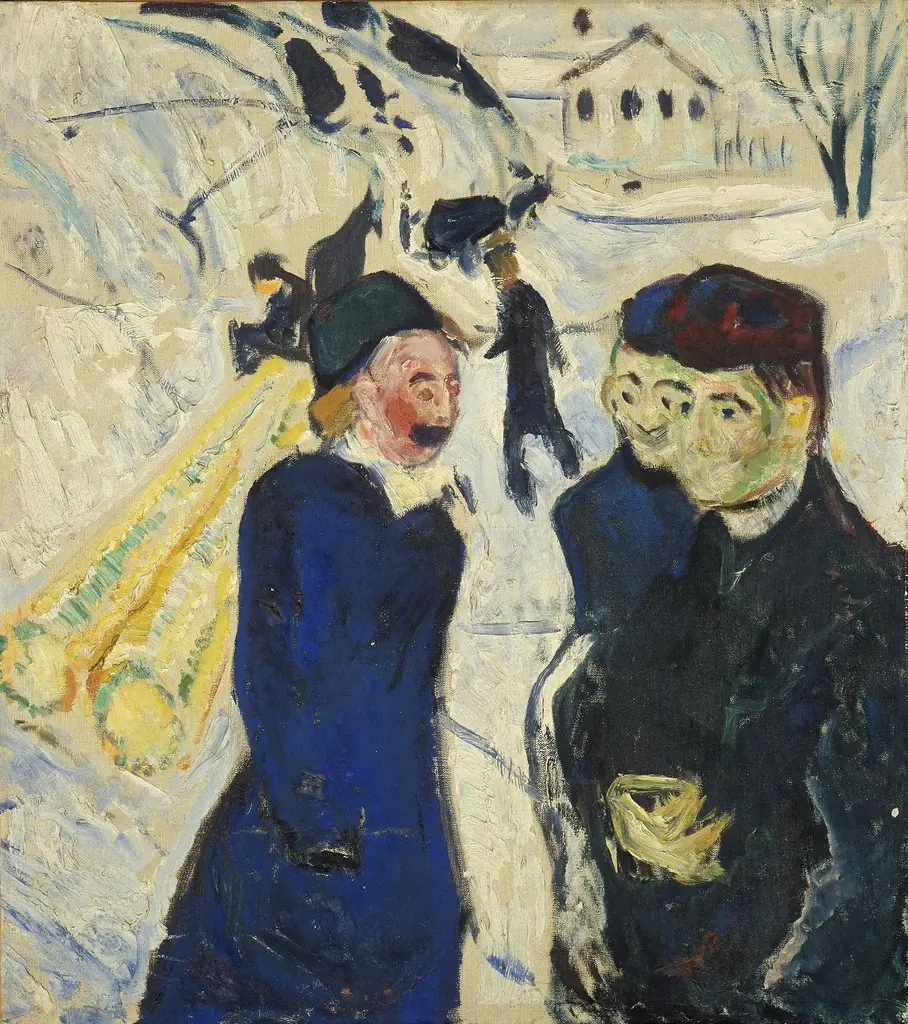
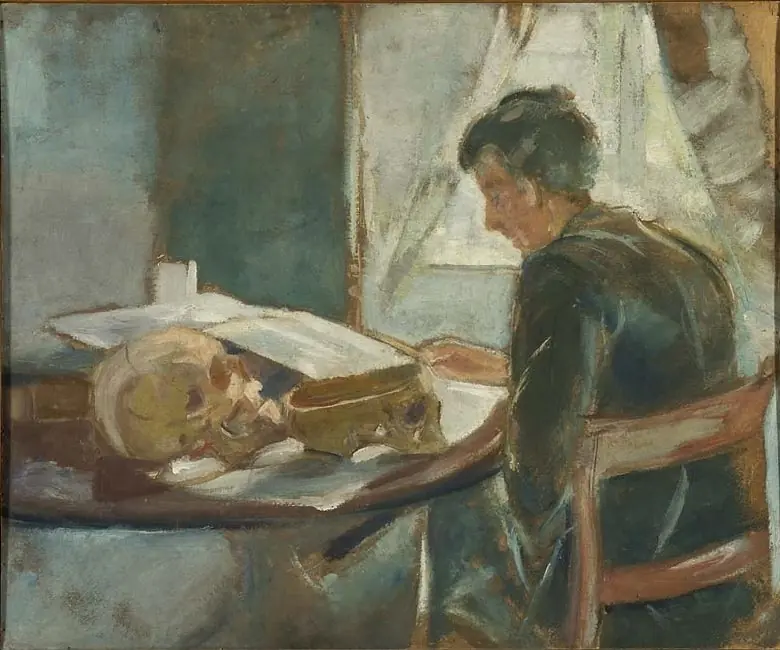
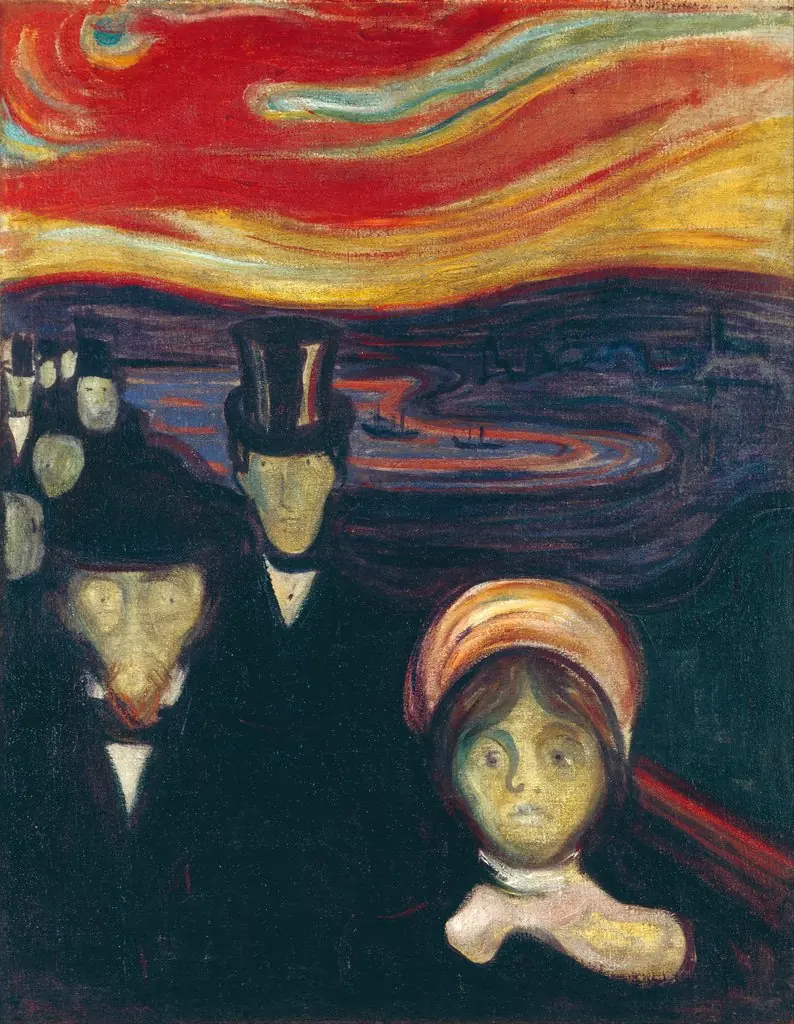
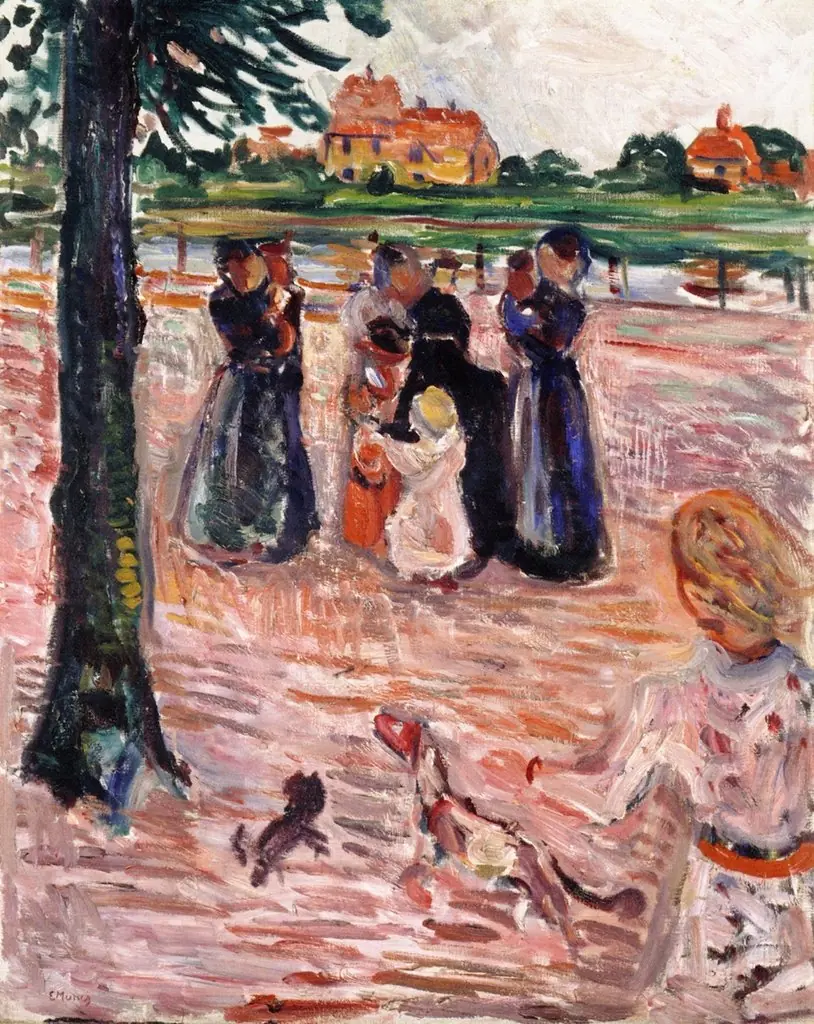
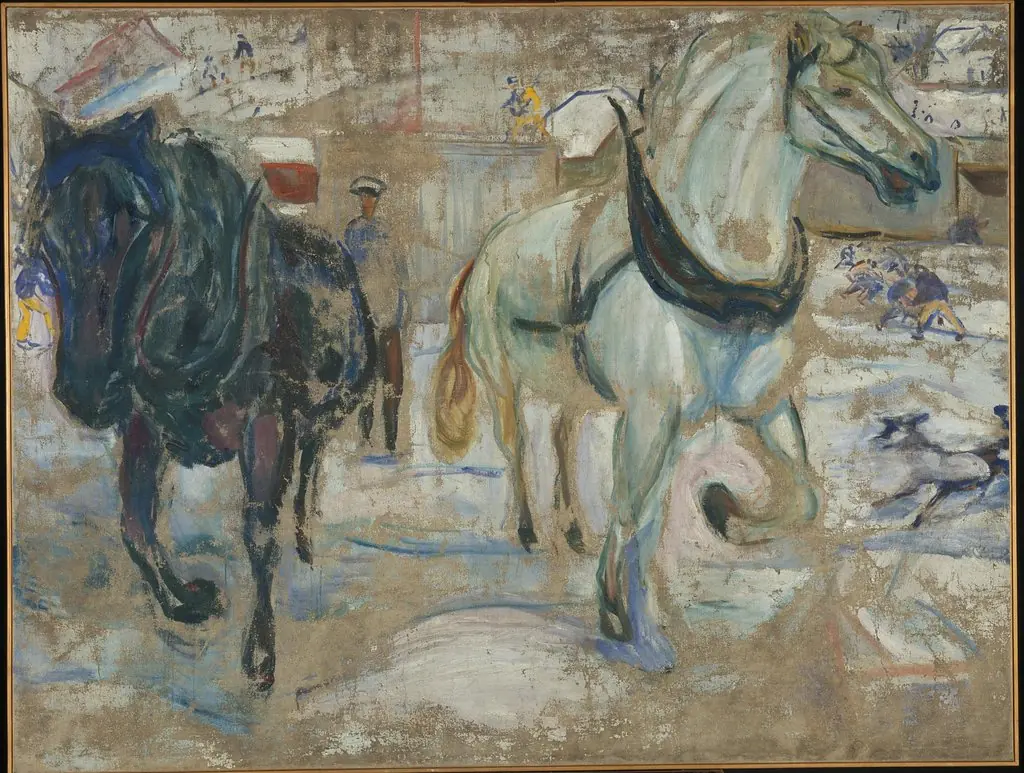
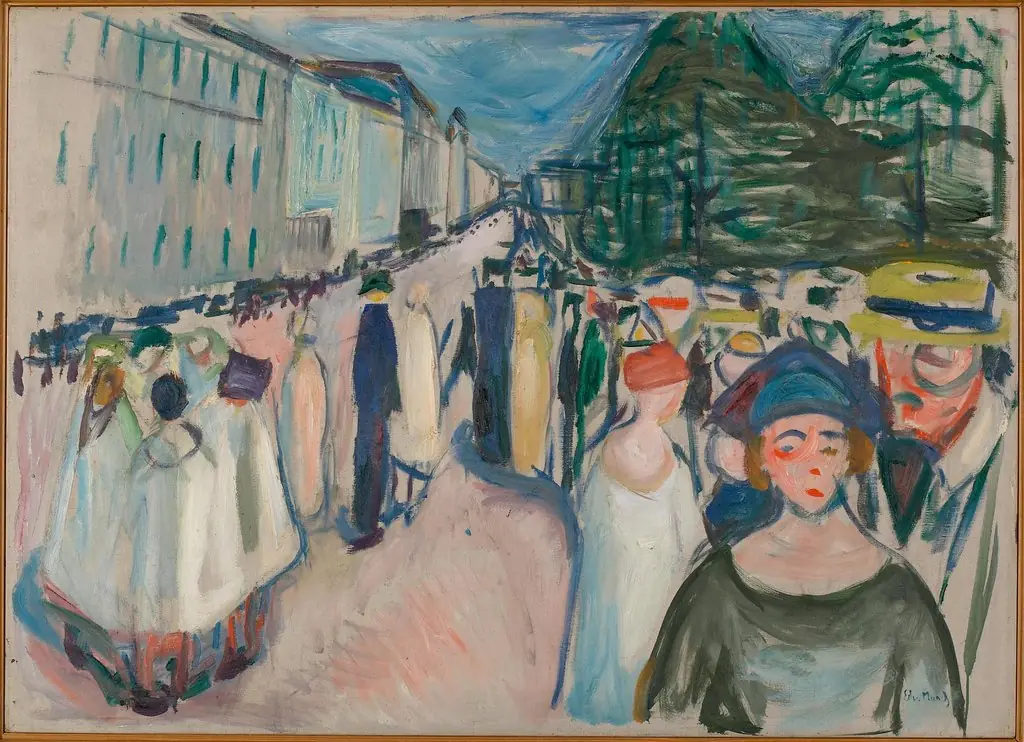
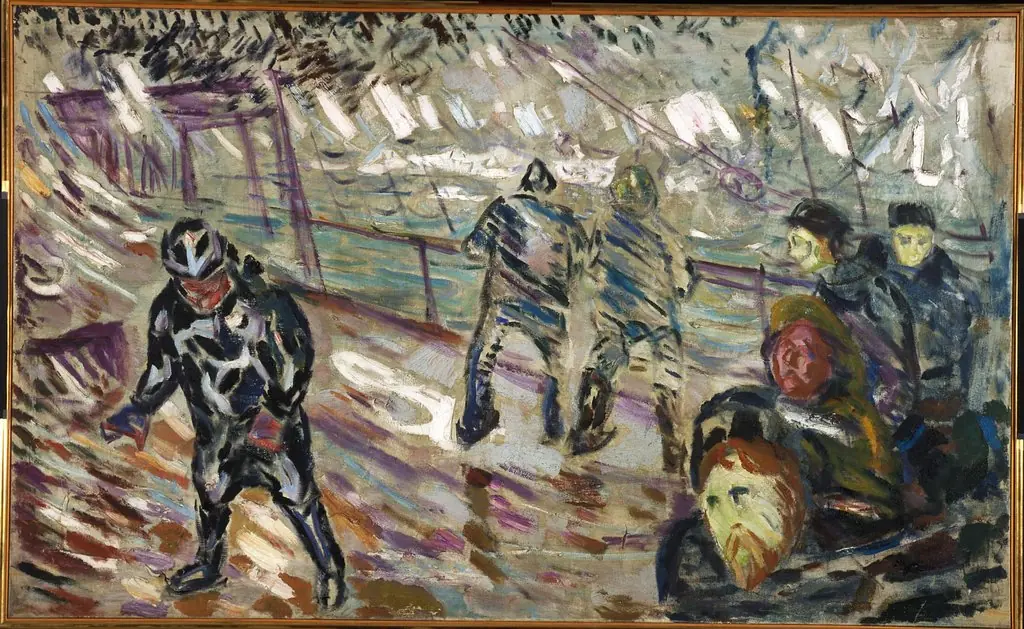
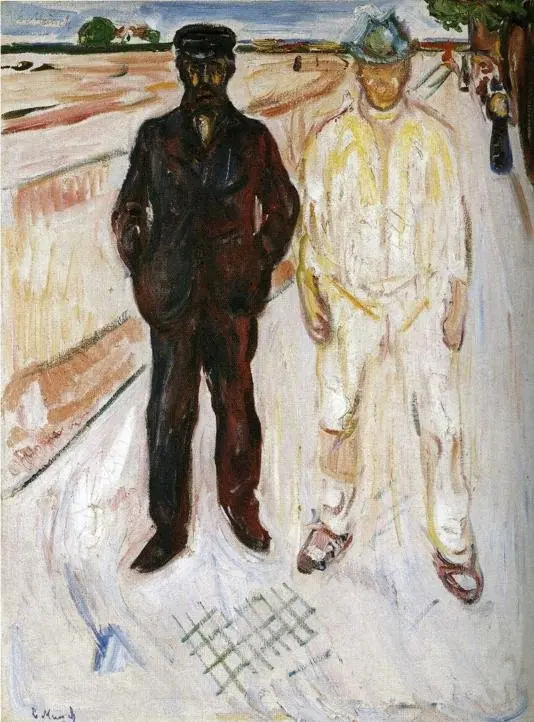
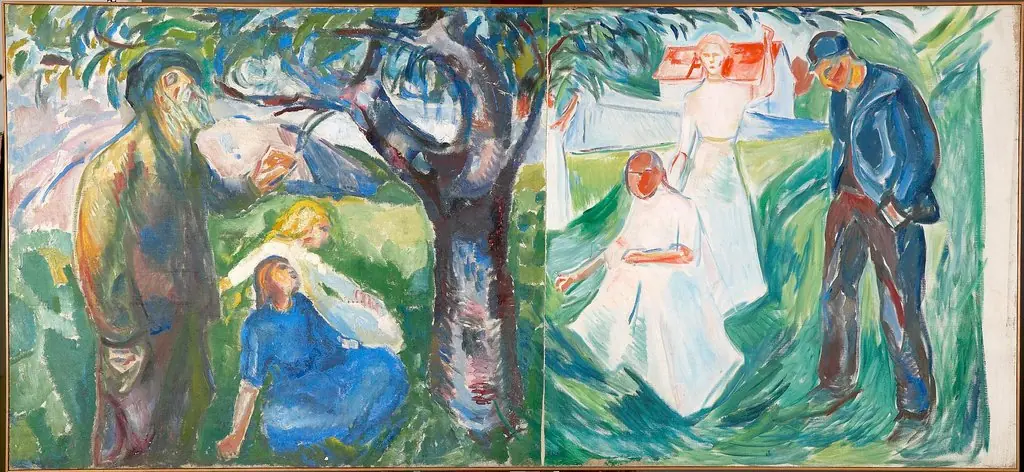
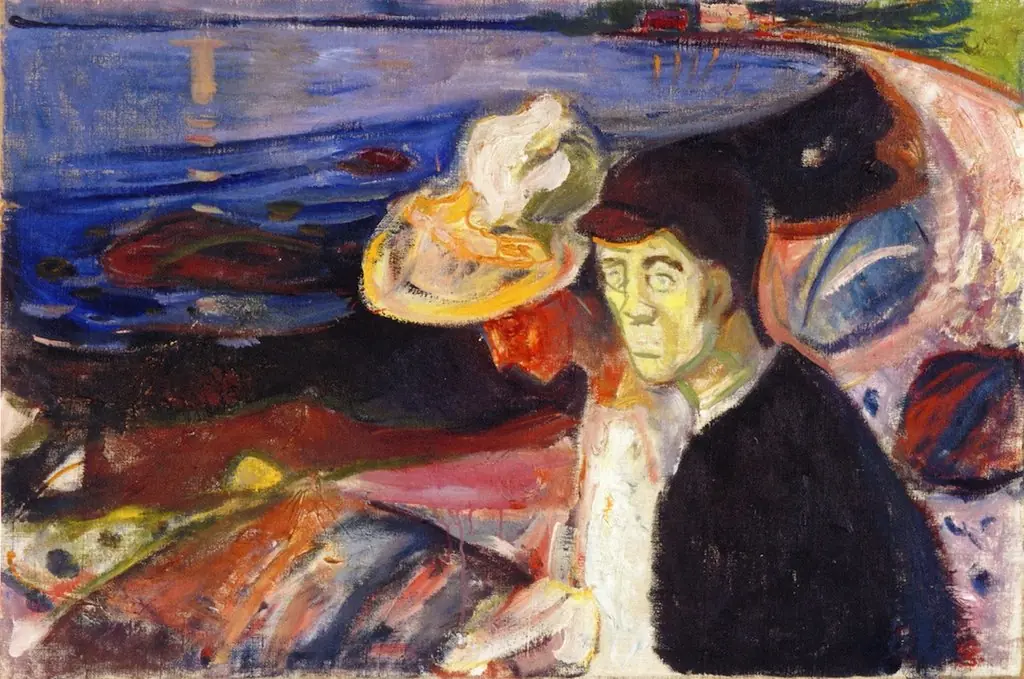
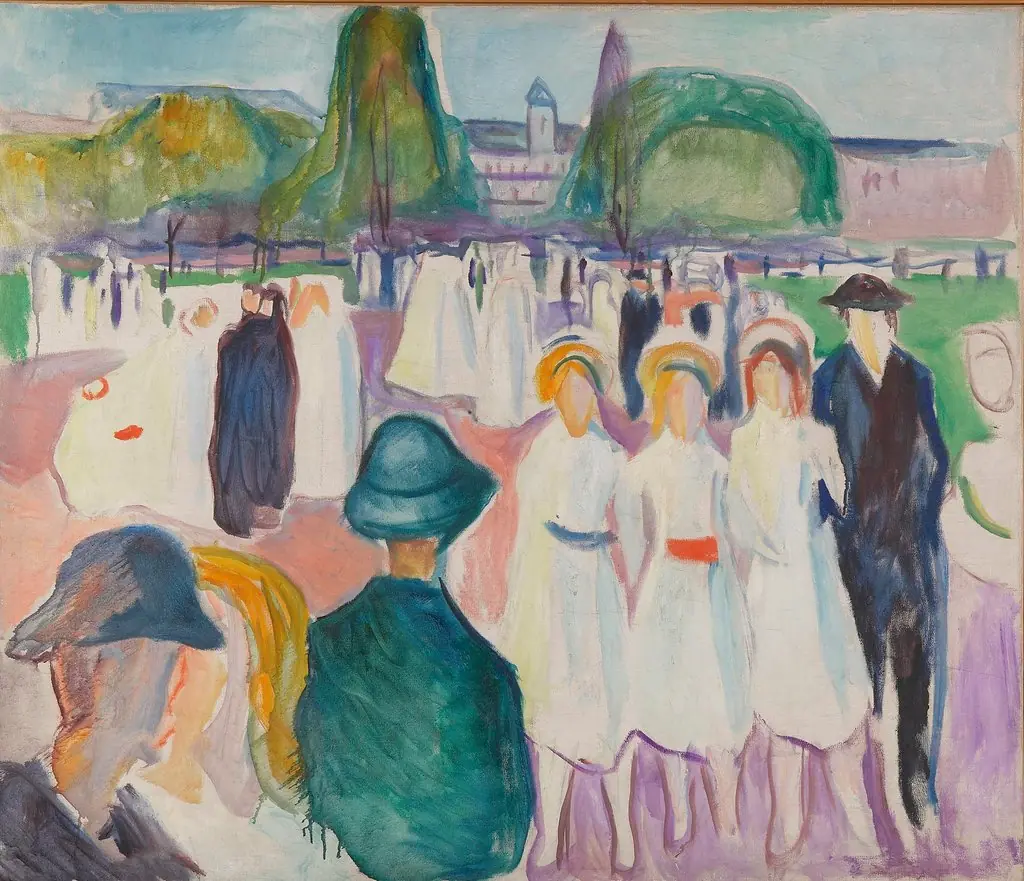
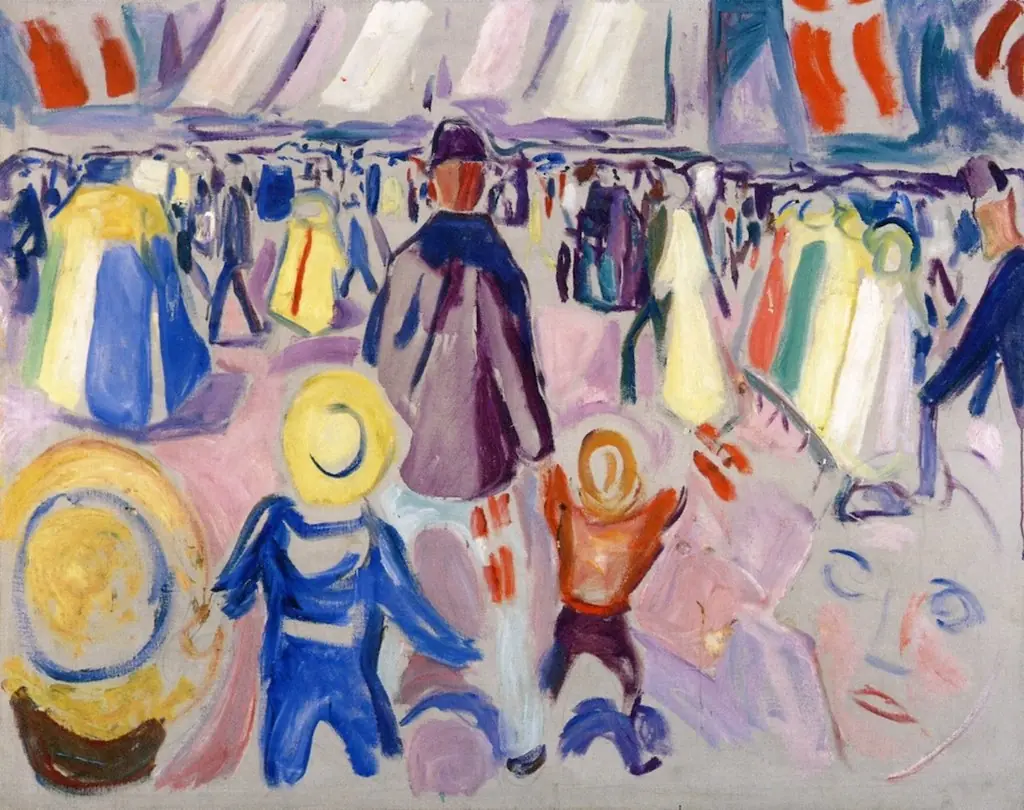
The Drowned Boy is an oil painting by the Post-Impressionist artist Edvard Munch. It dates from 1907 and is held in the collection of the Munch Museum.
About this work
Overview
The piece belongs to the Munch Museum’s permanent collection, where it stands as part of a broader body of work examining human vulnerability.
Painted in 1907, *The Drowned Boy* is an oil on canvas work by Norwegian artist Edvard Munch. It reflects his sustained interest in themes of mortality and psychological distress, rooted in personal grief and the cultural climate of late 19th-century Norway. The piece belongs to the Munch Museum’s permanent collection, where it stands as part of a broader body of work examining human vulnerability.
Subject & Meaning
The painting portrays a young boy lying face-down in shallow water, his body partially submerged, face turned toward the shore. His closed eyes and tense posture suggest a moment of final struggle, not rest. The scene avoids narrative clarity, instead conveying an atmosphere of quiet tragedy. Munch does not depict rescue or reaction, emphasizing isolation and the inevitability of death.
Technique & Style
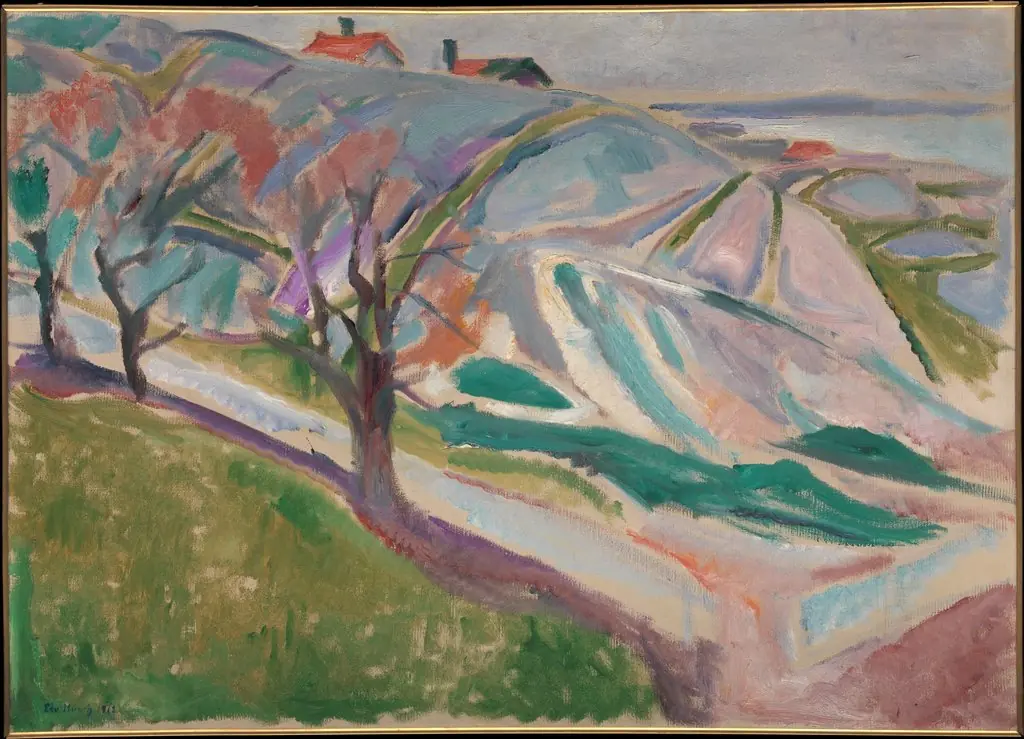
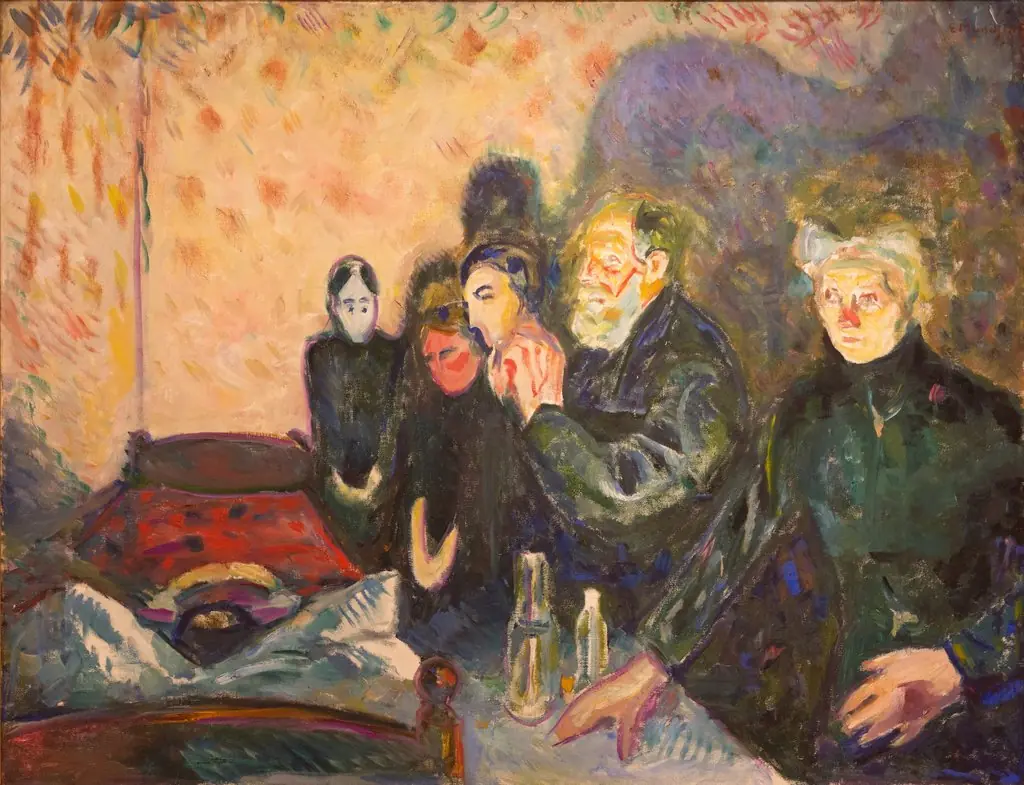
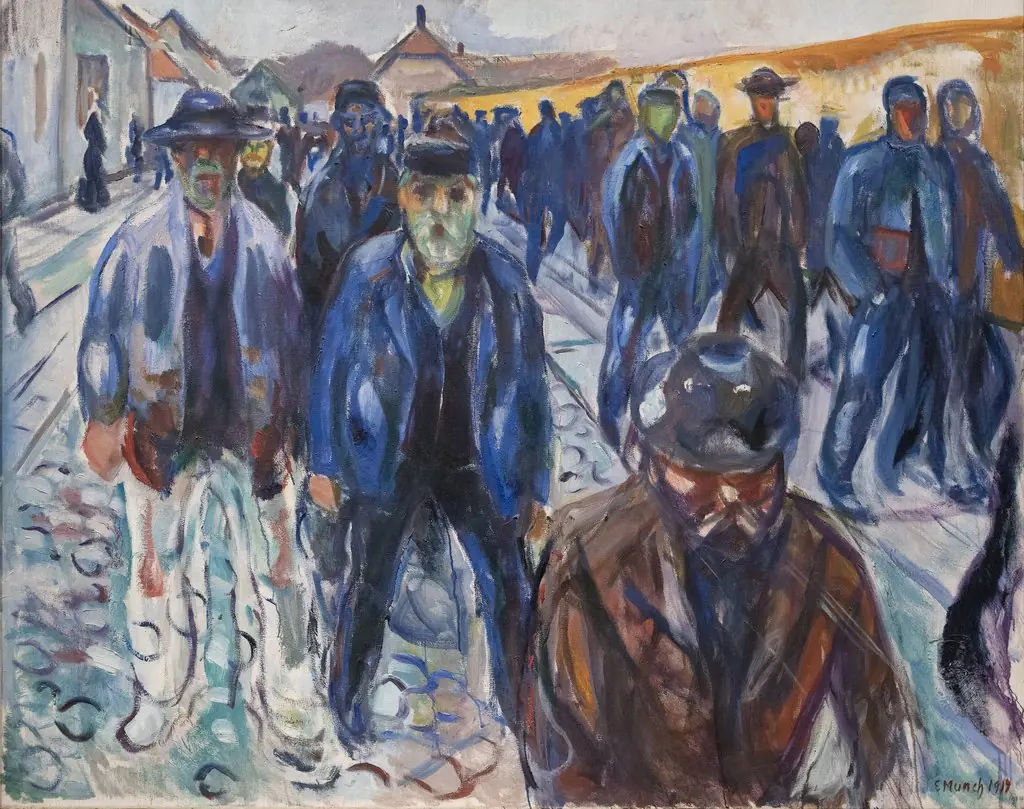
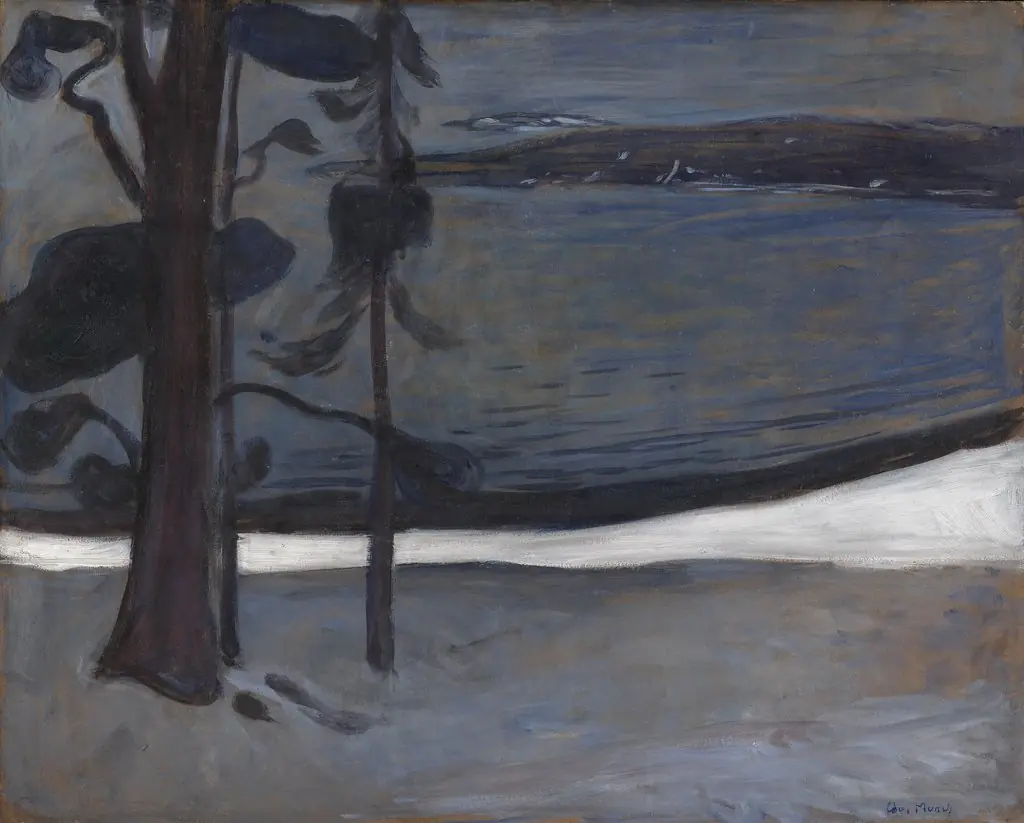
Munch employs thick, expressive brushwork and a restrained palette of grays, blues, and muted earth tones to evoke emotional weight. The water and sky merge into a uniform haze, diminishing spatial depth and amplifying the boy’s solitude. Forms are simplified, details minimized, and contours blurred—hallmarks of his post-impressionist approach, prioritizing inner feeling over literal representation.
History & Provenance
Created during a period of intense artistic output following Munch’s time in Berlin and his engagement with existentialist thinkers like Hans Jæger, the painting emerged from his ongoing exploration of trauma and loss. It entered the Munch Museum’s holdings after his death, as part of the extensive archive he bequeathed to the city of Oslo, ensuring its preservation within his legacy.
Context
In early 20th-century Norway, public discourse around death, mental health, and childhood mortality was growing, influenced by medical advances and social change. Munch’s work resonated with these concerns, reflecting a broader cultural unease. Unlike traditional memorial imagery, *The Drowned Boy* offers no redemption or religious framing, presenting death as an unmediated, natural event.
Legacy
The painting contributes to Munch’s reputation for confronting difficult emotional states without sentimentality. While less known than *The Scream*, it exemplifies his consistent focus on the fragility of life. Art historians note its influence on later Nordic expressionists who similarly used landscape and the human form to express psychological tension.
Artist & collection
Artist
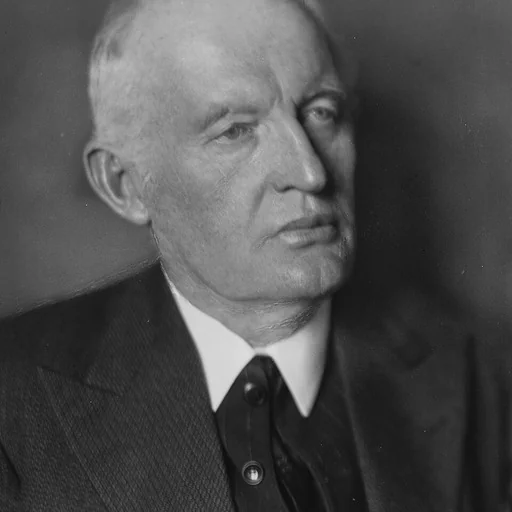
Edvard Munch ( MUUNK; Norwegian: ; 12 December 1863 – 23 January 1944) was a Norwegian painter.