Artwork
The Logger
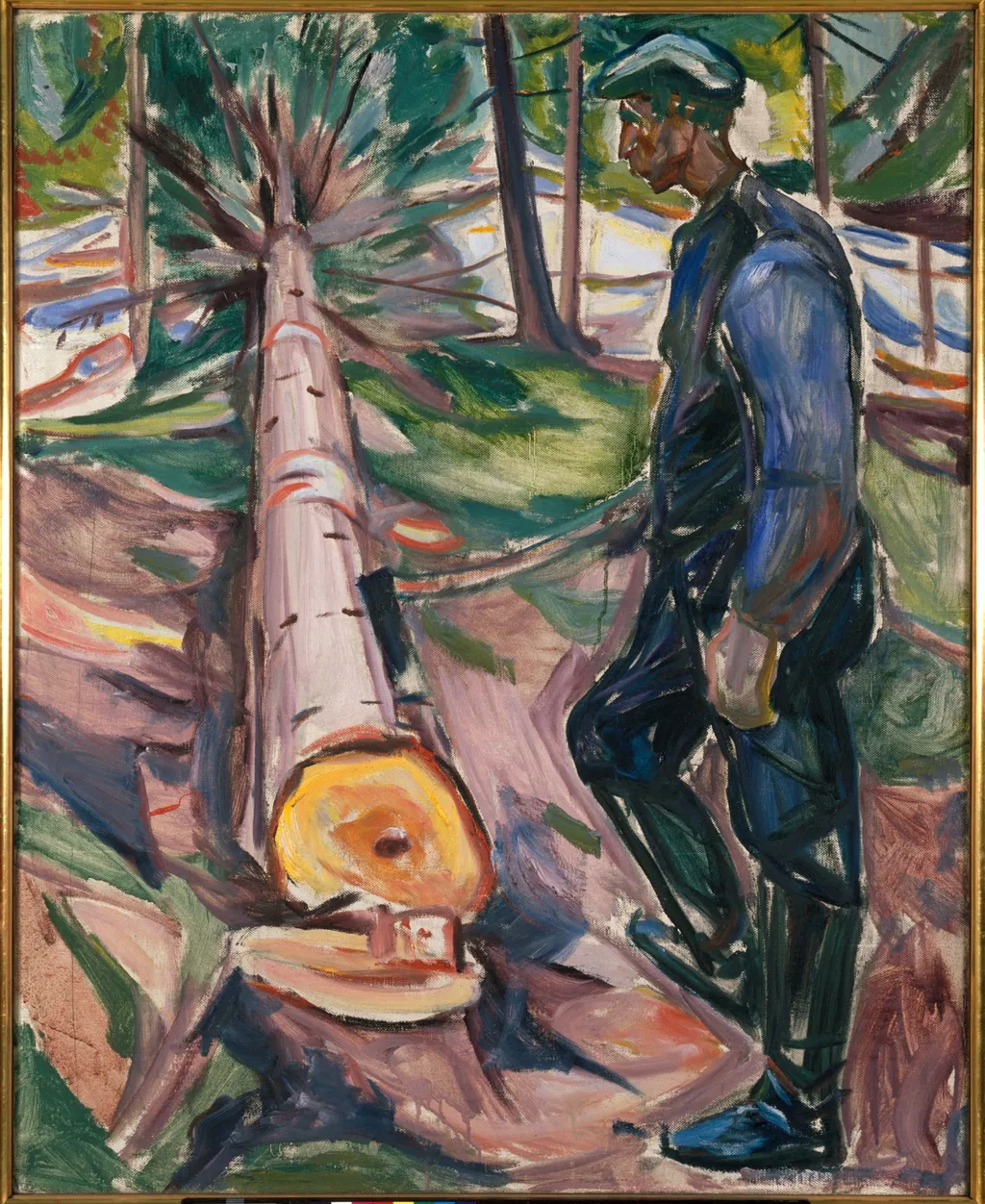
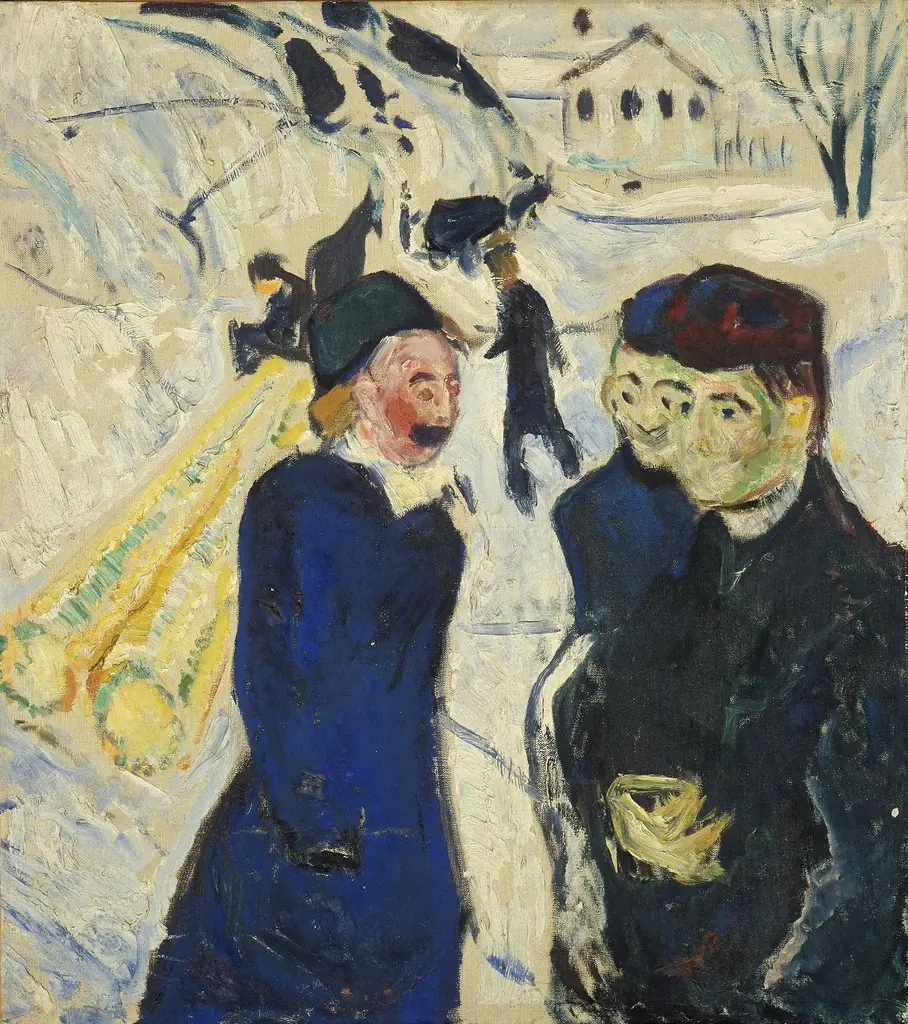
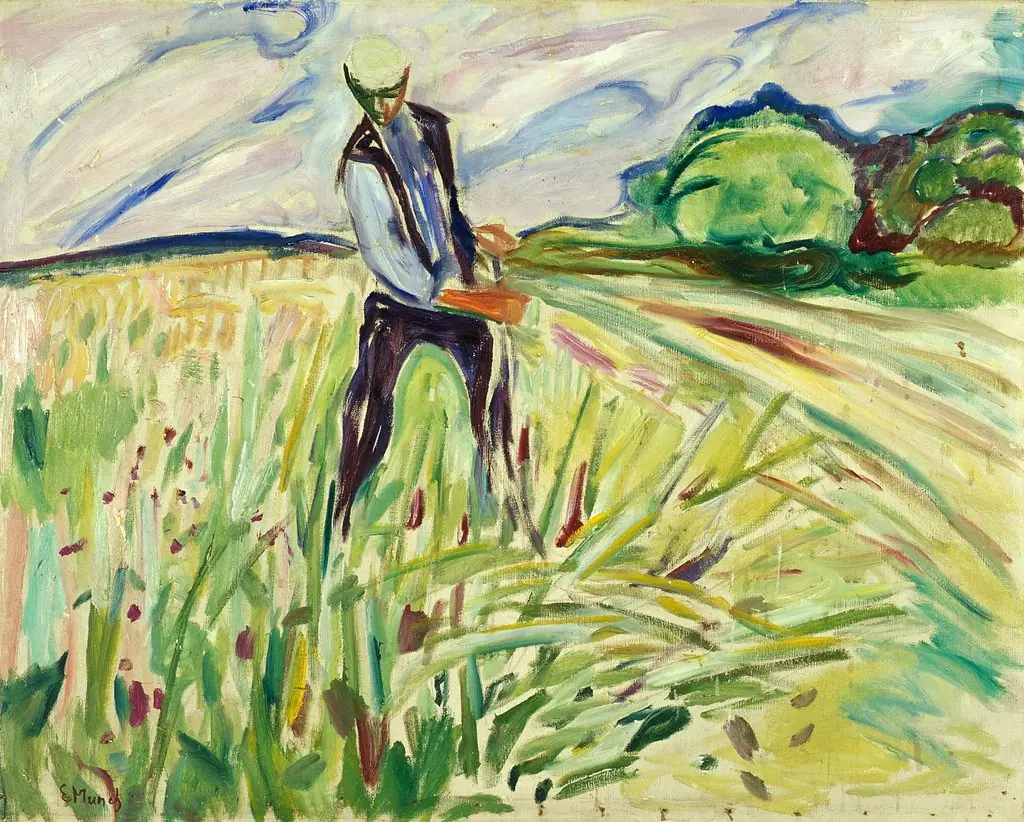
The Logger is an oil painting by the Post-Impressionist artist Edvard Munch. It dates from 1913 and is held in the collection of the Munch Museum.
About this work
Overview
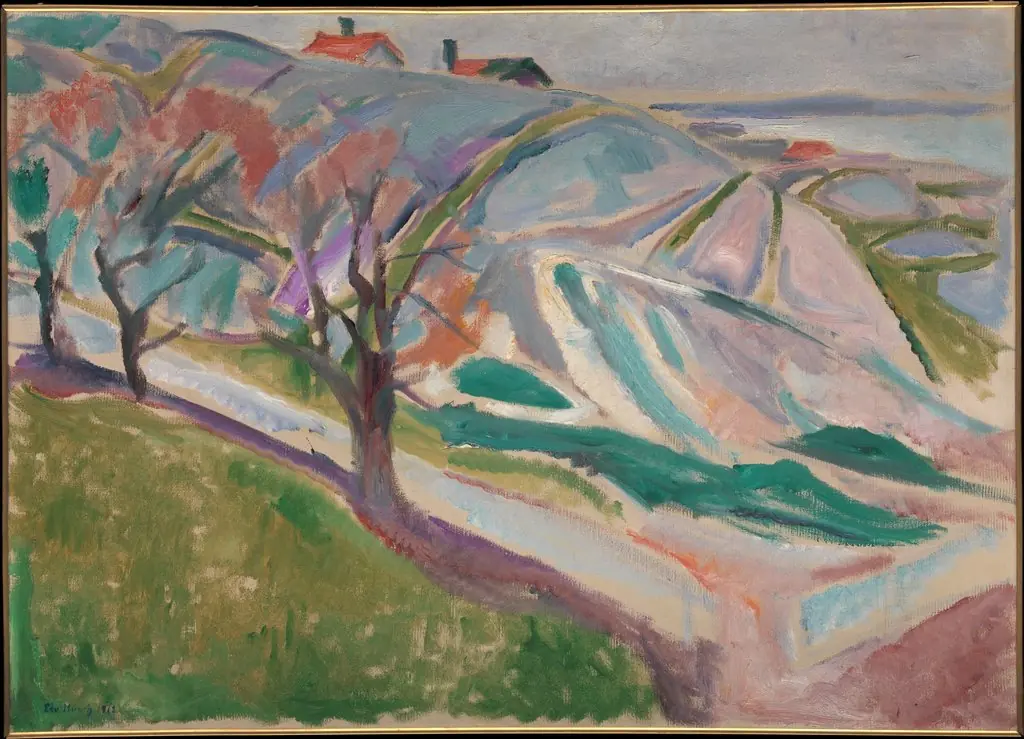
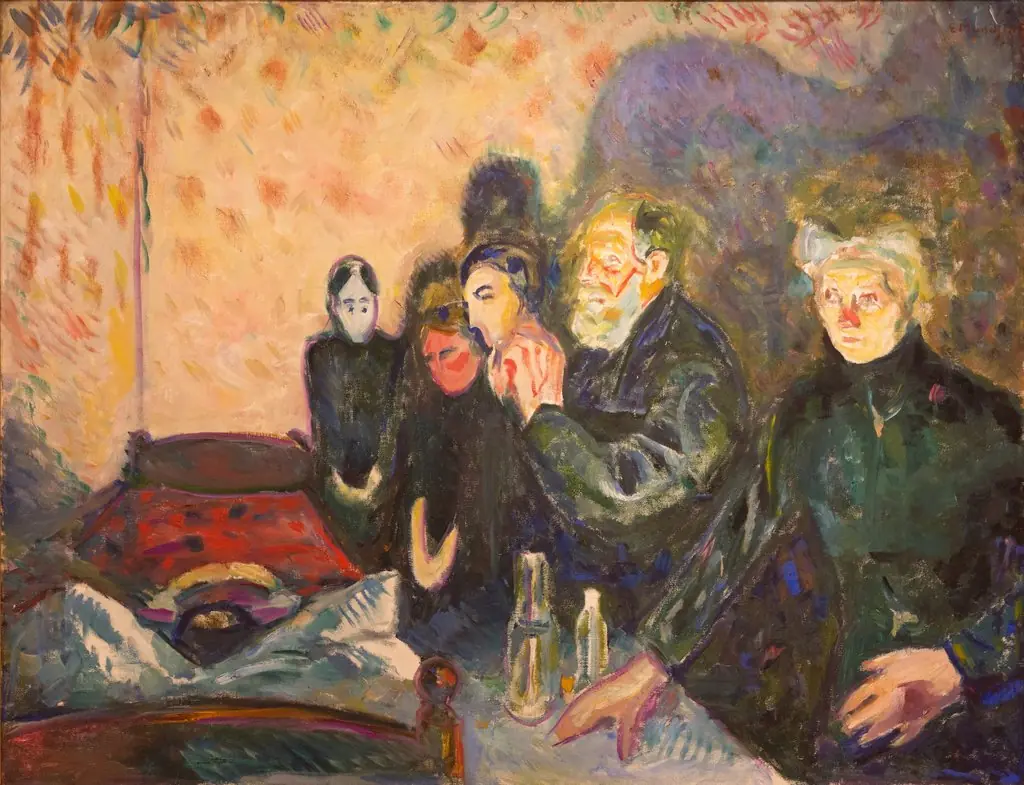
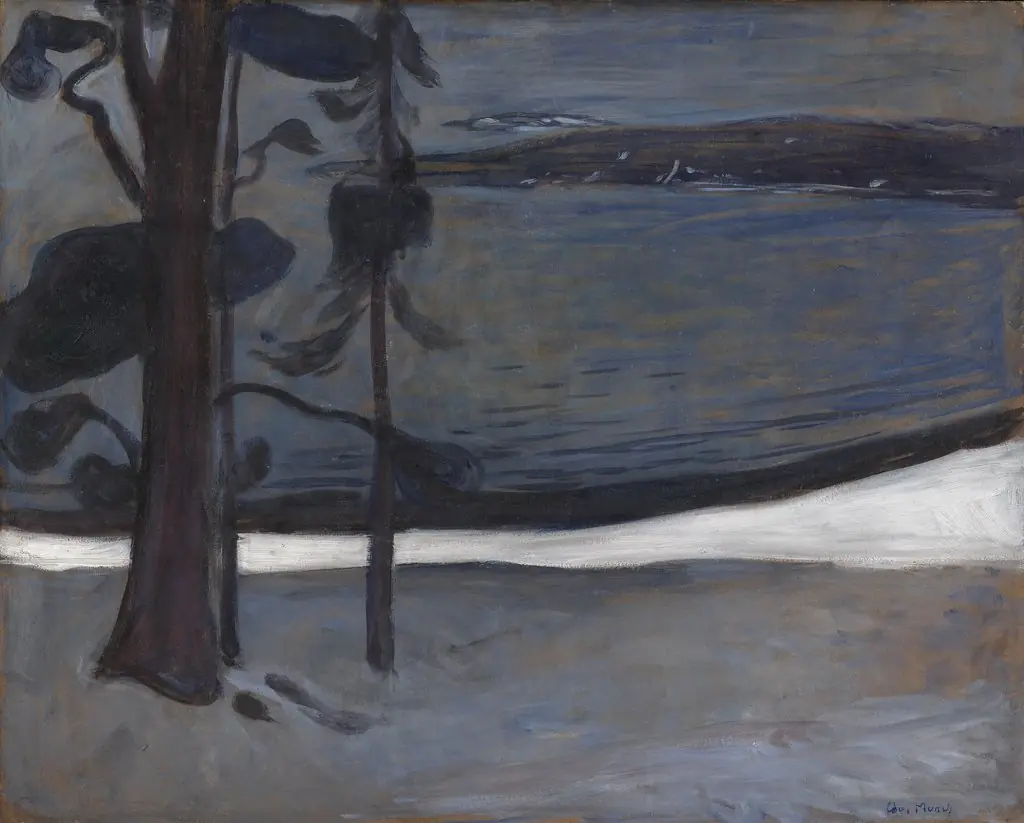
Created in 1913, *The Logger* is an oil painting by Norwegian artist Edvard Munch, characterized by expressive brushwork and a focus on psychological depth, hallmarks of his post-impressionist style.
Subject & Meaning
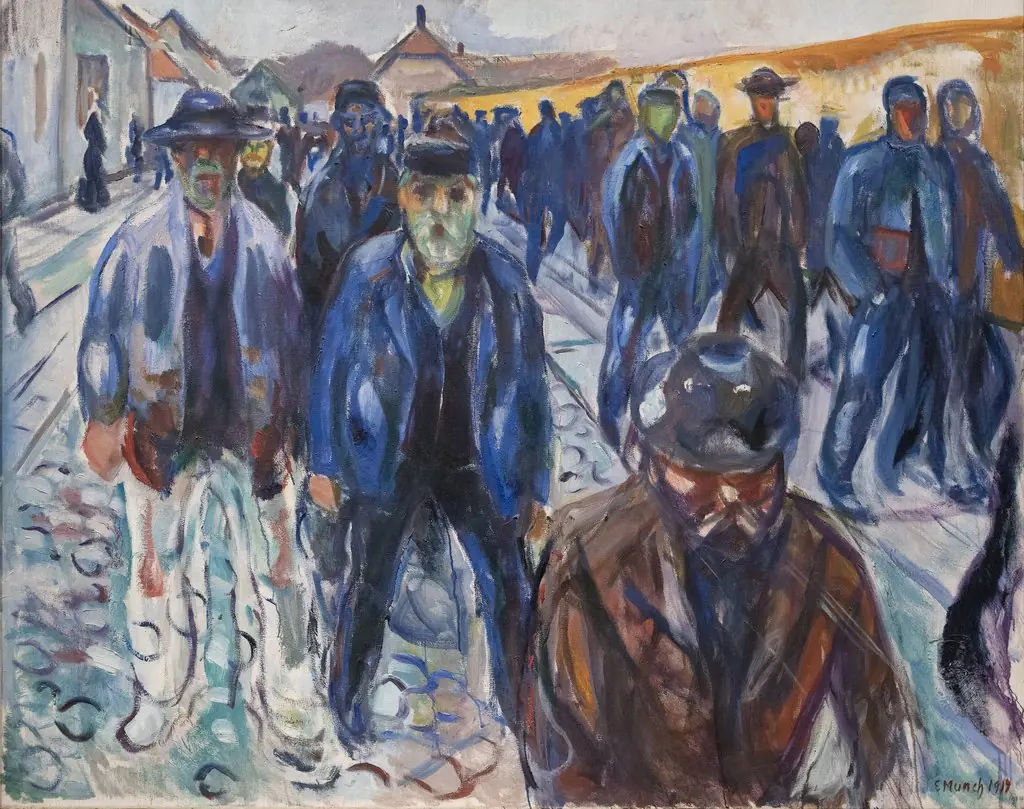
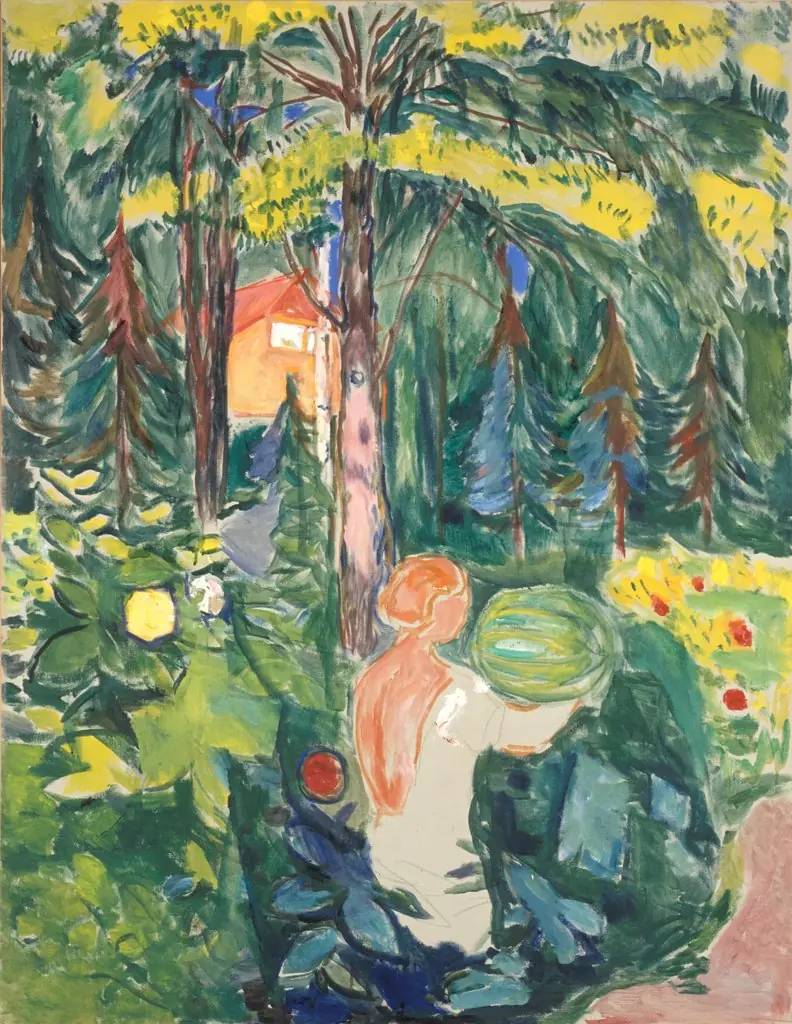
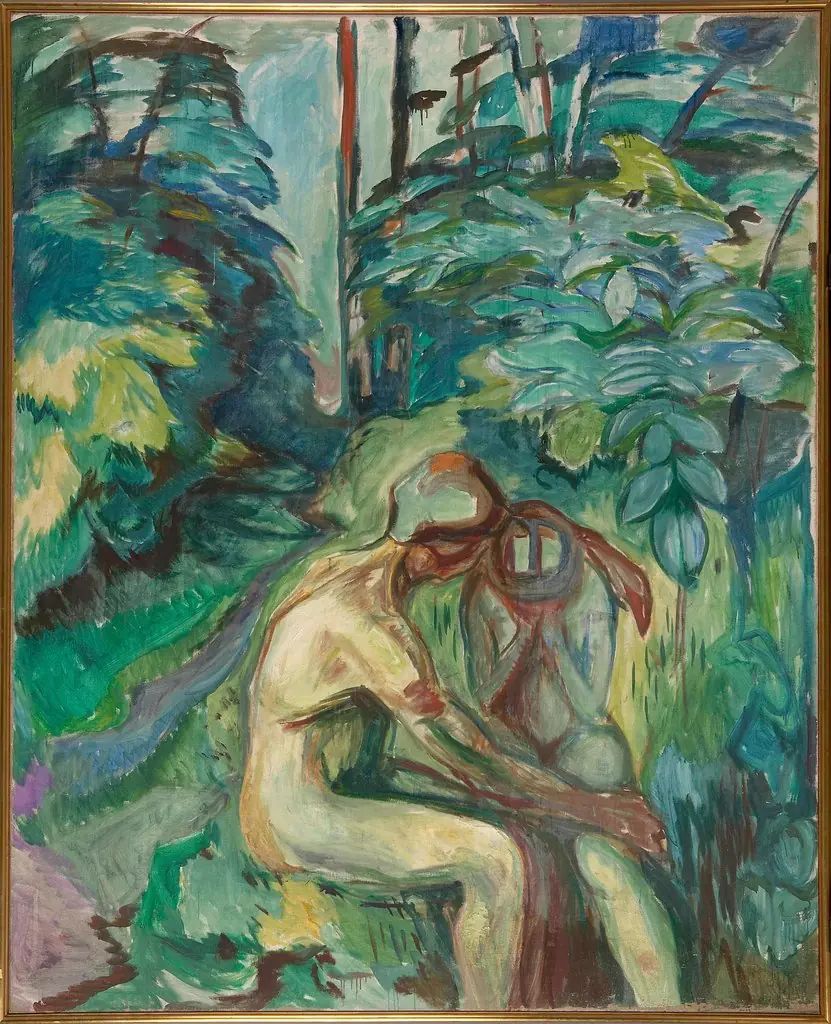
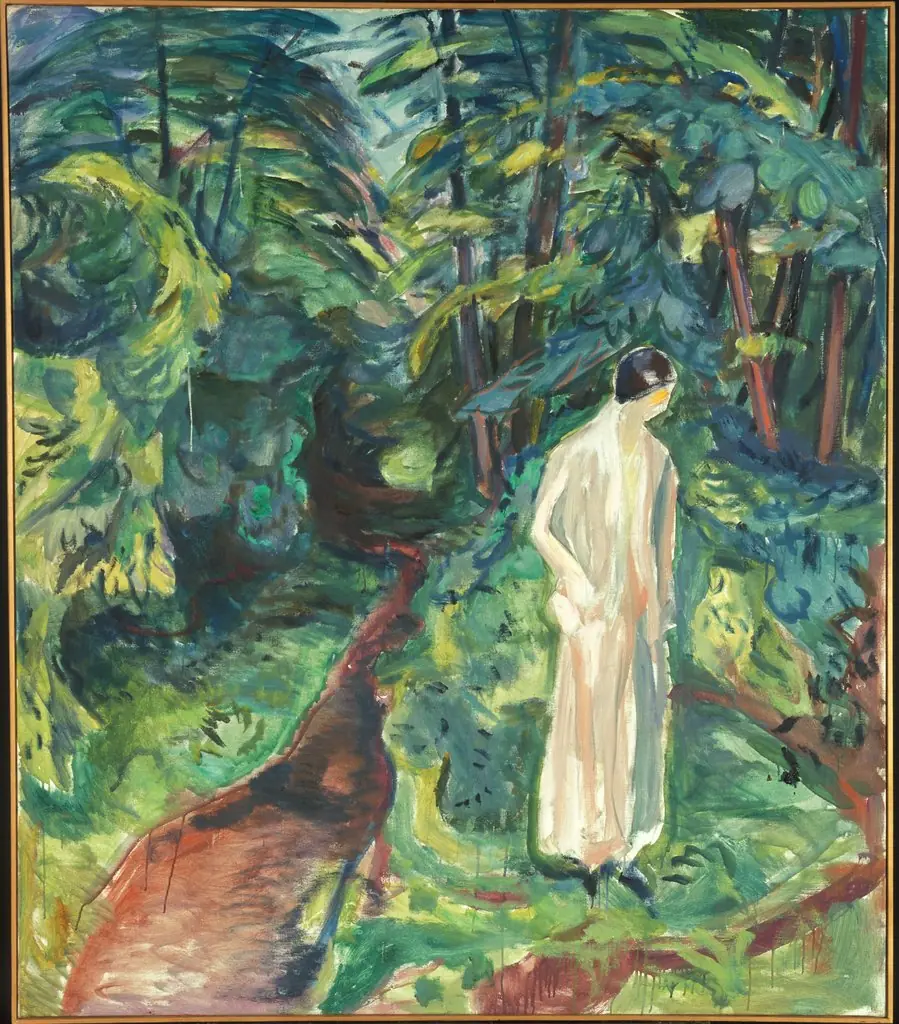
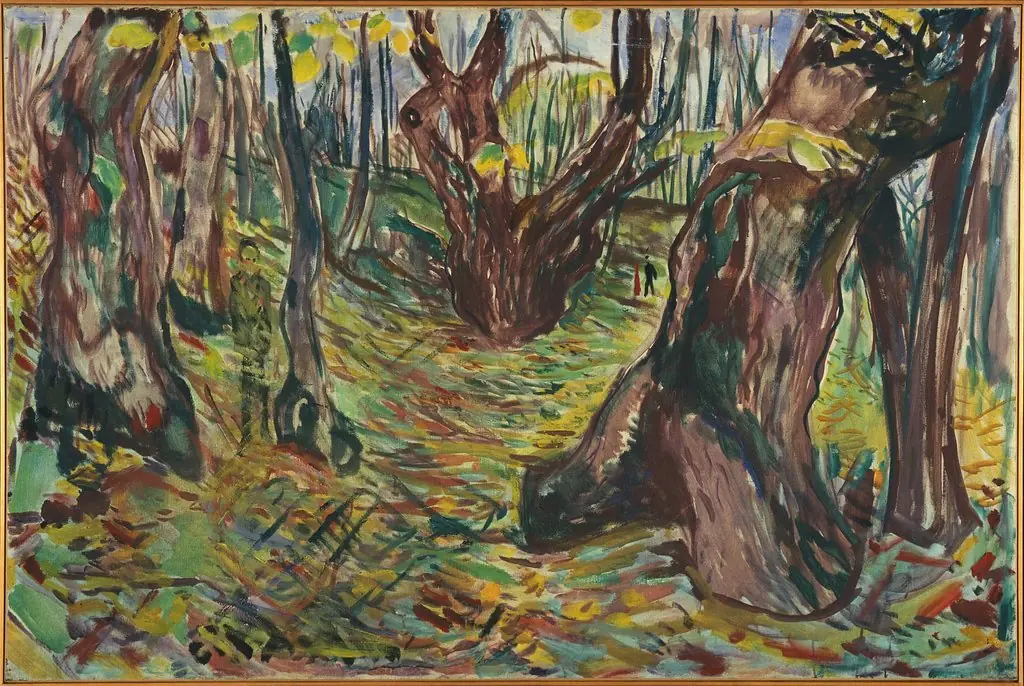
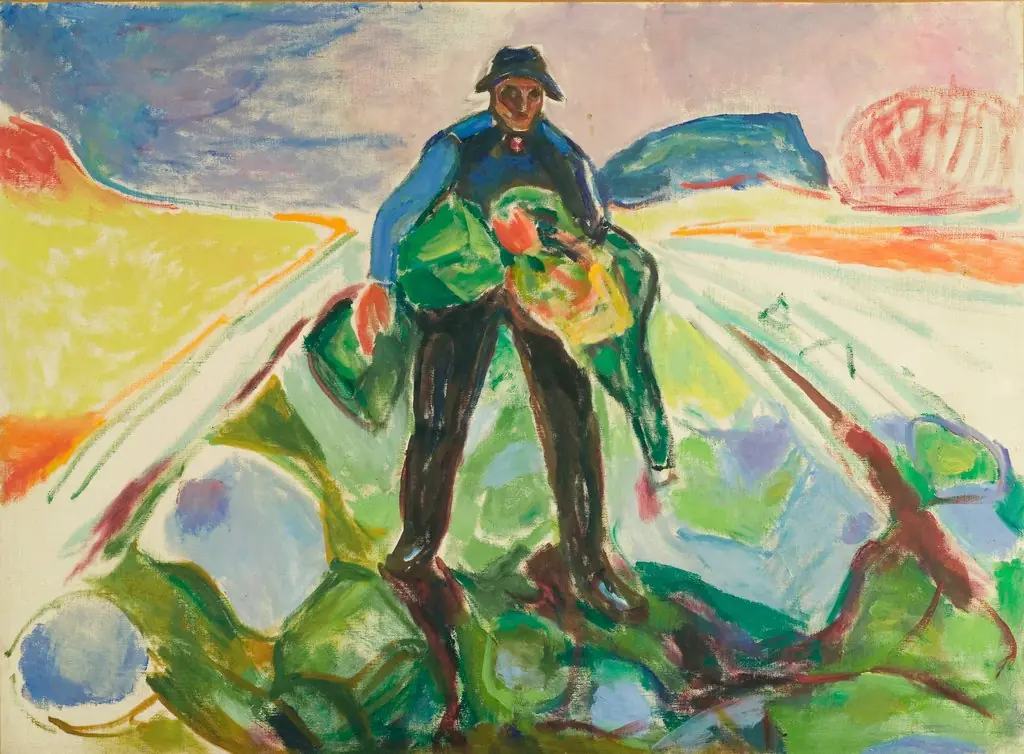
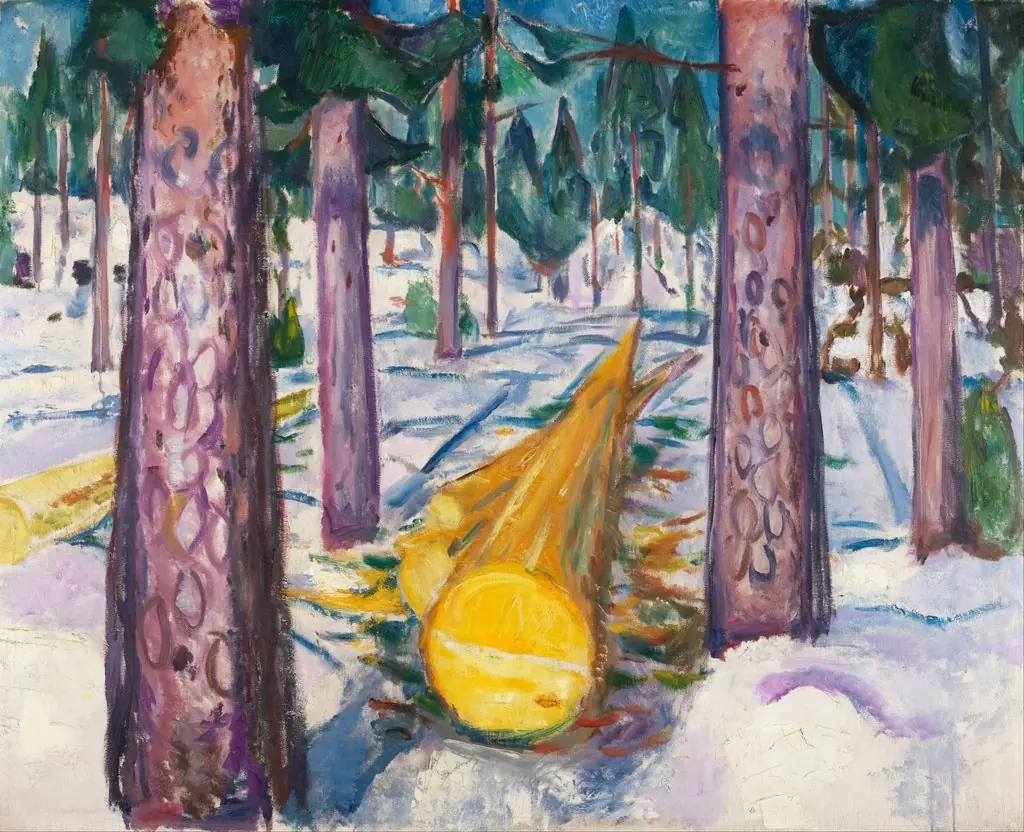
The painting depicts a solitary logger in a wooded setting, contemplatively gazing at a freshly cut tree trunk. The figure's isolation and introspective pose may reflect Munch's exploration of emotional states, a common theme in his work.
Technique & Style
Executed in bold, expressive brushstrokes, *The Logger* showcases Munch's distinctive technique. The logger's blue attire and the tree trunk are rendered with vibrant, textured strokes, set against a muted, layered background of greens, browns, and blues.
History & Provenance
*The Logger* is part of the permanent collection at the Munch Museum. While the painting's early history is not detailed here, its creation in 1913 places it within Munch's mature period, following his formative years at the Royal School of Art and Design in Oslo.
Context
Influenced by his experiences with personal loss and his association with nihilist thinker Hans Jæger, Munch's work, including *The Logger*, contributes to the post-impressionist movement's emphasis on emotional and psychological expression.
Legacy
*The Logger*, with its expressive portrayal of a contemplative figure, exemplifies Munch's contribution to modern art's shift towards introspective and emotionally charged subjects, reflecting themes that resonate beyond his contemporaries.
Artist & collection

Artist
Edvard Munch ( MUUNK; Norwegian: ; 12 December 1863 – 23 January 1944) was a Norwegian painter.