Artwork
The Red House
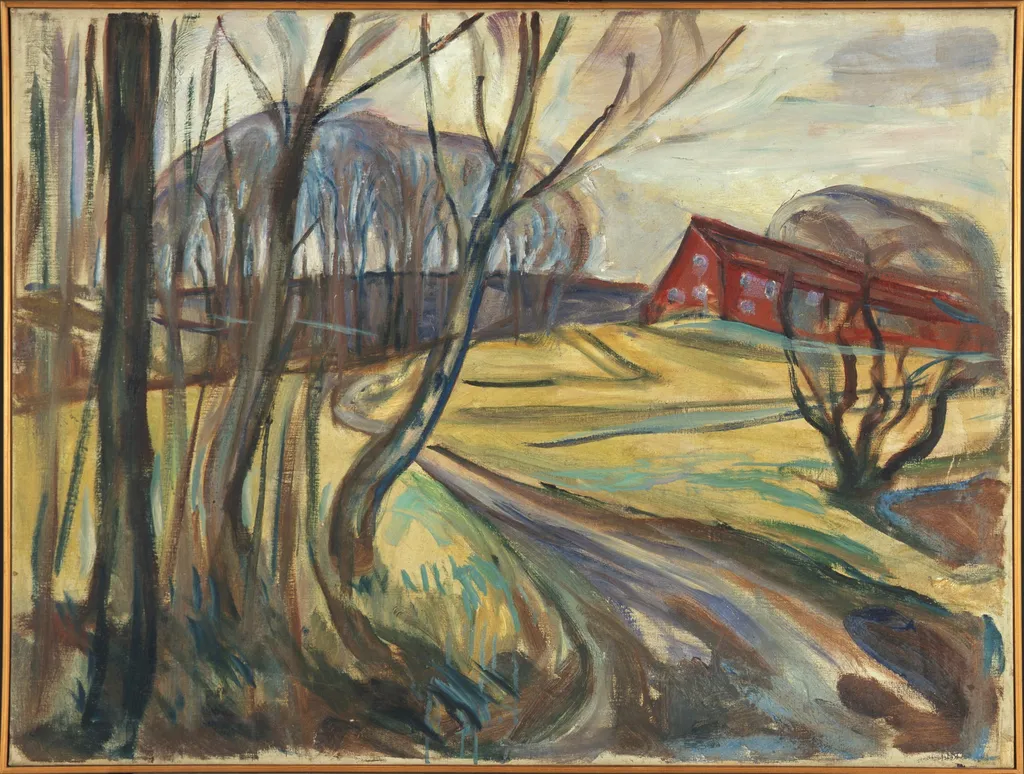
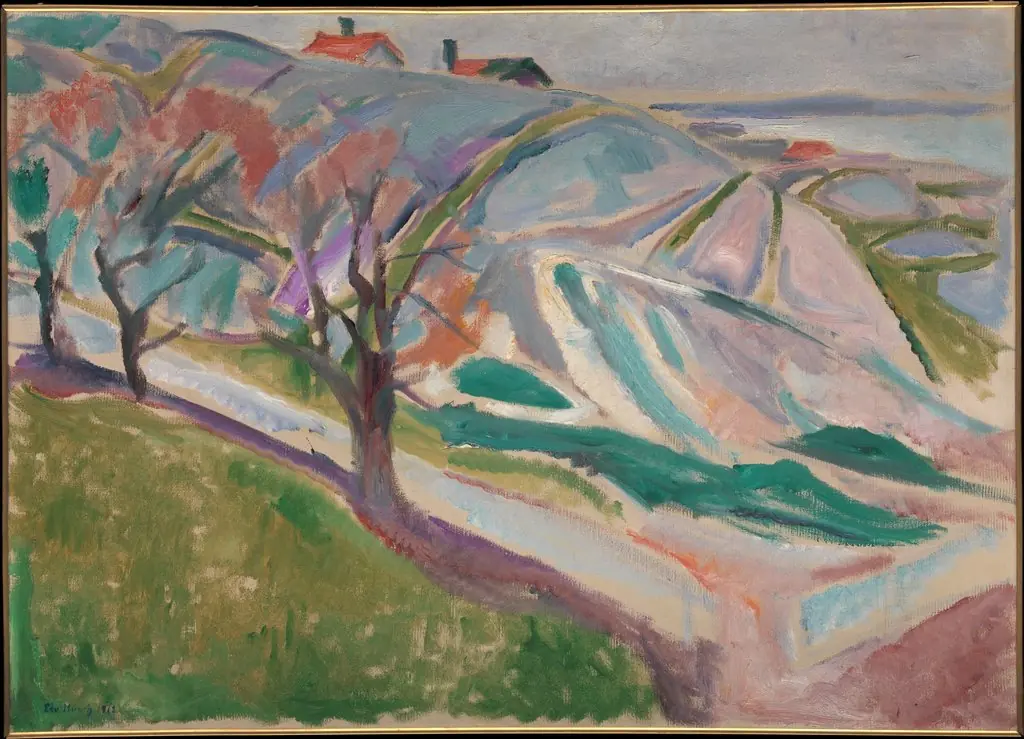
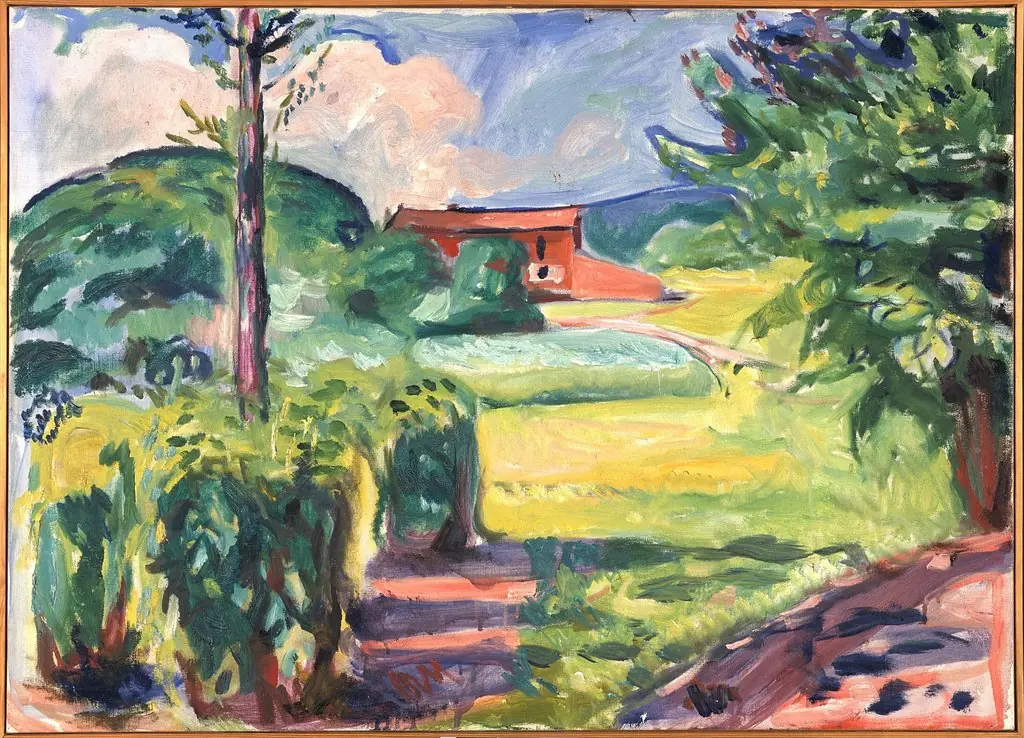
The Red House is an oil painting by Edvard Munch. It dates from 1926 and is held in the collection of the Munch Museum.
About this work
Overview
Though less widely known than his psychological works, this piece reflects his enduring interest in nature and domestic spaces.
Painted in 1926, *The Red House* is an oil-on-canvas landscape by Norwegian artist Edvard Munch. Though less widely known than his psychological works, this piece reflects his enduring interest in nature and domestic spaces. It belongs to the collection of the Munch Museum in Oslo, where it is preserved as part of his later output, offering insight into his evolving relationship with the Norwegian countryside.
Subject & Meaning
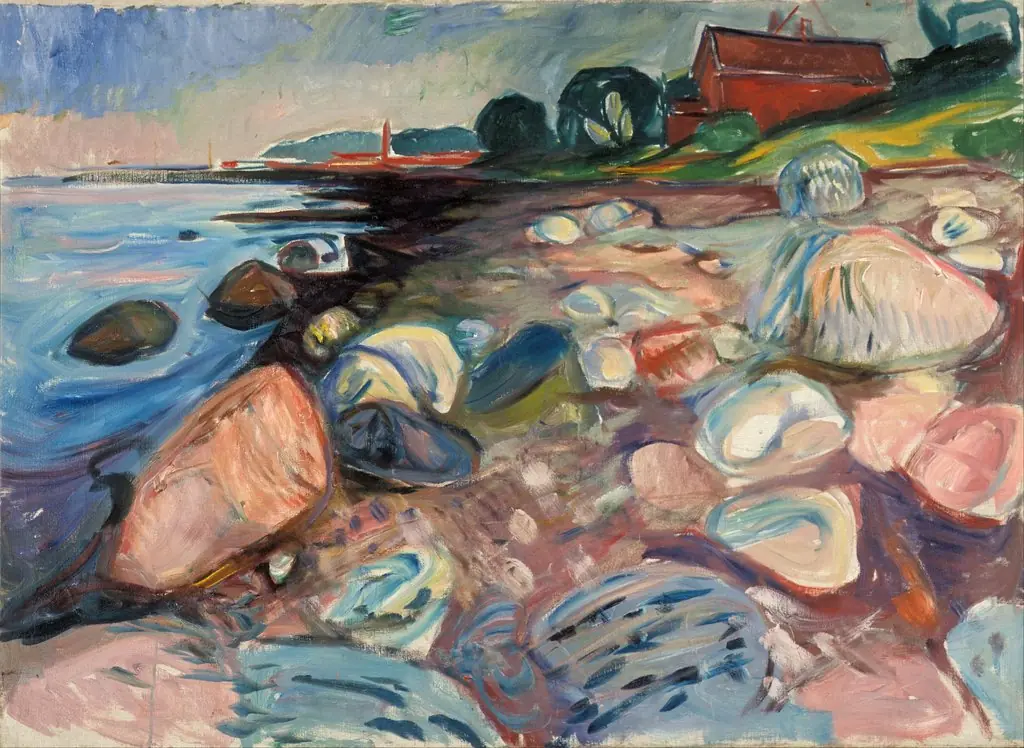
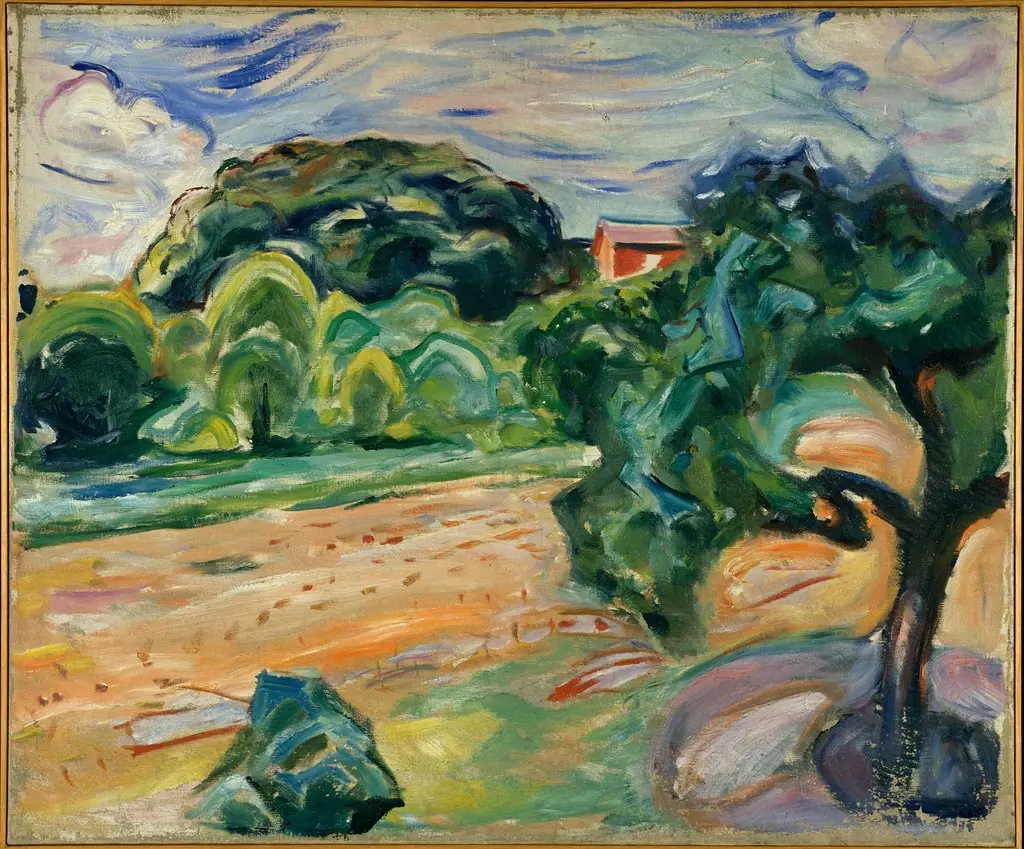
The painting presents a quiet rural scene centered on a solitary red house nestled among trees, reached by a winding path. Unlike Munch’s earlier themes of anxiety and isolation, this work conveys stillness and solitude without overt emotional tension. The house, rendered in a vivid hue, becomes a quiet anchor—perhaps symbolizing home, memory, or personal refuge—amid the calm expanse of the landscape.
Technique & Style
Munch employed broad, deliberate brushstrokes and a restrained palette dominated by earth tones and the striking red of the house. The composition guides the viewer’s eye along the road toward the structure, creating subtle depth. While the forms are simplified, the texture of the paint and the layering of color suggest a tactile engagement with the scene, aligning with early 20th-century tendencies toward expressive realism over strict naturalism.
History & Provenance
Created during Munch’s later years, *The Red House* was painted after he had settled permanently in Norway following years abroad. It entered the Munch Museum’s collection through the artist’s own bequest, as part of the extensive body of work he donated to the Norwegian state in 1943. Its preservation reflects his desire to ensure his artistic legacy remained accessible within his homeland.
Context
By the 1920s, Munch had moved beyond the Expressionist intensity of his youth, turning toward more contemplative subjects. *The Red House* emerged during a period when he revisited rural motifs from his childhood, influenced by his reconnection with Norwegian landscapes after years in Berlin and Paris. This shift coincided with a broader cultural interest in national identity and quietude in post-war Scandinavia.
Legacy
Though not among Munch’s most famous works, *The Red House* contributes to understanding his artistic range beyond psychological drama. It demonstrates his sustained engagement with landscape as a vessel for mood and memory. The painting remains a quiet testament to his later years, offering viewers a meditative counterpoint to his more turbulent imagery.
Artist & collection
Artist
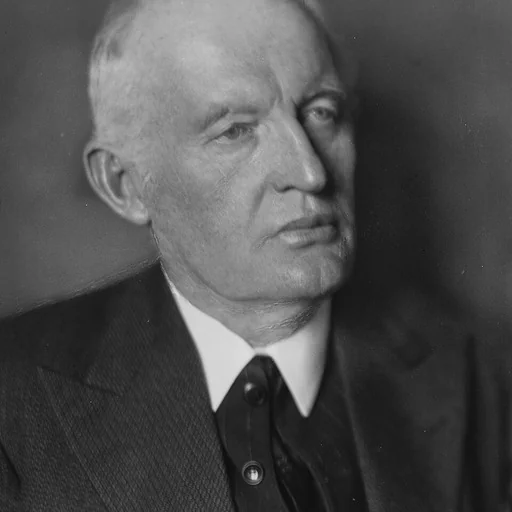
Edvard Munch ( MUUNK; Norwegian: ; 12 December 1863 – 23 January 1944) was a Norwegian painter.