Artwork
Two Graces
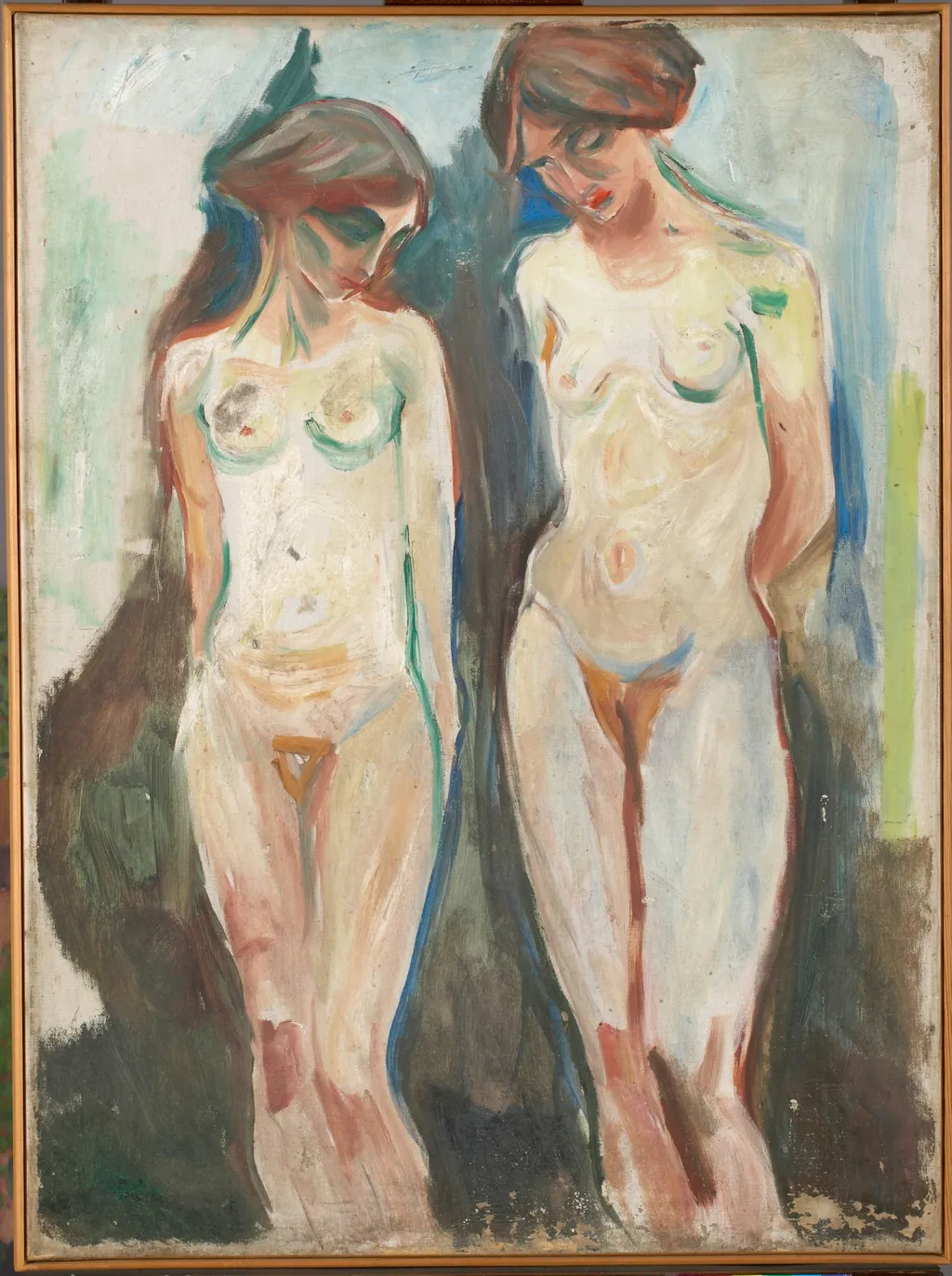
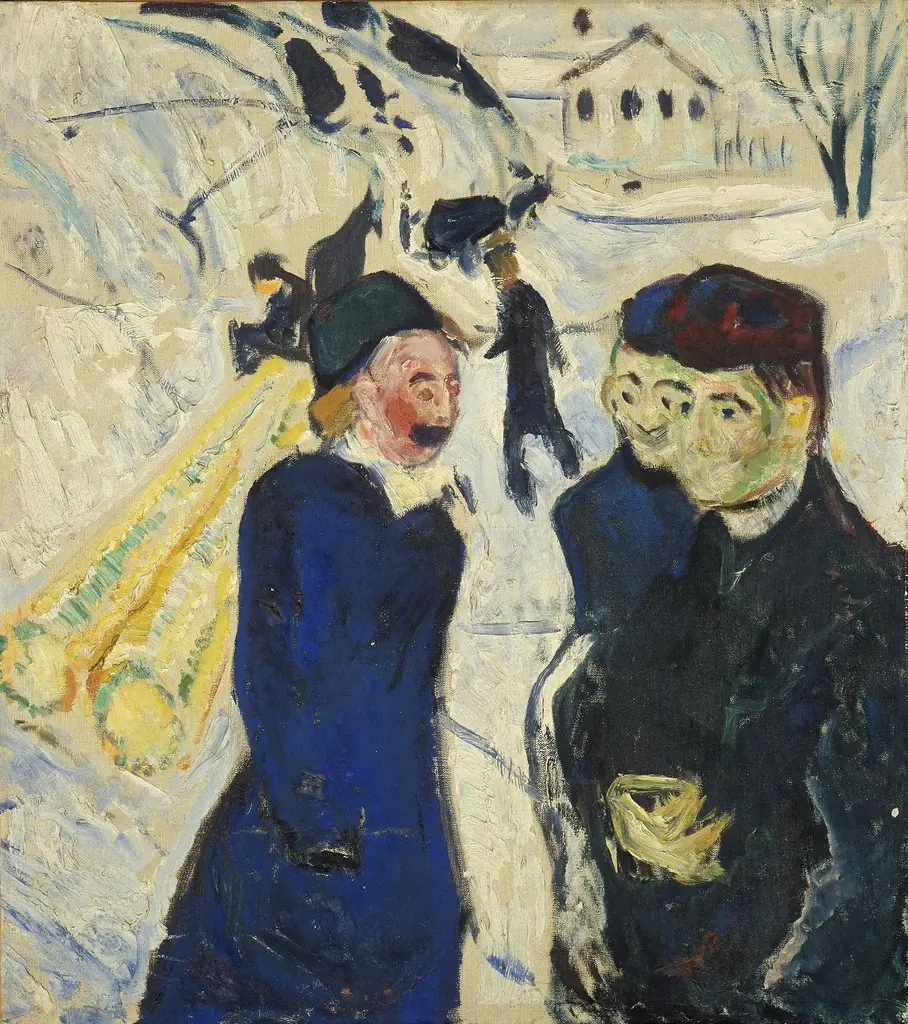
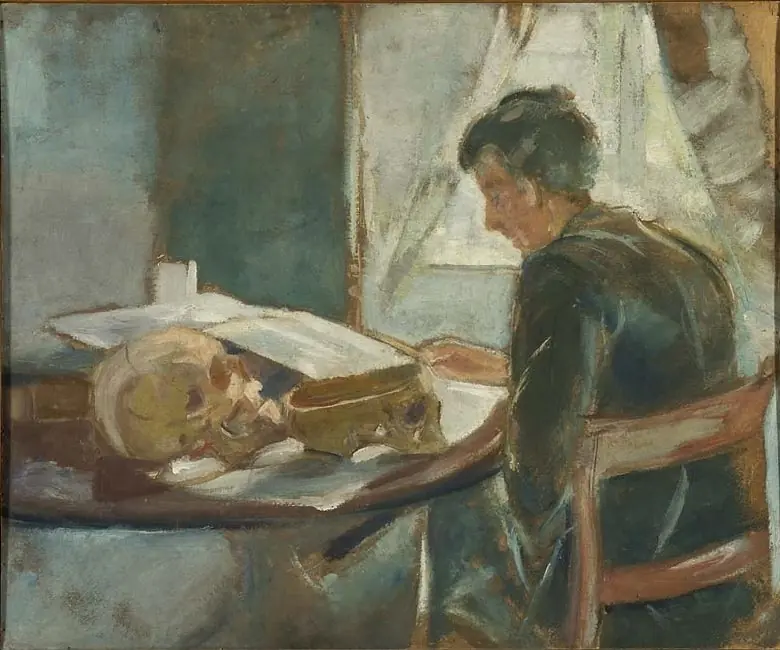
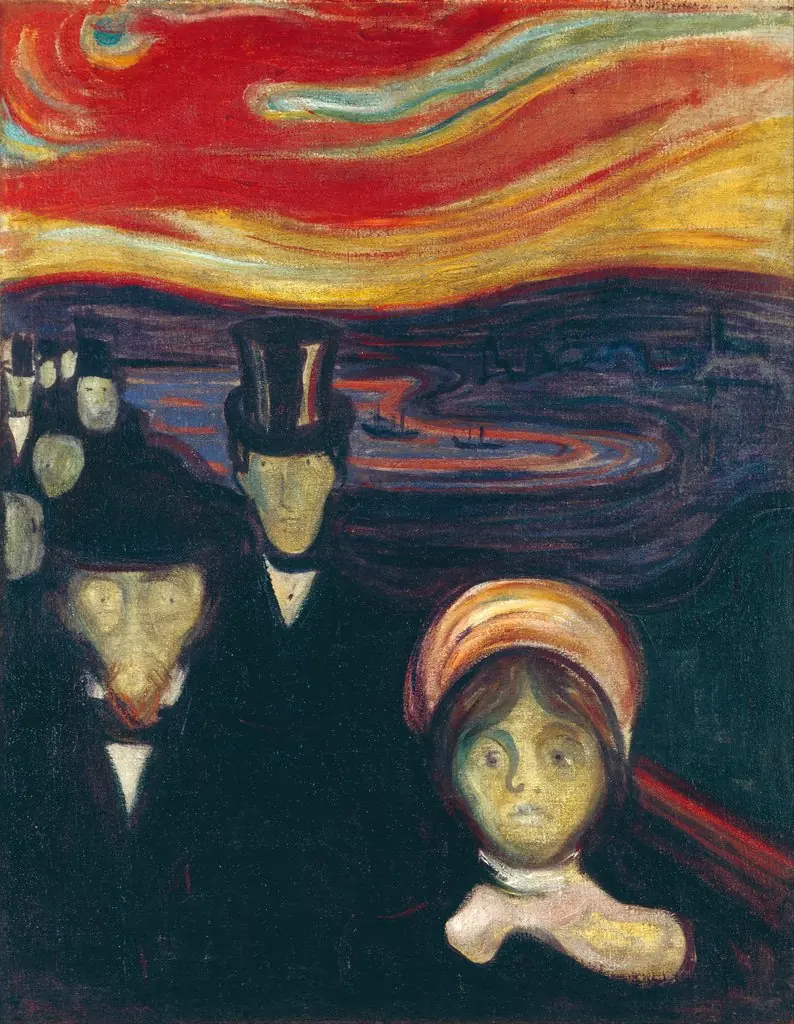
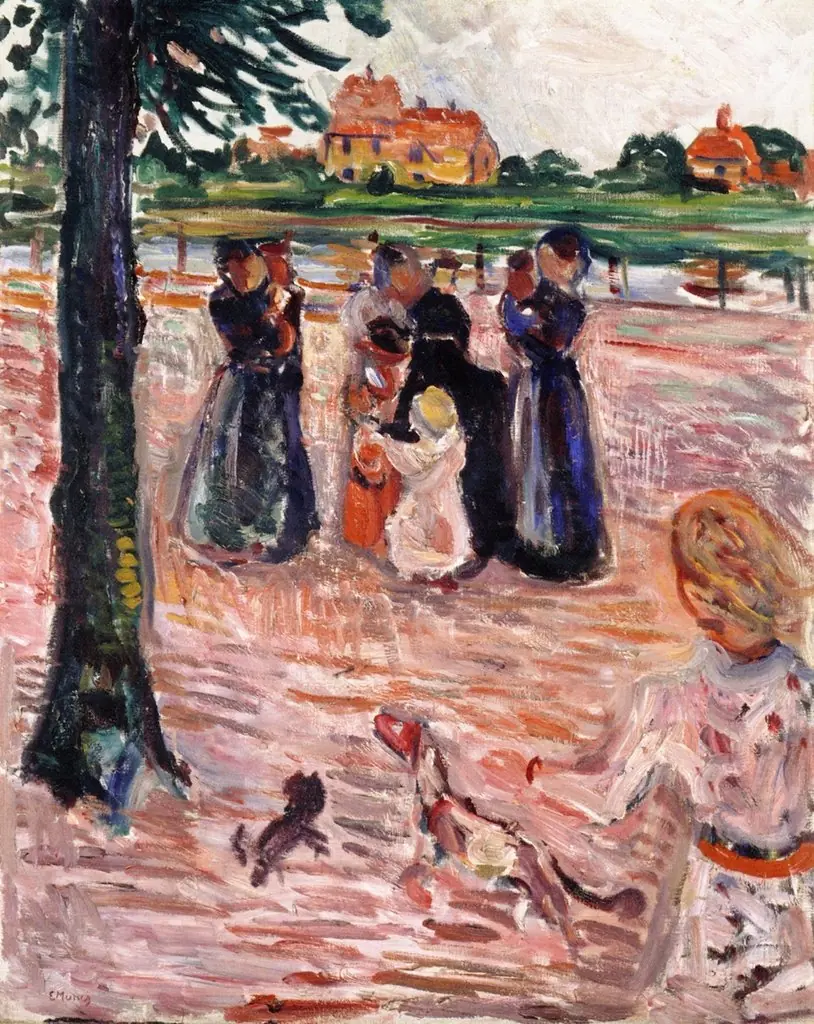
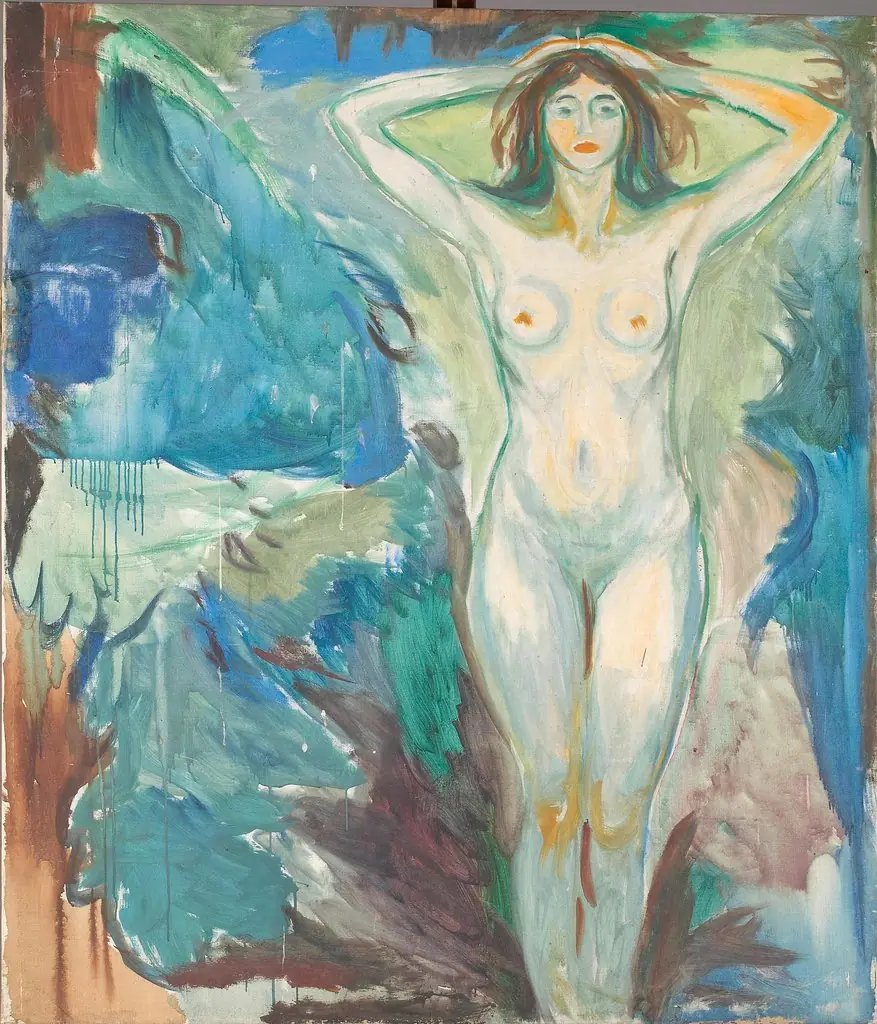
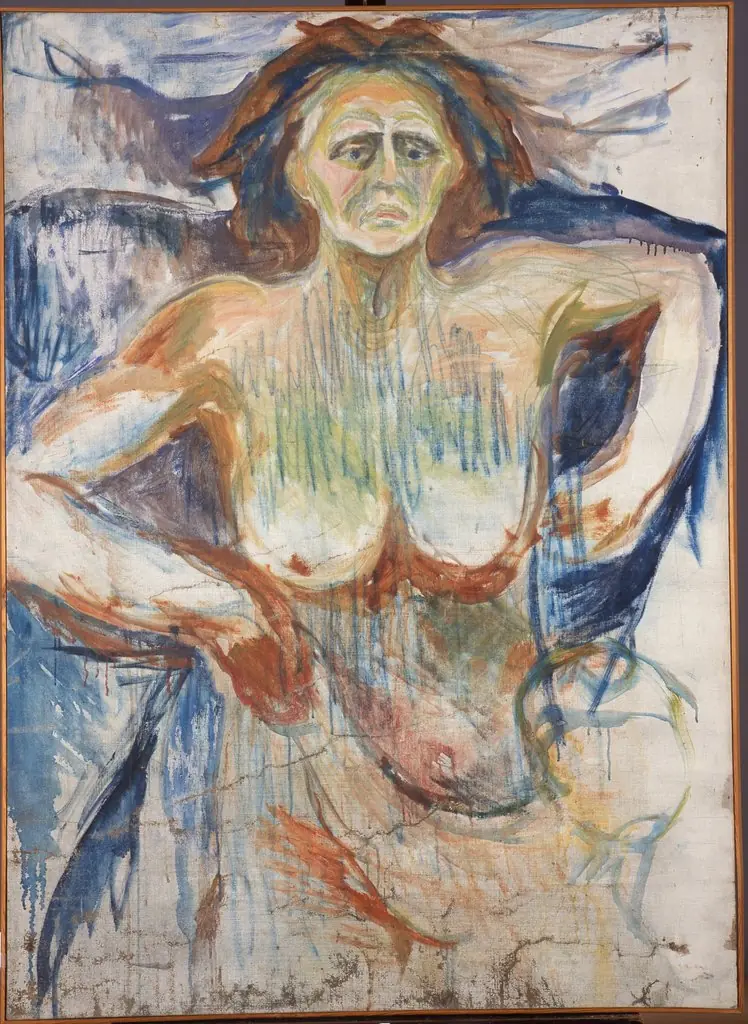
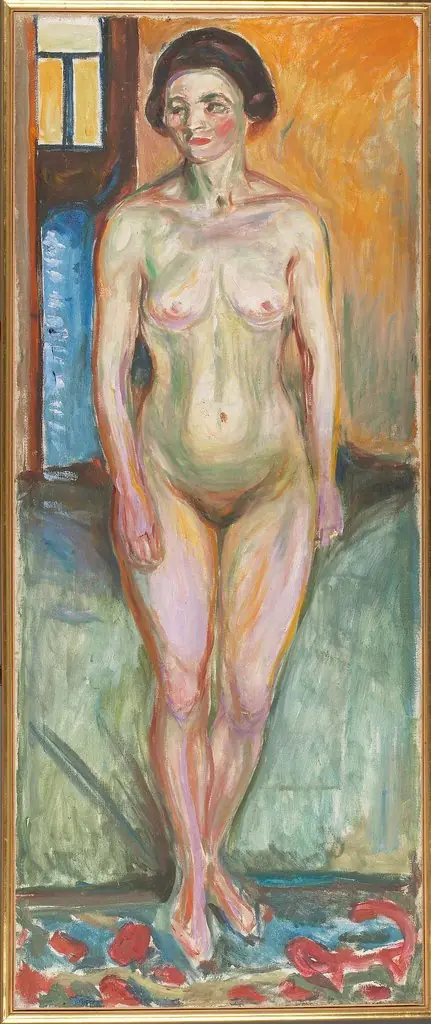
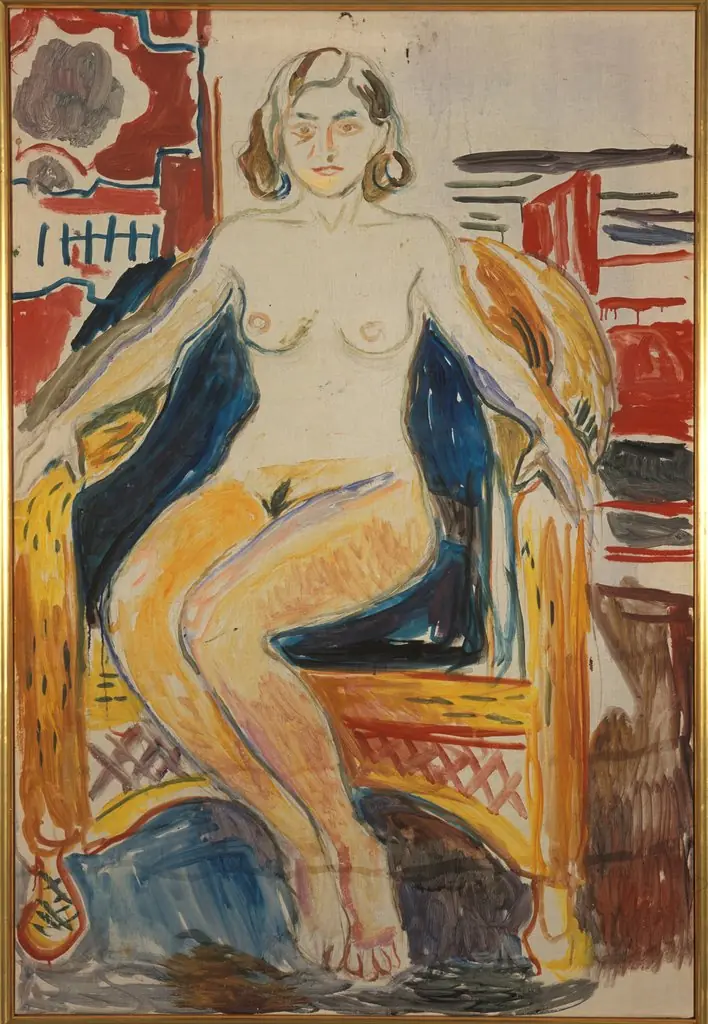
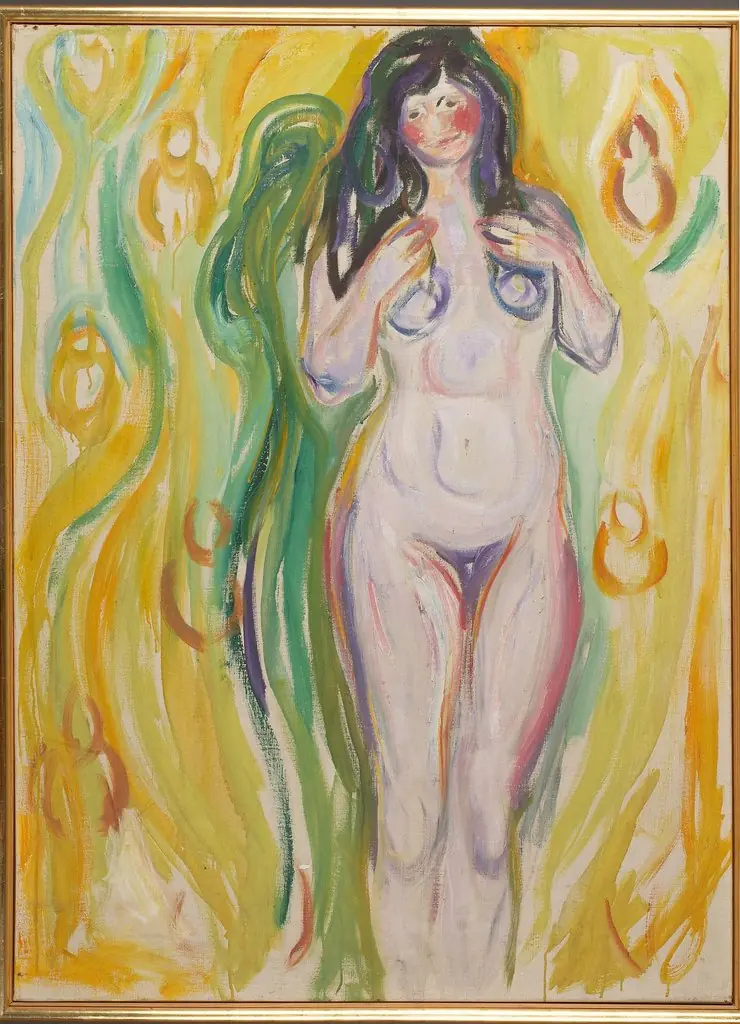
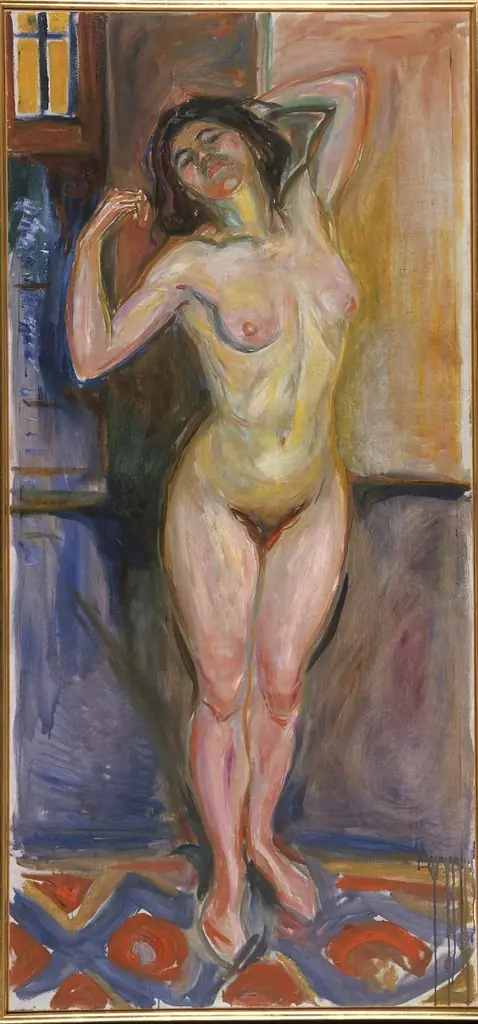
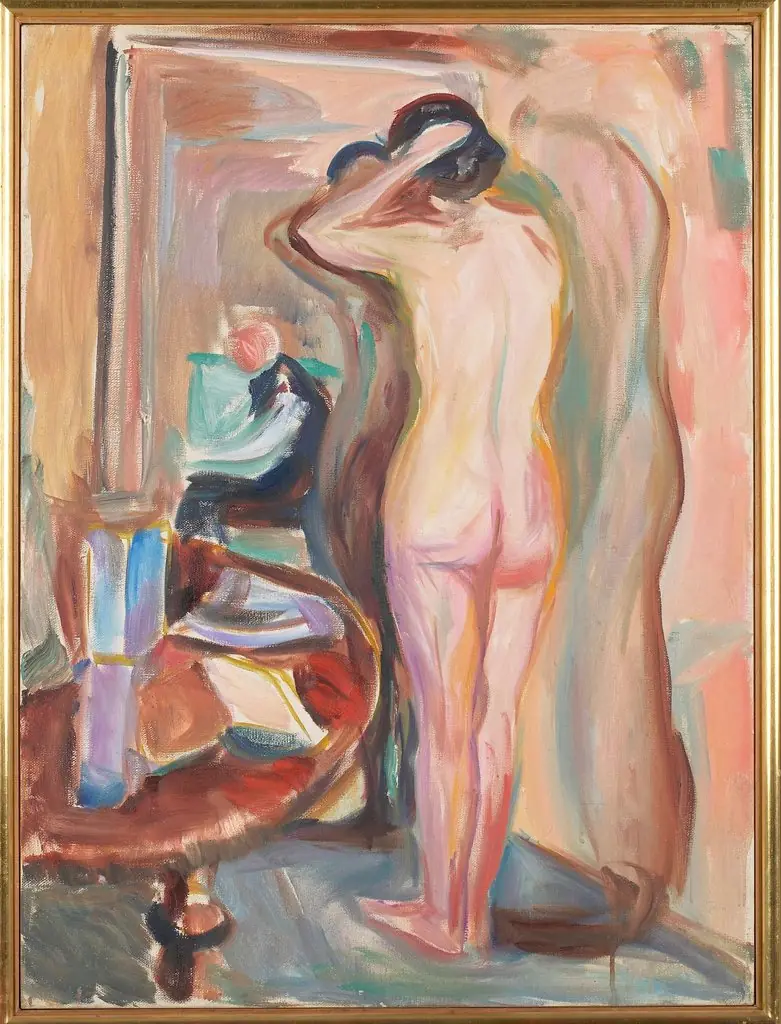
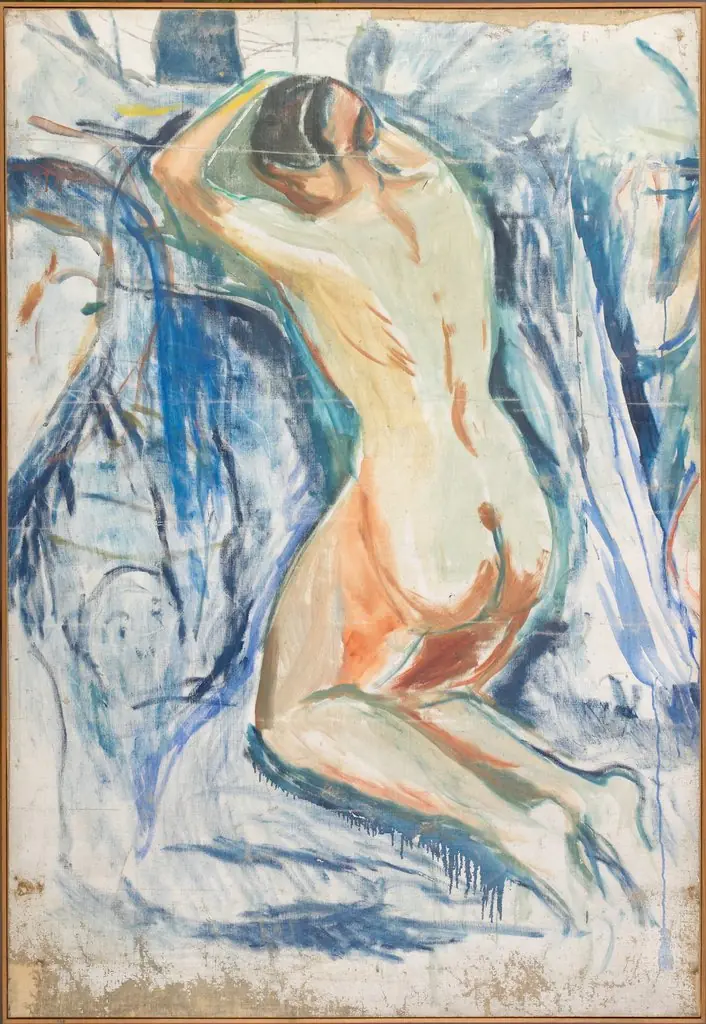
Two Graces is an oil painting by the Post-Impressionist artist Edvard Munch. It dates from 1927 and is held in the collection of the Munch Museum.
About this work
Overview
Painted in 1927, *Two Graces* is an oil on canvas work by Norwegian artist Edvard Munch. It reflects his later period, when his focus remained on human form and inner states, though with less overt anguish than in his earlier pieces. The painting is held in the Munch Museum in Oslo, where it forms part of a broader collection documenting his lifelong exploration of emotion through figuration.
Subject & Meaning
Their calm posture and unadorned presence suggest an idealized yet understated representation of grace, possibly drawing from classical motifs.
The painting presents two nude female figures standing side by side, their bodies rendered with restrained naturalism. Their calm posture and unadorned presence suggest an idealized yet understated representation of grace, possibly drawing from classical motifs. Munch avoids narrative or symbolism, instead inviting contemplation of the human form as a vessel of quiet dignity, stripped of theatricality.
Technique & Style
Munch employed loose, visible brushwork and a limited palette of warm tones against a soft, neutral background. The figures emerge through fluid strokes rather than precise definition, emphasizing texture and movement over anatomical detail. This approach aligns with his post-impressionist tendencies, prioritizing emotional resonance over realism, and reflects his mature style—direct, economical, and psychologically attuned.
History & Provenance
Created during Munch’s later years, *Two Graces* was painted after decades of artistic development shaped by personal loss and intellectual exchanges, including his association with the philosopher Hans Jæger. The work remained in the artist’s possession until his death in 1944, after which it entered the collection of the Munch Museum, established to preserve his legacy and ensure public access to his oeuvre.
Context
In the 1920s, Munch distanced himself from the intense symbolism of his youth, turning toward quieter, more meditative subjects. *Two Graces* reflects this shift, emerging amid broader European interest in the human figure as a site of contemplation rather than drama. While influenced by classical sculpture and Nordic traditions, the work resists idealization, grounding its beauty in simplicity and psychological presence.
Legacy
Though less widely known than *The Scream*, *Two Graces* exemplifies Munch’s enduring engagement with the human form and emotional subtlety. It contributes to a body of late works that reveal his evolving vision—less about torment, more about presence. The painting remains a key reference in understanding how his style matured, influencing later generations interested in expressive figuration beyond realism.
Artist & collection
Artist
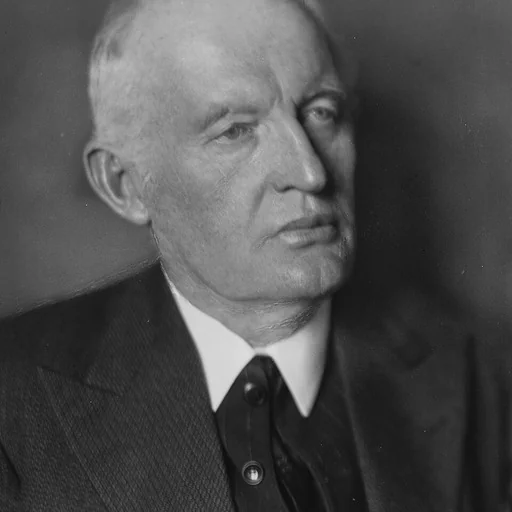
Edvard Munch ( MUUNK; Norwegian: ; 12 December 1863 – 23 January 1944) was a Norwegian painter.