Artwork
Two Women on the Shore
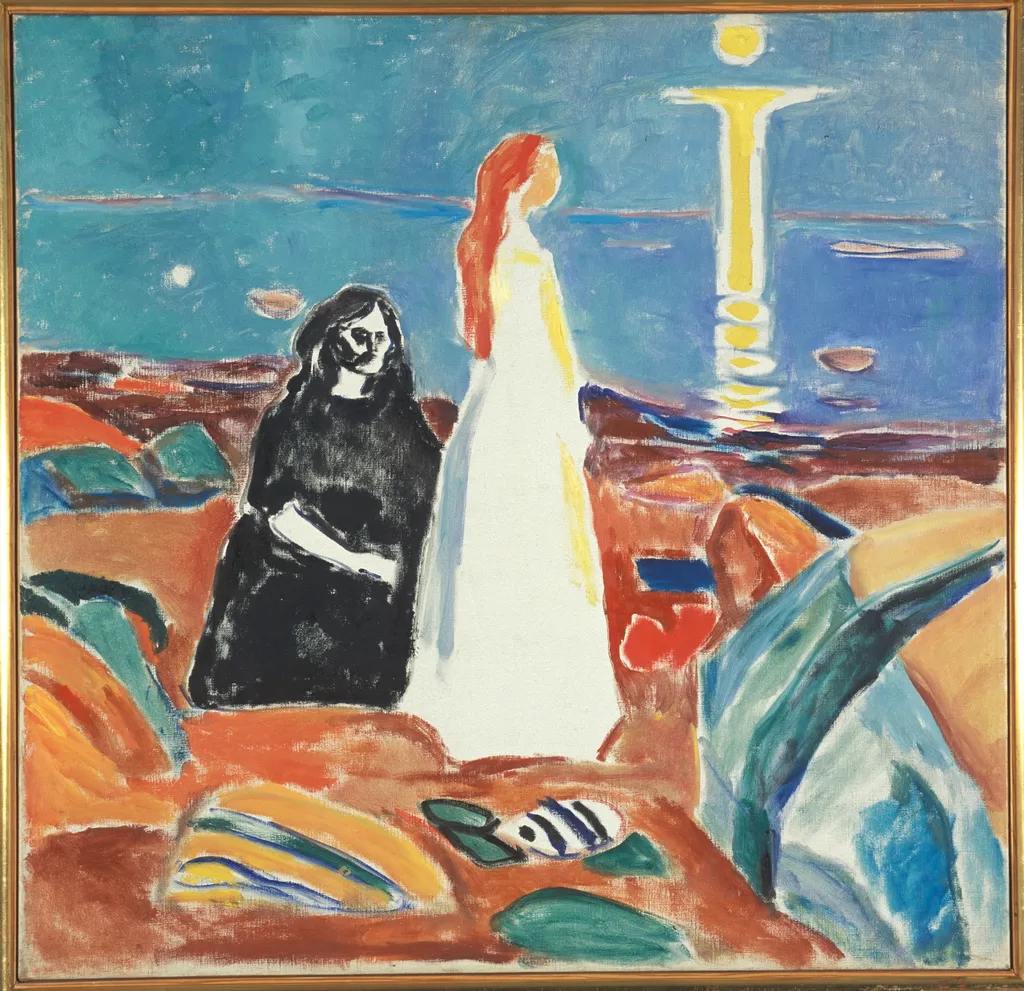
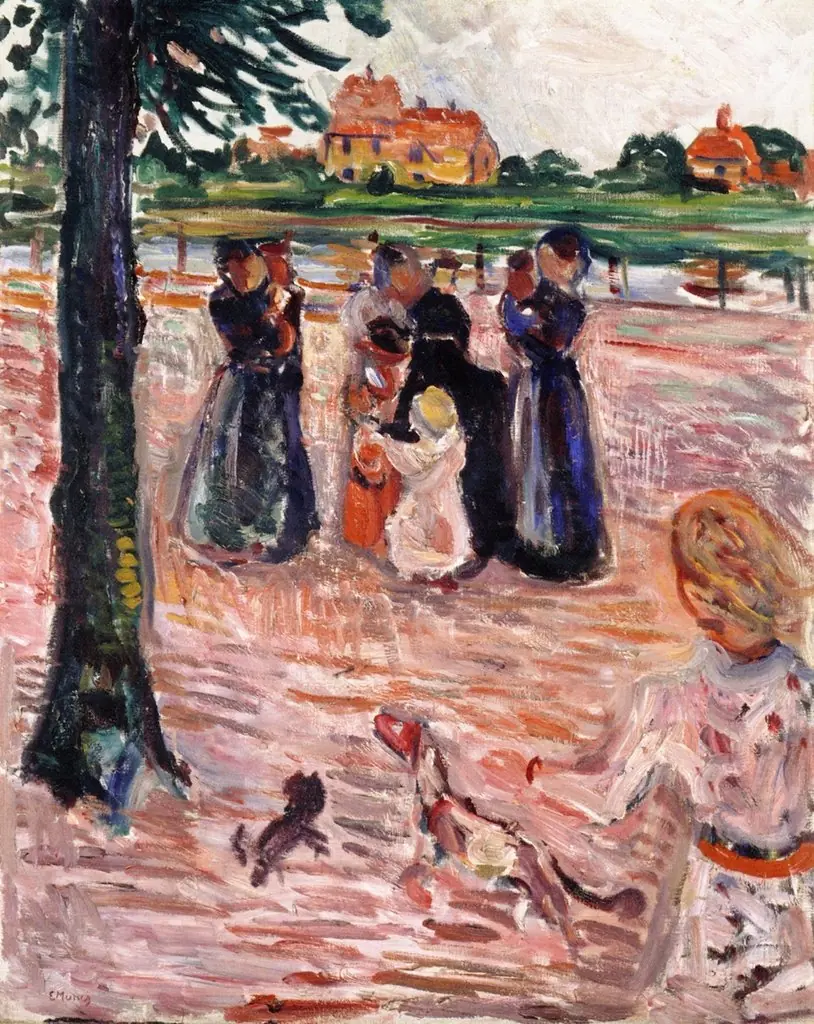
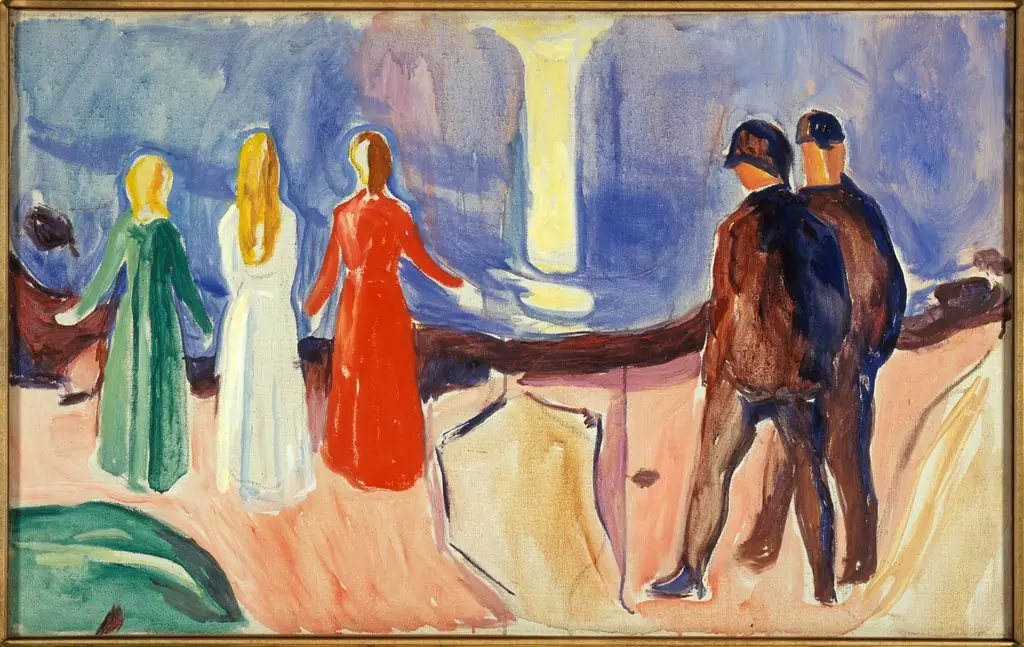
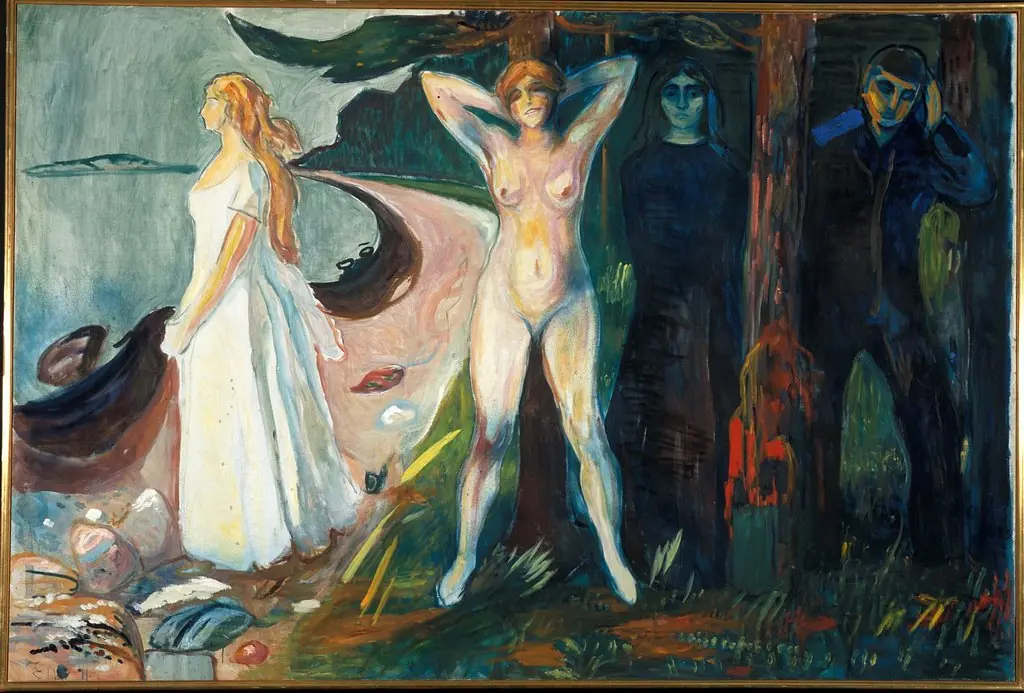
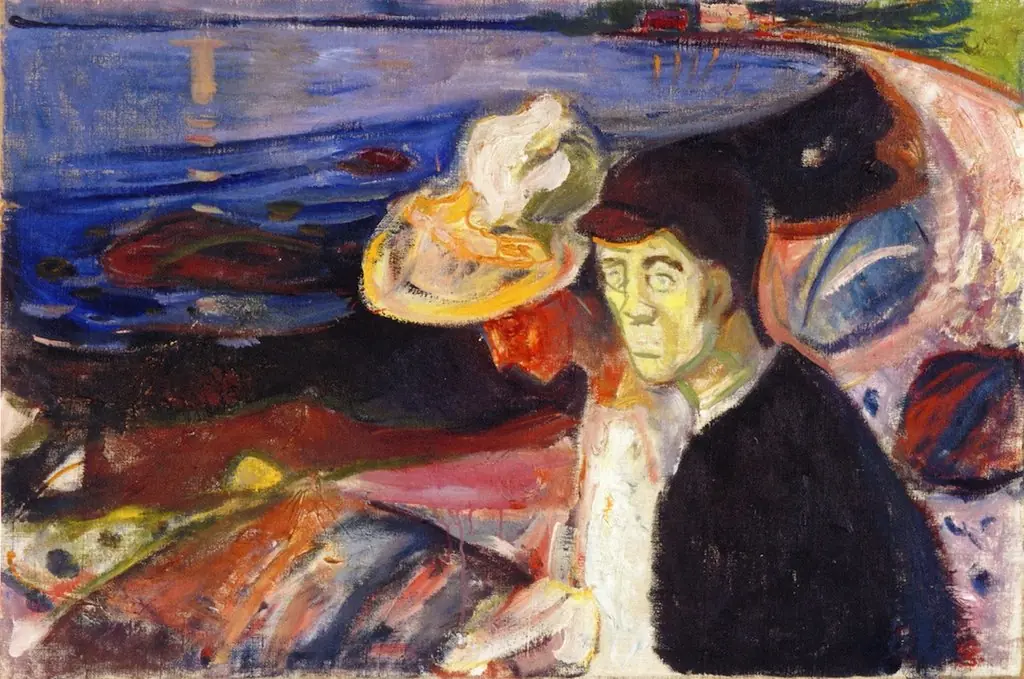
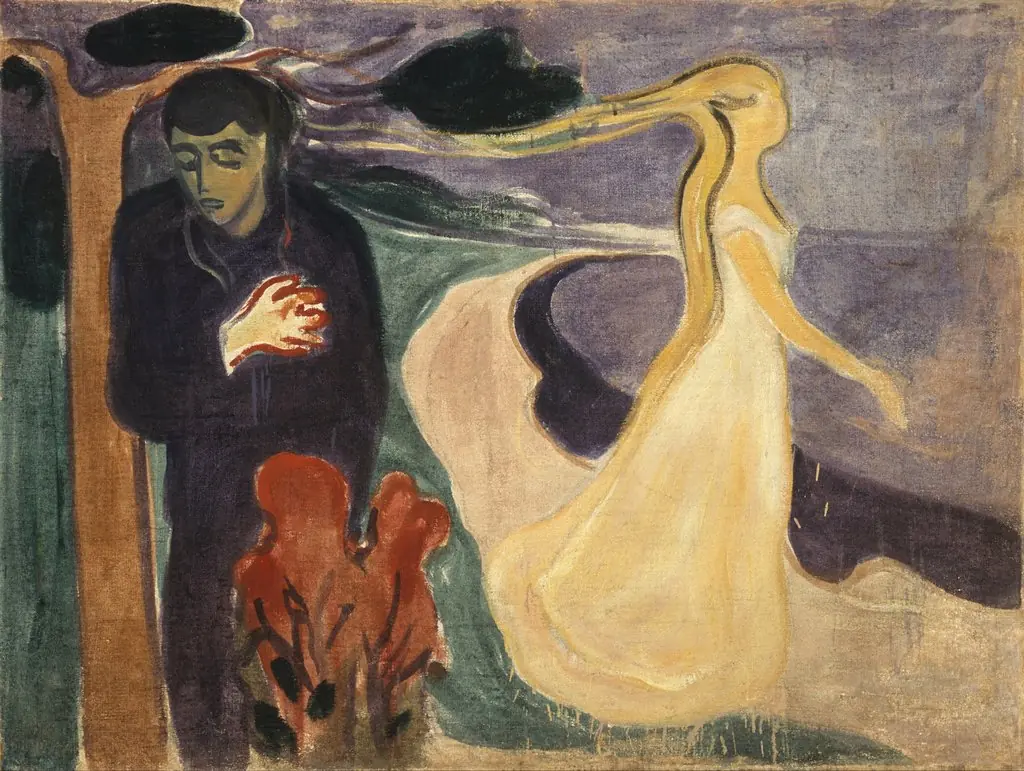
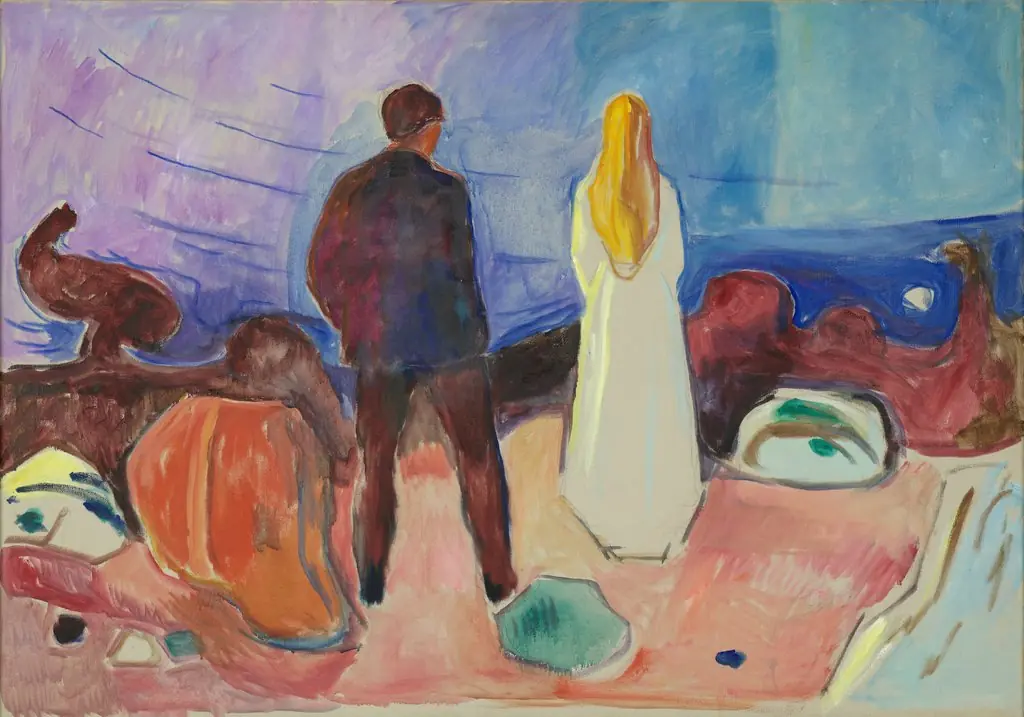
Two Women on the Shore is an oil painting by the Post-Impressionist artist Edvard Munch. It dates from 1935 and is held in the collection of the Munch Museum.
About this work
Overview
It reflects his enduring interest in human emotion and psychological states, rendered through a style that blends expressive brushwork with simplified forms.
Painted in 1935, *Two Women on the Shore* is an oil work by Norwegian artist Edvard Munch, created late in his career. It reflects his enduring interest in human emotion and psychological states, rendered through a style that blends expressive brushwork with simplified forms. The painting belongs to the collection of the Munch Museum in Oslo, where it remains a quiet testament to his lifelong exploration of inner experience.
Subject & Meaning
Two women stand side by side on a rugged shoreline, their postures still and their gazes turned inward or outward, away from each other. The contrast between their clothing—black and white—suggests duality, perhaps of mood, fate, or identity. Neither interacts nor speaks; their silence and spatial separation evoke solitude within companionship, inviting reflection on isolation, memory, or the passage of time.
Technique & Style
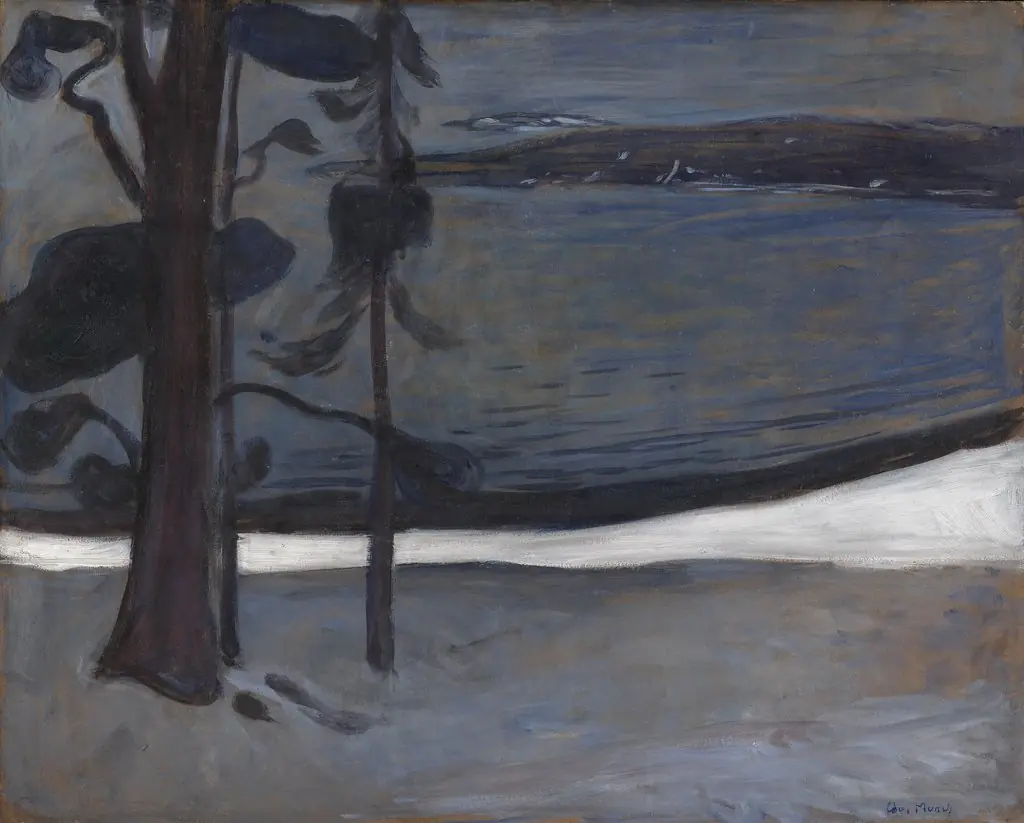
Munch employs thick, deliberate brushstrokes to define the figures and landscape, emphasizing texture over detail. The sky and sea are rendered in broad bands of deep blue, with sparse cloud forms suggesting movement without realism. Colors are heightened but not naturalistic, serving emotional resonance rather than optical accuracy. The composition’s asymmetry and flattened space align with post-impressionist tendencies, prioritizing psychological weight over perspective.
History & Provenance
Created during Munch’s later years, the painting was produced after decades of personal and artistic development, shaped by early losses and exposure to philosophical circles in Kristiania. It entered the Munch Museum’s collection following the artist’s death, as part of his extensive bequest of works. Its preservation there ensures its continuity within the context of his broader oeuvre and personal history.
Context
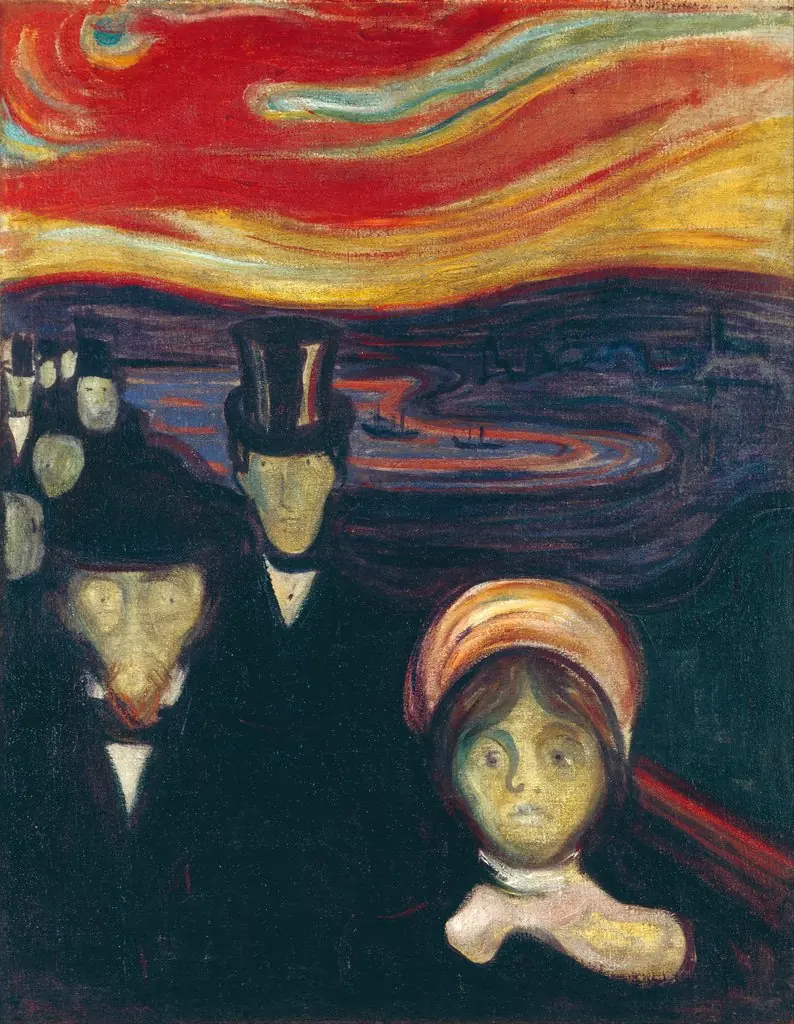
Munch’s work in the 1930s continued to engage with themes of mortality, solitude, and human connection, echoing concerns from his earlier pieces like *The Scream*. Though he had moved beyond the Symbolist phase of his youth, his visual language retained its emotional intensity. The painting reflects a mature artist revisiting familiar subjects—not to resolve them, but to observe them with quiet persistence.
Legacy
Though less widely exhibited than his earlier works, *Two Women on the Shore* contributes to the understanding of Munch’s sustained engagement with emotional landscapes. It exemplifies how his style evolved without losing its core preoccupations. The painting remains a subtle, enduring presence in the Munch Museum, offering viewers a space for quiet contemplation rather than dramatic revelation.
Artist & collection
Artist
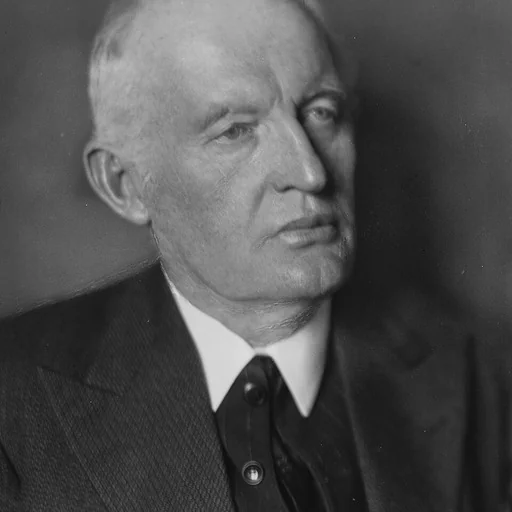
Edvard Munch ( MUUNK; Norwegian: ; 12 December 1863 – 23 January 1944) was a Norwegian painter.