Artwork
Weeping Woman
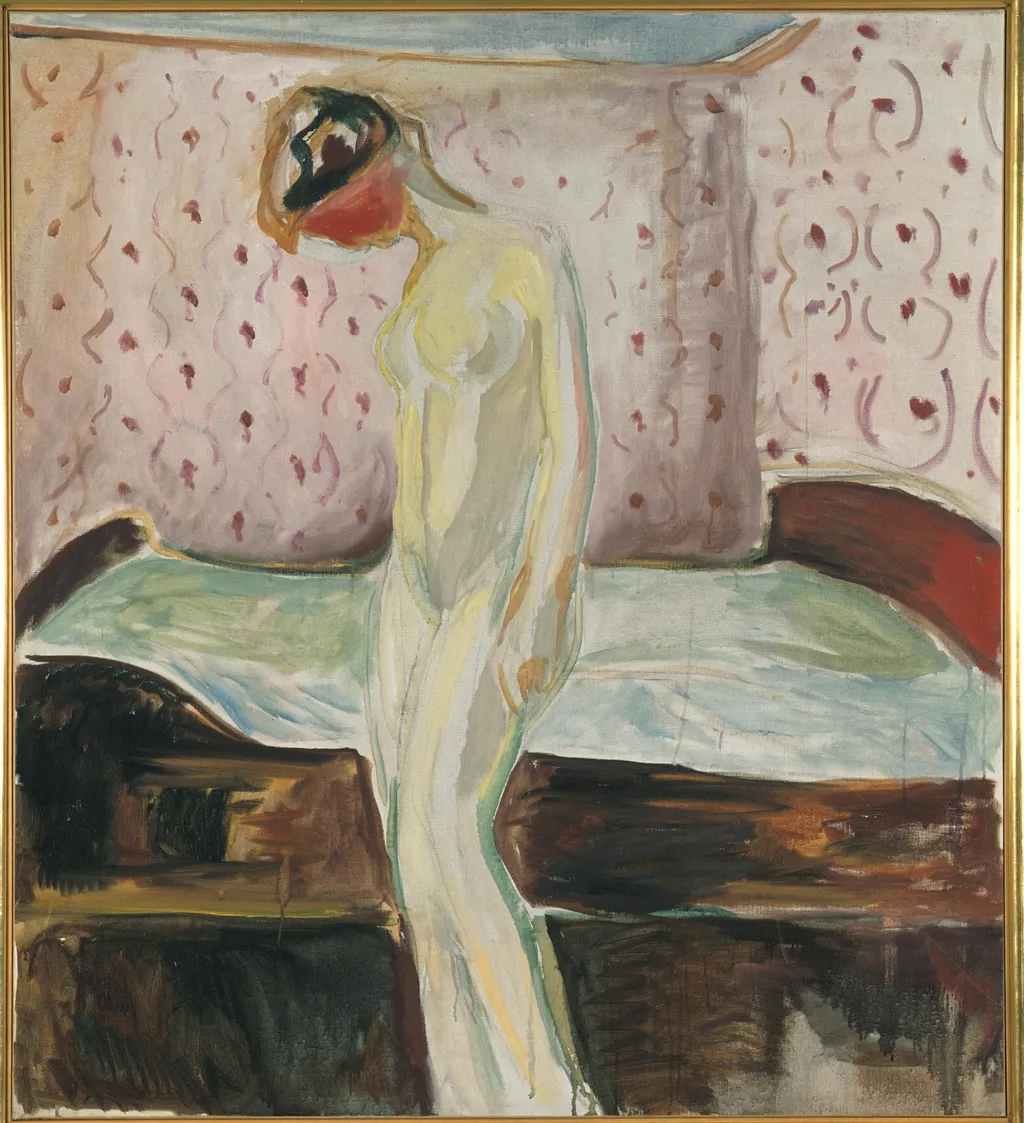
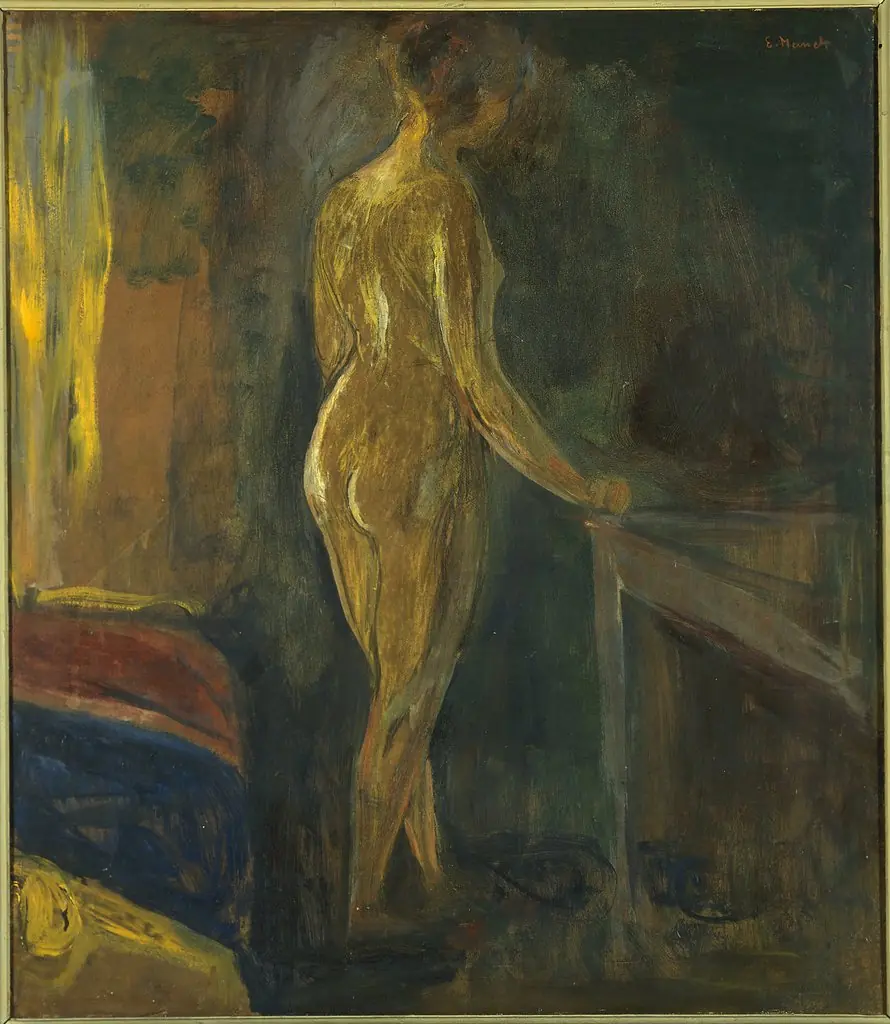
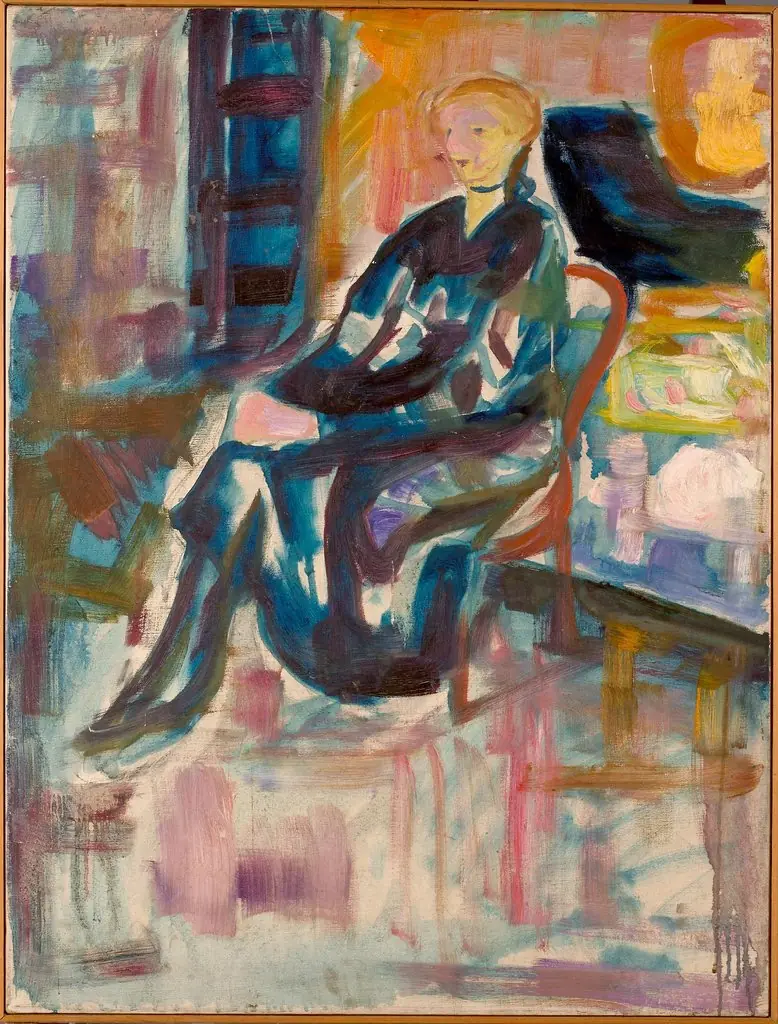
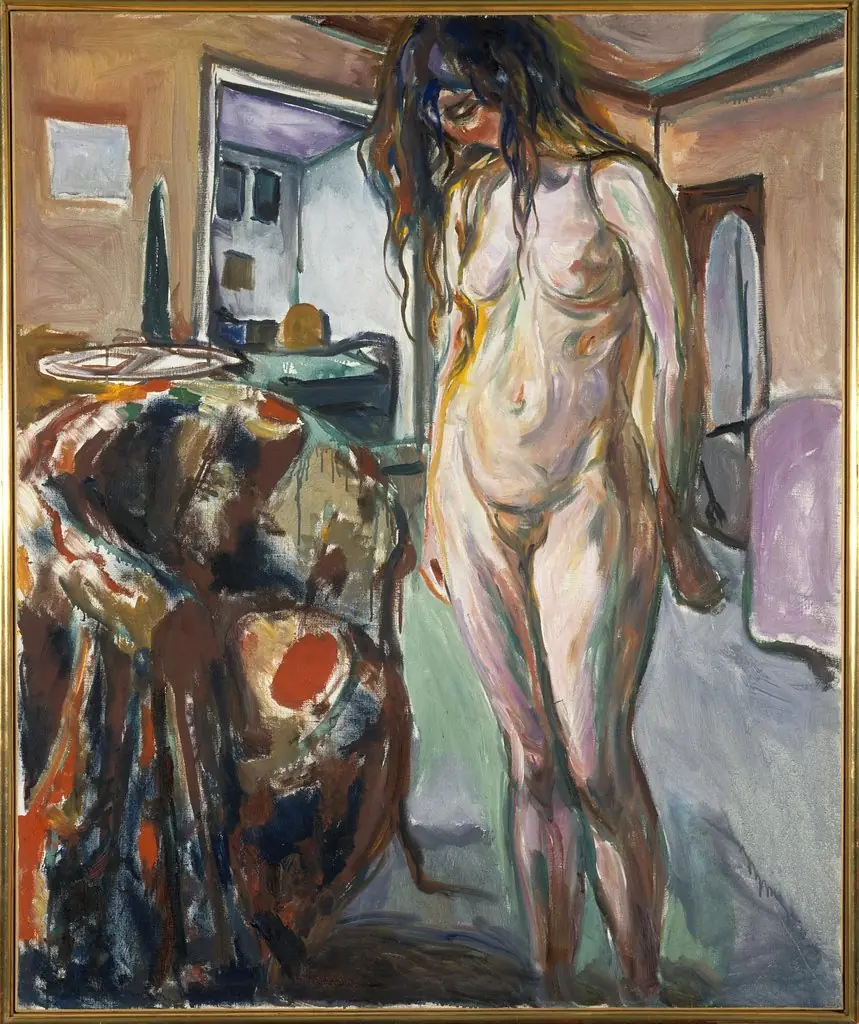
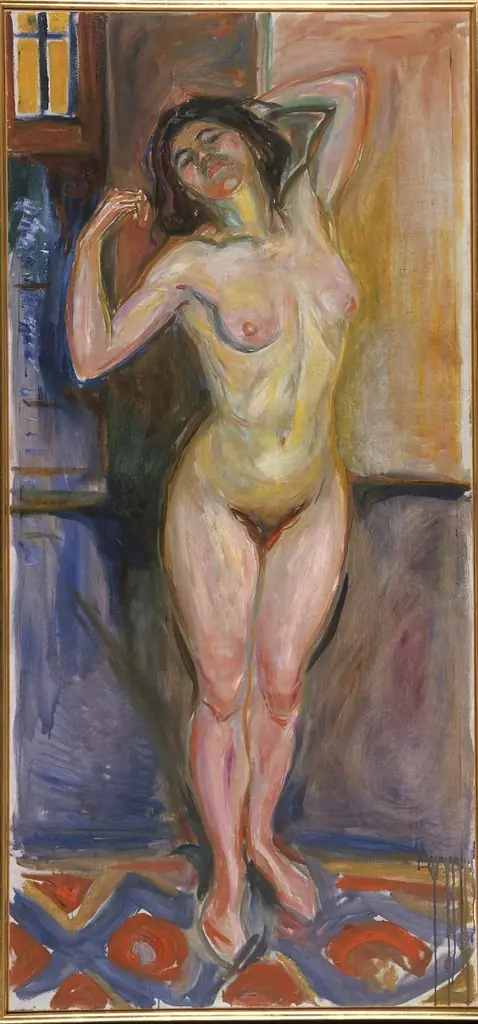
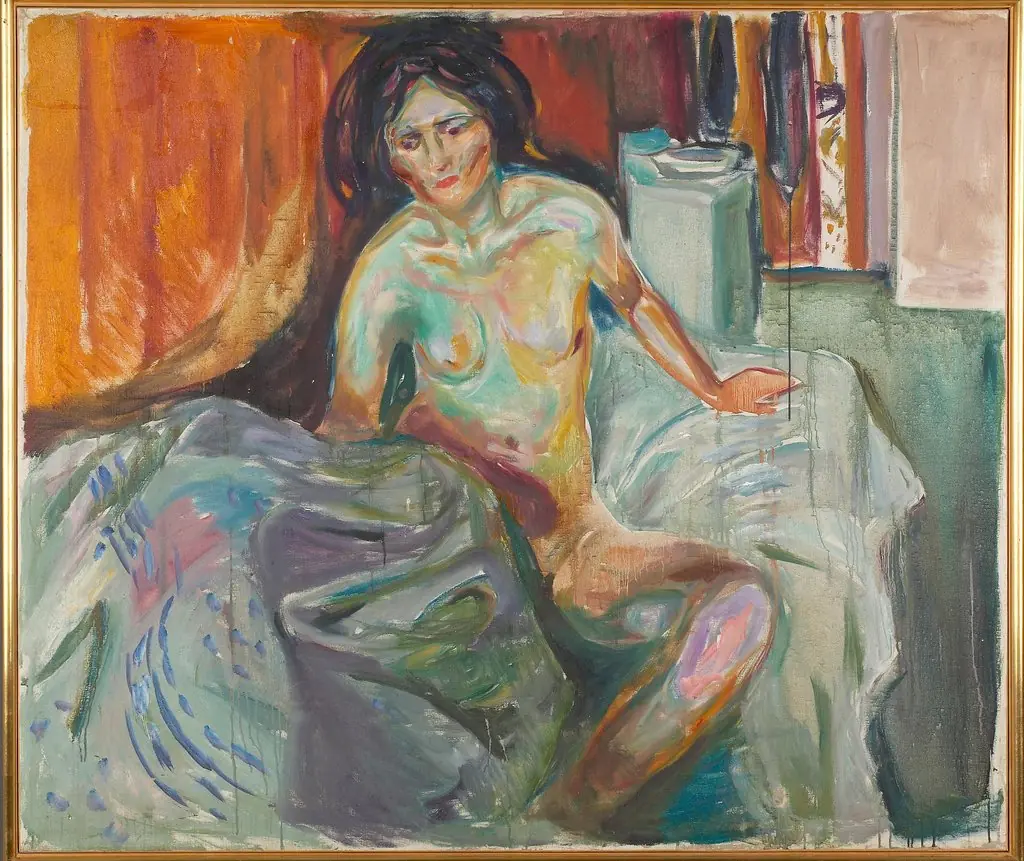
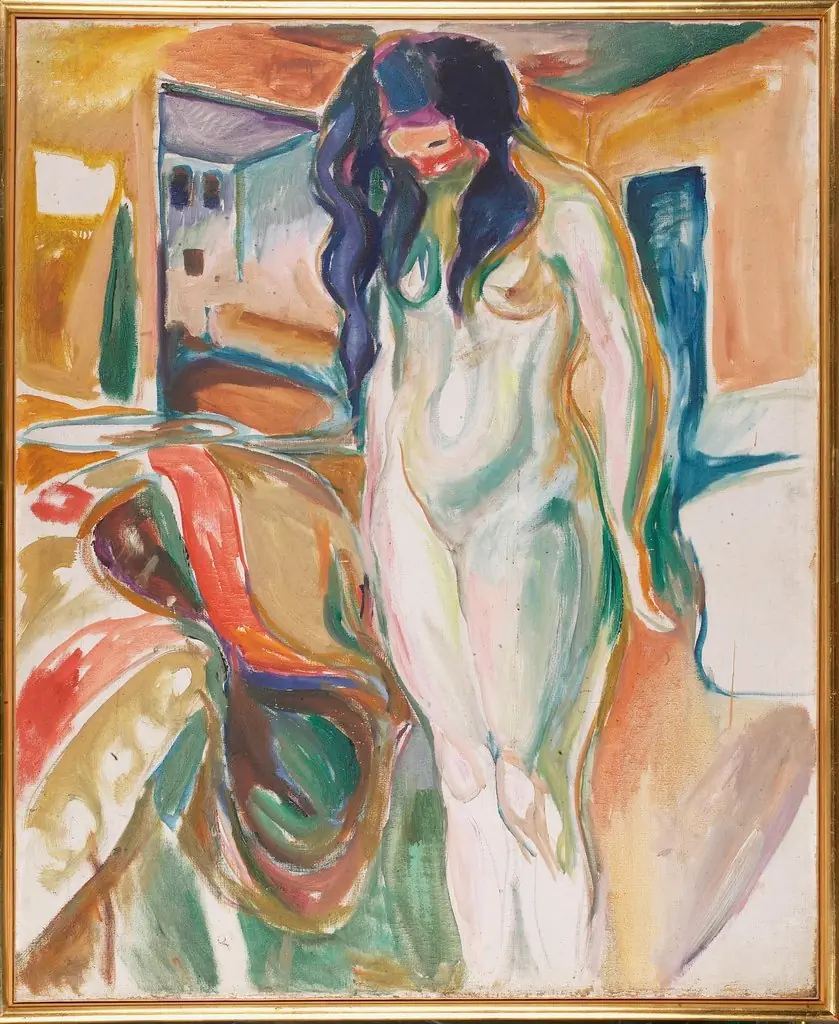
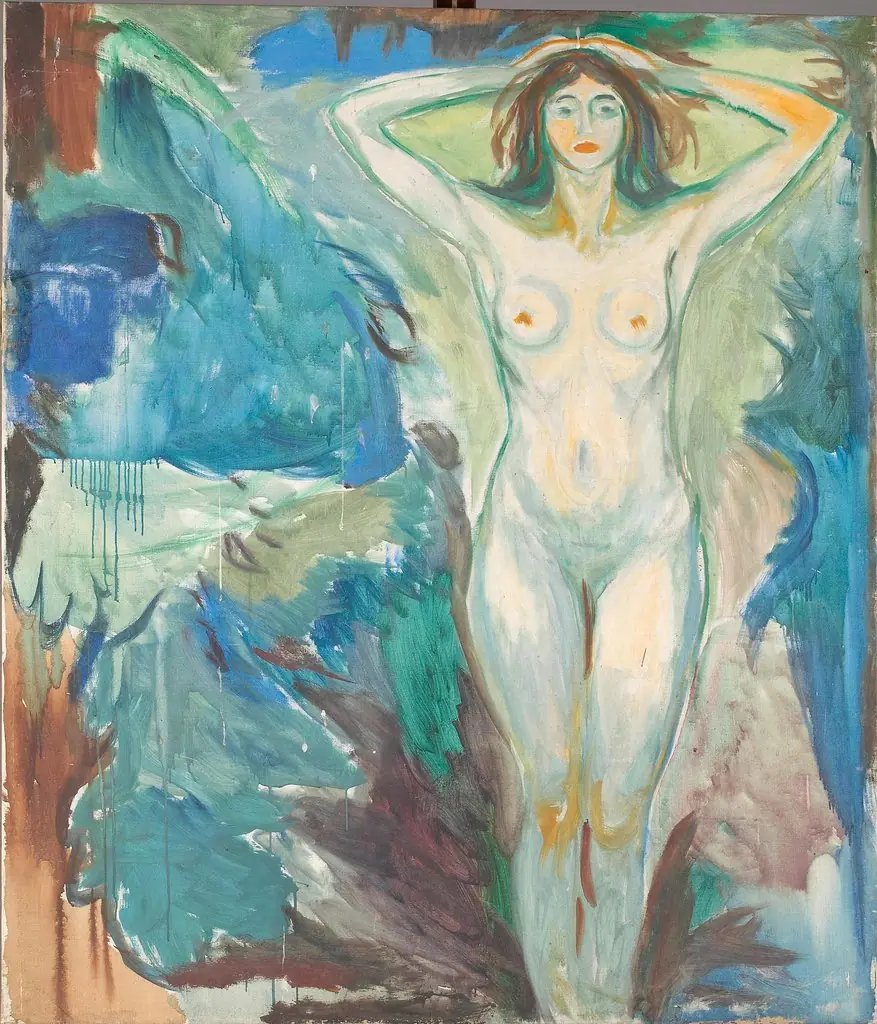
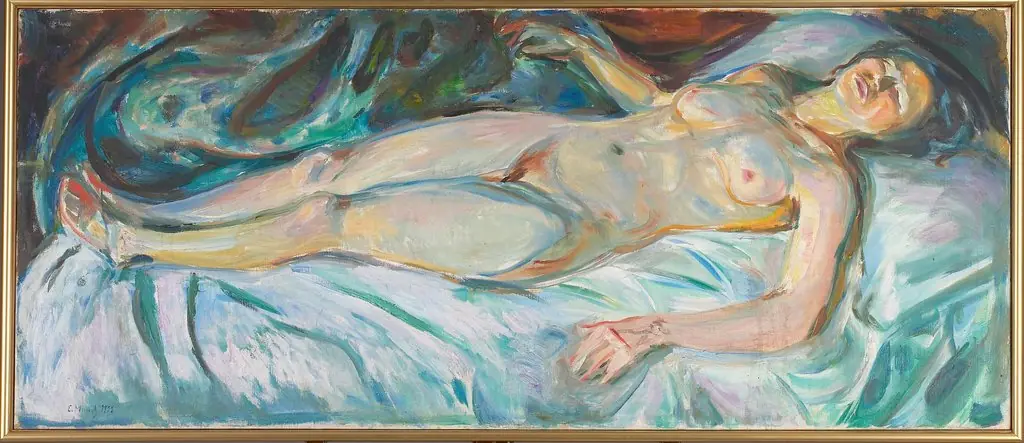
Weeping Woman is an oil painting by the Post-Impressionist artist Edvard Munch. It dates from 1907 and is held in the collection of the Munch Museum.
About this work
Overview
It belongs to a series of intimate, emotionally charged drawings and paintings from his mature period.
Created in 1907, *Weeping Woman* is a small-scale work by Edvard Munch executed in wax crayon. It belongs to a series of intimate, emotionally charged drawings and paintings from his mature period. The medium’s immediacy and tactile quality align with Munch’s interest in capturing transient psychological states, moving beyond traditional painting techniques to convey inner turmoil with directness.
Subject & Meaning
The figure is a woman seated with her face buried in her hands, eyes closed, body slumped in a posture of profound grief. Her nudity is not sensual but stripped of ornamentation, emphasizing vulnerability. The clenched fists and rigid posture suggest internalized suffering rather than outward expression. The image resists narrative specificity, instead presenting grief as a universal, almost primal condition.
Technique & Style
Munch employed wax crayon for its capacity to produce bold, smudged lines and muted, earthy tones. The background fades into a soft blue gradient, creating a sense of spatial ambiguity that isolates the figure. Forms are simplified, contours angular, and details minimized—this abstraction heightens emotional resonance. The lack of modeling or shading reinforces the work’s raw, unmediated quality.
History & Provenance
The work was produced during a period when Munch was deeply engaged with themes of anxiety, loss, and psychological fragmentation. It entered the collection of the Munch Museum in Oslo, established to preserve the artist’s legacy. The piece remained largely within private or institutional hands after its creation, never widely exhibited until the museum’s formalization in the 20th century.
Context
Munch’s artistic development was shaped by personal trauma and exposure to philosophical currents like those of Hans Jæger, who championed existential despair and social rebellion. His training at the Royal School of Art and Design in Kristiania provided technical grounding, but his focus shifted toward emotional authenticity over academic convention. *Weeping Woman* reflects this turn inward, aligning with broader fin-de-siècle explorations of the psyche.
Legacy
The work stands as a quiet but persistent example of Munch’s commitment to visualizing inner life. Its minimalism and emotional directness influenced later expressionist and figurative artists who sought to convey psychological states without narrative embellishment. Though less famous than *The Scream*, it remains a key study in his exploration of solitude and sorrow.
Artist & collection
Artist
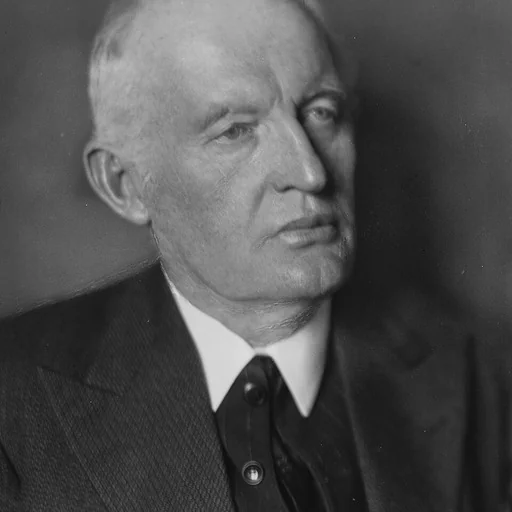
Edvard Munch ( MUUNK; Norwegian: ; 12 December 1863 – 23 January 1944) was a Norwegian painter.