Artwork
Weeping Woman
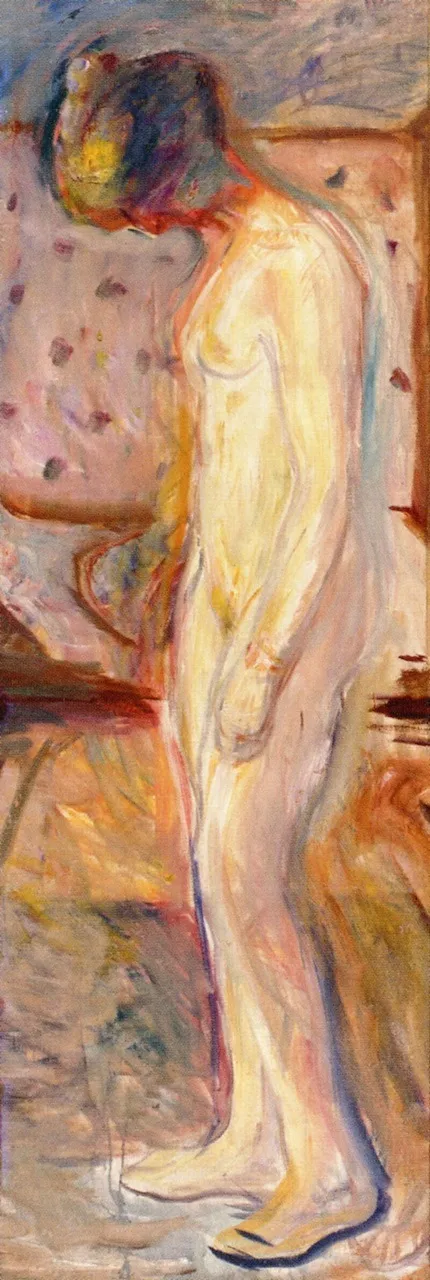
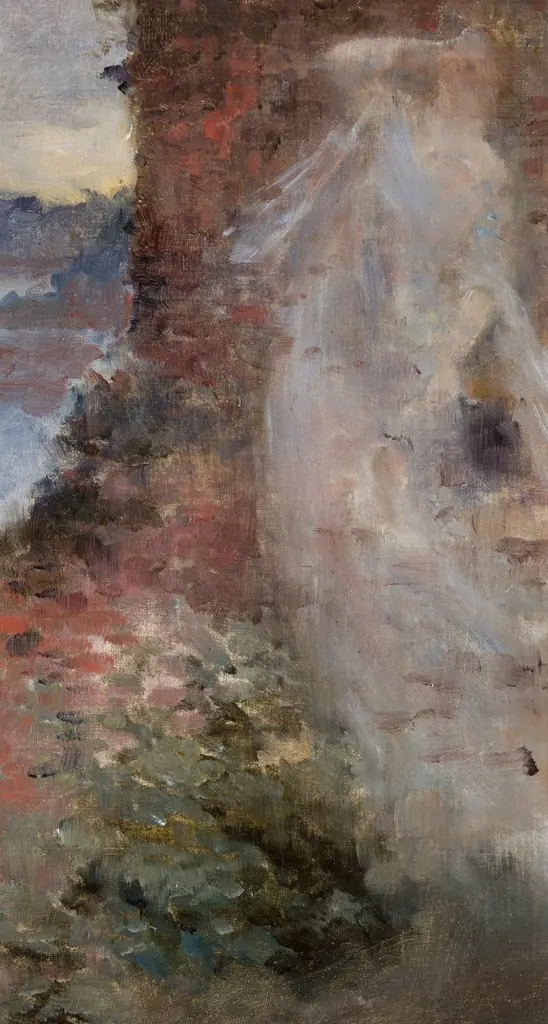
Weeping Woman is an oil painting by the Post-Impressionist artist Edvard Munch. It dates from 1907 and is held in the collection of the Munch Museum.
About this work
Overview
Created in 1907, *Weeping Woman* is an oil painting by Norwegian artist Edvard Munch. The work belongs to the period often linked with post‑impressionist tendencies and is part of the permanent collection of Oslo’s Munch Museum.
Subject & Meaning
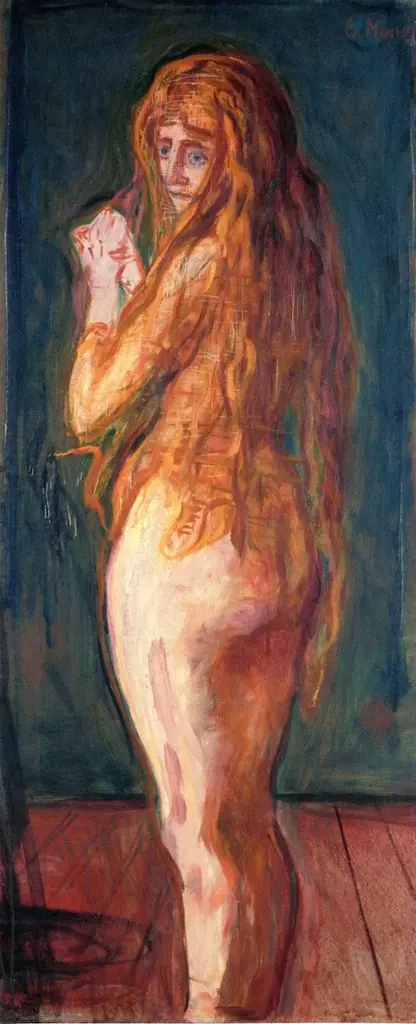
The canvas presents a solitary female figure in the act of crying, embodying Munch’s preoccupation with inner turmoil. The depiction serves as a visual exploration of personal anguish, reflecting the artist’s broader interest in the psychological dimensions of human experience.
Technique & Style
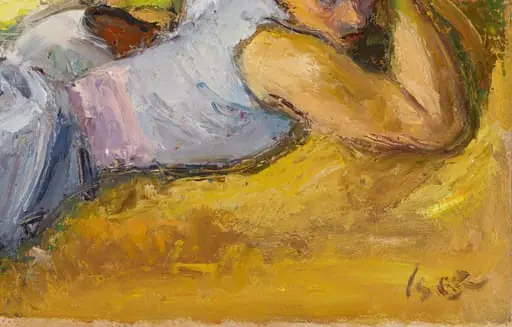
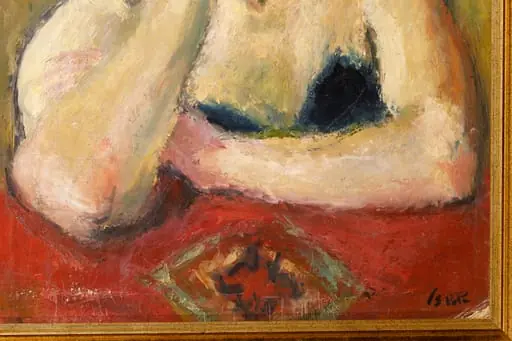
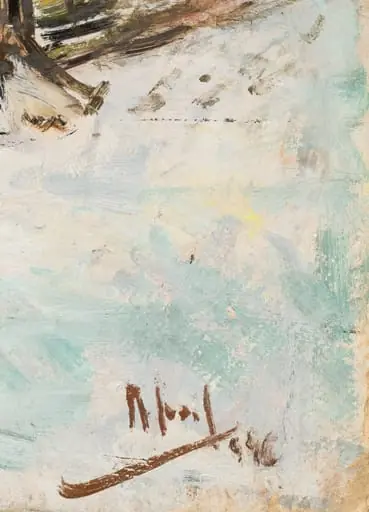
Executed in oil on canvas, the painting employs loose brushwork and a muted palette characteristic of Munch’s late‑1900s output. The composition emphasizes emotive distortion over realistic detail, using simplified forms and stark contrasts to heighten the sense of emotional intensity.
History & Provenance
Since its completion, the piece has remained within the artist’s estate and was eventually transferred to the Munch Museum, where it is displayed among other works that trace Munch’s development from the 1890s onward.
Context
Munch’s early life was marked by frequent illness and the loss of close family members, experiences that informed his recurring themes of anxiety, melancholy, and existential dread. *Weeping Woman* can be read as a continuation of these motifs, situating the painting within the artist’s lifelong investigation of suffering.
Artist & collection
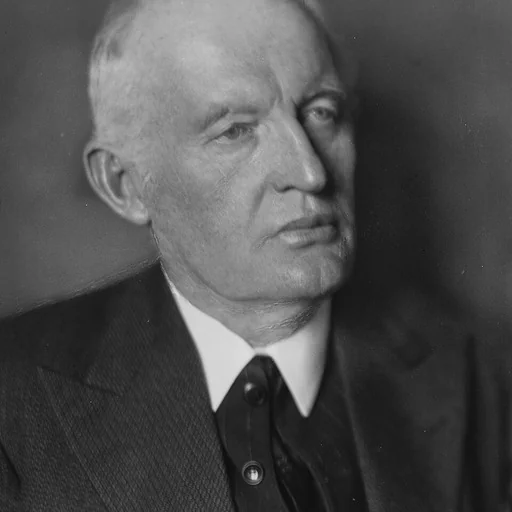
Artist
Edvard Munch ( MUUNK; Norwegian: ; 12 December 1863 – 23 January 1944) was a Norwegian painter.