Artwork
Okänd man
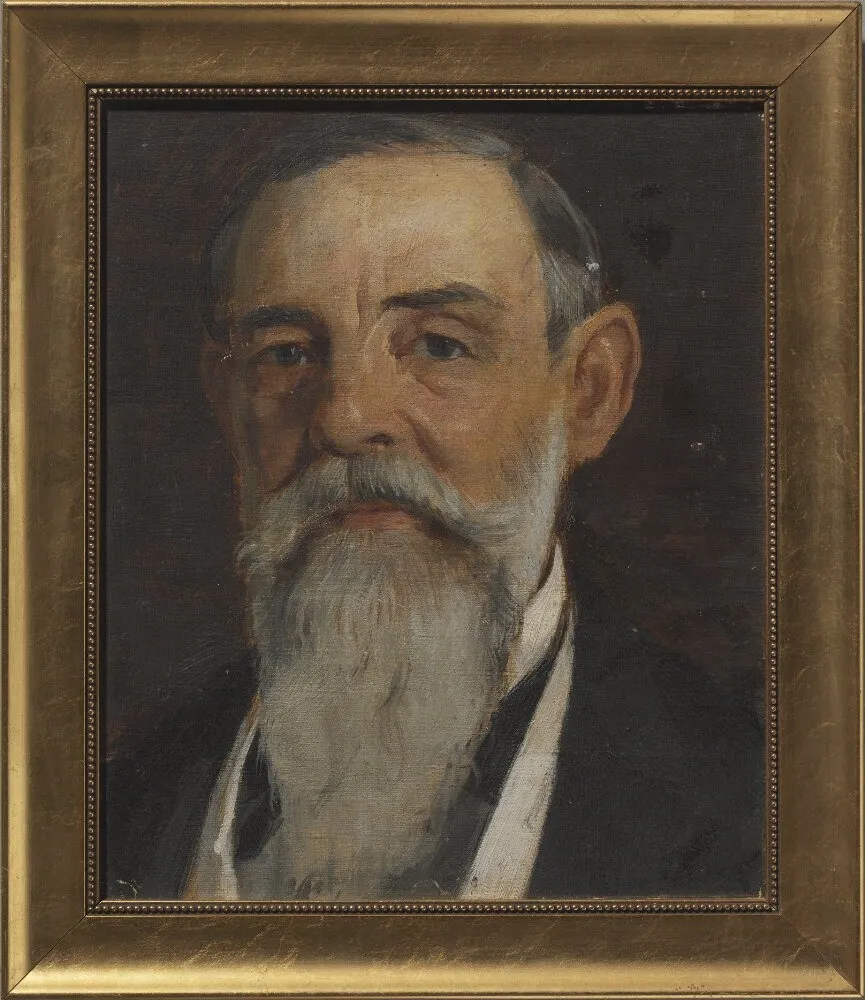
Okänd man is an unspecified painting by Edvard Perséus. It dates from 1875 and is held in the collection of the Nationalmuseum.
About this work
Overview
The work resides in the Nationalmuseum’s collection, reflecting its significance in Swedish 19th-century portraiture.
Painted around 1875 by Swedish artist Edvard Perséus, *Okänd man* is a portrait of an unnamed elderly man. Perséus, who held the position of hovintendent at the Swedish Royal Court, primarily focused on historical and genre subjects, making this intimate portrait a rare departure into direct character study. The work resides in the Nationalmuseum’s collection, reflecting its significance in Swedish 19th-century portraiture.
Subject & Meaning
The subject is an unidentified older man, his age marked by a long white beard, short hair, and weathered skin. His direct gaze and still posture suggest quiet contemplation rather than performative display. The absence of identifiers—no title, no context—shifts focus to the man’s inner presence, inviting reflection on dignity in anonymity and the quiet weight of lived experience.
Technique & Style
Perséus rendered the figure with precise, restrained brushwork, emphasizing texture in the beard, the weave of the dark jacket, and the subtle variations of skin tone. The dark, undefined background isolates the subject, heightening the focus on facial detail—wrinkles, age spots, and the glint in the eyes. Lighting is soft but directional, modeling the face without theatricality, aligning with a realist approach to portraiture.
History & Provenance
The painting entered the Nationalmuseum’s collection in the late 19th century, likely acquired directly from the artist or through institutional channels. As Perséus was a court official, his works were often retained within royal or state collections. No documented ownership history predates its museum acquisition, and the sitter’s identity remains unrecorded, reinforcing the painting’s enigmatic character.
Context
In mid-to-late 19th-century Sweden, portraiture often served social or familial commemoration. *Okänd man* diverges from this norm by omitting status markers and narrative context. Its somber tone and lack of embellishment align with a broader European shift toward psychological realism, influenced by French and Dutch traditions, where character replaced ceremony as the subject’s core.
Legacy
Though not among Perséus’s most widely exhibited works, *Okänd man* endures as a quiet example of his capacity for psychological depth beyond historical themes. It contributes to the understanding of Swedish realism’s quieter expressions, where restraint and observation replace grandeur. The painting continues to be studied for its nuanced handling of aging and presence in a period increasingly focused on individuality.
Artist & collection
Artist
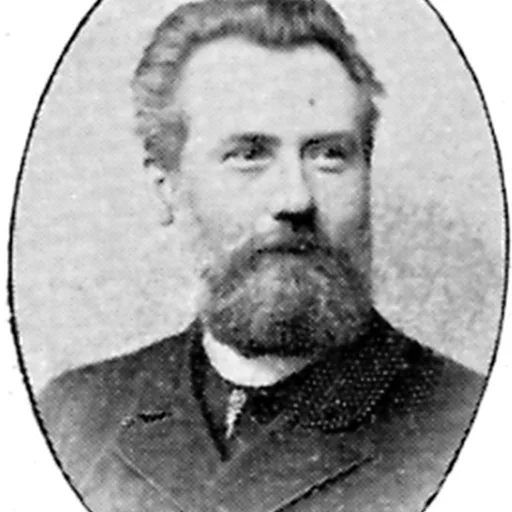
Edvard Perséus, originally Persson (23 December 1841, in Lund – 7 October 1890, in Stockholm) was a Swedish painter and hovintendent (a form of superintendent) at the Royal Court of Sweden. He specialized in historical and genre scenes.

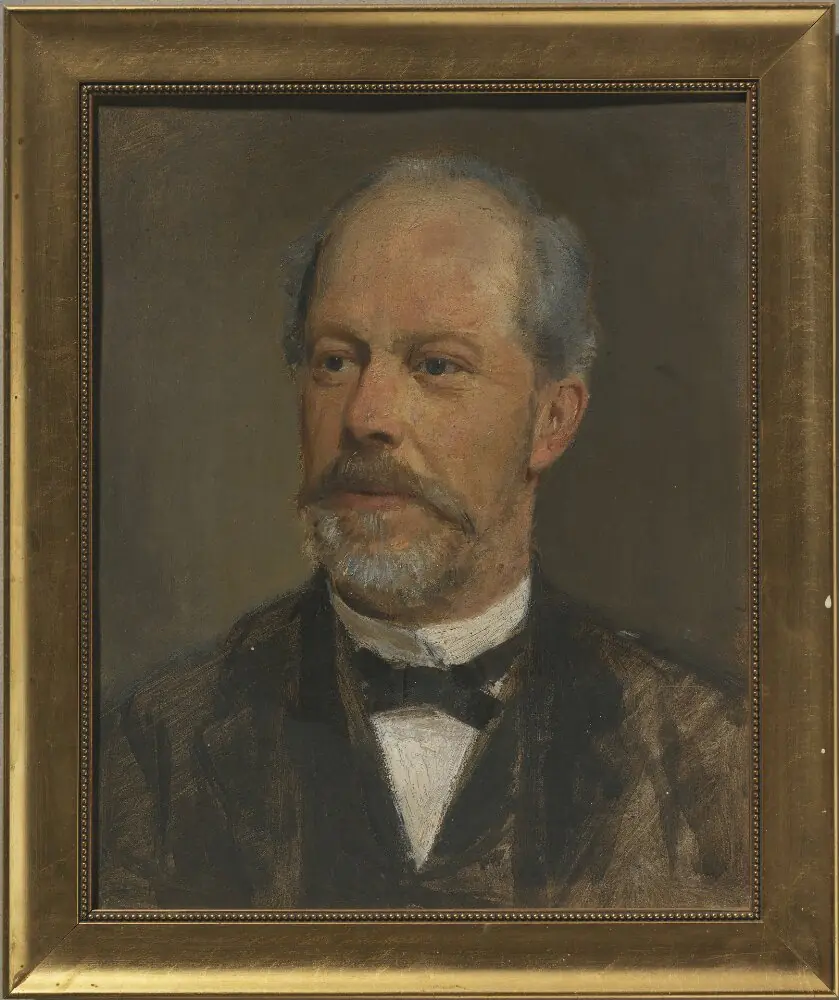 Gustaf Jakob Edelstam (1831-1892), jur.dr., landshövding i Kalmar län, hovrättsassessor, gift med Eva Carolina Gustava von Post
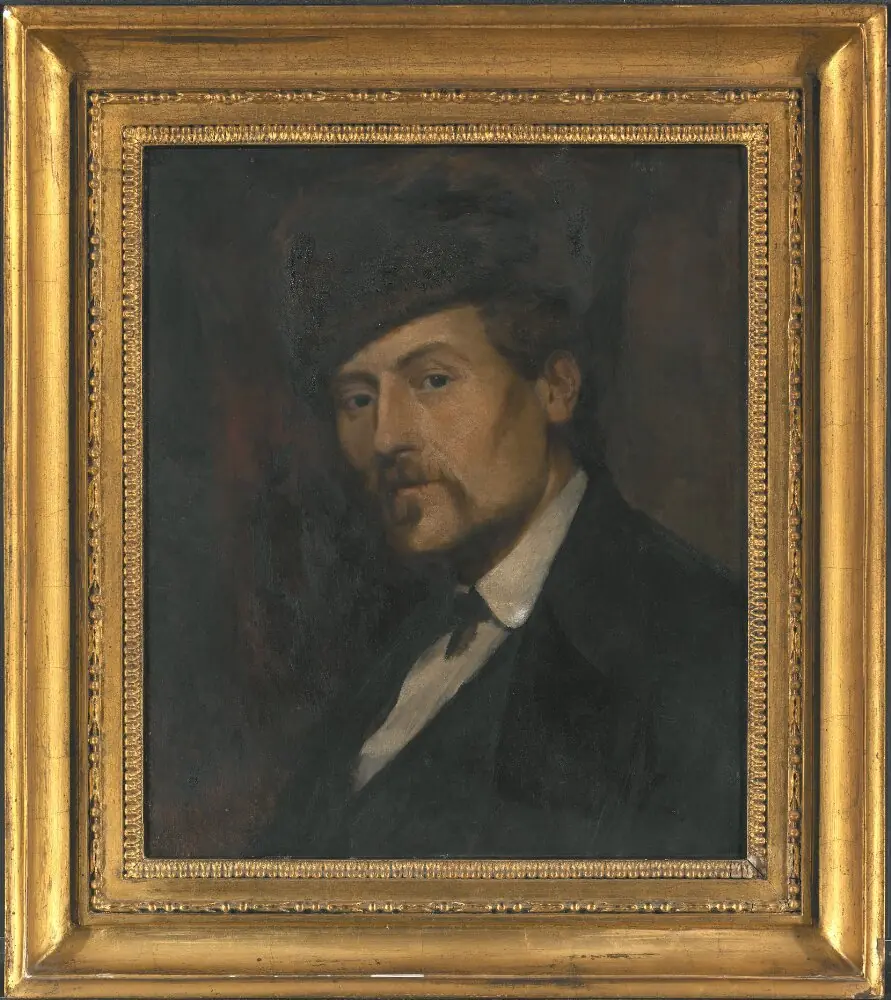 Edvard Perséus (1841-1890), konstnär, tecknare, hovintendent, gift med Agnes Claesson
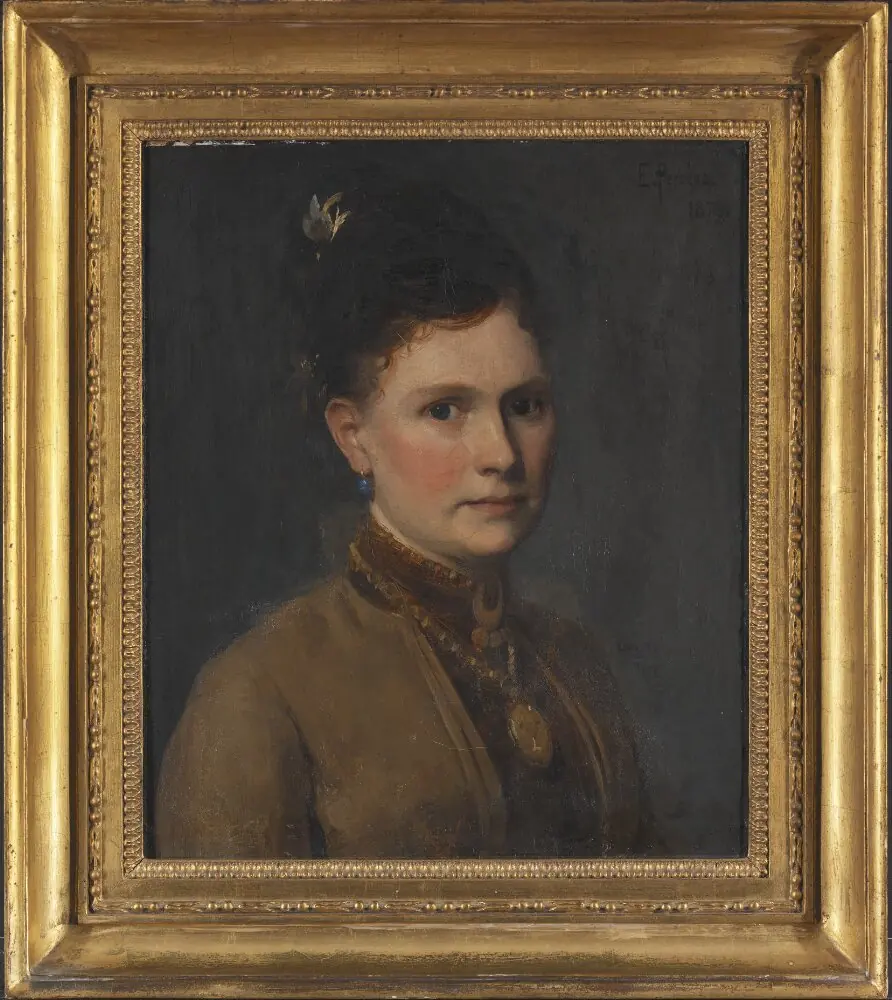 Maria Agnes Claesson (1843- efter 1903), gift med konstnären Edvard Perséus
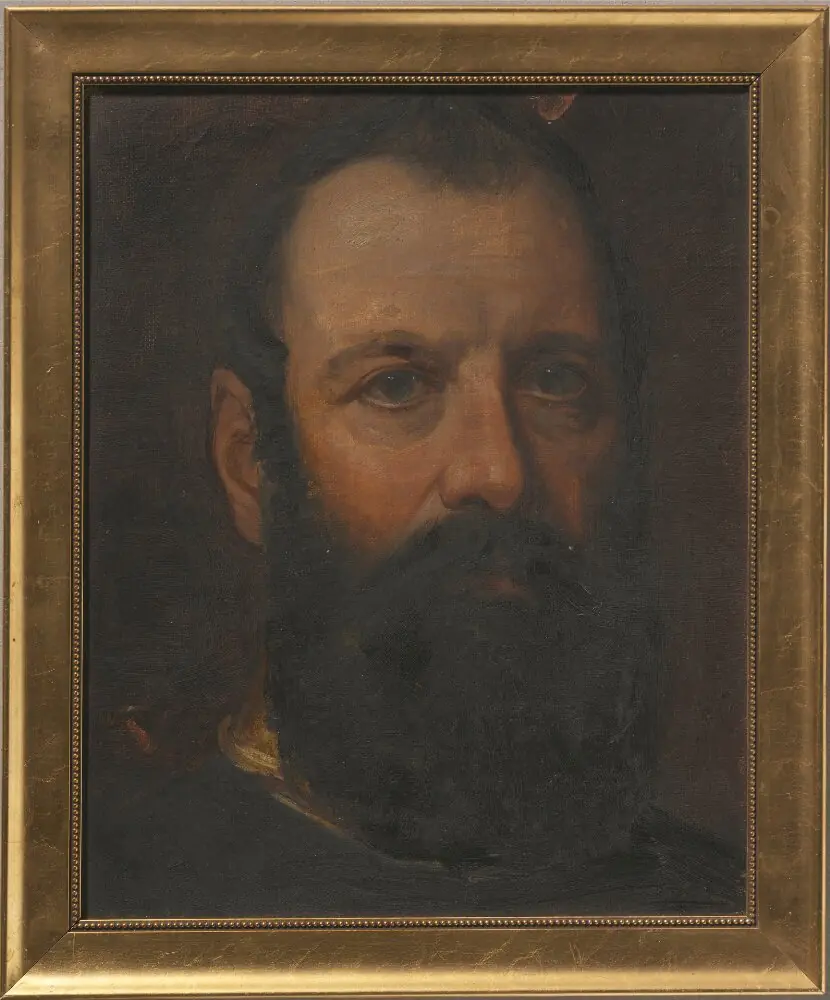 Karl XV (1826-1872)
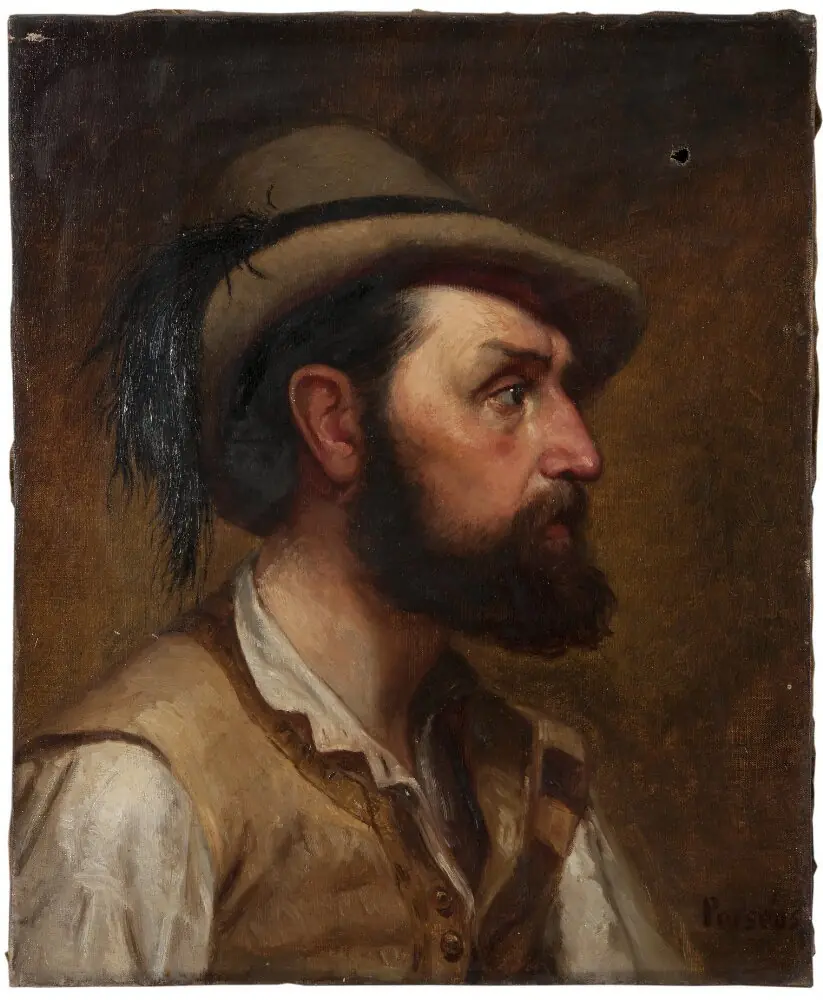 Självporträtt som jägare
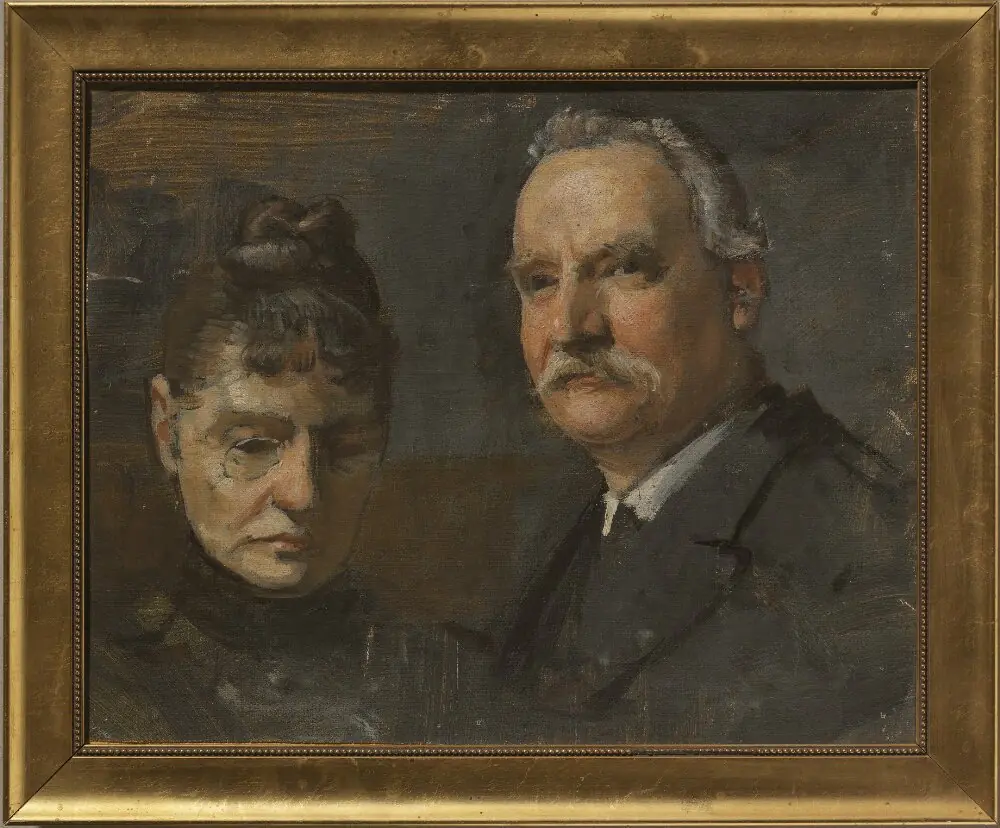 Okänd kvinna med okänd man
 Portret (Constantin Lahovari, fost președinte al societății Ileana?)
 Captain Folger of Nantucket
 Reverend David Phillips
 Henry C. Ranney
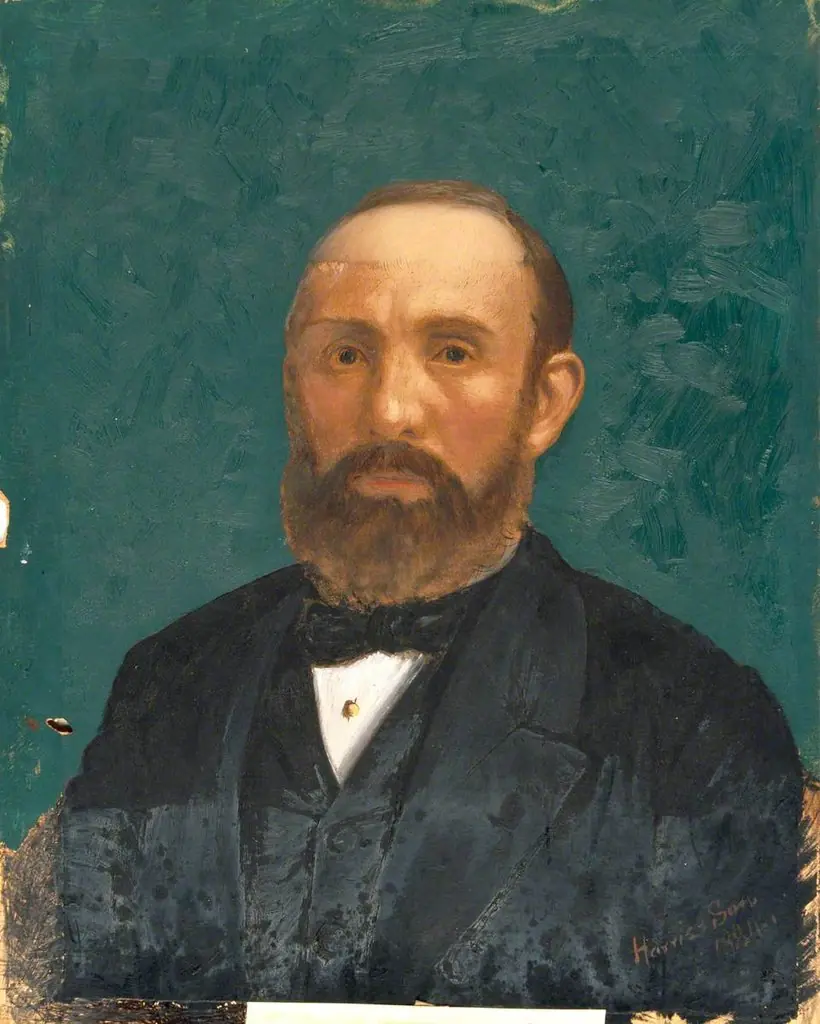 David William Jones
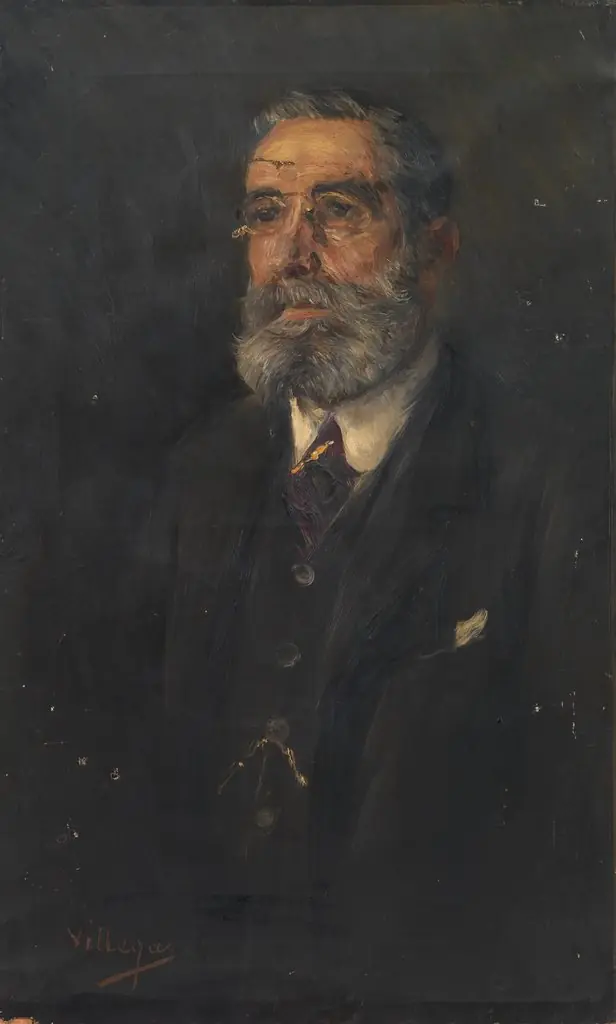 Gregorio Salcedo Viana
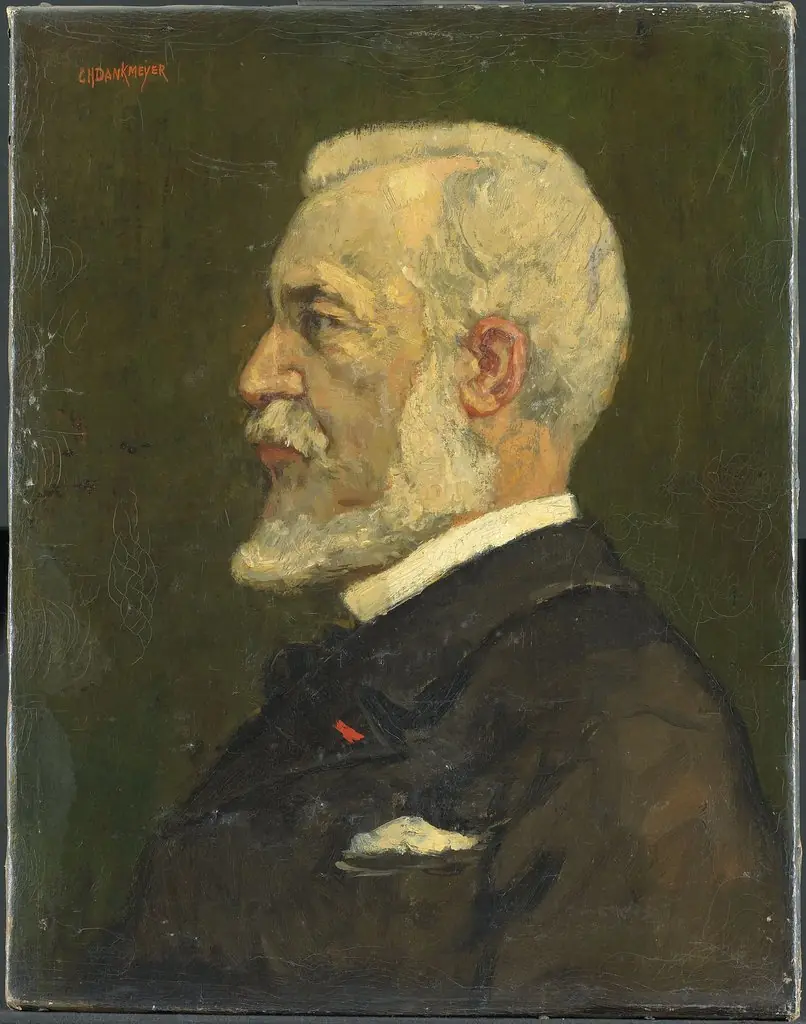 portrait of Johannes Bosboom
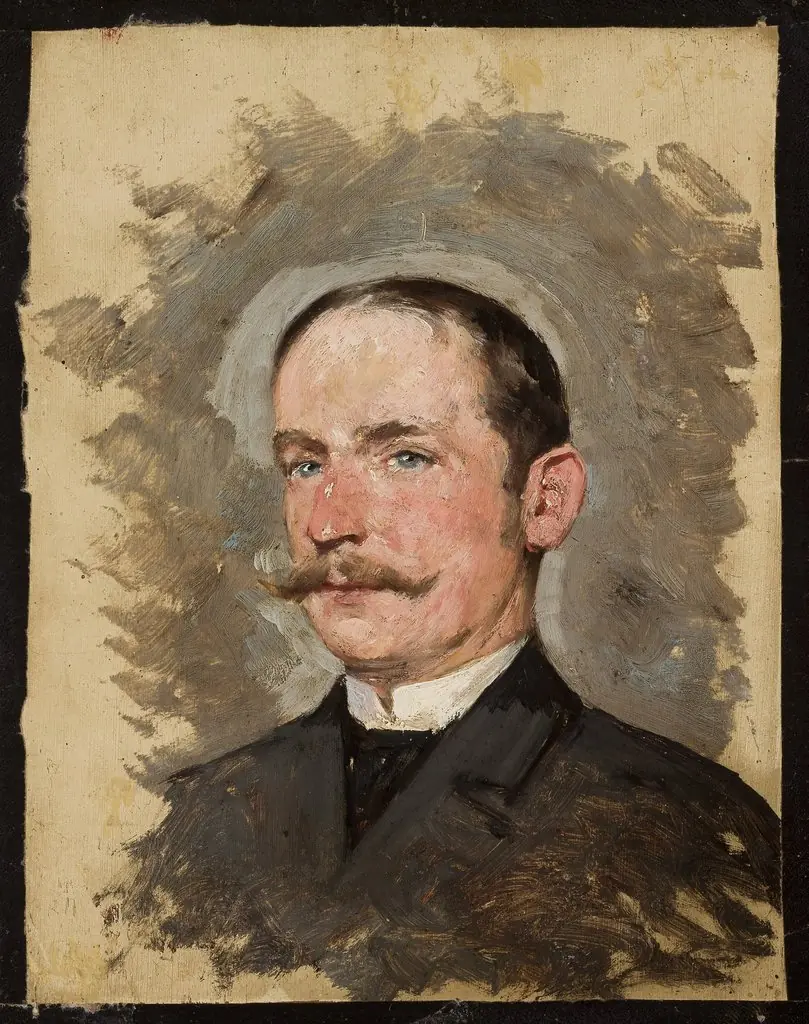 Portrait of a man
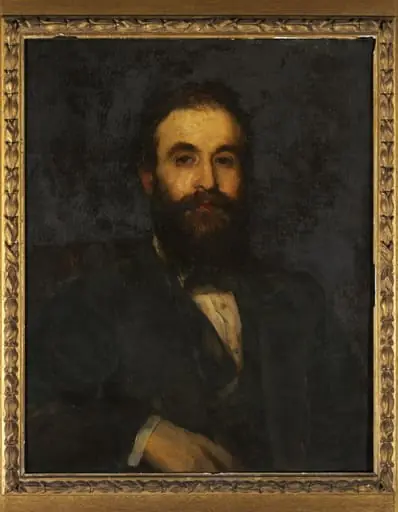 Portrait of George Eumorfopoulos
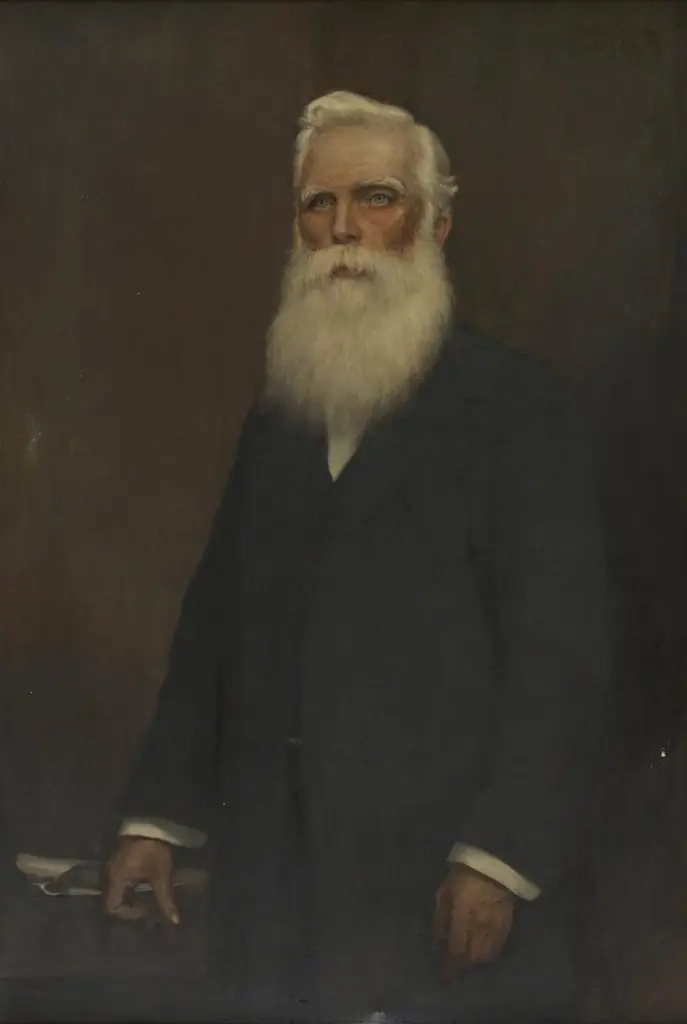 Rev. David Rowlands
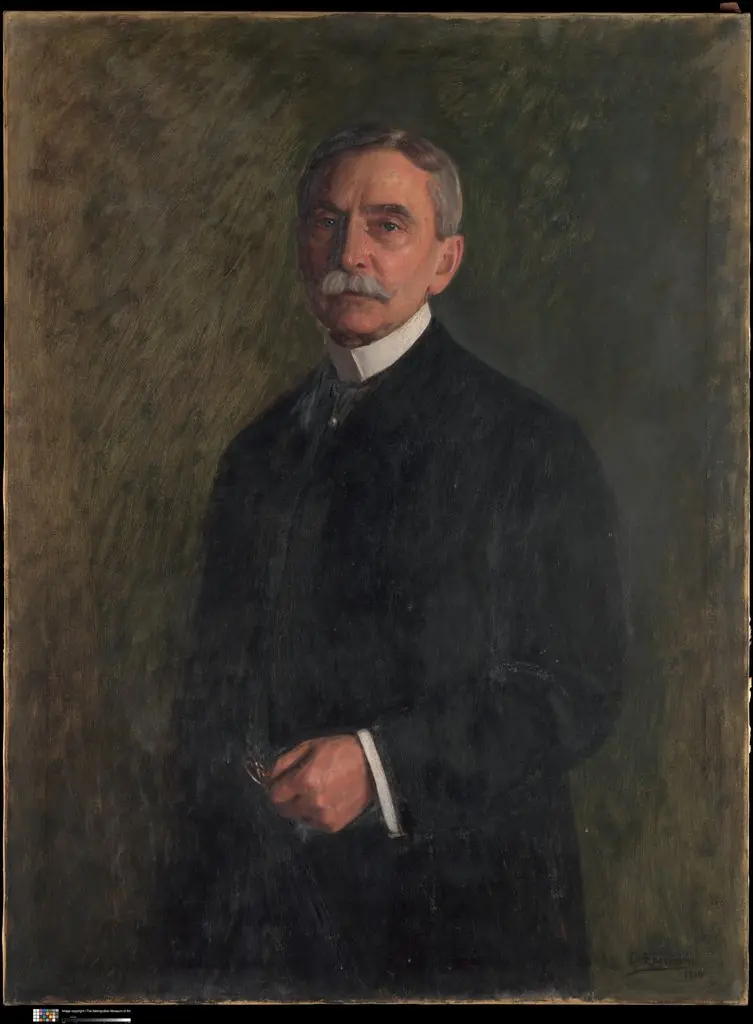 Portrait of Isaac D. Fletcher
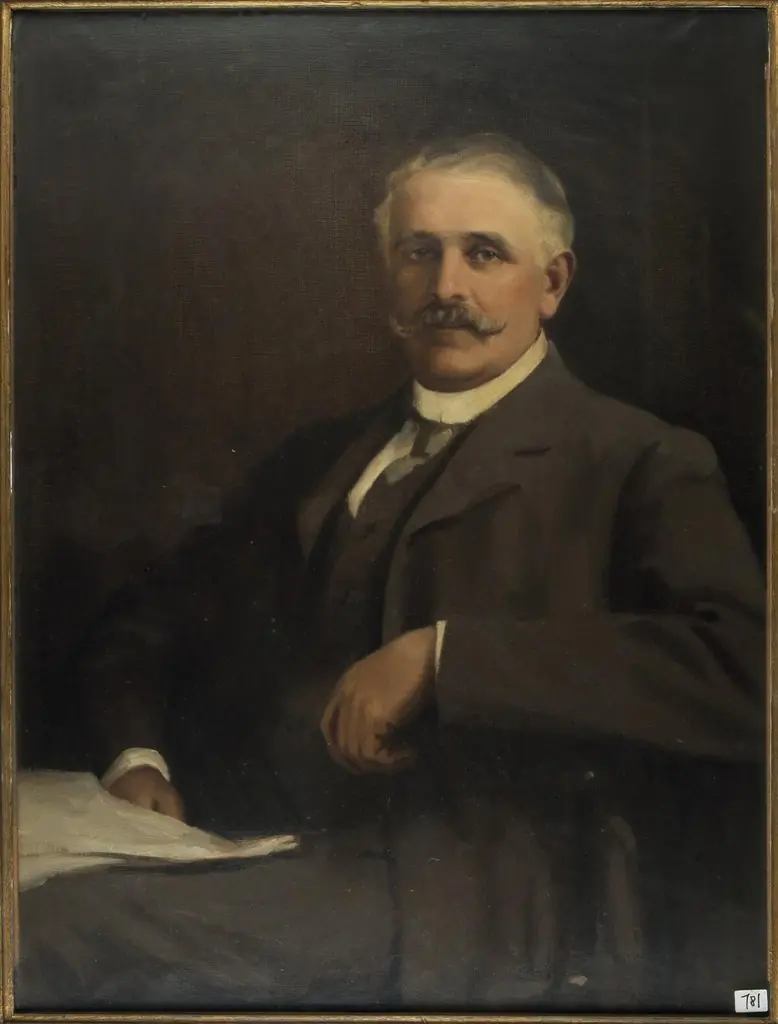 Charles Martin Strick Humphreys