Artwork
Gregorio Salcedo Viana
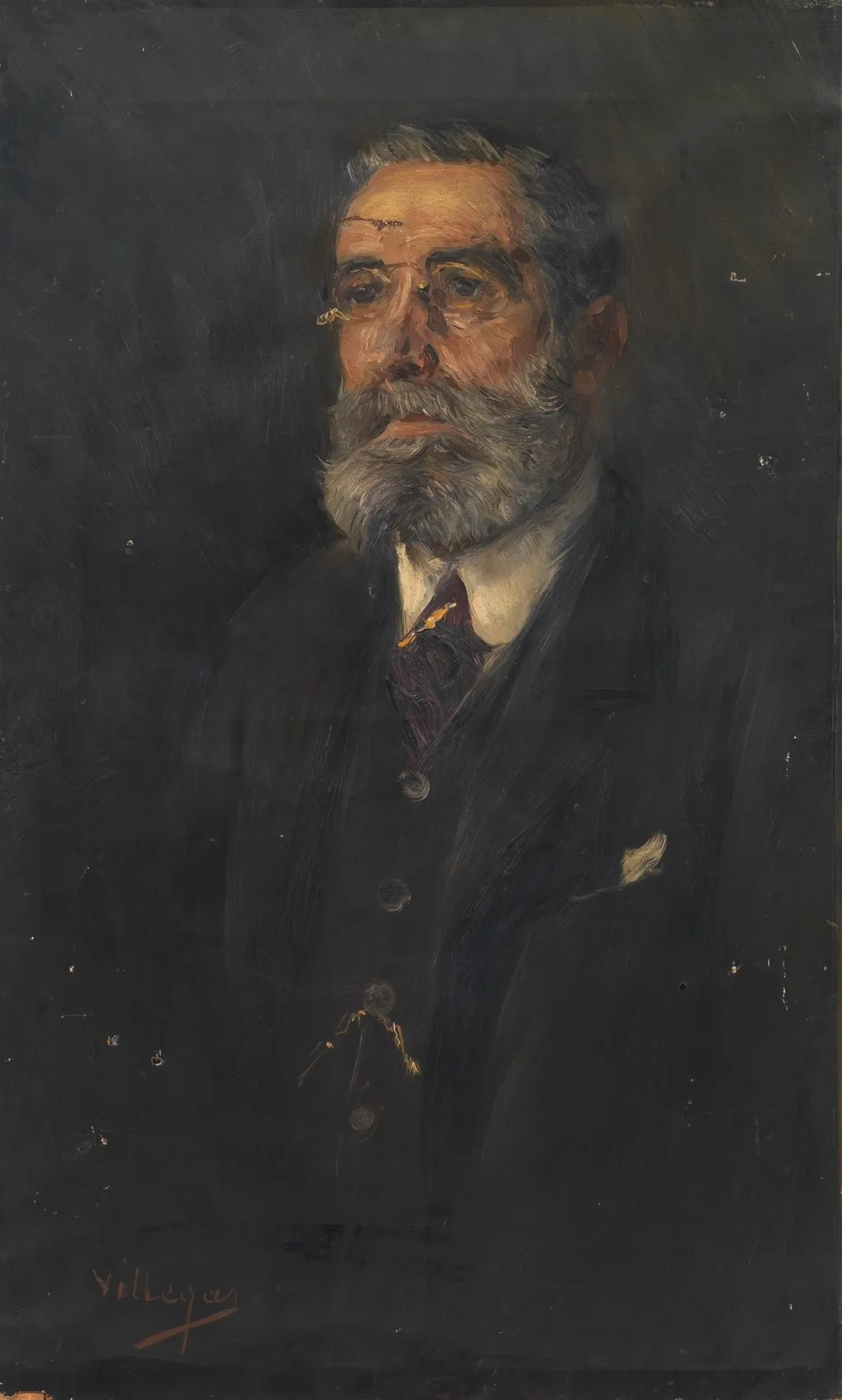
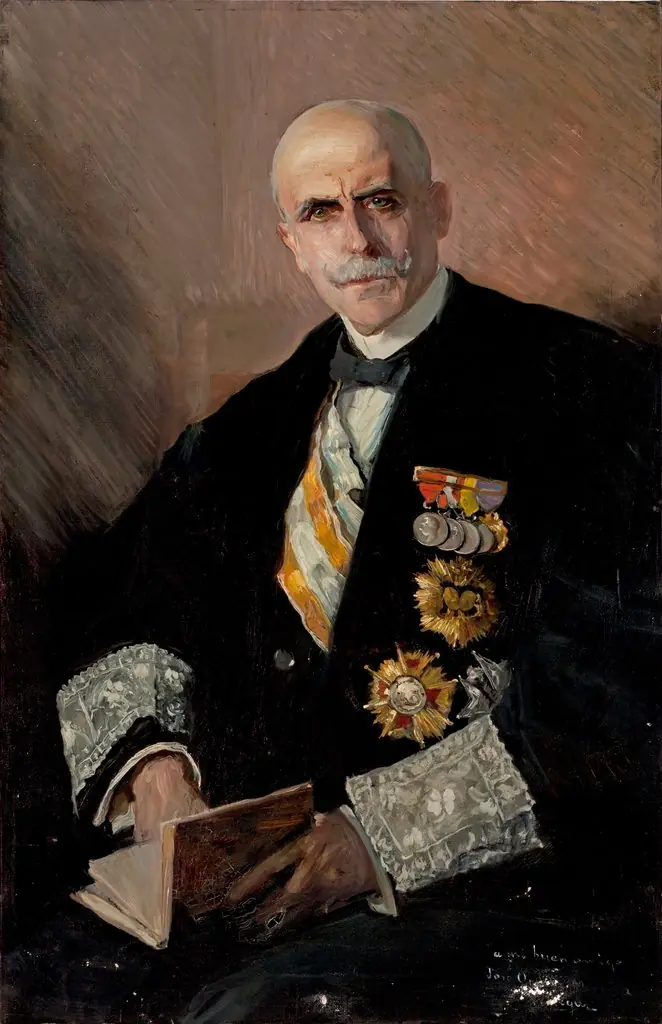
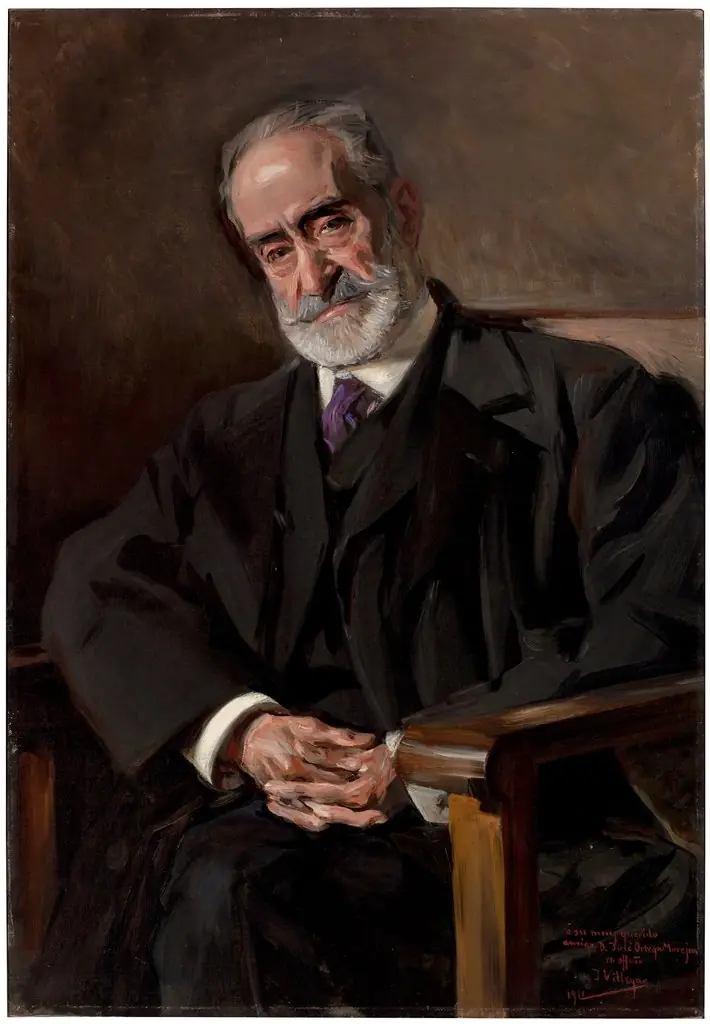
Gregorio Salcedo Viana is an oil painting by José Villegas Cordero. It dates from 1915 and is held in the collection of the Museo del Prado.
About this work
The painting depicts a man with a gray beard and mustache, wearing a dark suit, white shirt, and patterned tie.
The painting depicts a man with a gray beard and mustache, wearing a dark suit, white shirt, and patterned tie. He is shown from the chest up, facing forward with a neutral expression. The background is a dark, muted color.
The man's attire and hairstyle suggest a formal or professional setting, possibly from the early 20th century. The artist's use of oil paint and attention to detail create a sense of realism and depth in the portrait.
For more information on the artist's technique, explore the concept of chiaroscuro.
Overview
José Villegas Cordero’s 1915 oil portrait of Gregorio Salcedo Viana resides in the Museo del Prado. The work presents a seated male figure rendered in a straightforward, full-length bust composition. Painted with careful attention to texture and tone, it reflects the artist’s engagement with portraiture as a means of capturing individual presence rather than narrative drama.
Subject & Meaning
The subject, Gregorio Salcedo Viana, is depicted with a gray beard and mustache, dressed in a dark suit, white shirt, and patterned tie. His neutral gaze and formal attire suggest a professional or civic identity, typical of early 20th-century Spanish bourgeois portraiture. The absence of symbolic elements or contextual clues emphasizes the sitter’s personal dignity over social commentary.
Technique & Style
Villegas Cordero employed oil paint to achieve subtle gradations of light and shadow, particularly in the rendering of facial features and fabric folds. The dark, unobtrusive background isolates the figure, enhancing the three-dimensionality of the form. Brushwork is controlled and precise, favoring clarity over expressive flourish, aligning with academic traditions of realism.
History & Provenance
The painting entered the Museo del Prado’s collection following its completion in 1915. It was likely commissioned by the sitter or a close associate, as was common for portraits of the period. No significant changes in ownership are documented, and it has remained in the museum’s holdings since acquisition, preserved as part of its 20th-century Spanish portraiture section.
Context
Created during a period when Spanish art increasingly turned toward domestic and individual subjects, this portrait reflects a shift from grand historical themes to intimate representation. Villegas Cordero, though known for larger genre scenes, here applies his skill to a restrained format, mirroring broader trends in European portraiture that valued psychological presence over theatricality.
Legacy
The portrait stands as a quiet example of early 20th-century Spanish realism, illustrating how academic training continued to inform portraiture even as modernist movements gained ground. It contributes to the Prado’s broader documentation of Spanish social life through visual record, preserving the appearance and demeanor of a non-royal, non-elite figure of the era.
Artist & collection
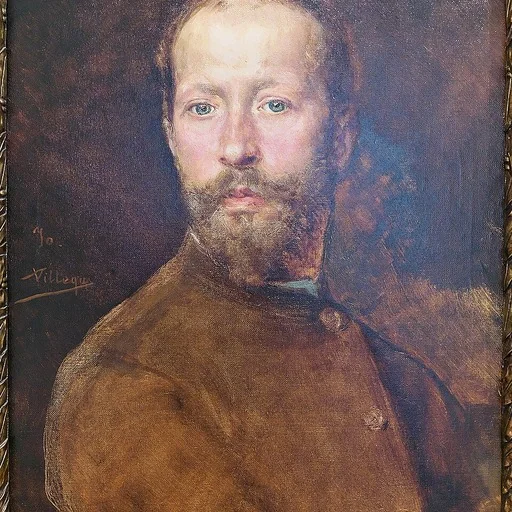
Artist
José Villegas Cordero (26 August 1844, Seville – 9 November 1921, Madrid) was a Spanish painter of historical, genre and costumbrista scenes.

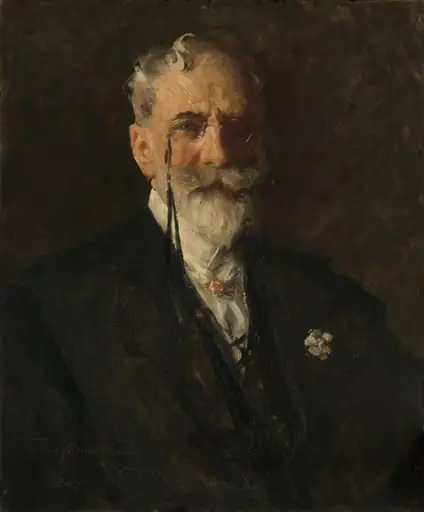 Self-Portrait
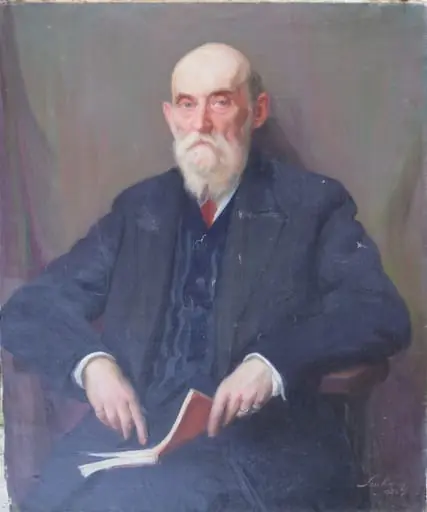 Portret (Constantin Lahovari, fost președinte al societății Ileana?)
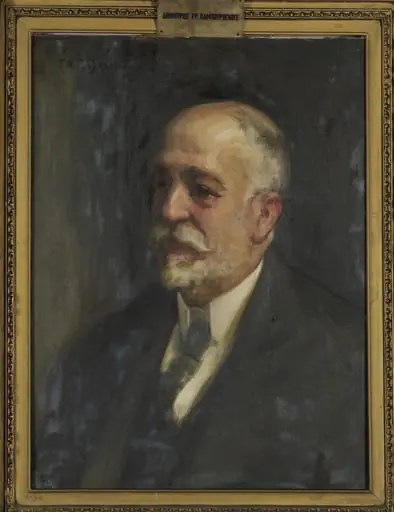 Προσωπογραφία του Δημητρίου Γρ. Καμπούρογλου
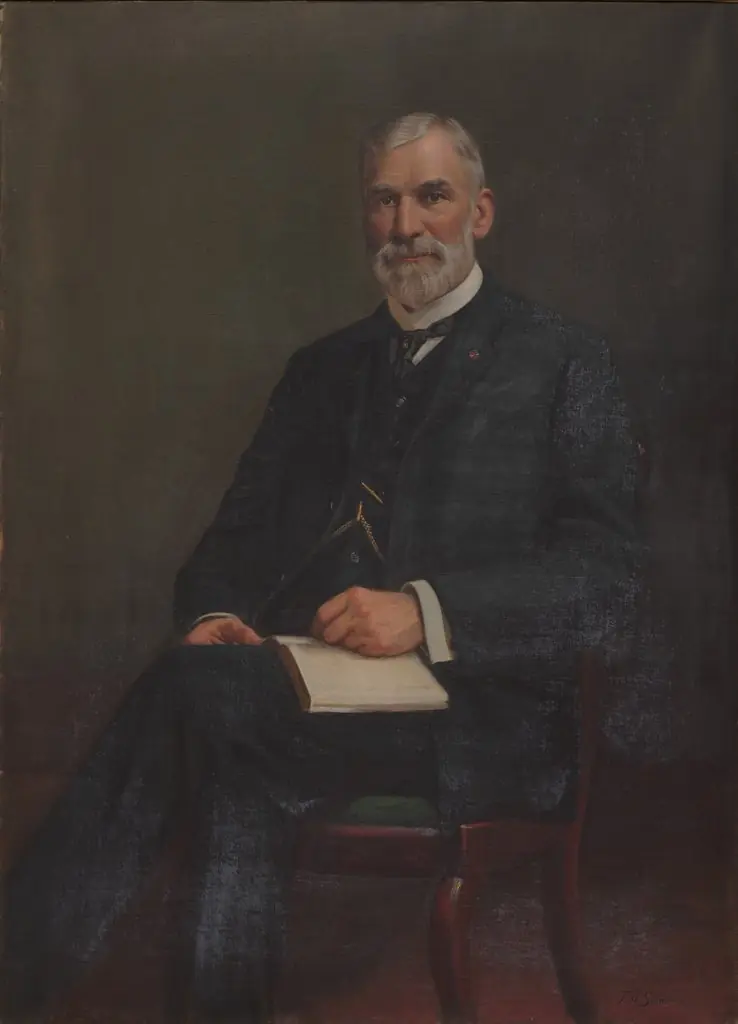 Henry C. Ranney
 Pictorul Szinyeu
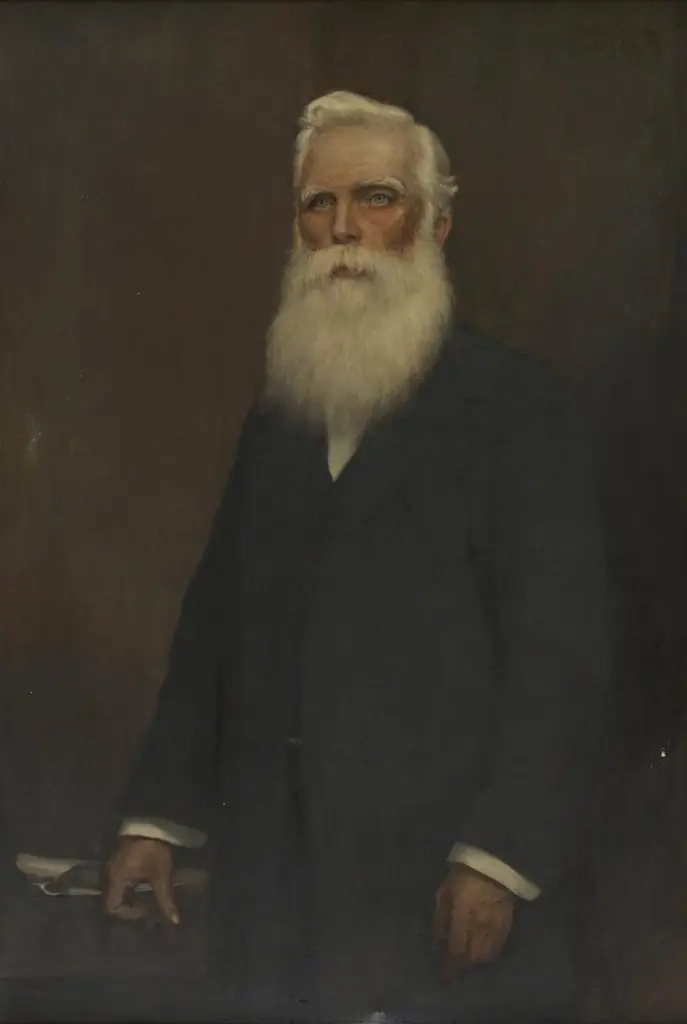 Rev. David Rowlands
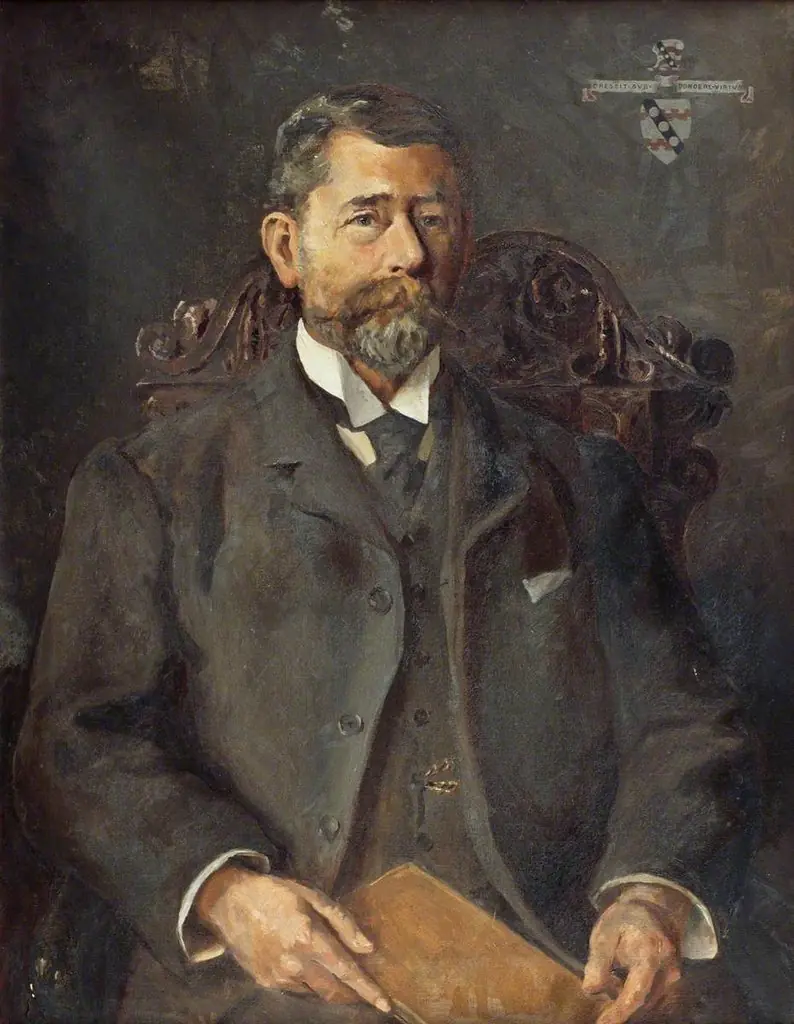 Alan Stepney Gulston (1844–1919)
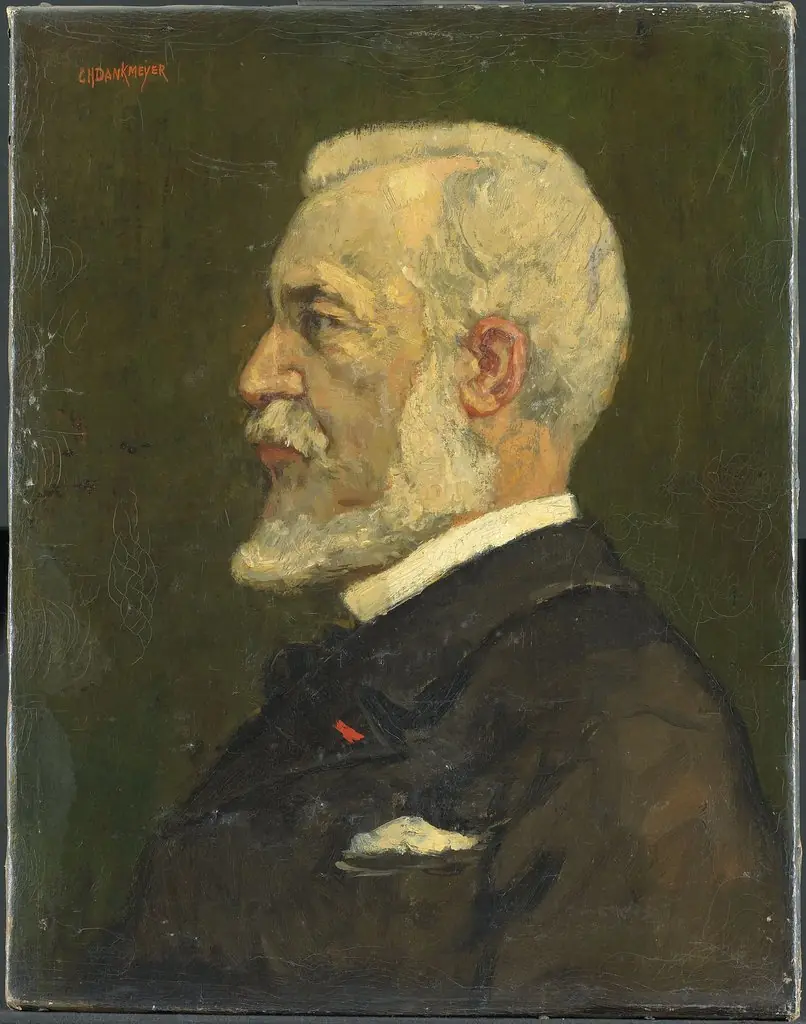 portrait of Johannes Bosboom
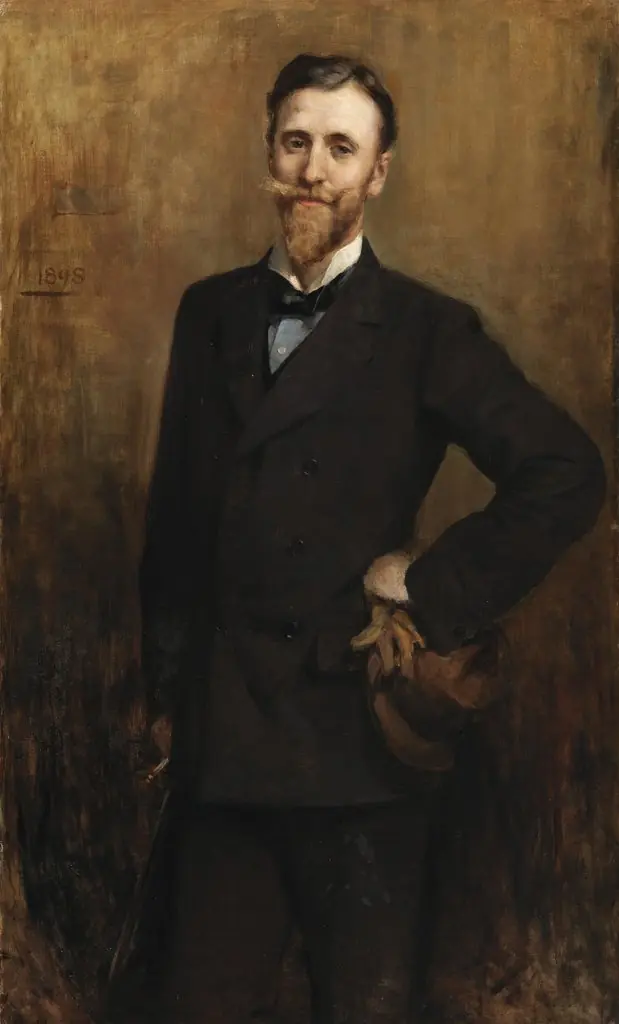 Portrait of T.P. Gill, Journalist, Secretary, Department of Agriculture and Technical Instruction
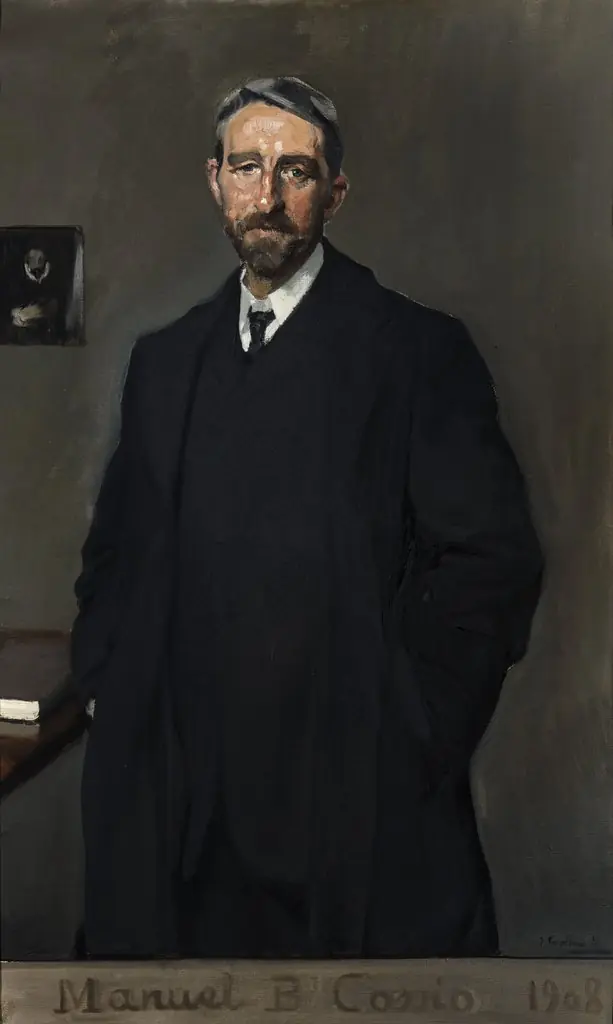 Manuel Bartolomé Cossío
 James MacAlister (Sketch)
 Portrait of Roger Casement, (1864-1916), Patriot and Revolutionary