Artwork
Copy after the painting The Baptism of Christ attributed to the Isaac Master in the Upper Church, San Francesco, Assisi
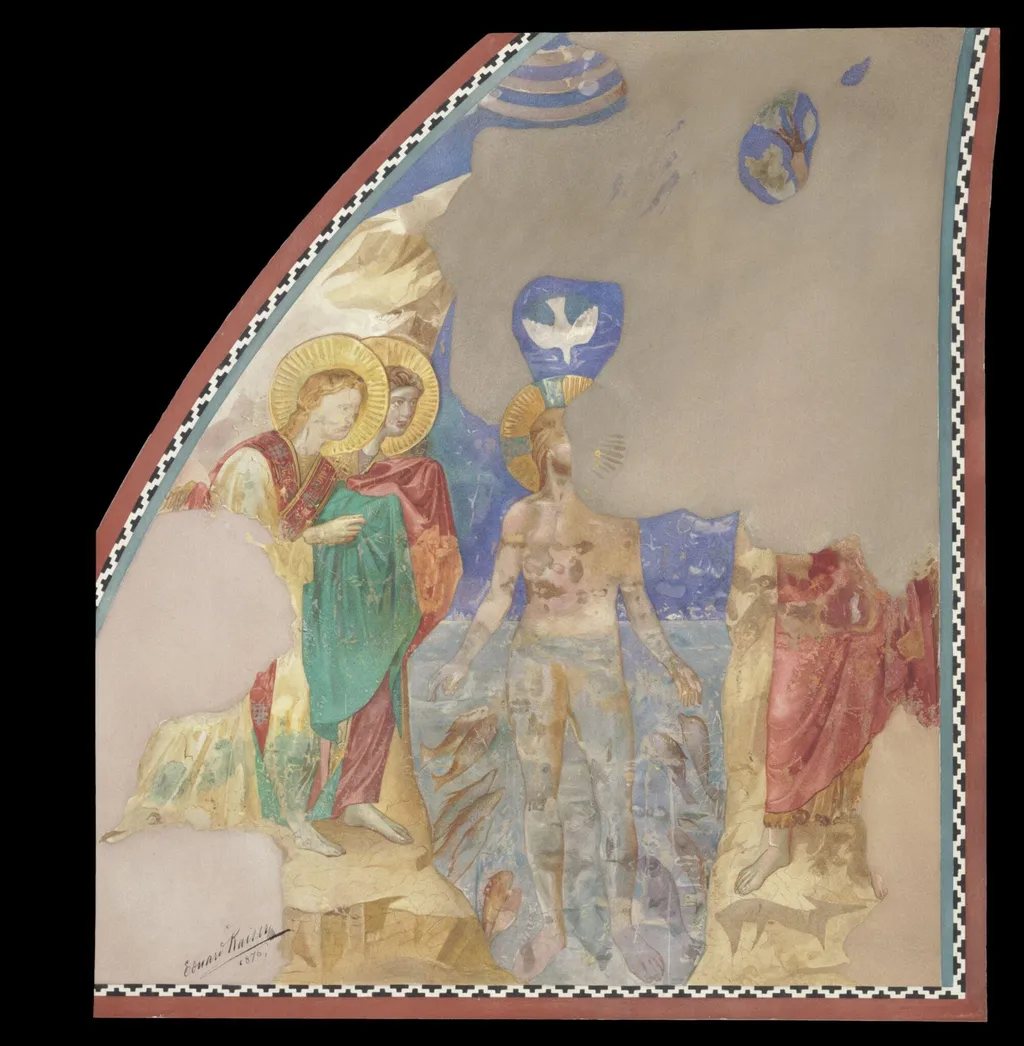
Copy after the painting The Baptism of Christ attributed to the Isaac Master in the Upper Church, San Francesco, Assisi is a watercolor work on paper by the Impressionist artist Edward Kaiser. It dates from 1876 and is held in the collection of the Victoria and Albert Museum.
About this work
Overview
This watercolour is a 19th-century copy of a fresco from the Upper Church of San Francesco in Assisi, executed by Edward Kaiser in 1876.
This watercolour is a 19th-century copy of a fresco from the Upper Church of San Francesco in Assisi, executed by Edward Kaiser in 1876. Commissioned by the Arundel Society to document medieval art, the work was never published. Kaiser’s version preserves the composition of the original attributed to the Isaac Master, but renders it in delicate, translucent washes, emphasizing atmosphere over detail.
Subject & Meaning
The scene depicts Christ’s baptism by John the Baptist, as described in the Gospels. Christ stands in the Jordan River, his head crowned by a luminous blue circle from which a dove emerges—the symbol of the Holy Spirit. To his left, John gestures toward him, while a third figure kneels on the right, partially obscured by rock. The arrangement underscores divine recognition and spiritual transition, rendered with quiet solemnity.
Technique & Style
Kaiser employed loose, fluid watercolour techniques to mimic the ethereal quality of the original fresco. Soft blends of blue, green, and earth tones create a hazy, otherworldly sky. The central figure’s form is suggested with minimal strokes, avoiding sharp definition. Areas of pigment have faded over time, enhancing the sense of transience and reinforcing the work’s documentary rather than decorative intent.
History & Provenance
Created in 1876 for the Arundel Society, a British organization dedicated to preserving medieval art through reproductions, this watercolour was part of an effort to make Italian frescoes accessible to scholars and the public. Though never printed or widely distributed, it was retained in the Society’s archive and later entered the Victoria and Albert Museum’s collection, where it remains today.
Context
In the 19th century, European institutions sought to document and disseminate medieval art before it deteriorated further. The Arundel Society commissioned artists like Kaiser to record frescoes in Italy, prioritizing accuracy over artistic embellishment. Kaiser’s copy reflects this scholarly impulse, capturing the Assisi fresco’s composition while acknowledging the limitations of watercolour in reproducing mural scale and permanence.
Legacy
Though not publicly exhibited in its time, Kaiser’s watercolour endures as a record of a 13th-century fresco now partially damaged. It offers insight into 19th-century conservation practices and the methods used to preserve visual knowledge before photography became widespread. Its presence in the V&A underscores its role as a historical document rather than an independent artistic achievement.
Artist & collection

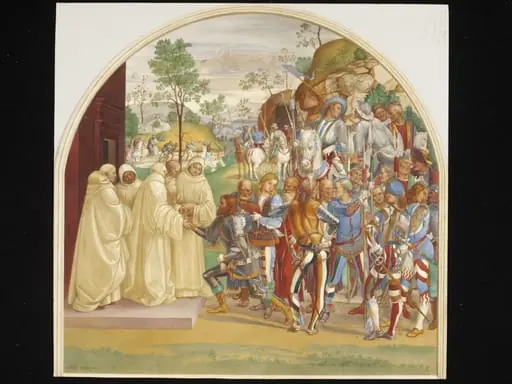 St Benedict and the True King Totila
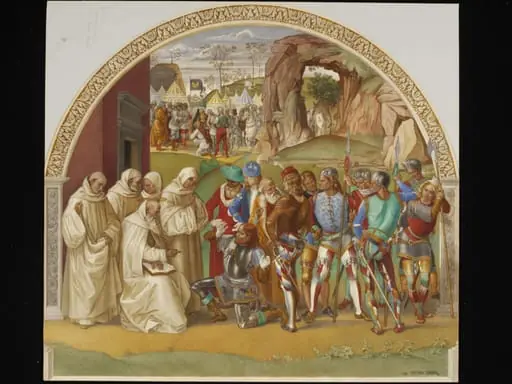 St Benedict and the False King Totila
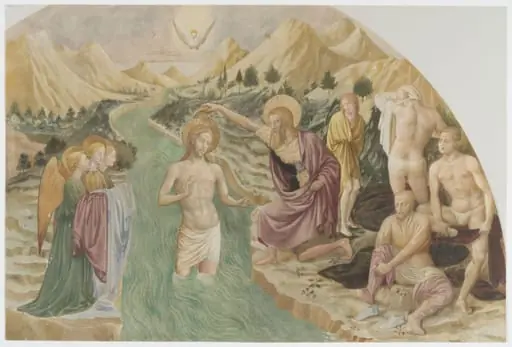 Copy after the painting Baptism of Christ by Masolino in Castiglione d'Olona
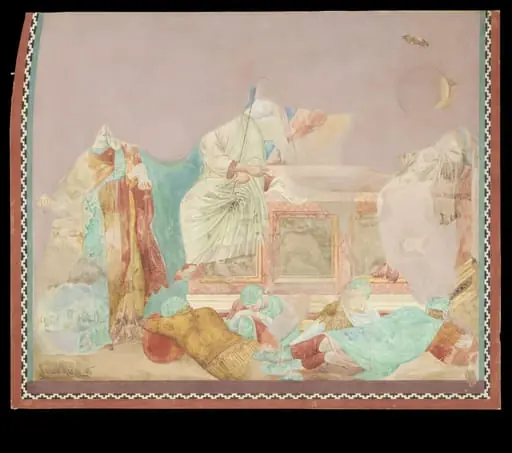 Copy after the painting The Maries at the Sepulchre attributed to the Isaac Master in the Upper Church, San Francesco, Assisi
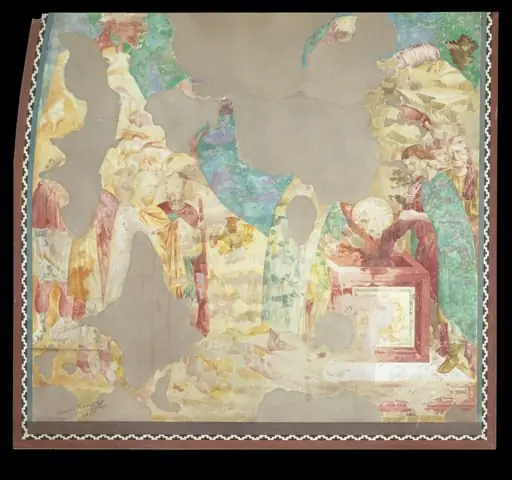 Copy after the painting Joseph and his brothers at the Well attributed to the Isaac Master in the Upper Church, San Francesco, Assisi
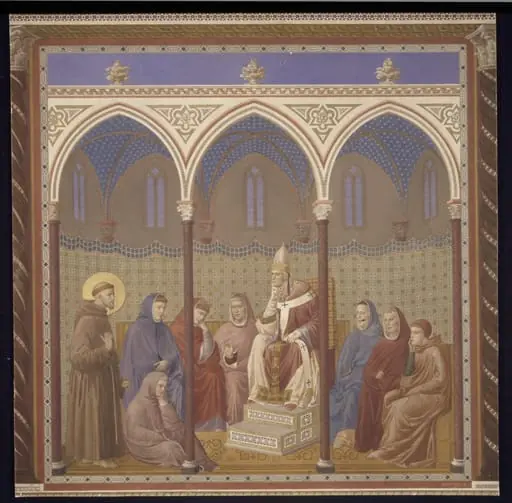 Copy after the painting St Francis before Pope Honorius by the Master of the St Francis cycle in the Upper Church, San Francesco, Assisi
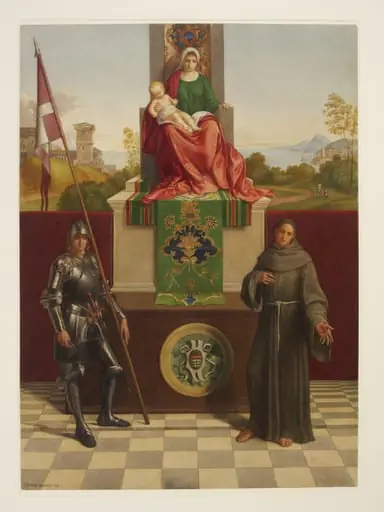 Copy after the painting Virgin and Child with Saints (Castelfranco Altarpiece) by Giorgione in S. Liberale, Castelfranco
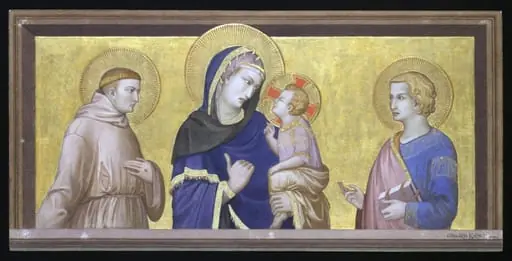 Copy after the painting Virgin and Child with St John and St Francis by Pietro Lorenzetti ??? in the Lower Church, San Francesco, Assisi
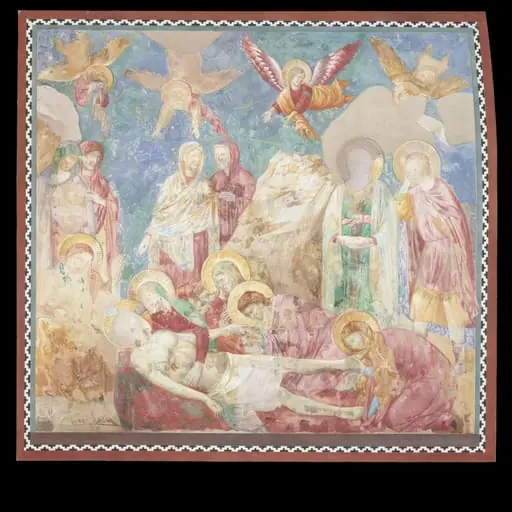 Copy after the painting The Pieta attributed to the Isaac Master in the Upper Church, San Francesco, Assisi
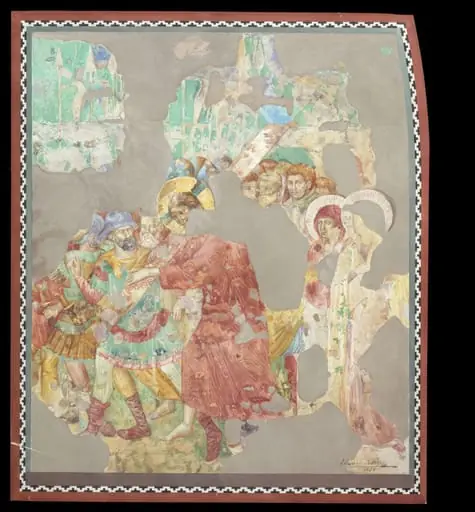 Copy after the painting Christ carrying the cross attributed to Jacobo Torriti in the Upper Church, San Francesco, Assisi
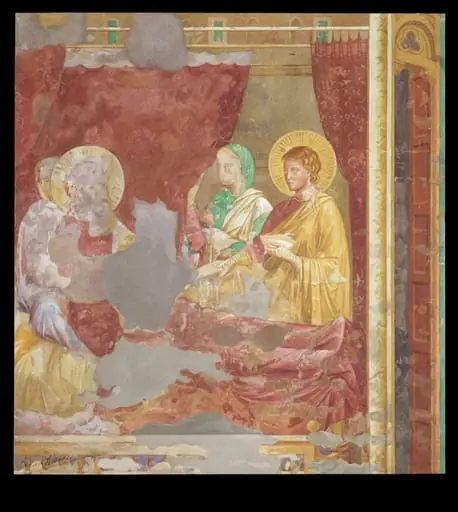 Copy after the painting Isaac blessing Jacob attributed to the Isaac Master in the Upper Church, San Francesco, Assisi.
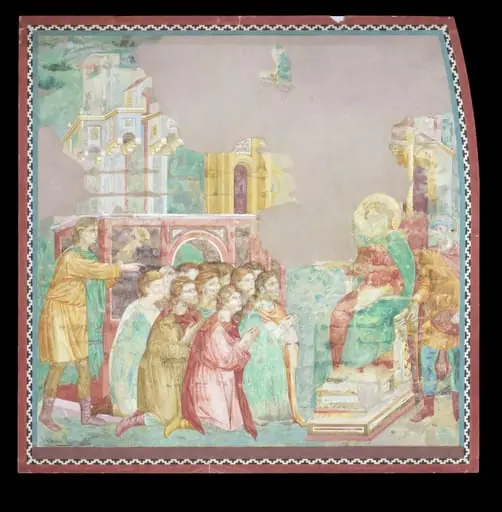 Copy after the painting Joseph and his brothers in Egypt attributed to the Isaac Master in the Upper Church, San Francesco, Assisi
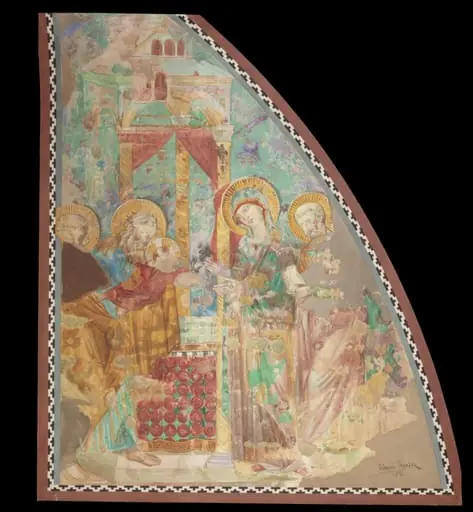 Copy after the painting The Presentation in the Temple attributed to Jacobo Torrit in the Upper Church, San Francesco, Assisi
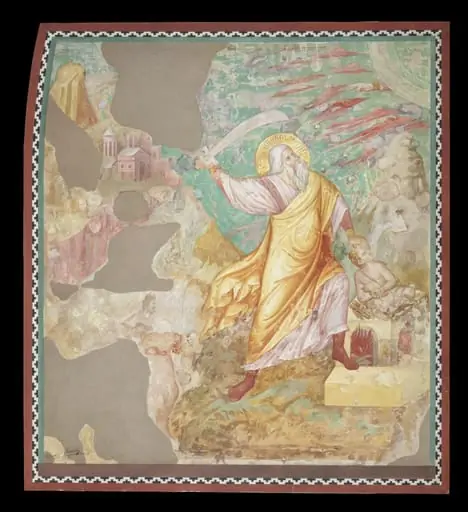 Copy after the painting Abraham Sacrificing Isaac attributed to Jacobo Torriti in the Upper Church, San Francesco, Assisi.
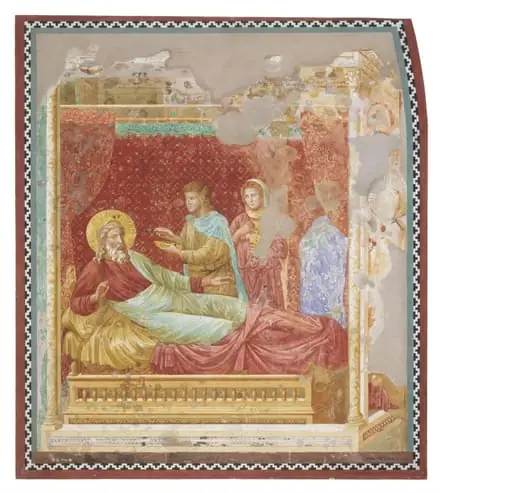 Copy after the painting Isaac rejecting Esau attributed to the Isaac Master in the Upper Church, San Francesco, Assisi.