Artwork
St Benedict and the True King Totila
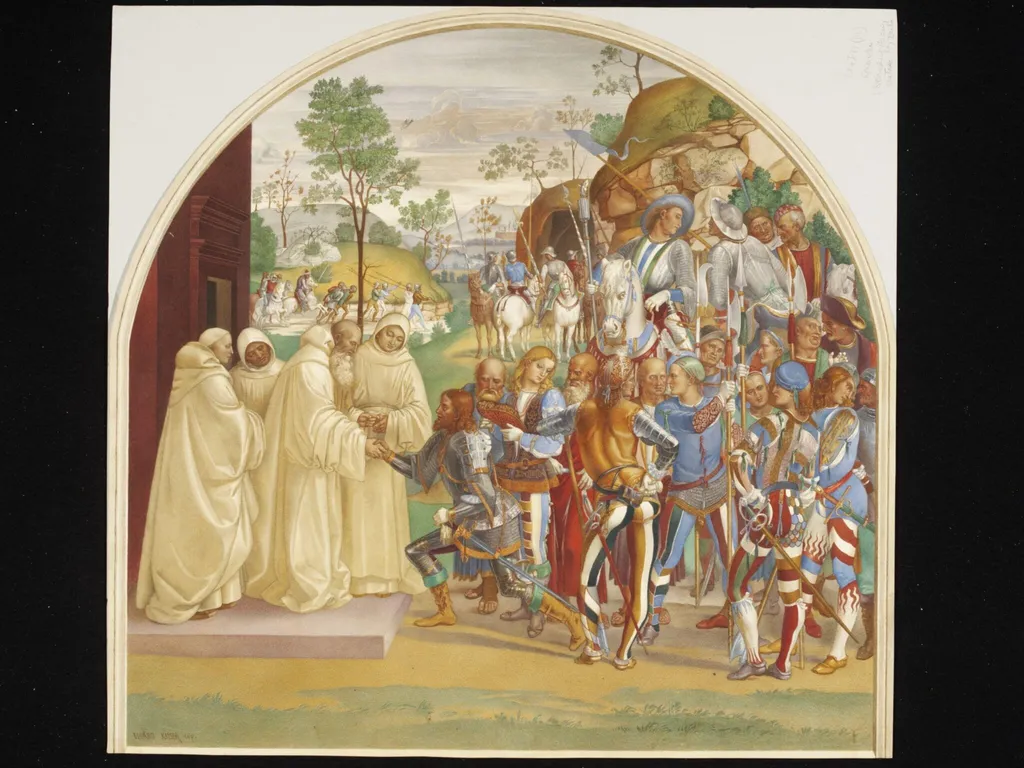
St Benedict and the True King Totila is a paint painting by the Impressionist artist Edward Kaiser. It dates from 1872 and is held in the collection of the Victoria and Albert Museum.
About this work
Overview
Kaiser’s version preserves the composition and tone of the earlier painting, capturing its narrative tension through careful rendering of figures and landscape.
A watercolor reproduction of the lost original painting, created by Eduard Kaiser in 1872, depicts a moment of encounter between monastic and military figures. Commissioned by the Arundel Society for potential publication, the work remained unpublished. Kaiser’s version preserves the composition and tone of the earlier painting, capturing its narrative tension through careful rendering of figures and landscape.
Subject & Meaning
The scene portrays Saint Benedict, leader of a monastic community, meeting Totila, the Ostrogothic king, outside a monastic complex. The monks, calm and robed in white, contrast with the armored soldiers, suggesting a moment of peaceful negotiation rather than conflict. The interaction implies a historical tradition of monastic diplomacy, where spiritual authority mediates secular power without coercion.
Technique & Style
Kaiser employed transparent watercolor to achieve luminous tones, emphasizing the white robes of the monks against the darker, metallic armor of the knights. Delicate brushwork defines textures of fabric and metal, while the background landscape is rendered with soft, atmospheric perspective. His technique reflects a 19th-century revivalist approach, blending medieval subject matter with academic precision and Romantic sensitivity to light.
History & Provenance
The original painting, now lost, was likely produced in the late medieval or early Renaissance period. Kaiser’s 1872 watercolor was made as a study for the Arundel Society, which aimed to document and disseminate early European art. Though intended for publication, the work was never released, and its current location is unknown, surviving only as a private copy.
Context
In the 19th century, European antiquarians sought to revive interest in pre-Renaissance religious and historical imagery. The Arundel Society commissioned reproductions of medieval artworks to preserve their visual culture. Kaiser’s work reflects this movement, positioning Saint Benedict’s encounter with Totila as a symbol of spiritual resilience amid political upheaval, resonating with contemporary ideals of moral authority.
Legacy
Though unpublished and largely overlooked, Kaiser’s watercolor remains a rare visual record of a lost medieval composition. It offers insight into how 19th-century artists interpreted historical religious narratives through a lens of romanticized realism. The piece contributes to the broader study of medieval iconography’s reception in the Victorian era, preserving a fragment of artistic memory.
Artist & collection

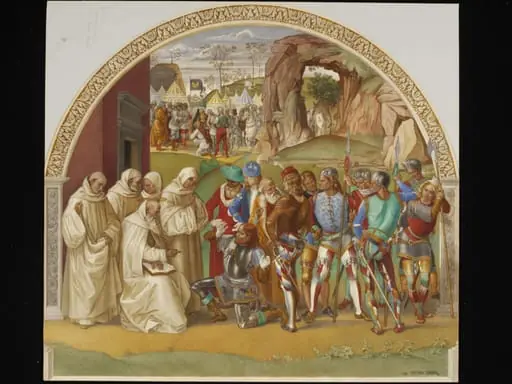 St Benedict and the False King Totila
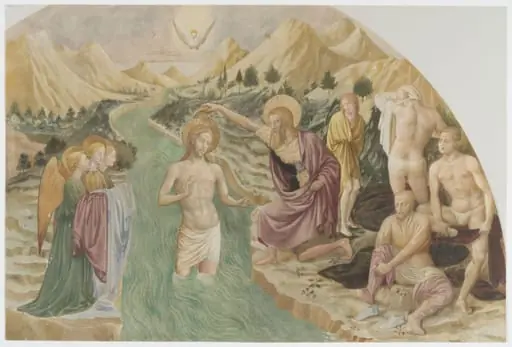 Copy after the painting Baptism of Christ by Masolino in Castiglione d'Olona
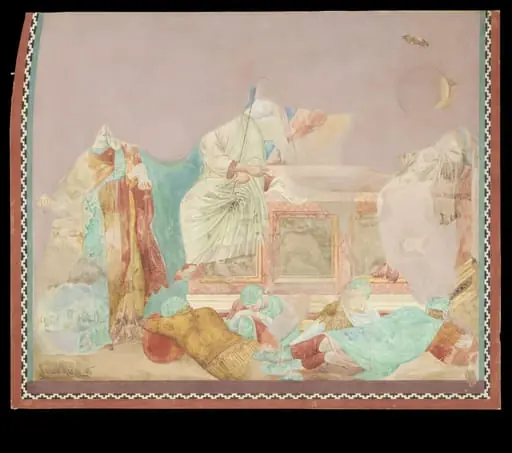 Copy after the painting The Maries at the Sepulchre attributed to the Isaac Master in the Upper Church, San Francesco, Assisi
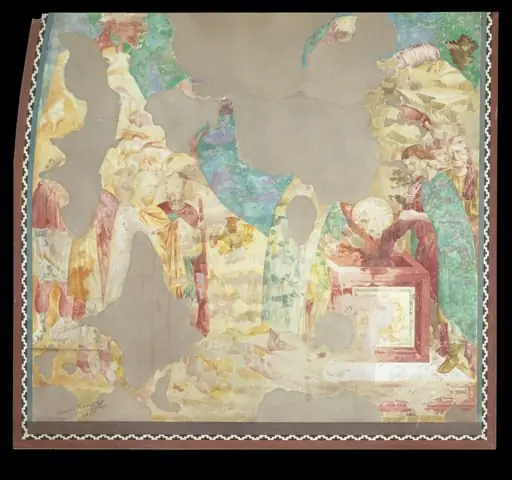 Copy after the painting Joseph and his brothers at the Well attributed to the Isaac Master in the Upper Church, San Francesco, Assisi
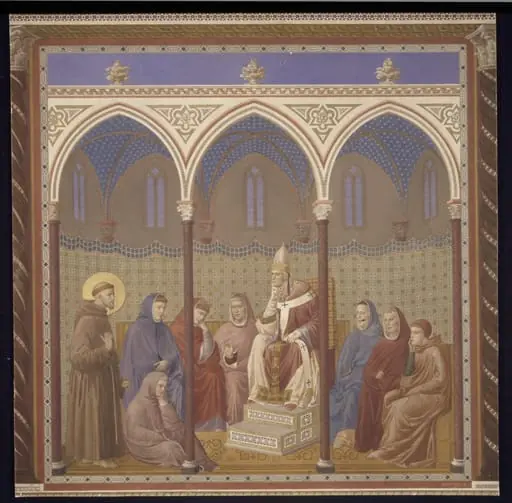 Copy after the painting St Francis before Pope Honorius by the Master of the St Francis cycle in the Upper Church, San Francesco, Assisi
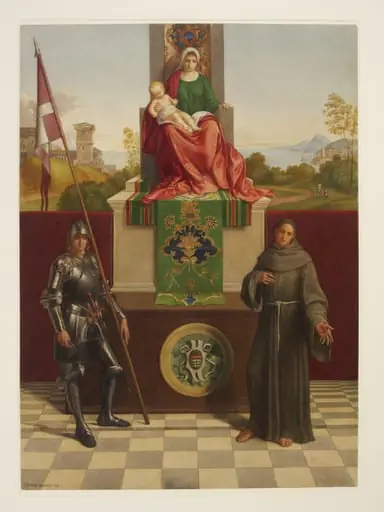 Copy after the painting Virgin and Child with Saints (Castelfranco Altarpiece) by Giorgione in S. Liberale, Castelfranco
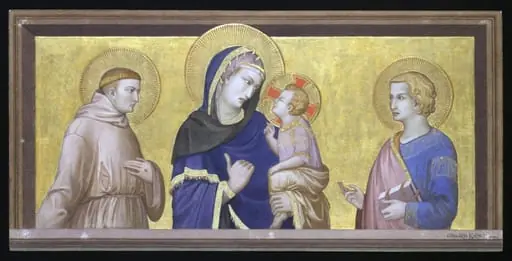 Copy after the painting Virgin and Child with St John and St Francis by Pietro Lorenzetti ??? in the Lower Church, San Francesco, Assisi
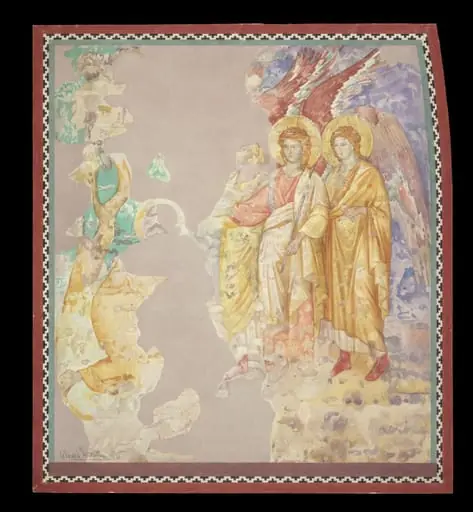 Copy after the painting The Expulsion attributed to Jacobo Torriti in the Upper Church, San Francesco, Assisi.
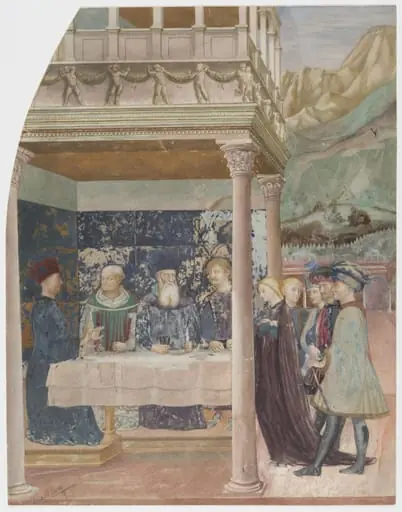 Copy after the painting The Daughter of Herodias before Herod by Masolino in Castiglione d'Olona
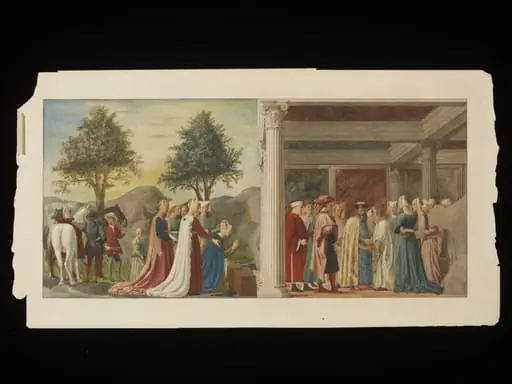 Arundel Society watercolour, Copy after the painting St Helena Finds the True Cross, by Piero della Francesca in San Francesco, Arezzo
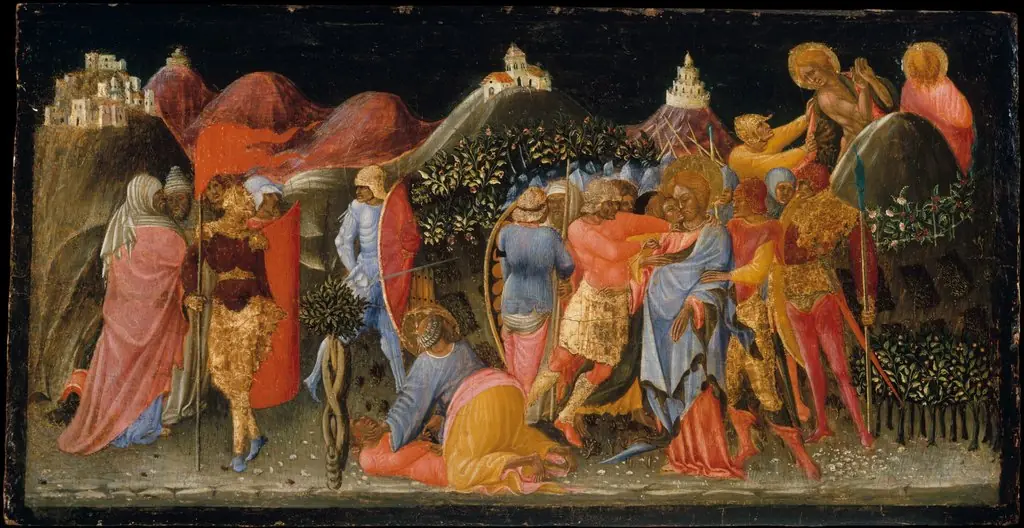 The Betrayal of Christ
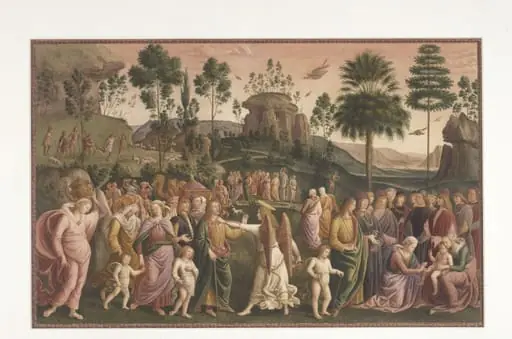 Copy after the painting Moses and the Angel by Perugino in the Collegio del Cambio, Perugia.
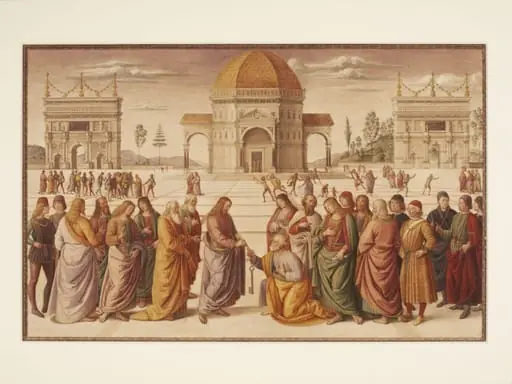 The Delivery of Keys to St Peter
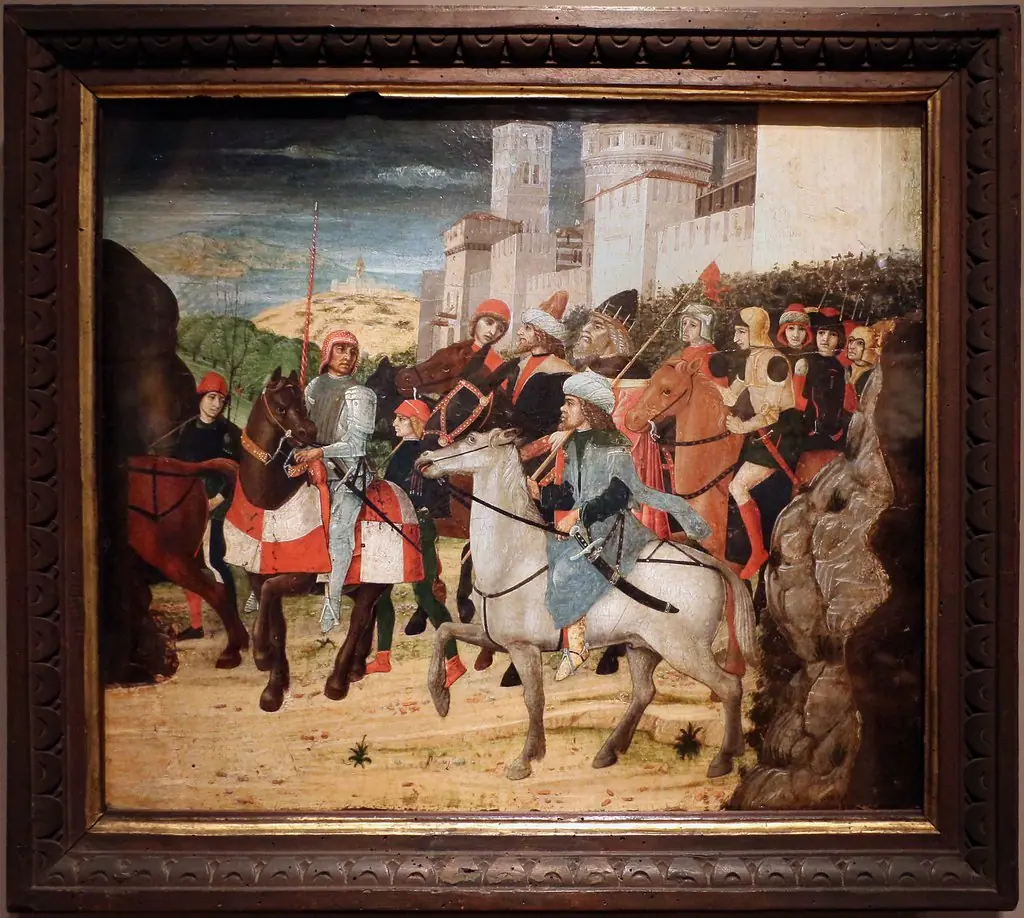 processione dei magi
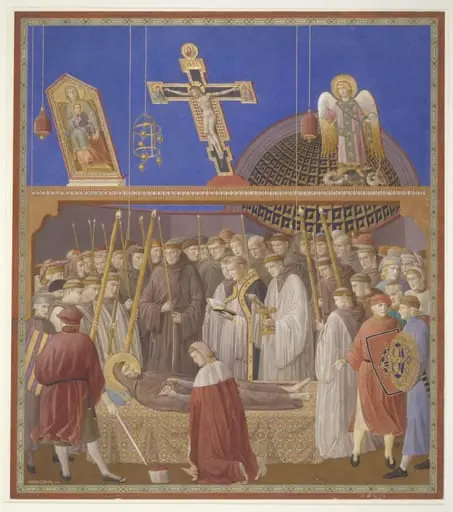 Copy after the painting Death of St Francis by the Master of the St Francis cycle in the Upper Church, San Francesco, Assisi
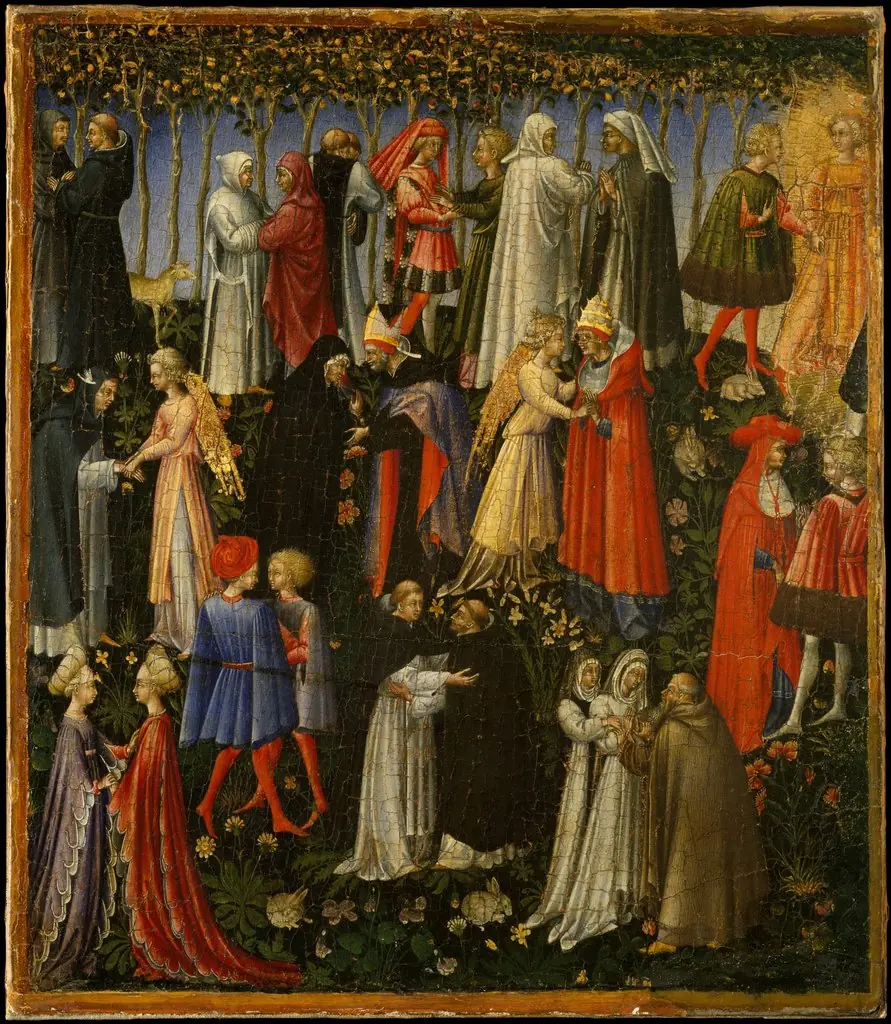 Paradise
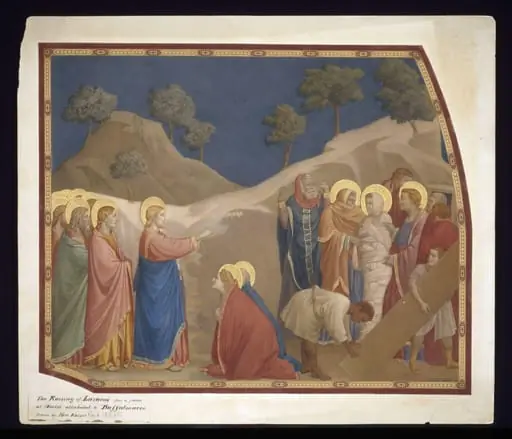 Copy after The Raising of Lazarus attributed to Buonamico di Martino called Buffamalco in the Lower Church of San Francesco (Assisi)
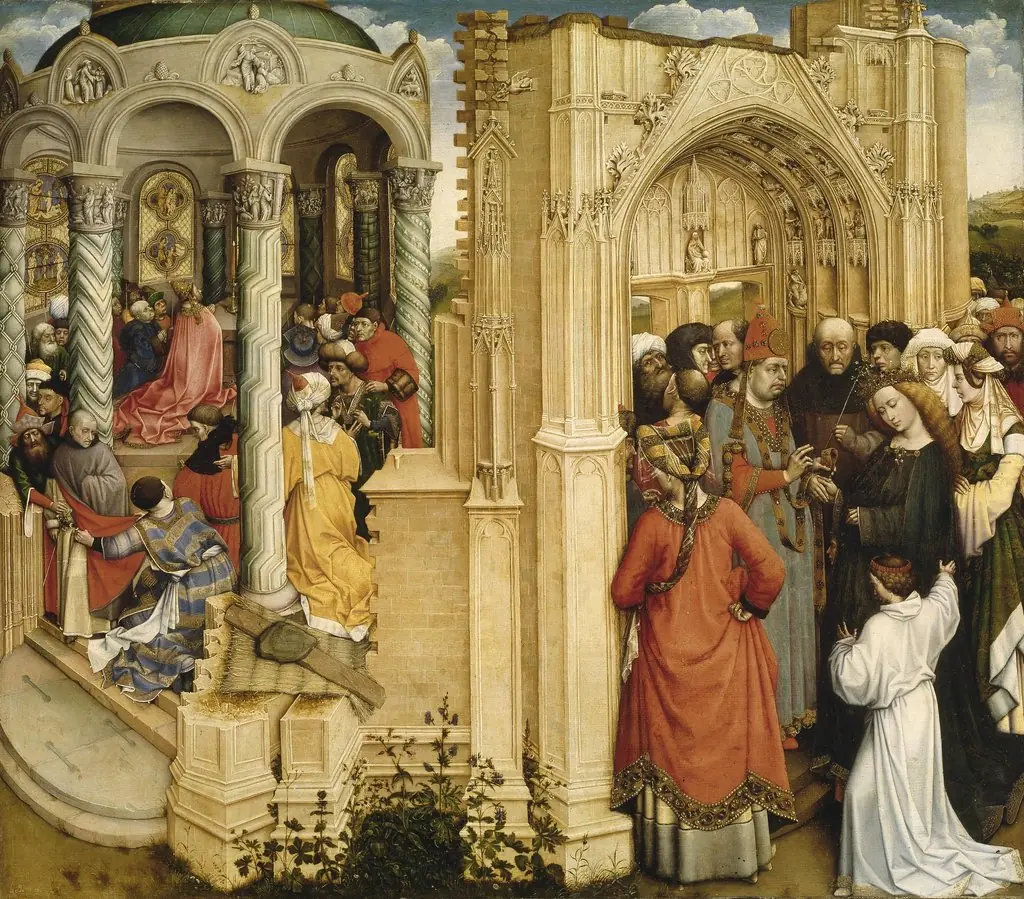 The miracle of the flowering rod (left); the marriage of Mary and Joseph (right)
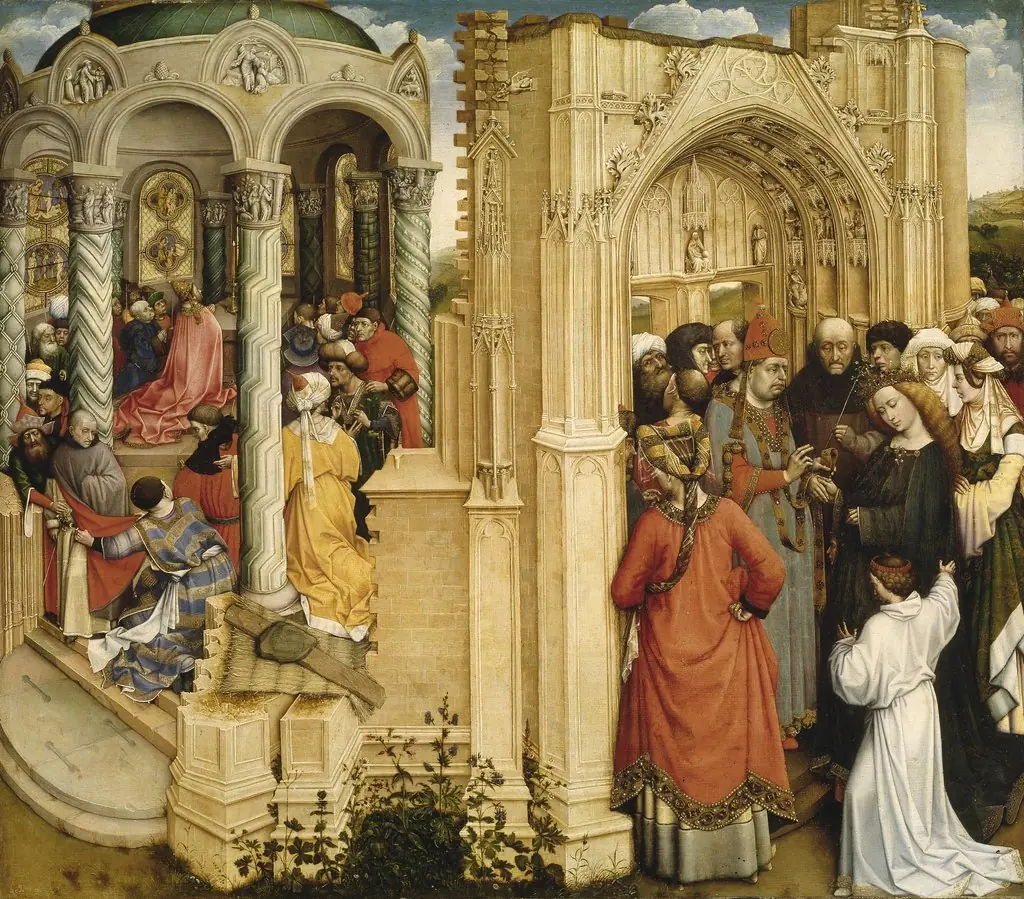 Marriage of the Virgin