Artwork
Landscape Composition
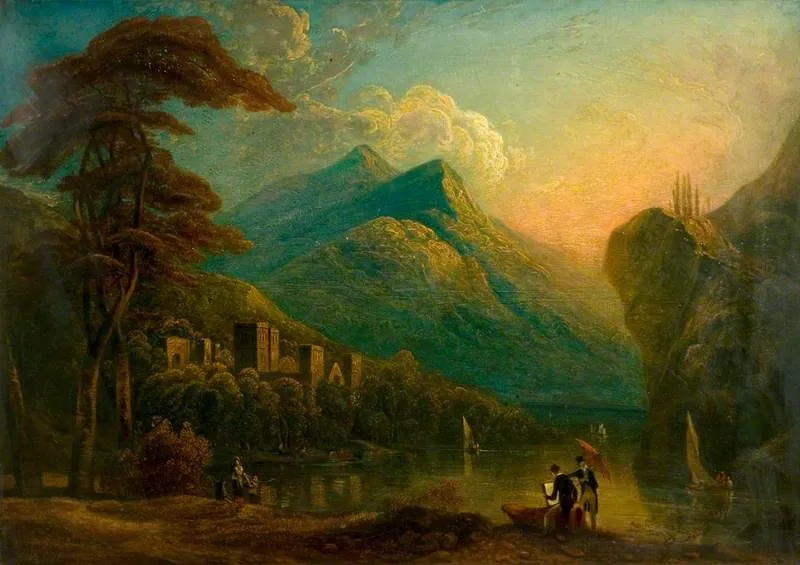
Landscape Composition is an oil painting by Edward Pryce Owen. It dates from 1835 and is held in the collection of the Victoria and Albert Museum.
About this work
Overview
Created circa 1835, this oil painting by Edward Pryce Owen presents a tranquil countryside scene. A broad expanse of water dominates the lower part of the canvas, bordered by trees and modest structures on the left and a distant mountain range on the right. The sky shifts between soft blues and warm yellows, contributing to a calm, bucolic atmosphere.
Subject & Meaning
The composition depicts a peaceful gathering of figures along the water’s edge, engaged in leisurely pursuits that suggest a harmonious relationship between people and nature. The juxtaposition of cultivated land, natural water, and distant peaks underscores themes of serenity and the idyllic rural life favored in early‑nineteenth‑century English landscape painting.
Technique & Style
Executed in oil on canvas, Owen employs a balanced palette of cool and warm tones to model light across the scene. Broad, fluid brushwork renders the sky and water, while finer detailing defines the trees, architecture, and human figures. The overall approach reflects the Romantic sensibility of the period, emphasizing atmospheric effects and a gentle, naturalistic representation.
History & Provenance
The painting entered the collection of the Victoria and Albert Museum, where it remains part of the institution’s holdings of 19th‑century British art.
Edward Pryce Owen, an English clergyman and the sole son of Archdeacon Hugh Owen, painted the work after his studies at St John’s College, Cambridge, and during his tenure as vicar of Wellington and later rector of Eyton upon the Weald Moors in Shropshire. The painting entered the collection of the Victoria and Albert Museum, where it remains part of the institution’s holdings of 19th‑century British art.
Artist & collection
Artist
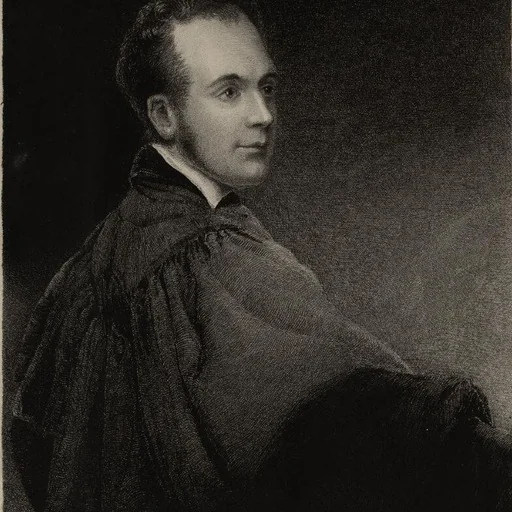
Edward Pryce Owen (3 March 1788 – 15 July 1863) was an English artist and Church of England clergyman.

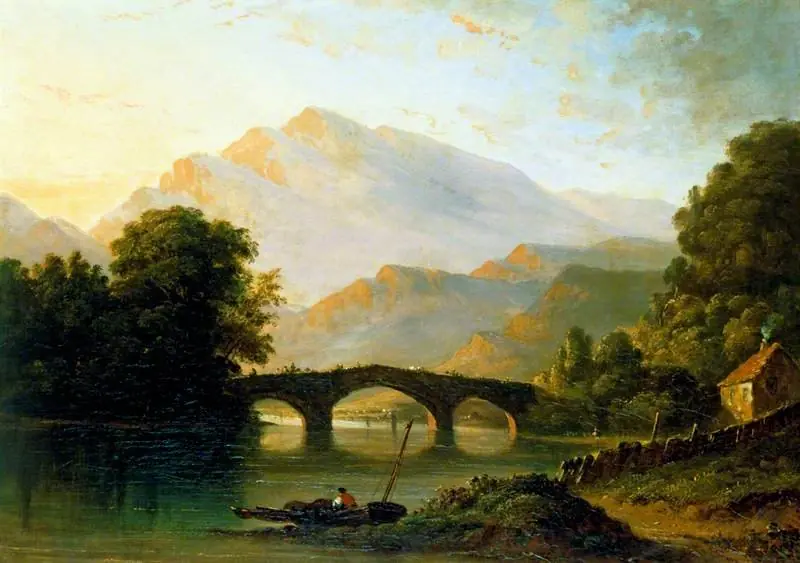 Callander Bridge, Perthshire
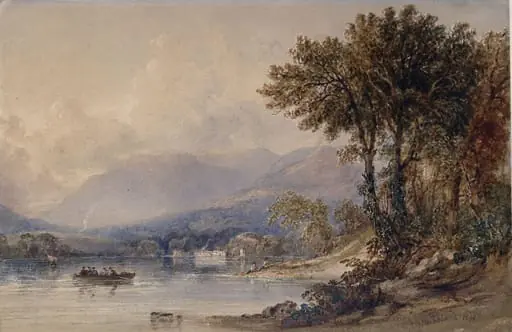 The Rydal mountains near the head of Windermere
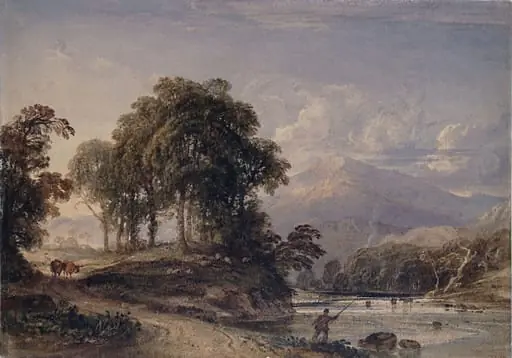 Moel Hebog, looking down the vale from Dinas Emrys, near Beddgelert
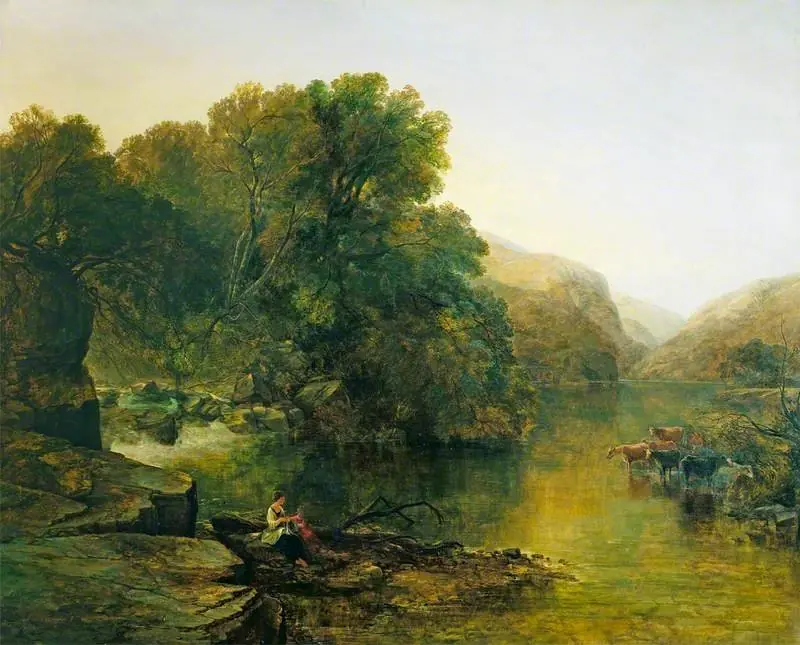 A Summer's Afternoon
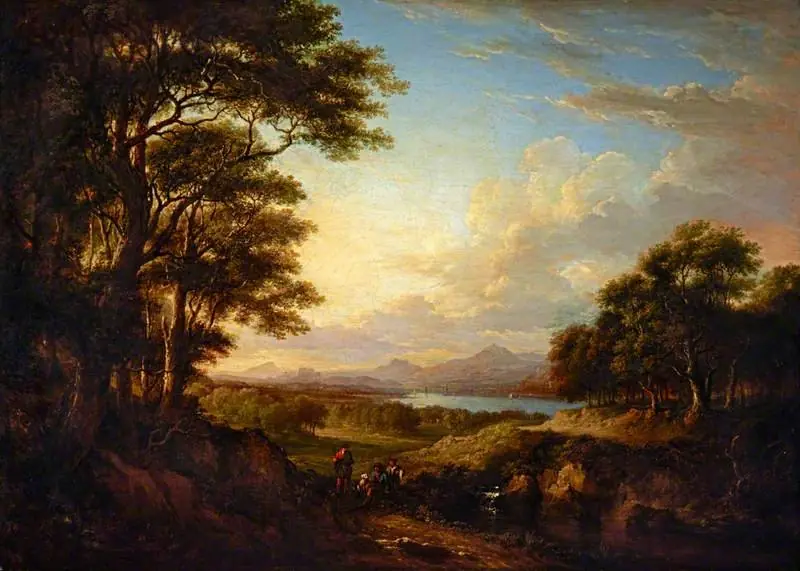 A Distant View of Stirling
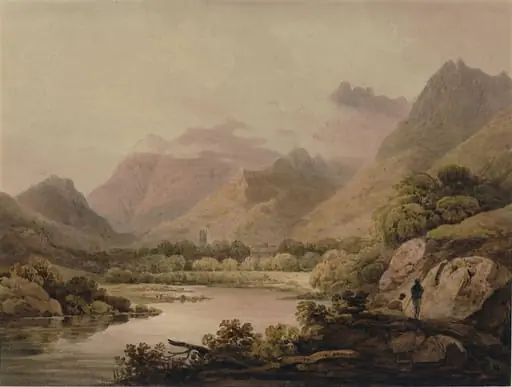 Ghirimeer on the Upper Lake of Killarney
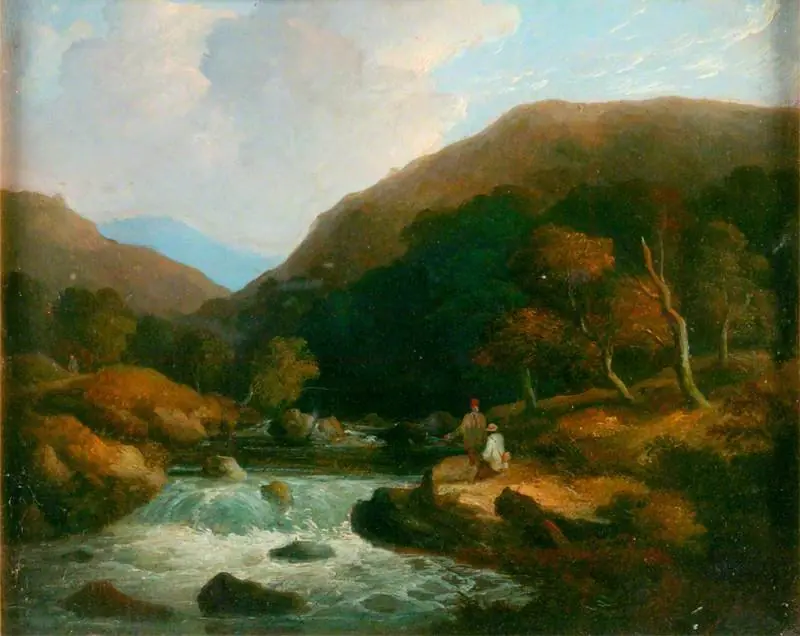 On the Okement, Devon
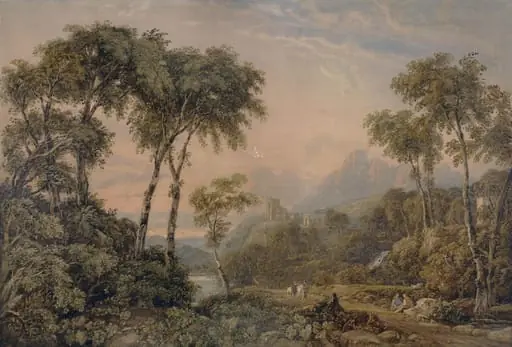 Landscape with Ruined Temple: Sunrise
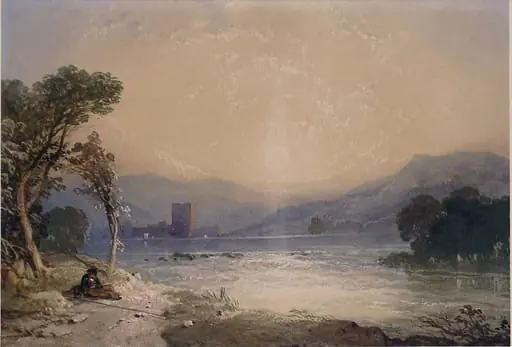 Lochleven Castle
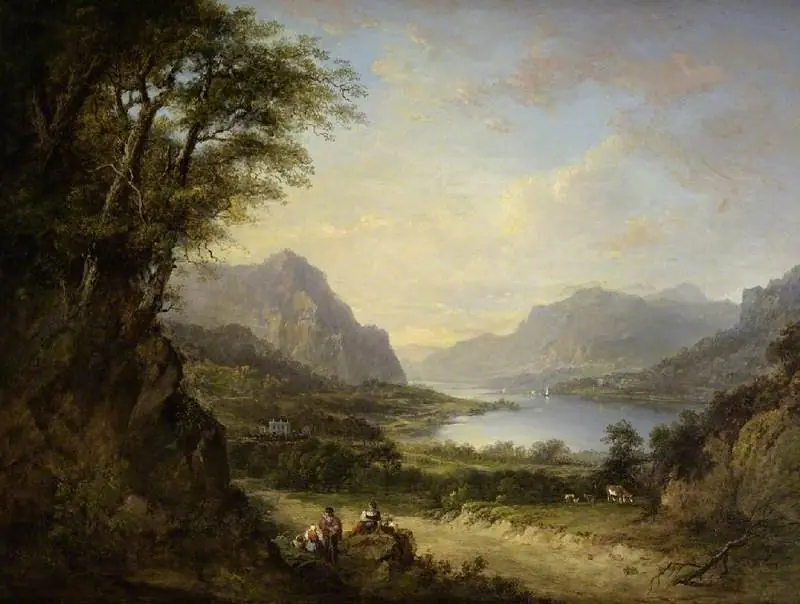 Loch Doon, Ayrshire
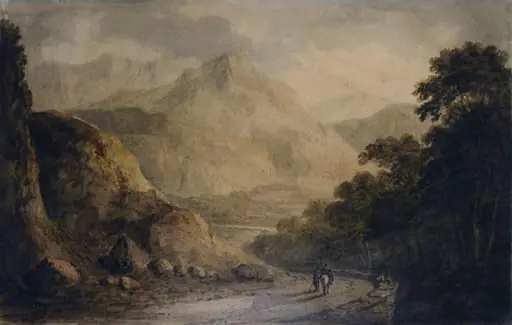 Road leading to Pont Aberglaslyn: View looking into the Vale of Festiniog, North Wales
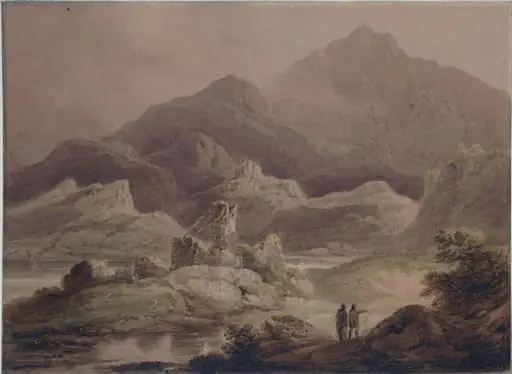 Loch Awe and Ben Cruachan