Artwork
Oberwesel on the Rhine
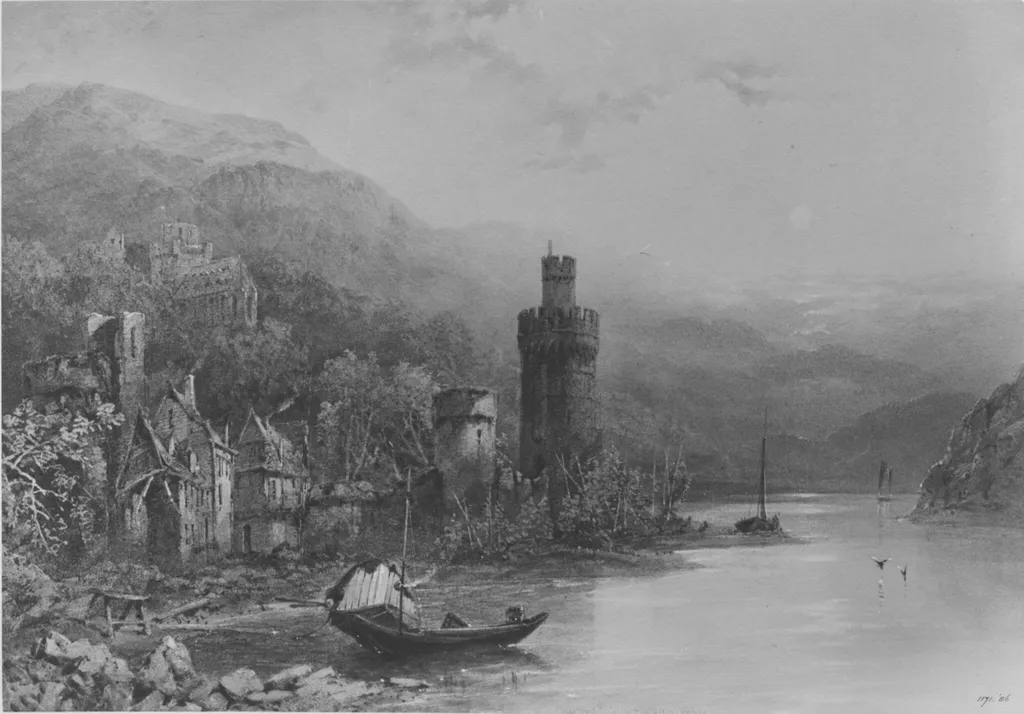
Oberwesel on the Rhine is a watercolor work on paper by the Impressionist artist Edward Richardson. It dates from 1856 and is held in the collection of the Victoria and Albert Museum.
About this work
Overview
Rendered in delicate washes, the scene captures a quiet moment along the riverbank, emphasizing atmospheric effects over dramatic action.
Edward Richardson created this watercolour in 1856, depicting the Rhine River town of Oberwesel. The work is signed and dated by the artist, confirming its origin. Rendered in delicate washes, the scene captures a quiet moment along the riverbank, emphasizing atmospheric effects over dramatic action. The composition balances natural elements with human settlement, reflecting a quiet engagement with the landscape.
Subject & Meaning
Oberwesel appears as a modest riverside settlement, its clustered houses with steep roofs hugging the water’s edge. A lone boat drifts near the shore, suggesting quiet daily life. The crumbling tower, likely a remnant of medieval fortifications, hints at the town’s layered history. The misty mountains in the distance evoke a sense of timelessness, framing the village as a small, enduring presence within a vast, changing landscape.
Technique & Style
Richardson employed soft, layered watercolour washes to suggest shifting light and atmospheric depth. The distant hills fade gently into haze, while the foreground retains subtle detail without sharp definition. This technique avoids harsh outlines, creating a luminous, almost ethereal quality. The watercolour medium allowed for fluid transitions between land, water, and sky, reinforcing the scene’s tranquil mood.
History & Provenance
The watercolour was completed during Richardson’s travels along the Rhine, a region popular with 19th-century British artists seeking picturesque subjects. While its immediate provenance after 1856 is undocumented, its survival suggests it was retained by the artist or a private collector. The piece reflects a broader 19th-century interest in documenting European landscapes with observational precision.
Context
In the mid-1800s, watercolour was widely used by amateur and professional artists alike to record travel experiences. Richardson’s work aligns with the British tradition of topographical watercolour, which valued accuracy and mood over idealization. Oberwesel, though modest, was part of a cultural landscape increasingly viewed through the lens of Romanticism and historical preservation.
Legacy
Though not widely exhibited or reproduced, Richardson’s watercolour contributes to a quiet archive of 19th-century Rhine views. It exemplifies how artists captured everyday places with sensitivity, avoiding grandeur in favor of subtle observation. The work remains a testament to the value placed on personal, intimate responses to landscape during an era of rapid industrial and social change.
Own this work as a print
Artist & collection

Artist
Edward Richardson was a New Zealand civil and mechanical engineer, and Member of Parliament.

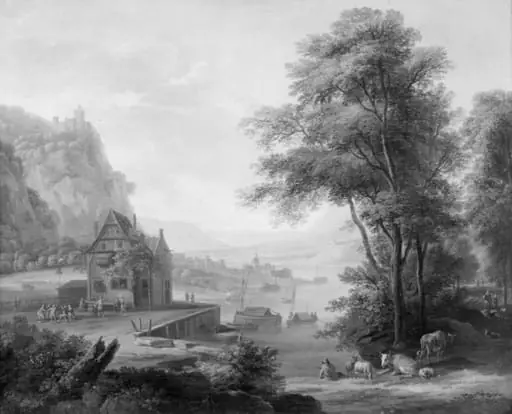 Public House by the Rhine
 A Fortified Dutch Town
 A Fortified Dutch Town
 Mountain Scene with a River
 Voyages pittoresques et romantiques dans l'ancienne France. Bretagne: Chateau de Clisson
 River Scenery
 Mountainous river valley with a fair
 Mountain Scene with a River
 Landscape in Tyrol
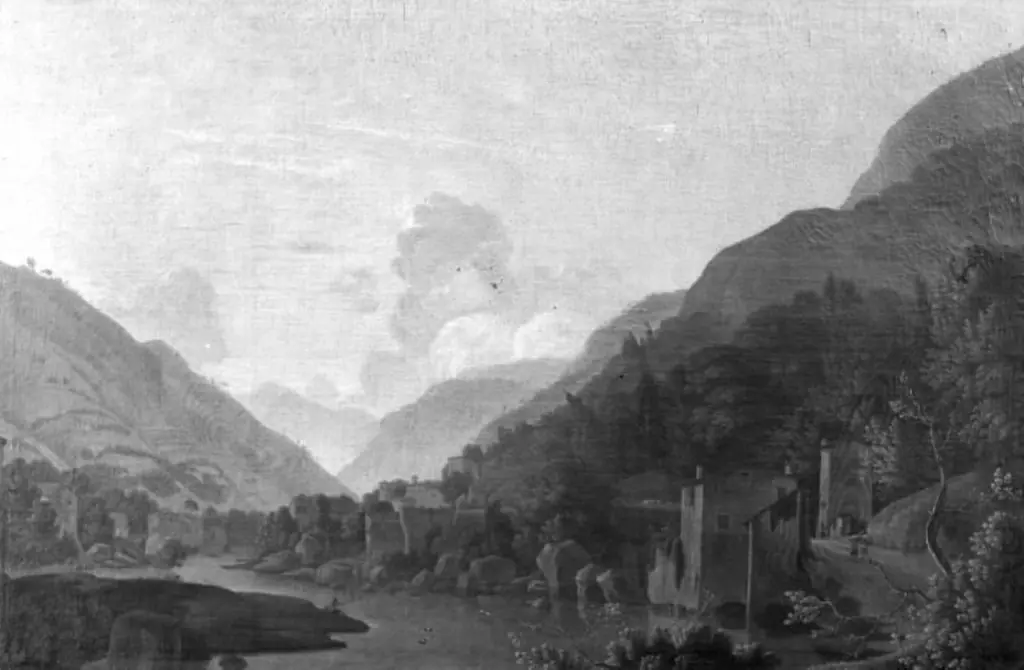 Landscape in Tyrol
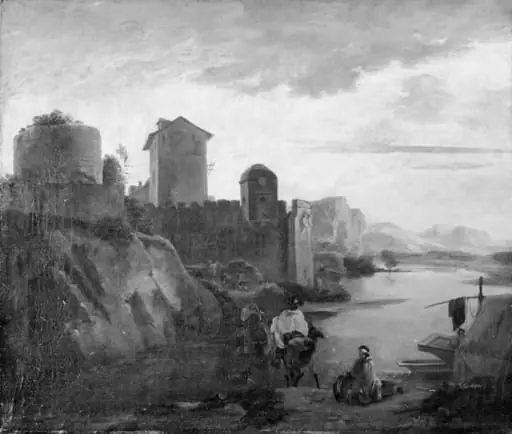 Landscape with Travellers
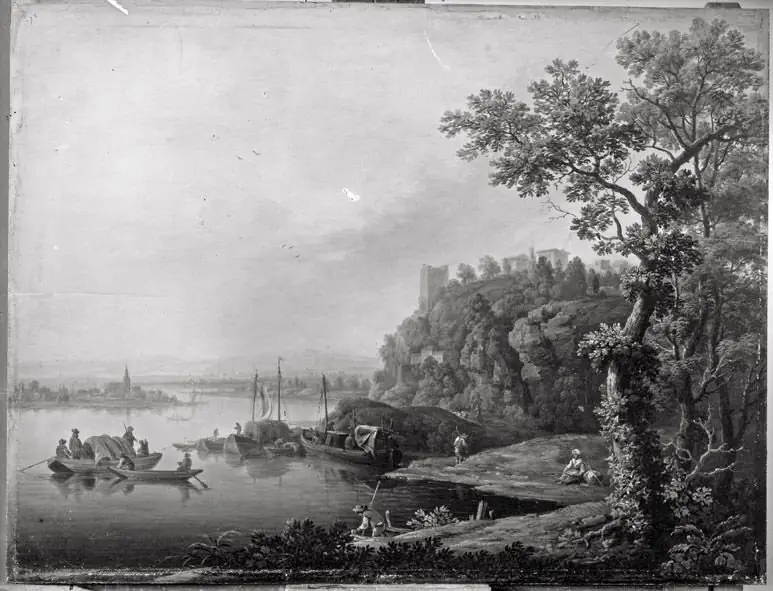 Rhine Landscape