Artwork
A Fortified Dutch Town
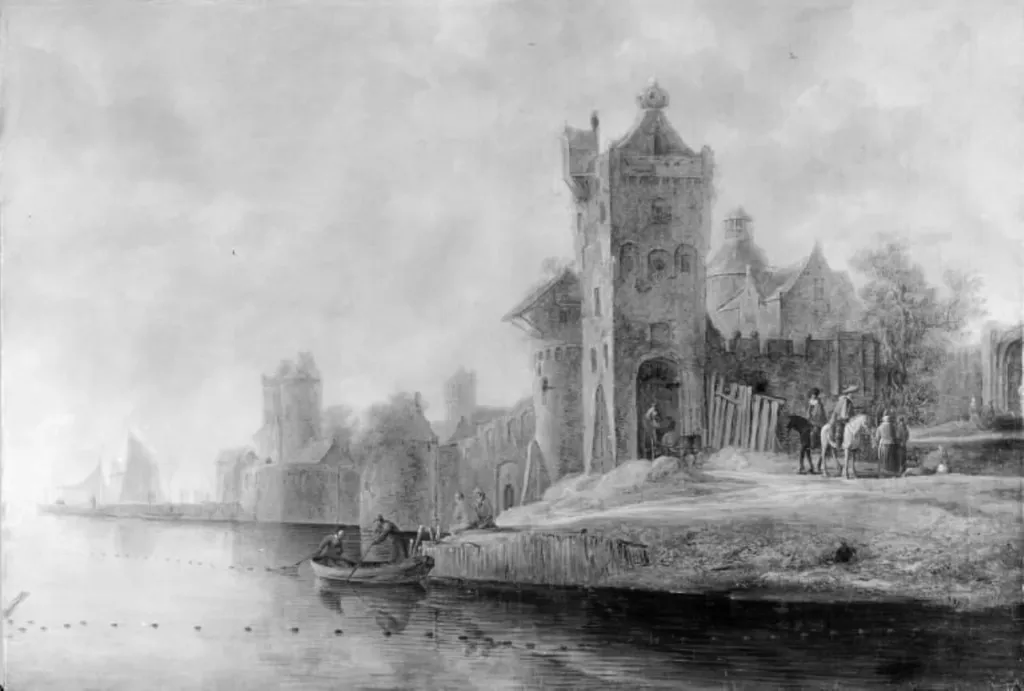
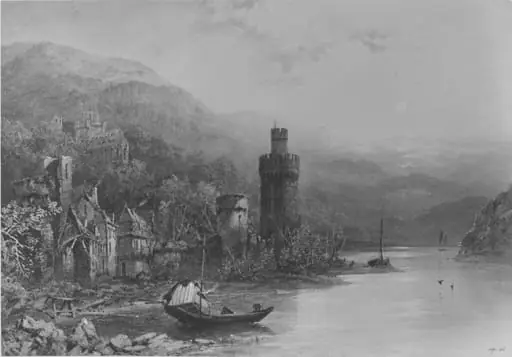
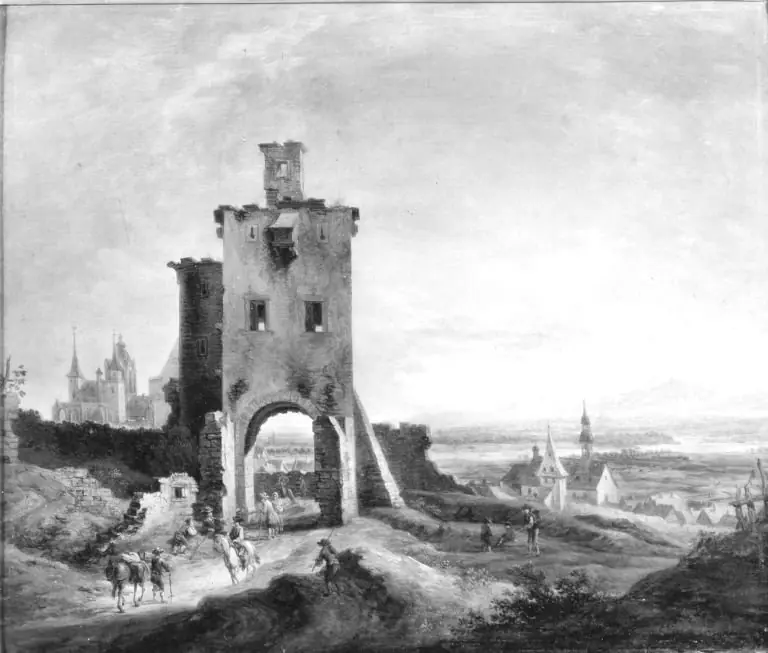
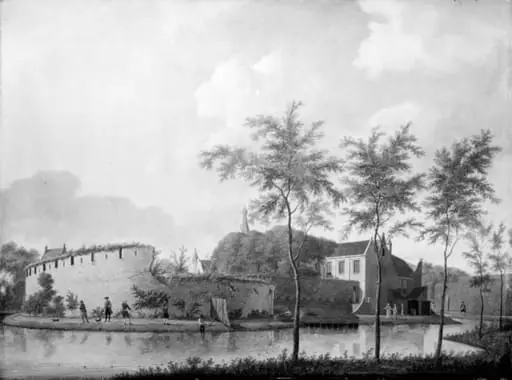
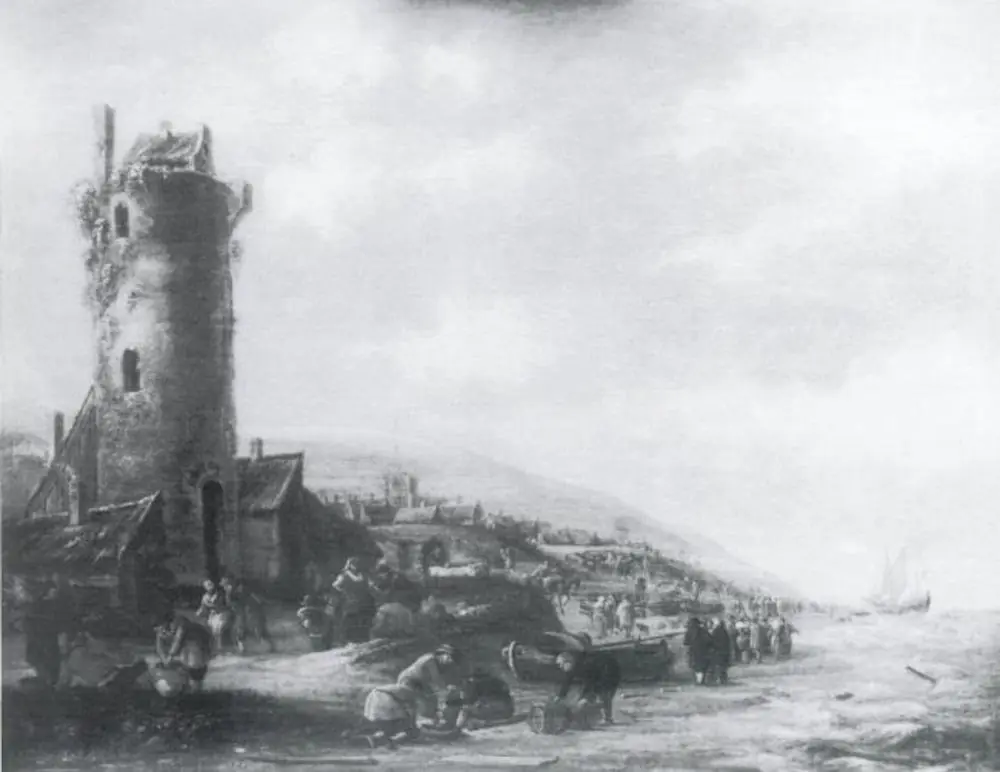
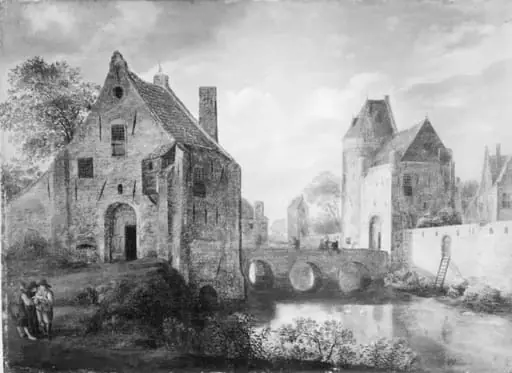
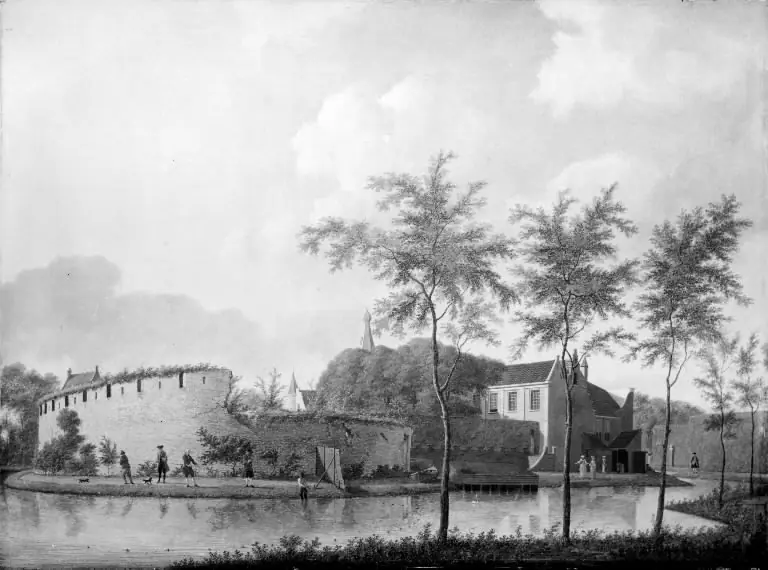
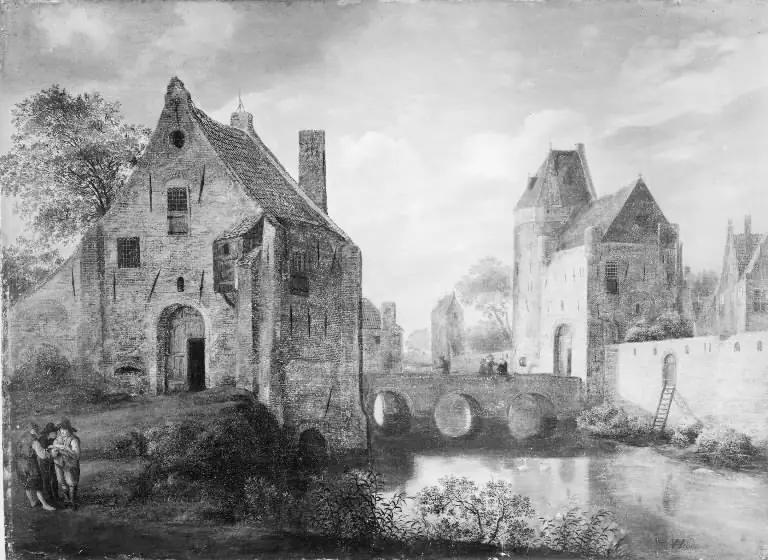
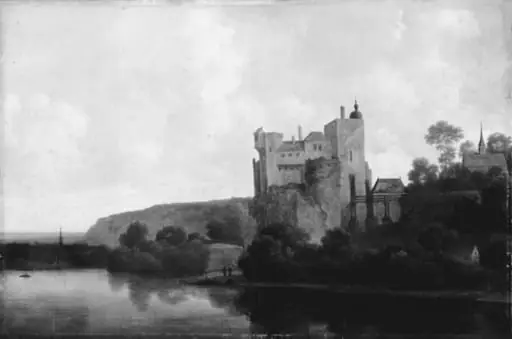
A Fortified Dutch Town is a photography by Unknown. It dates from 1657 and is held in the collection of the Statens Museum for Kunst. Created around 1657, this drawing depicts a quiet Dutch riverside settlement enclosed by defensive stone walls.
About this work
Overview
Created around 1657, this drawing depicts a quiet Dutch riverside settlement enclosed by defensive stone walls.
Created around 1657, this drawing depicts a quiet Dutch riverside settlement enclosed by defensive stone walls. Rendered in delicate, hand-drawn lines, the scene lacks sharp contours, favoring a soft, atmospheric quality. The work is held in the collection of the Museum of Ethnography and reflects a topographical interest common in 17th-century Dutch draftsmanship, where landscape and architecture are observed with quiet precision.
Subject & Meaning
The scene presents a modest fortified town, its towers and narrow windows suggesting civic defense rather than grandeur. Figures near the water—a boat with two occupants, riders, and pedestrians—hint at daily life without narrative emphasis. The absence of activity or drama conveys stillness, possibly reflecting the calm after conflict or the routine rhythm of provincial Dutch communities during the Golden Age.
Technique & Style
The artist employed subtle shading and loose, sketchlike strokes to model forms, avoiding hard outlines. Buildings emerge through gradations of tone against a pale sky, creating depth without heavy contrast. The technique resembles preparatory drawing more than finished illustration, emphasizing observation over polish. The soft rendering of architecture and water suggests an interest in light and atmosphere over architectural detail.
History & Provenance
The drawing entered the Museum of Ethnography’s collection without clear documentation of its early ownership. Its origin as a standalone work or part of a larger album remains uncertain. Though attributed to an artist identified by a numeric code, no biographical records confirm the hand behind it, leaving its creation context partially obscured despite its clear stylistic ties to Dutch drawing traditions of the mid-17th century.
Context
In mid-1600s the Netherlands, towns were often fortified due to regional instability, yet many such defenses had become symbolic rather than military. Artists frequently recorded these structures as part of a broader interest in local geography and civic identity. This drawing aligns with a genre of topographical sketches made by amateur and professional draftsmen who documented the Dutch landscape with quiet, empirical care.
Legacy
Though not widely exhibited or reproduced, the work contributes to a quiet archive of Dutch observational drawing from the period. Its unassuming character reflects a tradition where landscape and architecture were recorded not for spectacle but for record-keeping and personal study. It remains a modest example of how everyday scenes were preserved through skilled, restrained draftsmanship.
Artist & collection

 Domestic Scene
 Giacomo and Cardinal Marco, investing Andrea, Abbot of San Zeno, with his Benefice
 The Nymph of Fontainebleau
 Portrait of a Woman
 Madonna and Child with Saints in the Enclosed Garden
 Venus and Minerva
 Family Group of Four on Sofa
 Wall painting from Room H of the Villa of P. Fannius Synistor at Boscoreale