Artwork
Mendicants of the Roman Campagna
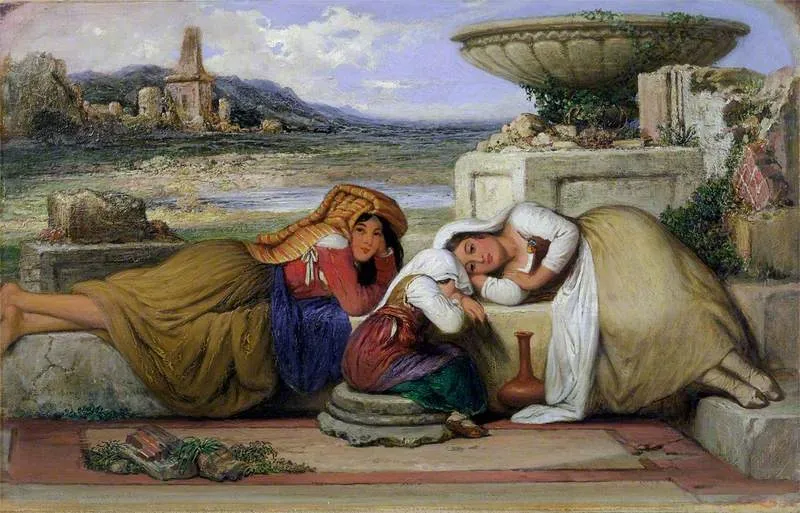
Mendicants of the Roman Campagna is an oil painting by the British Romanticist artist Edward Villiers Rippingille. It dates from 1840 and is held in the collection of the Victoria and Albert Museum.
About this work
Overview
Painted in 1840 by English artist Edward Villiers Rippingille, this oil on canvas captures a quiet moment in the Roman Campagna, the rural landscape near Rome.
Painted in 1840 by English artist Edward Villiers Rippingille, this oil on canvas captures a quiet moment in the Roman Campagna, the rural landscape near Rome. The scene portrays three women—apparently itinerant laborers or beggars—resting among ancient stone fragments. The artist signed and dated the work on a stone in the foreground, noting both Rome and London as points of creation, reflecting his movement between the two cities.
Subject & Meaning
The figures—two women and a child—are depicted in repose, their postures suggesting exhaustion or temporary respite rather than active begging. Dressed in simple, faded garments, they blend into the ruined landscape, their humanity emphasized by their vulnerability. The setting, steeped in classical decay, implies a quiet commentary on the passage of time and the persistence of poverty amid historical grandeur.
Technique & Style
Rippingille employs chiaroscuro to model the figures and ruins with soft contrasts of light and shadow, lending volume and a sense of stillness. The palette is muted, dominated by earth tones and subdued blues and reds, reinforcing the scene’s somber calm. Brushwork is deliberate but unobtrusive, favoring atmospheric cohesion over fine detail, aligning the work with early 19th-century British interest in Italianate genre scenes.
History & Provenance
The painting was completed in Rome in 1840 and later brought to London, where Rippingille added a second date in 1844. It entered the Victoria and Albert Museum’s collection as part of its broader acquisition of 19th-century British art. Displayed in the British Galleries, it reflects the museum’s interest in documenting British artists’ engagement with continental subjects during the Grand Tour era.
Context
During the 1830s and 1840s, British artists increasingly traveled to Italy, drawn by its ruins and rural life. Rippingille’s depiction of mendicants aligns with a broader trend of portraying the poor with dignity, avoiding overt sentimentality. The Roman Campagna, once a symbol of imperial glory, had by this time become a site of rural hardship, offering artists a layered backdrop for human narrative.
Legacy
Though not widely known today, the painting remains a quiet example of how British artists interpreted Italian landscapes through the lens of social observation. It contributes to the understanding of genre painting’s evolution in the mid-19th century, where everyday life, especially among marginalized groups, was rendered with restrained empathy rather than theatricality.
Artist & collection
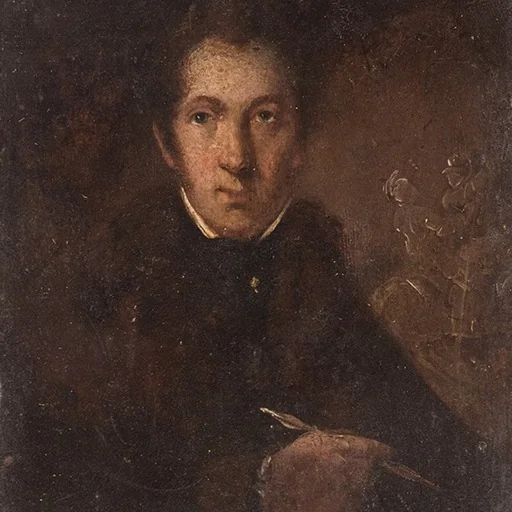
Artist
Edward Villiers Rippingille (c. 1790 - 22 April 1859) was an English oil painter and watercolourist who was a member of the informal group of artists which has come to be known as the Bristol School. In that group he…

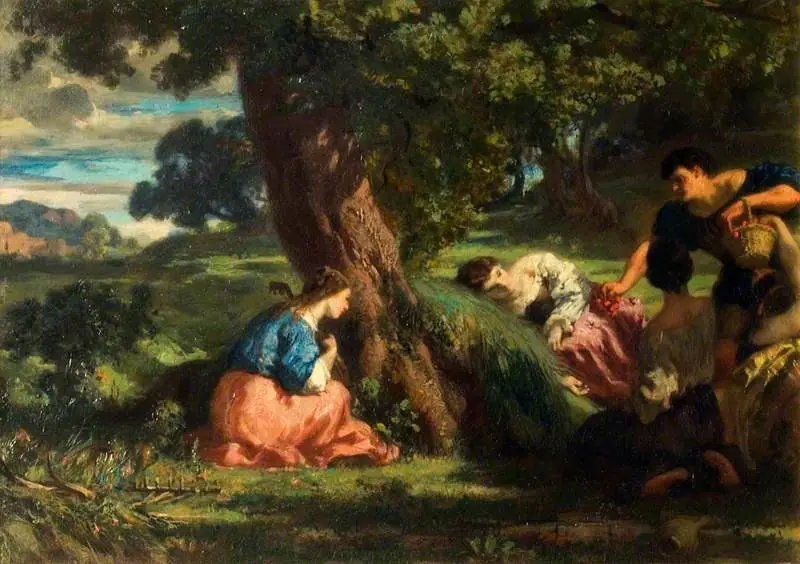 Cherries: A Group of Young Women in a Landscape, One of Them Holding a Basket of Cherries
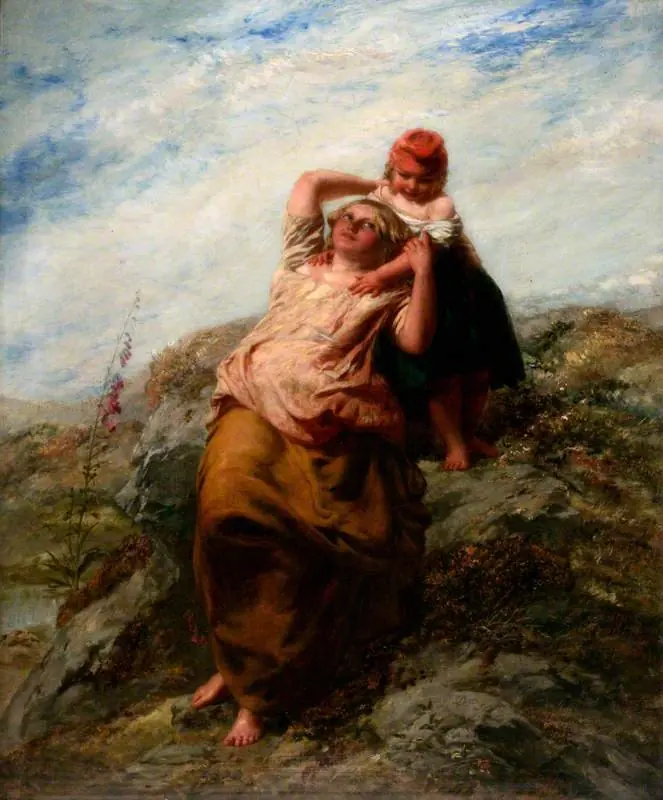 The Rugged Path
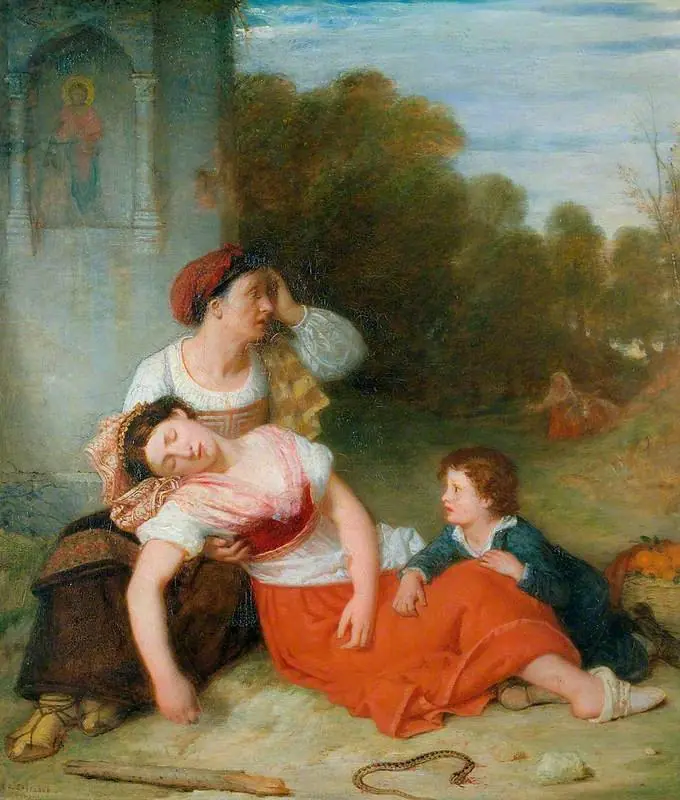 A Peasant Woman Fainting from the Bite of a Serpent
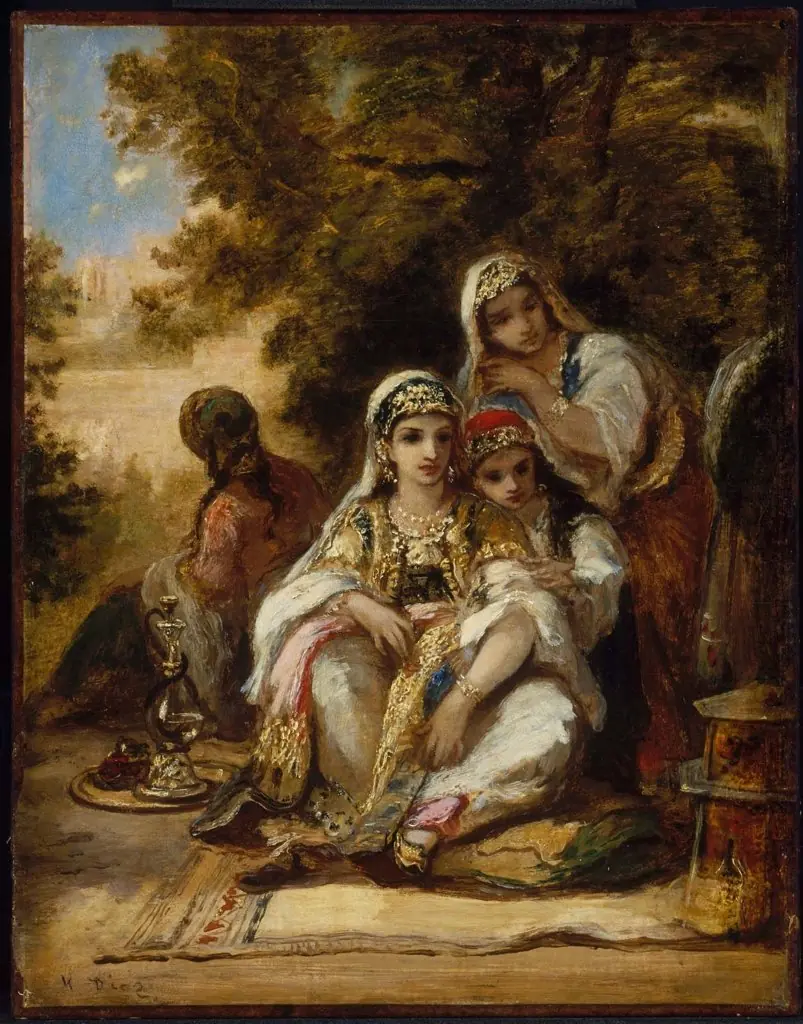 Young Women in Turkish Costume
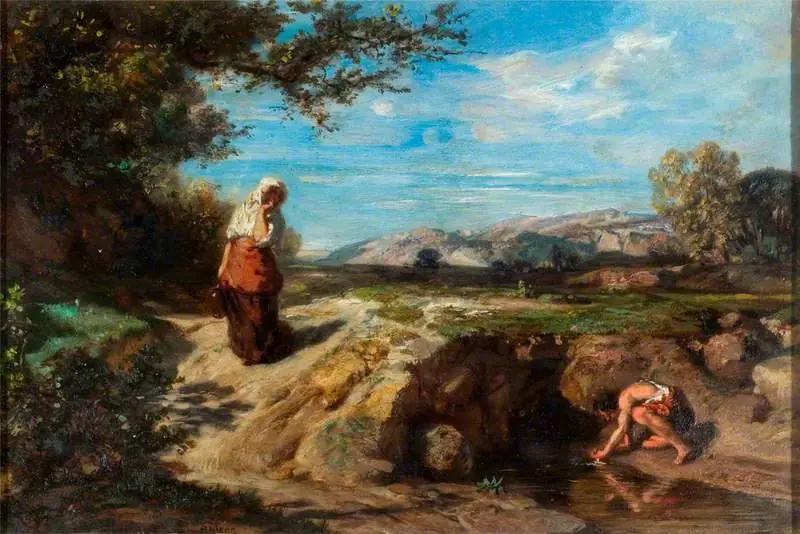 The Spring
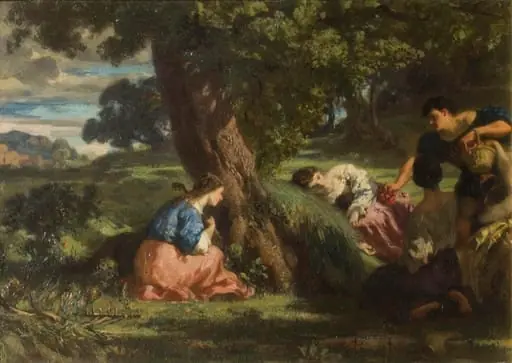 Cherries: a group of young women in a landscape
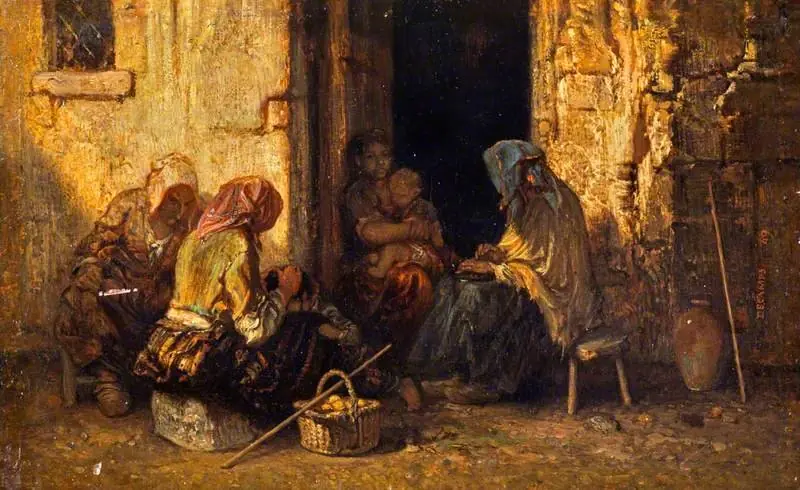 The Beggars
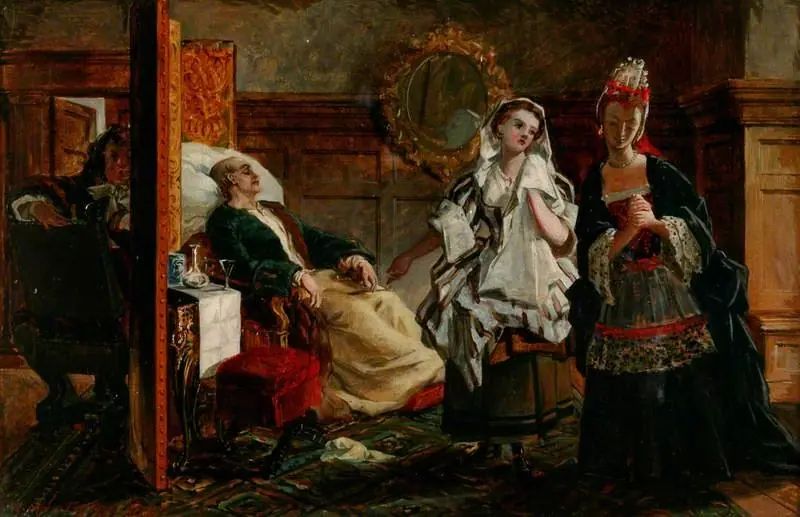 Scene from Molière's 'Le Malade Imaginaire'
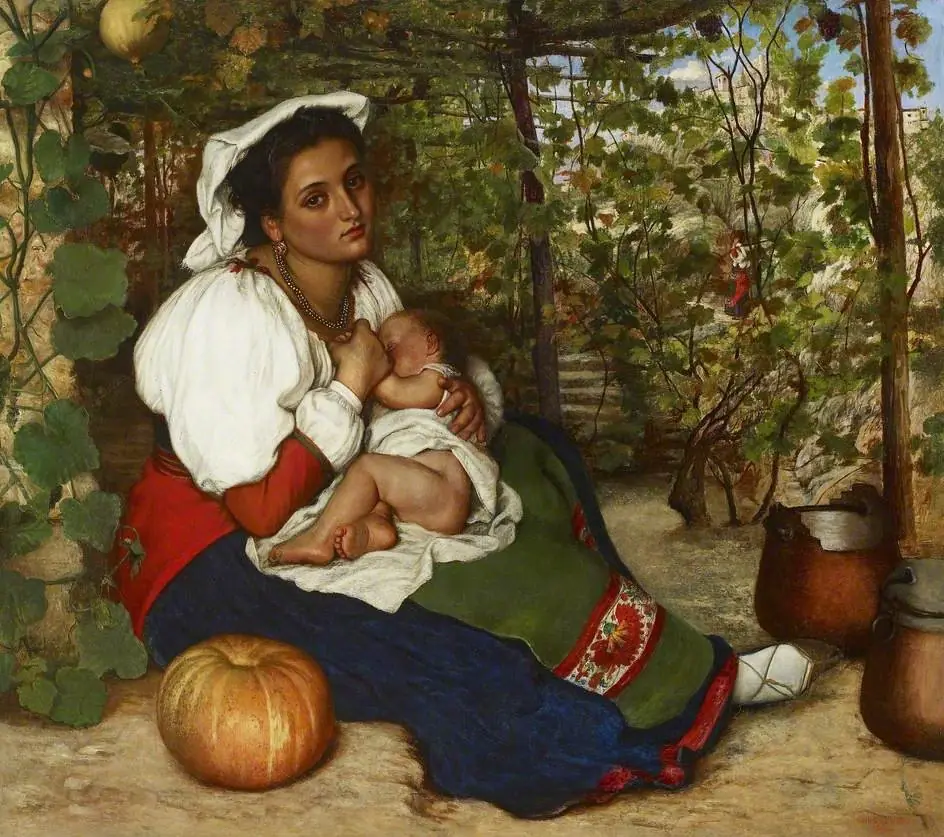 A Woman of San Germano
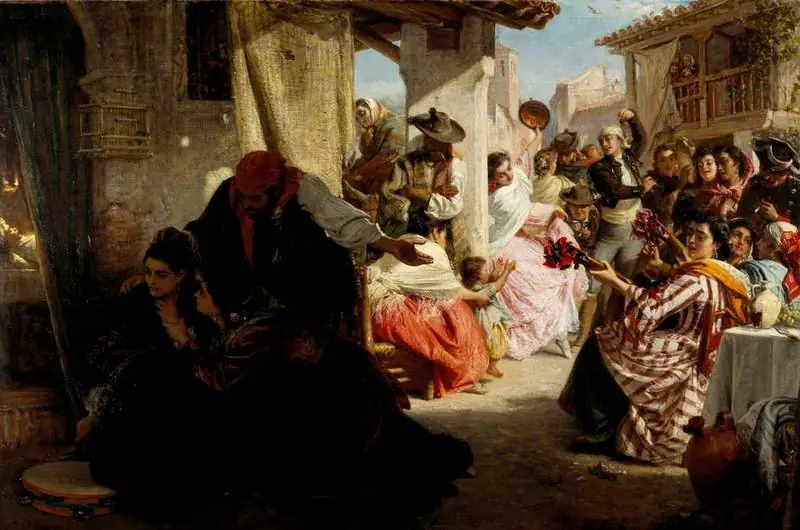 'La Gloria': A Spanish Wake
 Children Playing with a Lamb
 Reading Aloud