Artwork
Sateenkaari
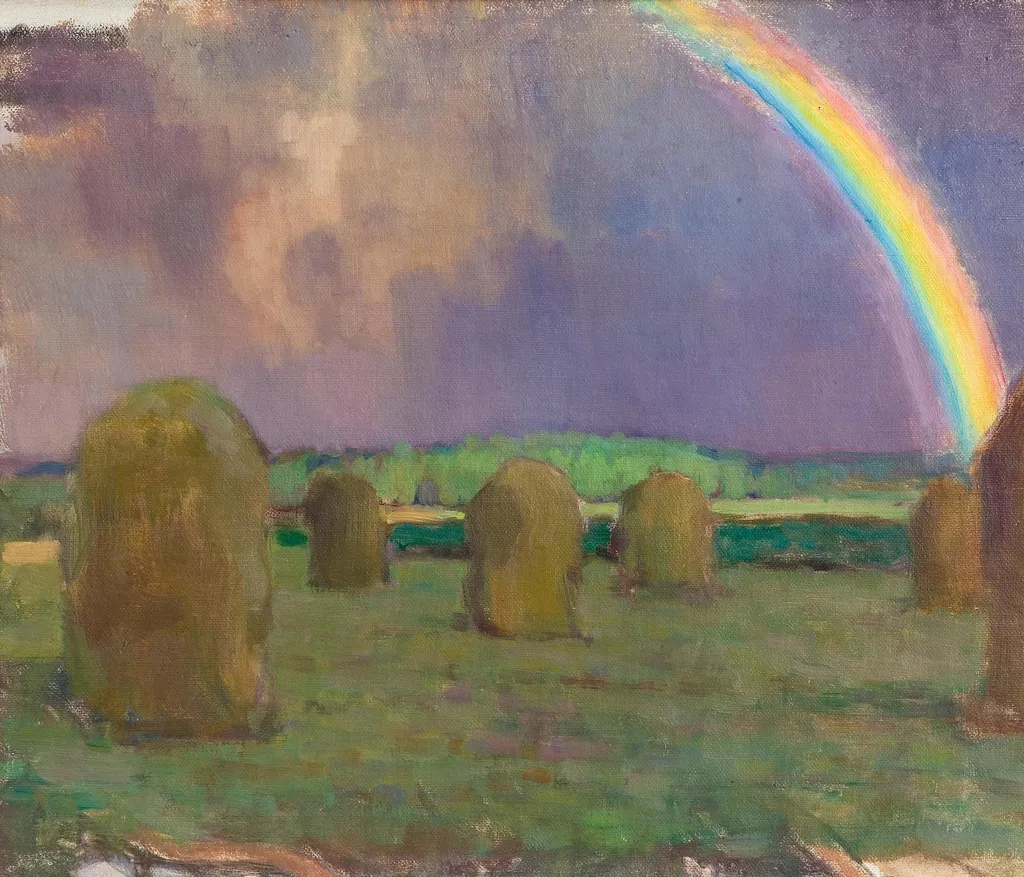
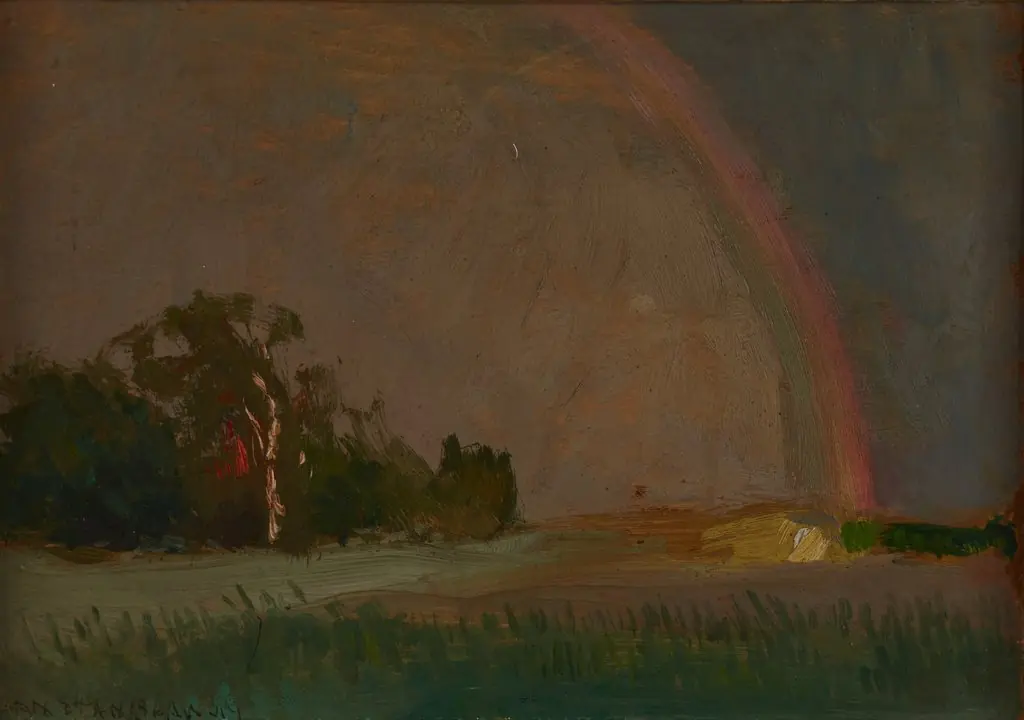
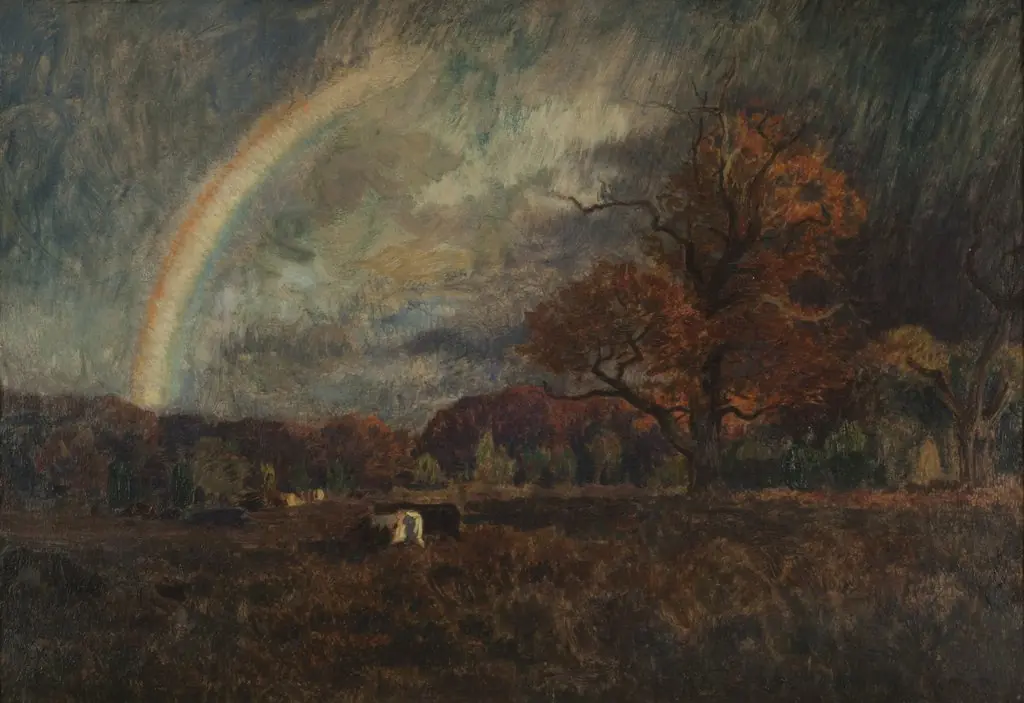
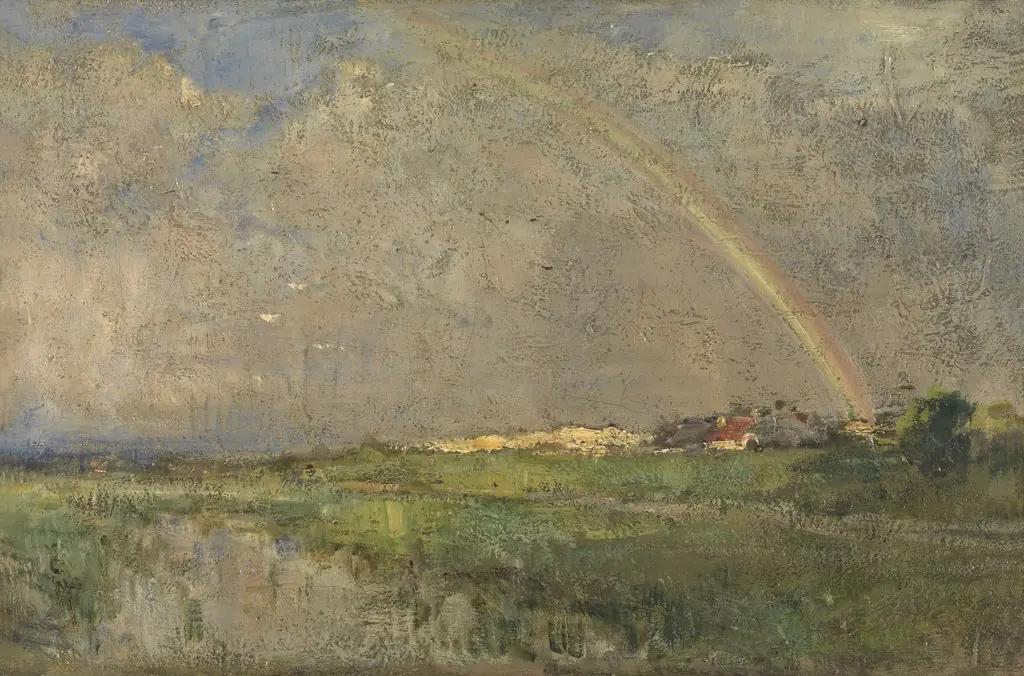
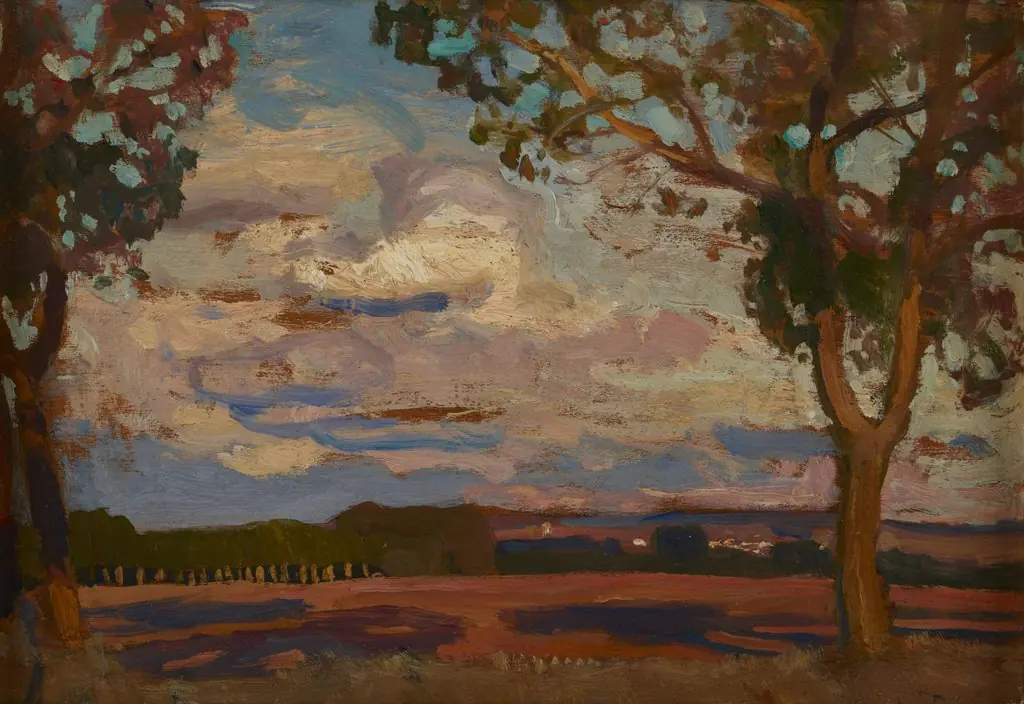
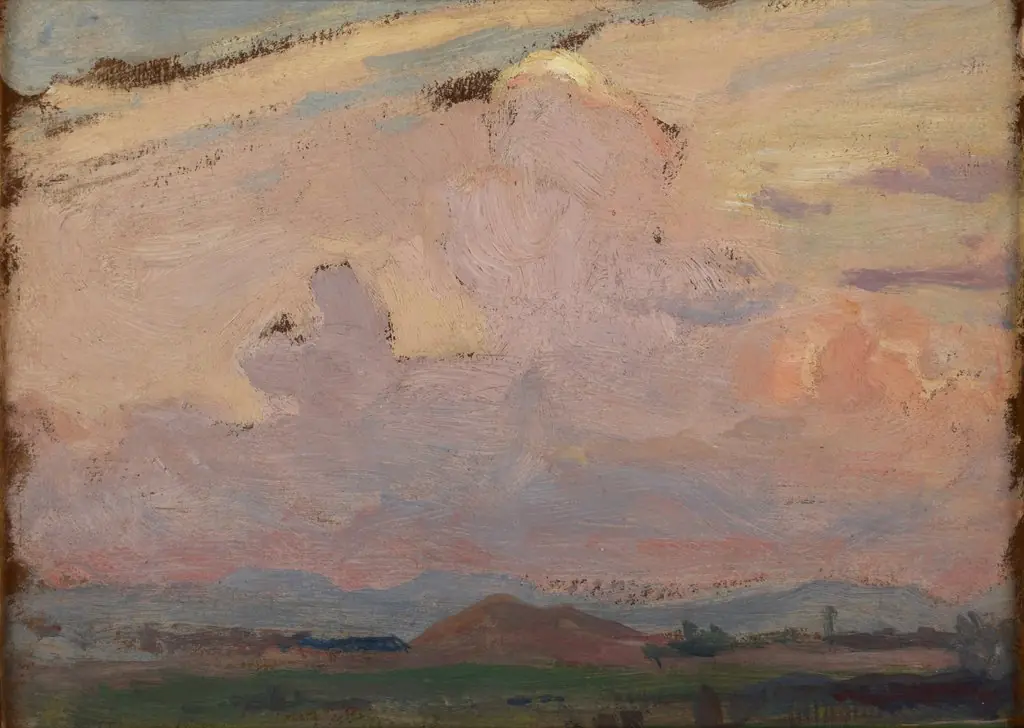
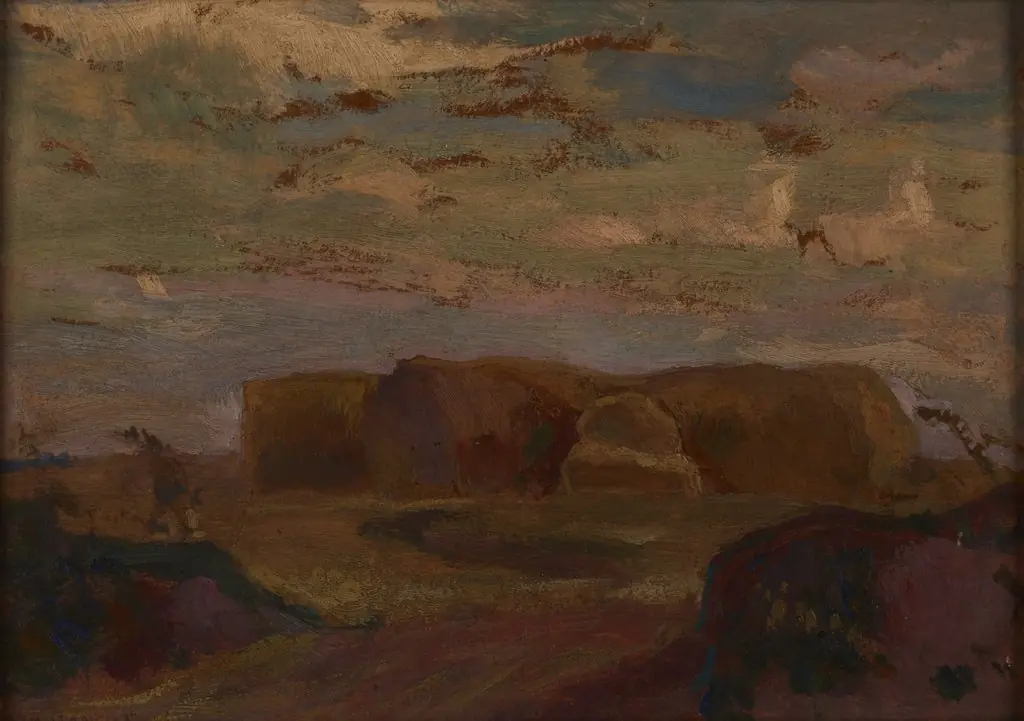
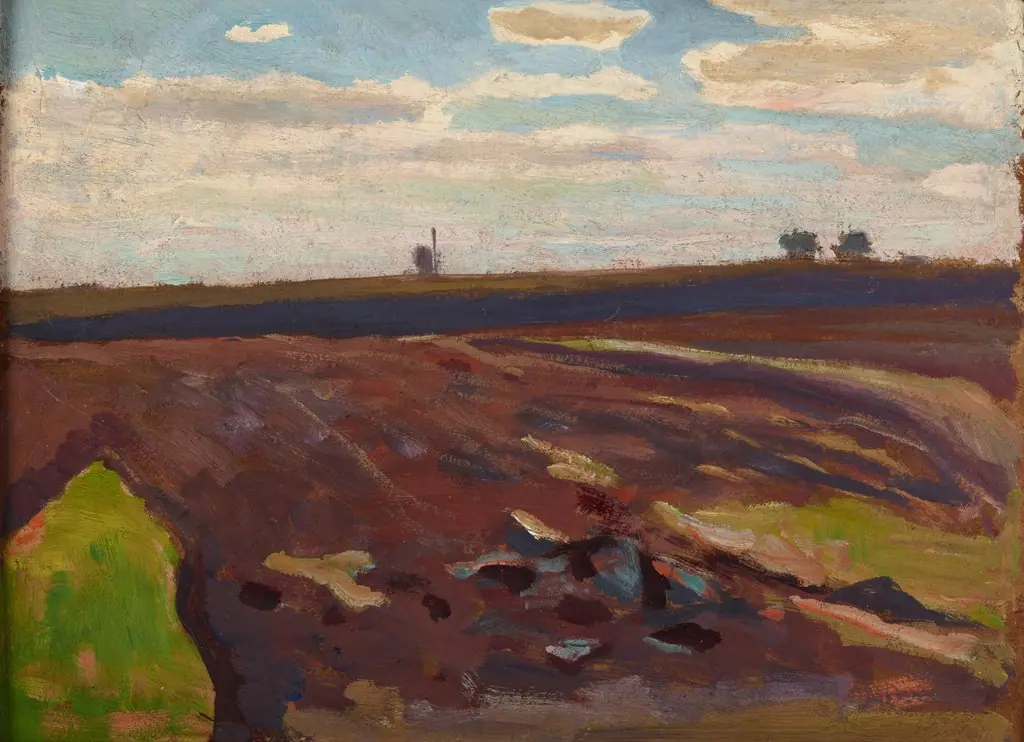
Sateenkaari is a photography by Eero Järnefelt. It dates from 1910 and is held in the collection of the Järvenpää Art Museum.
About this work
Overview
The composition centers on a natural scene untouched by human presence, where the sky and earth meet in a harmonious balance of color and form.
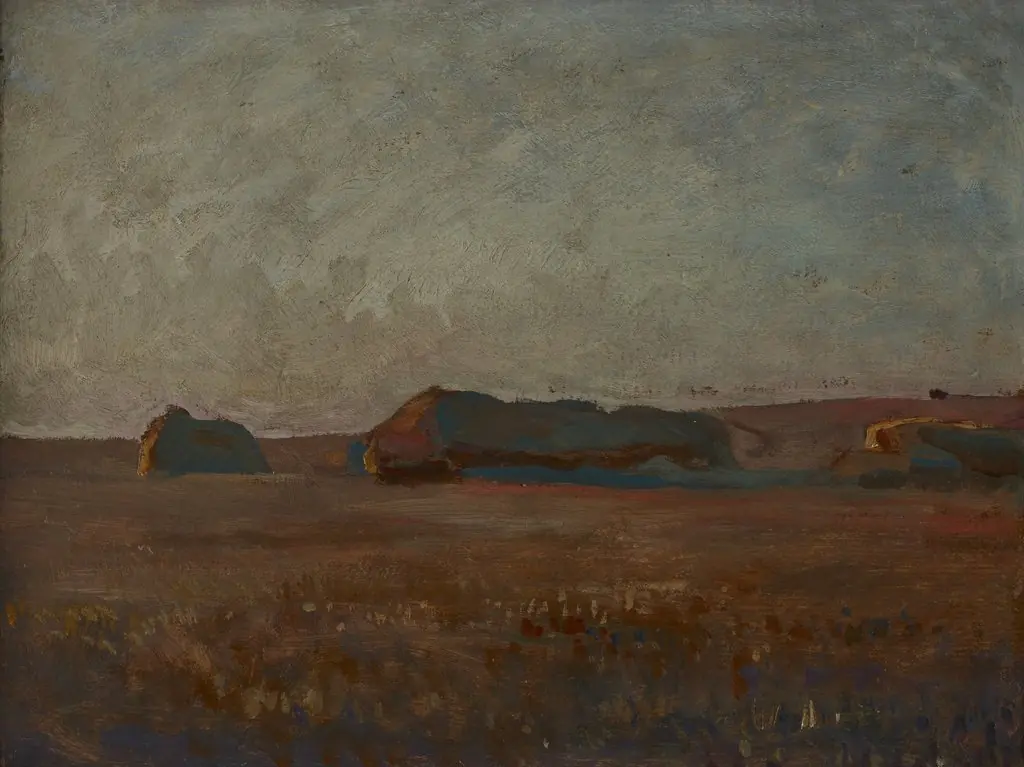
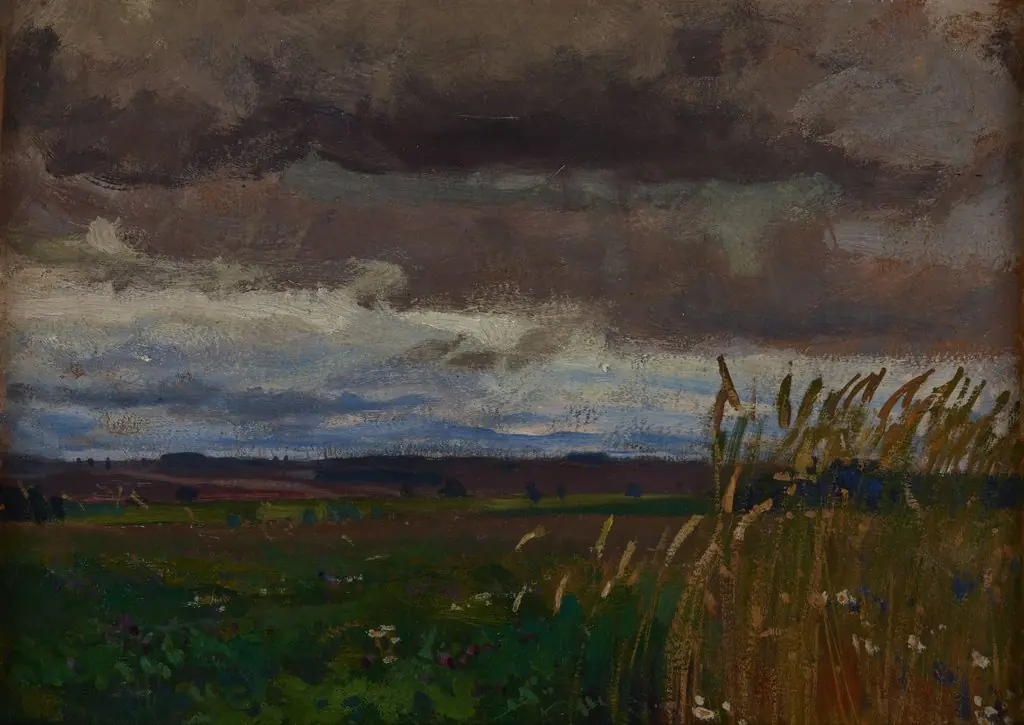
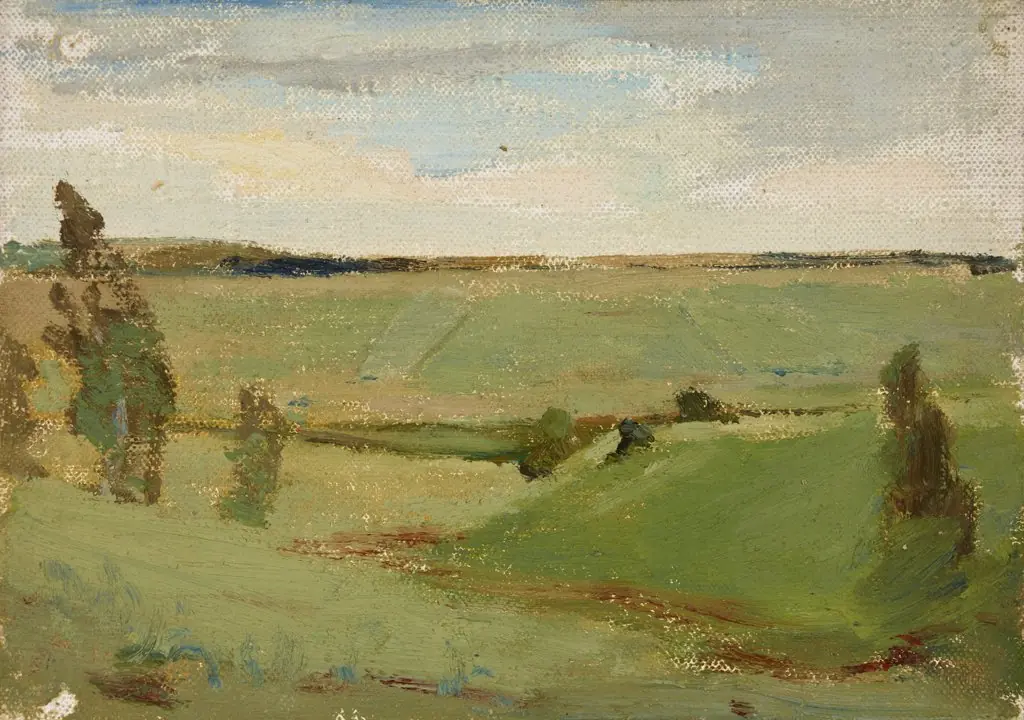
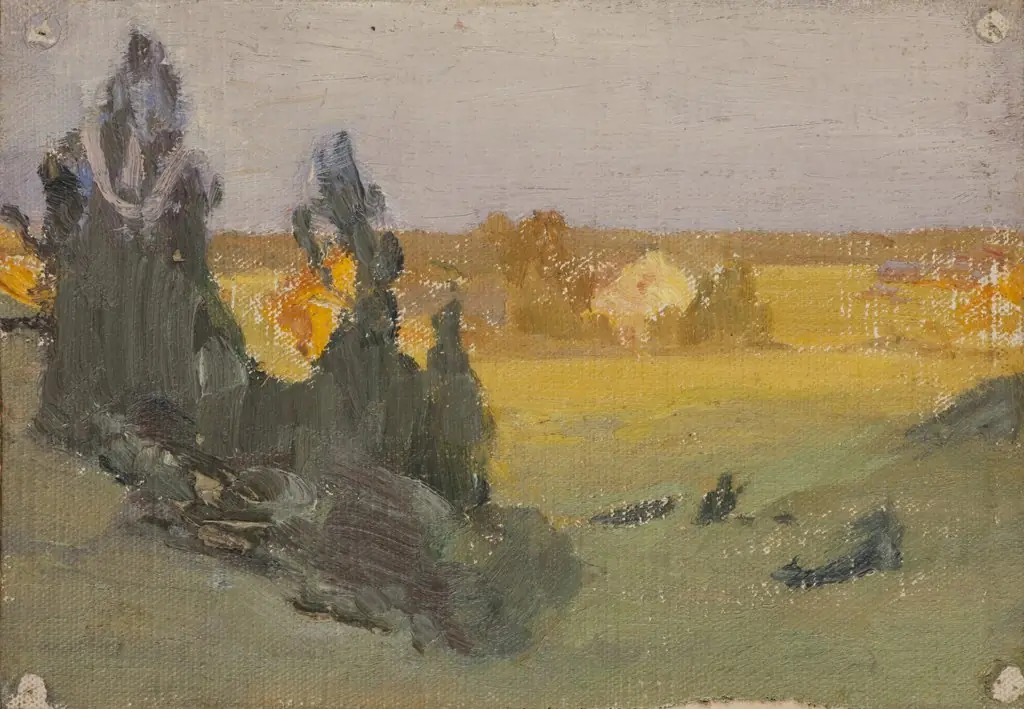
Sateenkaari, painted around 1910 by Finnish artist Eero Järnefelt, presents a quiet Nordic landscape under a broad, luminous rainbow. The composition centers on a natural scene untouched by human presence, where the sky and earth meet in a harmonious balance of color and form. The rainbow dominates the upper third of the canvas, its hues rendered with subtle gradations that soften into the surrounding atmosphere.
Subject & Meaning
The painting’s subject is a tranquil, unpopulated terrain marked by large, weathered stones and low grasses. The rainbow, though scientifically improbable in its placement, functions as a symbolic bridge between sky and earth. It suggests renewal or fleeting beauty, common themes in late 19th- and early 20th-century Nordic art, reflecting a contemplative relationship with nature rather than narrative or myth.
Technique & Style
Järnefelt employs a soft, atmospheric brushwork to blend the rainbow’s colors seamlessly into the sky, avoiding sharp edges. The foreground stones are rendered with muted earth tones, contrasting gently with the vivid arc above. Light is diffused rather than directional, creating a sense of ambient glow. The technique prioritizes mood over detail, aligning with the broader Nordic tendency toward lyrical realism.
History & Provenance
Created during Järnefelt’s mature period, Sateenkaari reflects his continued interest in Finnish landscapes following his earlier realist works. While specific ownership history is not widely documented, the painting is held in Finnish public collections, suggesting its recognition within national art circles. It was likely exhibited in the early 20th century as part of broader efforts to define a distinct Finnish visual identity.
Context
In the early 1900s, Finnish artists increasingly turned to nature as a source of cultural identity, especially amid growing nationalist sentiment. Järnefelt’s work, though less overtly political than some contemporaries, contributed to this movement by elevating everyday landscapes into meditative compositions. Sateenkaari aligns with this trend, emphasizing harmony and quietude over drama or symbolism.
Legacy
Sateenkaari remains a representative example of Järnefelt’s later style, admired for its emotional restraint and sensitivity to light. It has not attracted widespread international attention but continues to be studied in Finland as part of the nation’s transition from realism to more impressionistic approaches in landscape painting. Its enduring presence in public collections underscores its role in shaping Finnish art history.
Artist & collection

Artist
Erik "Eero" Nikolai Järnefelt was a Finnish painter and art professor. He is best known for his portraits and landscapes of the area around Koli National Park, in the North Karelia region of Finland. He was a medal…