Artwork
Tuusulanjärvi
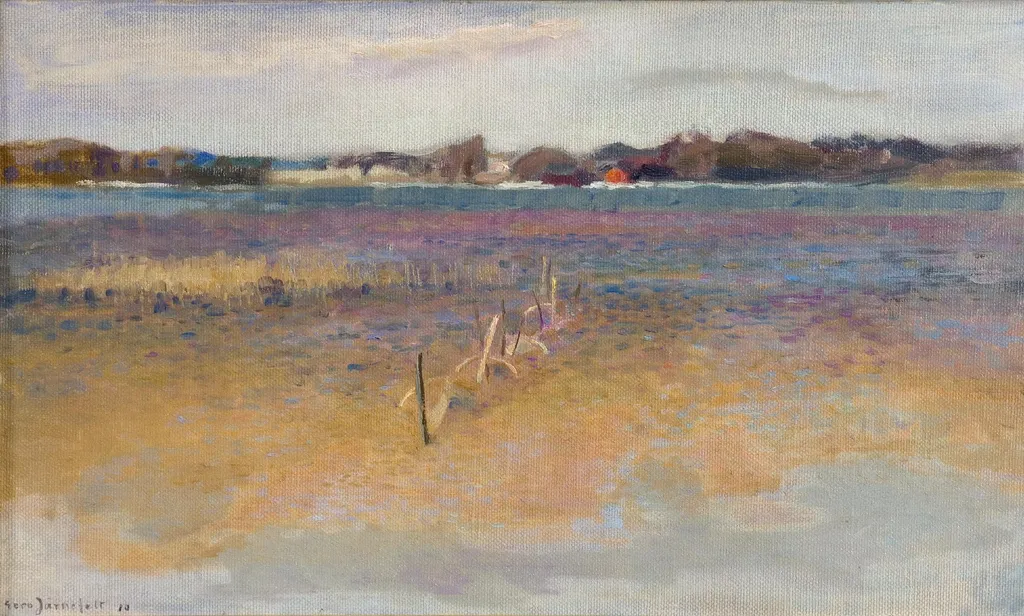
Tuusulanjärvi is a photography by Eero Järnefelt. It dates from 1910 and is held in the collection of the Järvenpää Art Museum.
About this work
Overview
Järnefelt’s focus on natural light and quiet solitude aligns with broader Nordic landscape traditions of the era.
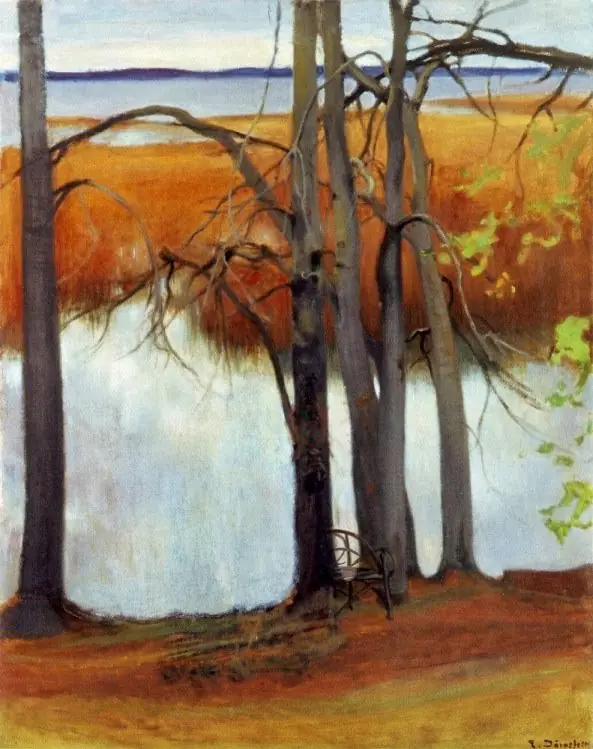
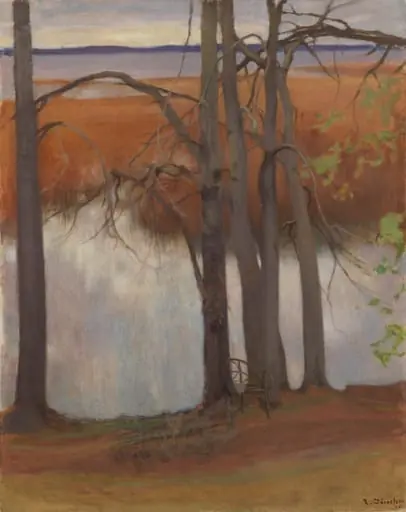
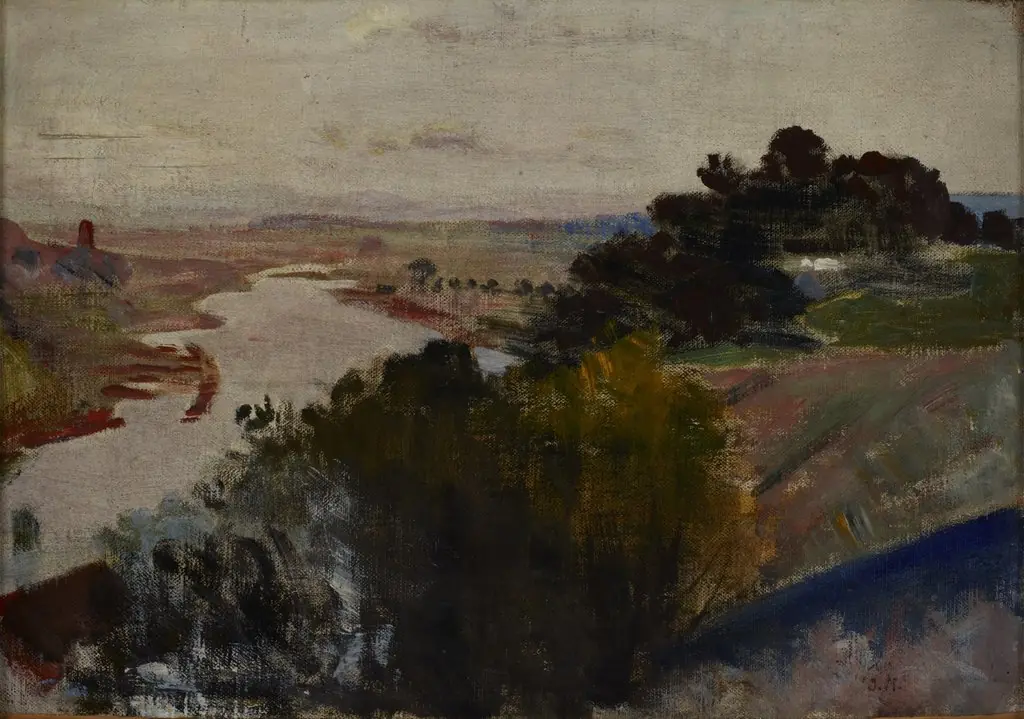
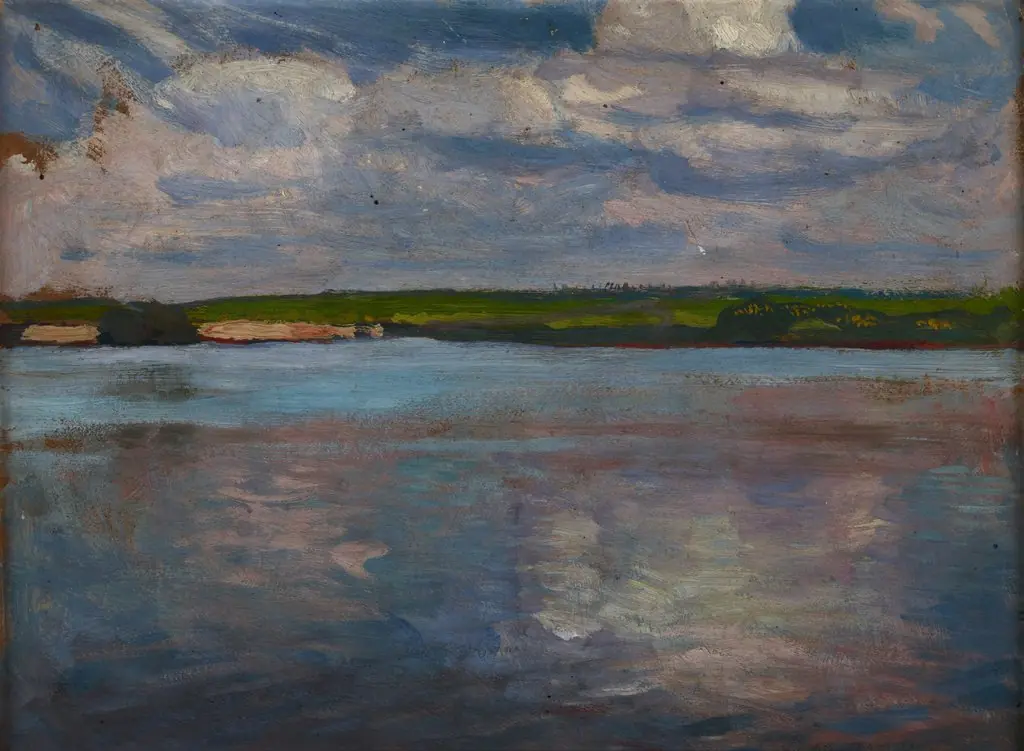
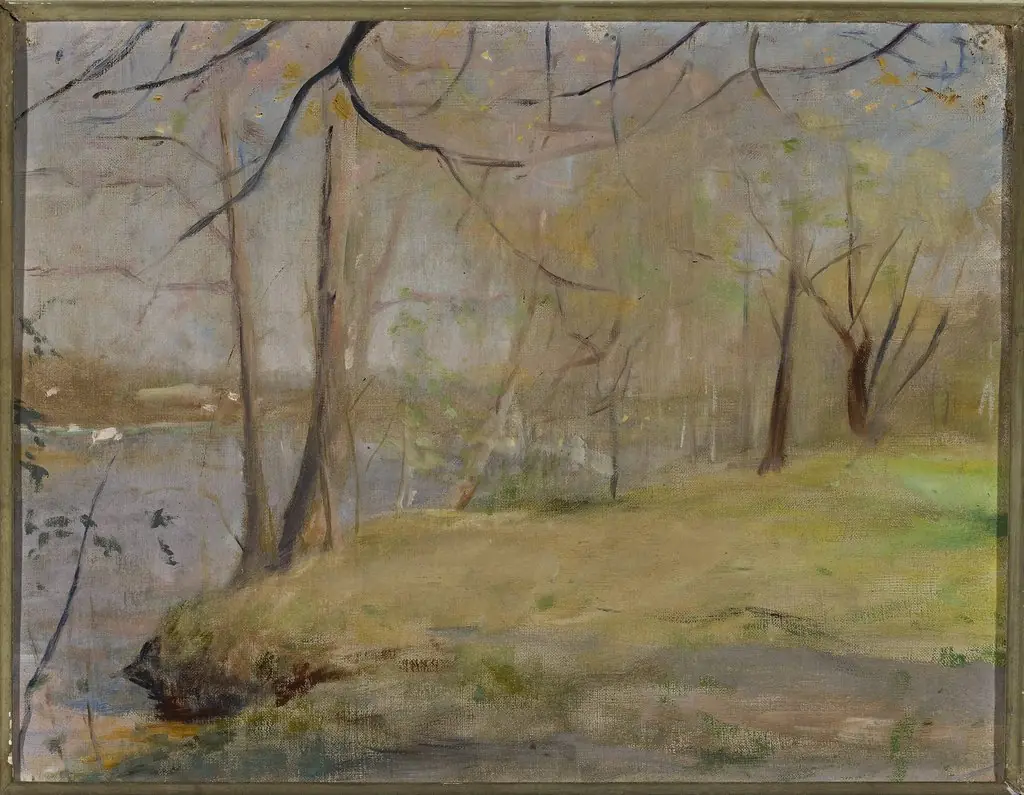
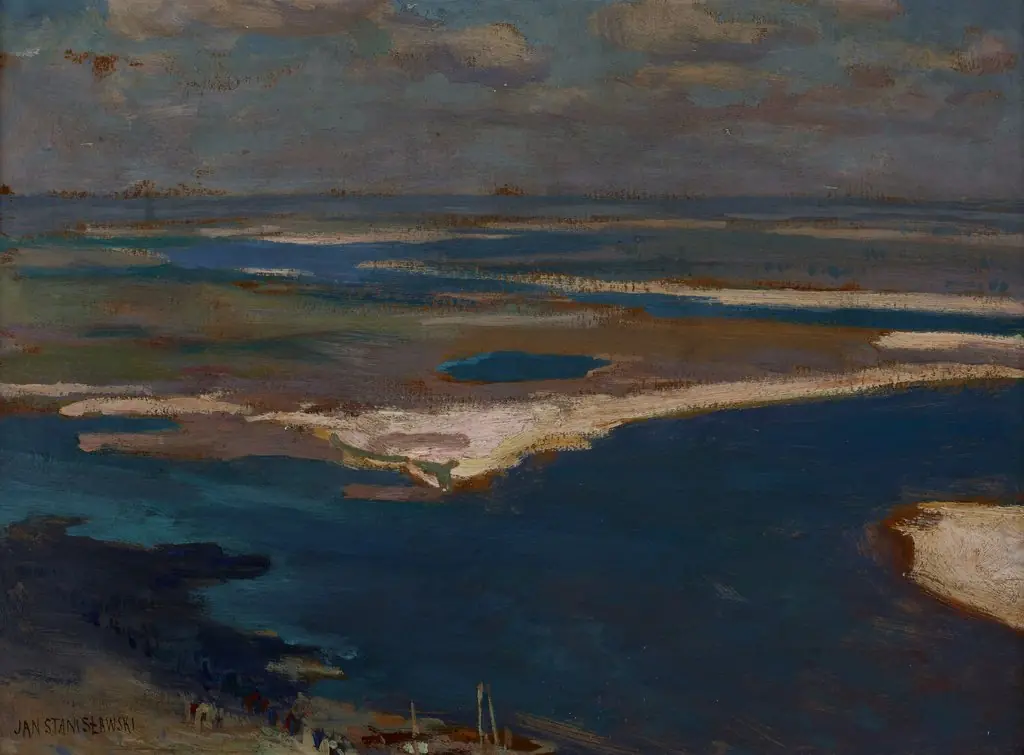
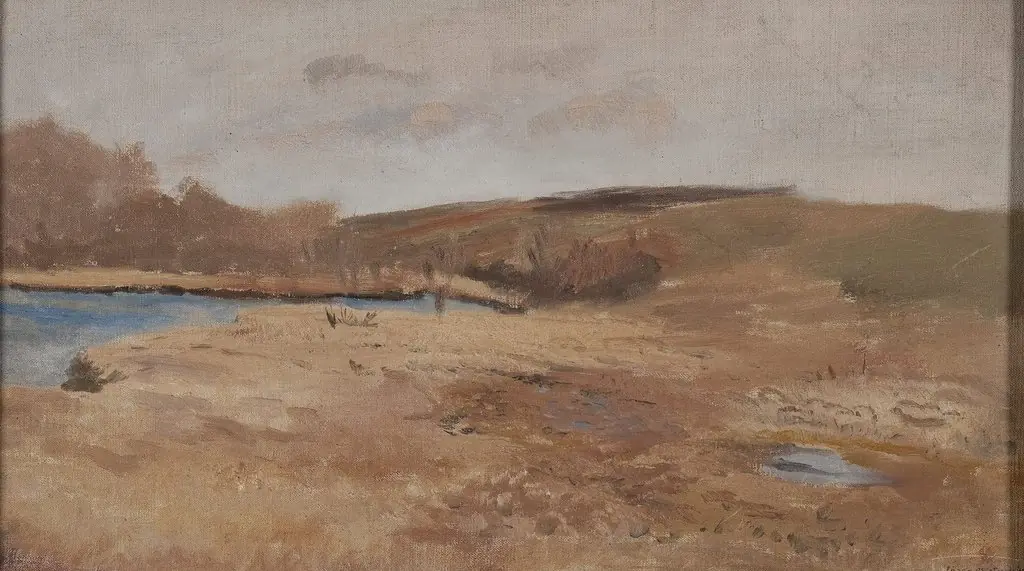
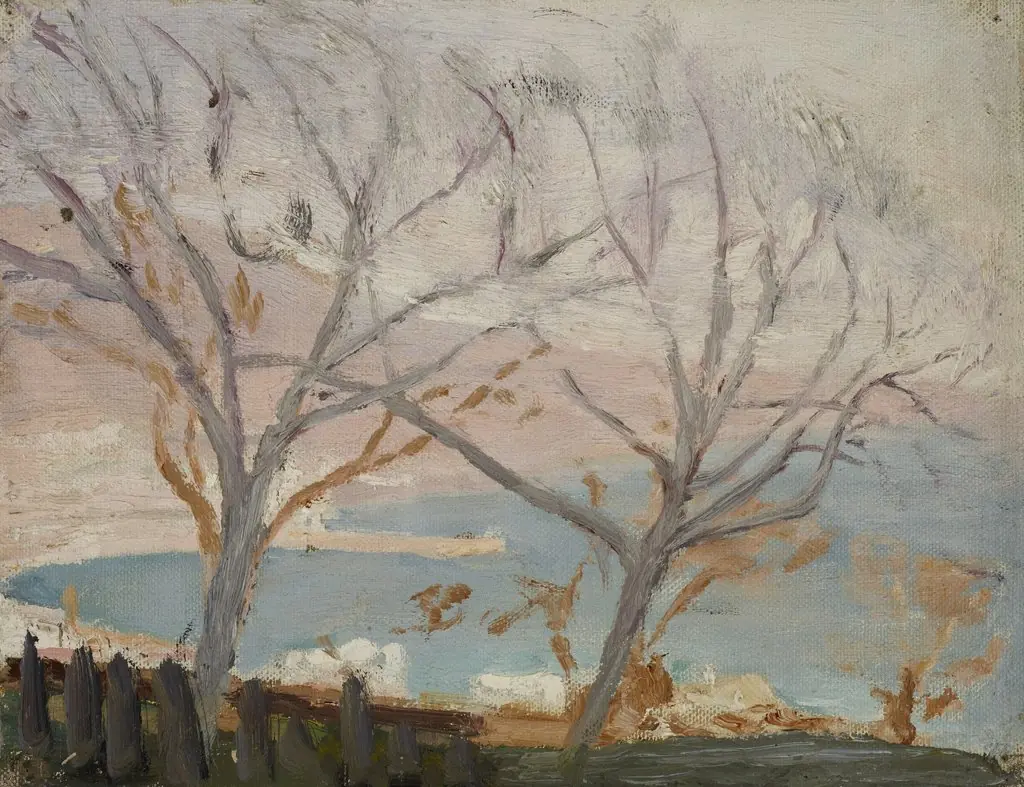
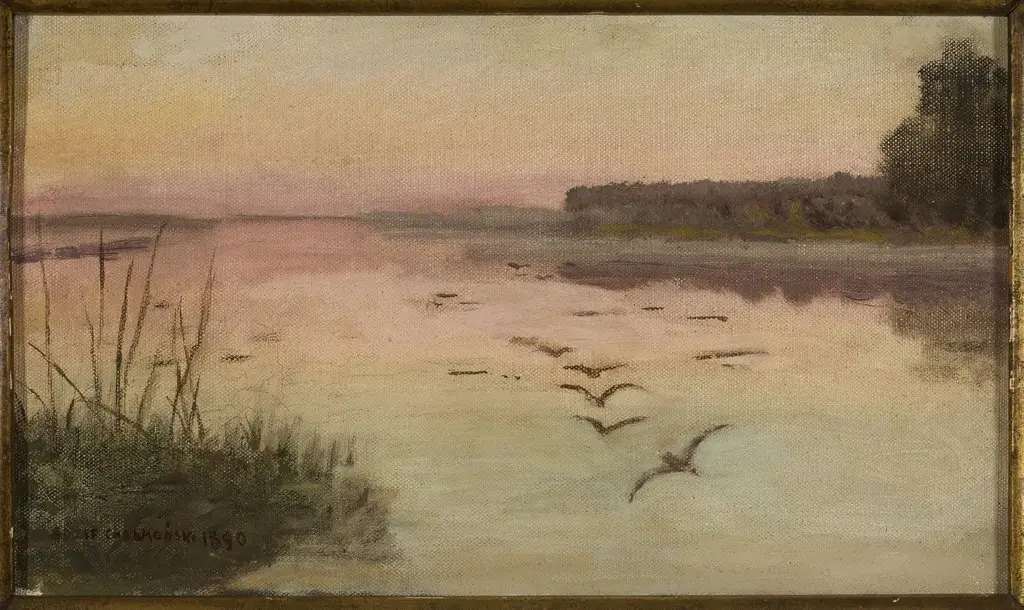
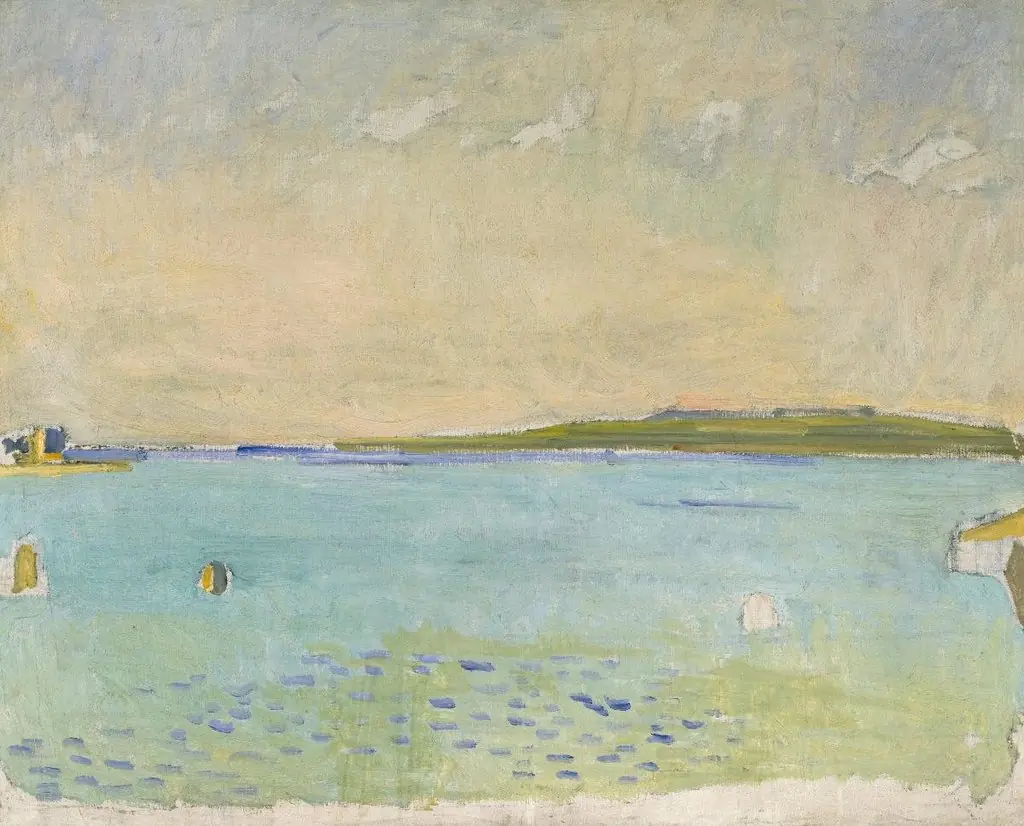
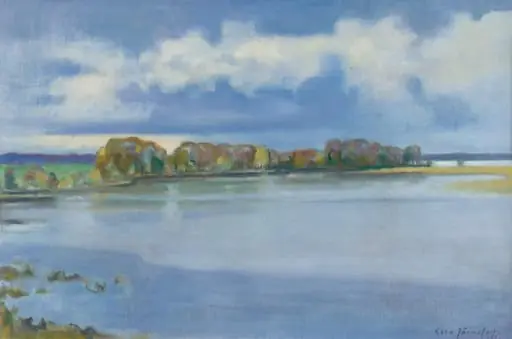
Painted around 1910 by Eero Järnefelt, Tuusulanjärvi depicts a quiet lakeside landscape in Finland. The composition centers on still water reflecting a muted sky, with sparse trees lining the distant shore. The scene conveys a sense of calm, avoiding dramatic elements in favor of subtle atmospheric shifts. Järnefelt’s focus on natural light and quiet solitude aligns with broader Nordic landscape traditions of the era.
Subject & Meaning
The painting presents a humble, unpopulated stretch of Tuusulanjärvi Lake, a real location in southern Finland. There are no human figures or signs of activity, emphasizing the landscape’s quiet autonomy. The stillness of the water and the diffuse sky suggest a moment of transition—perhaps dawn or dusk—inviting contemplation rather than narrative. The absence of drama underscores a reverence for nature’s ordinary rhythms.
Technique & Style
Järnefelt employed soft, blended brushwork to render the sky and water, creating a seamless transition between elements. Earth tones in the trees contrast with the cool grays and blues of the lake and atmosphere. Color is restrained, avoiding saturation in favor of tonal harmony. The brushstrokes are deliberate but unobtrusive, prioritizing mood over detail, reflecting an impressionistic sensitivity to light and weather.
History & Provenance
Created during Järnefelt’s mature period, Tuusulanjärvi belongs to a series of Finnish landscapes he painted after returning from abroad. It was likely made in the early 20th century, when the artist was deeply engaged with his homeland’s natural scenery. The work remained in private Finnish collections for much of the 20th century before entering public institutional holdings, where it is now preserved as part of Finland’s national artistic record.
Context
In early 20th-century Finland, landscape painting was tied to emerging national identity. Artists like Järnefelt turned to rural scenes to express cultural rootedness amid Russian imperial influence. Tuusulanjärvi reflects this trend—not through grandeur, but through quiet authenticity. Its subdued palette and lack of idealization distinguish it from romanticized European traditions, aligning instead with Nordic realism and introspective naturalism.
Legacy
Tuusulanjärvi contributes to Järnefelt’s reputation as a key figure in Finnish landscape art. While not widely exhibited internationally, it is recognized domestically for its understated sensitivity to light and place. The painting exemplifies a generation of artists who sought to portray Finland’s terrain with honesty, influencing later generations to value quiet observation over theatrical expression in national art.
Artist & collection

Artist
Erik "Eero" Nikolai Järnefelt was a Finnish painter and art professor. He is best known for his portraits and landscapes of the area around Koli National Park, in the North Karelia region of Finland. He was a medal…