Artwork
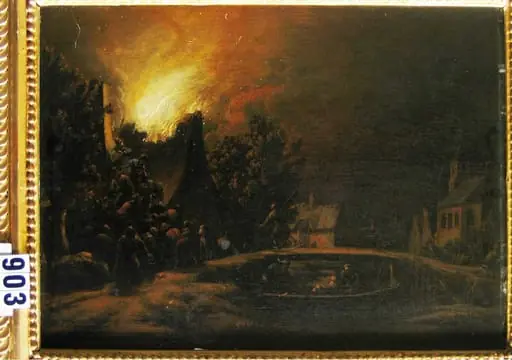
Fire Scene by Night
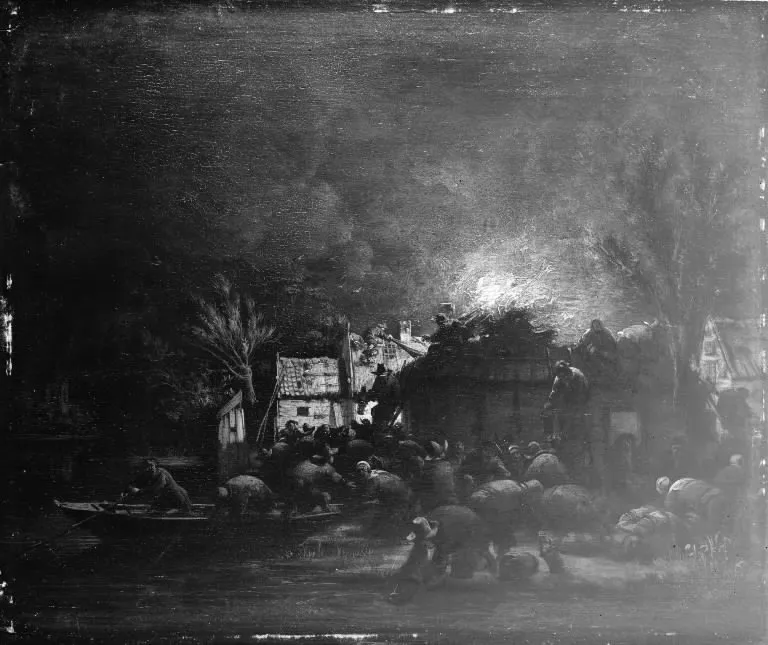
Fire Scene by Night is an oil painting by the Dutch Golden Age artist Egbert van der Poel. It dates from 1650 and is held in the collection of the Statens Museum for Kunst.
About this work
Overview
The painting resides in the Statens Museum for Kunst in Copenhagen, where it stands as a rare Dutch example of fire as a primary subject.
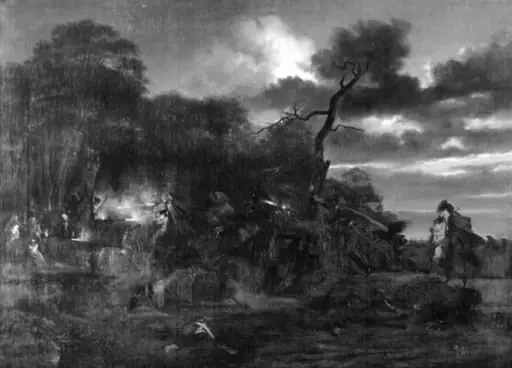
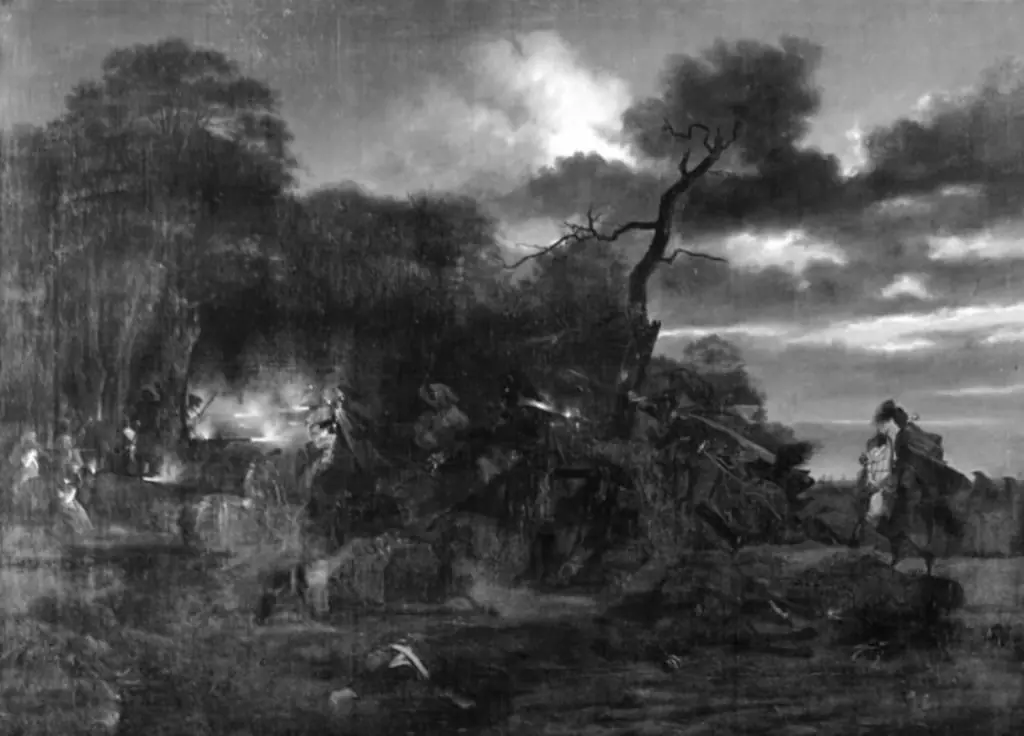
Painted around 1650 by Egbert van der Poel, this oil work captures a nocturnal urban fire. The scene is rendered with intense focus on the blaze, its glow cutting through the surrounding darkness. The composition centers on the destruction of a substantial building, with figures scattered in reaction to the emergency. The painting resides in the Statens Museum for Kunst in Copenhagen, where it stands as a rare Dutch example of fire as a primary subject.
Subject & Meaning
The painting portrays a moment of communal crisis: residents react with urgency, fear, or helplessness as a building burns. Some attempt to contain the flames with buckets and tools, while others flee or stand frozen in observation. The absence of identifiable landmarks suggests a generalized urban disaster rather than a specific event, inviting viewers to reflect on vulnerability to catastrophe in densely built environments.
Technique & Style
Van der Poel employs chiaroscuro to heighten drama, using the fire’s orange and yellow hues to illuminate faces, debris, and smoke against deep blacks. Brushwork is precise in rendering figures and architectural details, while the flames are loosely painted to suggest movement and heat. The limited palette reinforces the night setting, with light emerging solely from the conflagration, creating a stark, theatrical contrast.
History & Provenance
The painting entered the collection of the Statens Museum for Kunst in the 19th century, likely through Danish royal or institutional acquisition. Its attribution to van der Poel is consistent with his known interest in fire scenes, a recurring theme in his oeuvre. No significant alterations or restorations are documented, preserving the original tonal balance and compositional intent.
Context
In mid-17th-century Dutch cities, wooden structures and narrow streets made fires a frequent and devastating threat. While many artists depicted fires as moral allegories or historical events, van der Poel’s work focuses on the raw immediacy of the event. This painting aligns with a broader trend in Dutch art of observing everyday life with unembellished realism, even in moments of chaos.
Legacy
Though not widely reproduced, the painting contributes to the understanding of how Dutch painters engaged with disaster as a visual subject. Its restrained emotional tone and attention to atmospheric detail distinguish it from more sensationalized European treatments of fire. It remains a quiet but potent record of urban peril in the early modern period.
Artist & collection

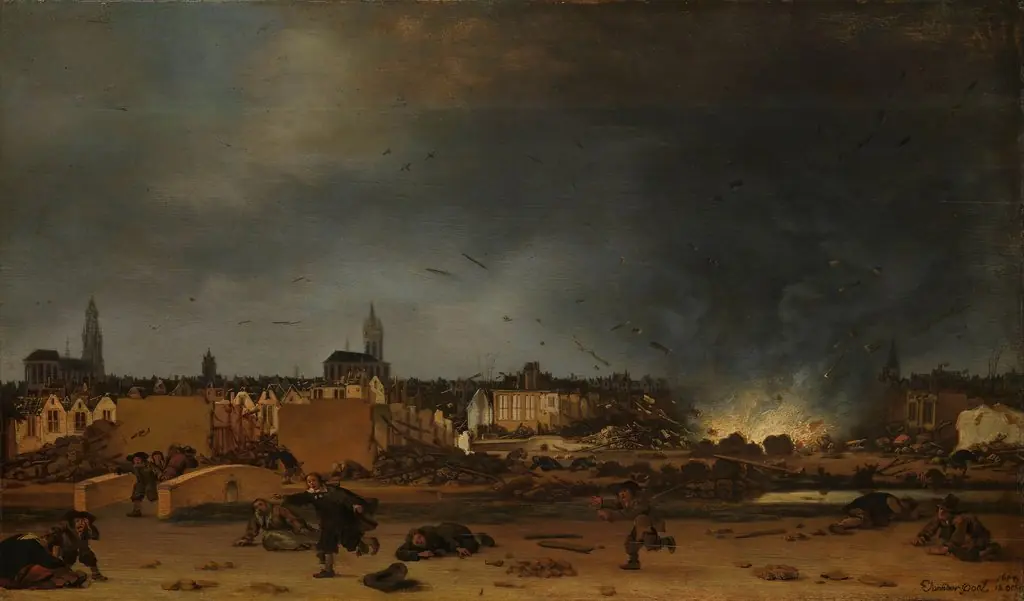 The explosion of the powder magazine in Delft, 12 October 1654
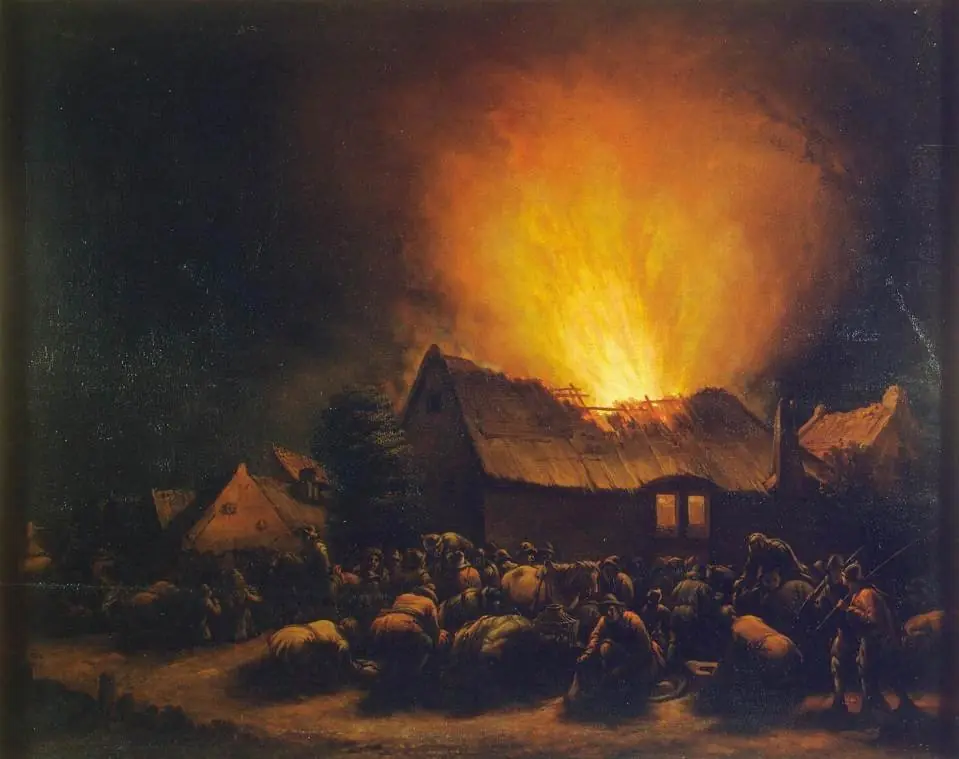 Fire in a Village
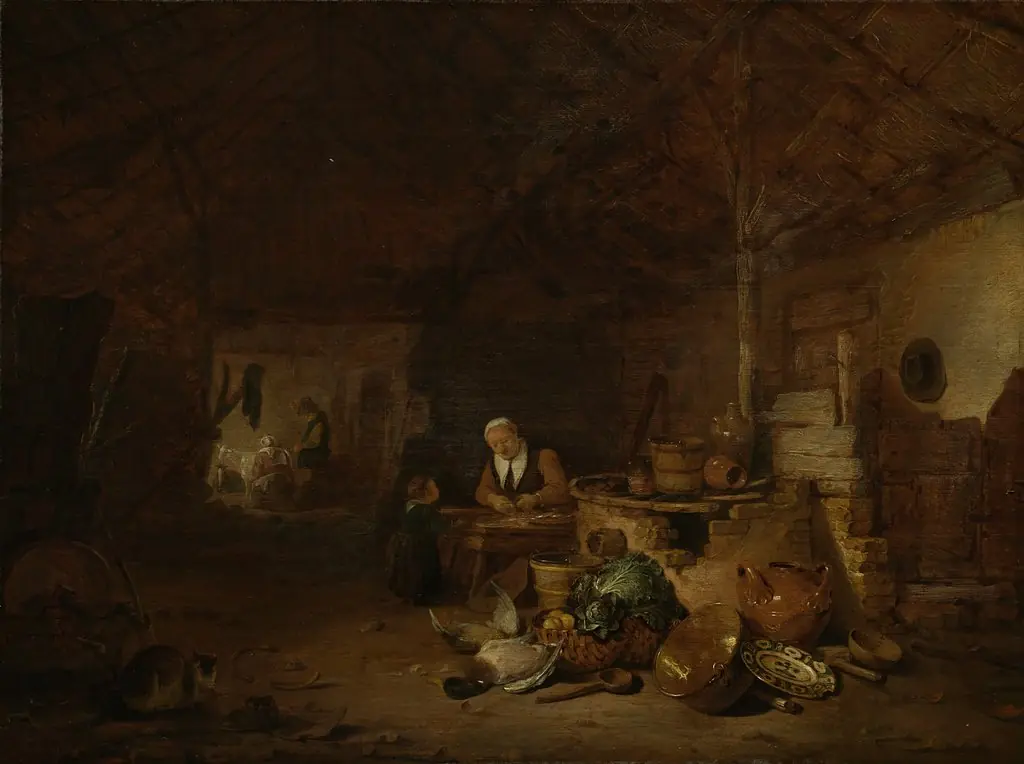 Interior of a barn
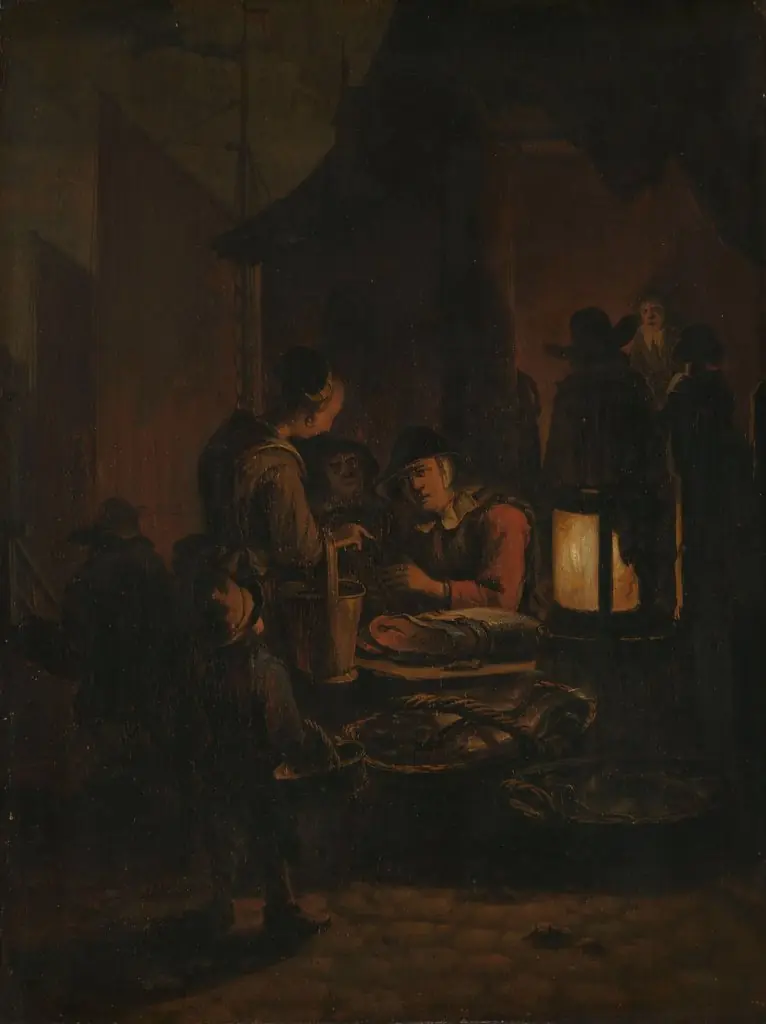 Fish market at night
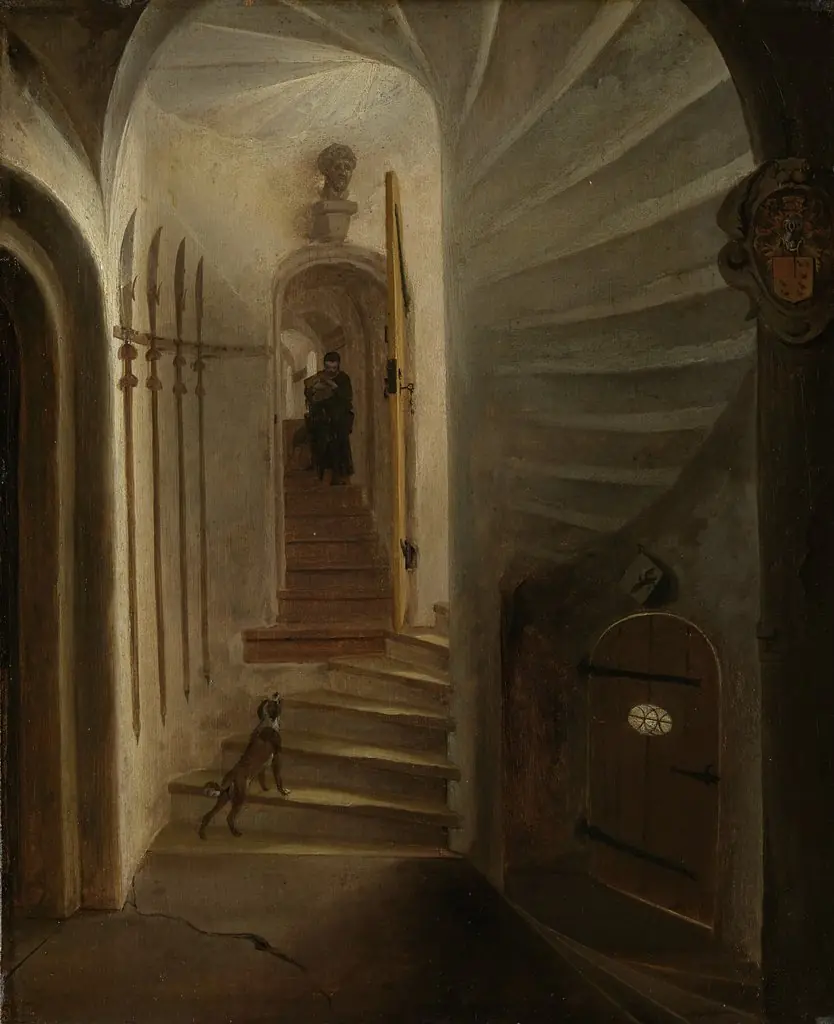 Portal of a stairway tower, with a man descending the stairs: presumably the moment before the assassination of William the Silent in the Ptinsenhof, Delft
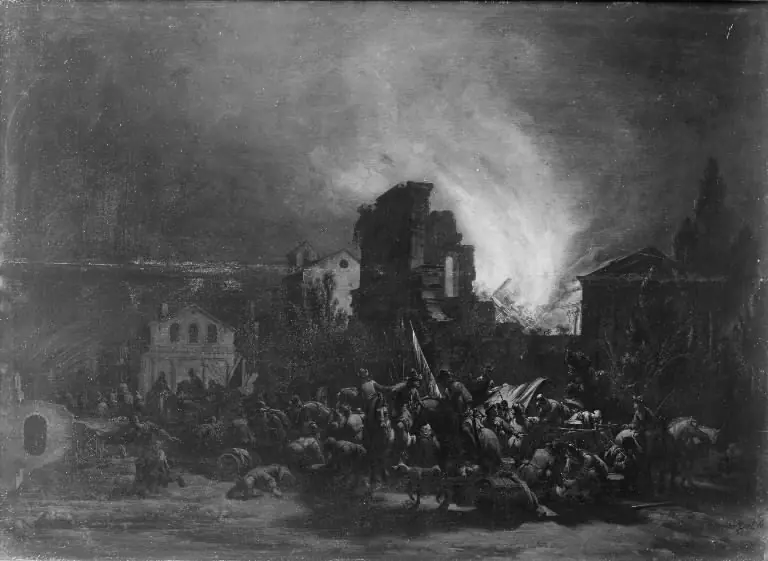 Nocturnal Fire and Looting in a Town
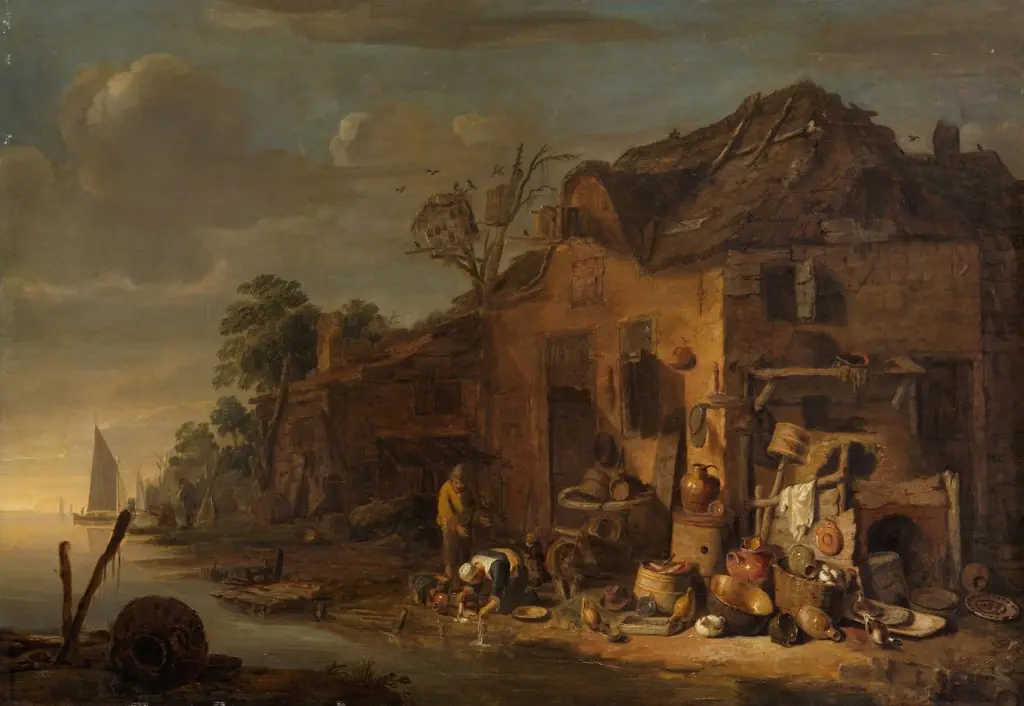 Landscape with farm at a river
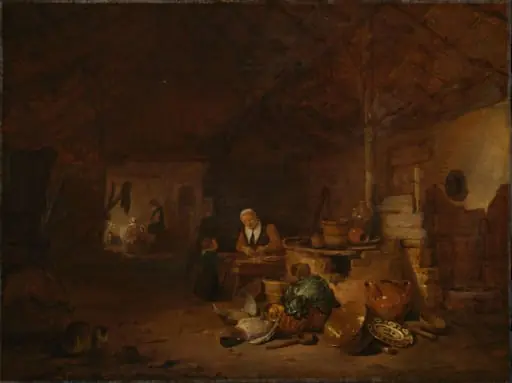 Interior of a barn