Artwork
Dance in a Peasant's Cottage
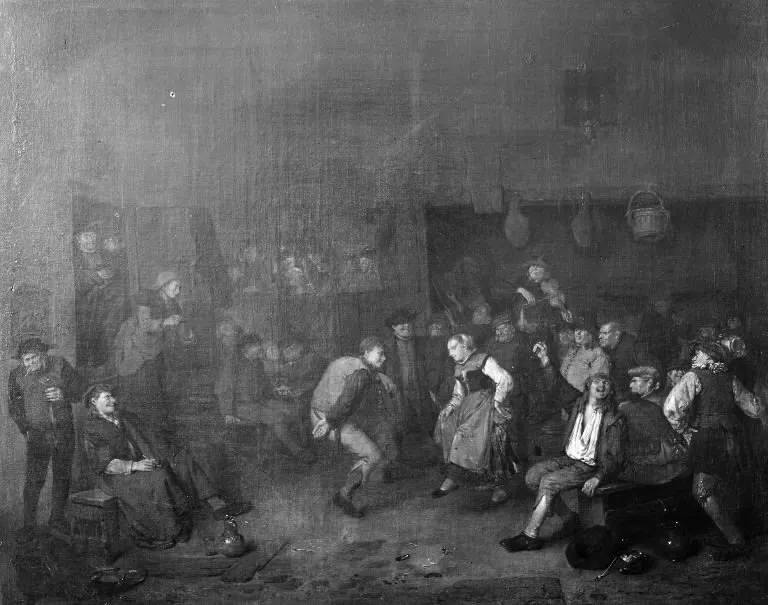
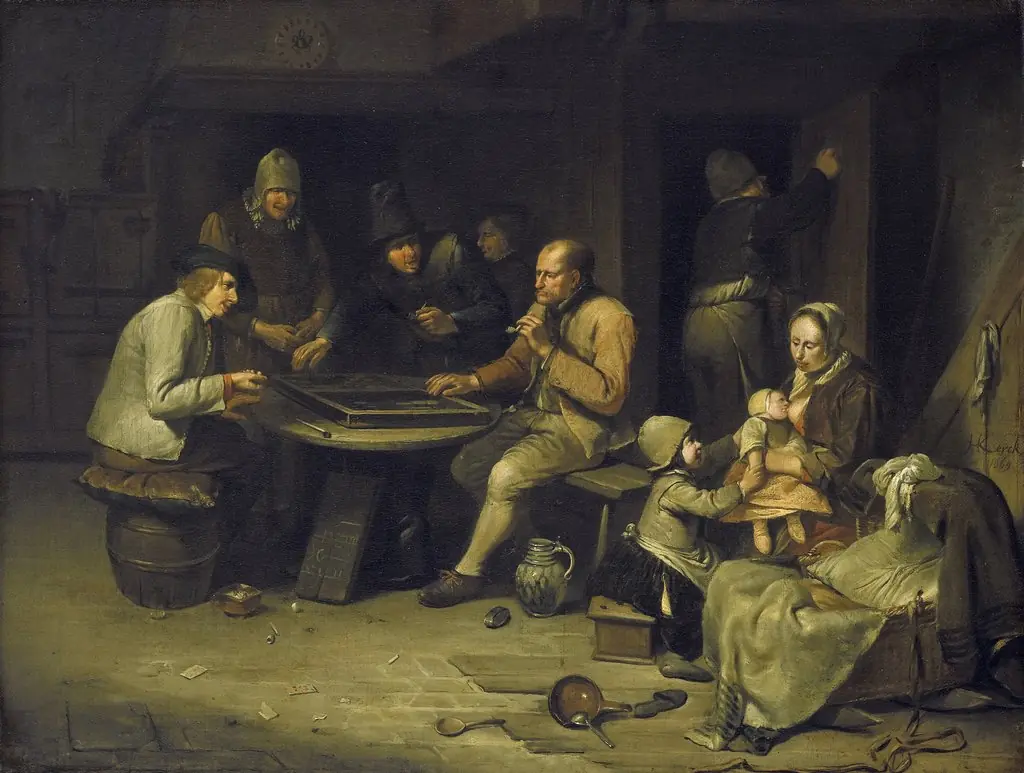
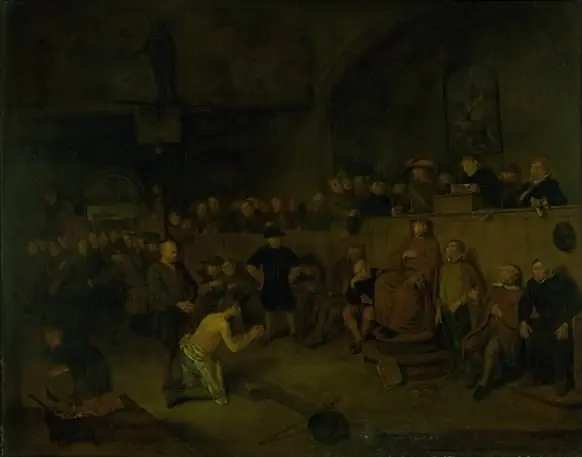
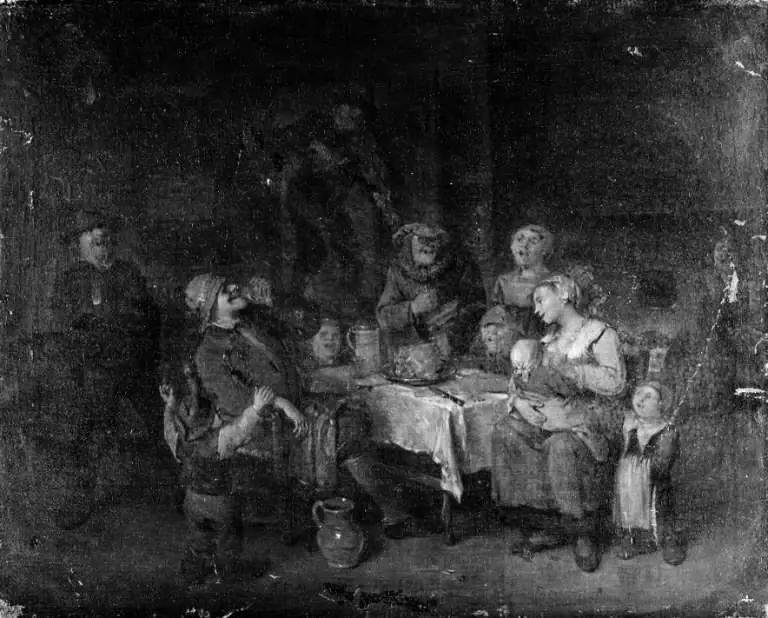
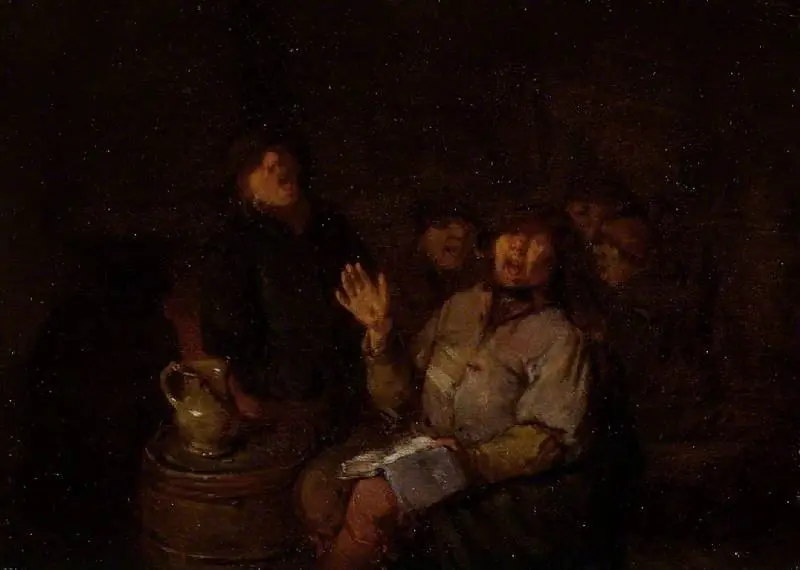
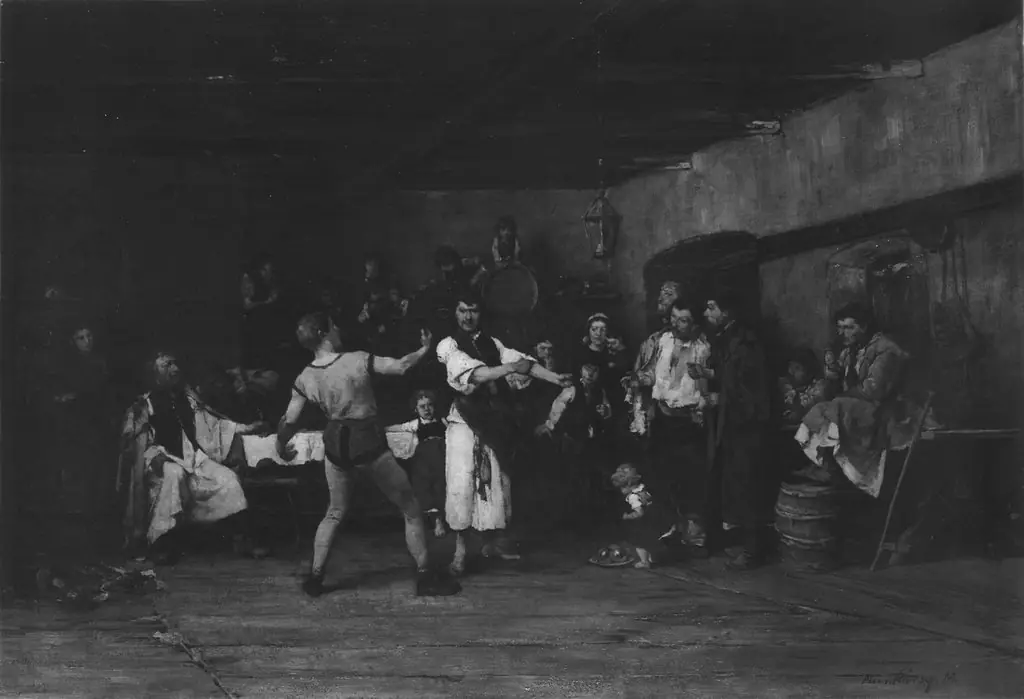
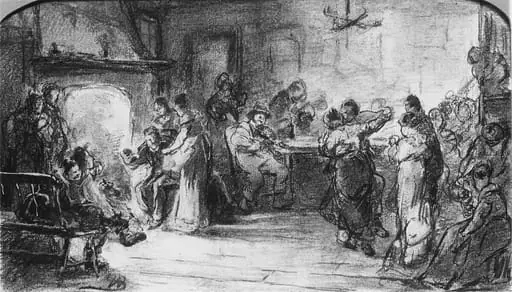
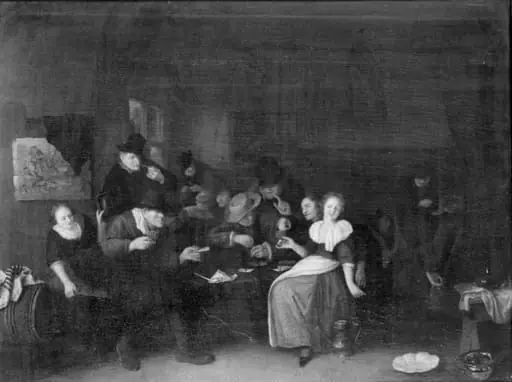
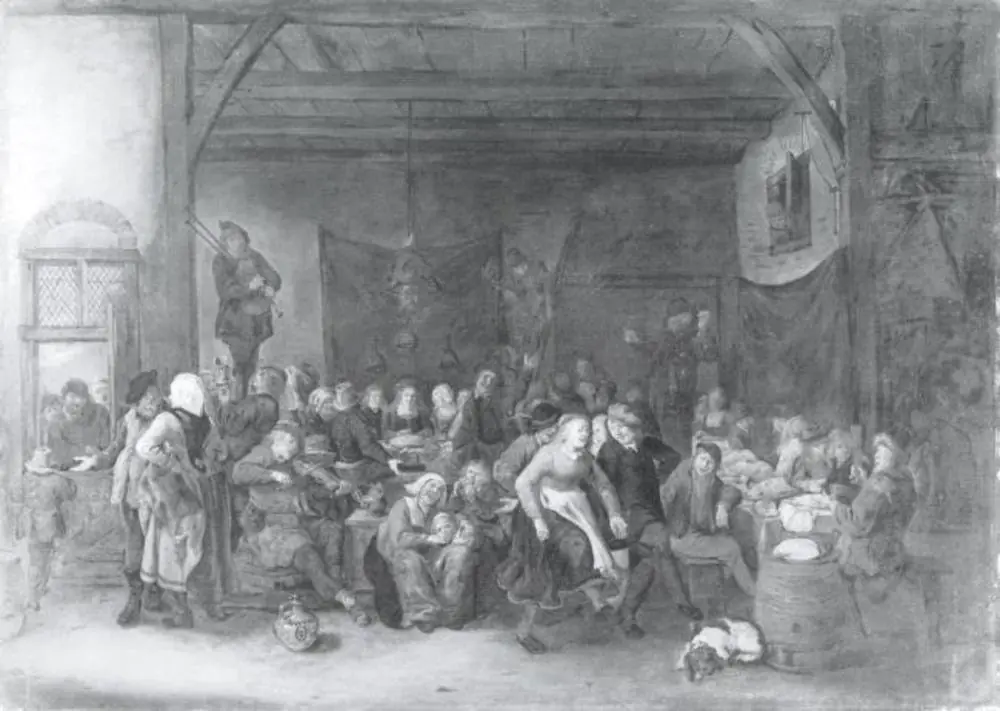
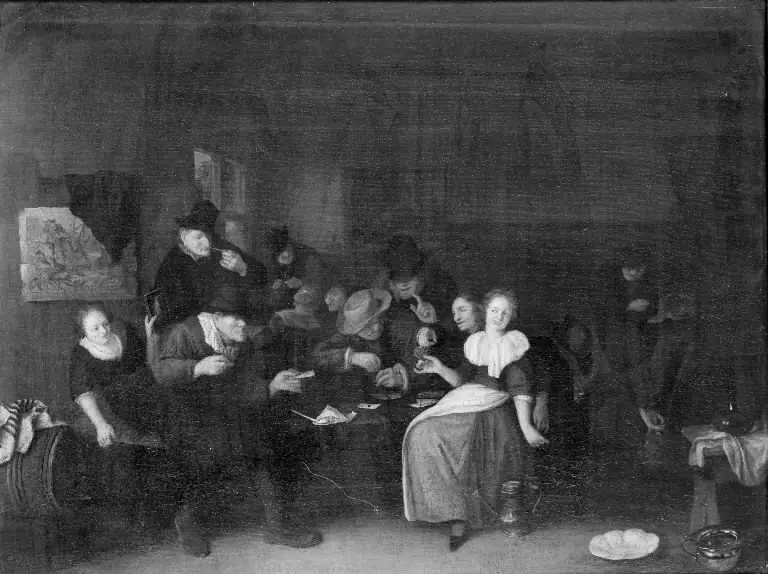
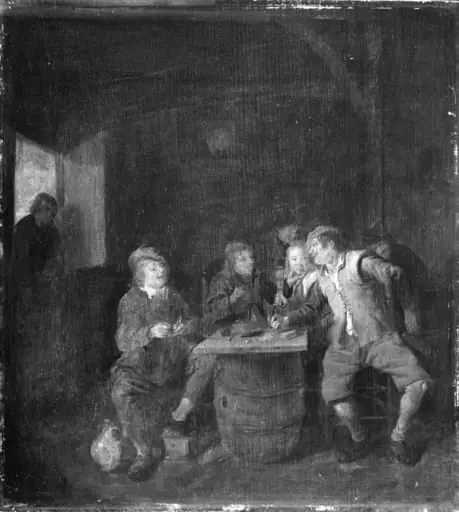
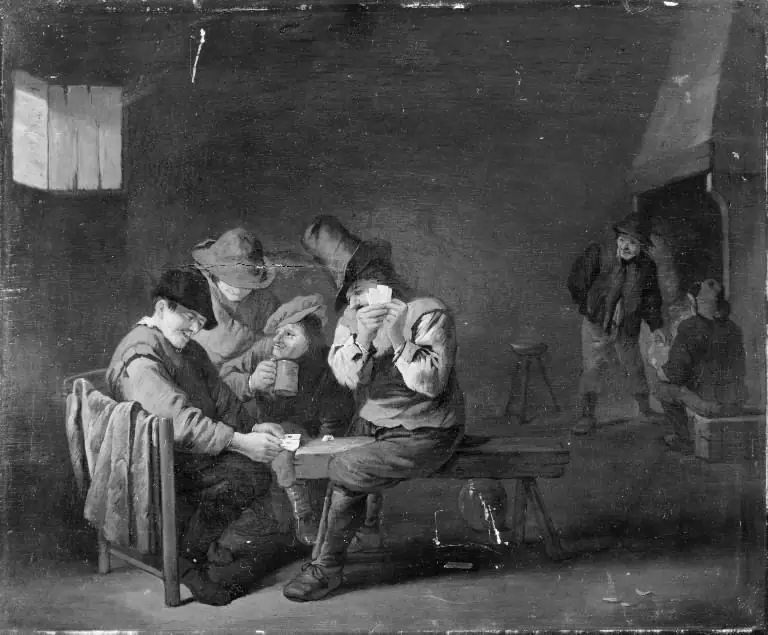
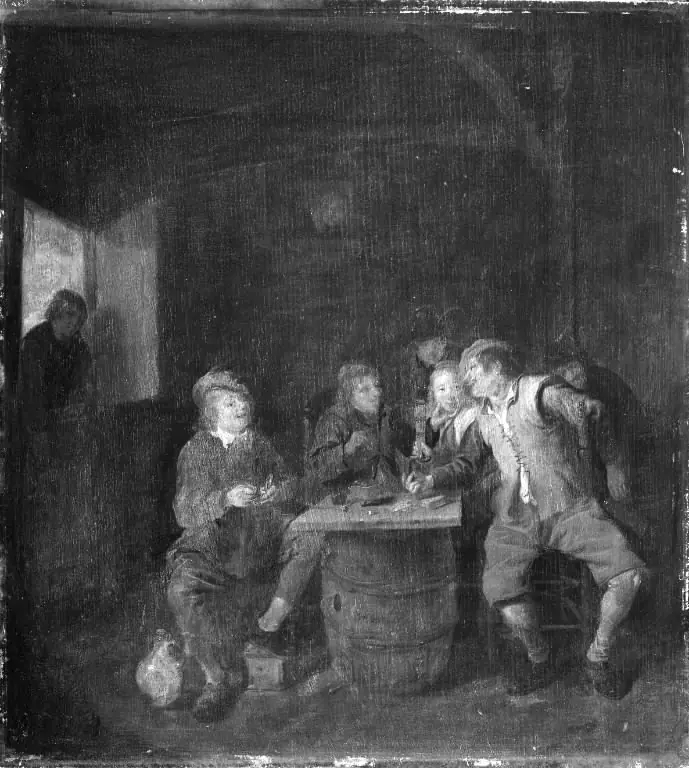
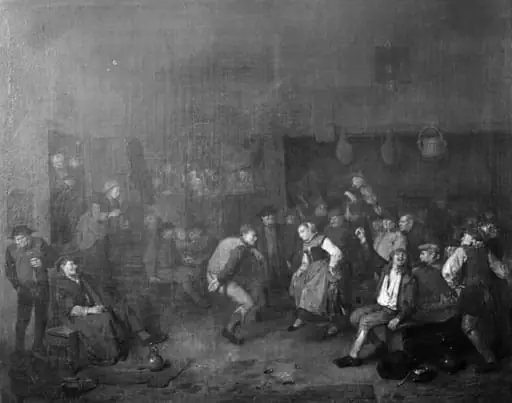
Dance in a Peasant's Cottage is an oil painting by the Dutch Golden Age artist Egbert van Heemskerck. It dates from 1688 and is held in the collection of the Statens Museum for Kunst.
About this work
Overview
The painting belongs to the Statens Museum for Kunst’s collection, reflecting its enduring recognition within European art holdings.
Egbert van Heemskerck painted this oil work in 1688, capturing a moment of rural festivity in a modest Dutch cottage. Though born in Haarlem in 1634, he spent much of his later career in London, where he found patronage among aristocrats drawn to his lively depictions of common life. The painting belongs to the Statens Museum for Kunst’s collection, reflecting its enduring recognition within European art holdings.
Subject & Meaning
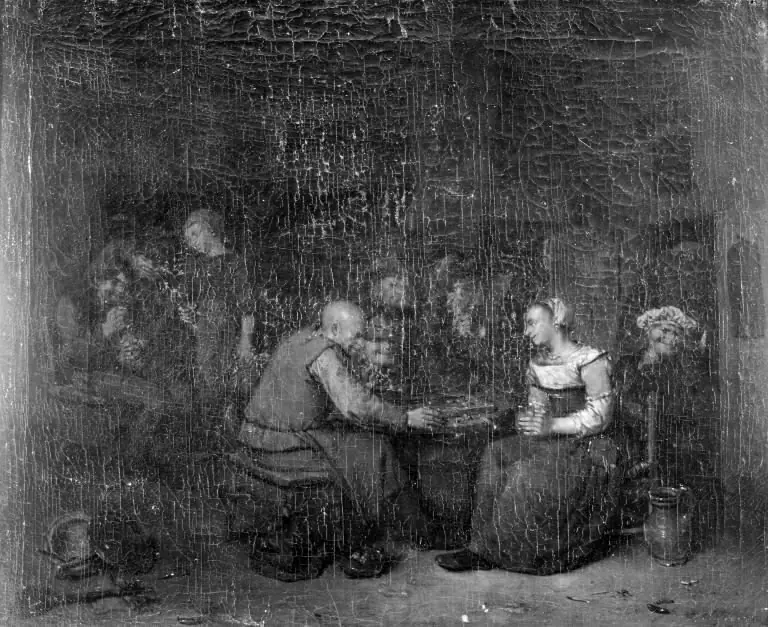
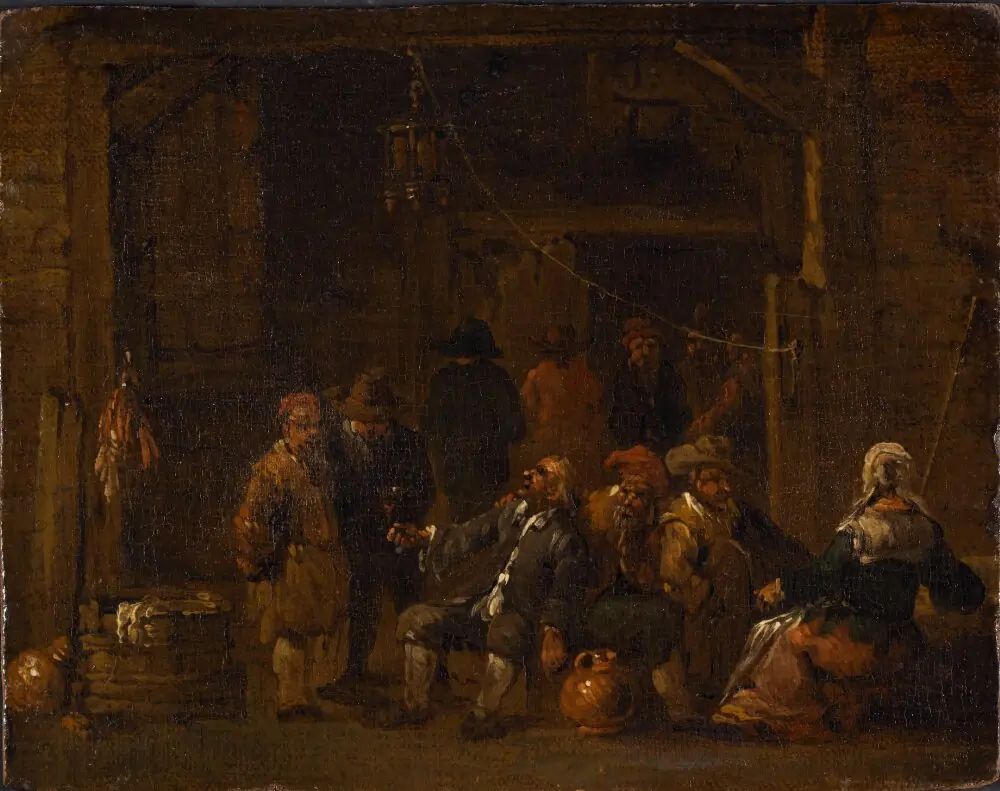
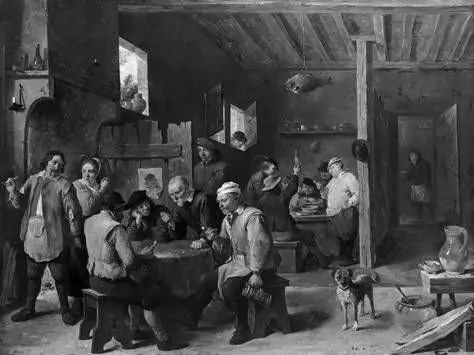
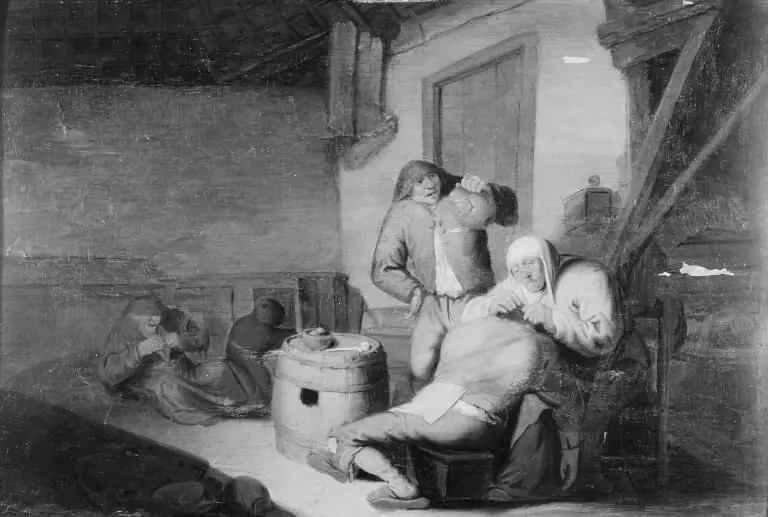
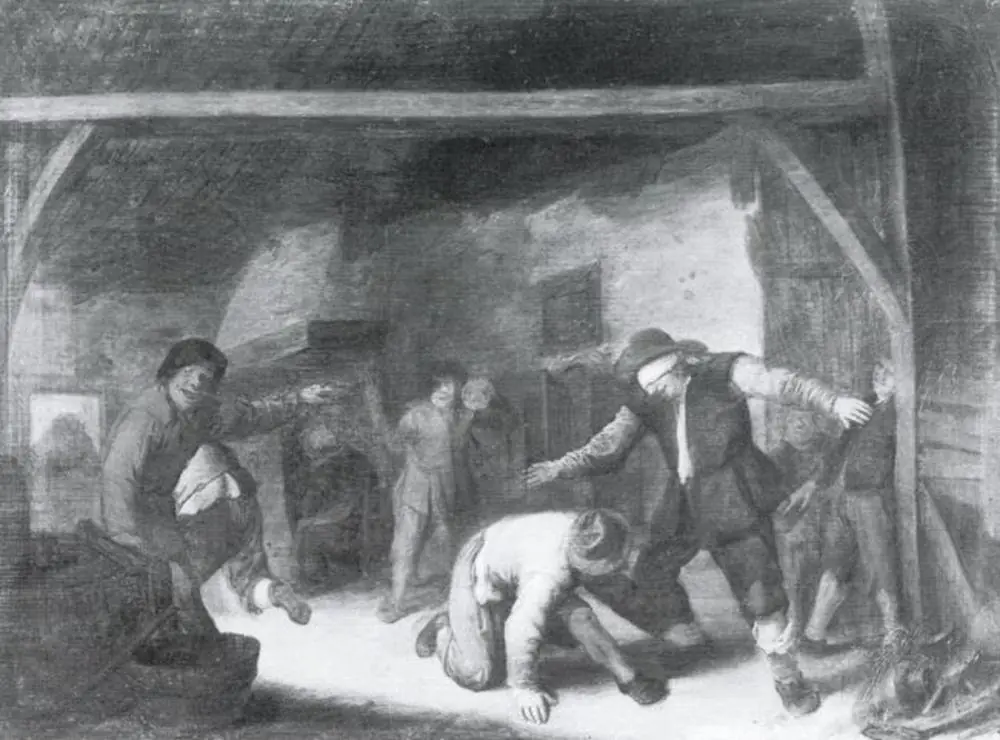
The scene portrays a group of peasants engaged in dance and conversation within a cramped interior. Figures cluster around a central space where movement is most active, while others observe or rest on benches. No overt moralizing is present; instead, the work offers a candid, unidealized view of communal joy among the rural working class, emphasizing shared ritual over social commentary.
Technique & Style
Van Heemskerck employed oil paint to render textures of rough wool, wooden furniture, and flickering candlelight with subtle tonal shifts. His brushwork is loose yet deliberate, capturing gestures and expressions with a sense of spontaneity. Light falls unevenly across the room, enhancing the intimacy of the space and guiding attention toward the dancers without relying on dramatic chiaroscuro.
History & Provenance
Created during the artist’s later years, the painting likely originated in London, where van Heemskerck produced many genre scenes for English patrons. It entered the Danish national collection in the 19th century, possibly through acquisition or exchange. Its presence in Statens Museum for Kunst underscores its value as a rare example of Dutch-influenced genre painting in Northern European public collections.
Context
In late 17th-century Holland and England, depictions of peasant life were popular among urban elites who viewed them as both entertaining and morally neutral. Van Heemskerck’s work aligns with this trend, offering a world removed from aristocratic refinement. His scenes avoided overt satire, instead presenting everyday rituals with a quiet dignity that appealed to collectors seeking relatable human moments.
Legacy
Though less celebrated than contemporaries like Rembrandt or Steen, van Heemskerck’s genre paintings contributed to the broader acceptance of ordinary life as worthy artistic subject matter. His work, including this piece, remains a quiet testament to the visual documentation of non-elite social practices in the Dutch and English artistic traditions of the period.
Artist & collection
Artist
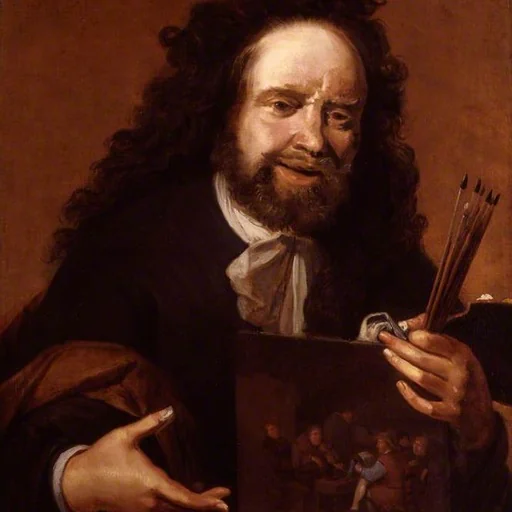
Egbert van Heemskerck, or Egbert Jaspersz van Heemskerk (1634–1704) was a Haarlem Dutch Golden Age painter of genre works who moved to London in the 1670s and died there in 1704.