Artwork
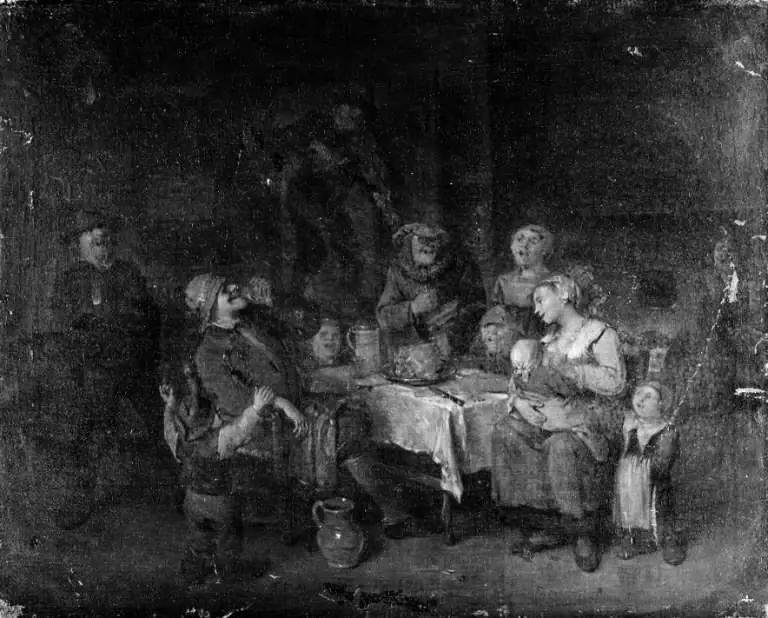
Peasants Singing at an Inn
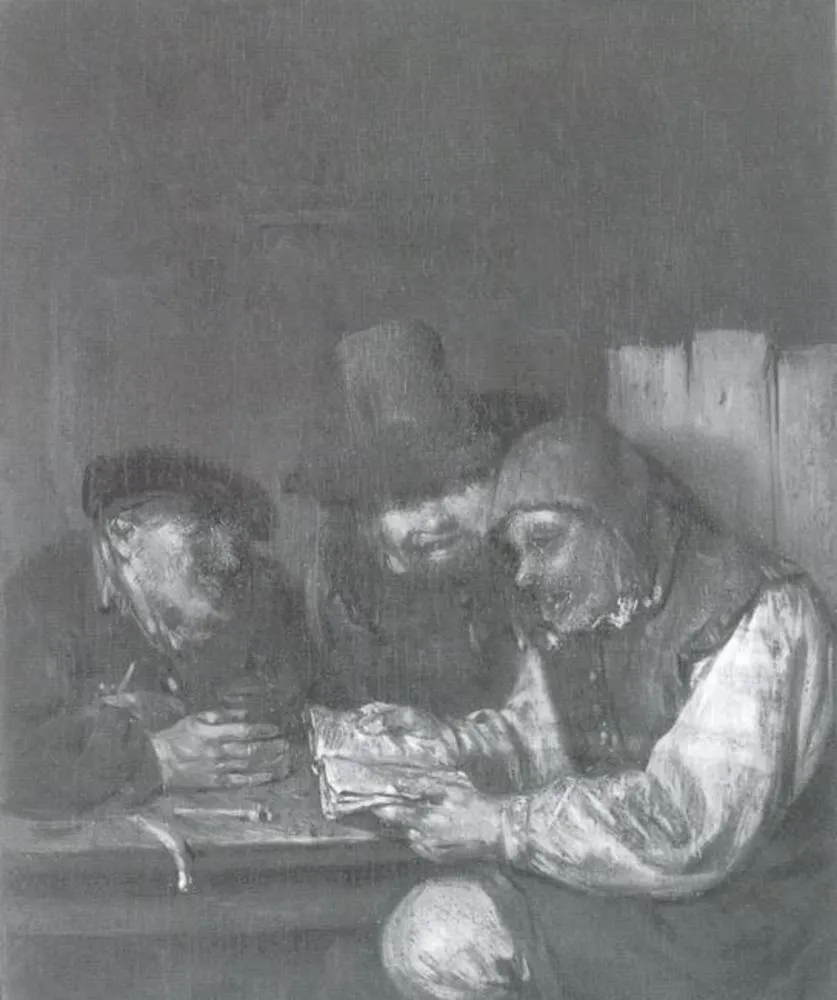
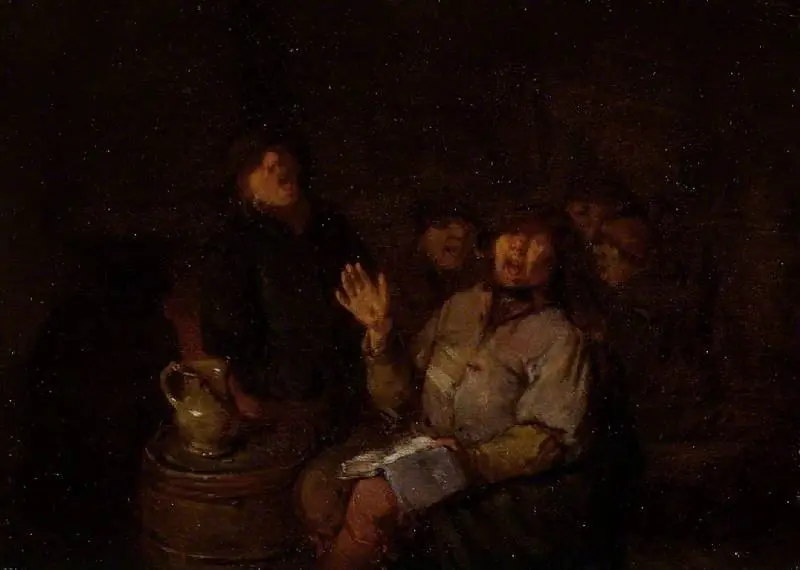
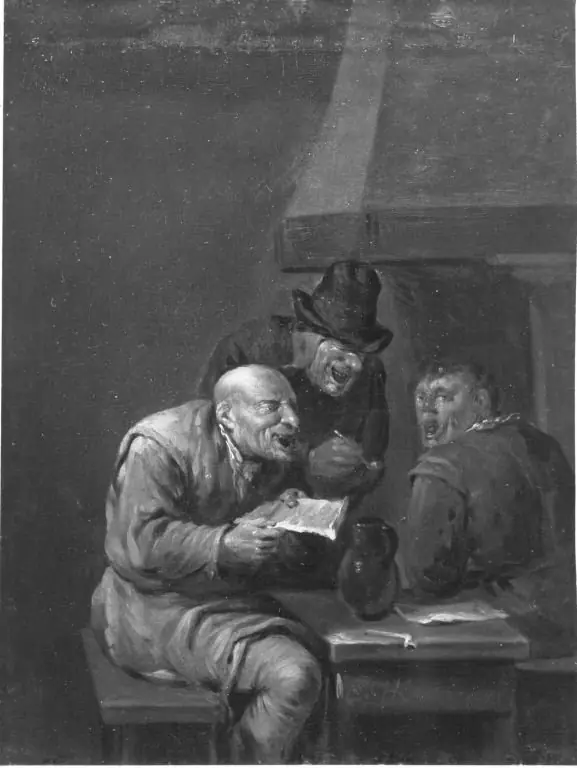
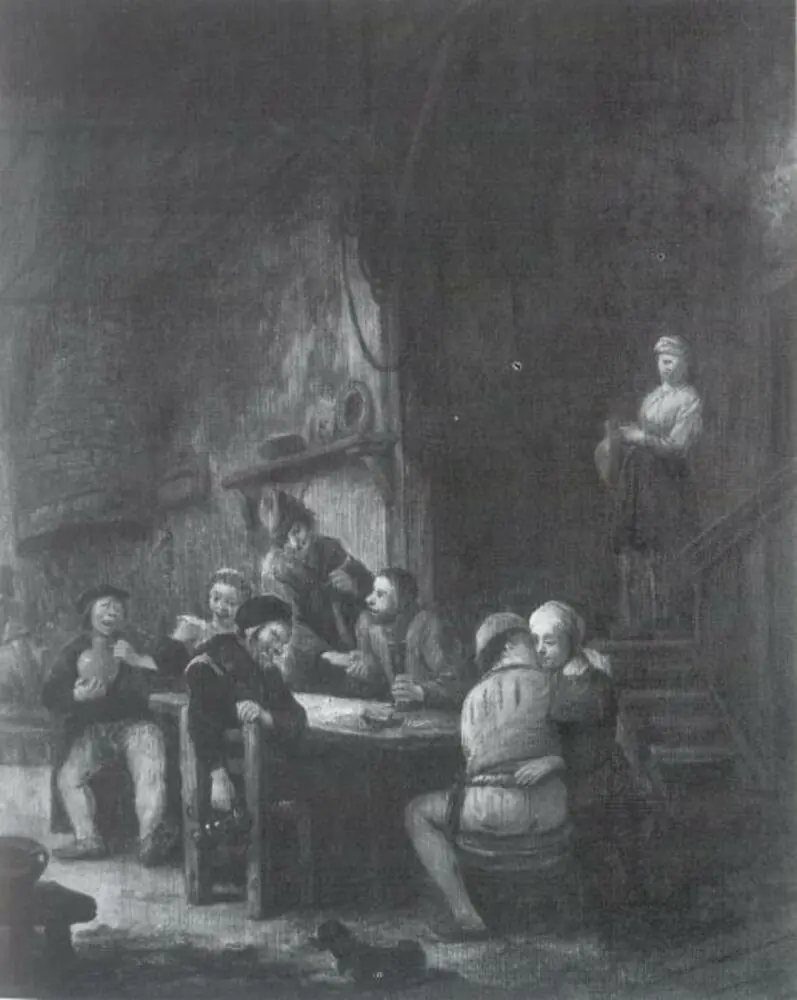
Peasants Singing at an Inn is an oil painting by the Dutch Golden Age artist Egbert van Heemskerck. It dates from 1688 and is held in the collection of the Nationalmuseum.
About this work
Overview
Van Heemskerck, active during the later Dutch Golden Age, specialized in genre scenes that portrayed everyday life with gentle humor.
Painted in 1688 by Egbert van Heemskerck, this oil-on-canvas work captures a moment of rural merriment in an inn setting. Van Heemskerck, active during the later Dutch Golden Age, specialized in genre scenes that portrayed everyday life with gentle humor. Though born in Haarlem, he spent much of his career in London, where he continued to develop his distinctive style rooted in Dutch traditions but influenced by his exile environment.
Subject & Meaning
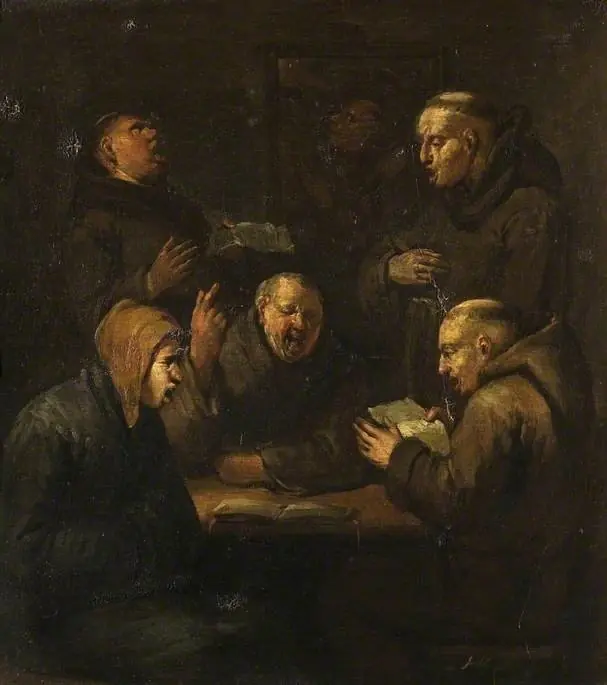
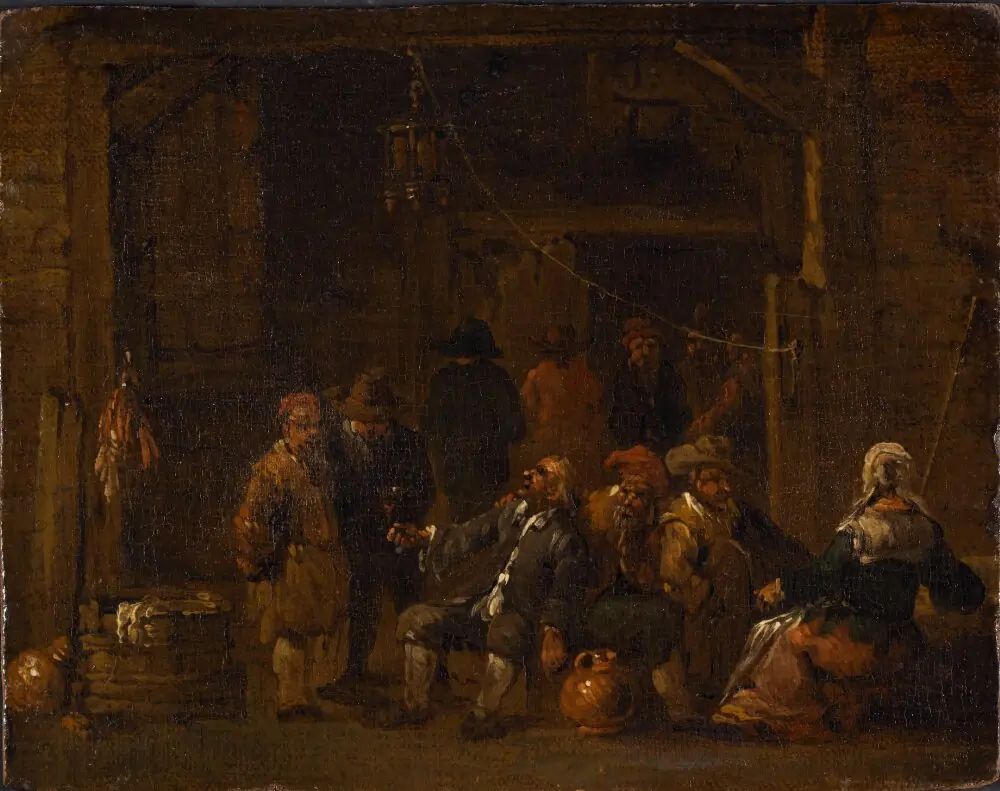
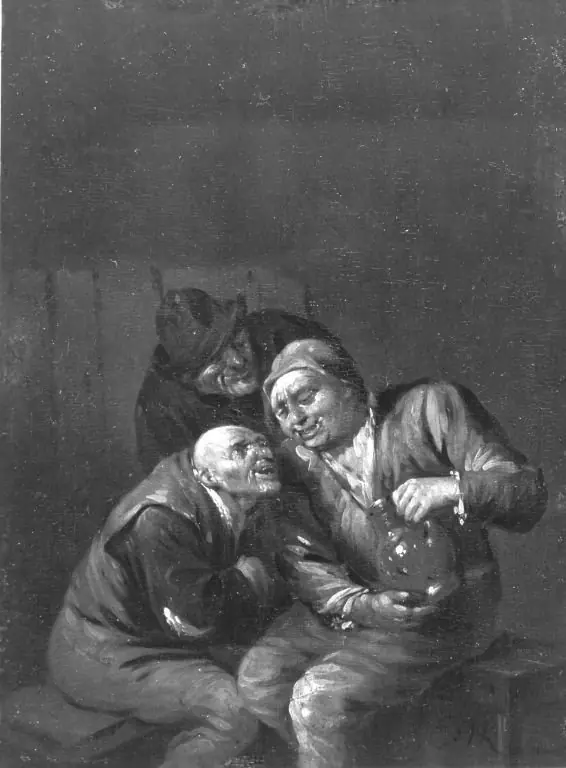
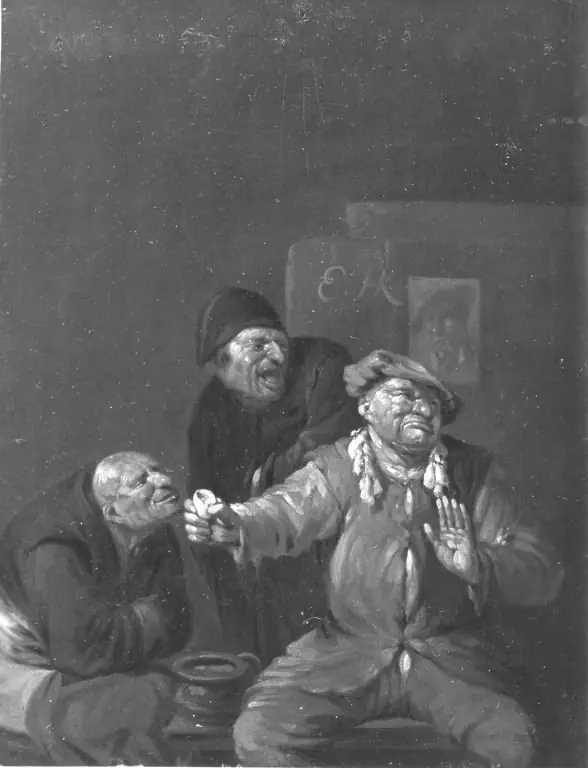
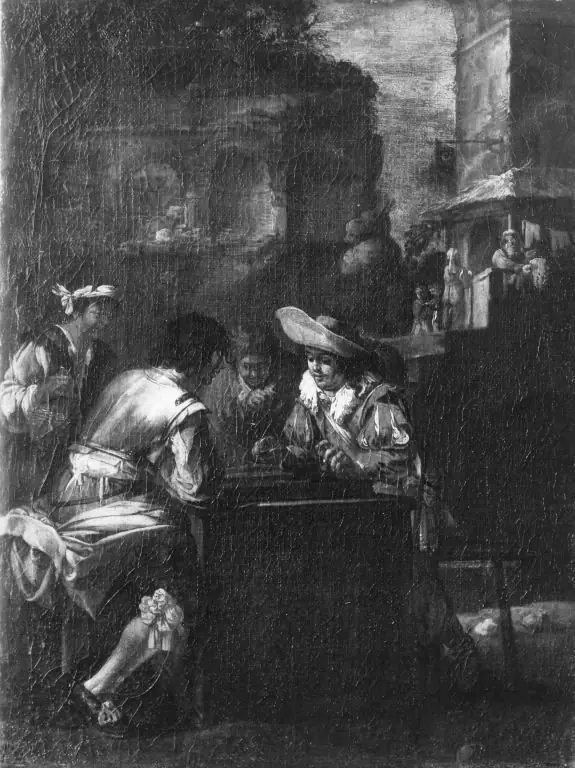
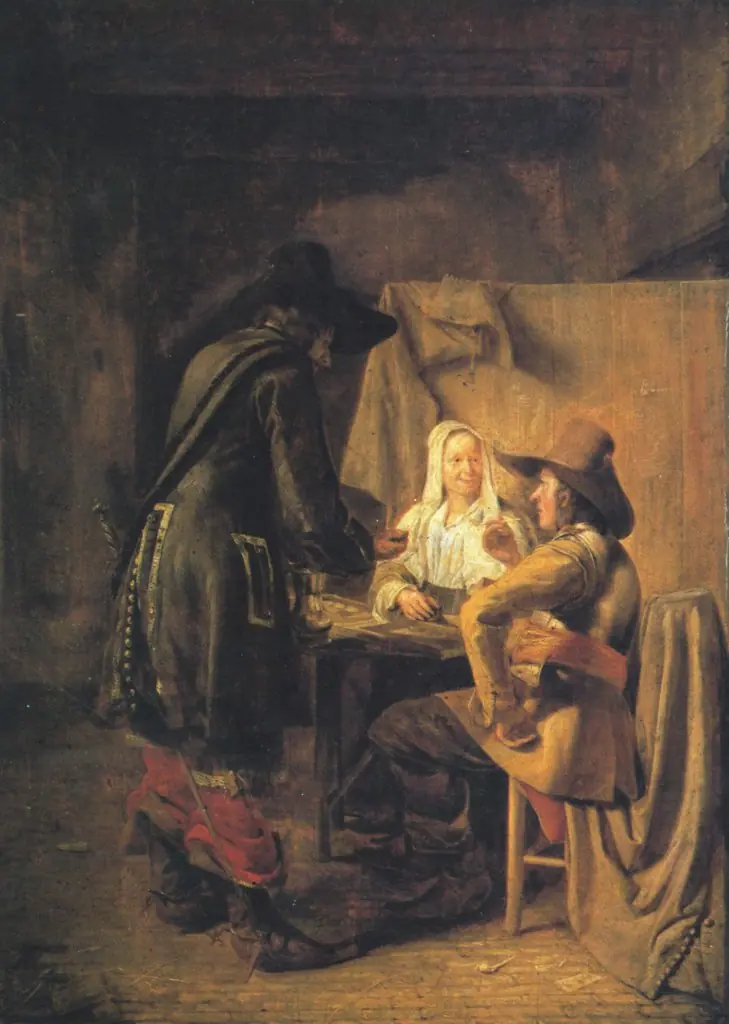
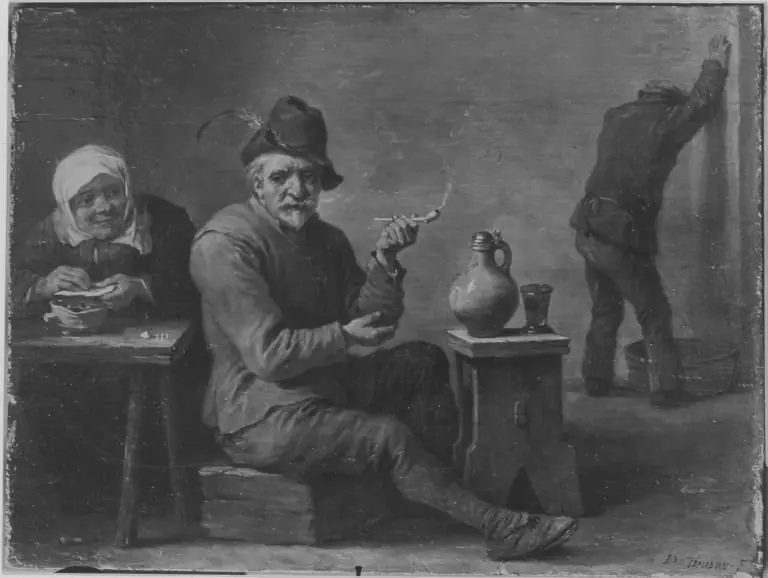
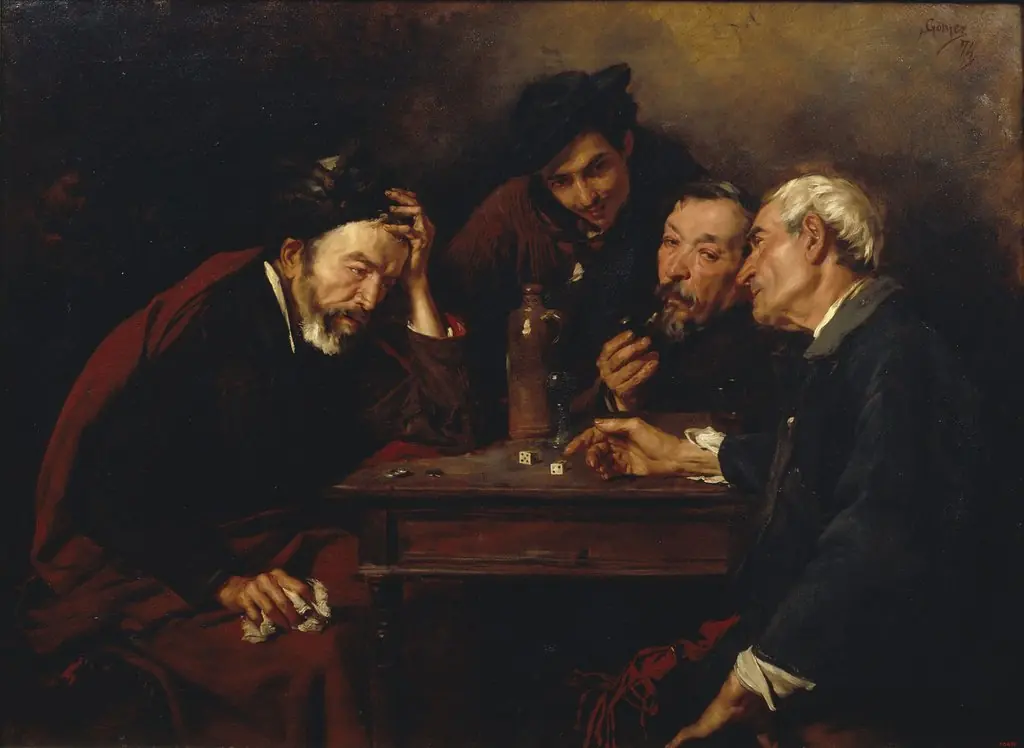
The painting portrays a group of peasants engaged in communal song, one holding sheet music and another plucking a lute. Their postures and expressions suggest unselfconscious joy, emphasizing camaraderie over social status. The scene avoids moralizing, instead presenting rural leisure as a natural, unembellished part of life. It reflects a broader cultural interest in the lives of common people, common in Dutch art of the period.
Technique & Style
Van Heemskerck employs bold, fluid brushwork to convey movement and spontaneity, particularly in the gestures of the figures and the folds of their clothing. Warm, earthy tones and soft, diffused lighting create a sense of intimacy, enhancing the convivial mood. While not using dramatic chiaroscuro like Rembrandt, he subtly modulates light to guide attention toward the central group, reinforcing the scene’s emotional warmth without theatricality.
History & Provenance
Created during van Heemskerck’s time in London, the painting reflects his continued engagement with Dutch subject matter despite his relocation. Little is documented about its early ownership, but it aligns with the tastes of collectors who favored genre scenes from the Netherlands. Its survival into the modern era underscores its appeal as a representative example of late 17th-century Dutch-influenced painting abroad.
Context
In the late 1600s, Dutch artists increasingly turned to scenes of ordinary life as the Republic’s economic and religious climate shifted. Genre painting flourished as a market-driven form, valued for its relatability and moral neutrality. Van Heemskerck’s work fits within this trend, offering a non-idealized view of peasant life that contrasted with aristocratic or religious themes dominant elsewhere in Europe.
Legacy
Though not widely known today, van Heemskerck’s paintings contribute to the understanding of how Dutch artistic traditions traveled and adapted beyond the Netherlands. His focus on everyday humor and communal rituals influenced later genre painters in Britain and the Low Countries. This work remains a quiet testament to the enduring appeal of ordinary human connection in art.
Artist & collection
Artist
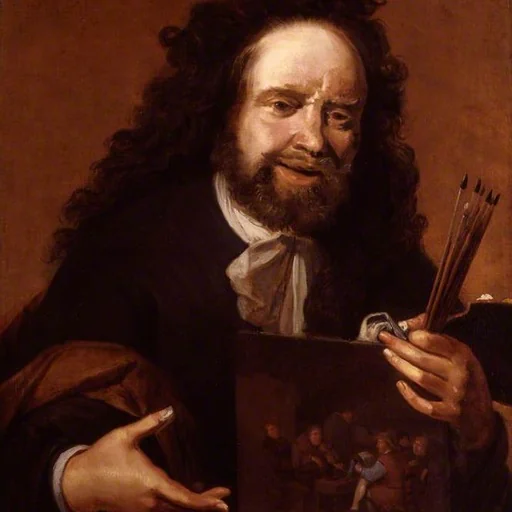
Egbert van Heemskerck, or Egbert Jaspersz van Heemskerk (1634–1704) was a Haarlem Dutch Golden Age painter of genre works who moved to London in the 1670s and died there in 1704.