Artwork
A Trial
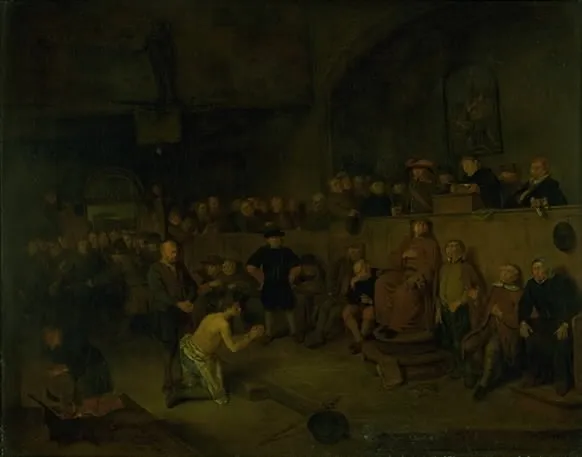
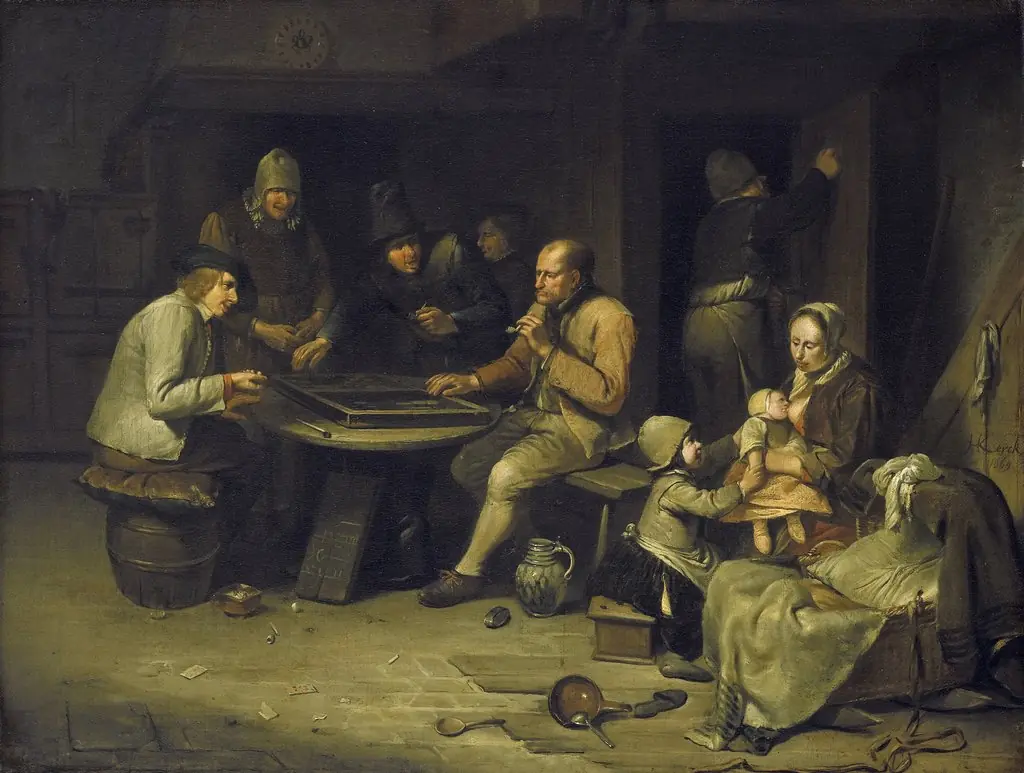
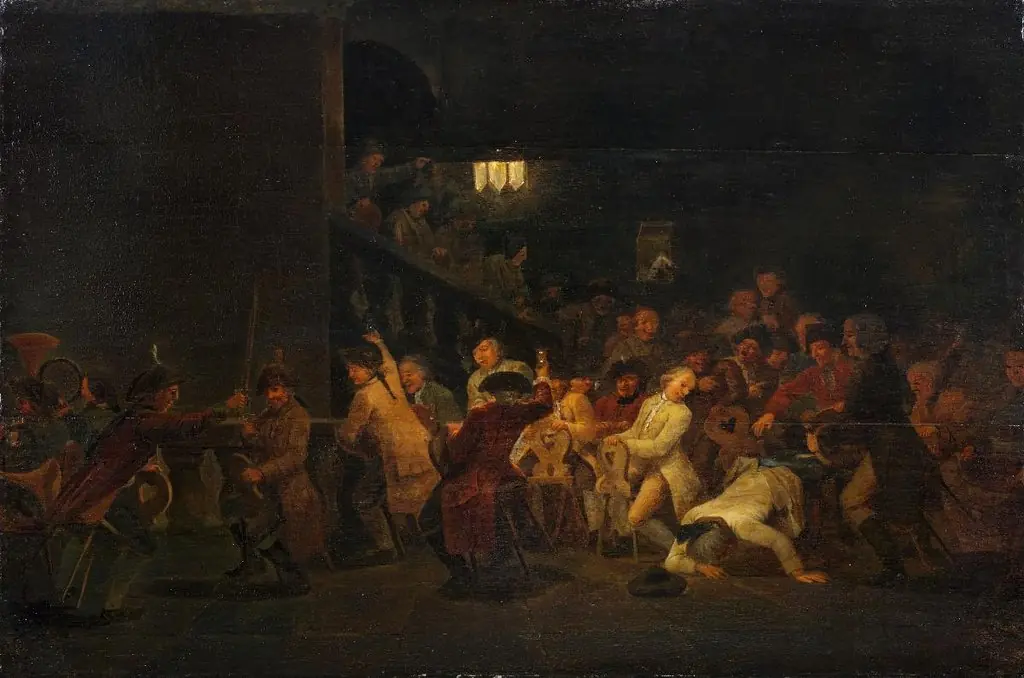
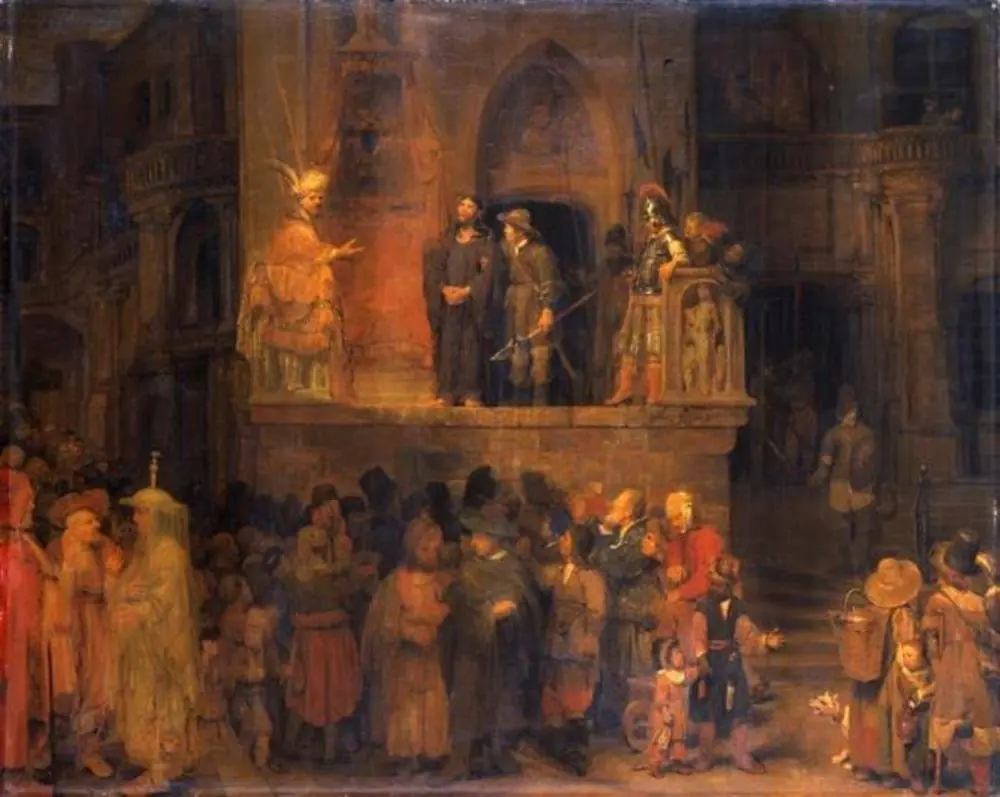
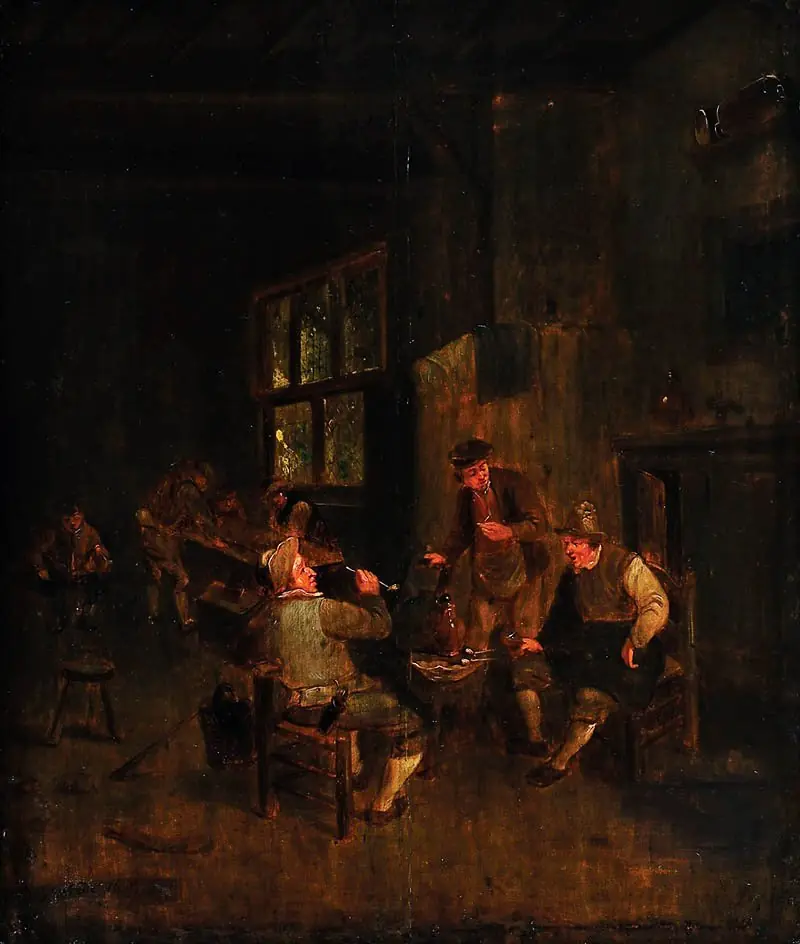
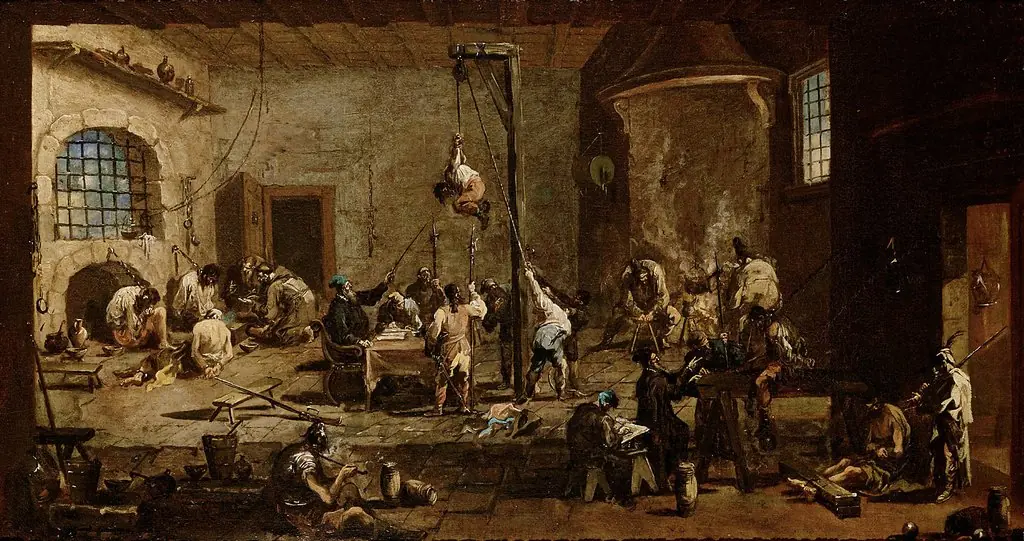
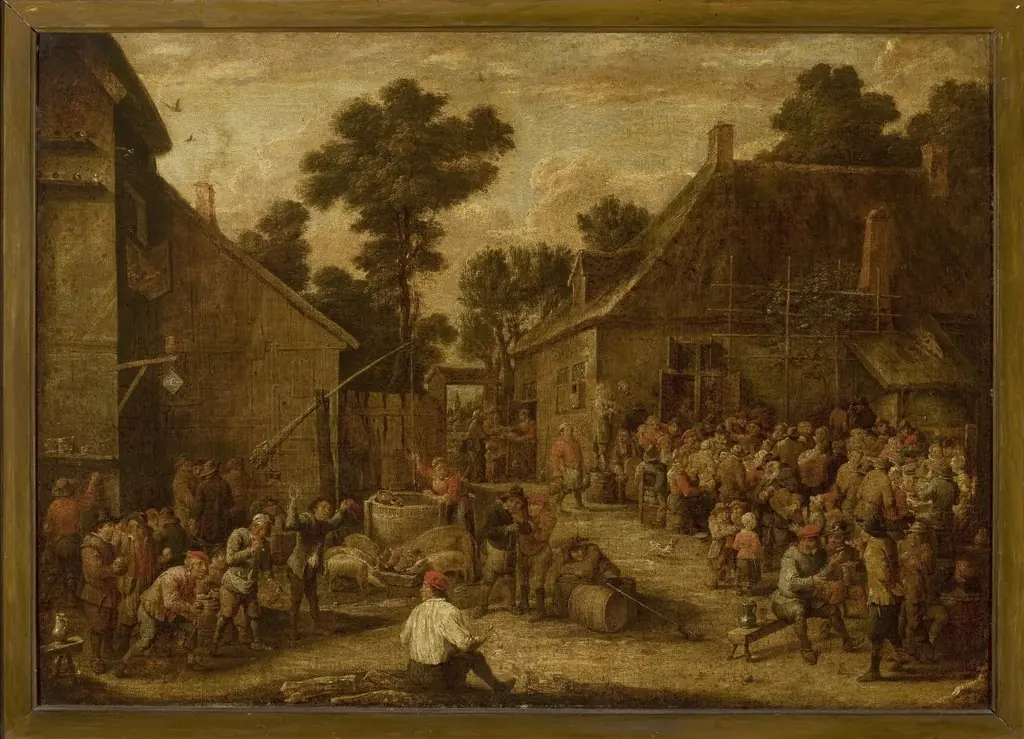
A Trial is an oil painting by the Dutch Golden Age artist Egbert van Heemskerck. It dates from 1688 and is held in the collection of the Statens Museum for Kunst.
About this work
Overview
Van Heemskerck, a Dutch artist active in both Haarlem and London, specialized in scenes of everyday life rendered with subtle irony.
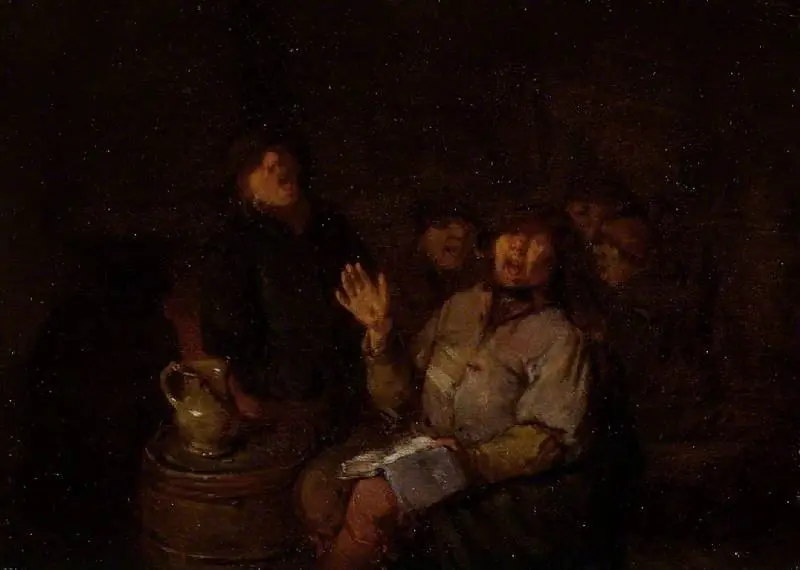
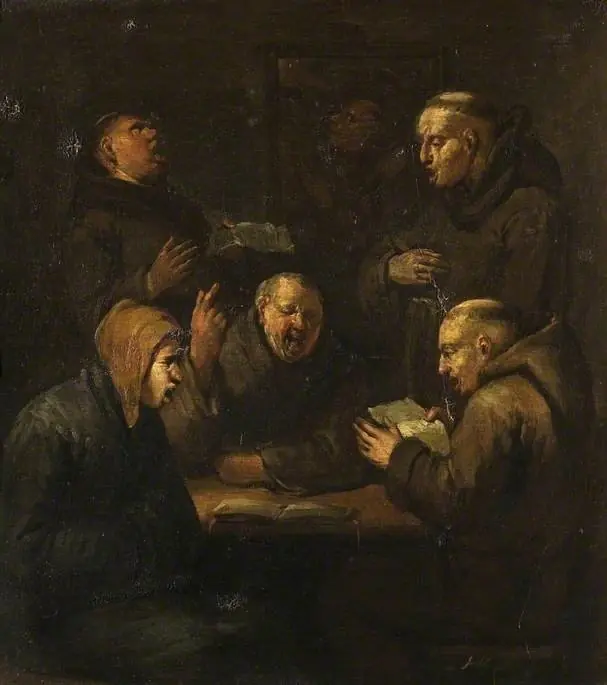
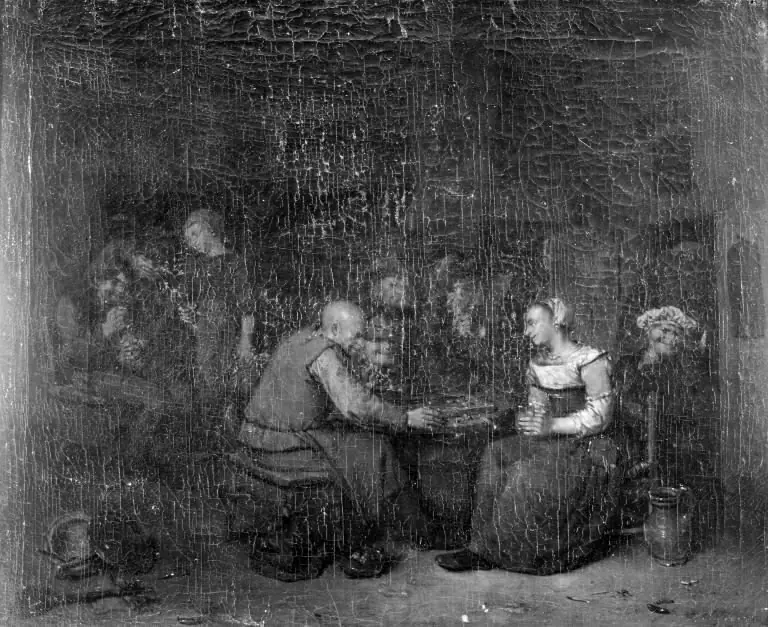
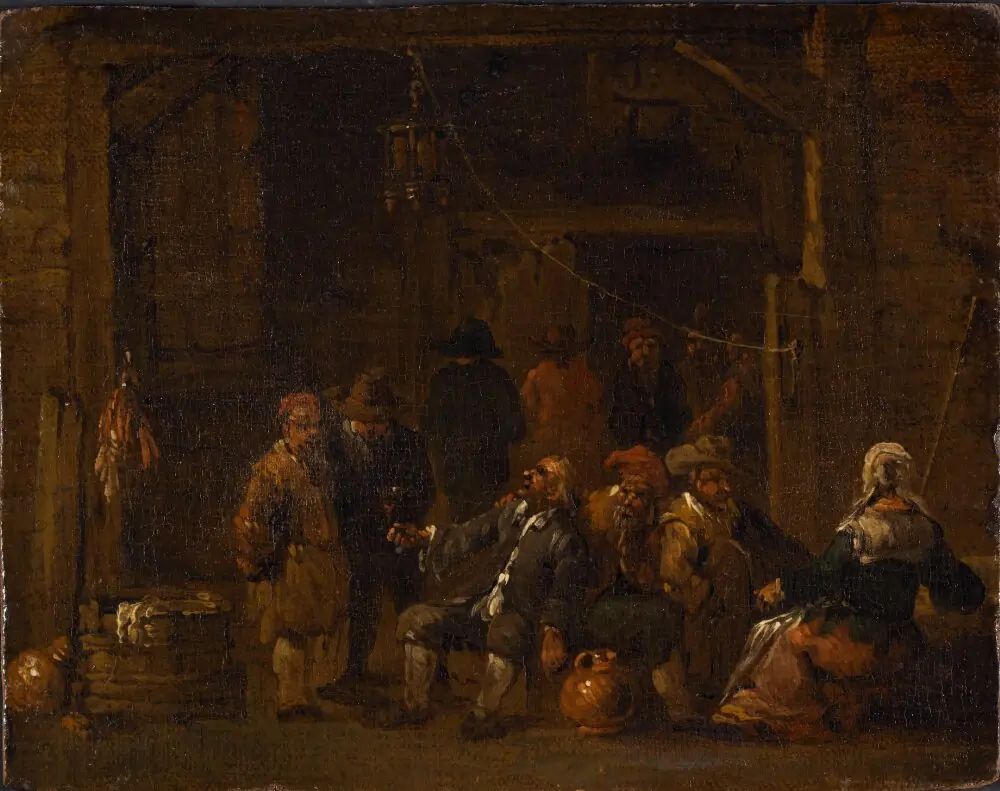
Painted in 1688 by Egbert van Heemskerck, this oil-on-canvas work captures a moment of communal tension in a dimly lit interior. Van Heemskerck, a Dutch artist active in both Haarlem and London, specialized in scenes of everyday life rendered with subtle irony. The painting’s composition and lighting reflect his engagement with the Dutch Golden Age’s narrative traditions, while its subject suggests a satirical take on social ritual.
Subject & Meaning
A group of individuals, dressed in varied social attire, gather in a tense, intimate setting. One figure, shirtless and likely a laborer, stands out as a focal point, possibly the subject of scrutiny or debate. The gestures and postures imply a dispute or judgment, though the exact nature remains ambiguous. The scene avoids clear moral resolution, inviting viewers to question authority, class, or the absurdity of social performance.
Technique & Style
Van Heemskerck employs chiaroscuro to model forms and direct attention, with light falling selectively on faces and hands to emphasize expression and gesture. The brushwork is precise yet unpolished, favoring naturalism over idealization. The muted palette and confined space enhance the painting’s psychological weight. His technique aligns with Dutch genre painting but leans into theatricality, suggesting influence from both Netherlandish realism and English courtly tastes.
History & Provenance
Created during van Heemskerck’s years in London, the painting likely originated within the circle of his patron, John Wilmot, 2nd Earl of Rochester, known for his wit and literary connections. Though no documentation confirms its early ownership, its subject matter and style suggest it was intended for private, intellectual audiences. The work remained in private collections until entering its current institutional home in the 20th century.
Context
In late 17th-century England, Dutch artists like van Heemskerck brought their tradition of genre painting to a market fascinated by domestic satire. His work intersected with the era’s interest in human folly, echoed in contemporary literature and prints. While Dutch painters often depicted domestic humor, van Heemskerck’s London context introduced a layer of class tension, reflecting the cultural hybridity of his environment.
Legacy
Though van Heemskerck’s reputation never matched that of his Dutch contemporaries, his paintings contributed to the cross-channel exchange of genre imagery. His works, particularly those circulated as engravings, influenced minor British artists exploring satirical themes. Today, his oeuvre remains a quiet testament to the mobility of artistic ideas and the subtle ways humor and observation crossed national boundaries in the early modern period.
Artist & collection
Artist
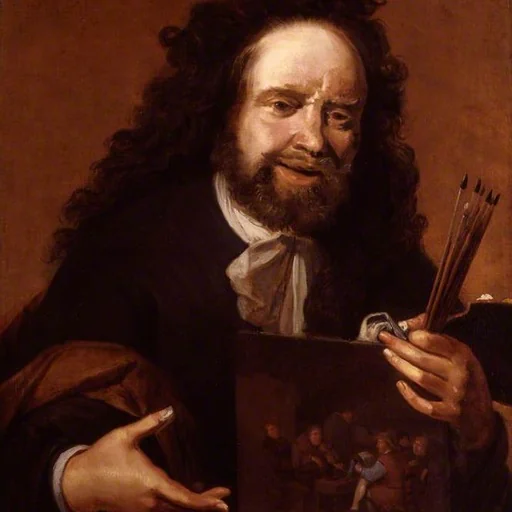
Egbert van Heemskerck, or Egbert Jaspersz van Heemskerk (1634–1704) was a Haarlem Dutch Golden Age painter of genre works who moved to London in the 1670s and died there in 1704.