Artwork
A View of Castletownshend, County Cork
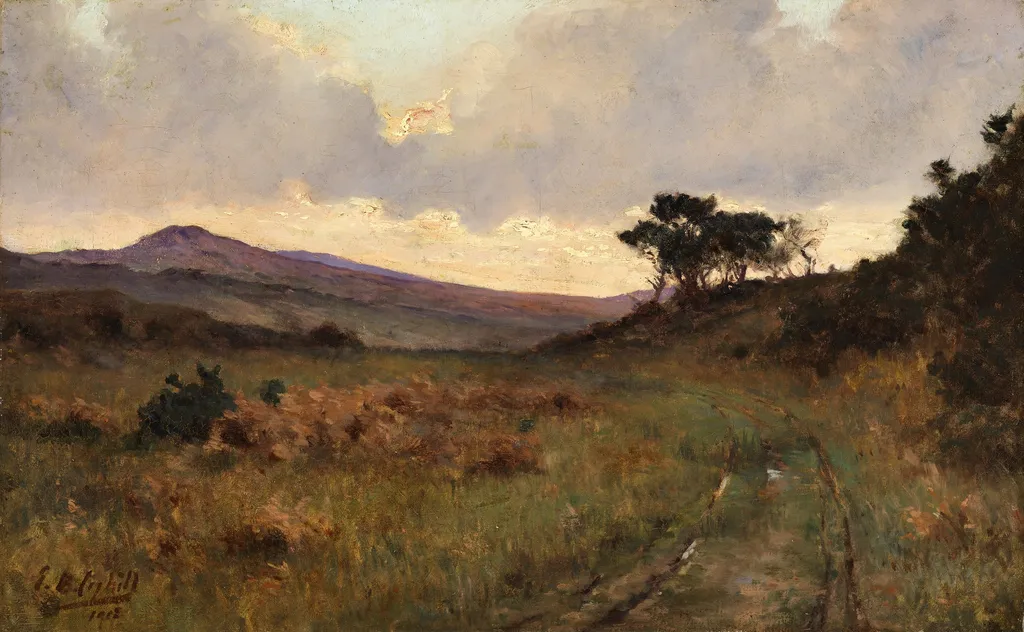
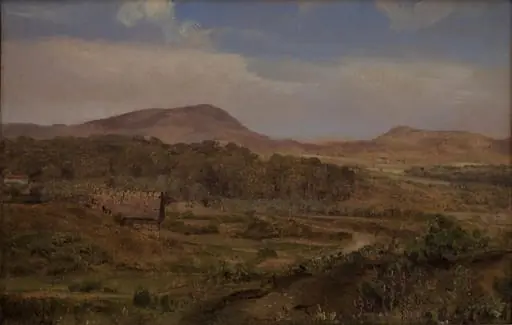
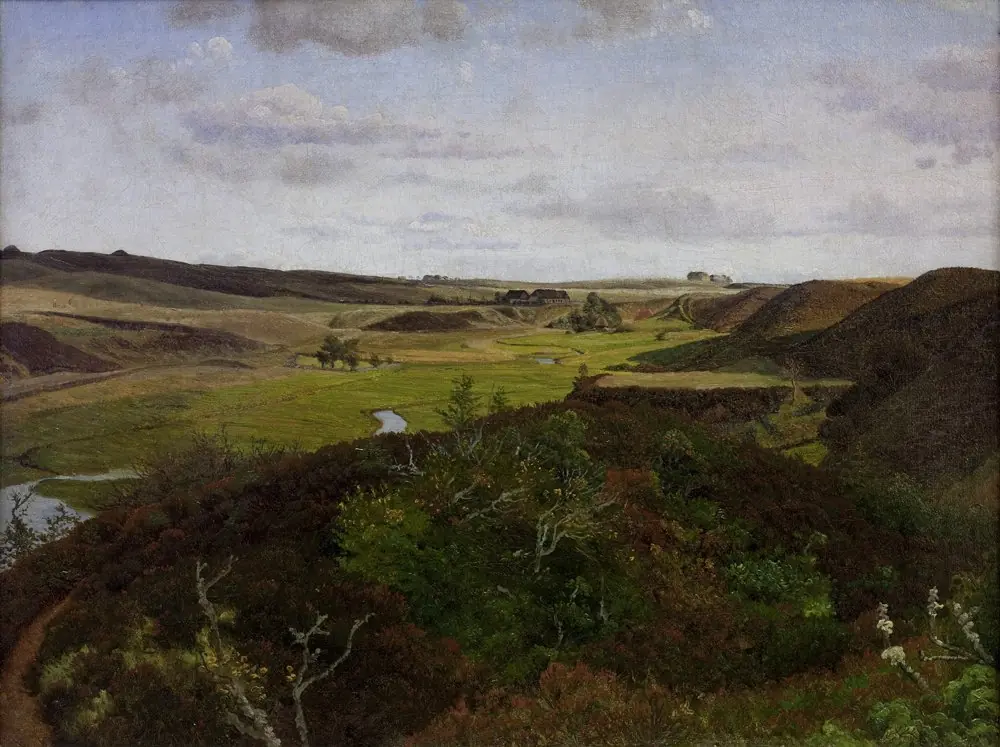
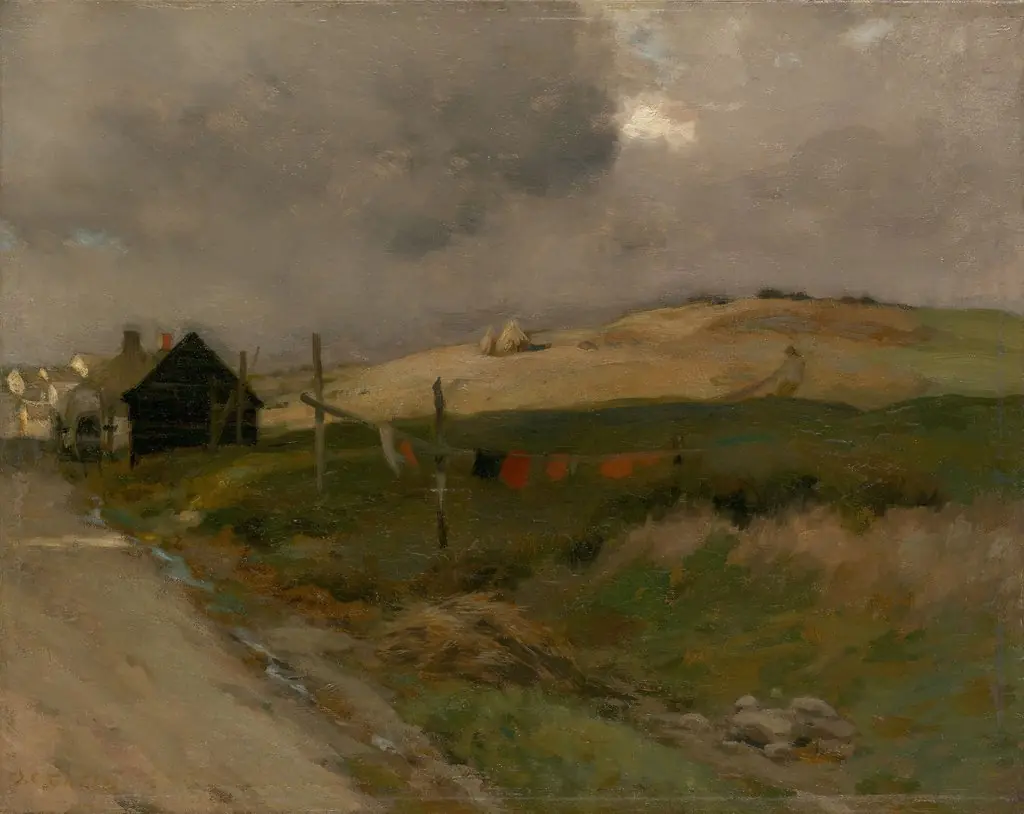
A View of Castletownshend, County Cork is an oil painting by the Impressionist artist Egerton Coghill. It dates from 1903 and is held in the collection of the National Gallery of Ireland.
About this work
Overview
Its subdued tones and gentle composition convey a sense of stillness, characteristic of late 19th- to early 20th-century Irish landscape painting.
Painted in 1903 by Egerton Coghill, this oil on canvas depicts the rural landscape of Castletownshend in County Cork. The work is part of the National Gallery of Ireland’s collection and reflects the artist’s interest in quiet, unidealized Irish scenery. Its subdued tones and gentle composition convey a sense of stillness, characteristic of late 19th- to early 20th-century Irish landscape painting.
Subject & Meaning
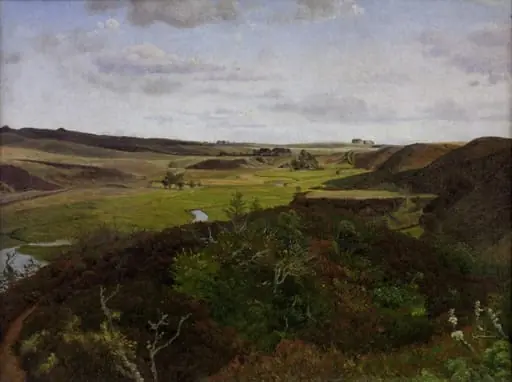
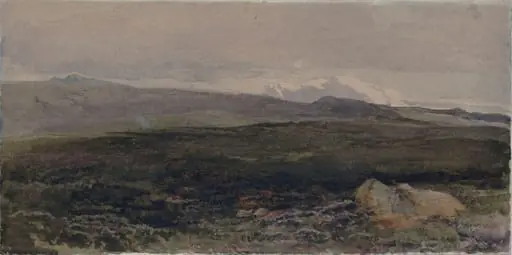
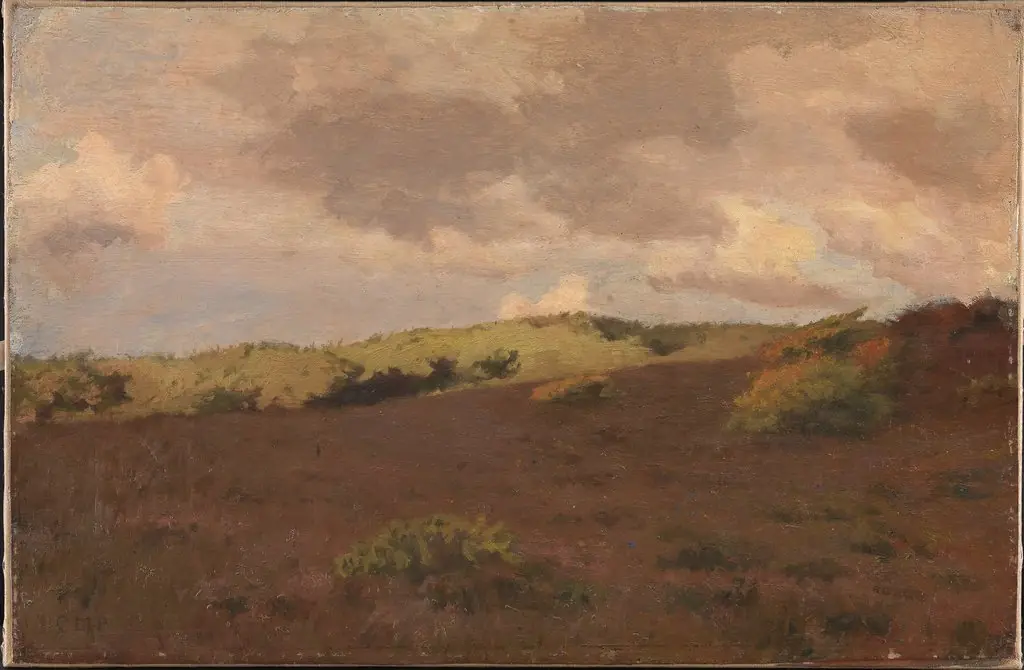
The scene presents a modest, unpopulated stretch of countryside—rolling hills, sparse trees, a winding dirt path, and patches of undergrowth. There is no human presence, and the focus lies in the land itself. The painting suggests contemplation of place, emphasizing the quiet dignity of rural Ireland rather than dramatic or romanticized views.
Technique & Style
Coghill employs a restrained palette of greens, browns, and greys, with subtle shifts in tone to suggest depth. Light filters through overcast skies, casting soft shadows that model the terrain without harsh contrast. The brushwork is loose yet deliberate, favoring atmospheric effect over fine detail, aligning with a tradition of tonal landscape painting rather than impressionist fragmentation.
History & Provenance
The painting was completed in 1903 and entered the National Gallery of Ireland’s collection shortly thereafter. It remained relatively unremarked upon in public discourse until the late 20th century, when renewed interest in Irish landscape art led to its reevaluation. Its provenance is well-documented, with no evidence of prior ownership outside Ireland.
Context
Created during a period when Irish artists were increasingly turning to native landscapes as subjects, this work reflects a broader cultural shift away from British academic traditions. Coghill’s approach aligns with contemporaries like Walter Osborne, who sought to capture the Irish countryside with honesty and sensitivity, avoiding exoticism or sentimentality.
Legacy
Though not widely exhibited, the painting contributes to the understanding of early 20th-century Irish art’s quiet realism. It stands as an example of how regional landscapes were rendered with emotional restraint, influencing later generations of Irish painters who valued atmosphere and place over spectacle.
Own this work as a print
Artist & collection