Artwork
Carmel Hills
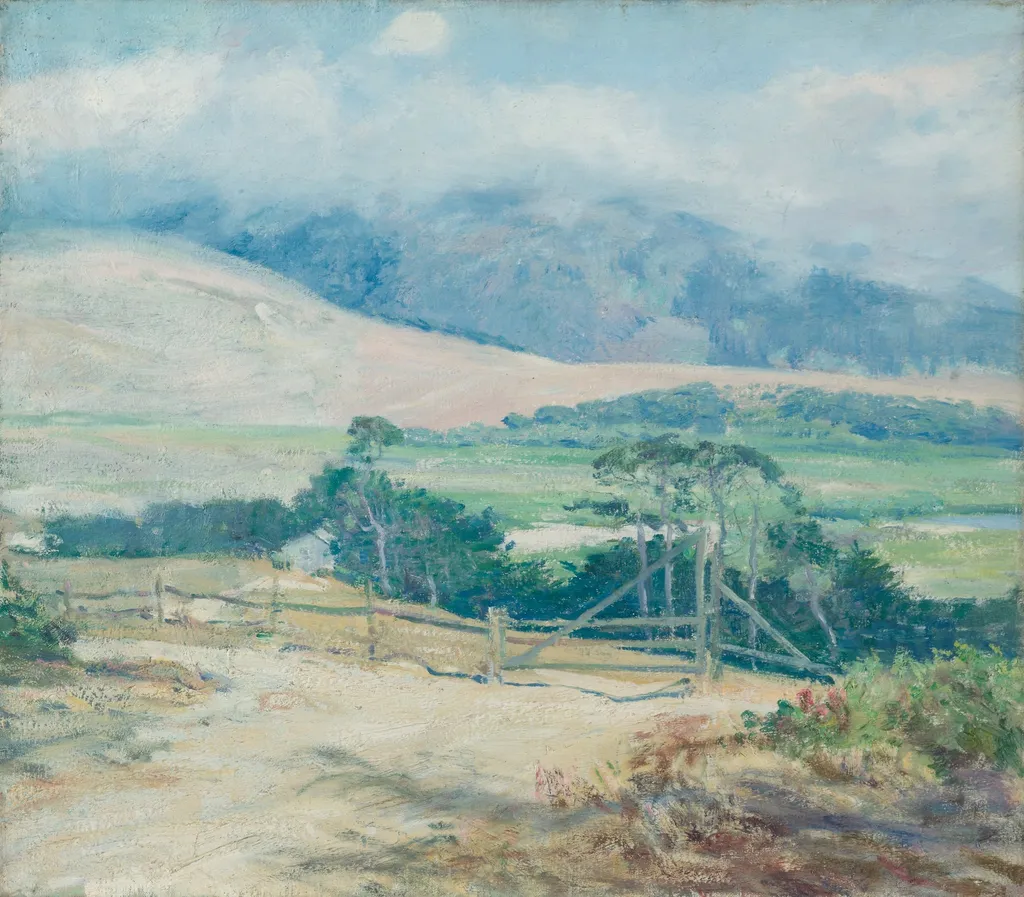
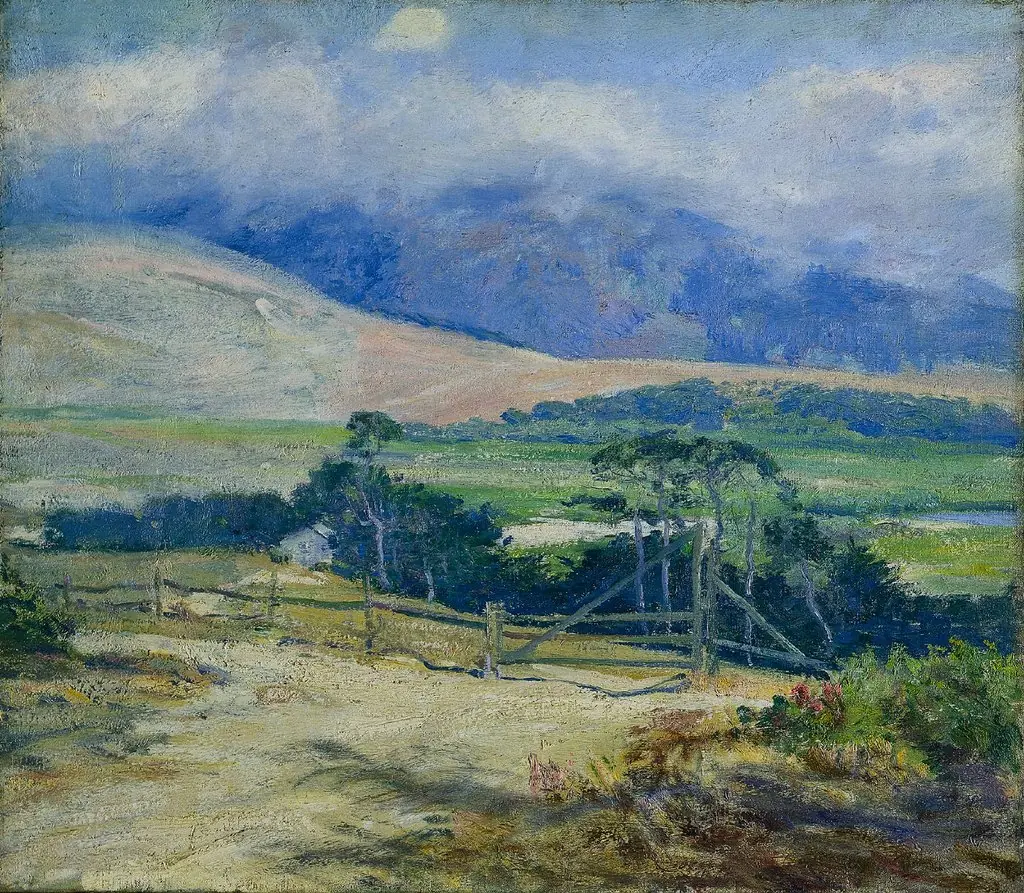
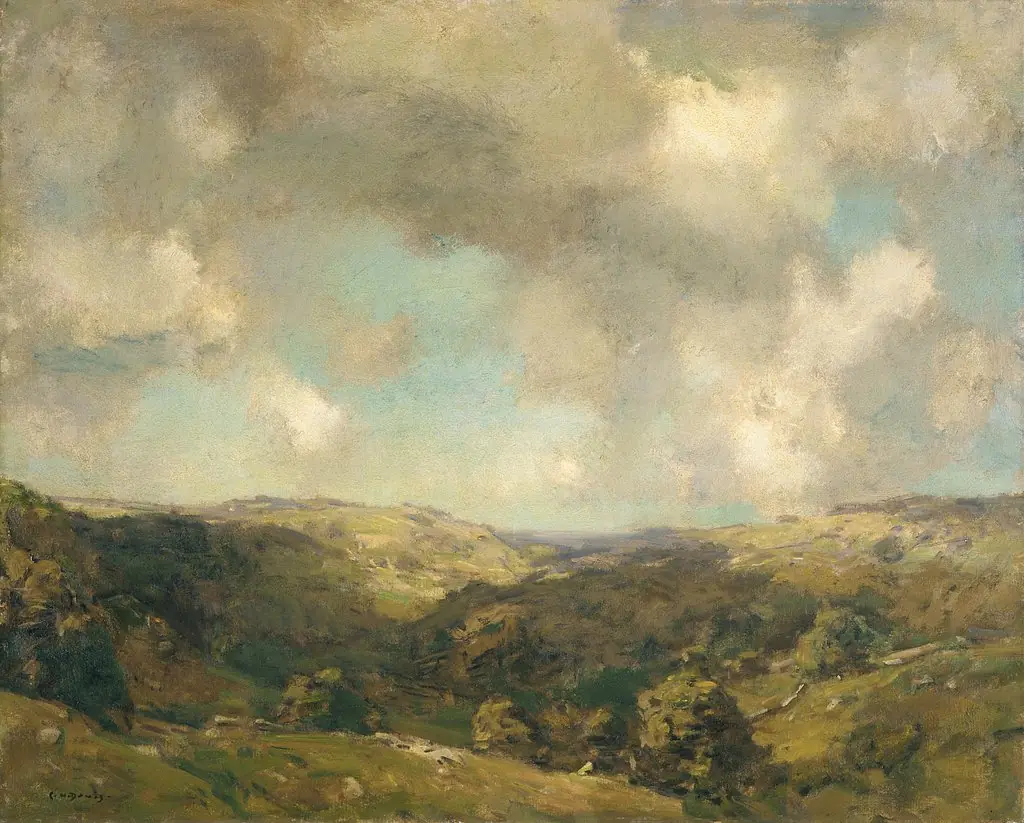
Carmel Hills is an unspecified painting by the American Impressionist artist Guy Rose. It dates from 1919 and is held in the collection of the Cleveland Museum of Art.
About this work
Overview
A key figure in American Impressionism, Rose shifted from European training to focus on the subtle light and quiet terrain of the West Coast.
Guy Rose painted *Carmel Hills* circa 1919, during a period when he was deeply engaged with the California landscape. A key figure in American Impressionism, Rose shifted from European training to focus on the subtle light and quiet terrain of the West Coast. This work exemplifies his mature style—attentive to atmosphere over narrative, and grounded in the sensory experience of place rather than precise representation.
Subject & Meaning
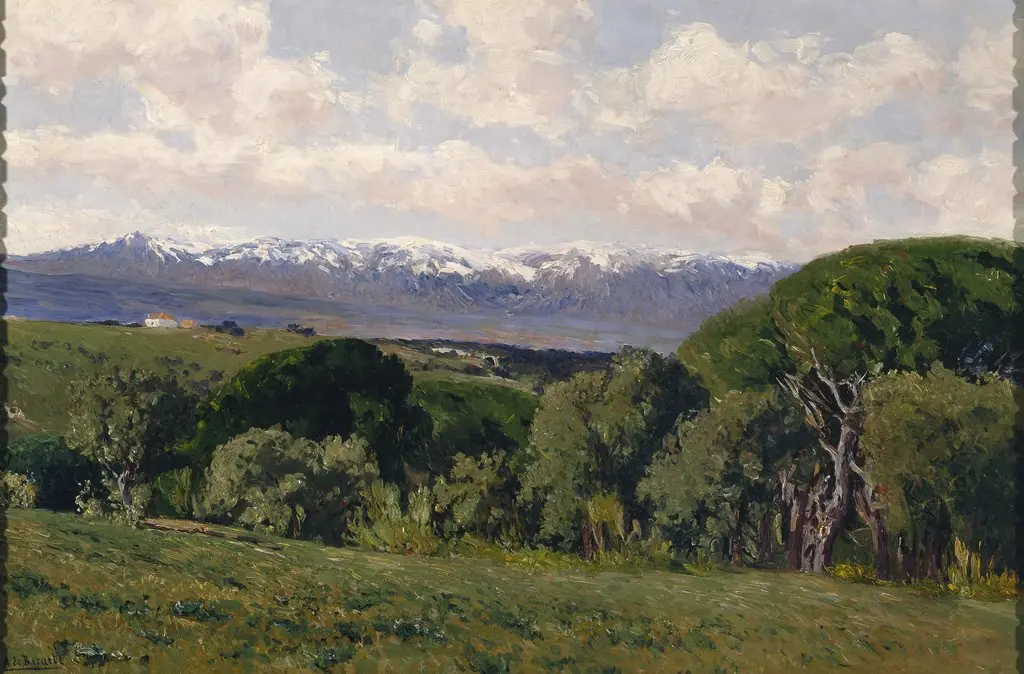
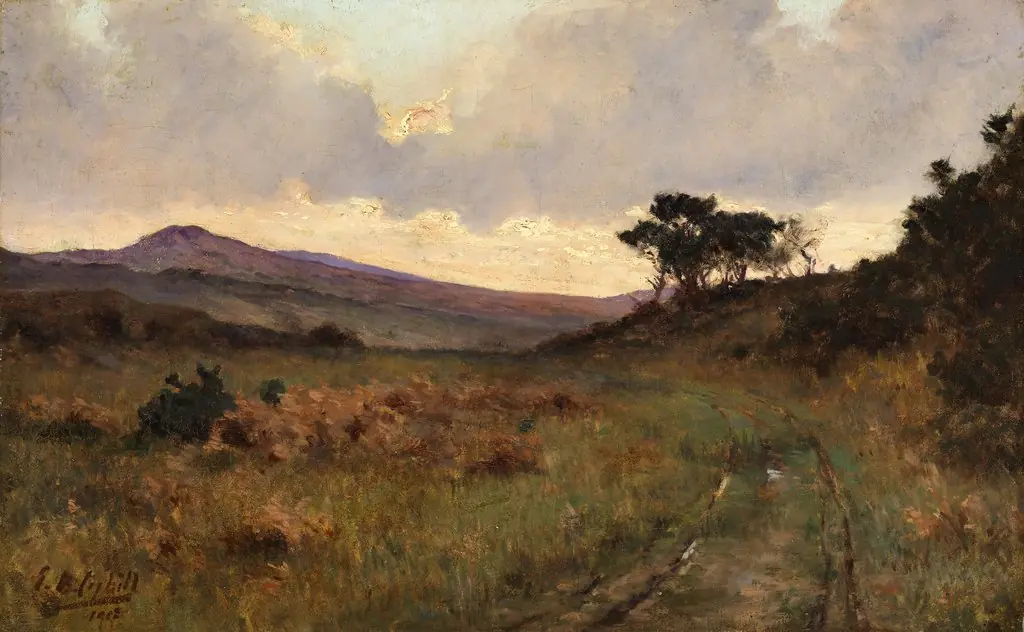
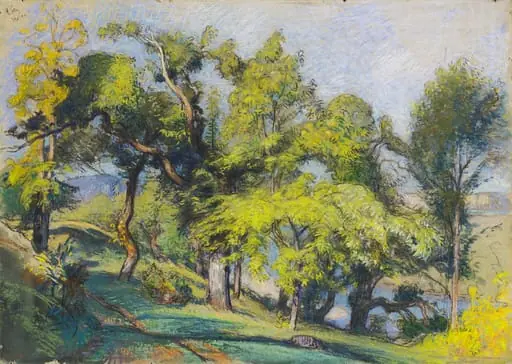
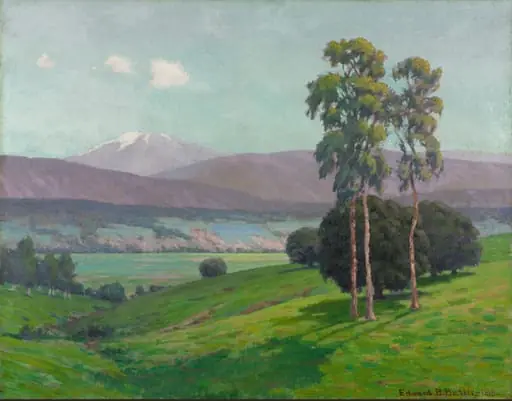
The painting presents a tranquil rural expanse in Carmel, California, with undulating hills, a low wooden fence, and isolated trees. There is no human presence, no dramatic event—only the quiet rhythm of land and sky. Rose’s choice of subject reflects a contemplative engagement with nature, emphasizing stillness and the passage of light. The scene invites quiet observation rather than storytelling, aligning with Impressionist interests in transient moments.
Technique & Style
Rose employed loose, fluid brushwork to suggest form rather than define it. The sky is rendered in thin, washed tones, blending into the hills below with minimal contrast. Greens and earthy browns are layered lightly, creating a sense of atmospheric depth. The fence and tree trunks are simplified into dark, vertical accents, grounding the composition without dominating it. The overall effect is one of soft focus, as if the landscape is seen through a hazy, sunlit veil.
History & Provenance
Created during Rose’s later years, *Carmel Hills* was acquired by The Cleveland Museum of Art in the 20th century and remains part of its permanent collection. The work reflects Rose’s transition from his earlier European studies to a distinctly American sensibility. While not widely exhibited, it has been consistently recognized as a representative example of his California landscapes and the broader American Impressionist movement.
Context
In the early 20th century, American artists increasingly turned to domestic landscapes as subjects worthy of serious attention. Rose, alongside peers like Mary Cassatt and Childe Hassam, helped elevate plein air painting in the U.S. *Carmel Hills* emerges from this cultural shift, capturing the quiet beauty of California’s coastal hills at a time when regional identity in art was gaining momentum.
Legacy
Though less celebrated than some of his contemporaries, Rose’s work, including *Carmel Hills*, contributed to the development of a uniquely American Impressionist voice. His emphasis on subtle light, restrained palette, and emotional resonance influenced later regional painters. The painting endures as a quiet testament to the dignity of ordinary landscapes and the artist’s capacity to find depth in simplicity.
Own this work as a print
Artist & collection
Artist
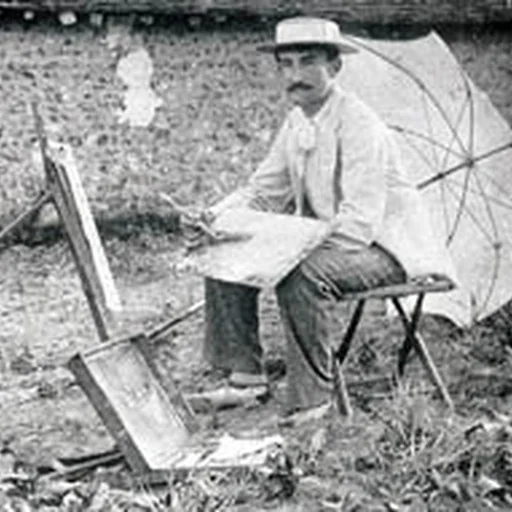
Guy Orlando Rose (March 3, 1867 – November 17, 1925) was an American Impressionist painter and California resident, who received national recognition in the late 19th and early 20th centuries.