Artwork
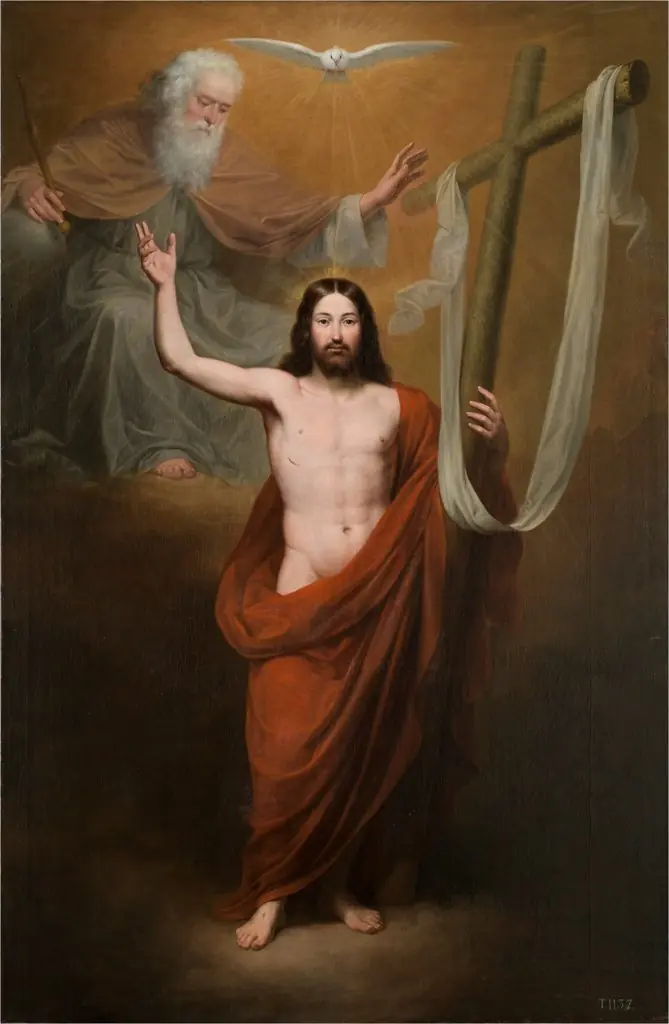
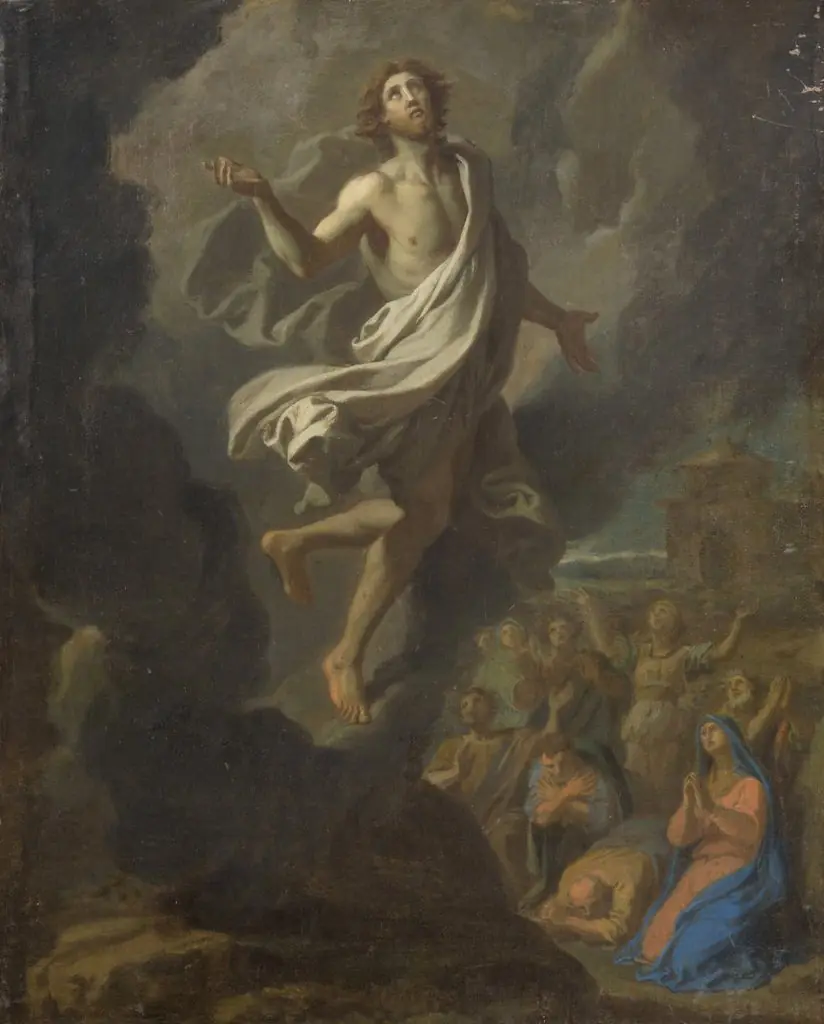
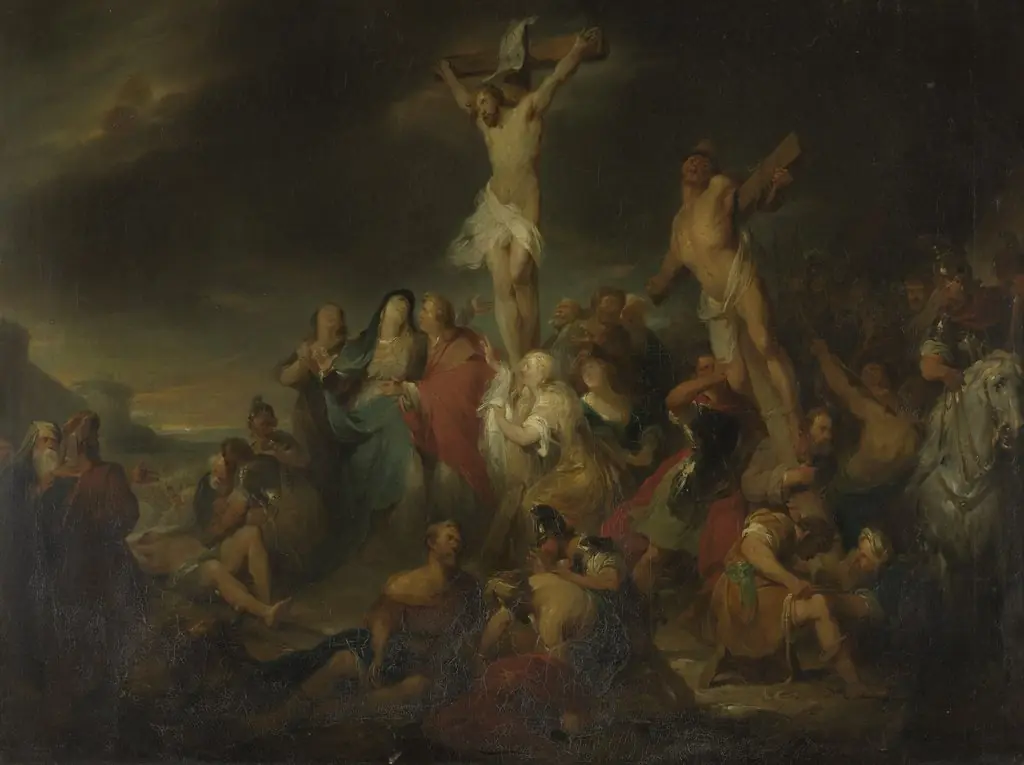
Kristuksen ylösnousemus, alttaritaululuonnos
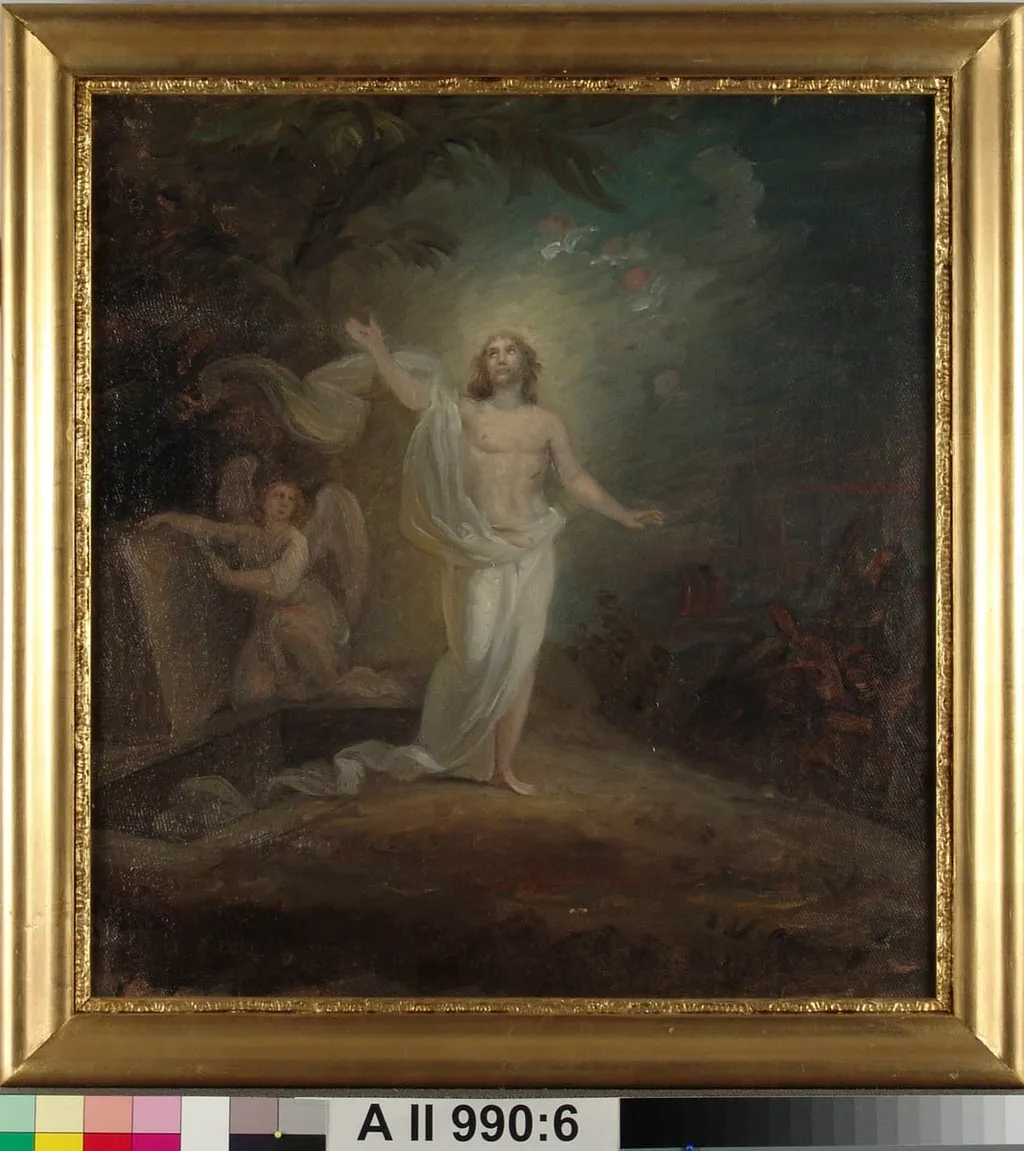
Kristuksen ylösnousemus, alttaritaululuonnos is an unspecified painting by Robert Wilhelm Ekman. It is held in the collection of the Finnish National Gallery.
About this work
Overview
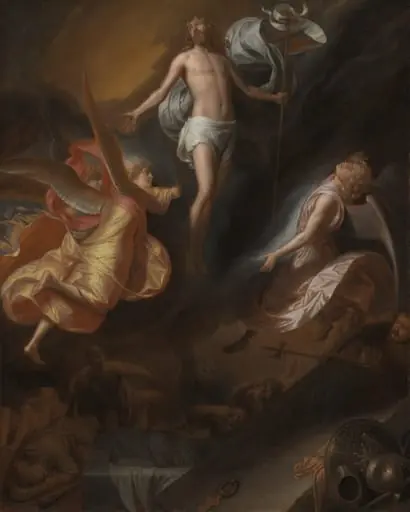
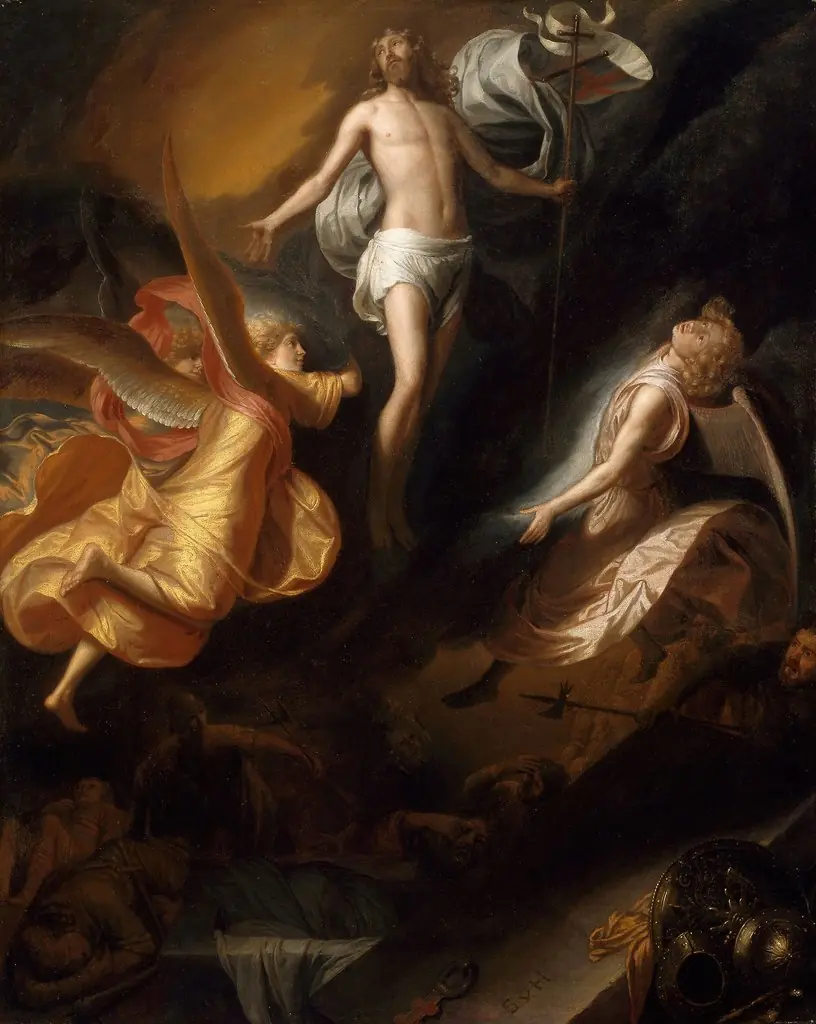
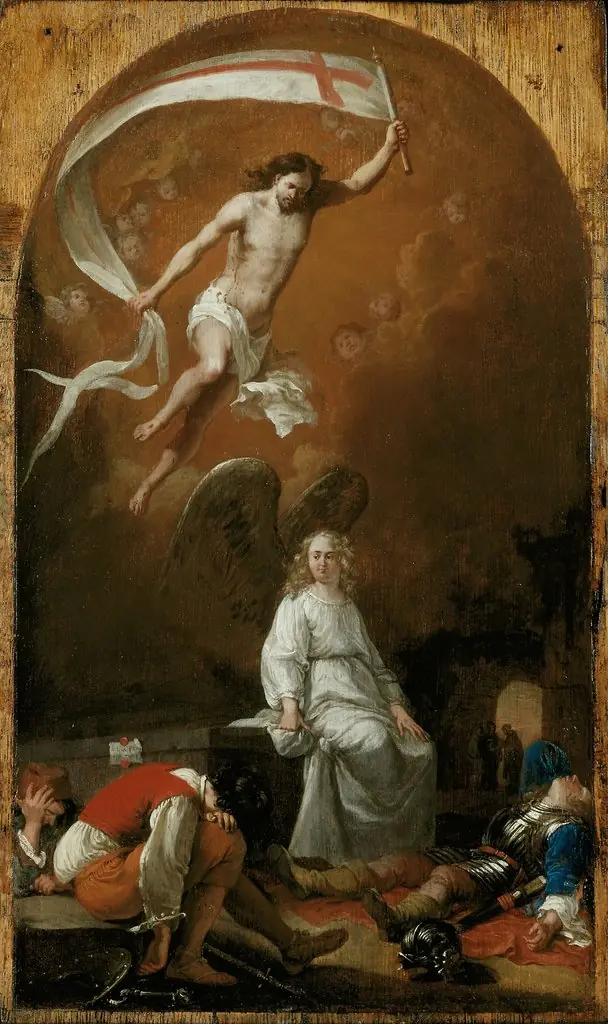
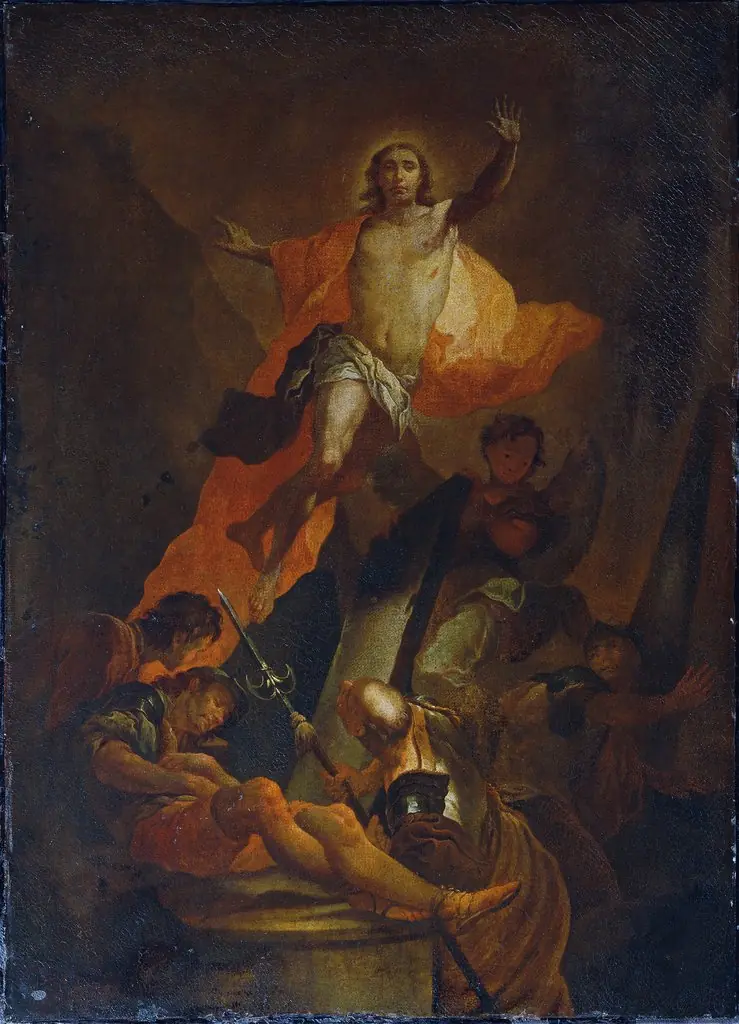
This altarpiece sketch portrays the Resurrection of Christ, rendered in a devotional context typical of late medieval or early Renaissance religious art.
This altarpiece sketch portrays the Resurrection of Christ, rendered in a devotional context typical of late medieval or early Renaissance religious art. The central figure emerges from the earth, bathed in luminous radiance, while an angel kneels in adoration to the left. The composition emphasizes spiritual ascent through vertical alignment and controlled contrasts of light and shadow, guiding the viewer’s focus toward the divine moment.
Subject & Meaning
The scene illustrates Christ’s triumph over death, a core tenet of Christian belief. His outstretched arms and upward motion signify both resurrection and blessing. The kneeling angel, clad in white and winged, embodies celestial witness, reinforcing the sacredness of the event. The dark, indistinct landscape behind suggests the fading world of mortality, contrasting with the radiant figure of the risen savior.
Technique & Style
The artist employs chiaroscuro to model form and heighten emotional intensity, a technique common in Northern European religious art of the period. Soft transitions between light and shadow define the figure’s drapery and the angel’s wings, while the muted background lacks detail, focusing attention on the central action. The sketchlike quality suggests preparatory work, possibly for a larger altarpiece.
History & Provenance
The work is a preparatory drawing for an altarpiece, likely commissioned for a church or monastery in the Nordic region. Its survival as a standalone sketch indicates it was valued beyond its functional role, possibly preserved due to its expressive power or association with a notable workshop. Exact origins remain undocumented, but stylistic cues point to the 15th or early 16th century.
Context
Created during a time of religious devotion and artistic transition, the piece reflects the enduring influence of late Gothic iconography alongside emerging Renaissance naturalism. In Nordic countries, such imagery served both liturgical and didactic purposes, helping congregations visualize sacred narratives. The emphasis on light and reverence aligns with broader European trends in devotional art.
Legacy
Though not widely known outside regional collections, this sketch exemplifies the quiet intensity of Northern European religious art. Its preservation offers insight into the creative process behind altarpieces now lost or altered. It stands as a testament to the enduring power of symbolic composition in conveying theological concepts through visual restraint and luminous focus.
Artist & collection
Artist
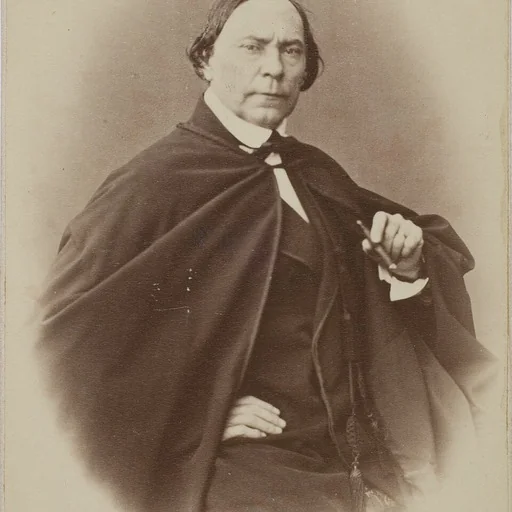
Robert Wilhelm Ekman (August 13, 1808 – February 19, 1873), a.k.a. R. W. Ekman, was a significant teacher and painter of the Finnish romantic portraits and early national romanticism.

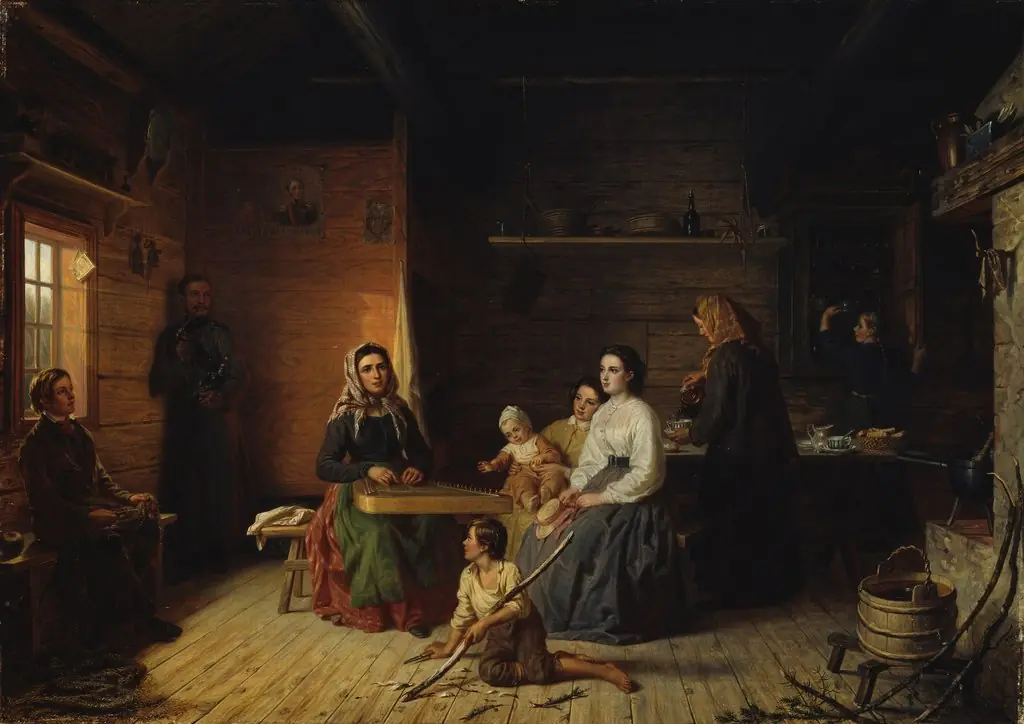 Kreeta Haapasalo Playing the Kantele in a Peasant Cottage
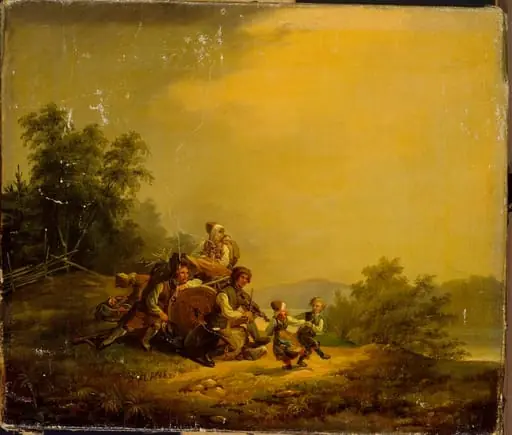 Lepääviä maalaisia ja tanssivia lapsia
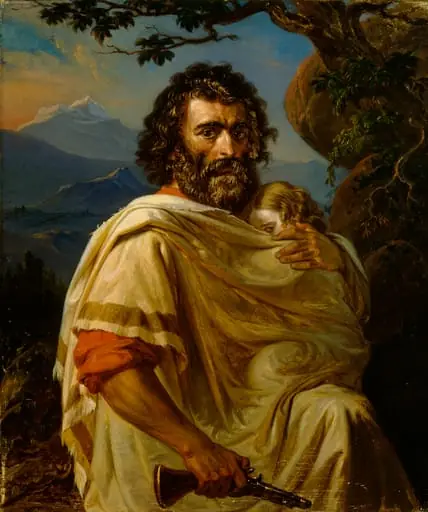 Italialainen mies lapsi käsivarrellaan
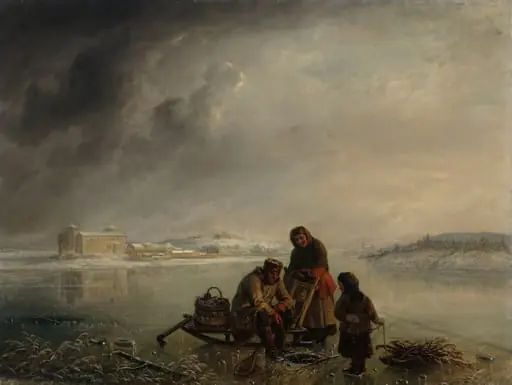 Talvikalastusta Turun linnan ulkopuolella
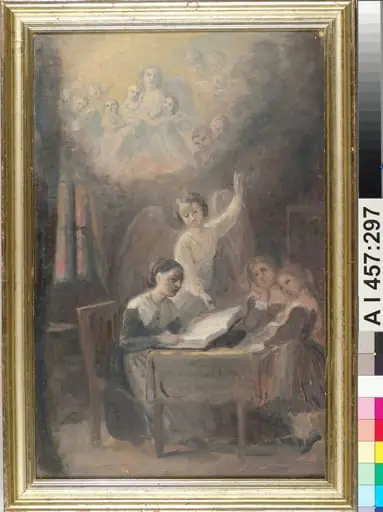 "Satu seitsemästä sisaruksesta", luonnos Haeggströmin sisarusten ryhmämuotokuvaa (1862) varten
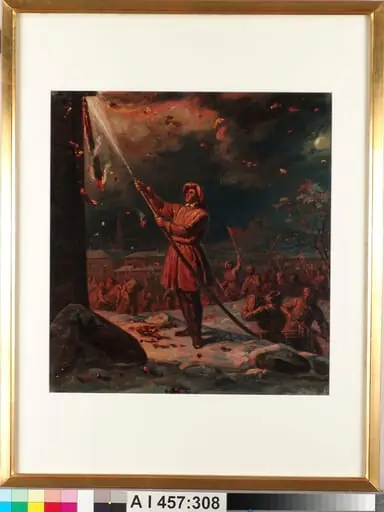 Turun palo
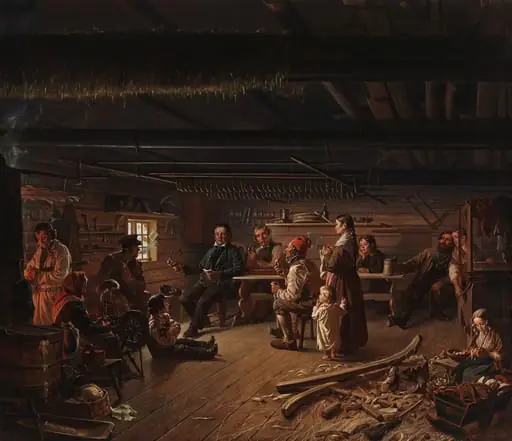 Pentti Lyytinen lukee runojaan savolaisessa pirtissä
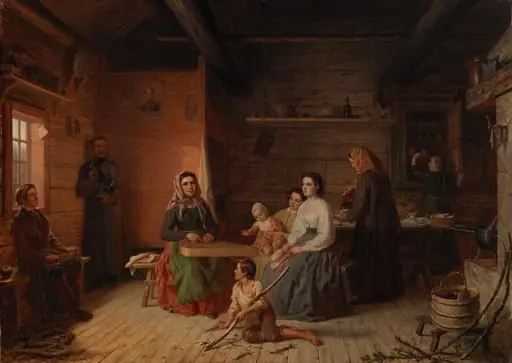 Kreeta Haapasalo soittaa kannelta talonpoikaistuvassa