Artwork
Italialainen mies lapsi käsivarrellaan
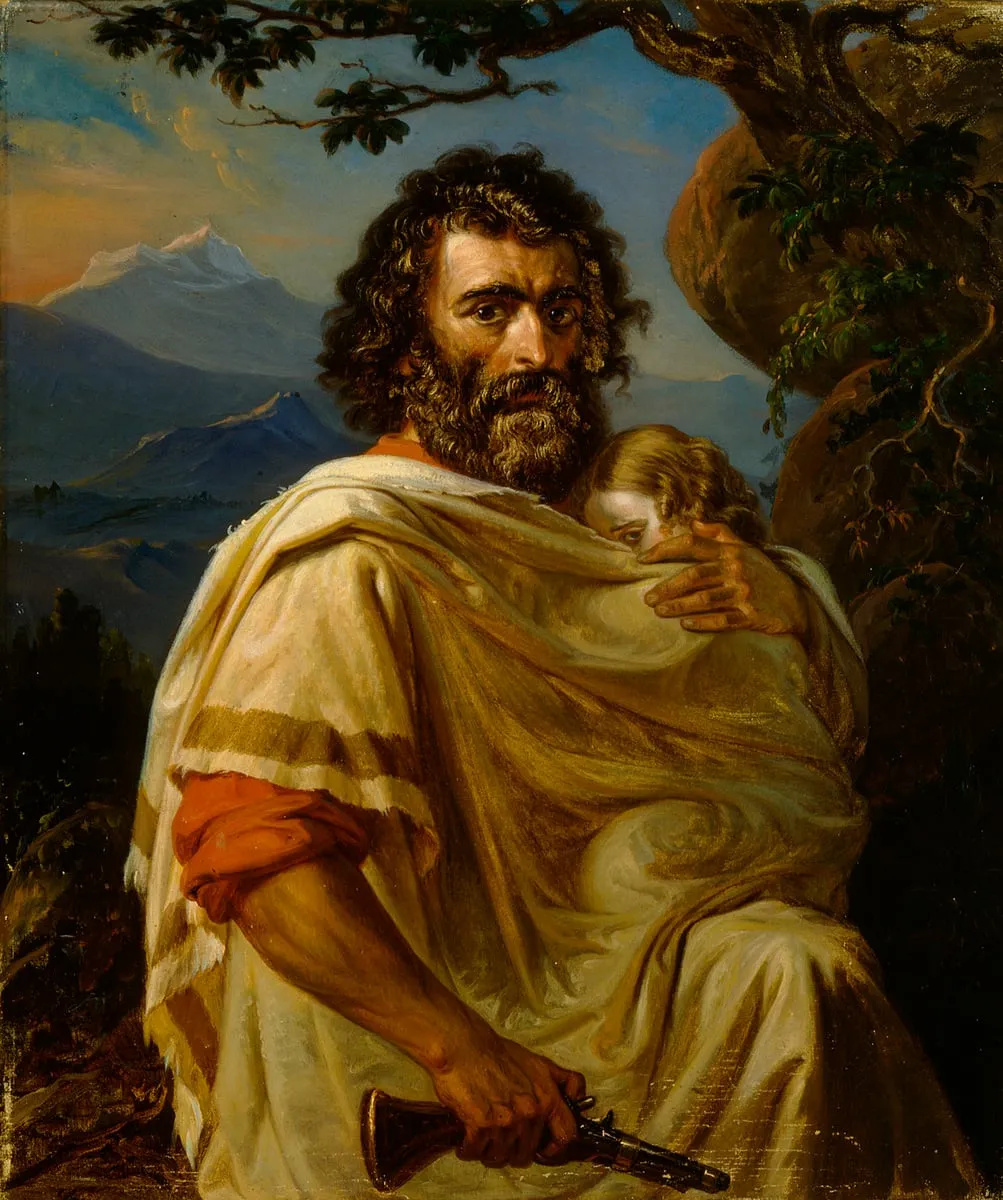
Italialainen mies lapsi käsivarrellaan is an unspecified painting by Robert Wilhelm Ekman. It is held in the collection of the Finnish National Gallery. The painting portrays a man cradling a child, both figures rendered with quiet dignity against a tranquil natural backdrop.
About this work
Overview
His attire—a white robe over an orange undergarment—suggests cultural or regional dress, while the presence of a firearm introduces an unexpected tension.
The painting portrays a man cradling a child, both figures rendered with quiet dignity against a tranquil natural backdrop. His attire—a white robe over an orange undergarment—suggests cultural or regional dress, while the presence of a firearm introduces an unexpected tension. The composition balances intimacy with stillness, drawing attention to the physical and emotional connection between the two figures.
Subject & Meaning
The man and child appear to share a moment of quiet guardianship. The gun, held in his right hand, contrasts with the tenderness of his left arm supporting the child, hinting at dual roles—protector and caregiver. The serene landscape may symbolize safety or an idealized homeland, suggesting themes of familial duty amid potential external threats, though no explicit narrative is given.
Technique & Style
The artist employs soft modeling and muted tones to convey calmness, with gentle transitions between light and shadow on the figures' skin and fabric. The background landscape is rendered with loose, atmospheric brushwork, creating depth without distraction. The clothing’s textures are suggested rather than meticulously detailed, emphasizing emotional resonance over realism.
History & Provenance
The work is attributed to Finnish artist Eero Järnefelt, painted around 1890. It was acquired by the Museum of Ethnography in Helsinki, where it remains part of its collection of Nordic and ethnographic imagery. The painting’s title and context suggest it reflects Finnish rural life during a period of national cultural awakening.
Context
Created during Finland’s late 19th-century national romantic movement, the painting aligns with efforts to depict authentic peasant life and familial bonds. While not overtly political, its focus on a rural father and child resonated with emerging ideals of Finnish identity, rooted in nature, tradition, and quiet resilience.
Legacy
The painting endures as a quiet representation of domestic life in Finnish art, valued for its emotional restraint and cultural specificity. It is frequently referenced in discussions of national identity in visual culture, though it remains less known outside Finland. Its inclusion in the Museum of Ethnography underscores its role as a document of everyday life rather than a grand historical statement.
Artist & collection
Artist
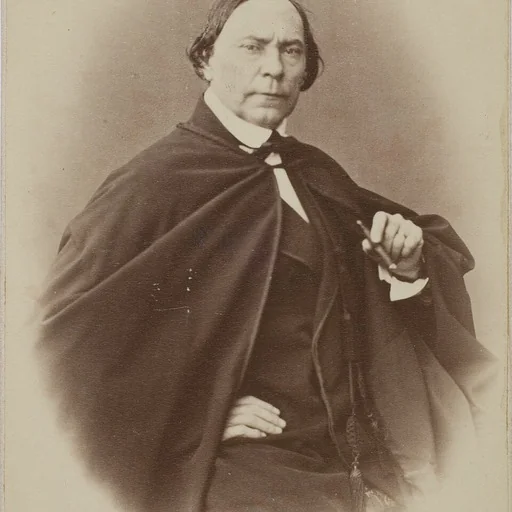
Robert Wilhelm Ekman (August 13, 1808 – February 19, 1873), a.k.a. R. W. Ekman, was a significant teacher and painter of the Finnish romantic portraits and early national romanticism.

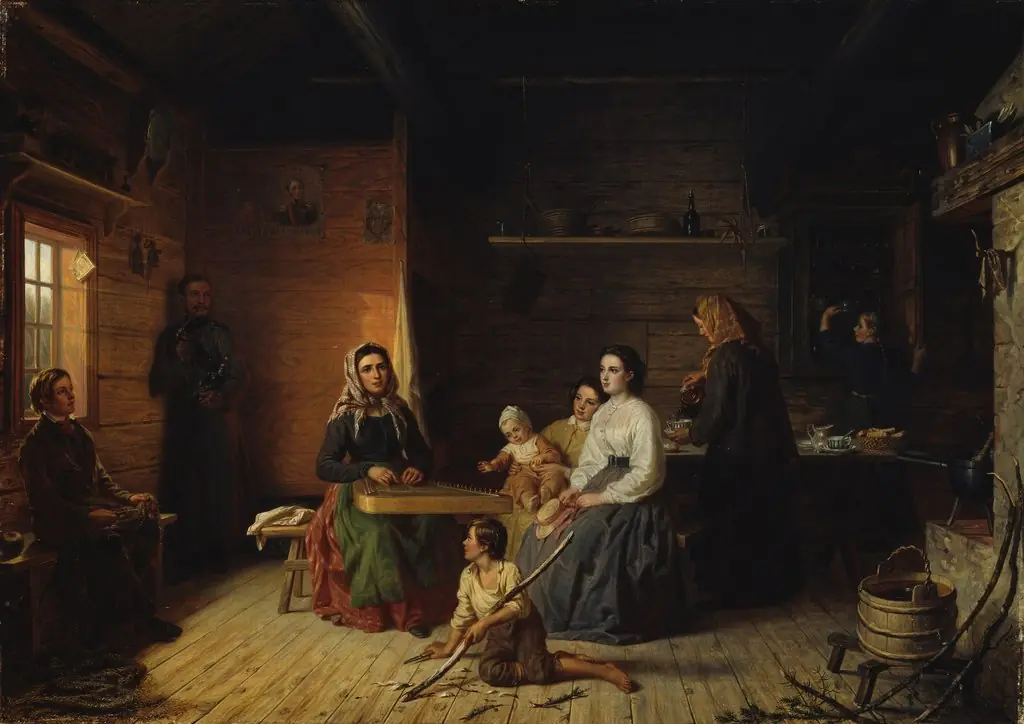 Kreeta Haapasalo Playing the Kantele in a Peasant Cottage
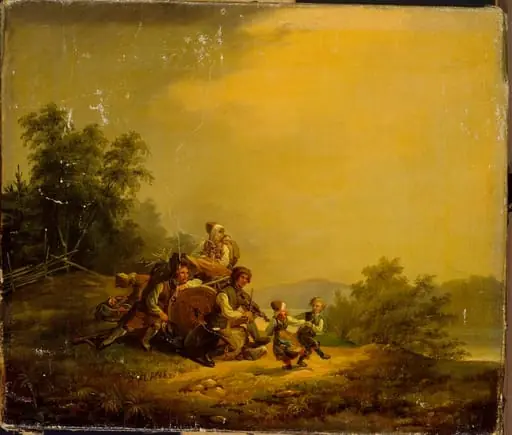 Lepääviä maalaisia ja tanssivia lapsia
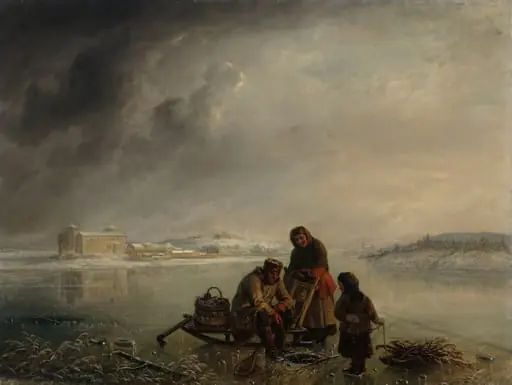 Talvikalastusta Turun linnan ulkopuolella
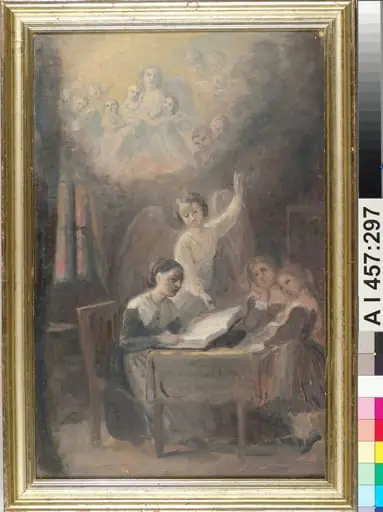 "Satu seitsemästä sisaruksesta", luonnos Haeggströmin sisarusten ryhmämuotokuvaa (1862) varten
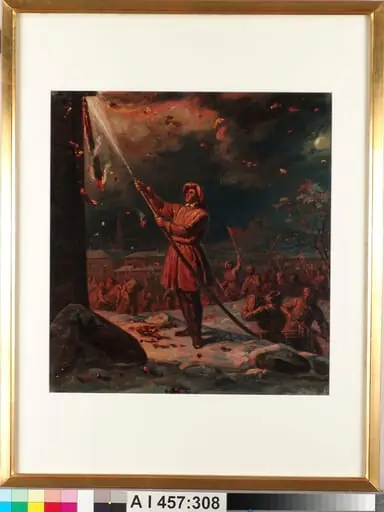 Turun palo
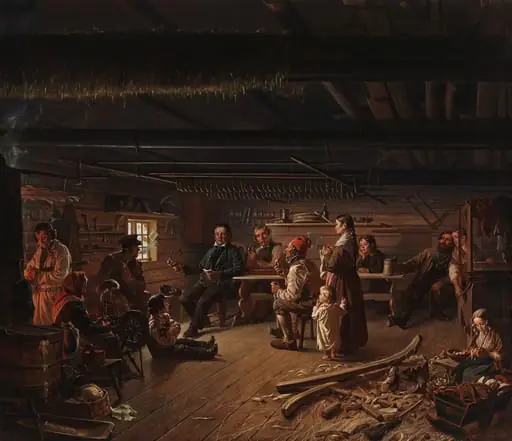 Pentti Lyytinen lukee runojaan savolaisessa pirtissä
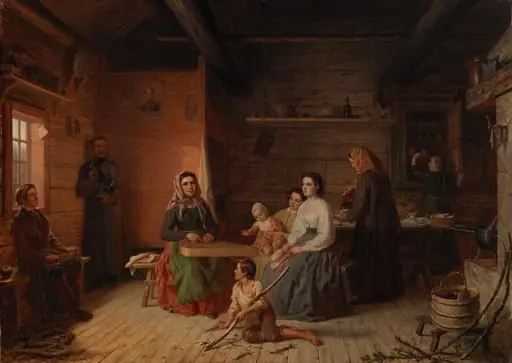 Kreeta Haapasalo soittaa kannelta talonpoikaistuvassa
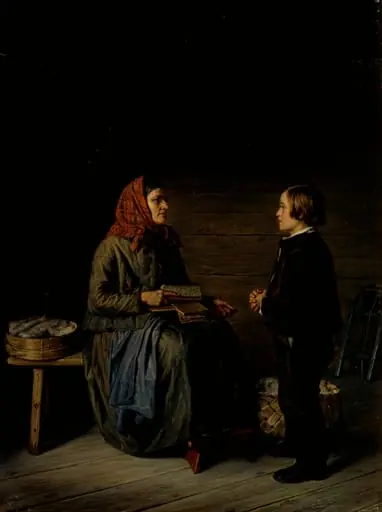 Kinkeripäivän aamuna
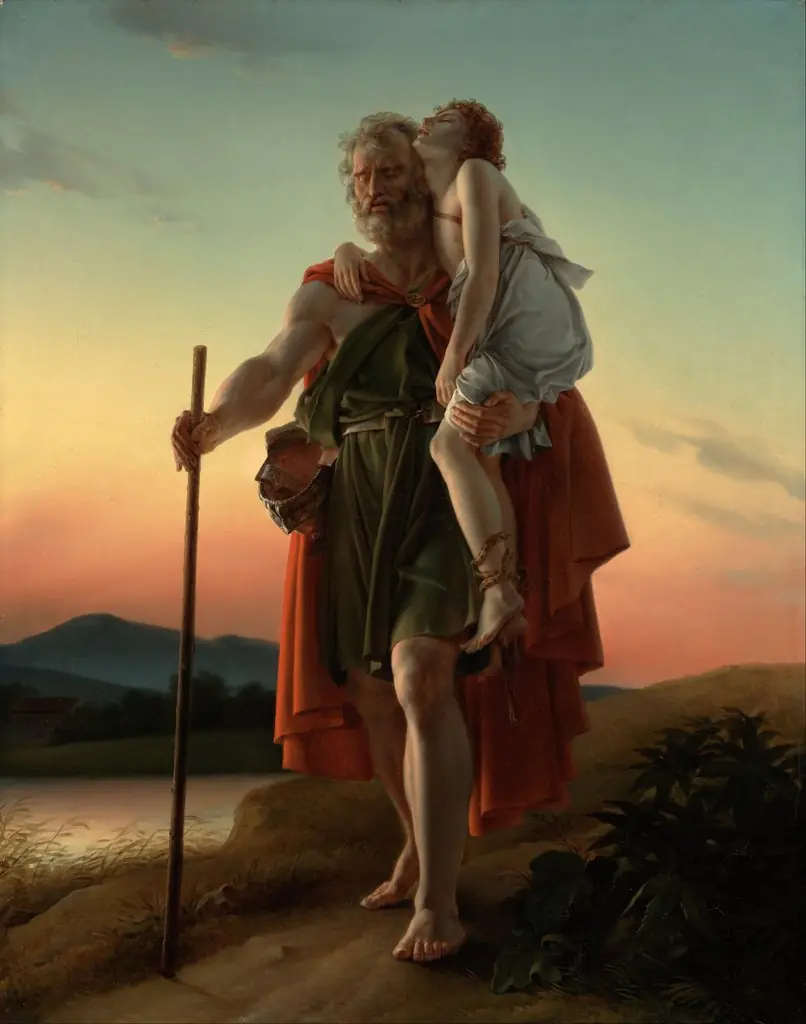 Belisarius
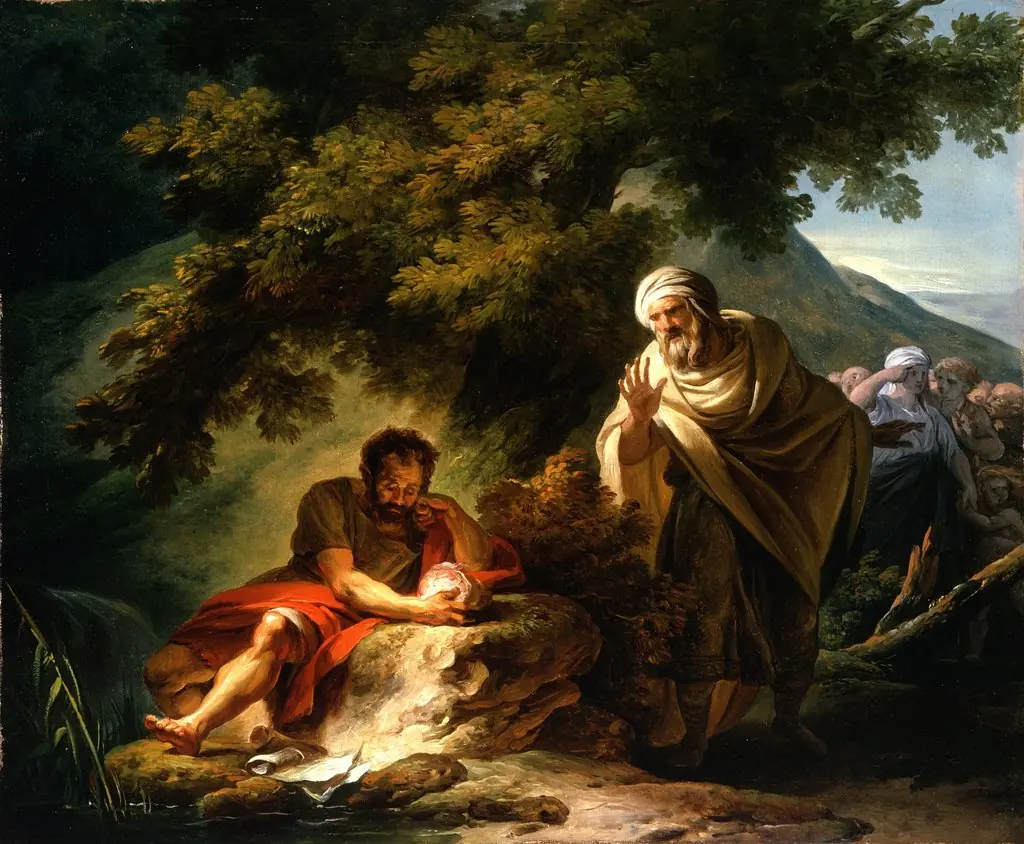 Democritus among the Abderitans
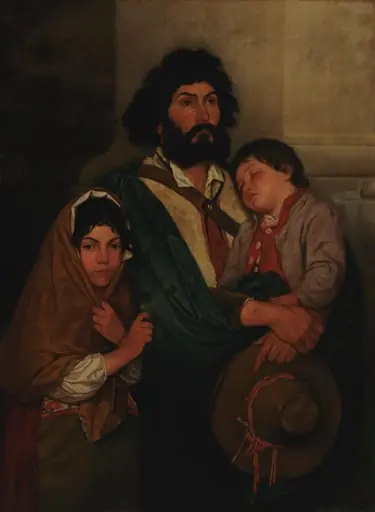 Isä ja kaksi lasta Subiacosta
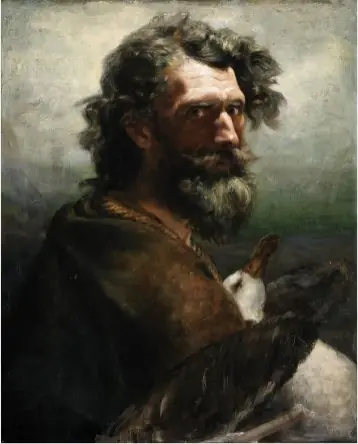 Self-Portrait as the Ancient Mariner
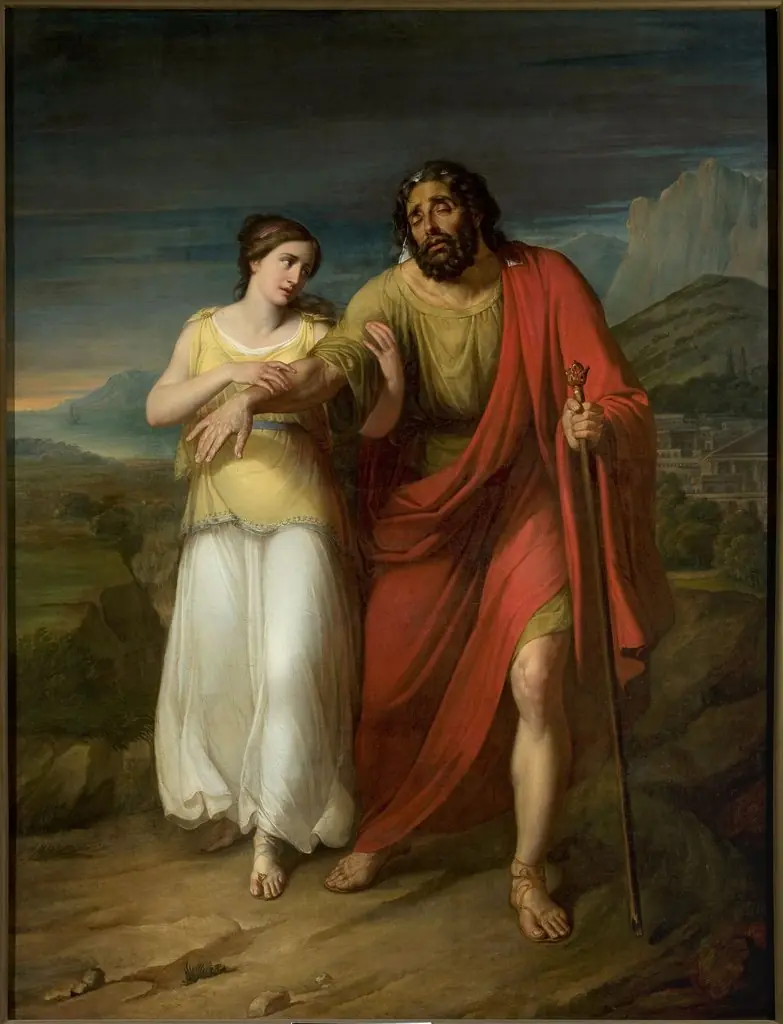 Oedipus and Antigone
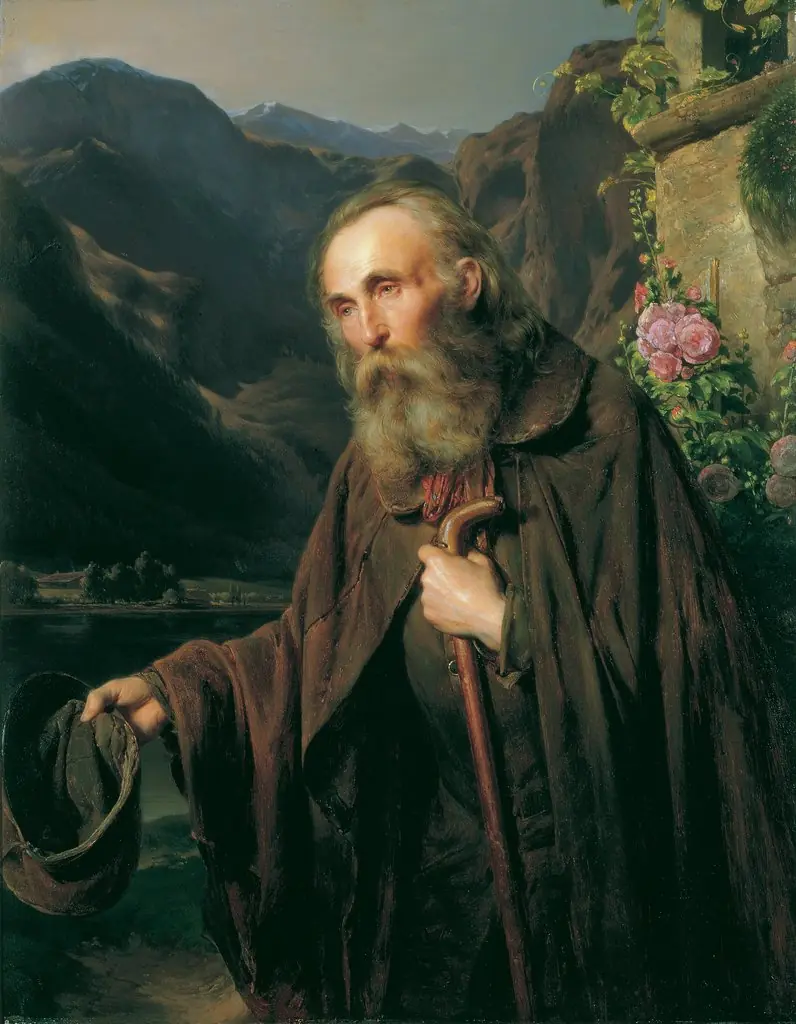 Ein alter Bettler
 David's first victory
 Saint Christopher Carrying the Infant Christ
 The Robber and His Child
 Saint Christopher
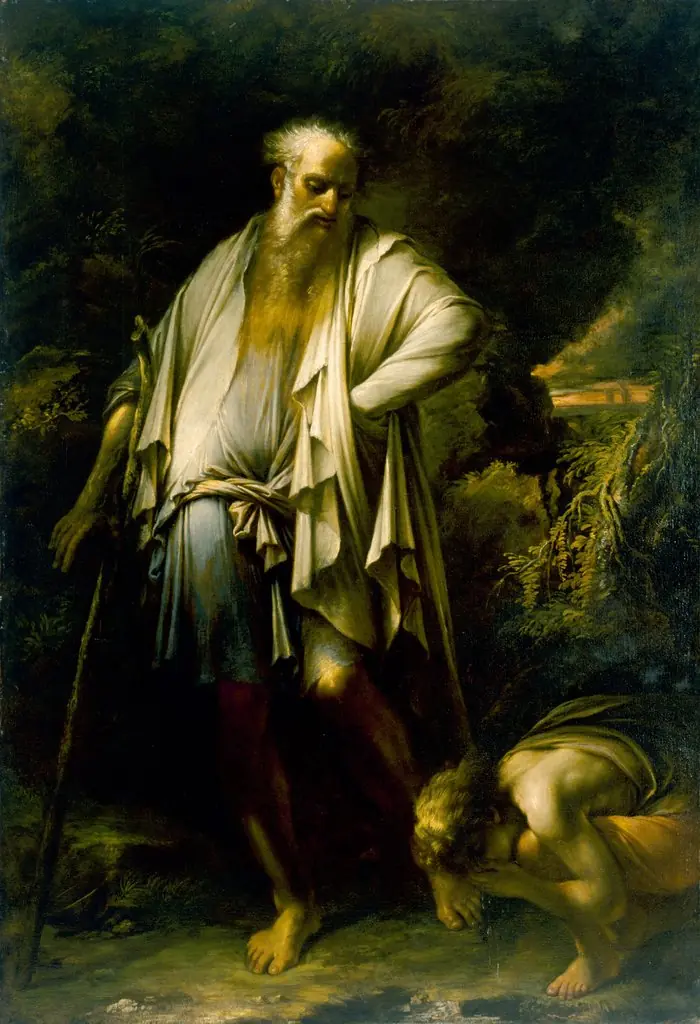 Diogenes Casting Away His Cup
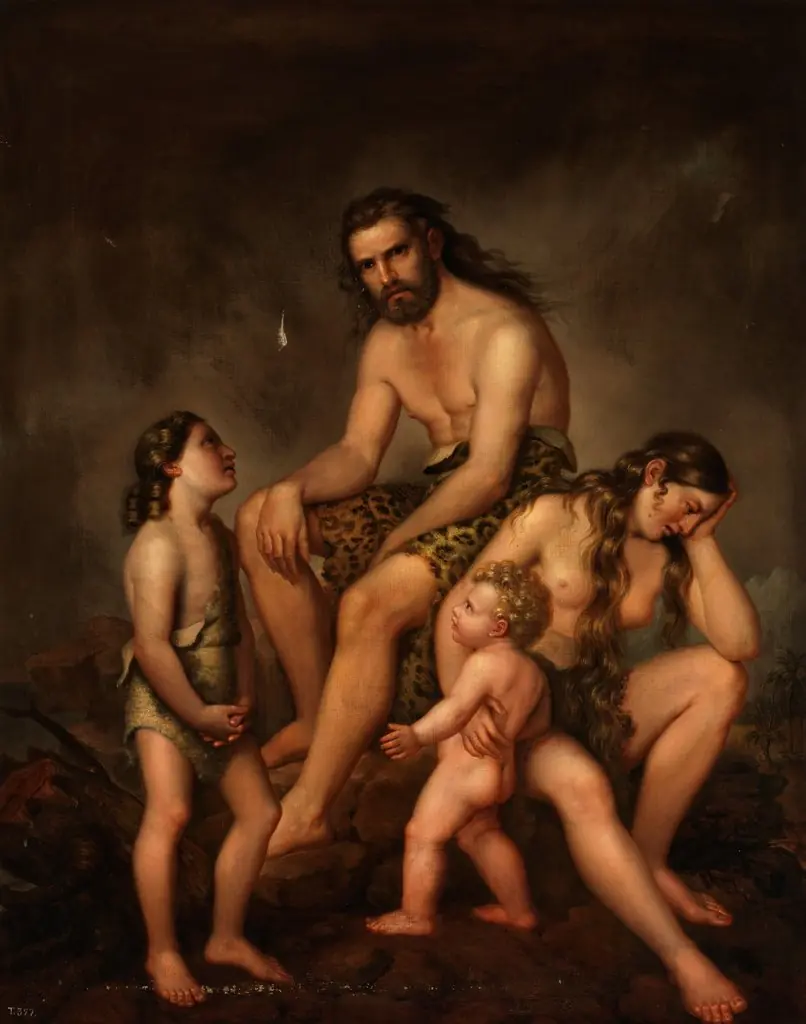 Caín y su familia después de la maldición divina