Artwork
Suffer Little Children to Come Unto Me
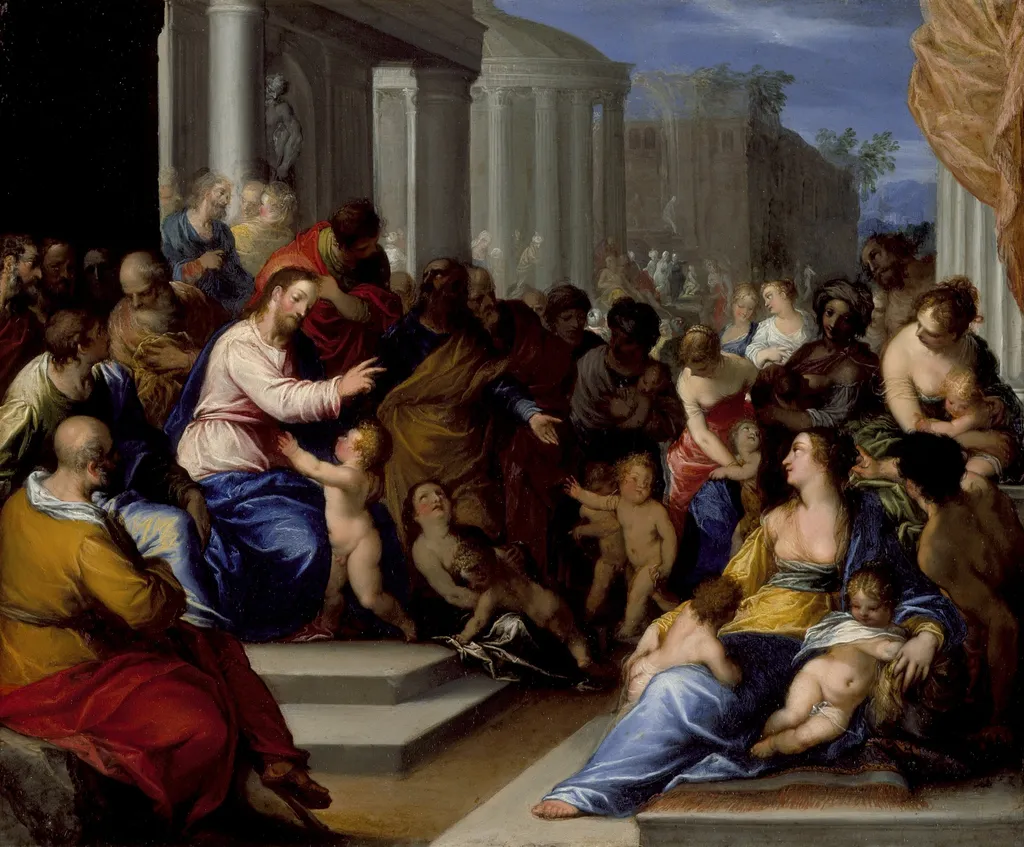
Suffer Little Children to Come Unto Me is an oil painting by the Early Baroque Italian artist Hans Rottenhammer. It dates from 1607 and is held in the collection of the Los Angeles County Museum of Art.
About this work
Overview
Painted in 1607 on a copper panel, this small religious work by Hans Rottenhammer captures a moment from the Gospels in which Christ welcomes children.
Painted in 1607 on a copper panel, this small religious work by Hans Rottenhammer captures a moment from the Gospels in which Christ welcomes children. Executed during the artist’s time in Italy, the piece reflects the refined detail and intimate scale characteristic of Northern European painters working in Italian contexts. Its compact size and luminous surface suggest it was intended for private devotion rather than public display.
Subject & Meaning
The scene illustrates Christ’s teaching that the kingdom of heaven belongs to the innocent. He reaches gently toward a child, while adults and caregivers observe with reverence. A seated woman in the foreground cradles another child, grounding the sacred moment in domestic tenderness. The composition emphasizes humility and compassion, aligning with Counter-Reformation ideals that valued personal piety and emotional connection to biblical narratives.
Technique & Style
Rottenhammer employed fine brushwork and subtle chiaroscuro to model forms with precision on the smooth copper surface. The metallic support enhances the luminosity of Christ’s white robe and the soft tones of the figures’ garments. Classical architecture in the background frames the scene without dominating it, while the figures’ gestures and glances direct attention toward the central interaction, creating a quiet, focused intimacy.
History & Provenance
Created during Rottenhammer’s years in Venice and northern Italy, the painting reflects his synthesis of German draftsmanship with Italianate composition. It remained in private collections for centuries before entering the Los Angeles County Museum of Art’s holdings. Its survival in good condition is notable, given the fragility of copper panels and the passage of time since its creation in the early 17th century.
Context
Rottenhammer worked amid a flourishing exchange between Northern and Italian artistic traditions. His small-scale religious works catered to collectors who prized technical mastery and devotional intensity. This painting aligns with broader trends in post-Tridentine art, where emotional accessibility and clarity of narrative replaced grandeur in favor of personal spiritual engagement.
Legacy
Though Rottenhammer is less widely known today than his Italian contemporaries, his work exemplifies the transnational nature of early Baroque art. This painting contributes to the understanding of how Northern artists adapted their techniques to Italian subjects, influencing the development of intimate religious imagery in Catholic Europe. Its presence in a major U.S. museum ensures continued scholarly and public engagement.
Own this work as a print
Artist & collection
Artist
Johann Rottenhammer, or Hans Rottenhammer (1564 – 14 August 1625), was a German painter. He specialized in highly finished paintings on a small scale.

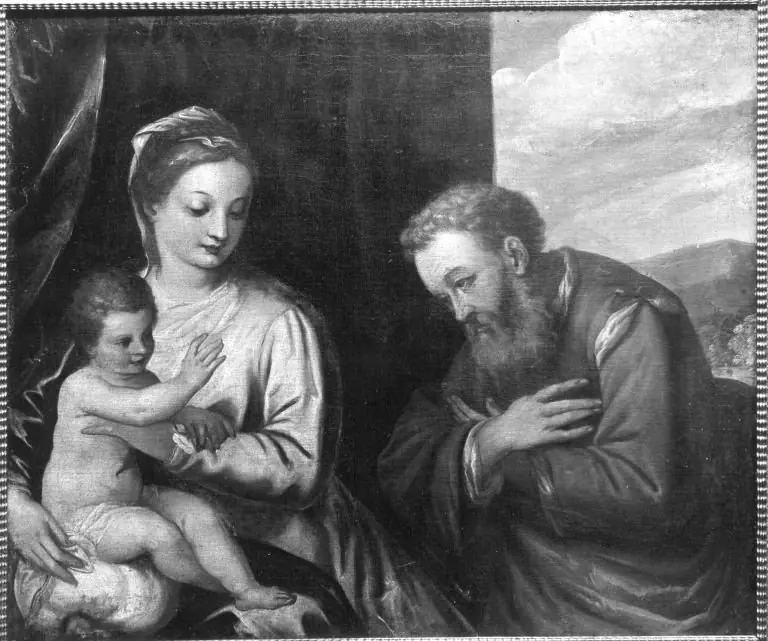
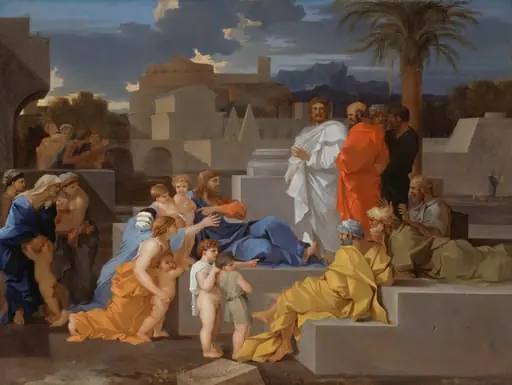 Christ Receiving the Children
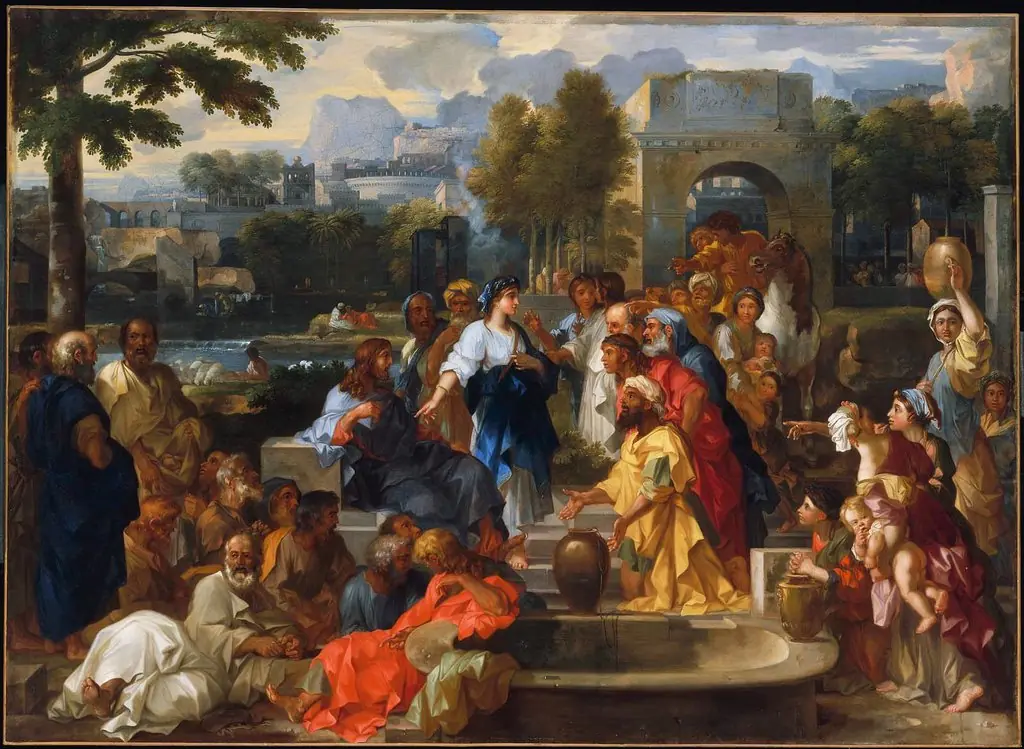 Christ and the Samaritan Woman
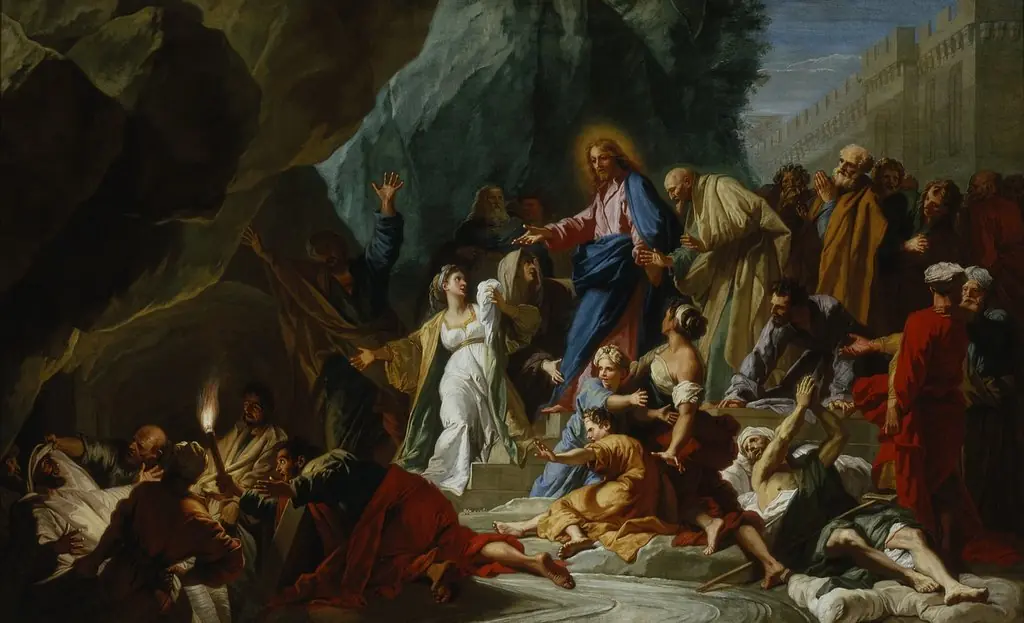 The Raising of Lazarus
 Predigt Johannes d. Täufers
 Christ Washing the Feet of His Disciples
 Esther before Ahasuerus
 Christ Among the Doctors
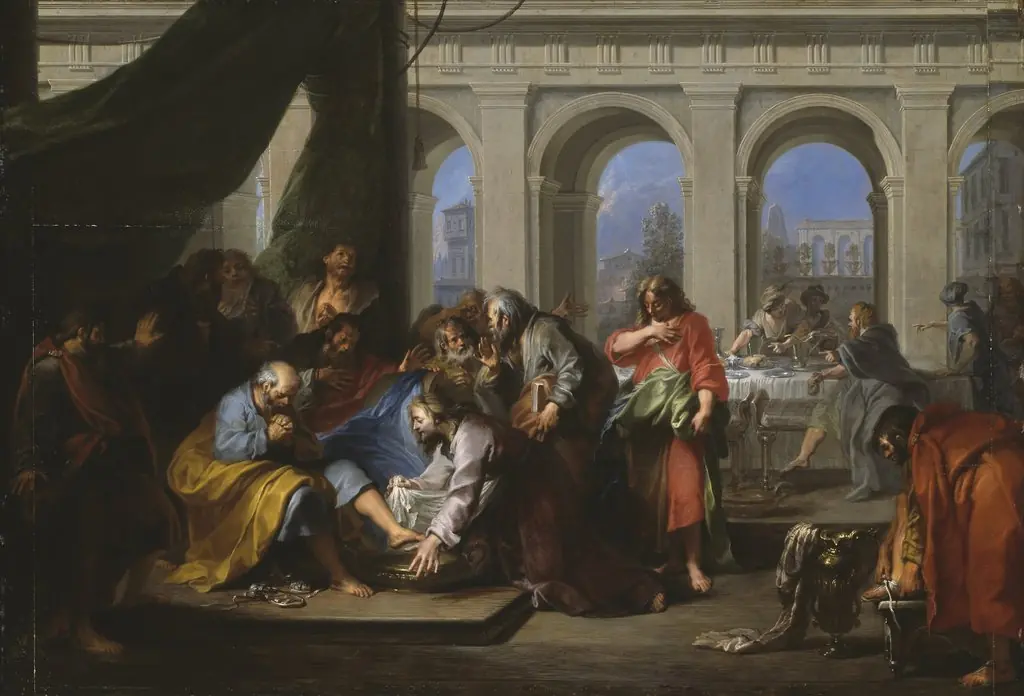 Christ Washing the Feet of His Disciples
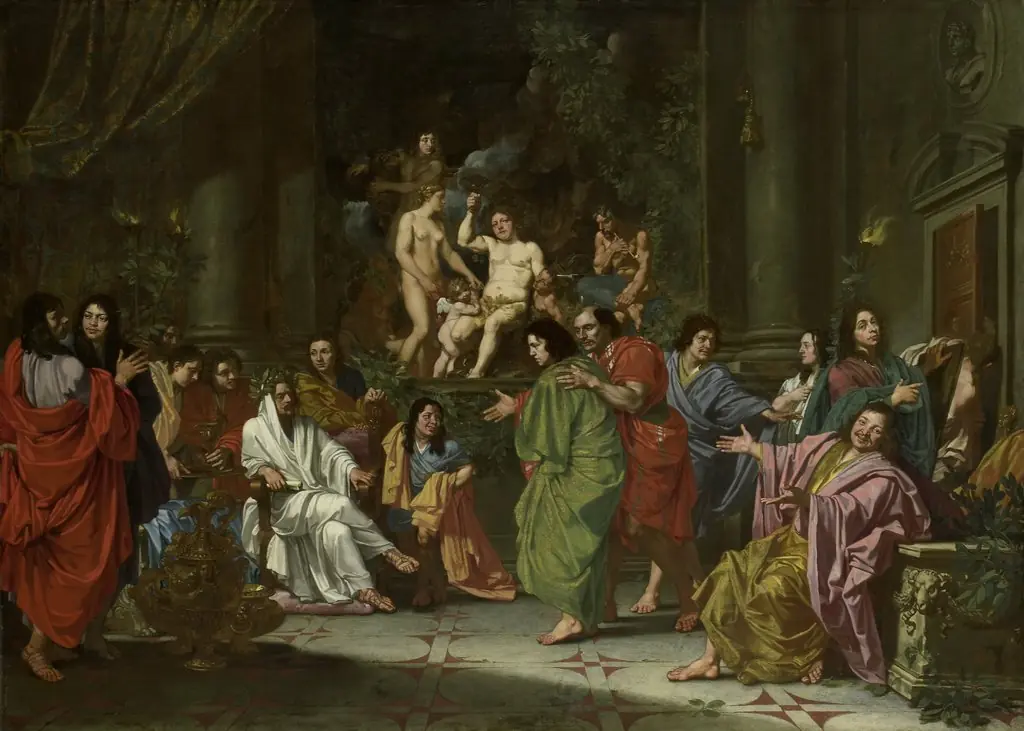 Initiation of a new Member of the Bentvueghels in Rome (Schildersbent)