Artwork
Mater Dolorosa
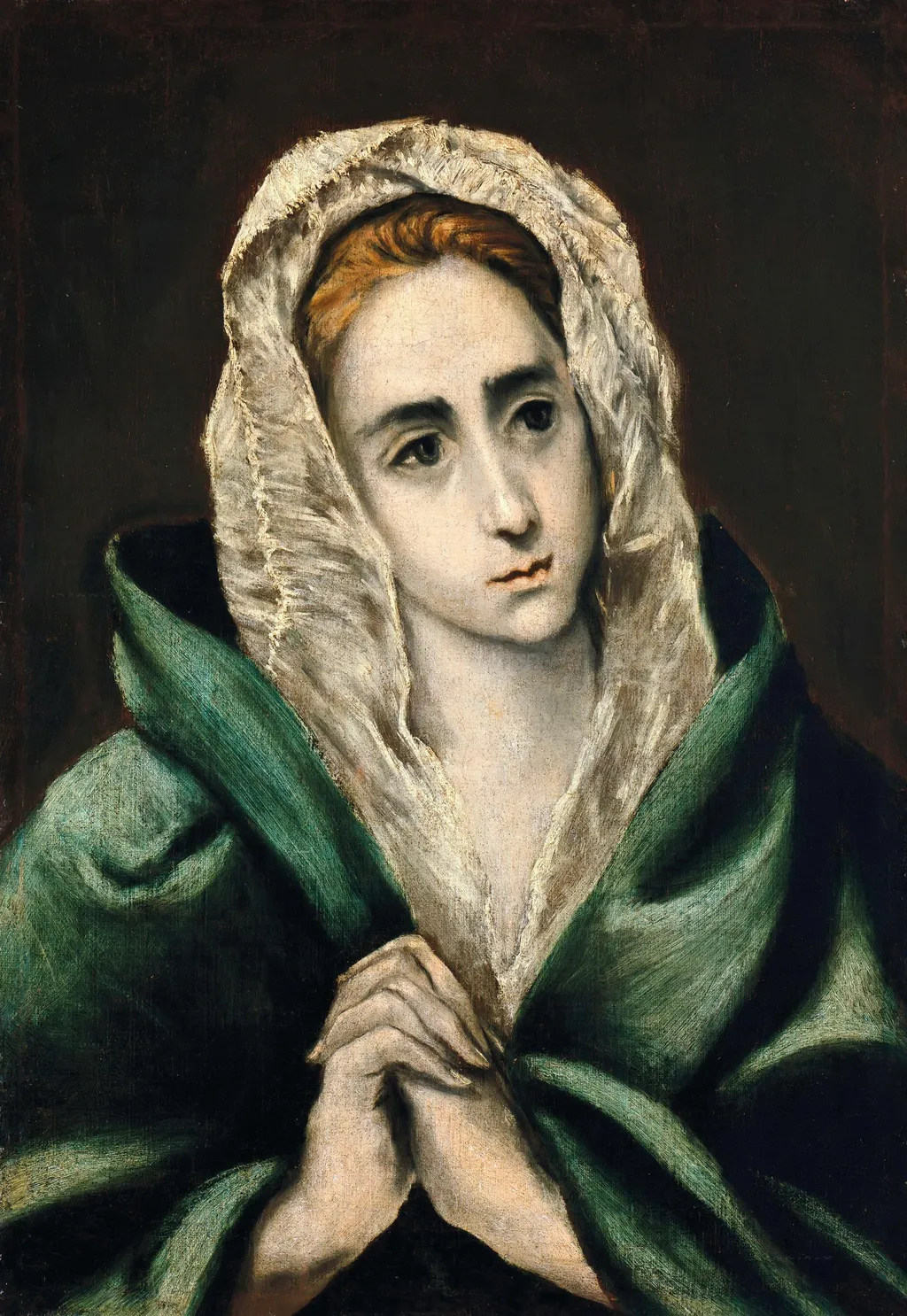
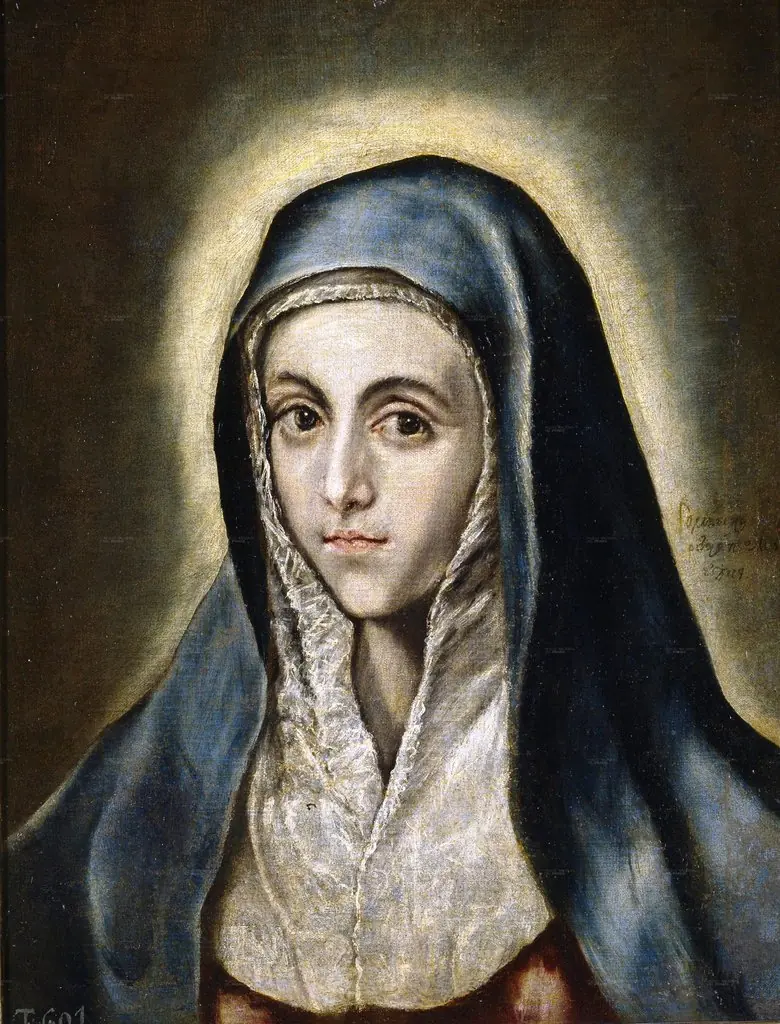
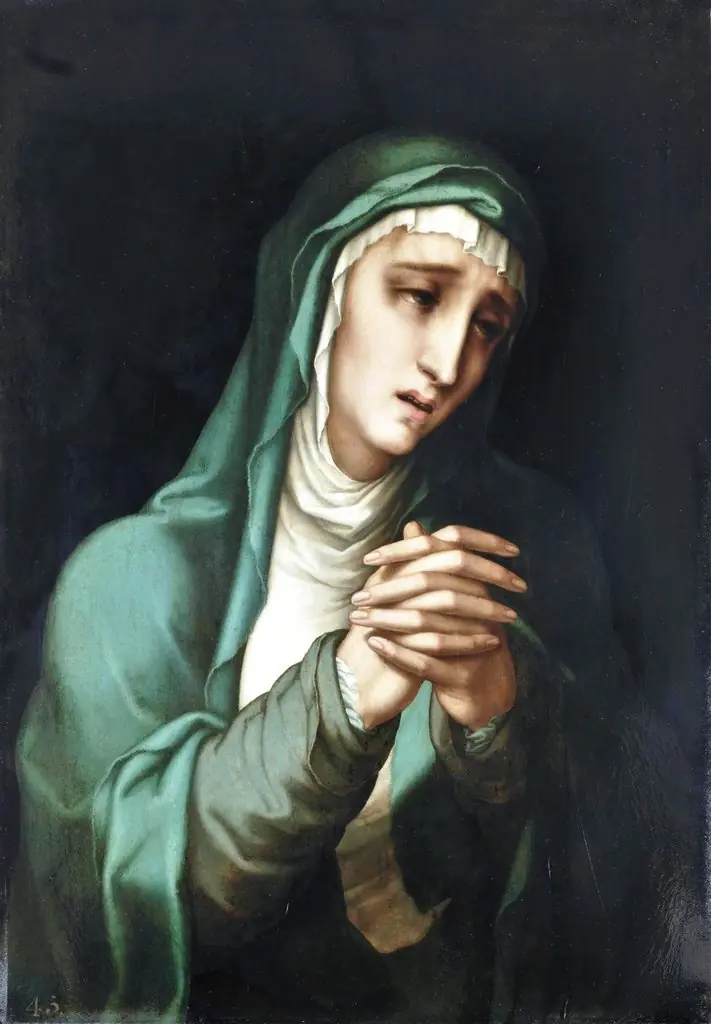
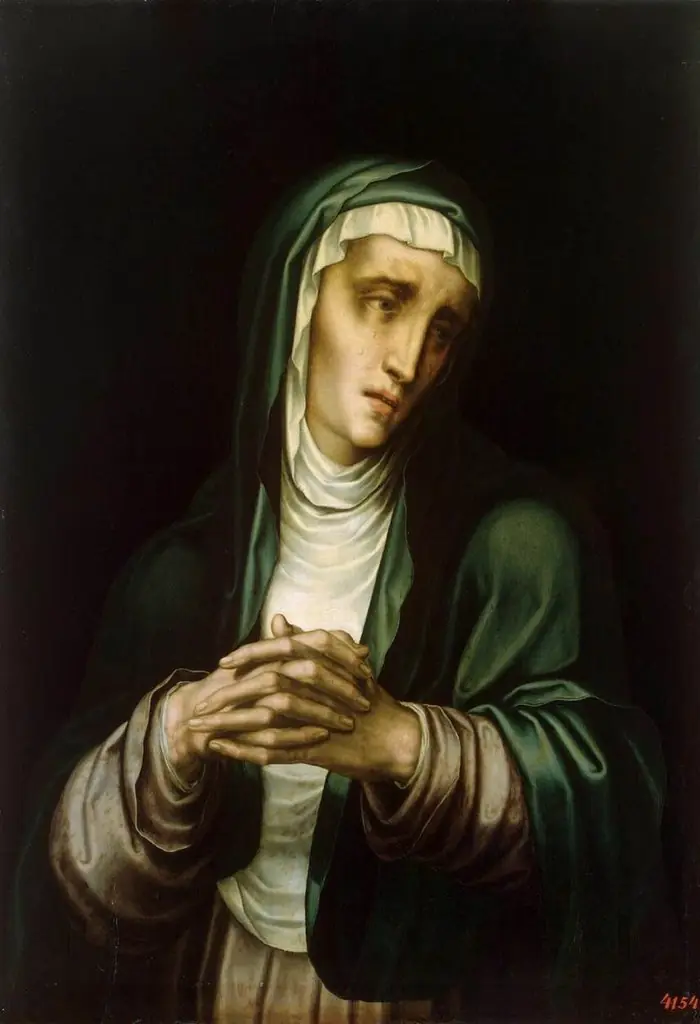
Mater Dolorosa is an oil painting by the Mannerist artist El Greco. It dates from 1590 and is held in the collection of the Gemäldegalerie Berlin.
About this work
Overview
Painted around 1590, Mater Dolorosa is an oil on canvas work by El Greco, depicting the Virgin Mary in a moment of solemn reflection.
Painted around 1590, Mater Dolorosa is an oil on canvas work by El Greco, depicting the Virgin Mary in a moment of solemn reflection. The painting resides in the Gemäldegalerie, Berlin, and exemplifies the artist’s mature style—elongated forms, muted coloration, and an emphasis on spiritual intensity over naturalistic detail. Its small scale invites intimate viewing, reinforcing its devotional purpose.
Subject & Meaning
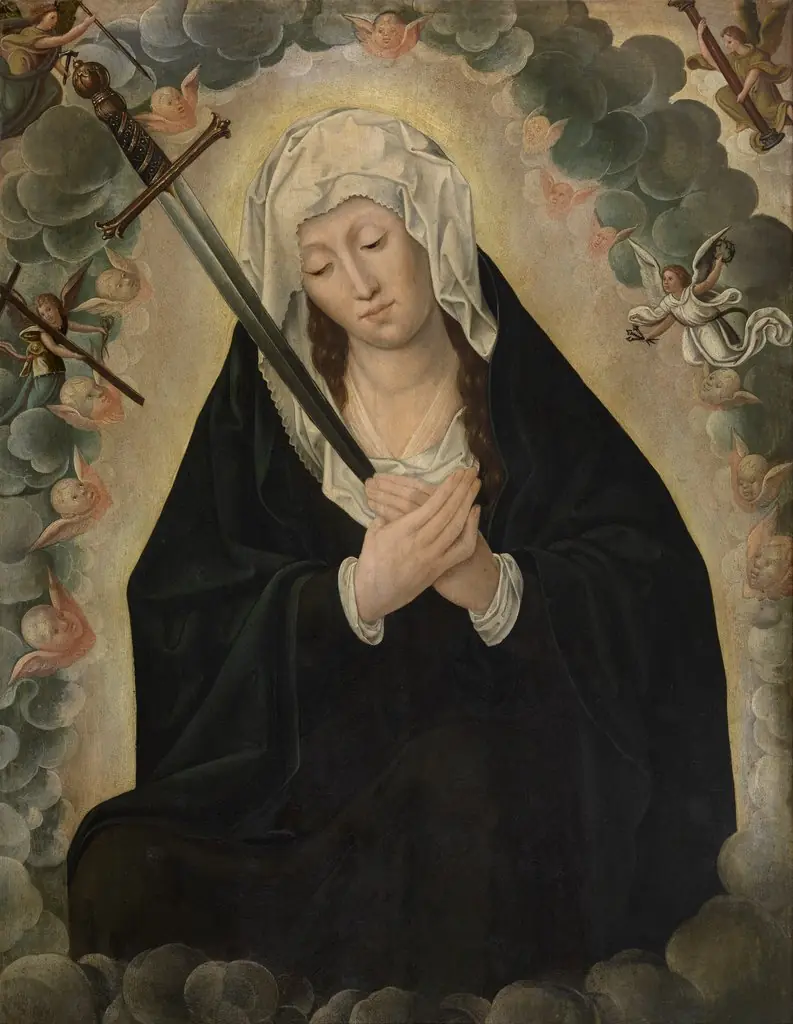
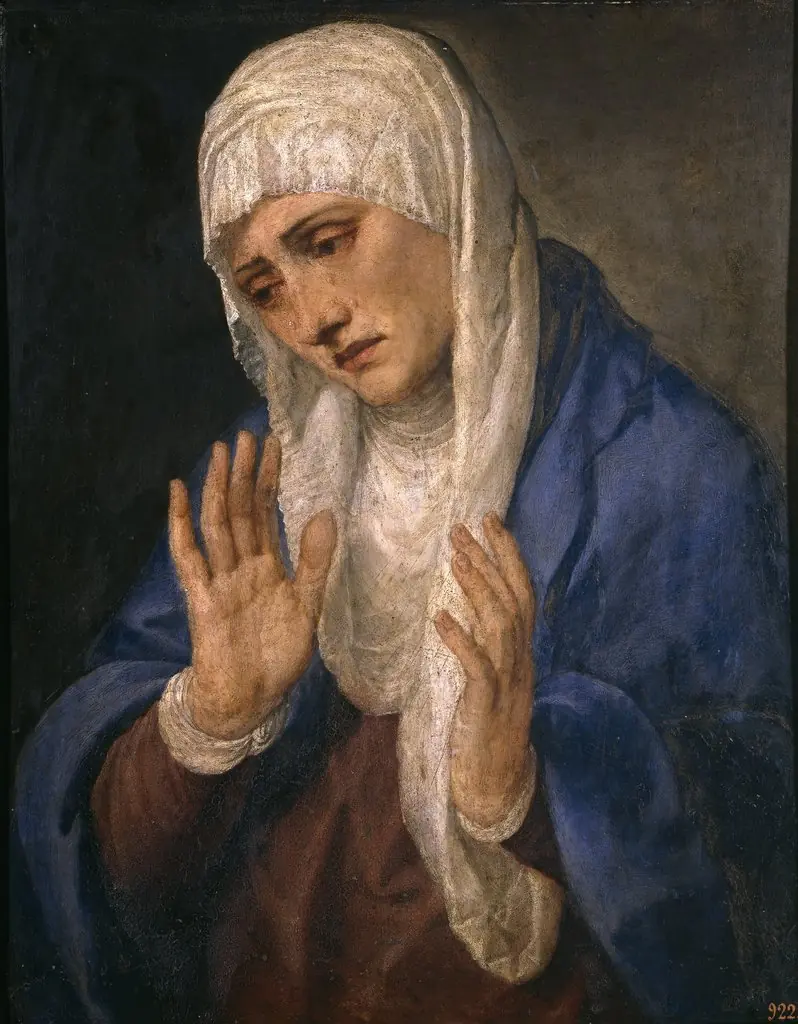
The figure represents the Virgin Mary as Our Lady of Sorrows, mourning the impending suffering of Christ. Her clasped hands and downcast gaze convey inner grief rather than outward lament. The absence of narrative elements focuses attention on her emotional state, transforming the image into a meditation on quiet sorrow and spiritual endurance, central to Counter-Reformation piety.
Technique & Style
El Greco employed oil paint with layered glazes to achieve subtle transitions in tone and a luminous surface. The figure emerges from a near-black background, enhancing her ethereal presence. His characteristic elongation of the form, combined with soft, blurred edges, dissolves physical boundaries, suggesting transcendence. The texture of the fabric and the delicate rendering of the veil add tactile depth without distraction.
History & Provenance
The painting entered the Gemäldegalerie Berlin’s collection in the 19th century, likely acquired through European ecclesiastical sales or private collections. Its documented history before that is sparse, though its style aligns with El Greco’s Toledo period, when he produced numerous devotional works for Spanish religious communities. No early inventories definitively trace its origin, but its condition suggests consistent care.
Context
Created during Spain’s Counter-Reformation, the image responds to a cultural emphasis on personal devotion and emotional engagement with sacred figures. The Mater Dolorosa theme was widely promoted by religious orders to foster empathy and penitence. El Greco’s interpretation, stripped of ornate symbolism, reflects a shift toward introspective spirituality, resonating with contemporary theological currents in Castilian monastic life.
Legacy
Though not among El Greco’s most widely reproduced works, Mater Dolorosa exemplifies his ability to distill complex theological ideas into restrained, emotionally potent imagery. Later artists and scholars have noted its influence on the development of spiritual portraiture in early modern Europe, particularly in its rejection of theatricality in favor of psychological depth and silent contemplation.
Own this work as a print
Artist & collection
Artist
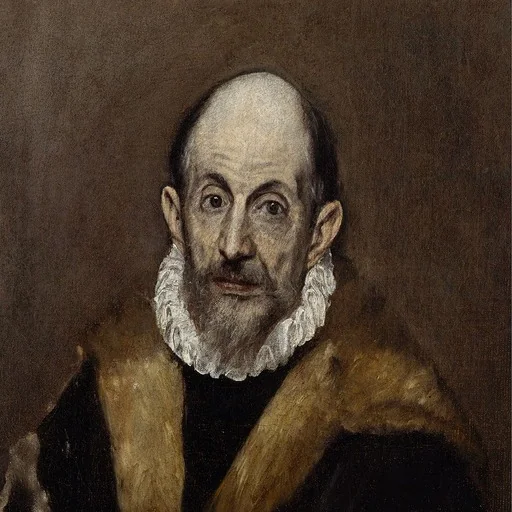
Doménikos Theotokópoulos was born in 1541 in Candia (modern Heraklion), the capital of Venetian-ruled Crete, where he was trained in the post-Byzantine tradition of icon painting.