Artwork
Mater Dolorosa
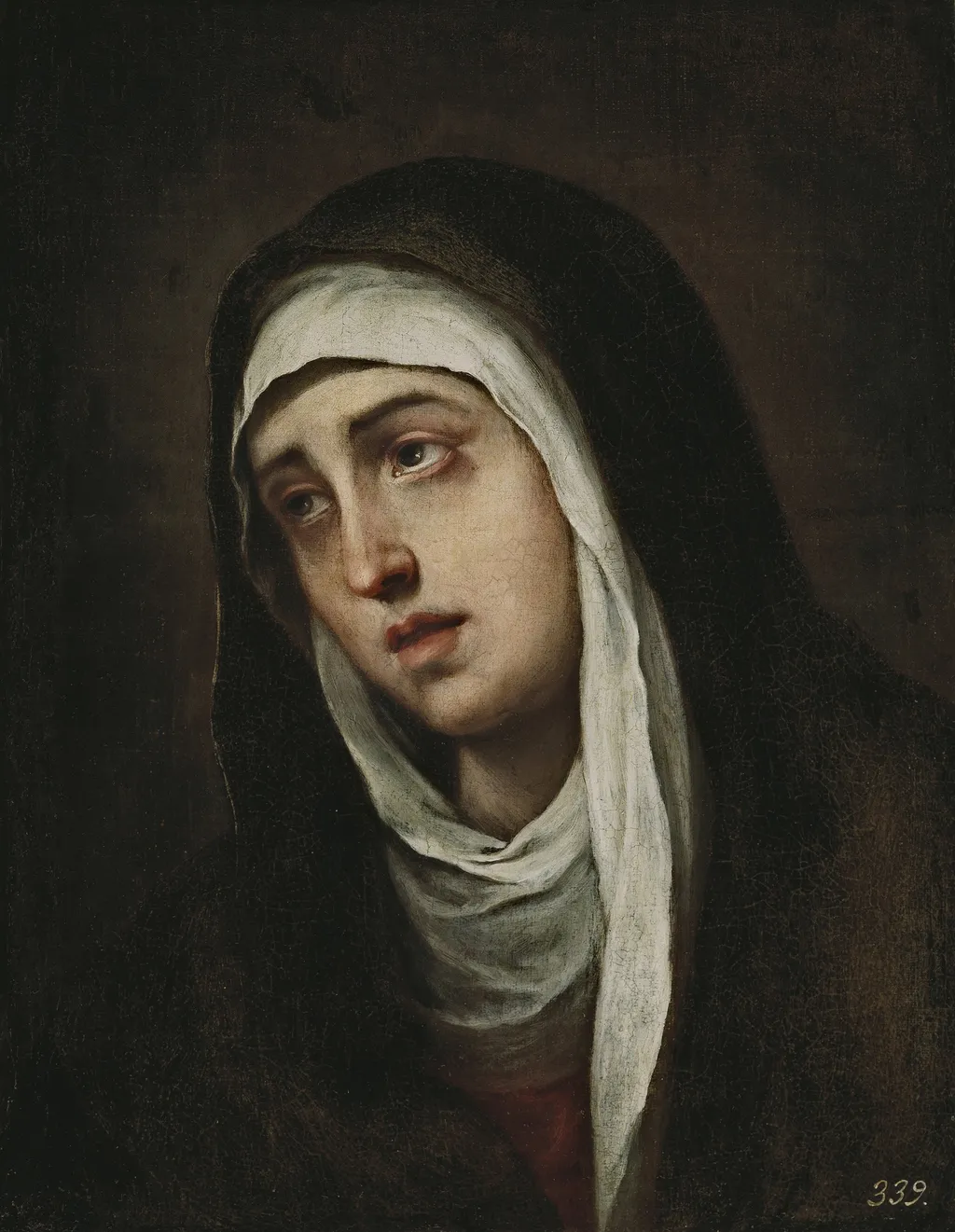
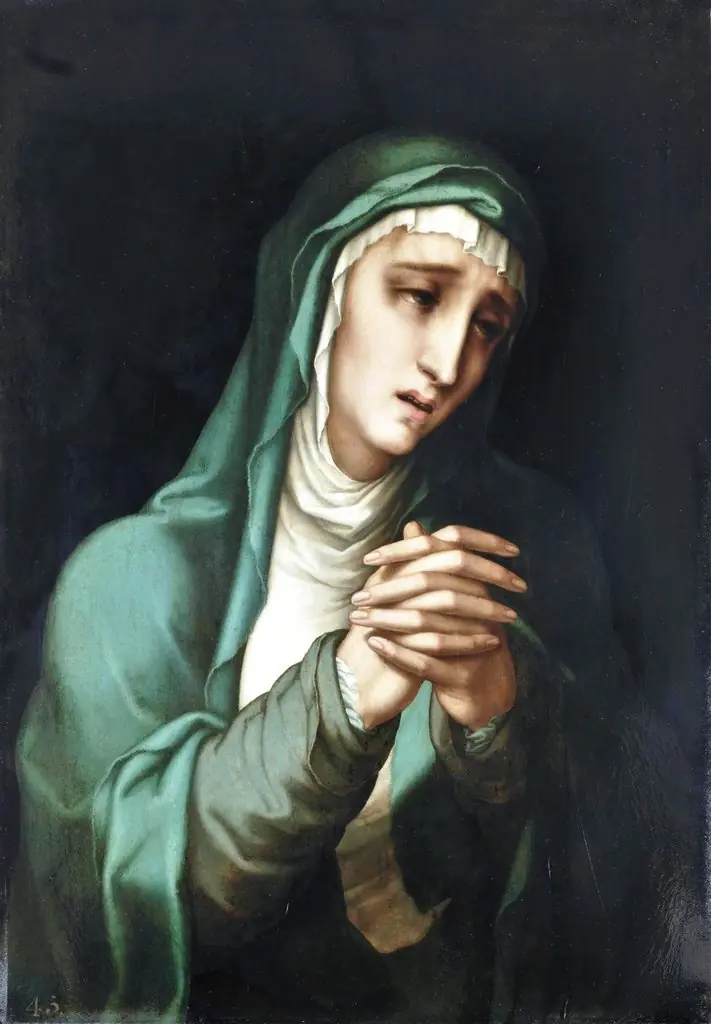
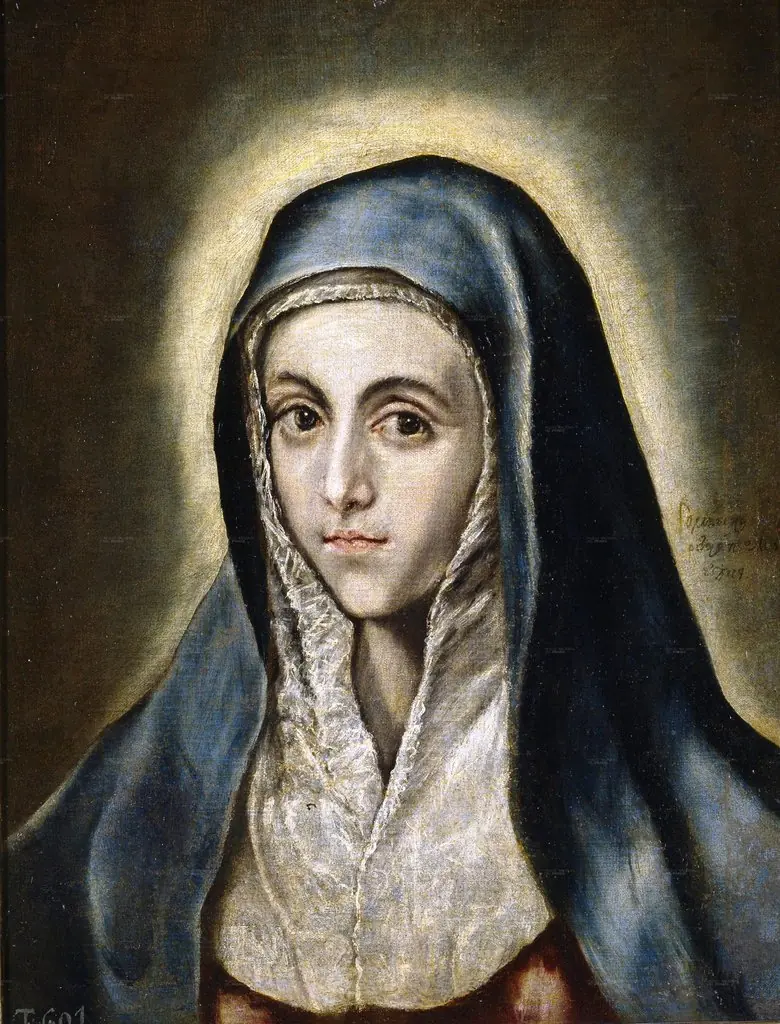
Mater Dolorosa is an oil painting by the Early Baroque Italian artist Bartolomé Esteban Murillo. It dates from 1660 and is held in the collection of the Museo del Prado.
About this work
Overview
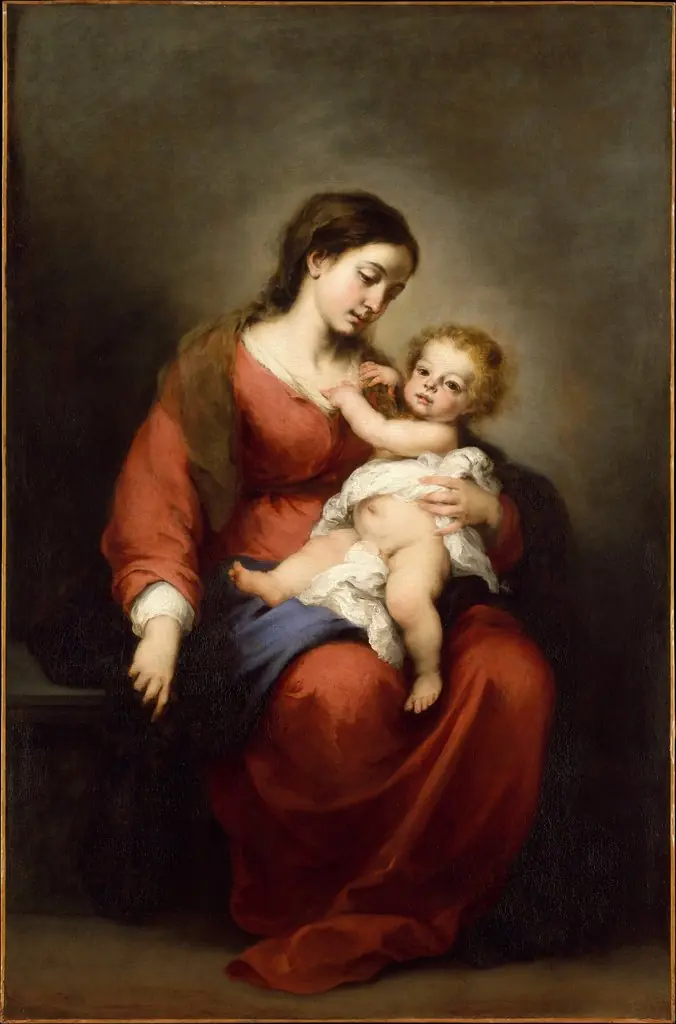
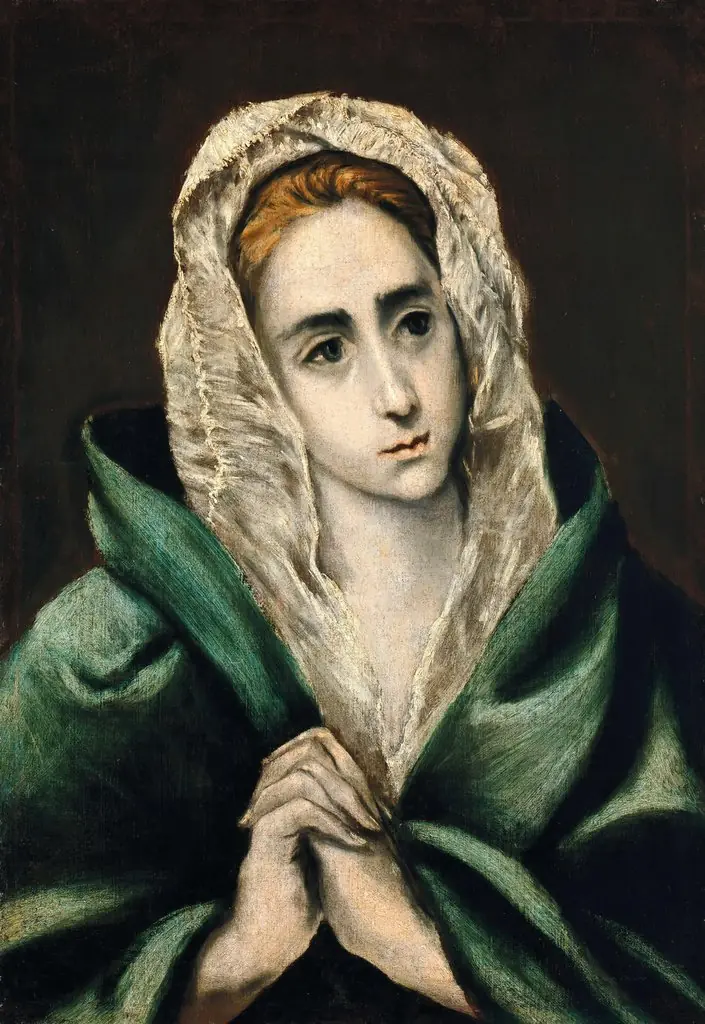
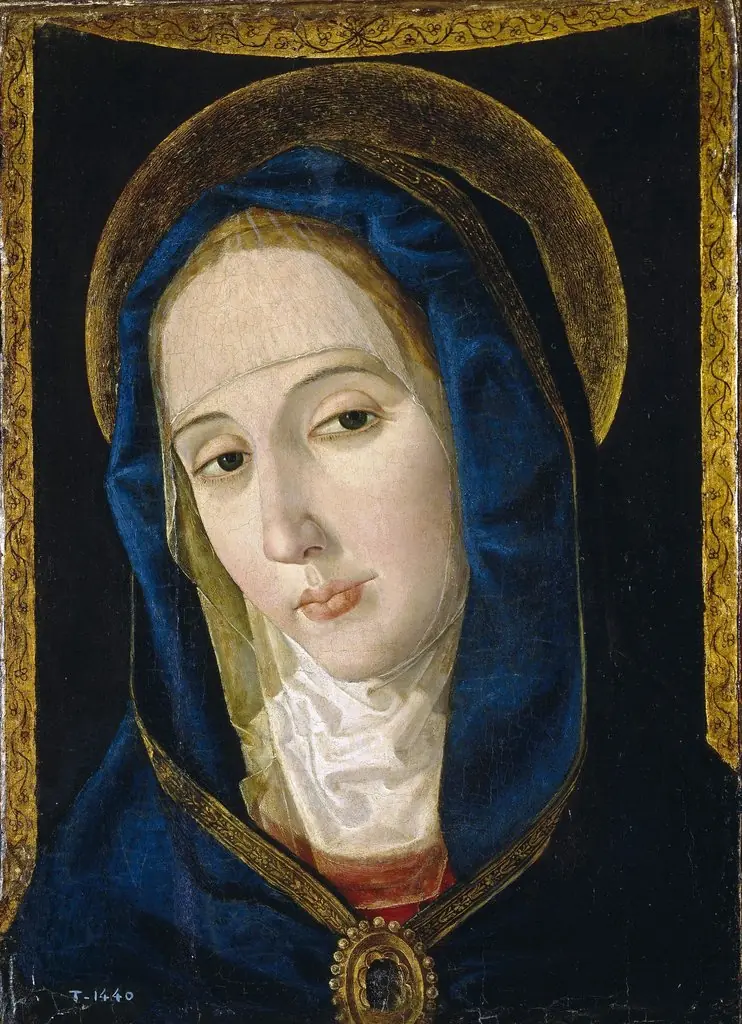
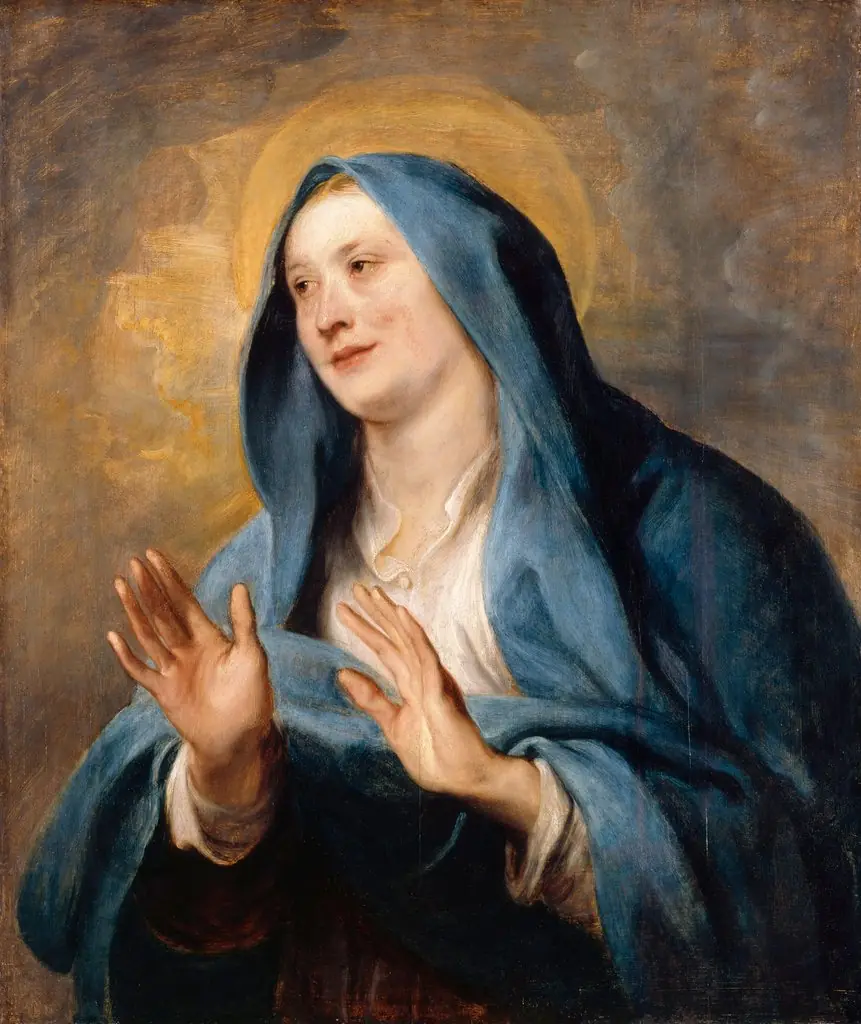
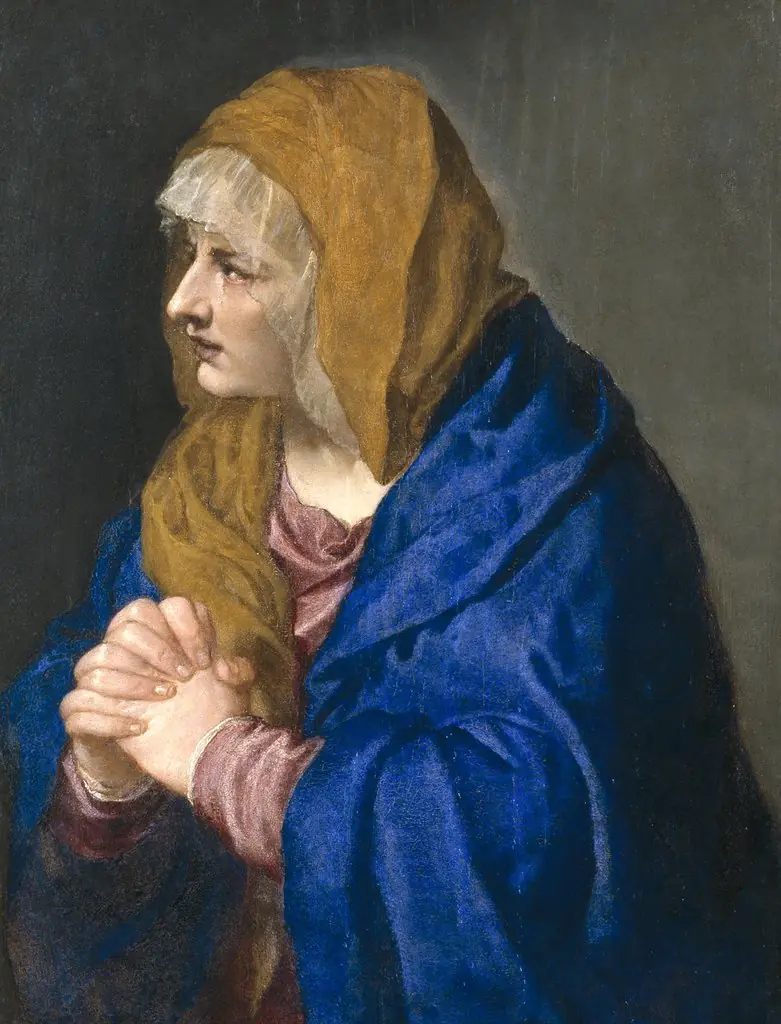
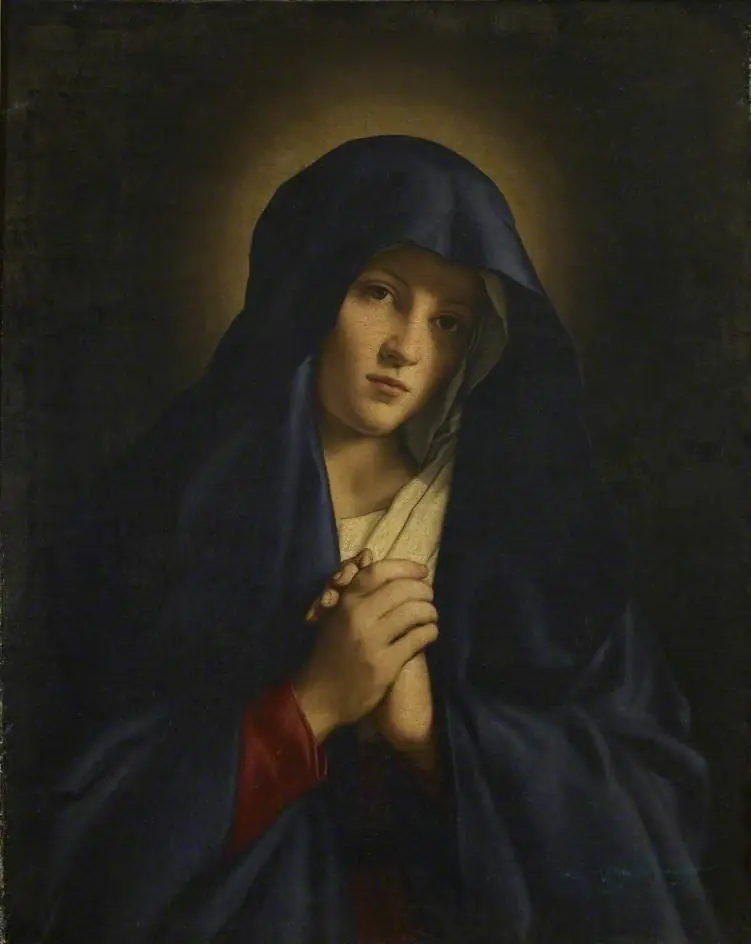
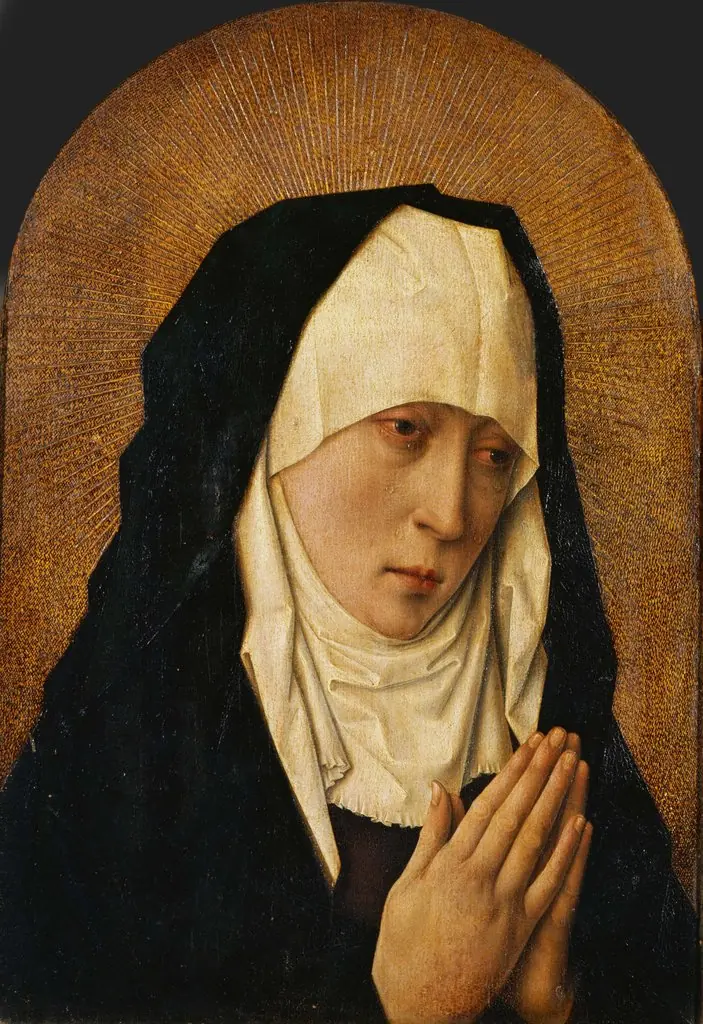
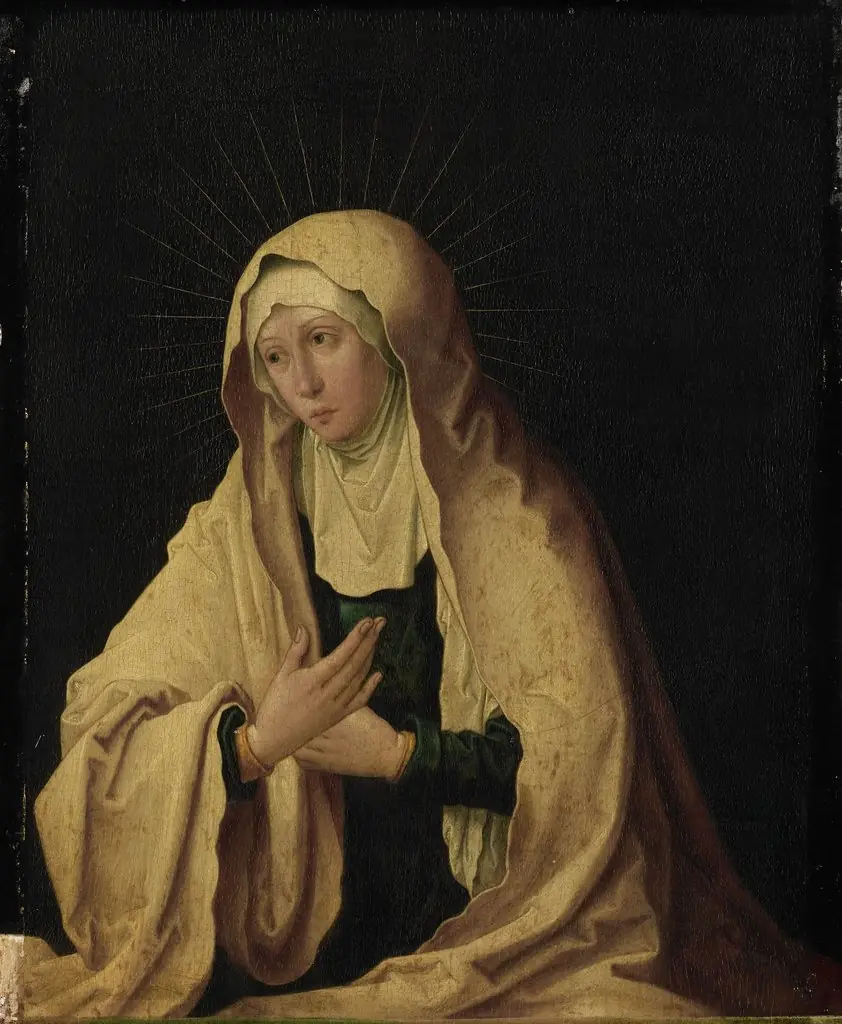
Created in 1660, *Mater Dolorosa* is an oil painting by Bartolomé Esteban Murillo that resides in the Museo del Prado. The work belongs to the early Baroque period and depicts the Virgin Mary in a moment of sorrow, aligning with a long‑standing devotional tradition that emphasizes her suffering.
Subject & Meaning
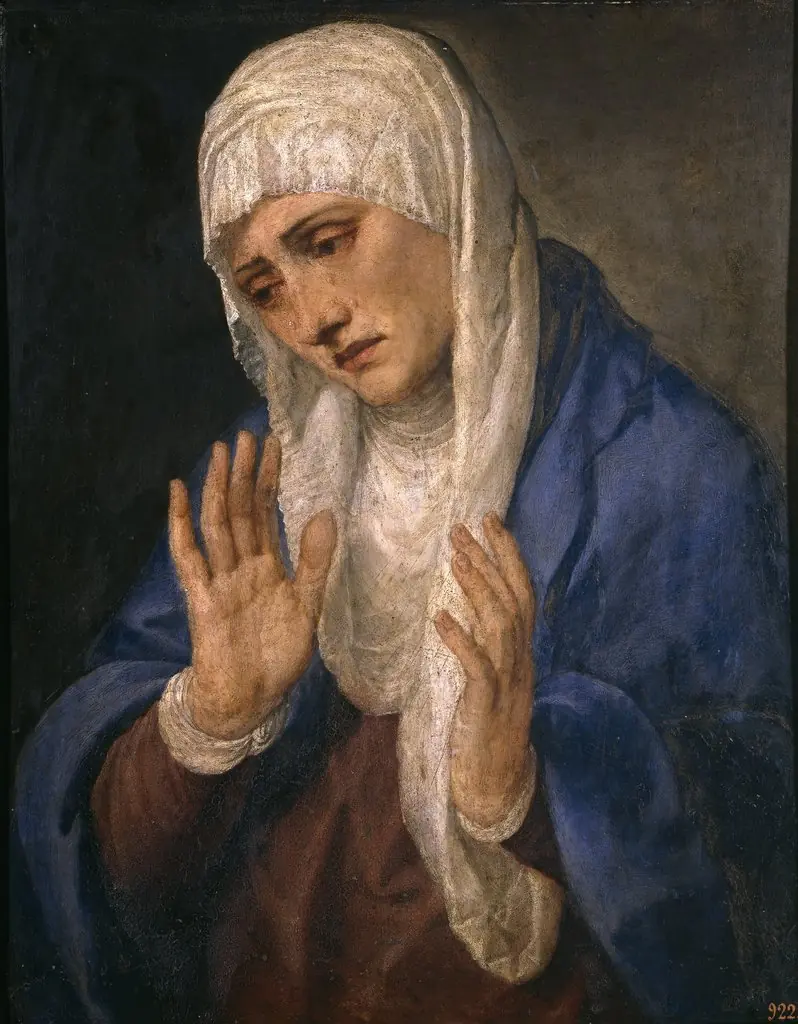
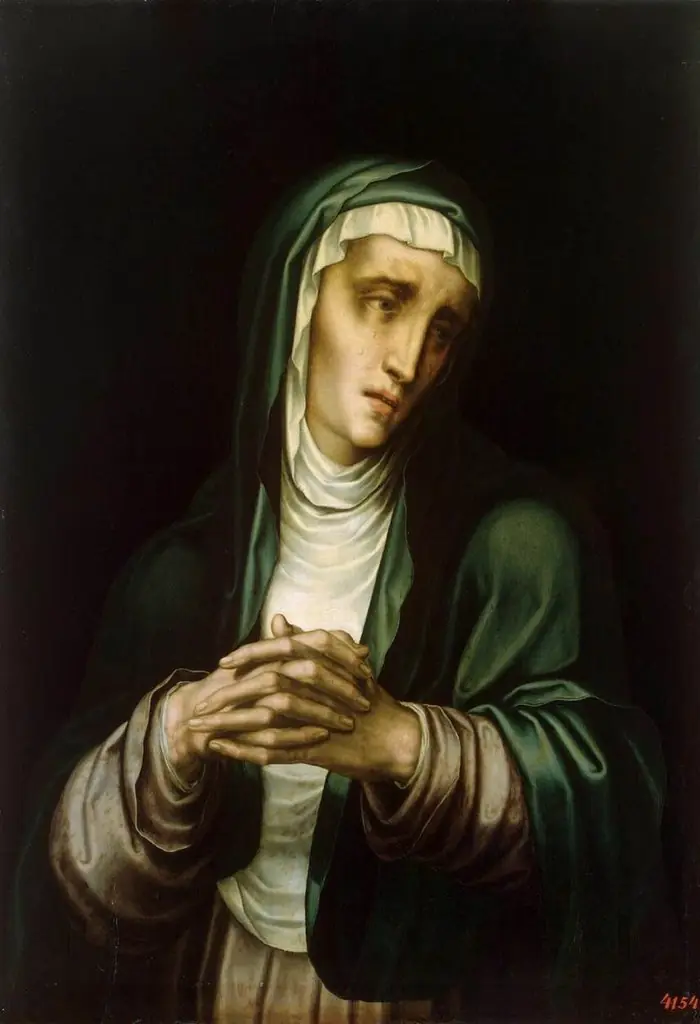
The composition presents a solitary woman clothed in a dark mantle and a white veil that falls over her shoulders. Her eyes are lowered and her expression is solemn, conveying a quiet meditation on grief. The painting invites contemplation of the Virgin’s pain and her role as a compassionate intercessor.
Technique & Style
Murillo employs chiaroscuro to model the figure, using a soft, diffused light that illuminates the face and hands against a darker background. This contrast creates a sense of three‑dimensionality and draws the viewer’s focus to the emotional core of the work. The brushwork is restrained, reinforcing the painting’s contemplative atmosphere.
History & Provenance
Although Murillo was a Spanish artist, *Mater Dolorosa* reflects the influence of Italian Baroque religious imagery. The painting entered the Prado’s collection in the 19th century, where it has been displayed as part of the museum’s holdings of 17th‑century devotional art.
Context
The work fits within Murillo’s broader output, which includes both sacred subjects and genre scenes of everyday life. In the mid‑1600s, Spanish painters often adopted Italian Baroque motifs to convey spiritual intensity, and this piece exemplifies that cross‑cultural exchange within Catholic artistic practice.
Own this work as a print
Artist & collection
Artist
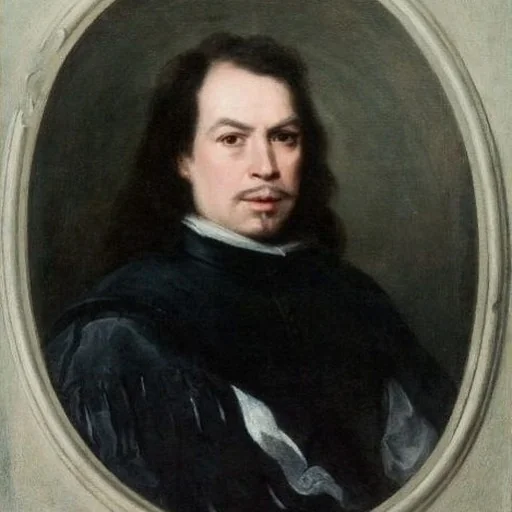
Bartolomé Esteban Murillo ( mure-IL-oh, m(y)uu-REE-oh, Spanish: ; late December 1617, baptised 1 January 1618 – 3 April 1682) was a Spanish Baroque painter.