Artwork
Saint Anthony of Padua
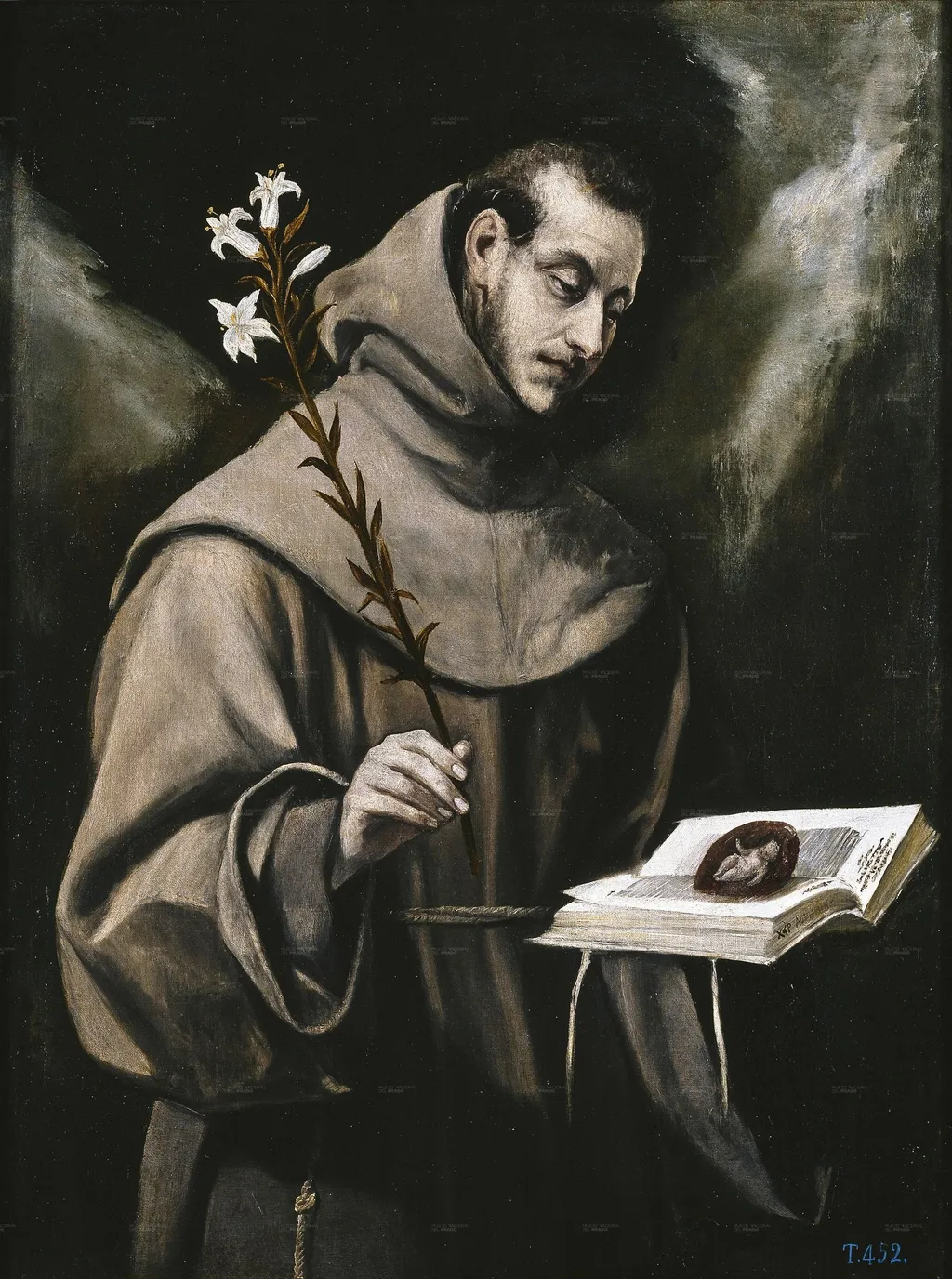
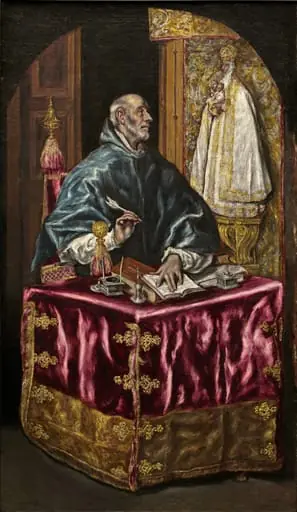
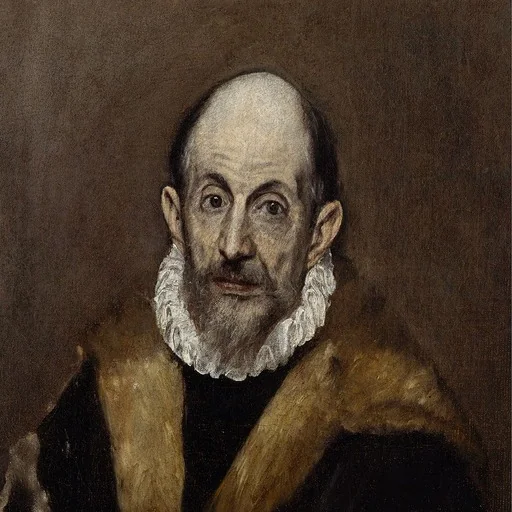
Saint Anthony of Padua is an oil painting by the Mannerist artist El Greco. It dates from 1590 and is held in the collection of the Museo del Prado.
About this work
Saint Anthony of Padua is an oil painting created by El Greco around 1580. The work shows the saint in a traditional devotional pose, painted in the artist’s characteristic style. It’s part of the Prado’s collection in Madrid, where it has been on display for centuries. If you liked this piece, you might want to explore more about the artist: El Greco.
Overview
Executed in oil on canvas around 1580, this work by Doménikos Theotokópoulos—known as El Greco—depicts Saint Anthony of Padua. The painting belongs to the collection of the Museo del Prado in Madrid, where it has been displayed for many years as part of the museum’s holdings of Spanish Renaissance art.
Subject & Meaning
The saint is presented with his customary symbols: a white lily representing purity, an open book suggesting his scholarly reputation, and a small image of the Christ Child held aloft. These attributes identify Anthony as a learned preacher and miracle‑worker, inviting contemplation of his spiritual virtues.
Technique & Style
El Greco combines a dramatic, cloud‑filled backdrop that echoes Michelangelo’s muscular forms with a rapid, expressive brushwork reminiscent of Titian and Tintoretto. The contrast between the solid, sculptural figure and the loose handling of atmospheric elements creates a tension characteristic of the artist’s early mature period.
History & Provenance
The canvas bears the inscription “IN MANO DI DOMENICO” rendered in Greek capitals, confirming the artist’s hand. After its creation, the painting entered private collections before being acquired by the Spanish state and assigned to the Prado, where it remains a documented part of the museum’s early modern holdings.
Context
Created during a phase when El Greco was assimilating influences from Italian masters, the work reflects his transition from the Venetian coloristic tradition toward a more personal, elongated aesthetic. Its devotional subject aligns with the Counter‑Reformation’s emphasis on saintly intercession, catering to contemporary religious patronage.
Own this work as a print
Artist & collection
Artist
Doménikos Theotokópoulos was born in 1541 in Candia (modern Heraklion), the capital of Venetian-ruled Crete, where he was trained in the post-Byzantine tradition of icon painting.