Artwork
Christ on the Cross
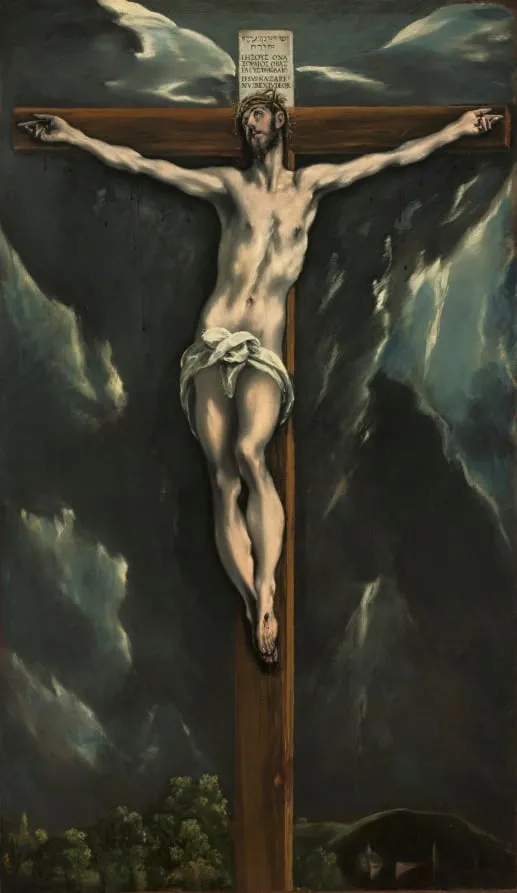
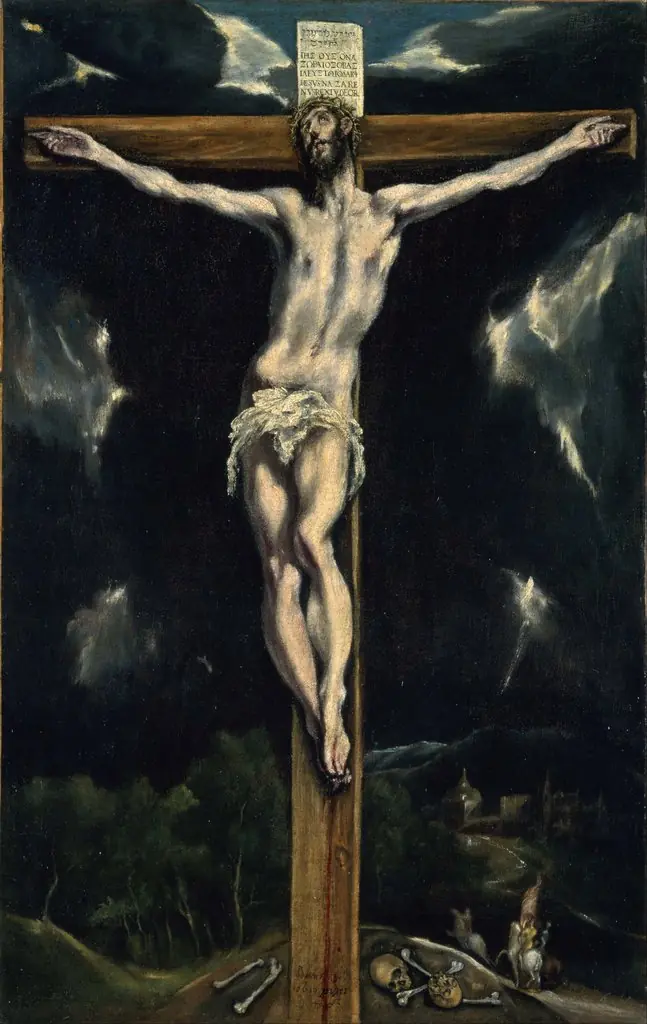
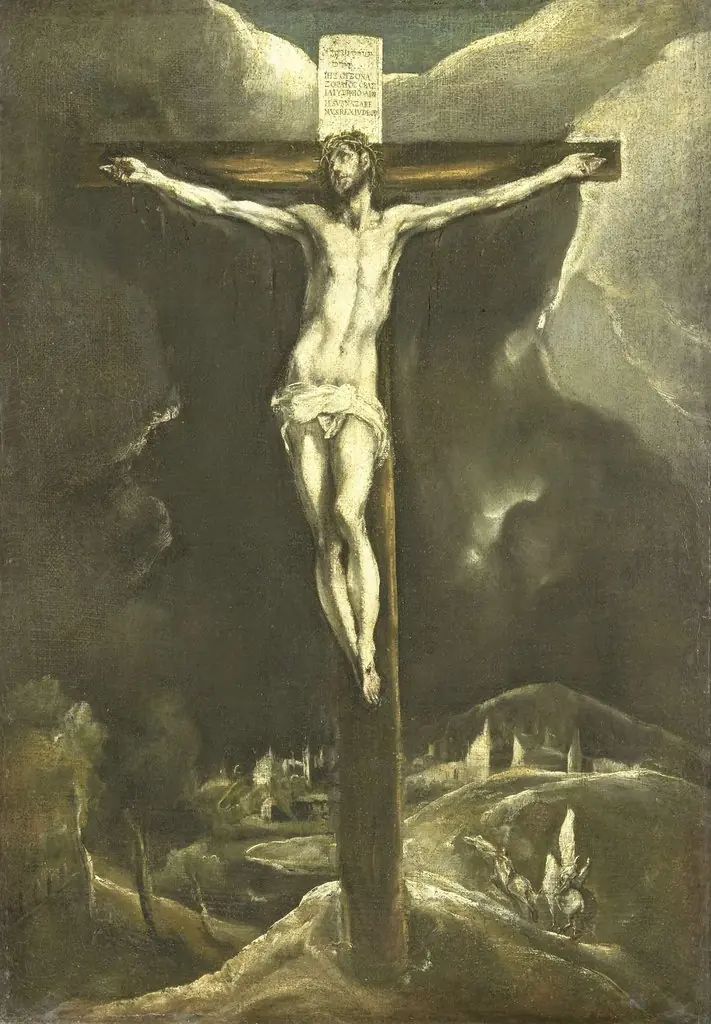
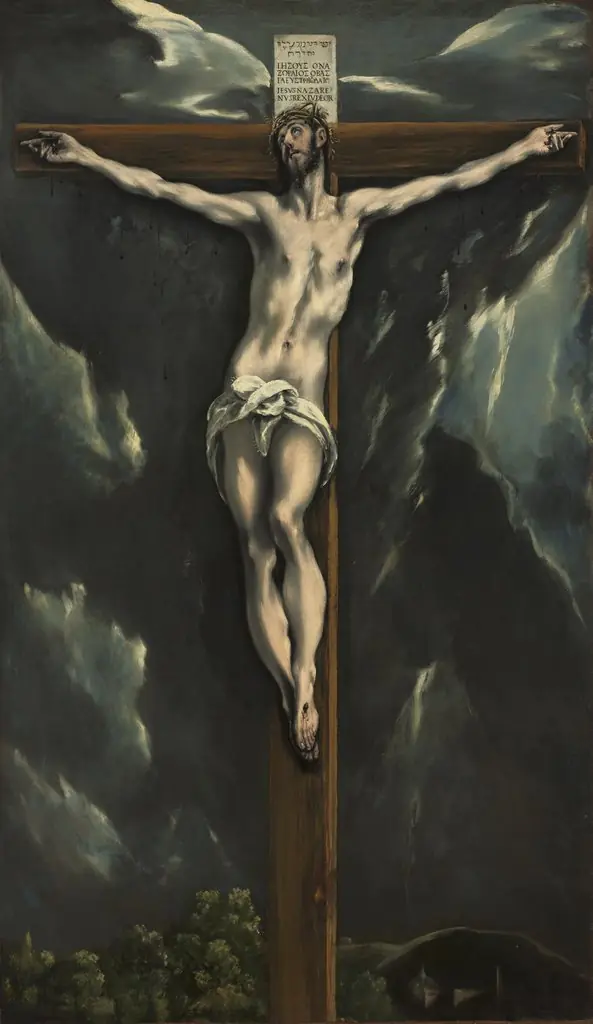
Christ on the Cross is an unspecified painting by the Baroque artist El Greco. It dates from 1605 and is held in the collection of the Cleveland Museum of Art.
About this work
Overview
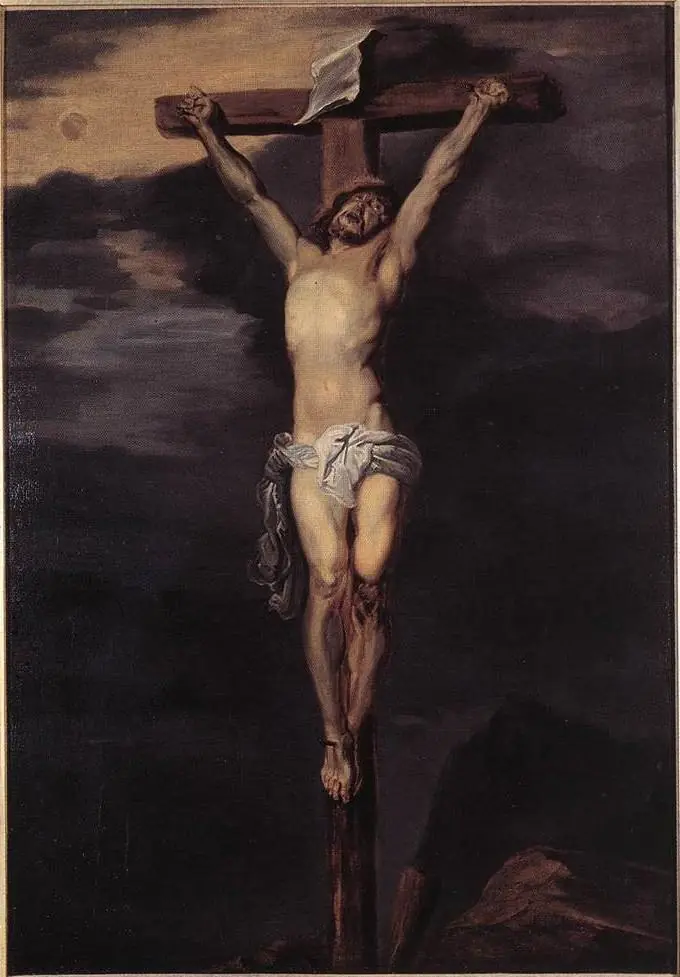
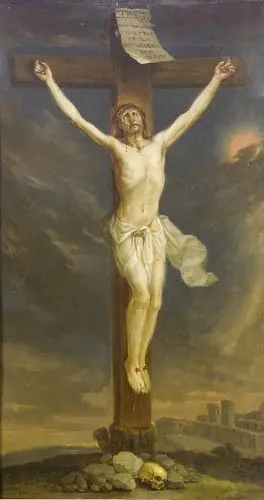
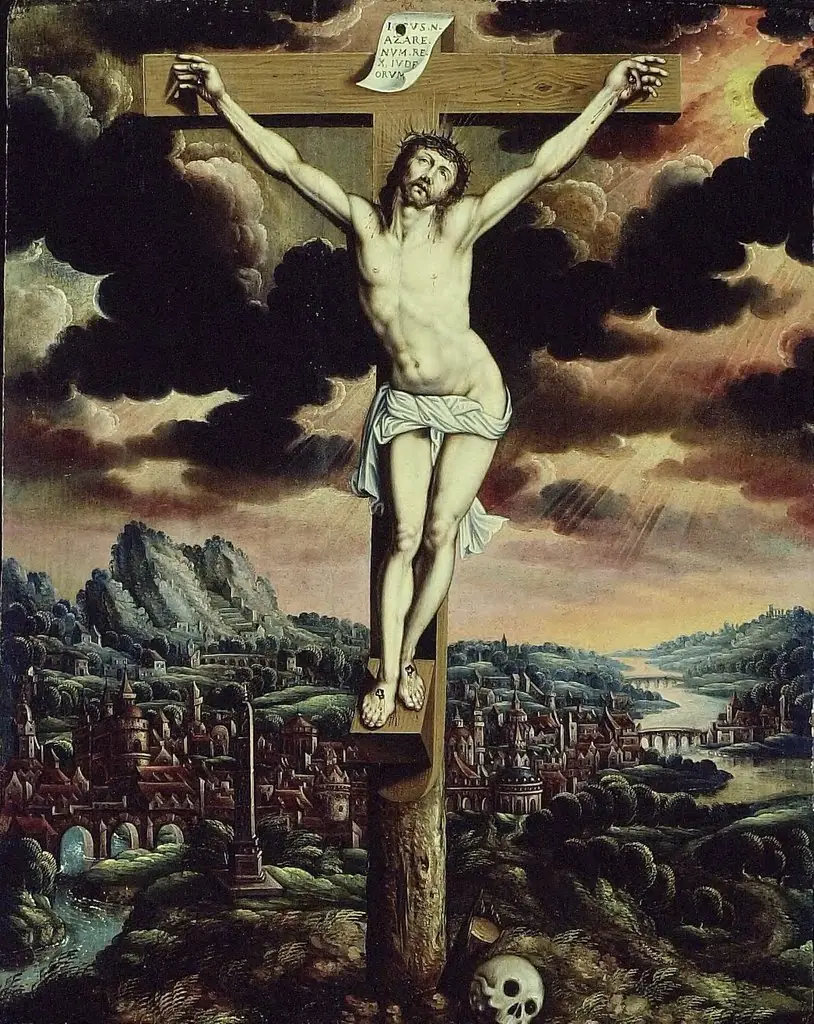
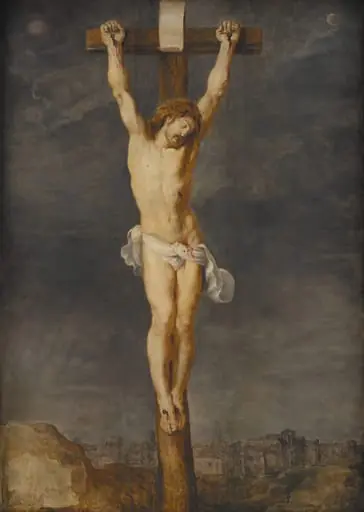
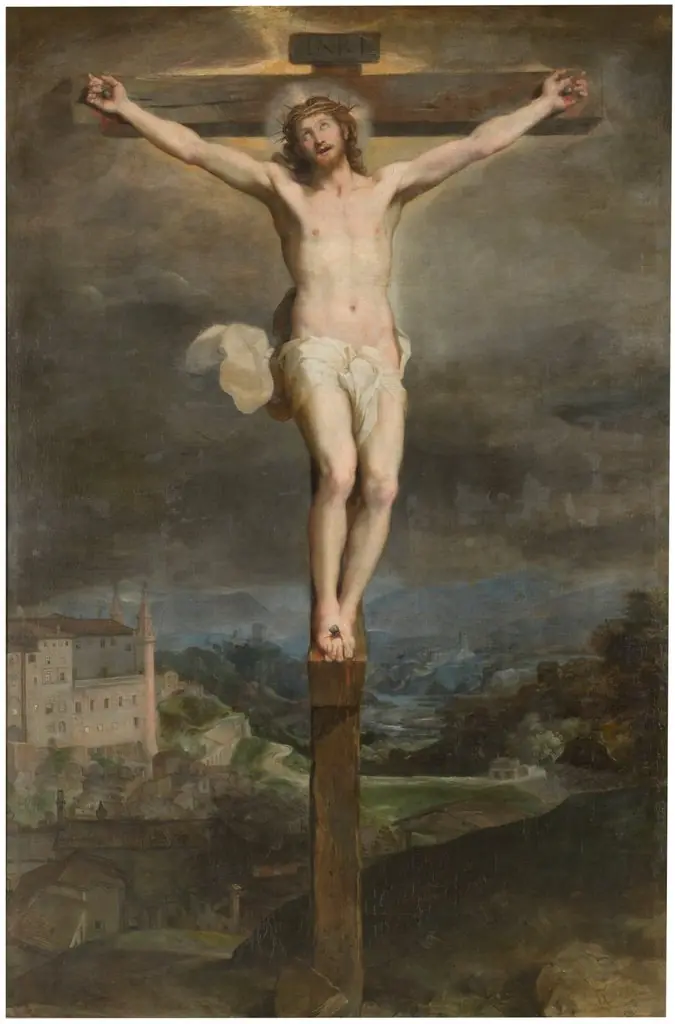
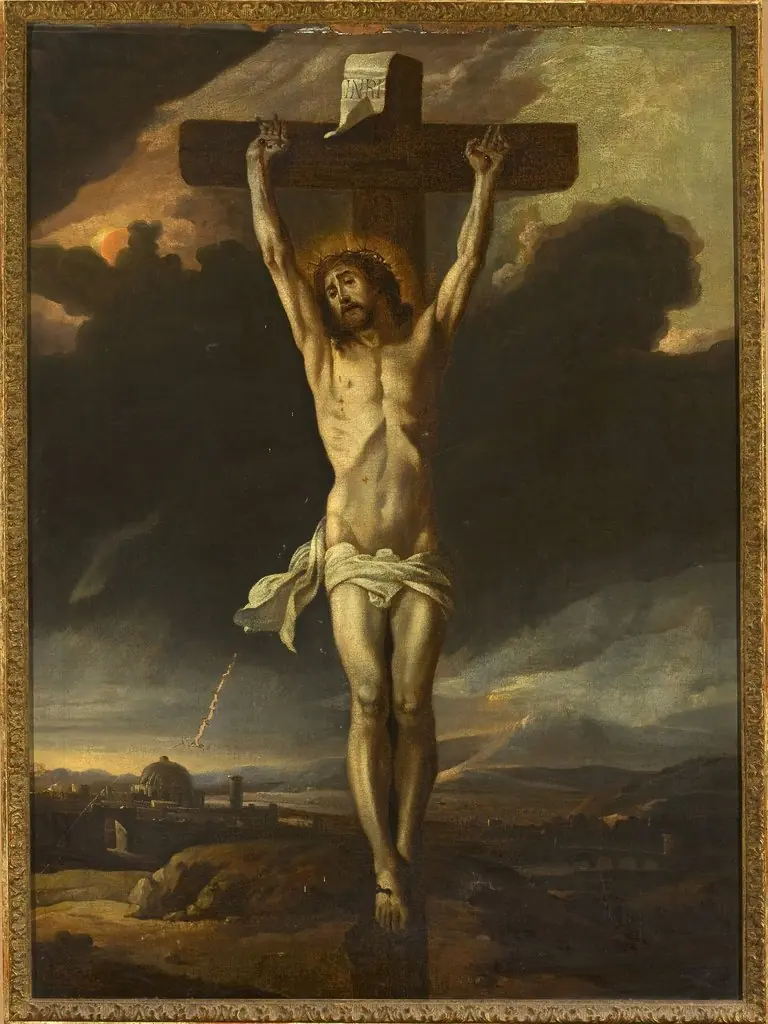
Christ on the Cross, executed by Doménikos Theotokópoulos—known as El Greco—depicts the crucified Christ in a stark, vertical composition. The figure is rendered with an unnaturally elongated torso, pale flesh set against a darkened sky, and thin streams of blood issuing from the hands and side. The work combines a dramatic use of colour with a stark focus on physical suffering.
Subject & Meaning
The painting concentrates on the physical torment of the crucifixion, emphasizing the exposed ribs and the visible flow of blood. This graphic treatment aligns with a Counter‑Reformation Spanish devotion that encouraged meditative contemplation of Christ’s agony as a means of personal piety.
Technique & Style
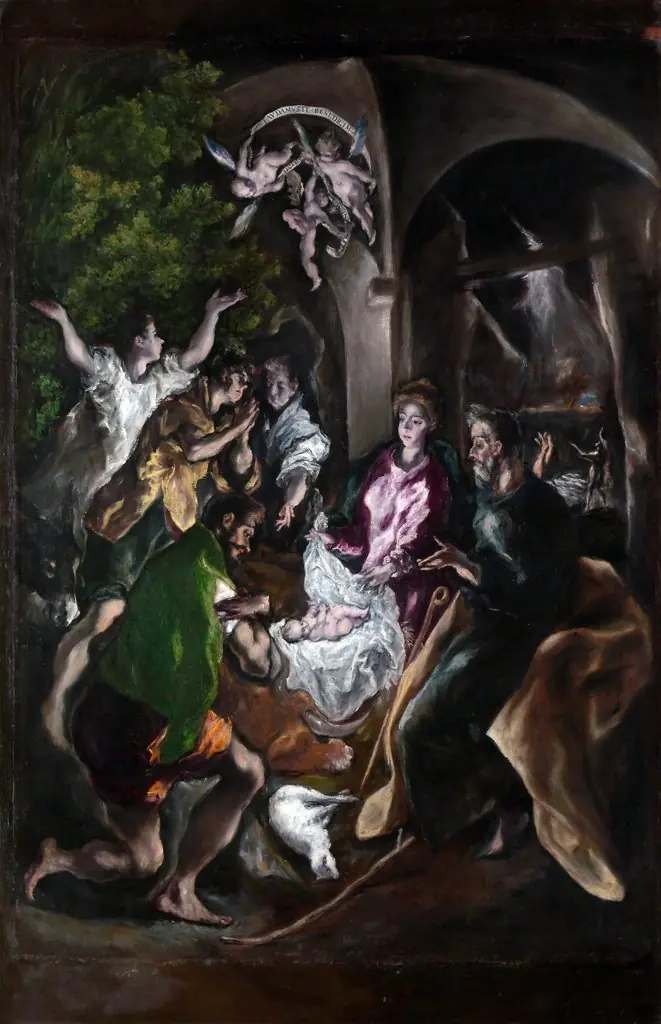
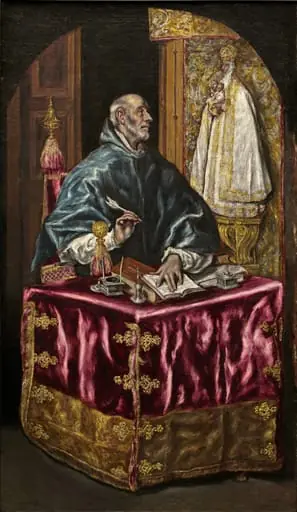
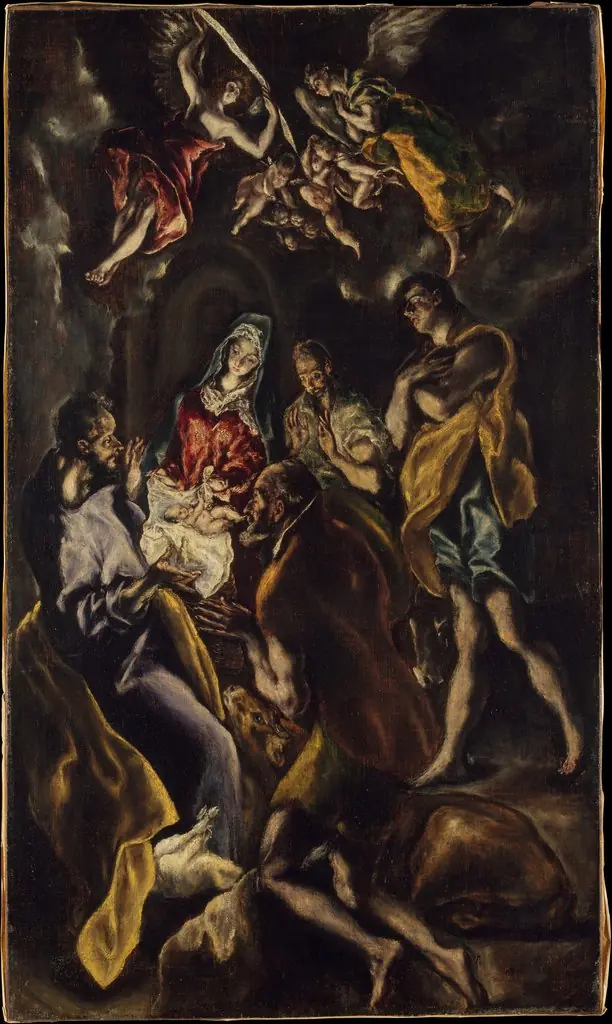
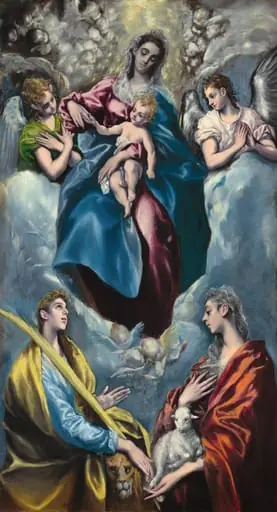
El Greco’s early training on Crete produced a foundation in iconographic precision, which later merged with the luminous palette and dynamic elongation characteristic of Venetian painting, particularly the influence of Tintoretto. The work’s sharp contrasts, elongated anatomy, and dramatic lighting reveal this synthesis of Greek icon tradition and Italian Mannerist aesthetics.
History & Provenance
After formative periods in Venice and Rome, El Greco settled in Toledo, Spain, where he created this piece. The painting remained in Spanish collections, reflecting the artist’s final professional base and the local appetite for intensely emotional religious imagery.
Context
In late‑16th‑century Spain, religious art often served didactic and devotional purposes, with a preference for vivid, affective representations of Christ’s suffering. El Greco’s work responds to this cultural climate, integrating the Venetian emphasis on dramatic colour with a Spanish focus on corporeal realism.
Legacy
The painting exemplifies how El Greco negotiated his multicultural background—Greek iconography, Italian Mannerism, and Spanish spirituality—into a distinctive visual language. Its stark portrayal of the crucifixion influenced later Spanish painters who sought to combine expressive elongation with devotional intensity.
Artist & collection
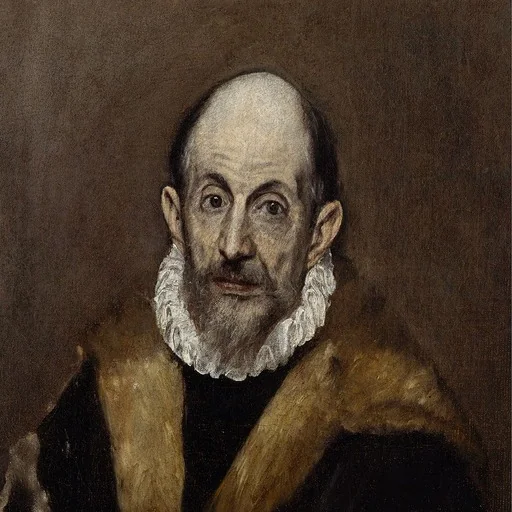
Artist
Doménikos Theotokópoulos was born in 1541 in Candia (modern Heraklion), the capital of Venetian-ruled Crete, where he was trained in the post-Byzantine tradition of icon painting.