Artwork
Christ on the Cross
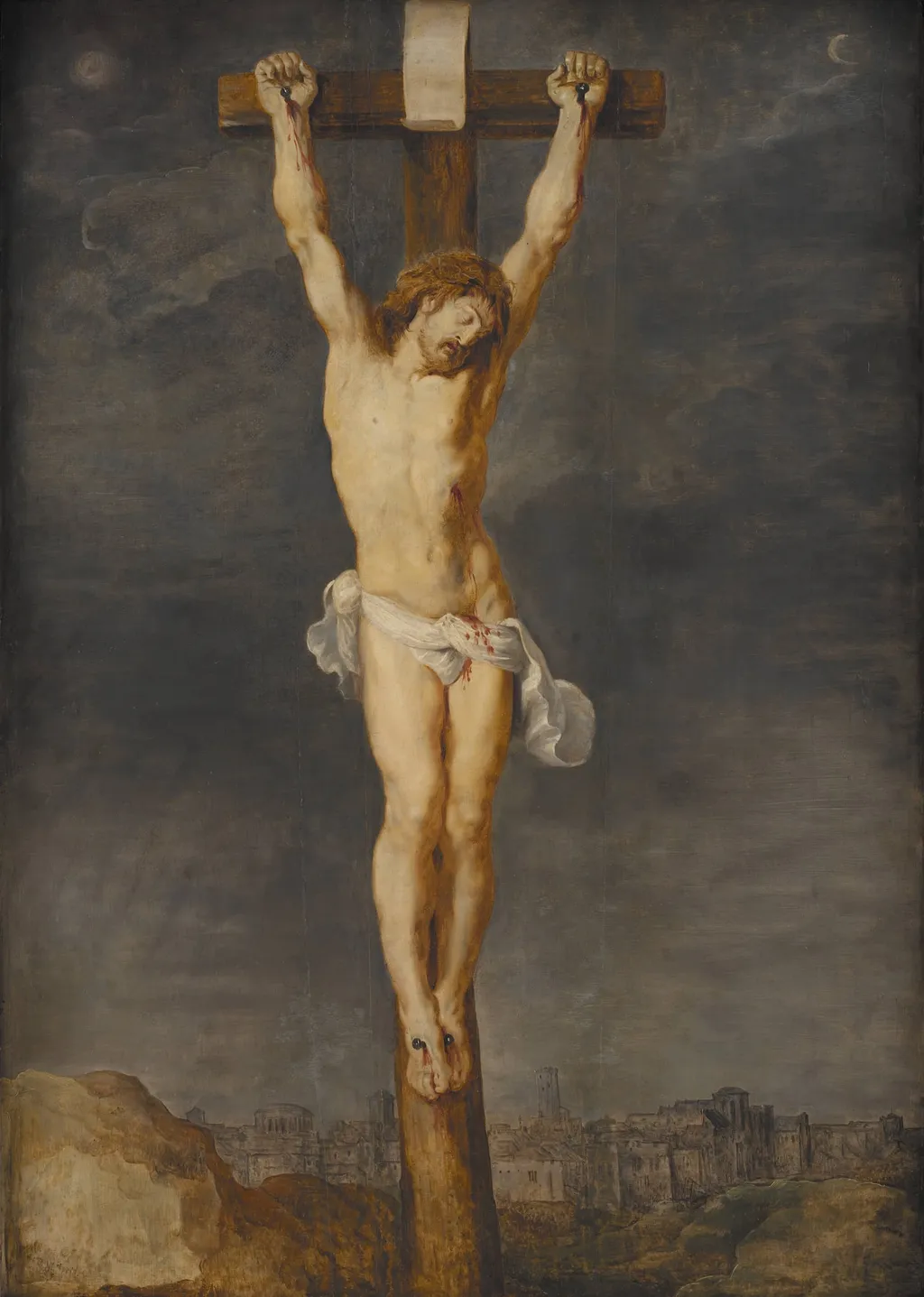
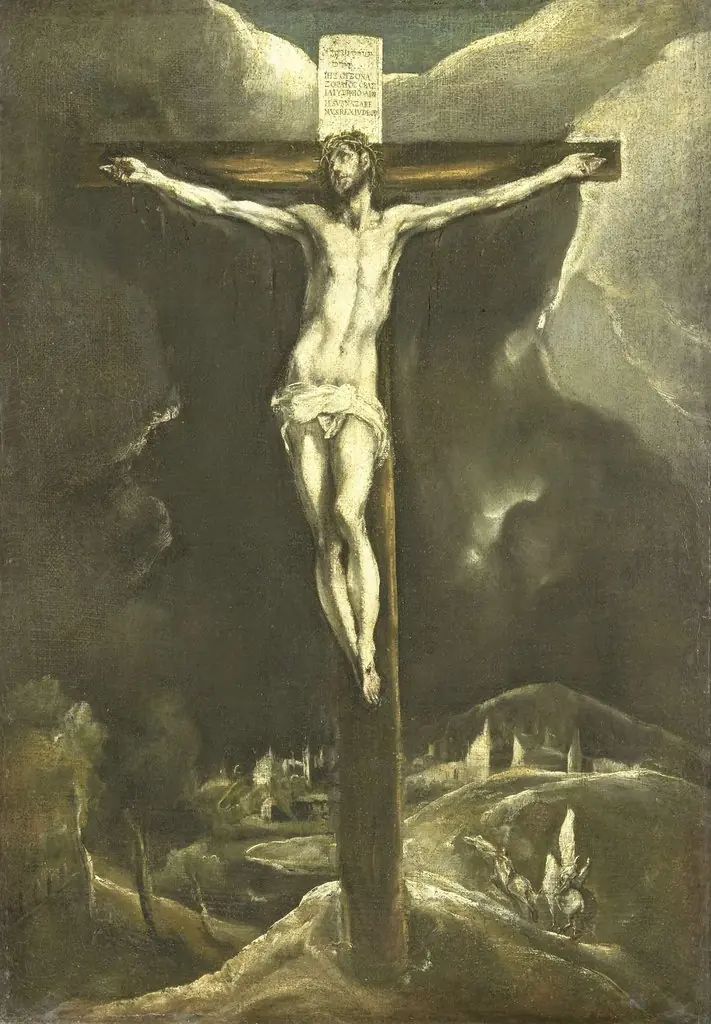
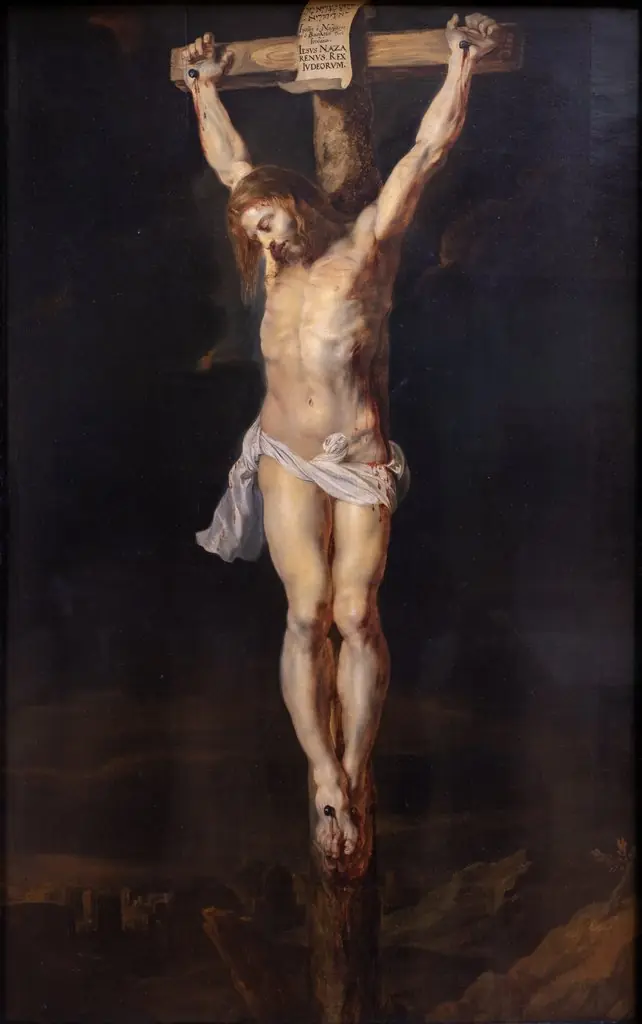
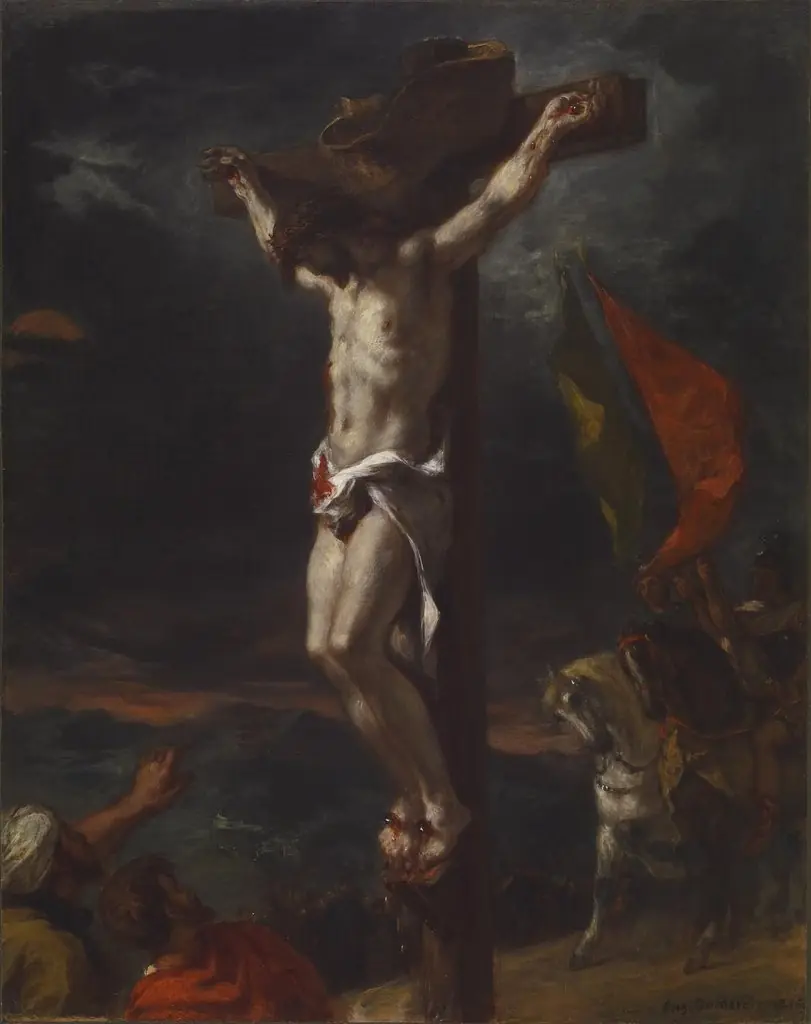
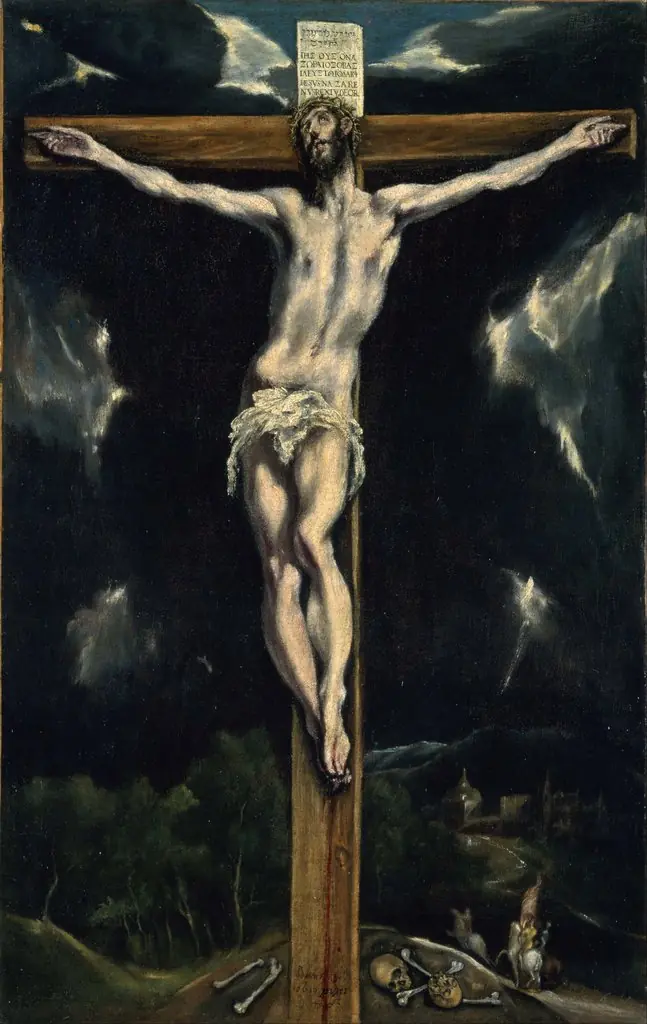
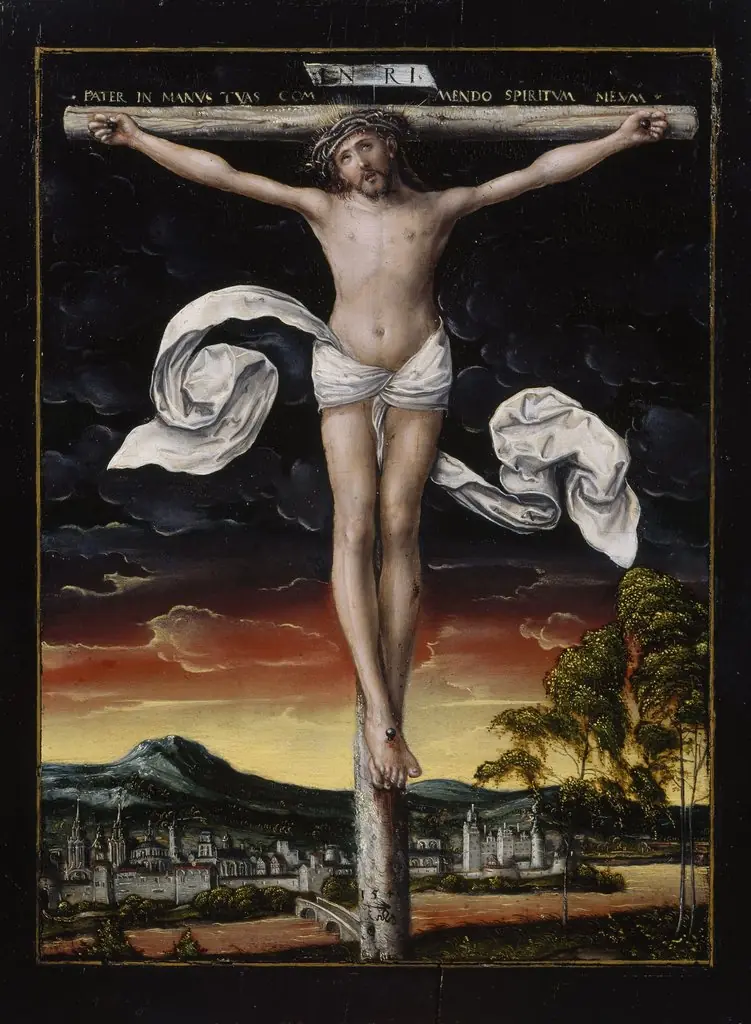
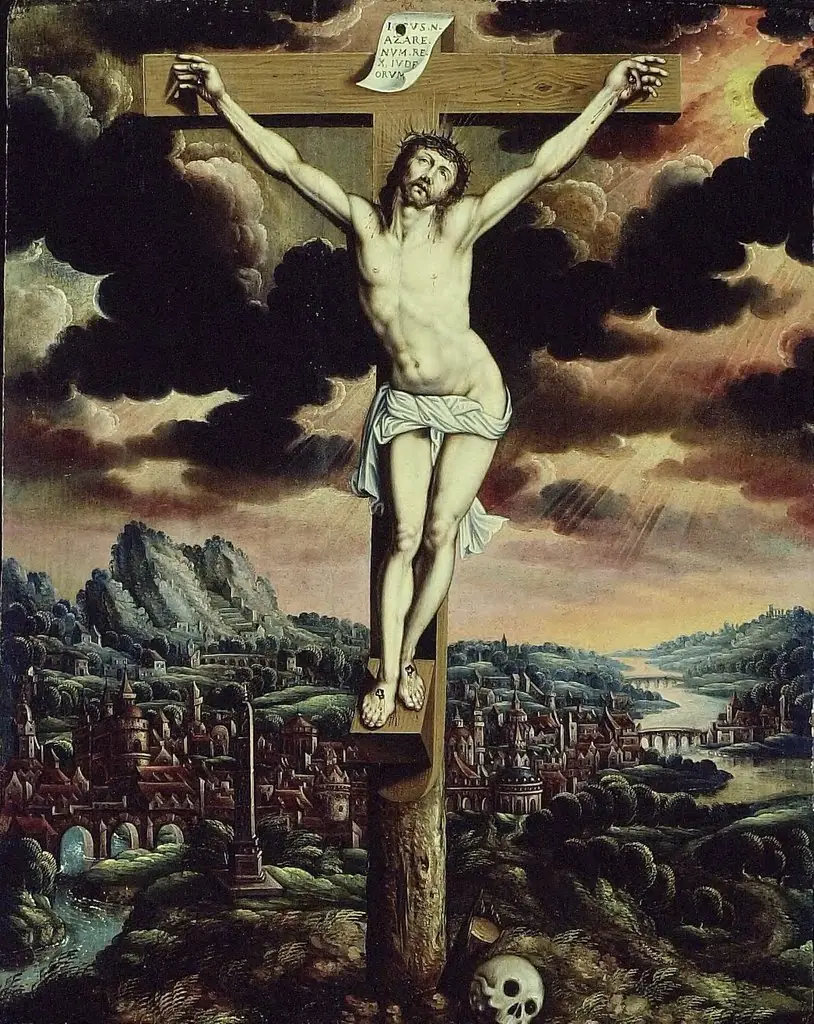
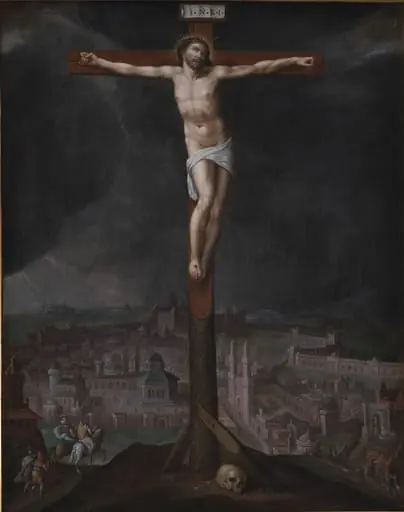
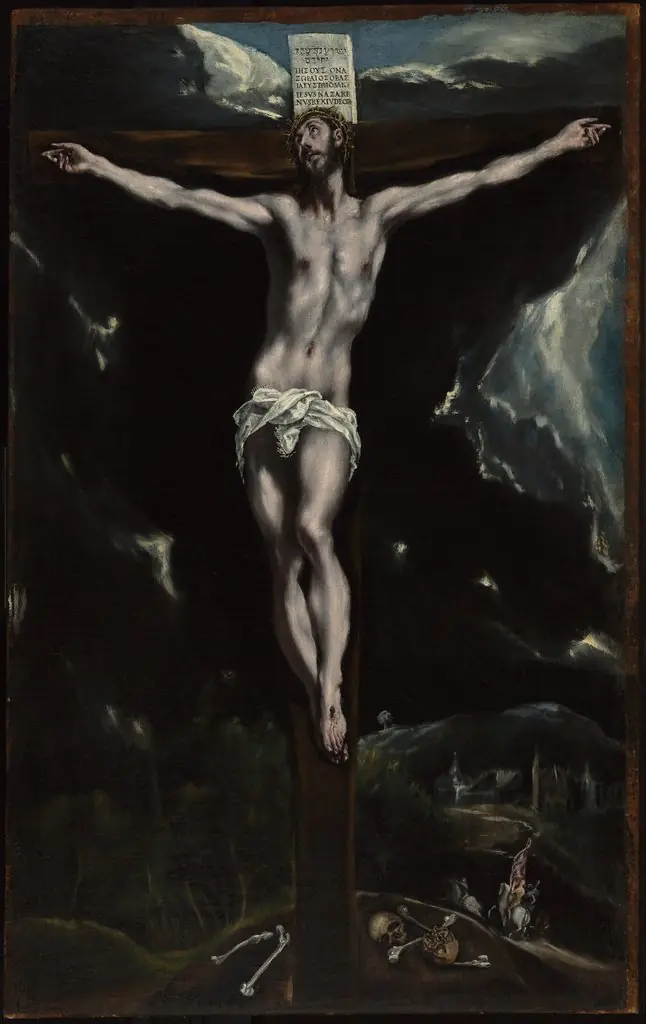
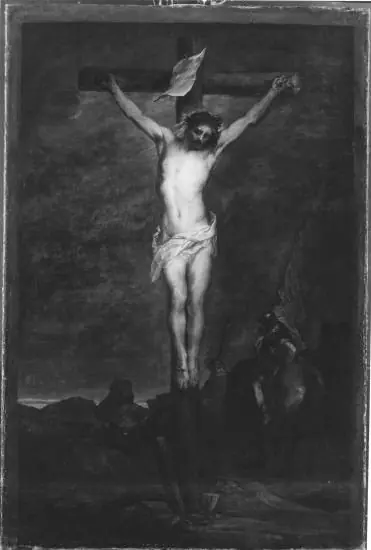
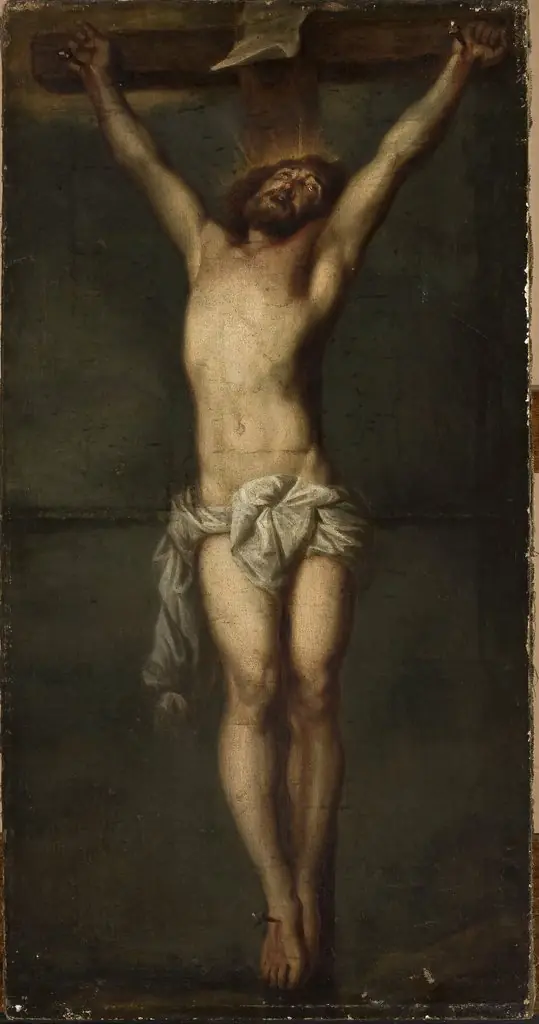
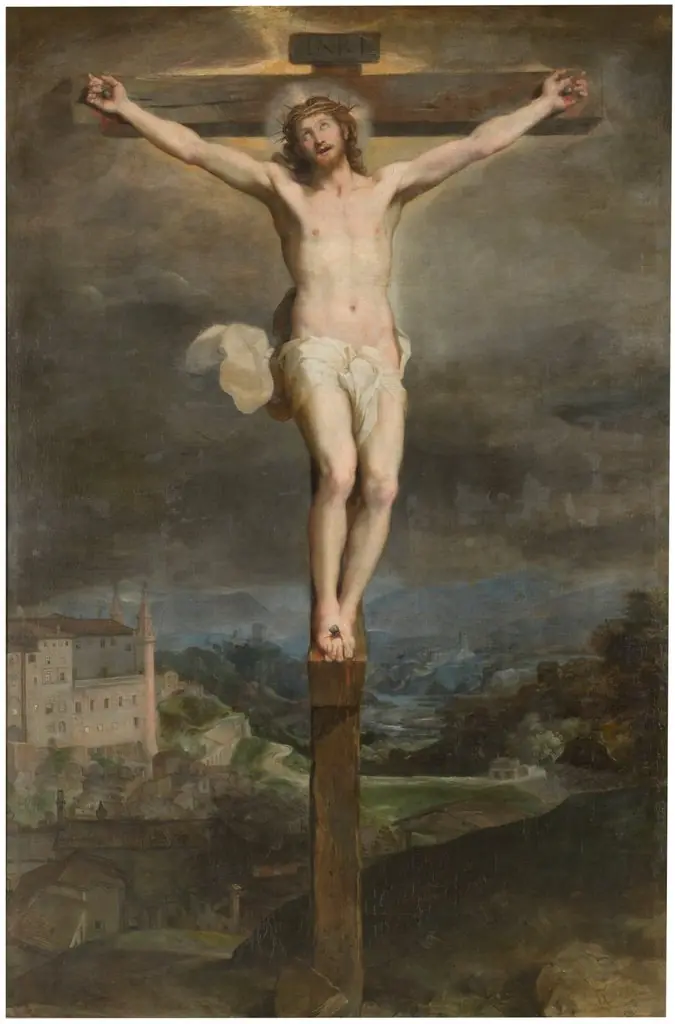
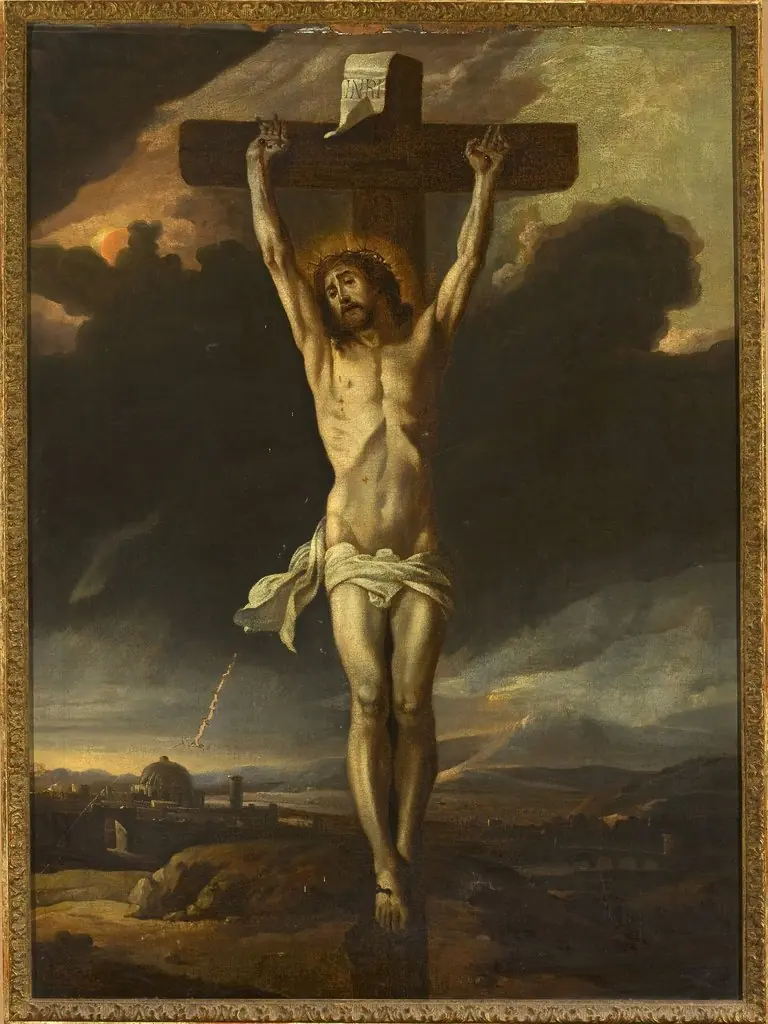
Christ on the Cross is a photography by Unknown. It dates from 1550 and is held in the collection of the Statens Museum for Kunst. Created around 1550, this devotional painting portrays Christ crucified, rendered in a somber, atmospheric style.
About this work
Overview
It is currently held in the collection of the Museum of Ethnography, though its origins lie in European religious art traditions.
Created around 1550, this devotional painting portrays Christ crucified, rendered in a somber, atmospheric style. It is currently held in the collection of the Museum of Ethnography, though its origins lie in European religious art traditions. The composition focuses intensely on the figure of Christ, isolated against a brooding sky, with minimal background detail to direct attention to his physical and emotional state.
Subject & Meaning
The painting depicts Christ at the moment of death, his body marked by wounds and blood, his posture conveying exhaustion and surrender. The crossed legs and outstretched arms follow traditional iconography of the crucifixion, emphasizing sacrifice and redemption. The absence of other figures heightens the sense of solitude, inviting quiet contemplation of suffering and spiritual endurance rather than narrative drama.
Technique & Style
The artist employs muted tones and chiaroscuro to model Christ’s form against a dark, indistinct sky. The blood is rendered with restrained realism, avoiding excessive gore, while the white loincloth contrasts subtly with the darker tones of the body. Brushwork is controlled, with soft transitions between light and shadow, creating a quiet, introspective mood rather than theatrical intensity.
History & Provenance
The painting’s early history is undocumented, but its style suggests production in a Northern European workshop active in the mid-16th century. It entered the Museum of Ethnography’s collection in the late 19th or early 20th century, likely as part of a broader acquisition of religious artifacts. Its classification within an ethnographic institution reflects historical collecting practices that grouped devotional objects alongside cultural materials.
Context
Made during the Reformation, this image would have resonated with both Catholic and Protestant audiences, though its emphasis on Christ’s physical suffering aligned more closely with pre-Reformation devotional practices. Its simplicity and emotional gravity suggest it may have served private worship, possibly in a domestic or monastic setting, where quiet meditation on the Passion was encouraged.
Legacy
Though not widely known outside institutional collections, the painting exemplifies a quiet, introspective strand of 16th-century religious art that prioritized emotional resonance over spectacle. Its preservation in an ethnographic museum underscores shifting perceptions of religious imagery—from sacred object to cultural artifact—highlighting how devotional art continues to be reinterpreted across changing historical frameworks.
Artist & collection

 Domestic Scene
 Giacomo and Cardinal Marco, investing Andrea, Abbot of San Zeno, with his Benefice
 The Nymph of Fontainebleau
 Portrait of a Woman
 Madonna and Child with Saints in the Enclosed Garden
 Venus and Minerva
 Family Group of Four on Sofa
 Wall painting from Room H of the Villa of P. Fannius Synistor at Boscoreale