Artwork
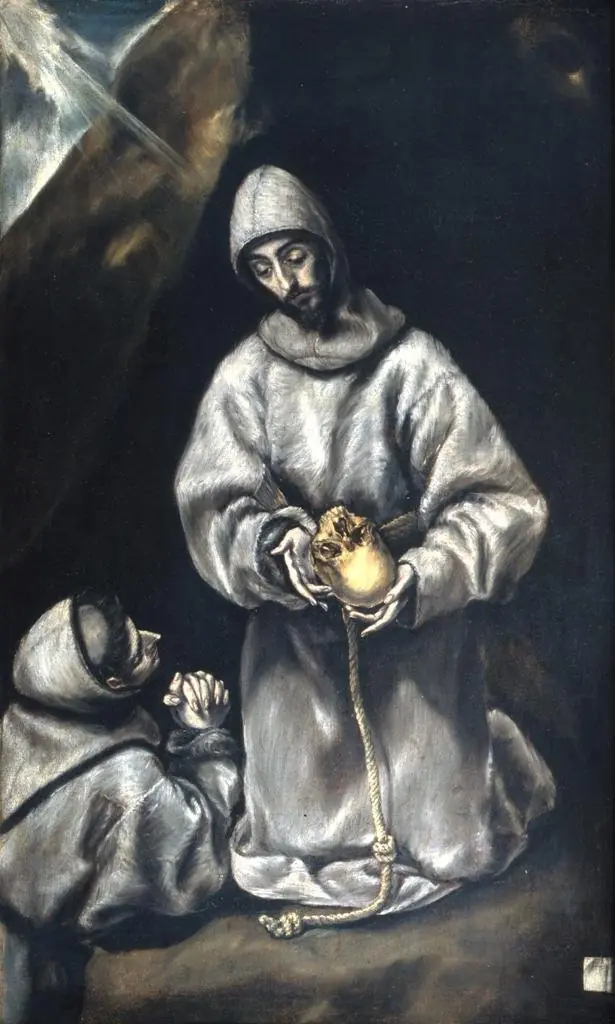
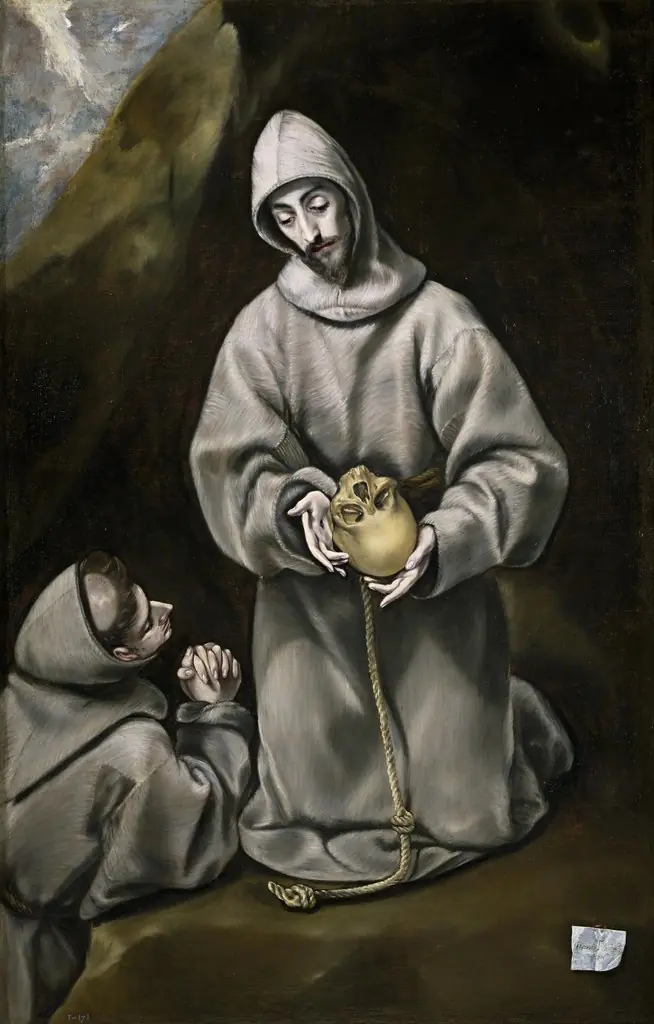
St Francis and Brother Leo Meditating on Death
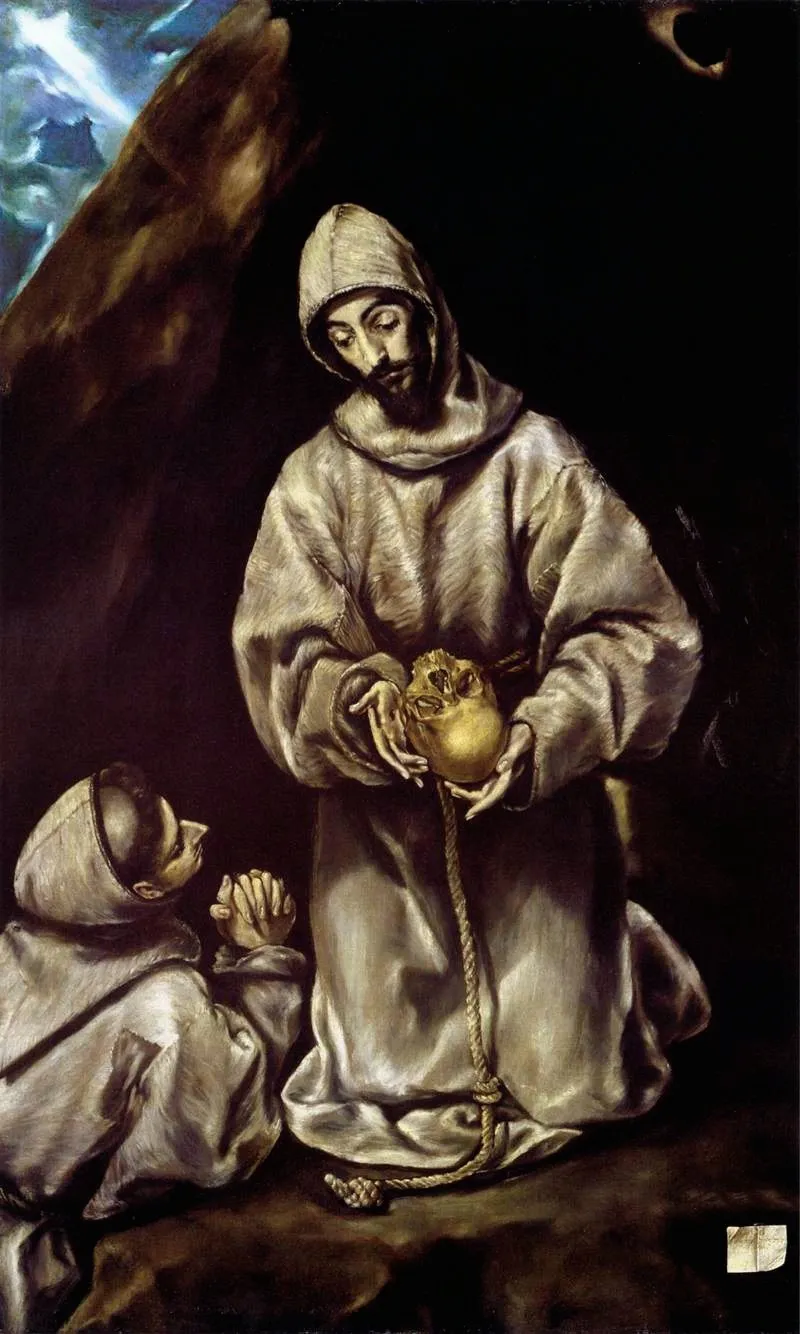
St Francis and Brother Leo Meditating on Death is an oil painting by the Mannerist artist El Greco. It dates from 1600 and is held in the collection of the National Gallery of Canada.
About this work
Overview
Painted around 1600 in oil on canvas, this work by El Greco portrays Saint Francis of Assisi and his companion Brother Leo in a moment of quiet reflection. The scene is set against a dim, atmospheric backdrop with a sliver of pale sky visible above. The figures are rendered in elongated forms typical of El Greco’s mature style, emphasizing spiritual tension over naturalism.
Subject & Meaning
The skull anchors the composition as a silent reminder of human transience, aligning with Franciscan themes of humility and earthly impermanence.
The painting centers on the contemplation of mortality. Brother Leo kneels in prayer, gazing upward as Saint Francis, standing, holds a skull—a traditional memento mori. Their postures and expressions convey differing responses to death: one in reverent supplication, the other in solemn awareness. The skull anchors the composition as a silent reminder of human transience, aligning with Franciscan themes of humility and earthly impermanence.
Technique & Style
El Greco employs dramatic chiaroscuro to model the figures, enhancing their three-dimensionality and emotional gravity. The robes of the friars are rendered in luminous white, contrasting sharply with the deep, shadowed background. Brushwork is fluid yet deliberate, with elongated limbs and expressive gestures that prioritize spiritual intensity over anatomical precision, characteristic of his late period.
History & Provenance
The painting entered the collection of the National Gallery of Canada in the 20th century, though its earlier ownership remains unclear. It was likely commissioned for a religious setting, possibly a Franciscan monastery, given its subject matter. No definitive documentation exists from its creation, but stylistic analysis places it among El Greco’s final works, produced in Toledo during his last years.
Context
Created during the Counter-Reformation, the painting reflects the Catholic Church’s emphasis on personal piety and meditation on death. Franciscan spirituality, with its focus on poverty and mortality, resonated strongly in this era. El Greco, working in Spain far from his Cretan origins, synthesized Byzantine iconography with Italian Mannerism, producing images that spoke to both devotion and intellectual depth.
Legacy
Though not widely exhibited in its time, the painting contributes to the understanding of El Greco’s religious vision in his later years. Its quiet intensity and symbolic clarity influenced later artists interested in spiritual realism. Today, it stands as a testament to the fusion of personal contemplation and theological tradition in early 17th-century Spanish art.
Artist & collection
Artist
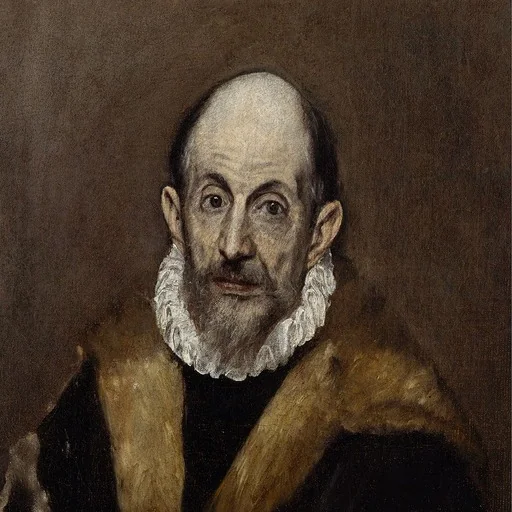
Doménikos Theotokópoulos was born in 1541 in Candia (modern Heraklion), the capital of Venetian-ruled Crete, where he was trained in the post-Byzantine tradition of icon painting.

 St. Francis and Brother Leo Meditating on Death
 Saint Francis of Assisi and Brother Leo Meditating on Death
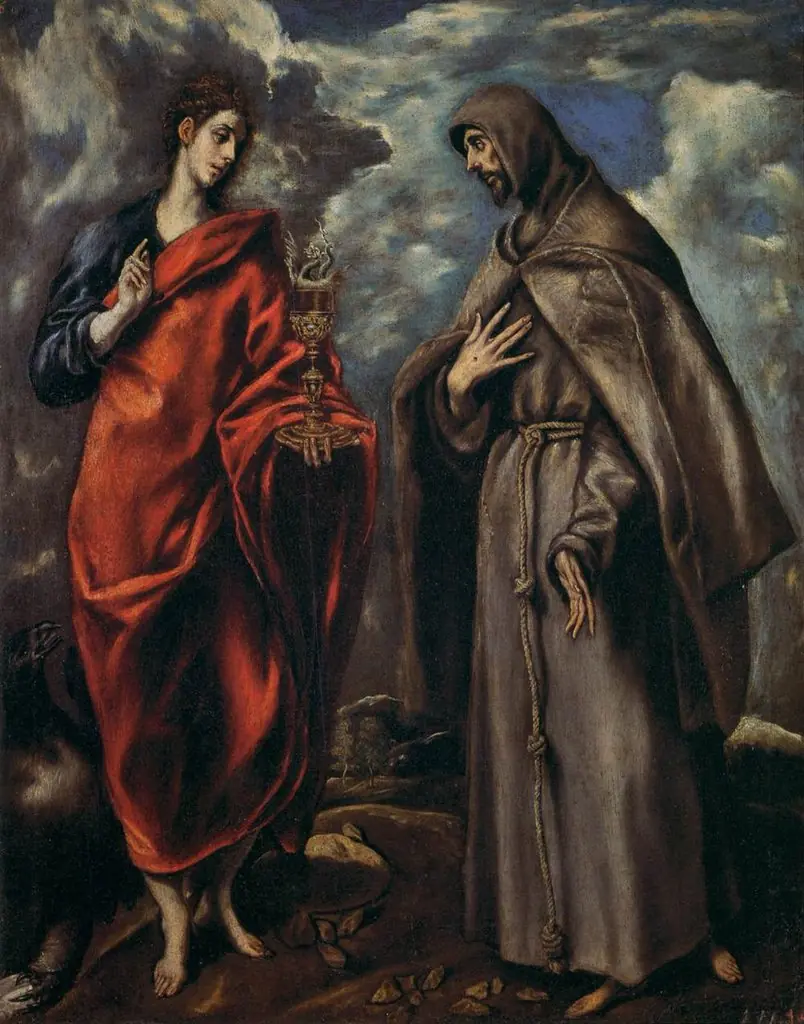 Saint John the Evangelist and Saint Francis
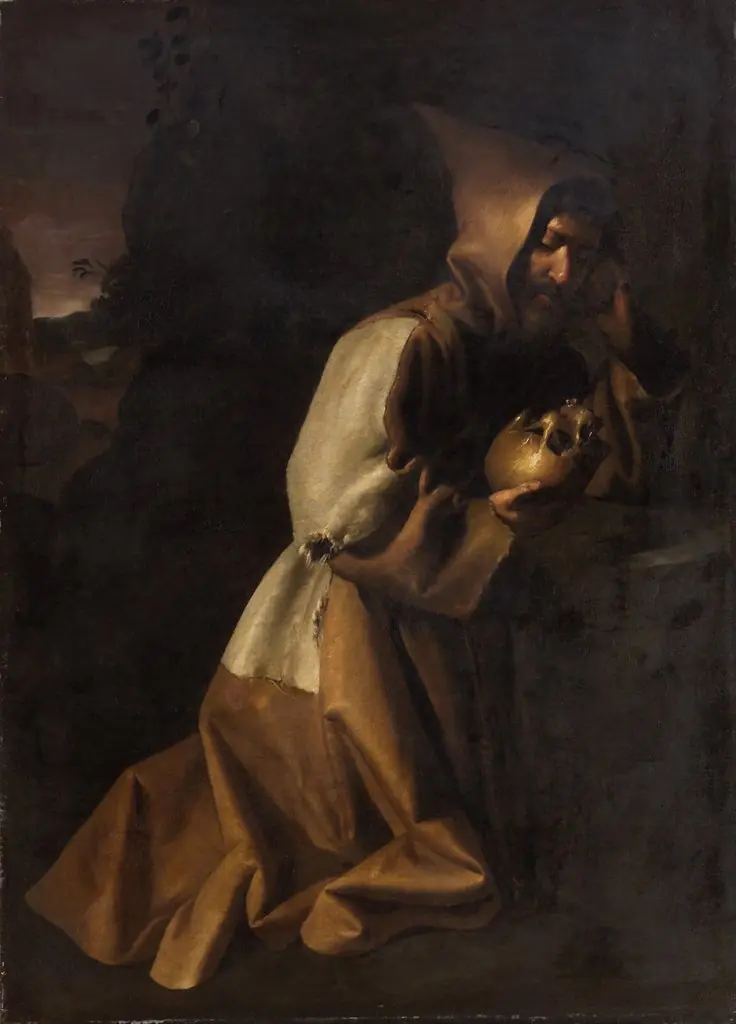 Saint Francis in prayer
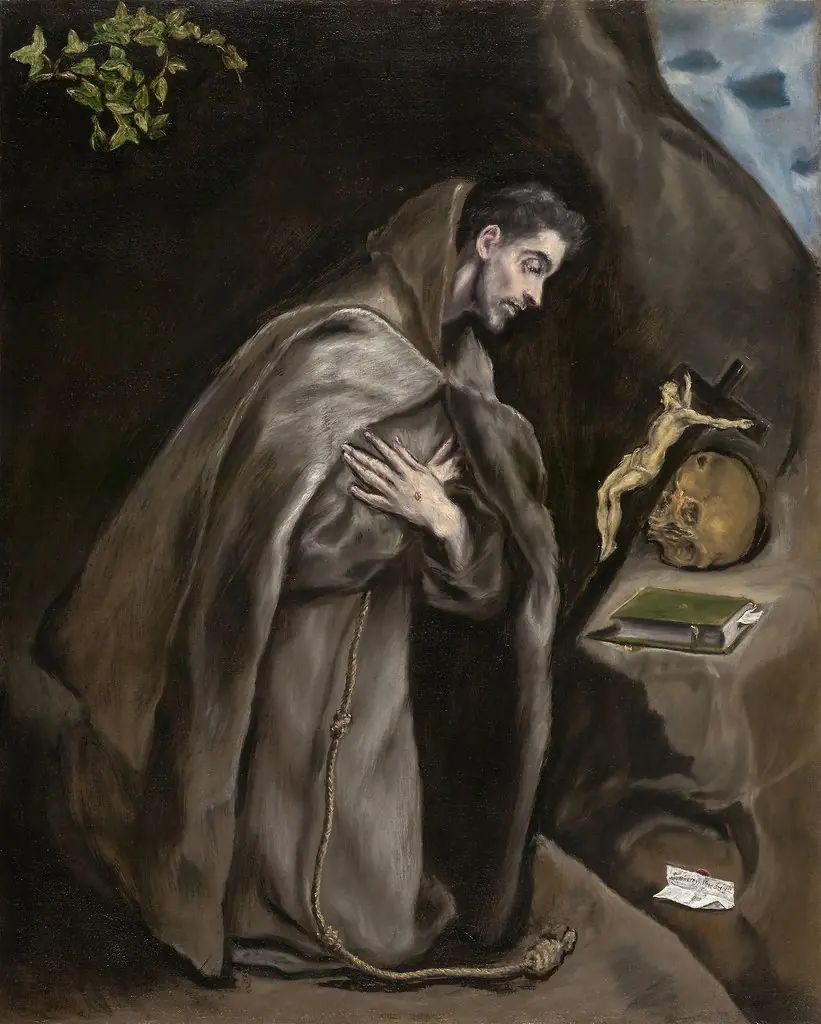 Saint Francis Kneeling in Meditation
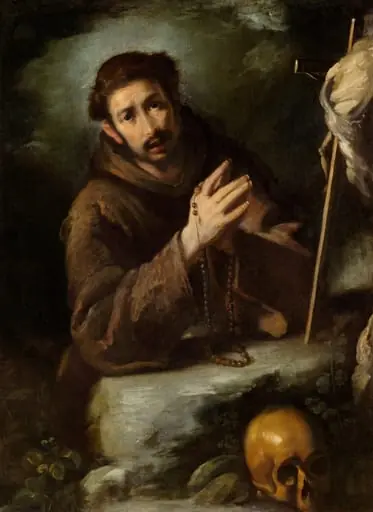 Saint Francis in Prayer
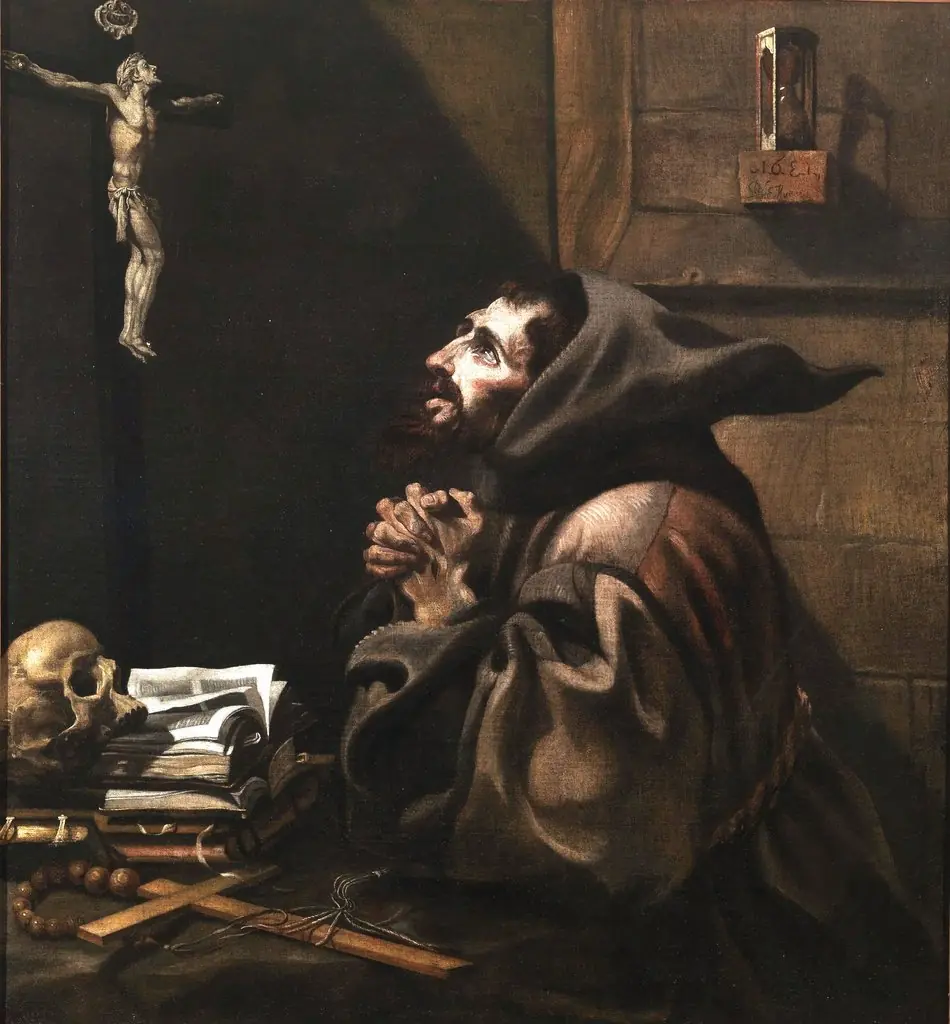 St. Francis in Prayer
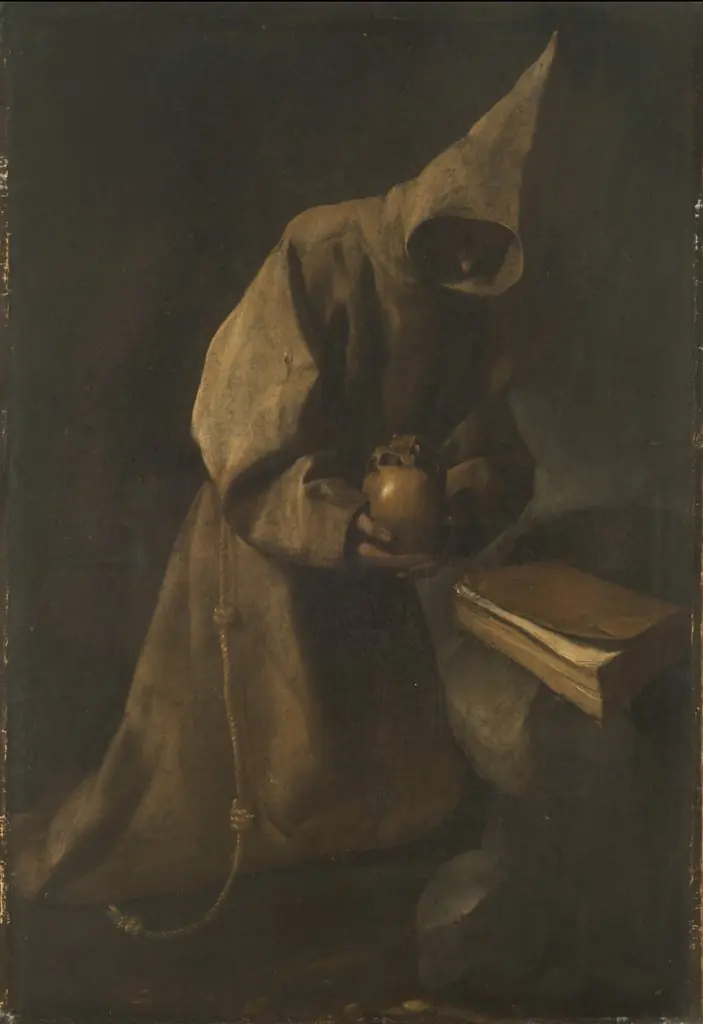 Saint Francisco in meditation
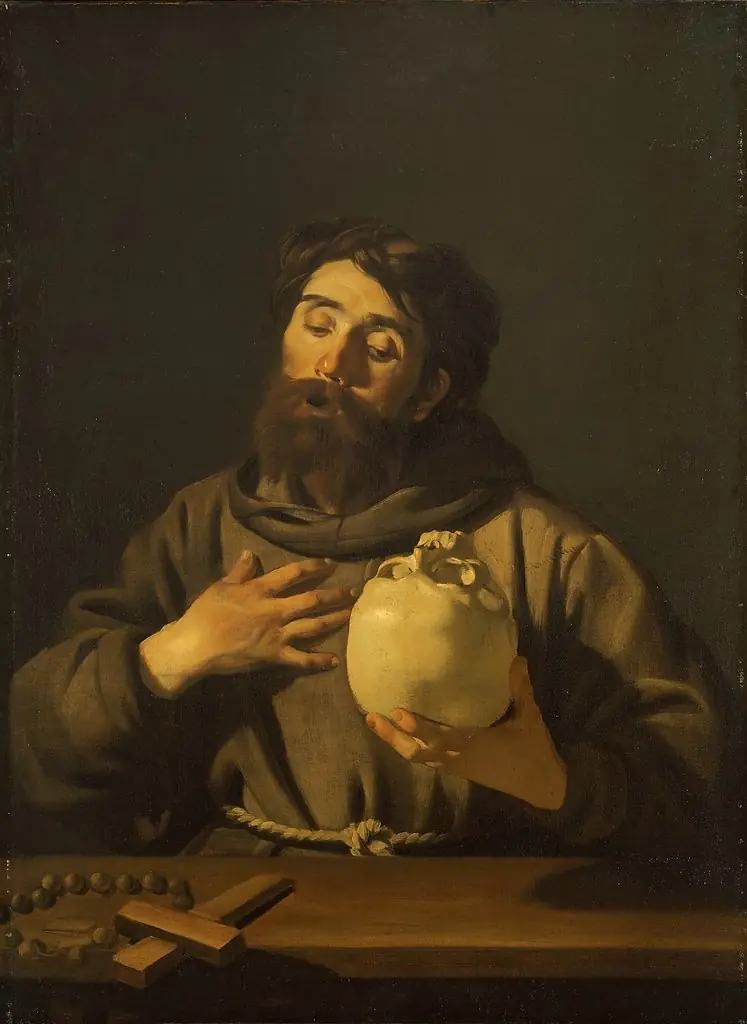 Saint Francis
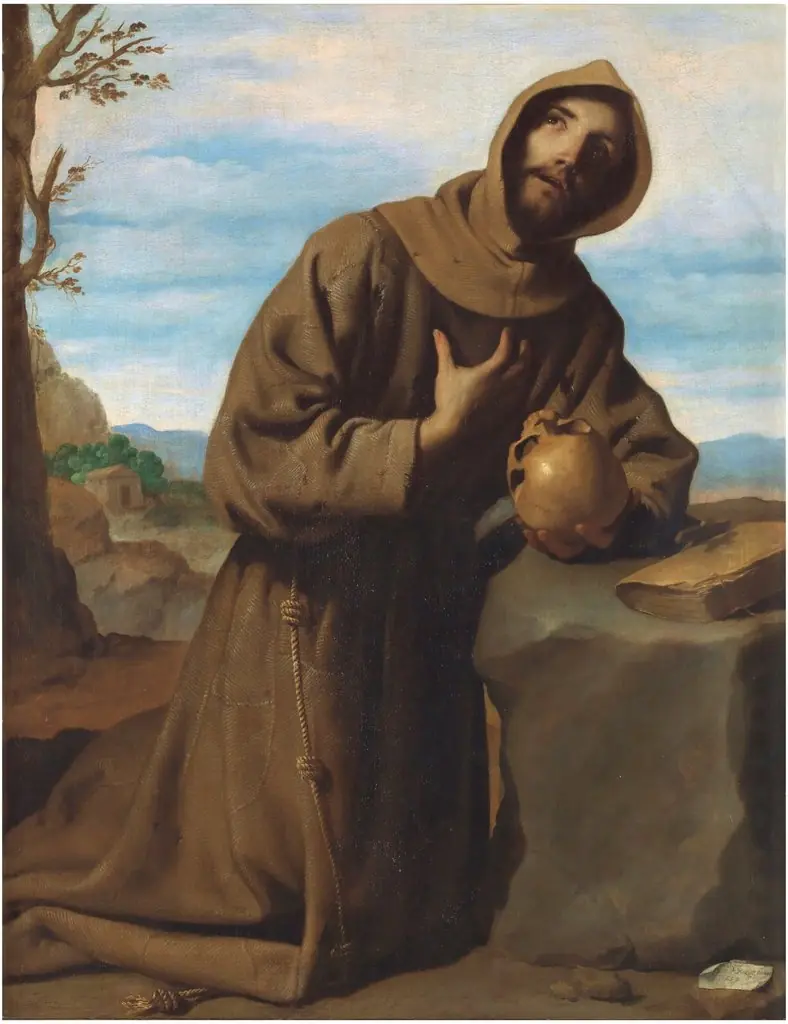 Saint Francis at Prayer
 St. Francis Praying
 Saint Francis