Artwork
Guy Little Theatrical Photograph
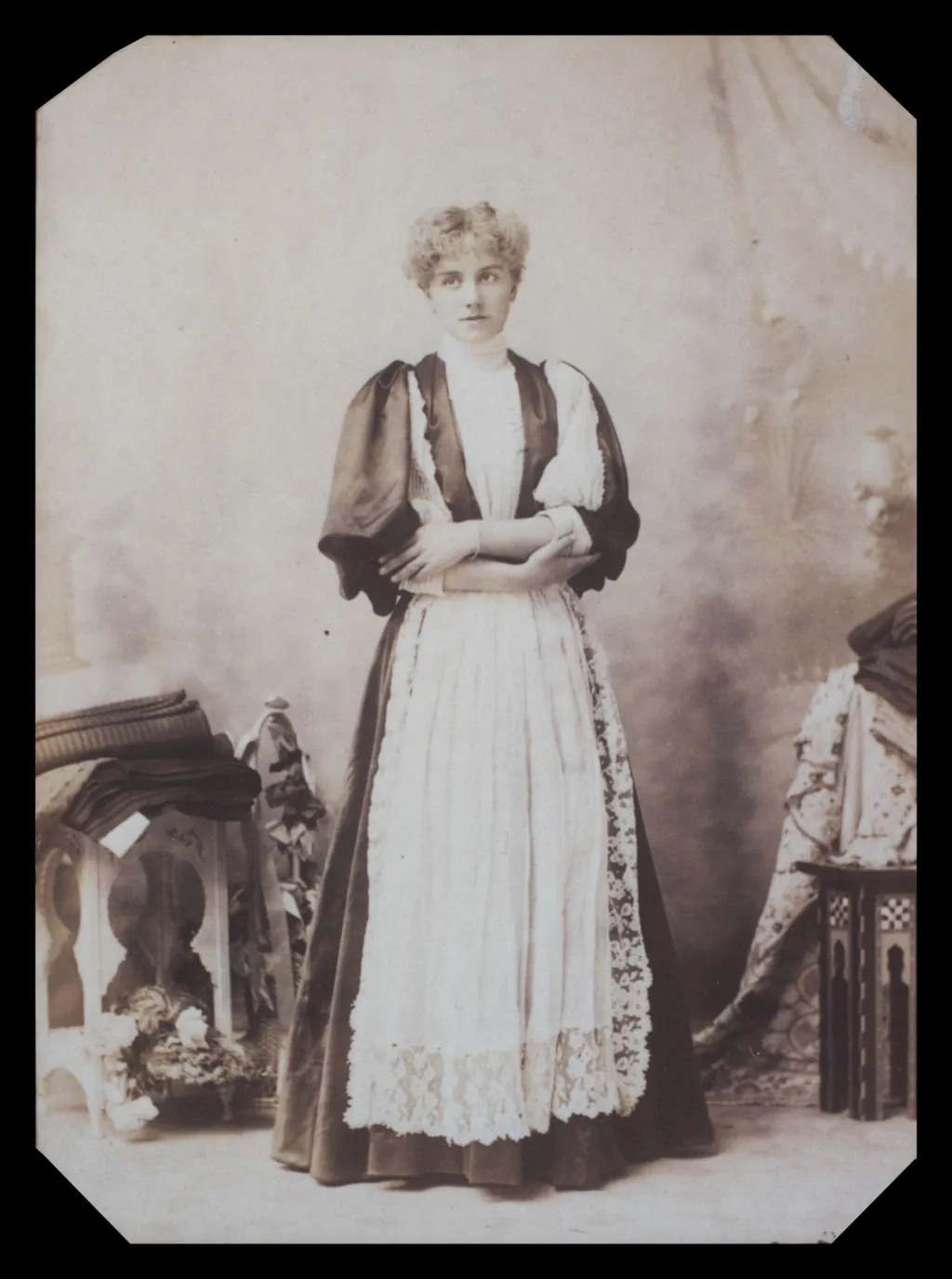
Guy Little Theatrical Photograph is a photographic photography by the Impressionist artist Alfred Ellis. It dates from 1895 and is held in the collection of the Victoria and Albert Museum.
About this work
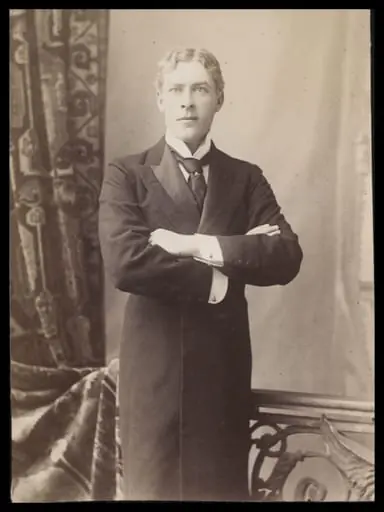
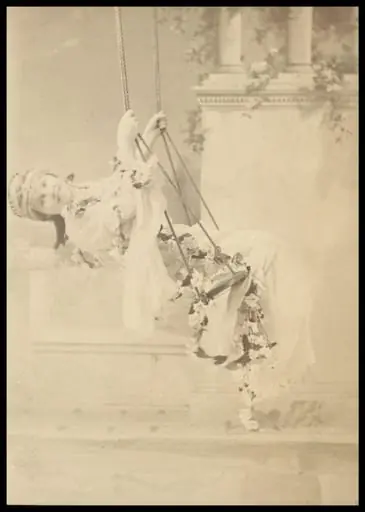
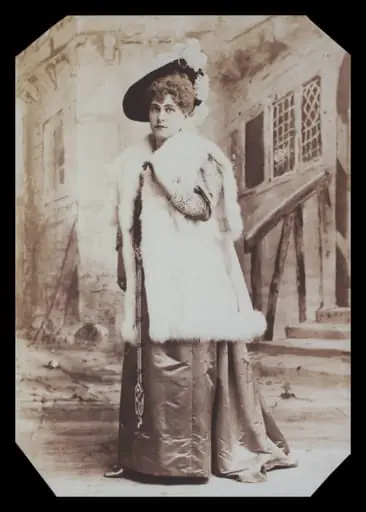
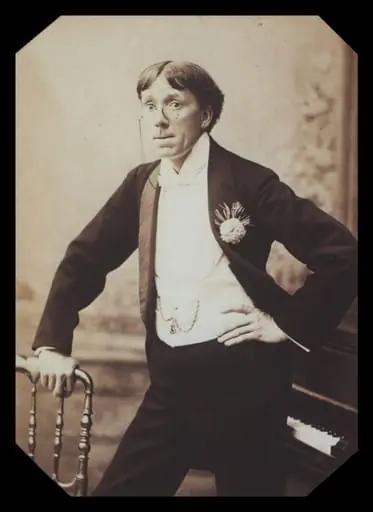
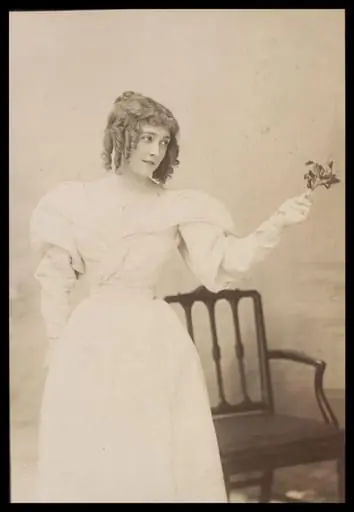
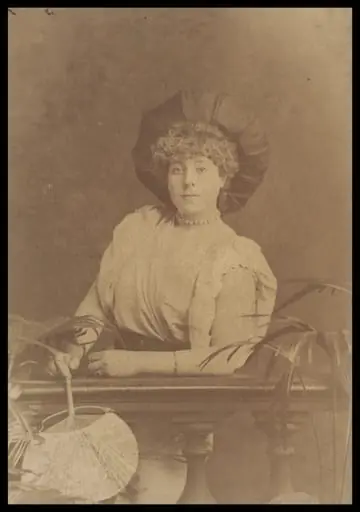
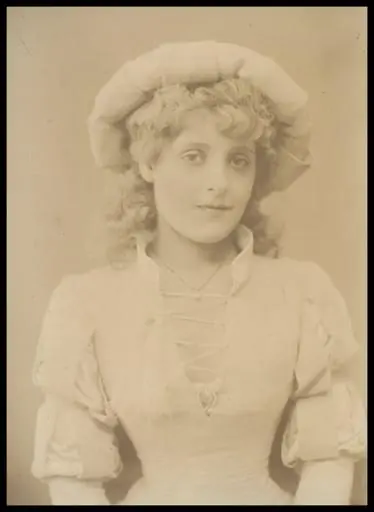
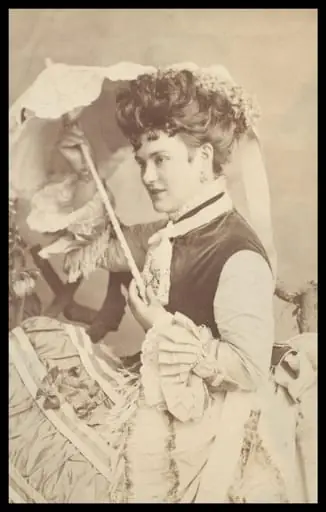
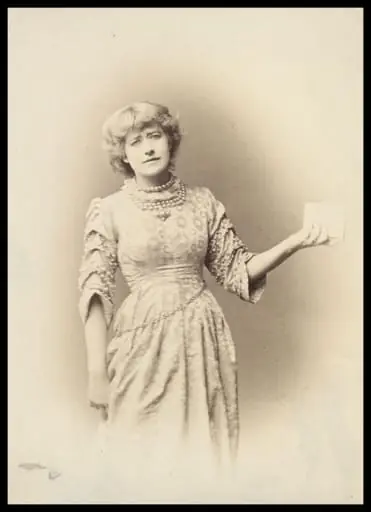
This photo shows Ellaline Terriss on stage in 1895. The shot captures her in costume as Bessie Brent from the play *The Shop Girl*. It’s a snapshot of Victorian theater life caught on glass and printed on card.
She’s posed mid-scene, typical of the posed “cartes de visite” style. These small albumen prints sold by the millions in the 1860s.
Check out the Victoria and Albert Museum.
Overview
The image reflects the widespread practice of documenting stage performances through studio photography during the late Victorian era.
This photograph, taken by Guy Little, depicts actress Ellaline Terriss in character as Bessie Brent from the 1895 production of *The Shop Girl* at the Gaiety Theatre. It is an albumen print mounted on card, originally part of a personal collection assembled by Little, a legal professional and avid archivist of theatrical ephemera. The image reflects the widespread practice of documenting stage performances through studio photography during the late Victorian era.
Subject & Meaning
Ellaline Terriss, a leading musical comedy performer of the time, is portrayed in full costume as Bessie Brent, a working-class heroine central to the play’s plot. The pose, staged yet naturalistic, captures a moment of theatrical narrative rather than a formal portrait. Such images served both as promotional tools and personal mementos, allowing audiences to extend their engagement with the performance beyond the theater.
Technique & Style
The photograph is an albumen print made from a glass negative, mounted on a cabinet card — a format that replaced the smaller carte de visite by the 1880s. The image retains the sharp detail and tonal range characteristic of late 19th-century studio photography. Lighting and composition follow theatrical conventions, emphasizing costume and gesture to convey character, typical of images produced for public consumption.
History & Provenance
The photograph was once part of Guy Tristram Little’s extensive collection of theatrical photographs, which he meticulously mounted in albums after removing them from their original card mounts. Upon his death in 1953, the collection was bequeathed to the Victoria and Albert Museum. Little, also the executor of Gabrielle Enthoven’s estate, played a key role in preserving the foundations of the V&A’s Theatre Collections.
Context
During the 1890s, cabinet cards were widely traded among theatergoers as souvenirs, reflecting the growing popularity of musical comedy and the commercialization of celebrity culture. Photographs like this one bridged the gap between live performance and domestic consumption, enabling the public to collect and display images of favorite performers in their homes, reinforcing the cultural reach of the stage.
Legacy
Little’s collection, now housed at the V&A, remains a vital resource for understanding Victorian and Edwardian theatrical culture. These photographs, once mass-produced and ephemeral, now offer tangible evidence of performance practices, costume design, and audience engagement. Their preservation underscores the importance of private collectors in safeguarding cultural history.
Artist & collection
Artist
Alfred Ellis spent most of his career in a cramped studio above a London tailor’s shop, the smell of wool clinging to his camera lenses.