Artwork
Guy Little Theatrical Photograph
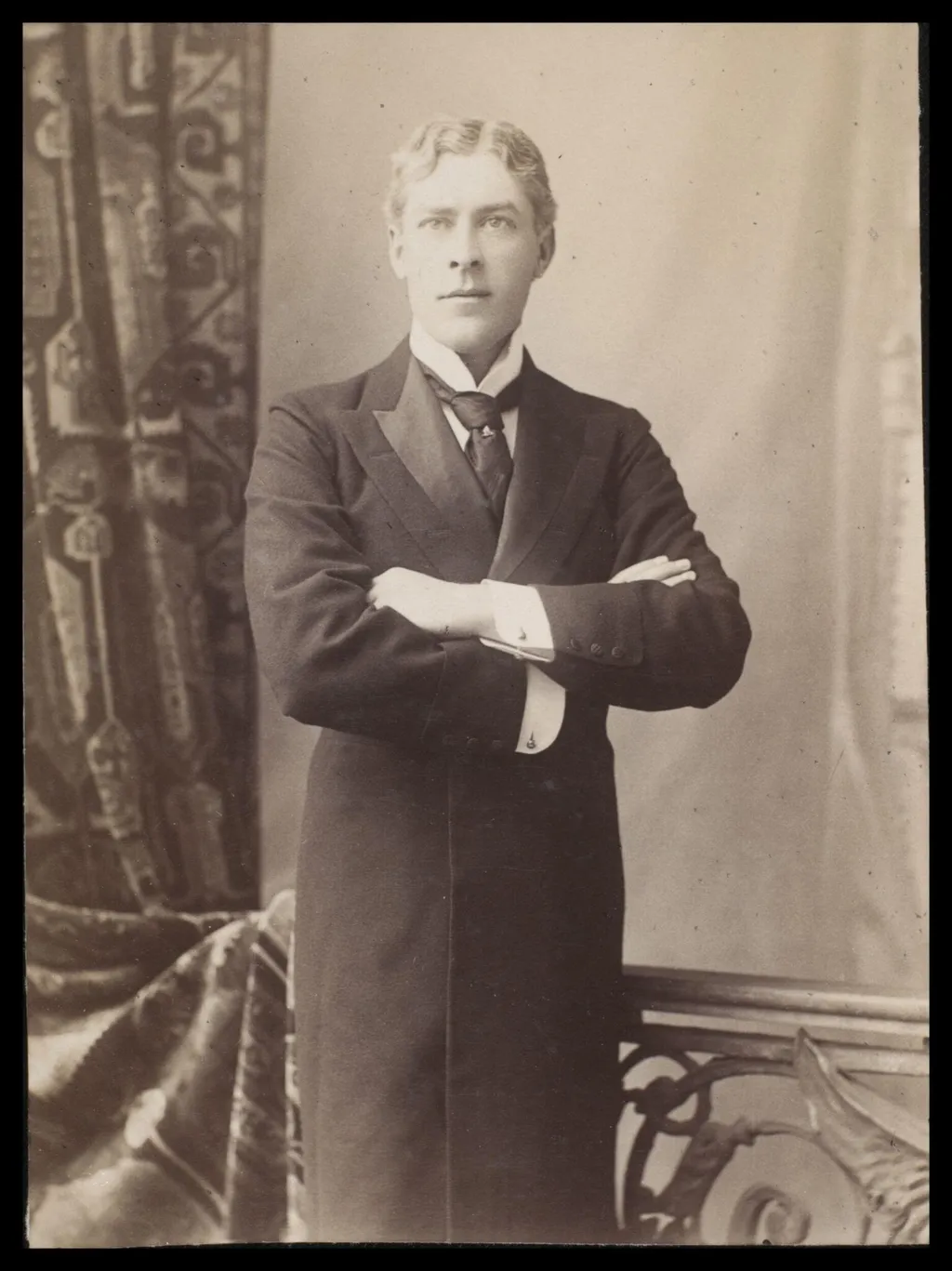
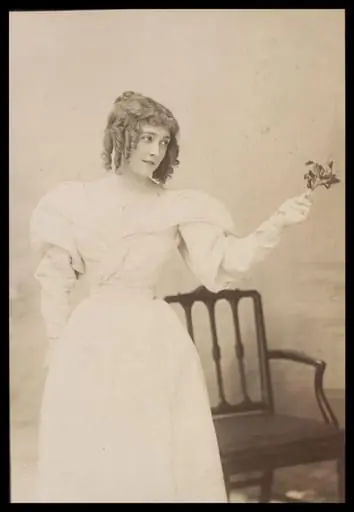
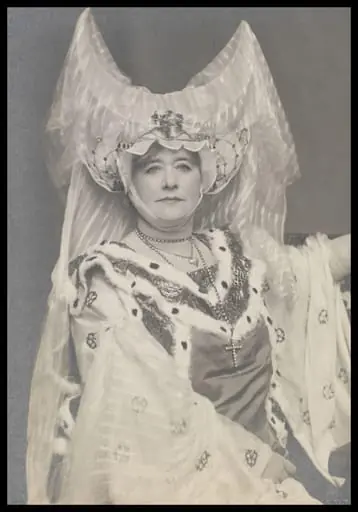
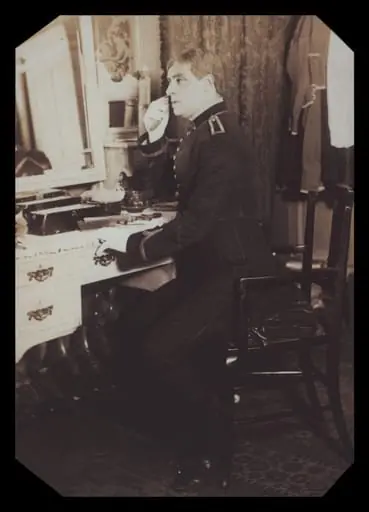
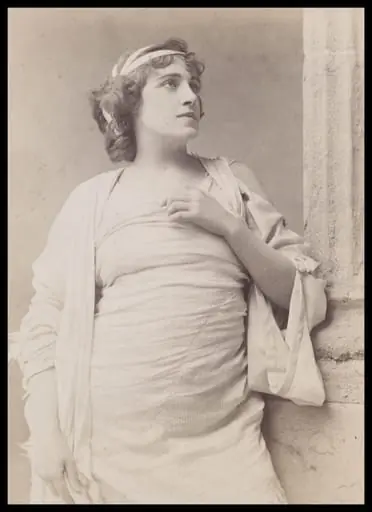
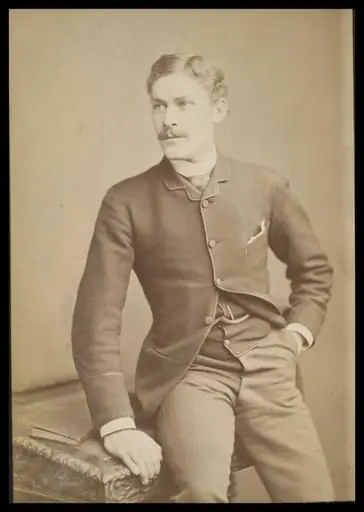
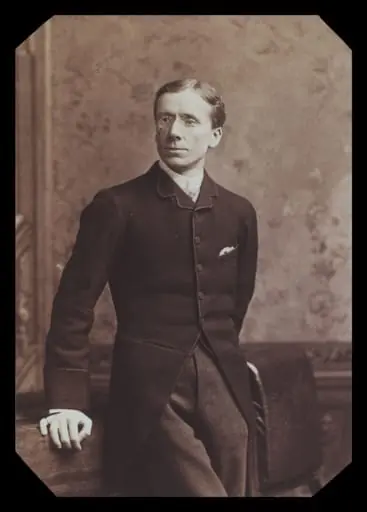
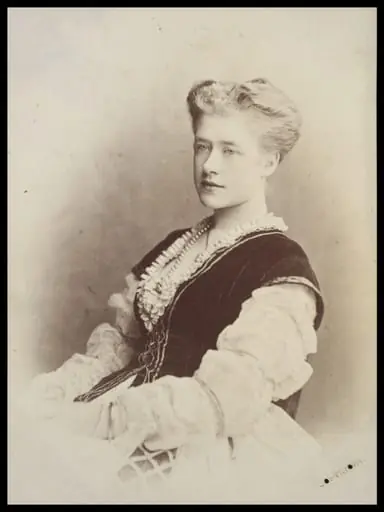
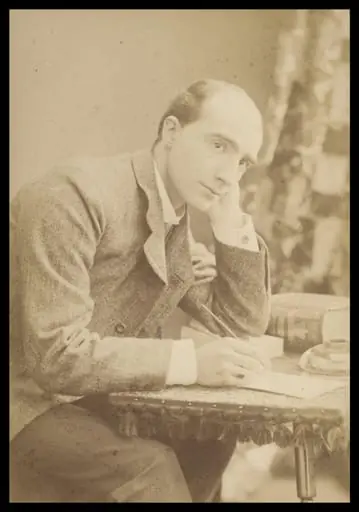
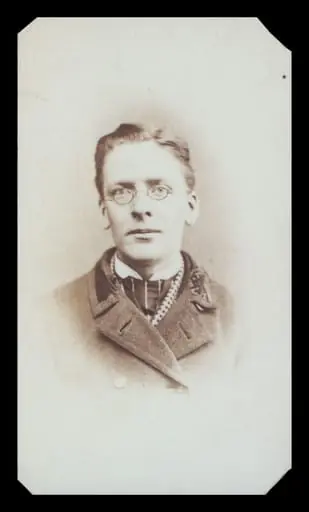
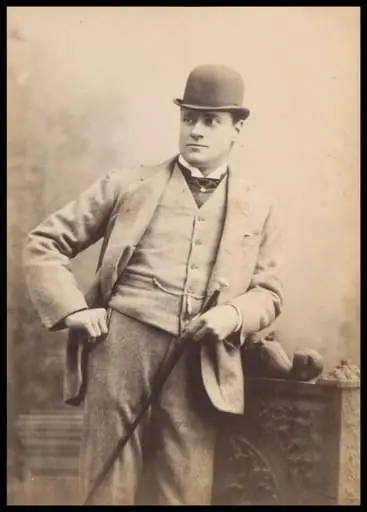
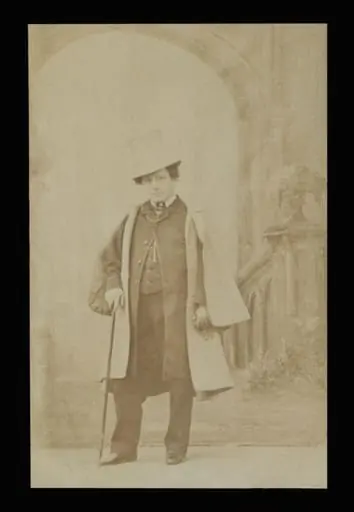
Guy Little Theatrical Photograph is a photographic photography by the Impressionist artist Alfred Ellis. It dates from 1858 and is held in the collection of the Victoria and Albert Museum. This photograph of actor George Alexander was taken by Guy Little, a dedicated collector of theatrical imagery.
About this work
Overview
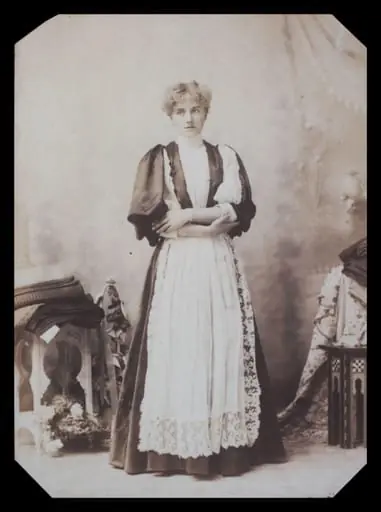
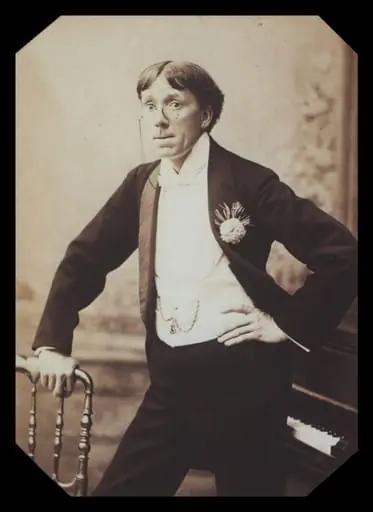
This photograph of actor George Alexander was taken by Guy Little, a dedicated collector of theatrical imagery.
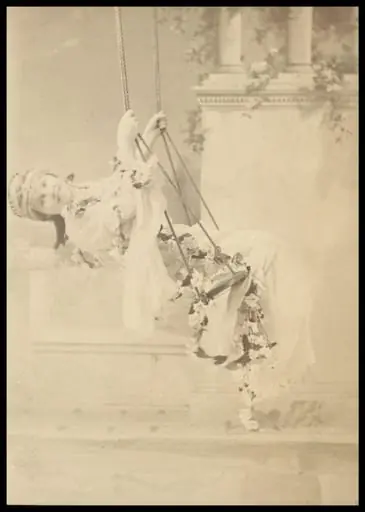
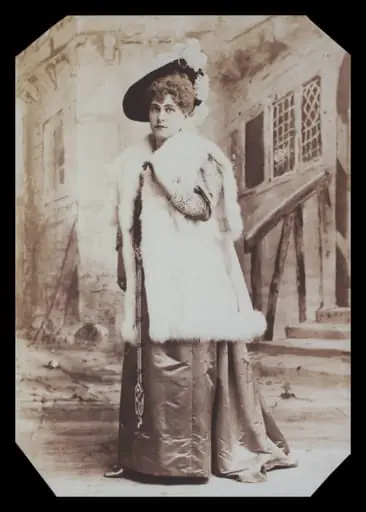
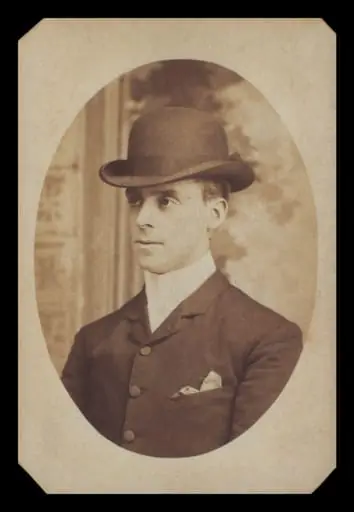
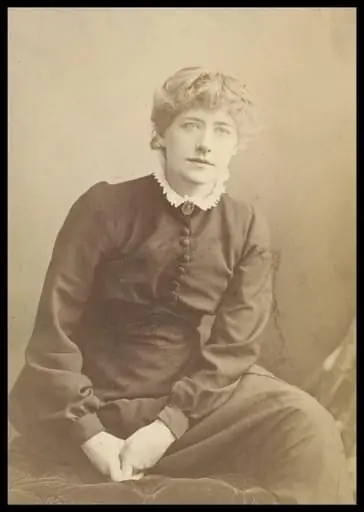
This photograph of actor George Alexander was taken by Guy Little, a dedicated collector of theatrical imagery. It belongs to a vast assemblage of albumen prints—both cartes de visite and cabinet cards—originally mounted in albums by Little, who bequeathed the collection to the Victoria and Albert Museum. These photographs, produced between the 1860s and 1890s, reflect the era’s fascination with celebrity portraiture and the emerging role of photography in documenting performance.
Subject & Meaning
The image captures George Alexander, a prominent Victorian stage actor, likely in costume or formal attire suited to his public persona. Such portraits served not merely as likenesses but as cultural artifacts, allowing audiences to connect with performers beyond the theater. They circulated widely, reinforcing the actor’s public identity and contributing to the growing market for celebrity memorabilia in the late 19th century.
Technique & Style
The photograph is an albumen print, made from a glass negative and mounted on cardstock, bearing the photographer’s imprint. Cartes de visite, smaller and more portable, gave way to cabinet cards, which offered greater detail and durability. Both formats relied on chemical processes common in the mid-to-late 1800s, emphasizing clarity and formal composition to suit the tastes of collectors and the conventions of studio portraiture.
History & Provenance
The photograph was part of Guy Tristram Little’s personal collection, assembled from discarded or separated cards and later mounted into albums. Little, a solicitor and executor of Gabrielle Enthoven’s estate, inherited her extensive theatrical holdings. His own passion for ephemera led him to preserve these images, ensuring their survival and eventual transfer to the V&A, where they became foundational to its theater archives.
Context
During the Victorian era, photography became a democratized medium for capturing public figures. Cartes de visite and cabinet cards were collected like trading cards, exchanged among friends, and displayed in homes. Theatrical portraits were especially popular, bridging the gap between live performance and domestic culture, as audiences sought tangible connections to the actors who shaped the era’s stage.
Legacy
Little’s collection preserved a critical record of 19th-century British theater, offering insight into performance, fashion, and public taste. His careful curation, though personal in origin, provided the V&A with a rich resource for scholarly study. The photographs now serve as primary evidence of how celebrity and visual culture intersected in the age before film and mass media.
Artist & collection
Artist
Alfred Ellis spent most of his career in a cramped studio above a London tailor’s shop, the smell of wool clinging to his camera lenses.