Artwork
Guy Little Theatrical Photograph
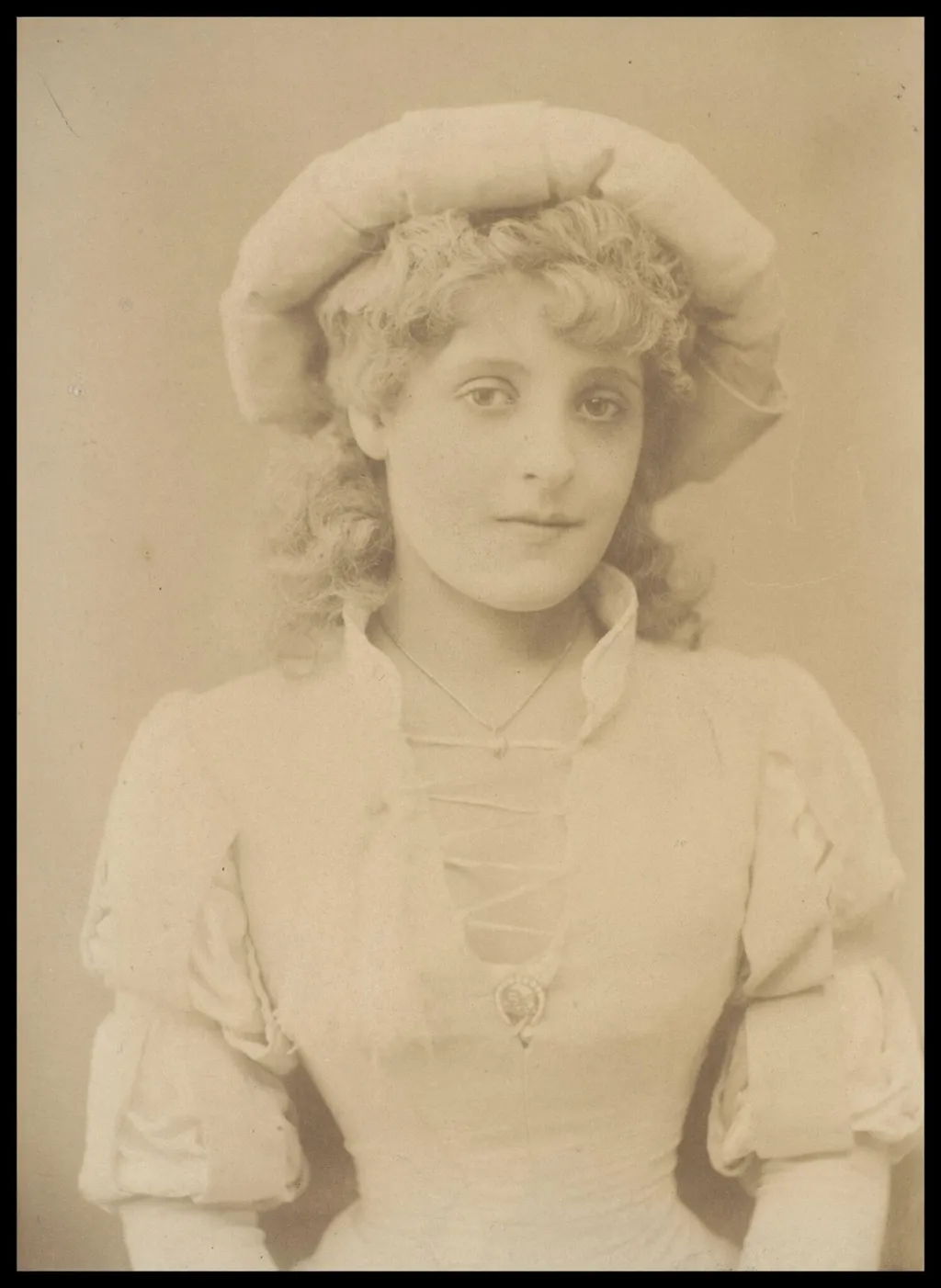
Guy Little Theatrical Photograph is a photographic photography by the Impressionist artist Hubert Watkins. It dates from 1883 and is held in the collection of the Victoria and Albert Museum.
About this work
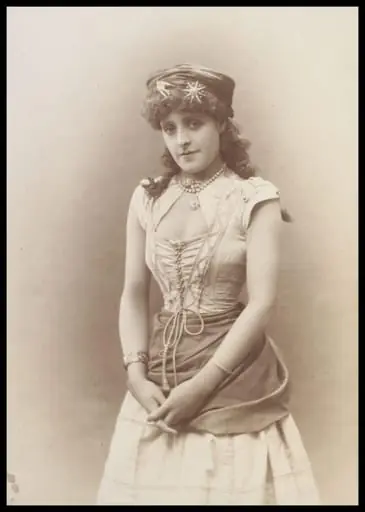
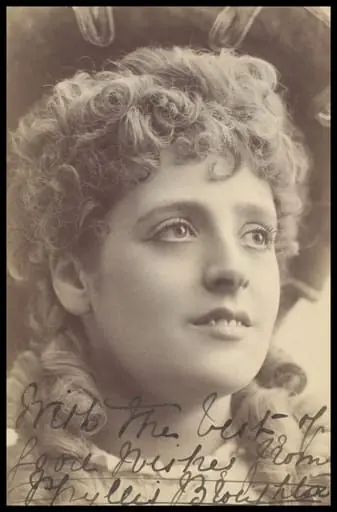
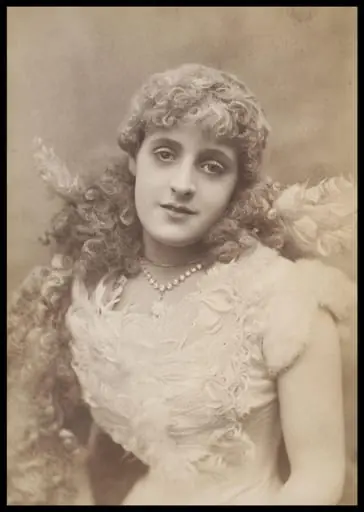
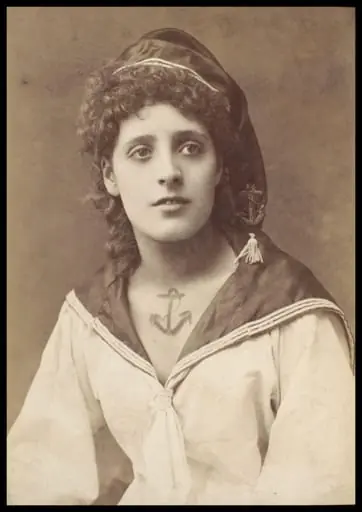
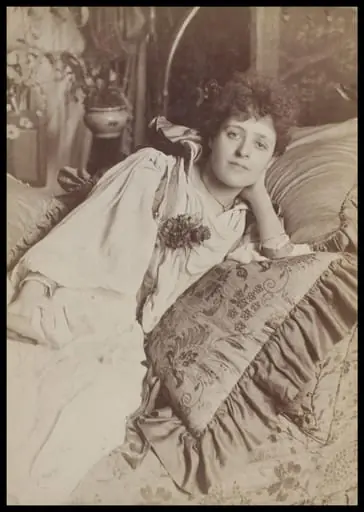
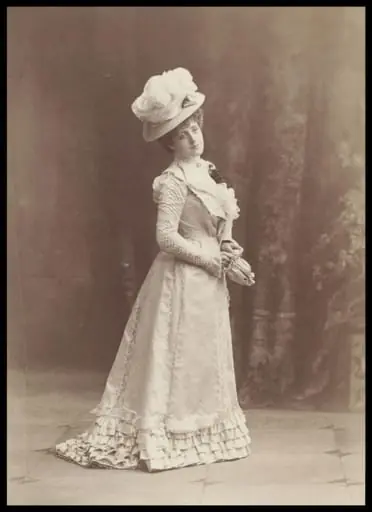
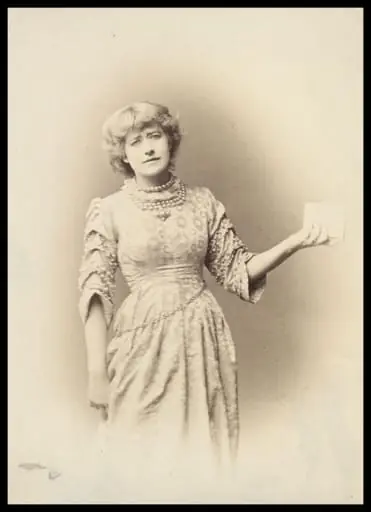
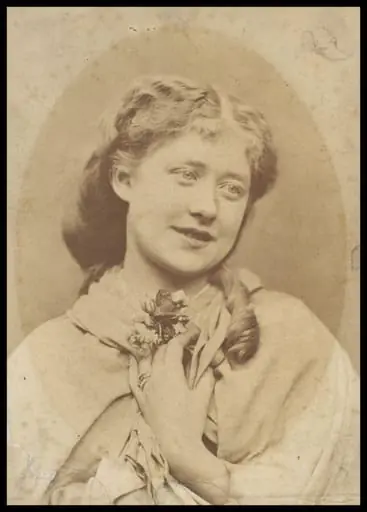
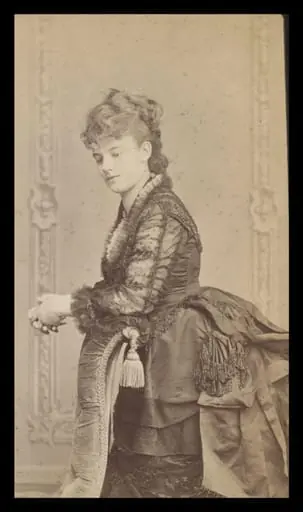
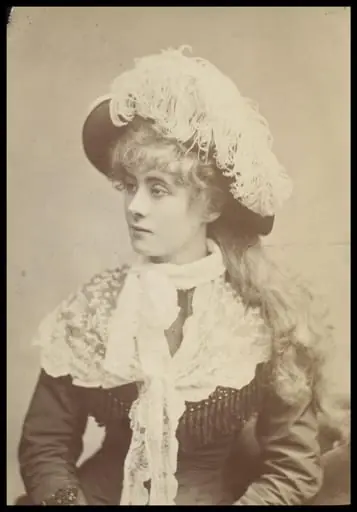
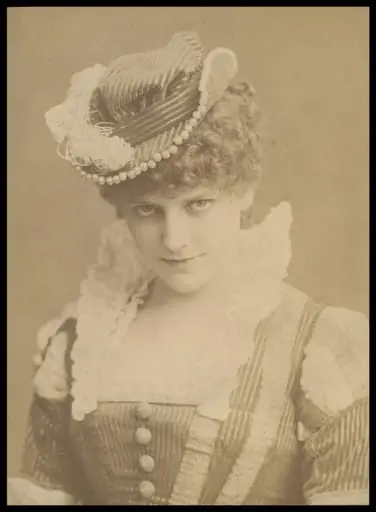
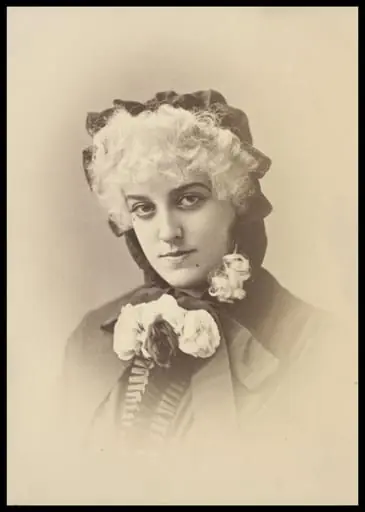
Hubert Watkins took this photo in 1883. It shows Phyllis Broughton dressed as Joliquet in the play *Bluebeard* at the Gaiety Theatre.
This was a common way for actors to promote themselves back then. The photo was likely made as a cabinet card — bigger and sturdier than earlier visiting-card-sized photos.
Look up the Victoria and Albert Museum to see more old photos like this.
Overview
This photograph, taken by Hubert Watkins in 1883, captures actress Phyllis Broughton in character as Joliquet from the Gaiety Theatre’s production of Bluebeard.
This photograph, taken by Hubert Watkins in 1883, captures actress Phyllis Broughton in character as Joliquet from the Gaiety Theatre’s production of Bluebeard. It was produced as a cabinet card, a larger and more durable format that replaced the earlier carte de visite. The image was part of a personal collection assembled by Guy Tristram Little, a solicitor and avid archivist of theatrical memorabilia, later donated to the Victoria and Albert Museum.
Subject & Meaning
Phyllis Broughton portrayed Joliquet, a comic role in the popular burlesque adaptation of Bluebeard. The photograph served as both promotional material and a keepsake for theatregoers, reflecting the Victorian fascination with celebrity culture. By capturing Broughton in costume, the image reinforced her public persona and the theatrical spectacle, bridging live performance and the emerging medium of photographic reproduction.
Technique & Style
The photograph was made using the albumen printing process on paper, mounted on a stiff card backing with the photographer’s imprint. Shot in a studio setting, it employs soft lighting and a neutral backdrop to isolate the figure, emphasizing costume and expression. The format—cabinet card—allowed for greater detail than earlier cartes de visite, aligning with evolving standards in theatrical portraiture during the 1880s.
History & Provenance
The image originated in Hubert Watkins’s studio and entered the collection of Guy Tristram Little, who systematically removed such cards from their original mounts and organized them into albums. Little, a legal professional and collector of ephemera, inherited and preserved materials from Gabrielle Enthoven’s theatrical archive. Upon his death in 1953, the collection was bequeathed to the V&A, forming part of its foundational theatre holdings.
Context
In the late 19th century, theatrical photography flourished as a commercial and cultural practice. Actors and actresses used studio portraits to build public recognition, with cabinet cards circulating among fans and collectors. The Gaiety Theatre, known for its musical burlesques, relied on such imagery to extend its reach beyond the stage, turning performance into collectible memorabilia during a period of expanding middle-class leisure culture.
Legacy
Little’s collection, including this photograph, remains a vital resource for understanding Victorian theatre’s visual culture. Preserved at the V&A, these images document the intersection of performance, commerce, and domestic collecting. They offer insight into how theatrical identity was constructed and consumed, preserving the ephemeral nature of stage roles through the permanence of the photographic print.
Artist & collection
Artist
Hubert Watkins took black-and-white photographs of Victorian London’s theater world.