Artwork
Ruhe auf der Flucht (zugeschrieben)
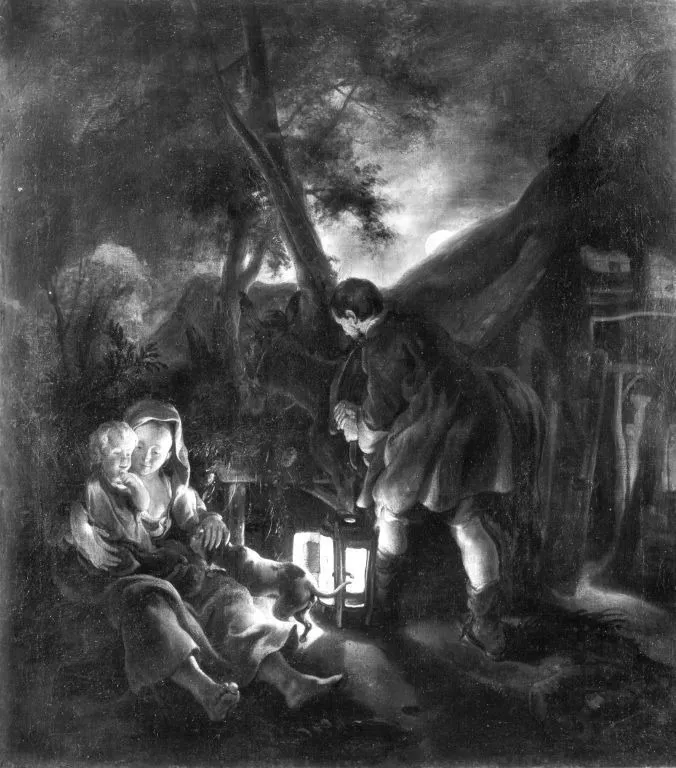
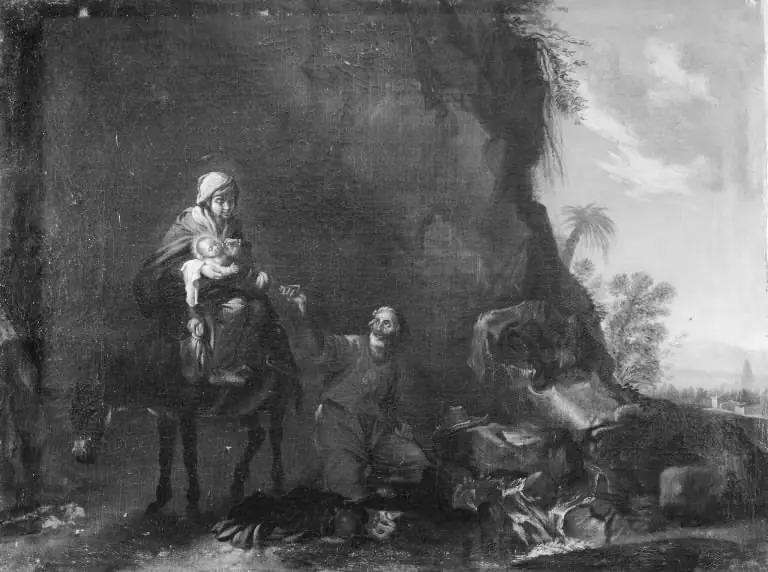
Ruhe auf der Flucht (zugeschrieben) is an unspecified painting by the Dutch Golden Age artist Emanuel de Witte. It dates from 1654 and is held in the collection of the Bavarian State Painting Collections.
About this work
Overview
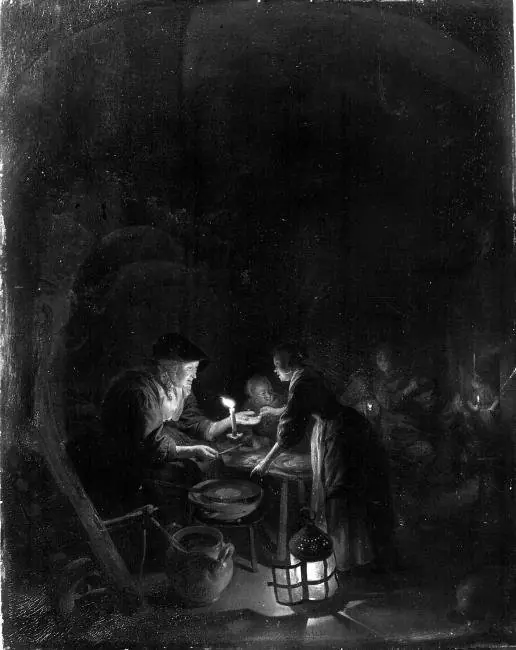
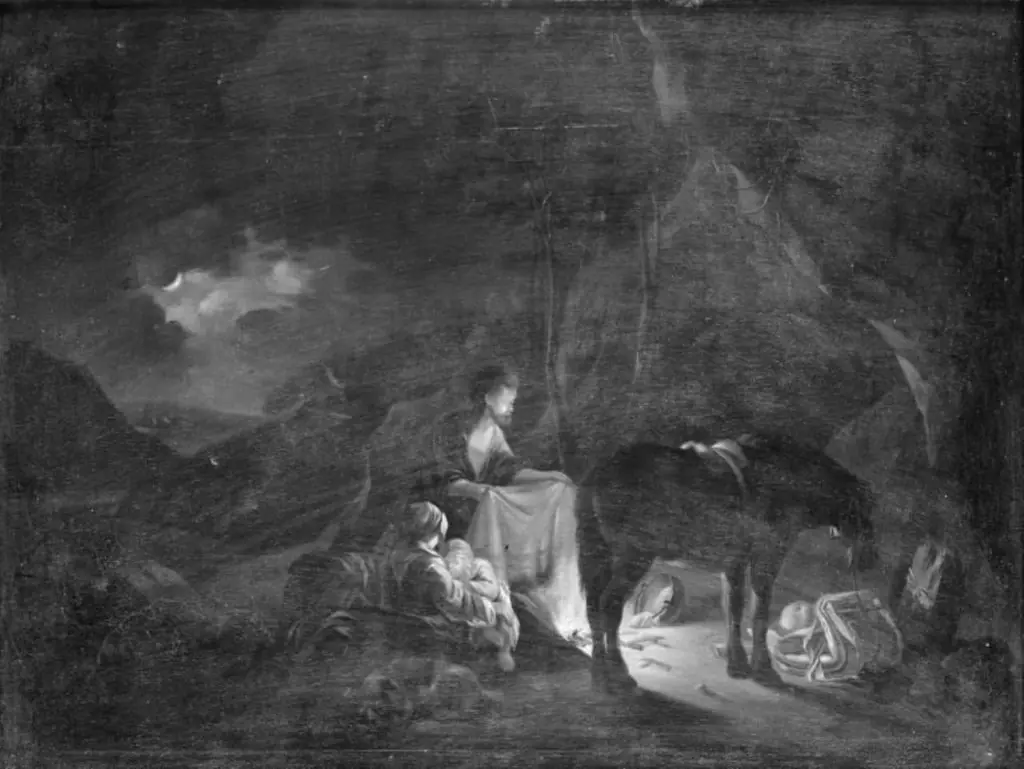
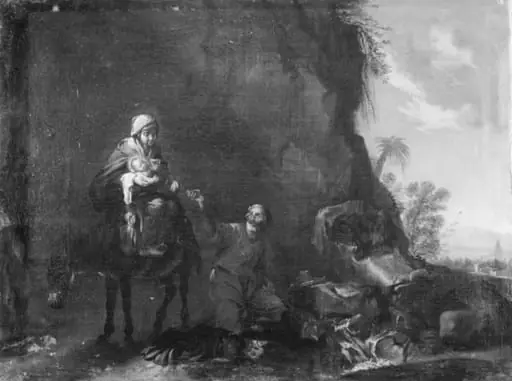
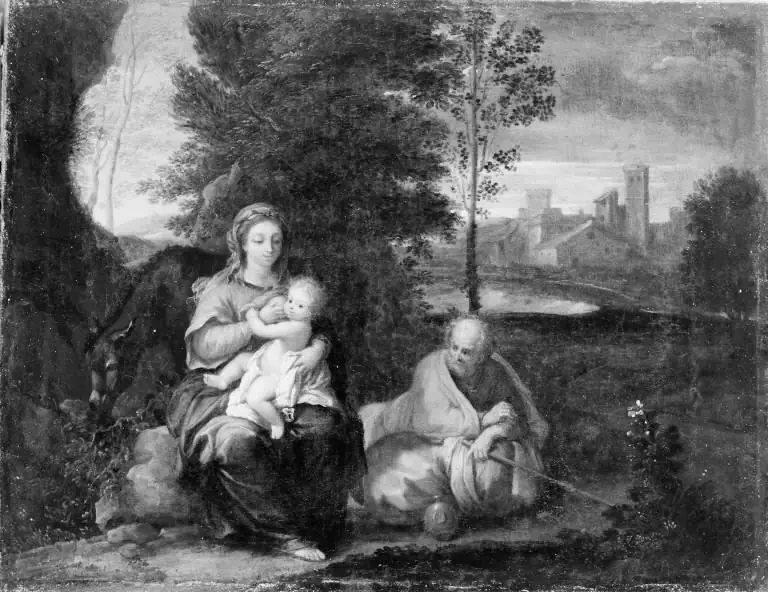
Created in 1654, the work titled *Ruhe auf der Flucht*—attributed to Emanuel de Witte—is part of the collection of the Alte Pinakothek. The composition presents a nocturnal interior illuminated by a single lantern, drawing attention to three figures gathered in a moment of quiet urgency.
Subject & Meaning
At the centre, a woman cradles an infant while a kneeling man stands beside them, suggesting a scene of refuge or escape. The subdued atmosphere and intimate grouping convey a sense of protection amid uncertainty, resonating with themes of divine shelter common in 17th‑century religious imagery.
Technique & Style
De Witte employs chiaroscuro, allowing the lantern’s glow to pierce the surrounding gloom and define the faces and hands with stark contrast. The deep shadows recede into a dark exterior landscape, while the subtle gradations of light create spatial depth and focus the viewer’s eye on the central trio.
History & Provenance
The painting entered the Alte Pinakothek’s holdings in the early 20th century, though its attribution to de Witte remains scholarly and not definitively documented. Its provenance prior to museum acquisition is sparsely recorded, reflecting the occasional uncertainties surrounding works of this period.
Context
Emanuel de Witte is best known for interior church scenes, yet this piece diverges by depicting a private, domestic moment under nightfall. The use of a single light source aligns with the Dutch Baroque interest in dramatic illumination, while the subject matter echoes contemporary concerns about displacement and divine providence.
Artist & collection

Artist
Emanuel de Witte was born circa 1617 in Alkmaar, the son of Pieter de Wit, a local schoolmaster.

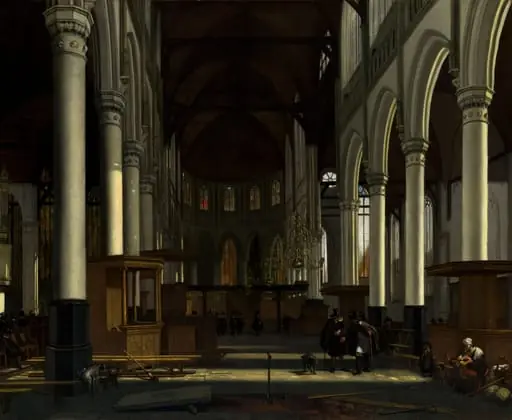 The Interior of the Oude Kerk, Amsterdam
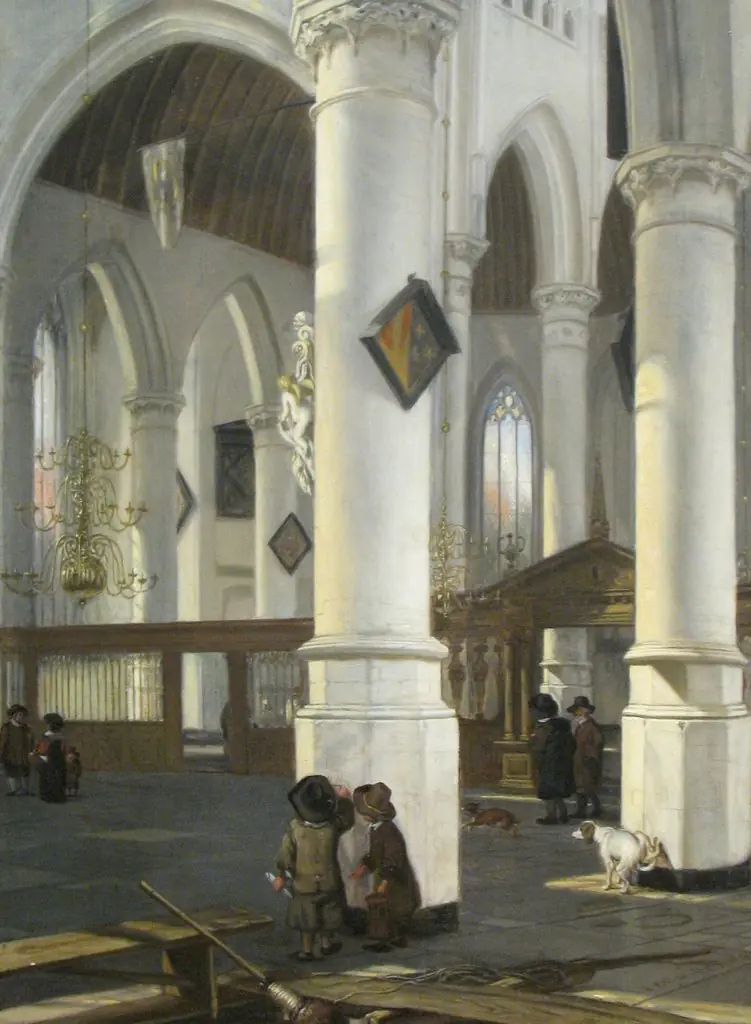 Interior of the Oude Kerk, Delft
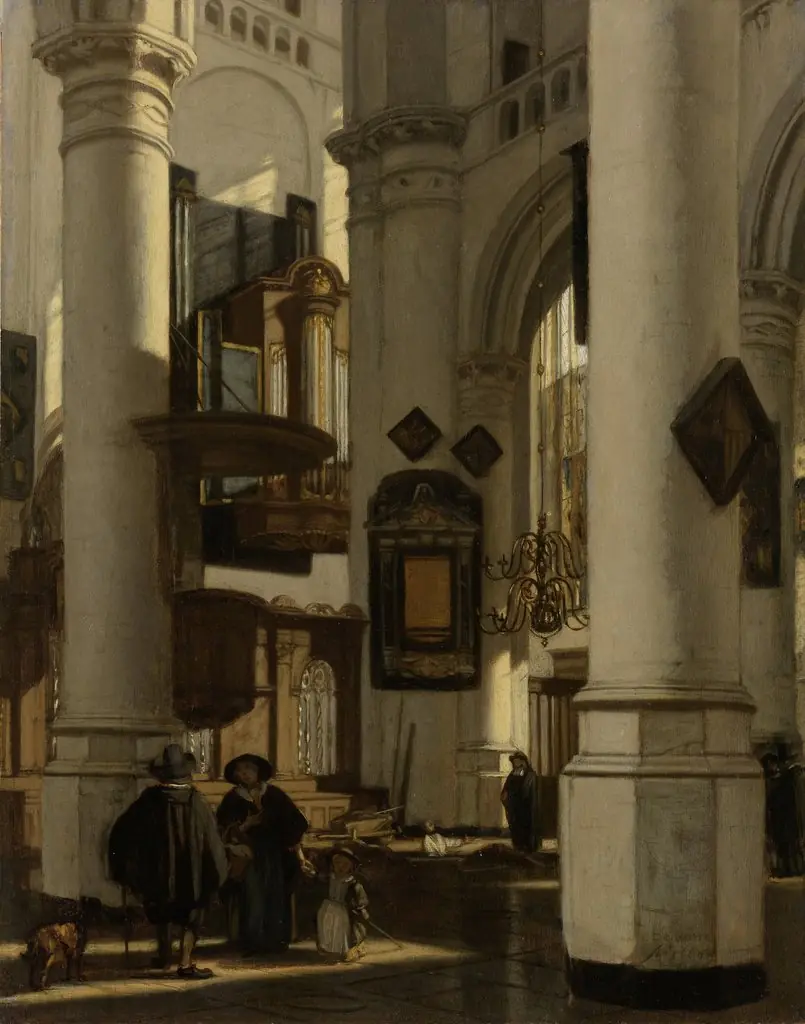 Interior of a Protestant, Gothic Church, with a Gravedigger in the Choir
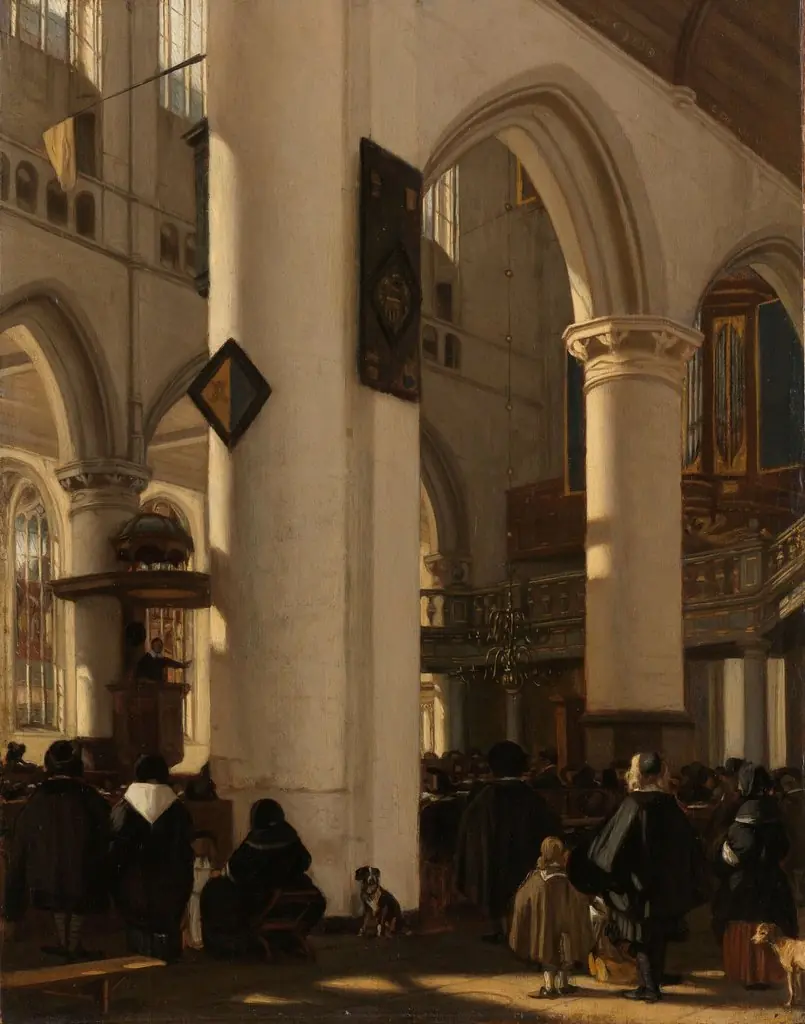 Interior of a Protestant, Gothic Church during a Service
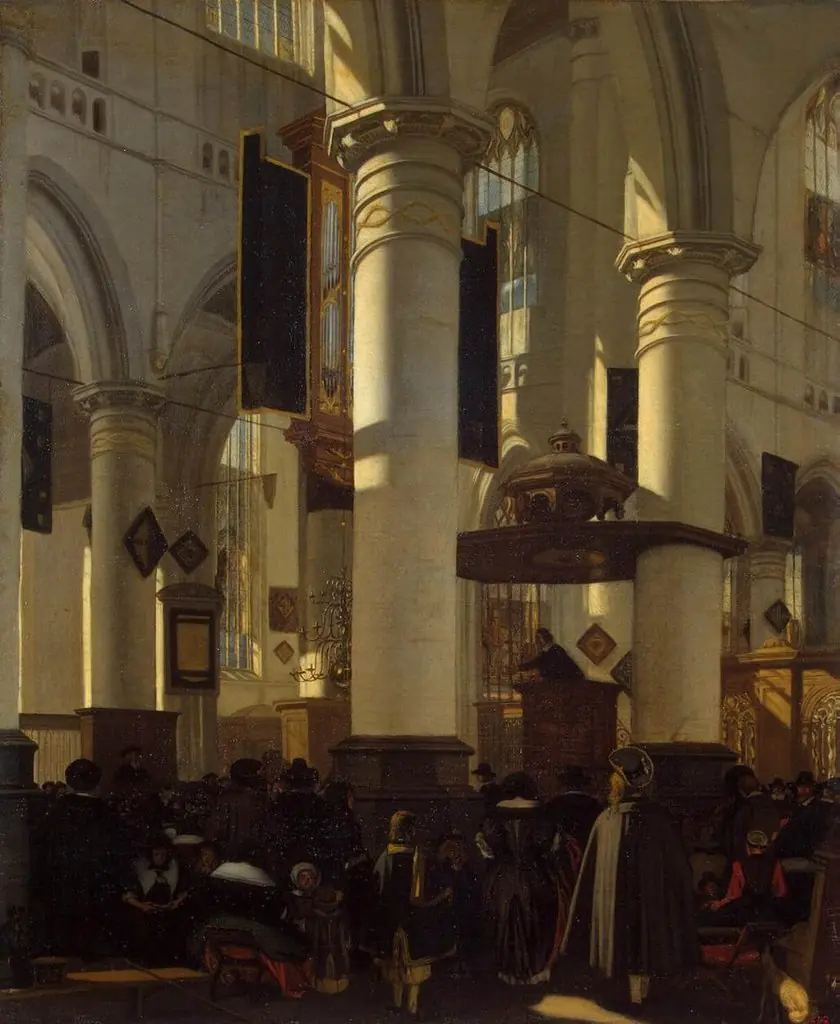 Interior of a Church
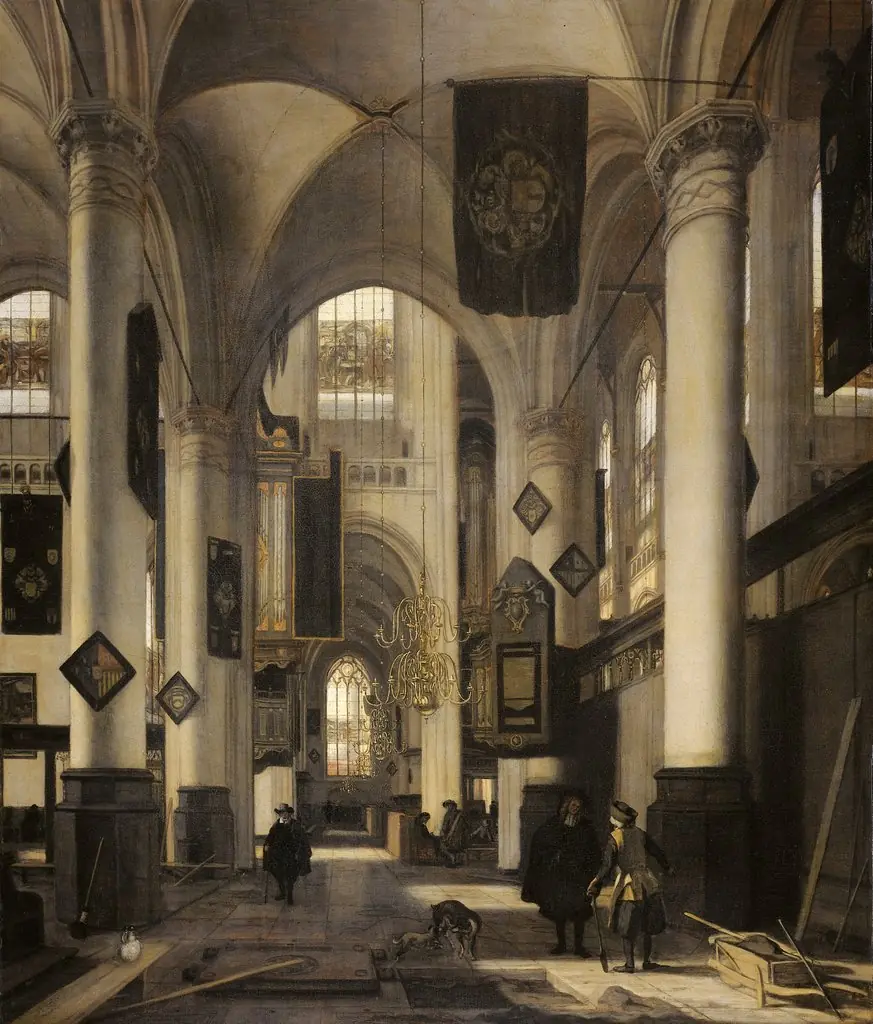 Interior of a Protestant Gothic Church
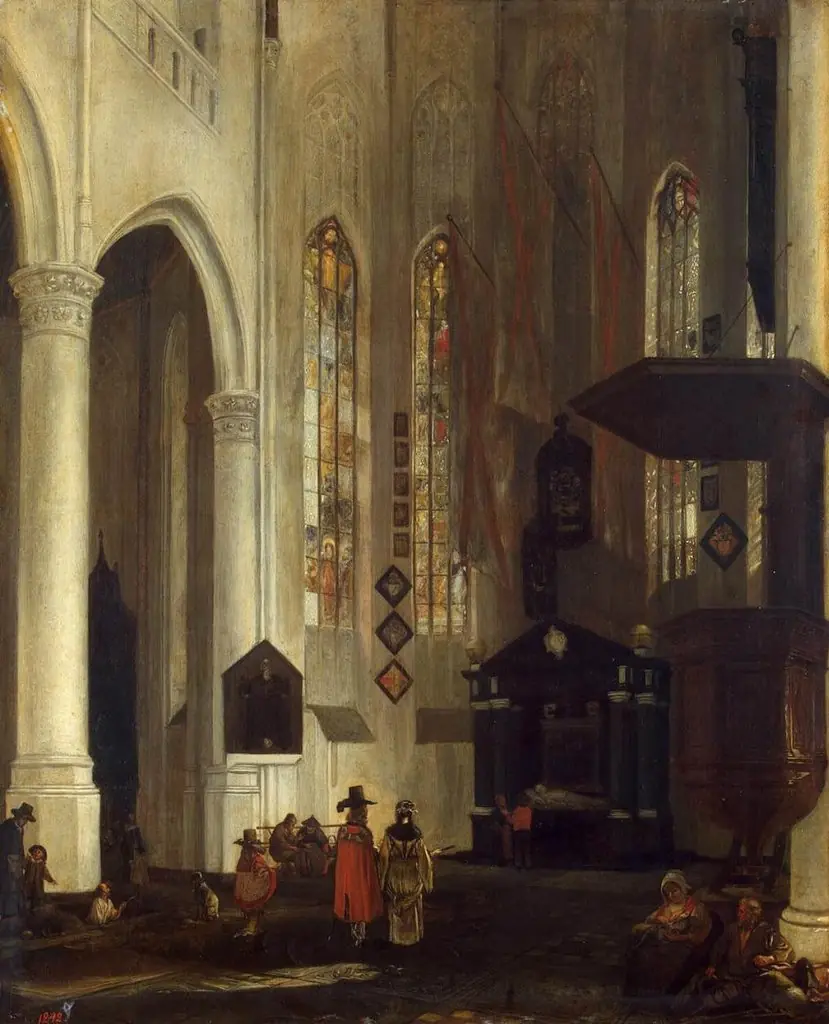 Old Church (Oudekerk) in Delft with the Tomb of Admiral Pieter Pieterszoon Hein (Heyn)
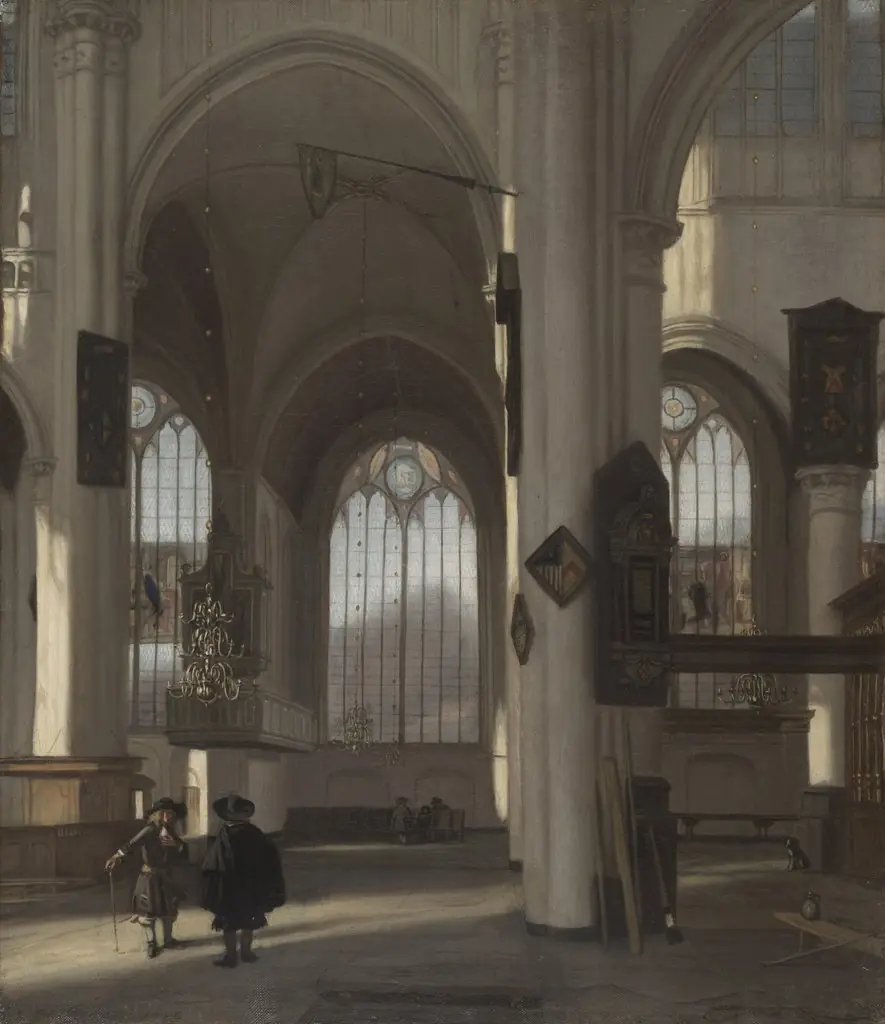 Interior of a Church