Artwork
Prayer
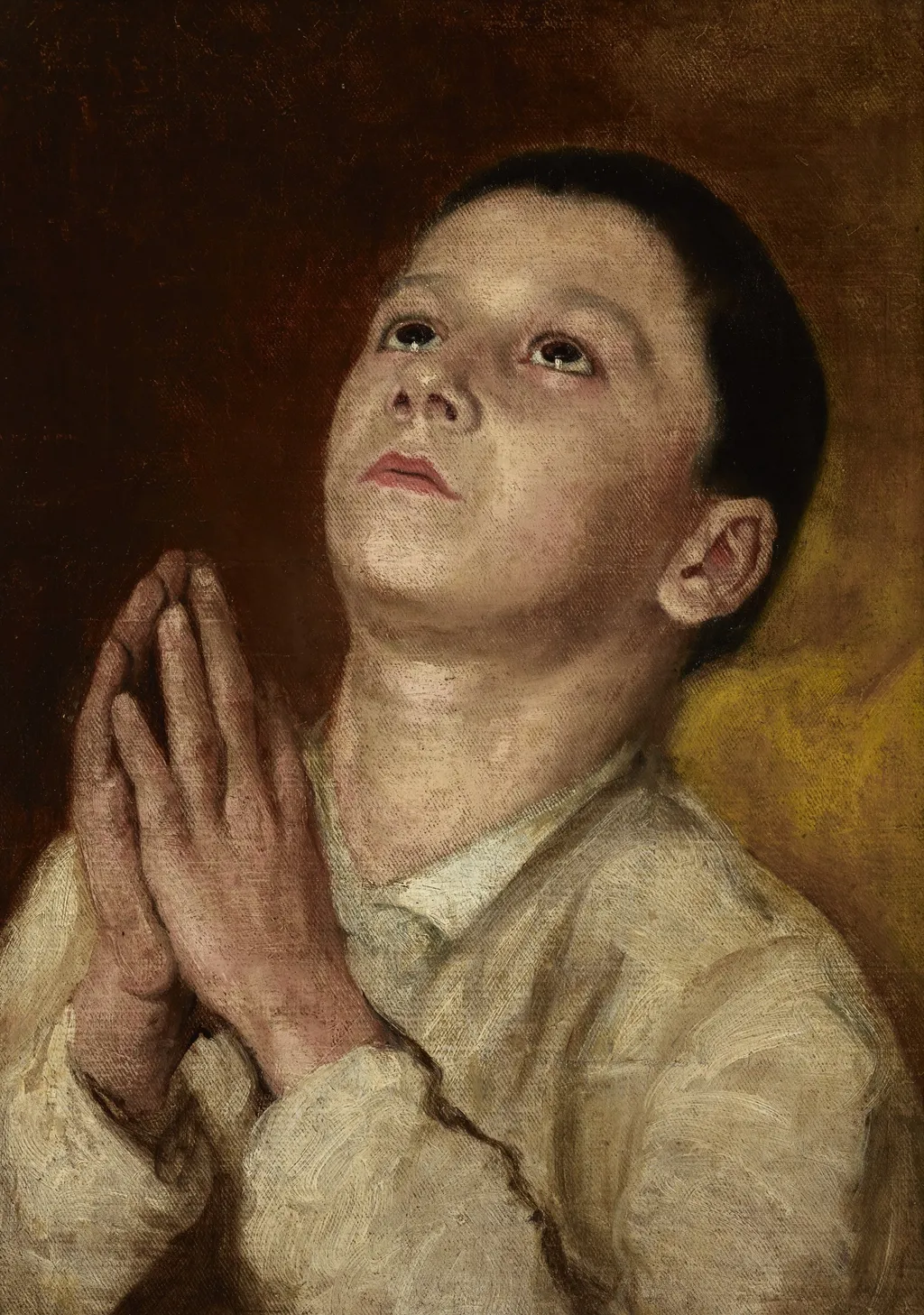
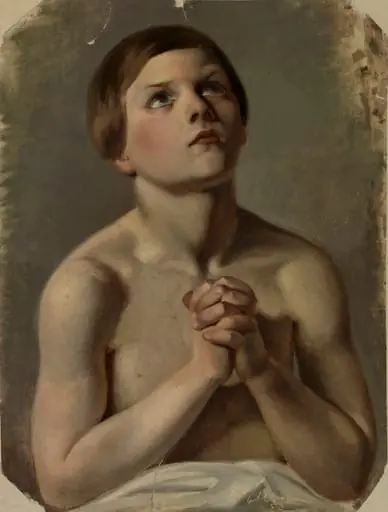
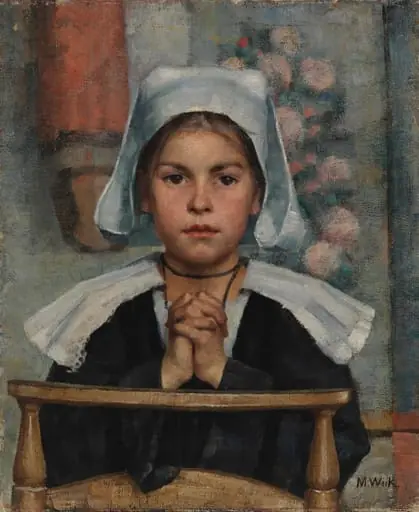
Prayer is an unspecified painting by Emanuel Herncisz. It dates from 1881 and is held in the collection of the National Museum in Kraków.
About this work
Overview
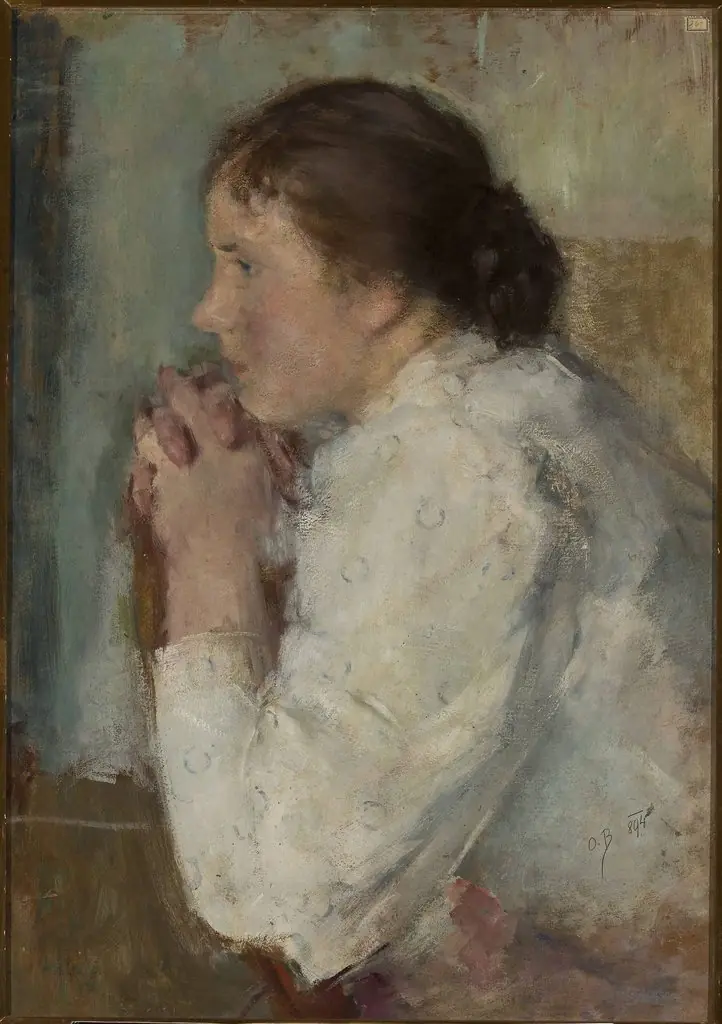
Painted around 1881 by Emanuel Herncisz, this small-scale oil work captures a moment of private devotion. It is part of the permanent collection at the National Museum in Kraków. The composition centers on a single figure, rendered with restrained detail and a focus on emotional stillness. The painting’s quiet intensity stems from its minimalism and careful attention to light and posture.
Subject & Meaning
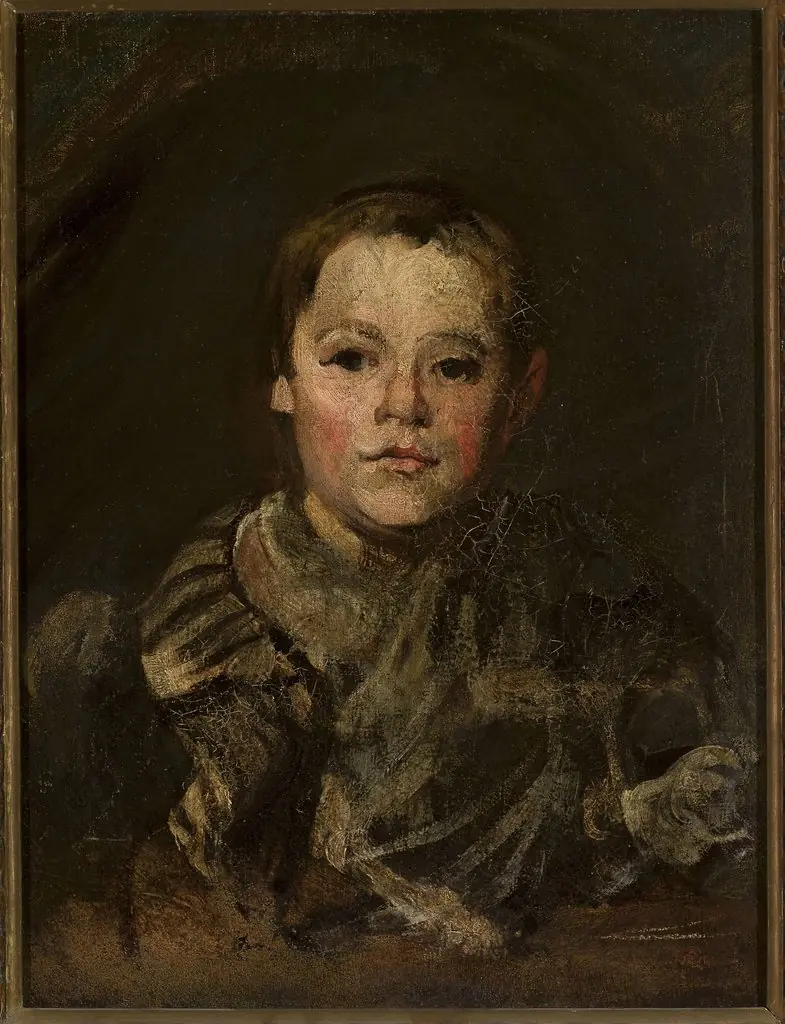
The subject is a young boy, dressed in a simple white shirt, with short dark hair and hands folded before his chest. His downcast eyes and still posture suggest inward reflection rather than outward performance. The absence of religious symbols or setting shifts focus to the individual’s personal act of prayer, emphasizing humility and quiet faith over ritual.
Technique & Style
Herncisz employs chiaroscuro to model the boy’s face and hands, creating subtle volume against a warm, neutral background.
Herncisz employs chiaroscuro to model the boy’s face and hands, creating subtle volume against a warm, neutral background. Brushwork is smooth and unobtrusive, avoiding dramatic contrasts in favor of soft transitions. The palette is limited to earth tones and the boy’s pale shirt, reinforcing the intimacy of the scene. Light gathers on the child’s features, guiding attention without theatricality.
History & Provenance
The painting entered the National Museum in Kraków’s collection in the late 19th or early 20th century, likely through acquisition or donation. Its provenance before that is undocumented. It has remained in the museum’s care since, displayed occasionally in exhibitions focused on Polish genre painting or religious themes in 19th-century art.
Context
Created during a period of growing national consciousness in partitioned Poland, the painting reflects a broader cultural interest in domestic and spiritual life. While not overtly political, its focus on quiet piety resonated with audiences seeking cultural continuity amid foreign rule. Similar works by contemporaries often portrayed children in moments of moral or emotional stillness.
Legacy
Though not widely reproduced or critically celebrated in its time, the painting endures as a quiet example of Polish academic realism. It is occasionally referenced in studies of religious imagery in 19th-century Polish art, valued for its sincerity and restraint. Its preservation in a major national institution underscores its role as a representative work of its era.
Own this work as a print
Artist & collection