Artwork
Flax harvesting
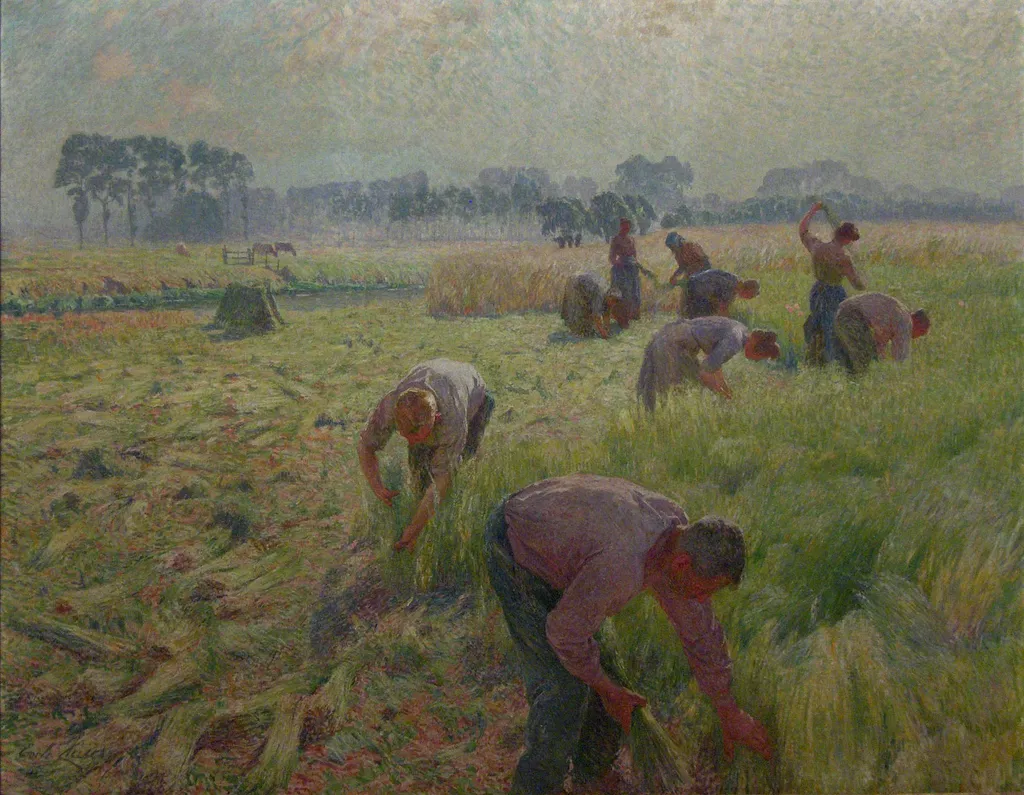
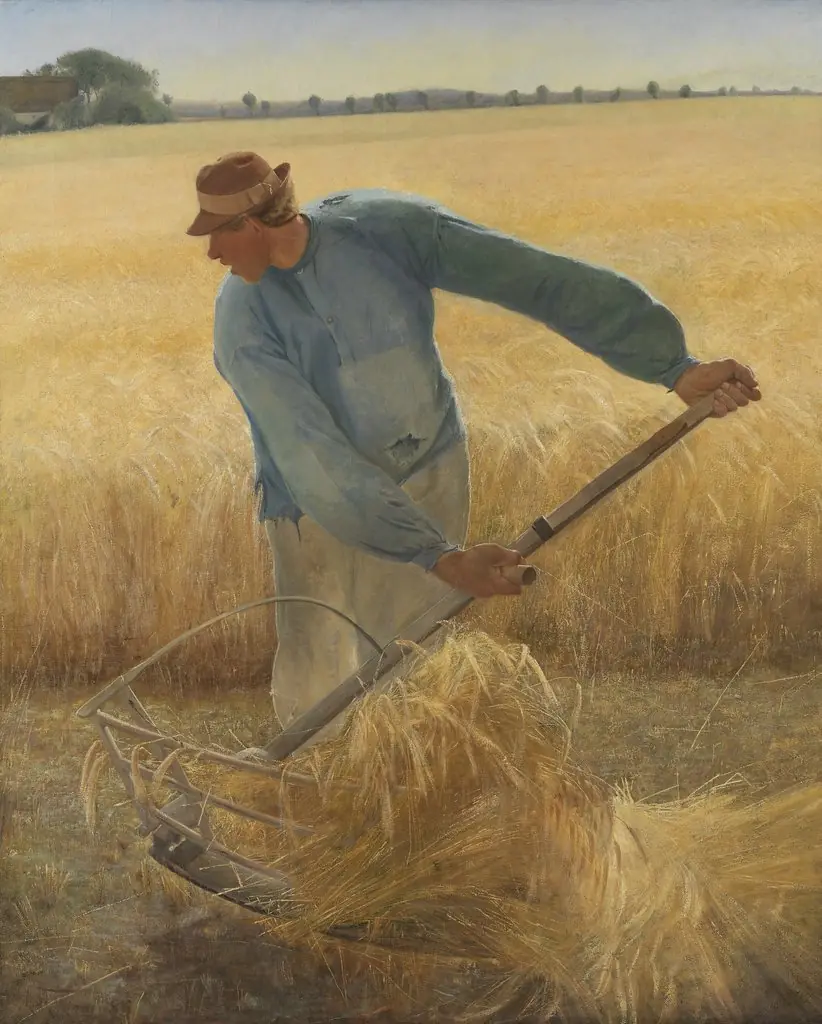
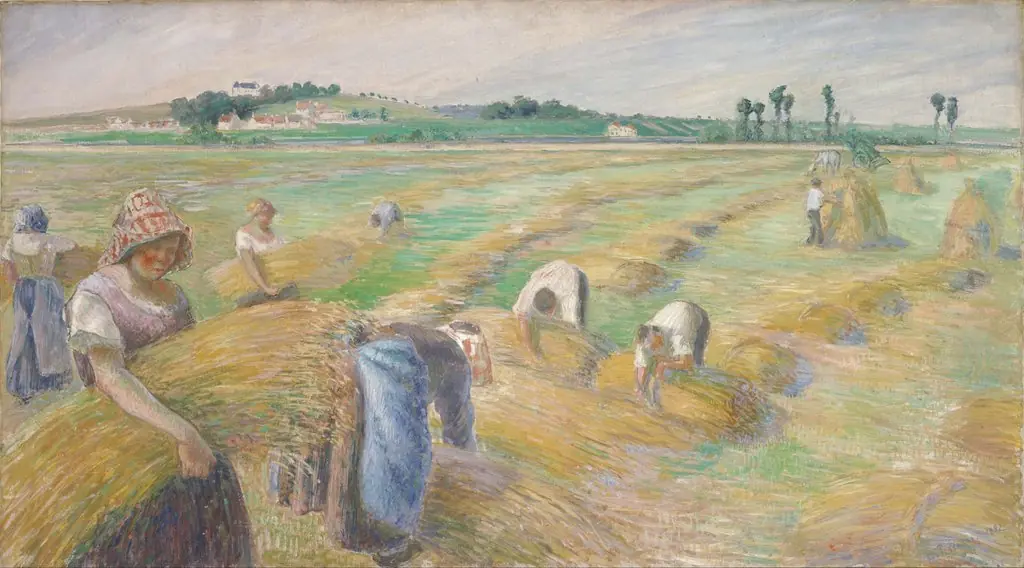
Flax harvesting is an oil painting by the Impressionist artist Emile Claus. It dates from 1904 and is held in the collection of the Royal Museums of Fine Arts of Belgium.
About this work
Overview
The painting resides in the collection of the Royal Museums of Fine Arts of Belgium, where it stands as a quiet testament to early 20th-century rural life.
Painted in 1904 by Emile Claus, Flax Harvesting is an oil-on-canvas work depicting rural labor in the Belgian countryside. It captures a moment of agricultural activity amid a vast field of flax, rendered with attention to natural light and the physicality of the workers. The painting resides in the collection of the Royal Museums of Fine Arts of Belgium, where it stands as a quiet testament to early 20th-century rural life.
Subject & Meaning
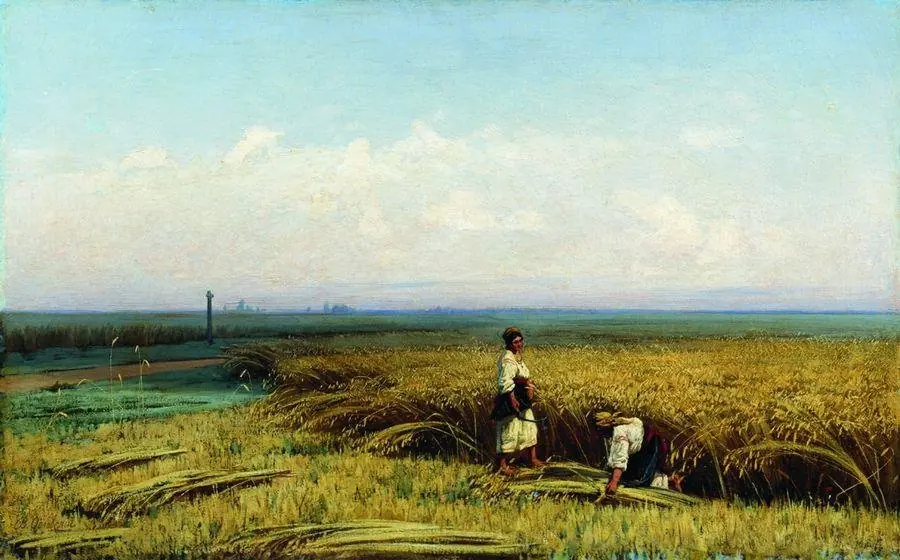
The scene portrays a group of laborers bent over in a field, gathering flax plants—Linum usitatissimum—after they have been pulled from the soil. Their postures suggest exhaustion and routine, emphasizing the physical toll of seasonal work. The inclusion of distant trees and grazing cattle situates the activity within a broader pastoral landscape, subtly underscoring the connection between human effort and the land.
Technique & Style
Claus employs thick, textured brushwork to convey the dry, swaying stalks of flax and the movement of the workers. The impasto technique gives the surface a tactile quality, enhancing the sense of wind and labor. Colors are restrained—earthy greens, browns, and muted blues—broken only by faint highlights on clothing, which catch the diffuse daylight. The hazy sky softens the scene, avoiding dramatic contrast in favor of atmospheric unity.
History & Provenance
Completed in 1904, the painting was acquired by the Royal Museums of Fine Arts of Belgium shortly after its creation. It remained within institutional hands, never entering private collections, which contributed to its preservation and consistent public visibility. Its inclusion in the museum’s permanent display reflects its recognition as a representative work of Belgian naturalist painting from the period.
Context
Flax harvesting was a common seasonal task in rural Belgium, particularly in Flanders, where flax was cultivated for linen production. Claus, influenced by Impressionism and the Belgian Realist tradition, focused on everyday labor with dignity rather than idealization. This painting aligns with broader European trends of the time that sought to elevate ordinary rural existence through art, countering urban industrial narratives.
Legacy
Though not widely exhibited outside Belgium, Flax Harvesting remains a key example of Claus’s commitment to capturing light and labor in harmony. It influenced later regional artists interested in depicting agrarian life with emotional restraint and technical precision. The work continues to be studied for its nuanced rendering of texture and atmosphere, offering insight into early 20th-century Belgian visual culture.
Own this work as a print
Artist & collection

Museum
Royal Museums of Fine Arts of Belgium
Continue through works from the same source collection.