Artwork
Flaxweeding in Flanders
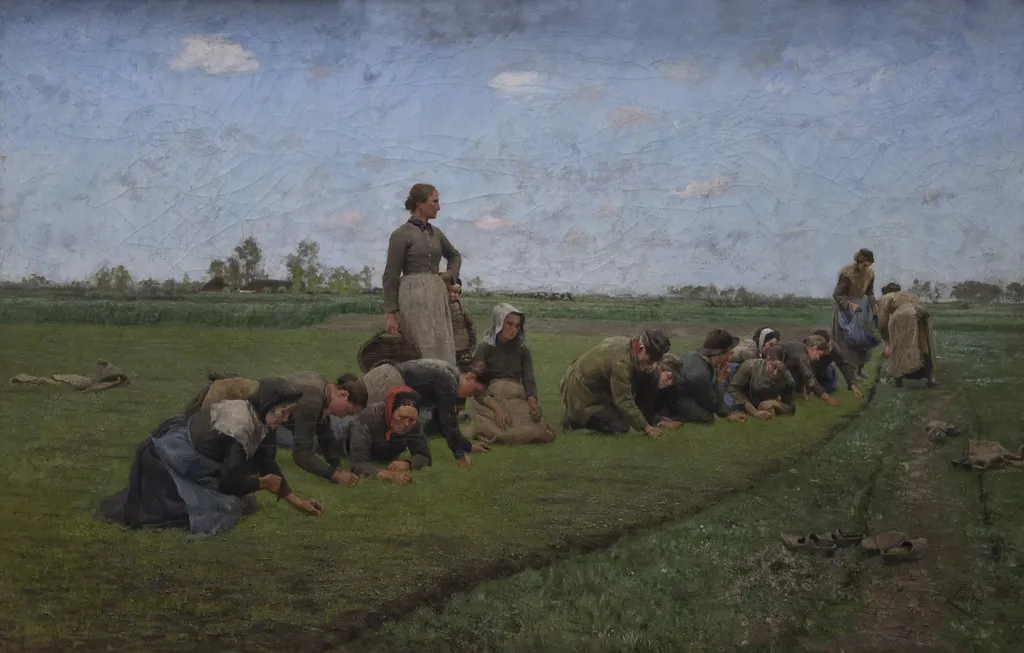
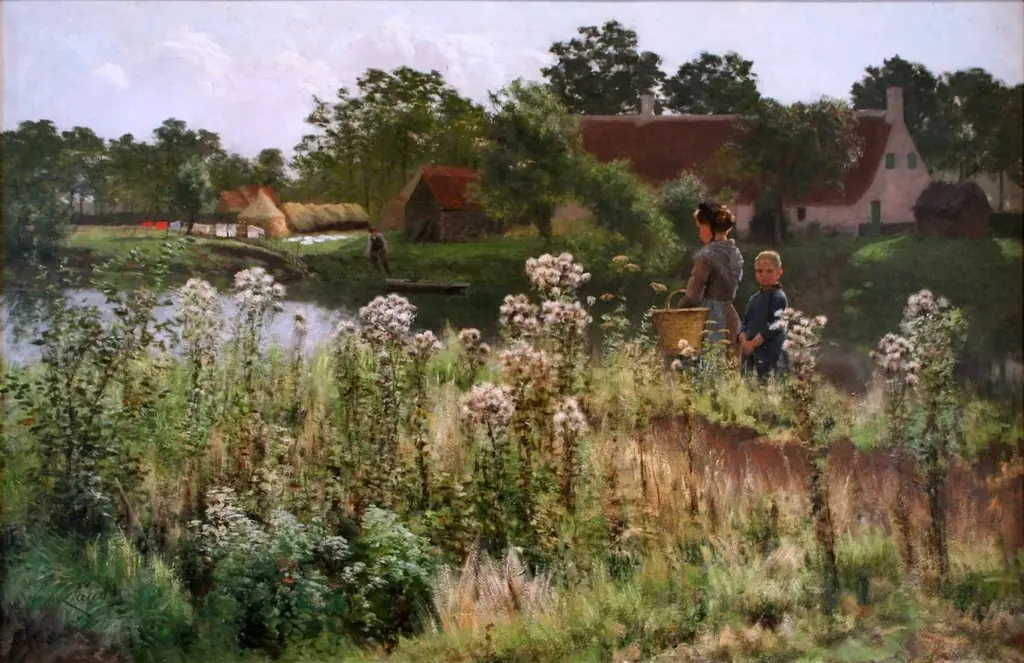
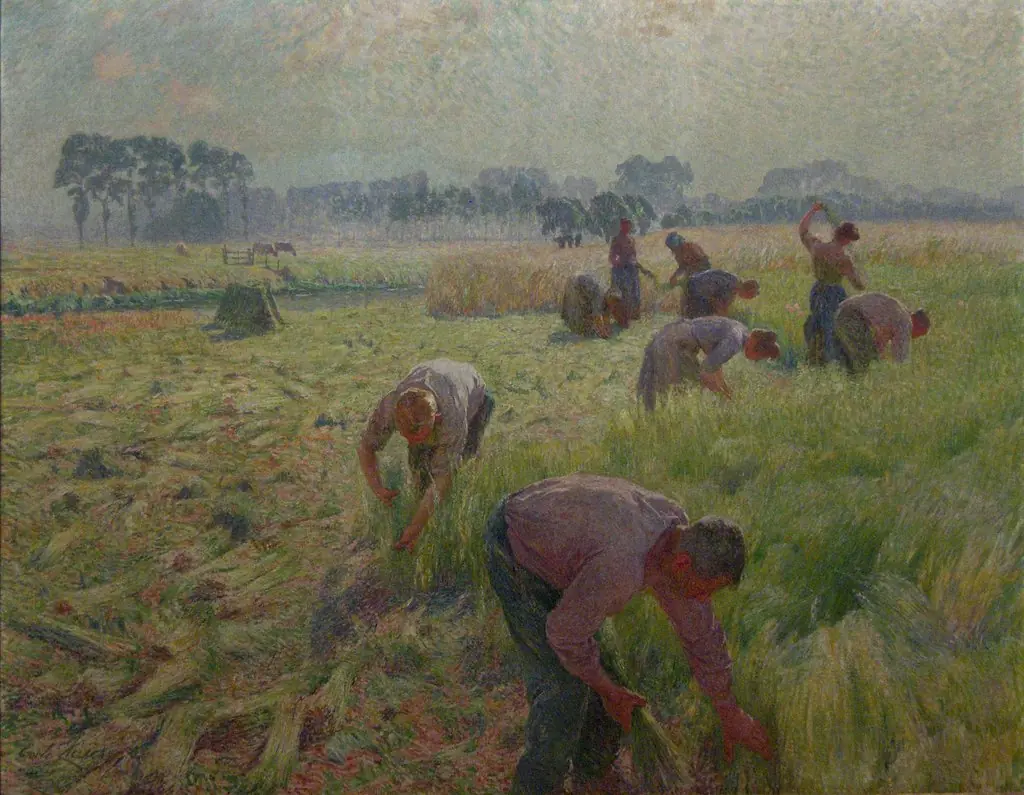
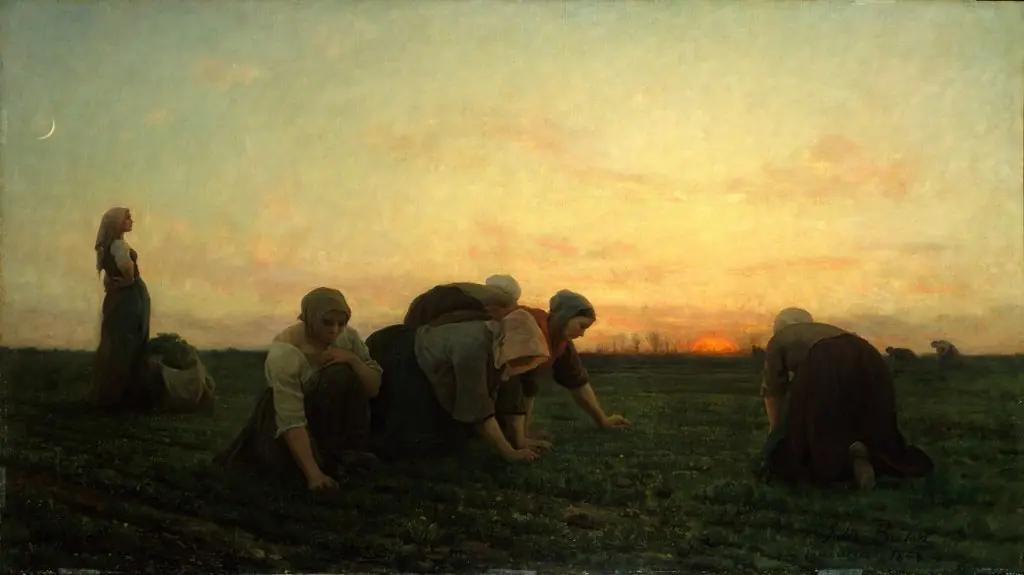
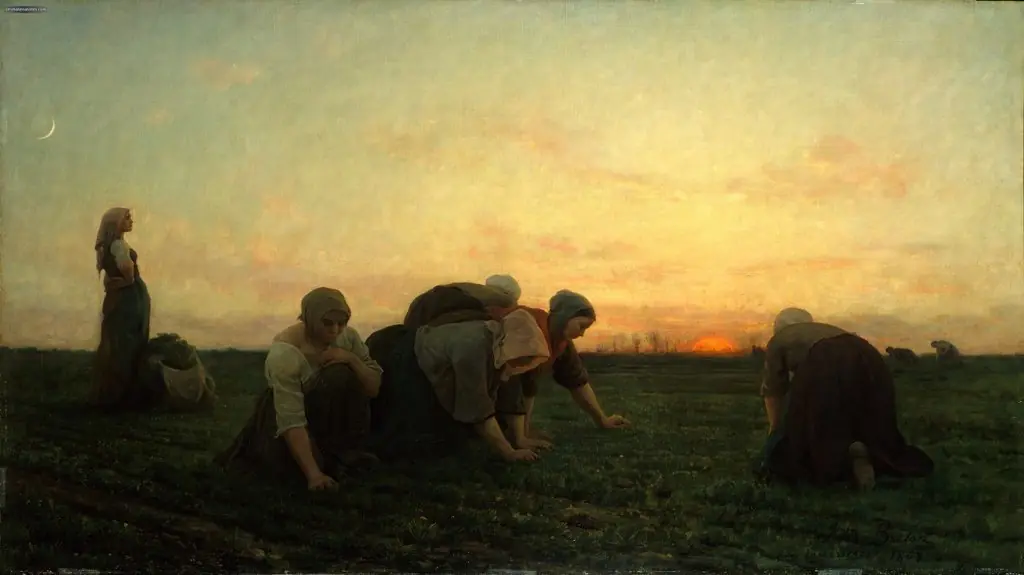
Flaxweeding in Flanders is an oil painting by the Impressionist artist Emile Claus. It dates from 1894 and is held in the collection of the Royal Museum of Fine Arts Antwerp.
About this work
Overview
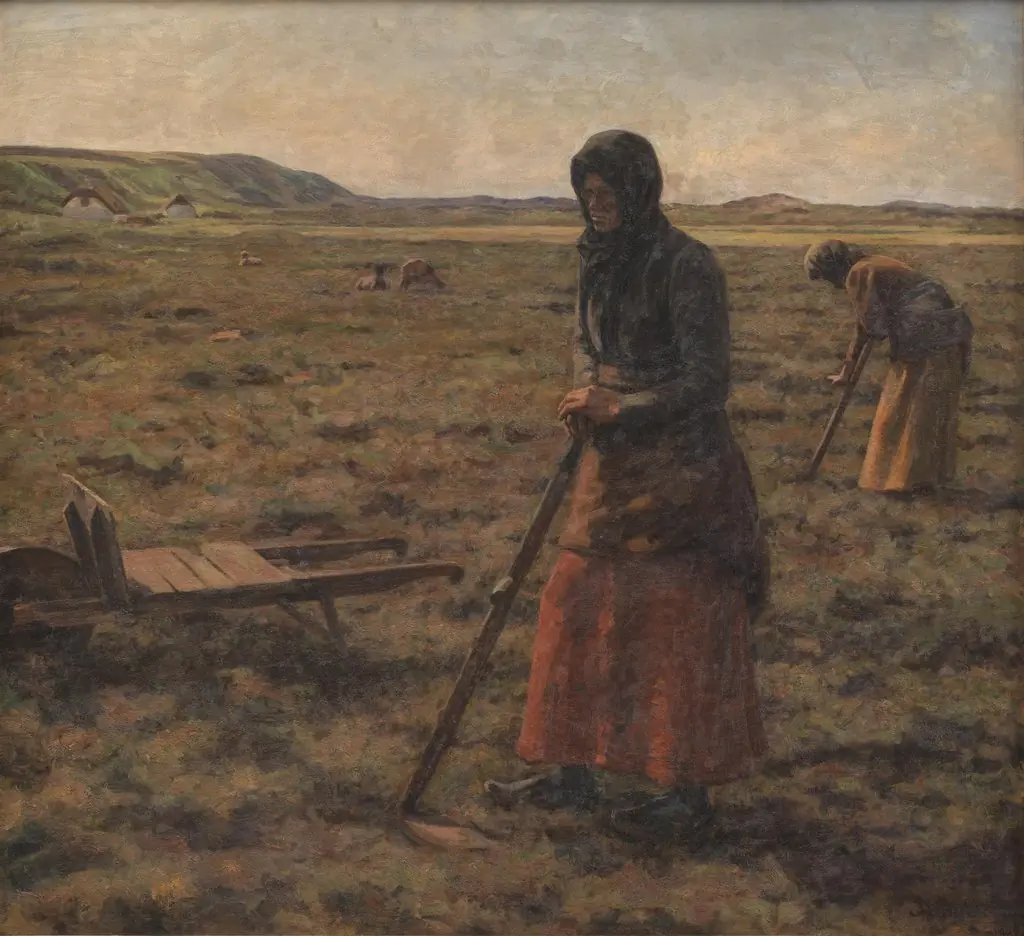
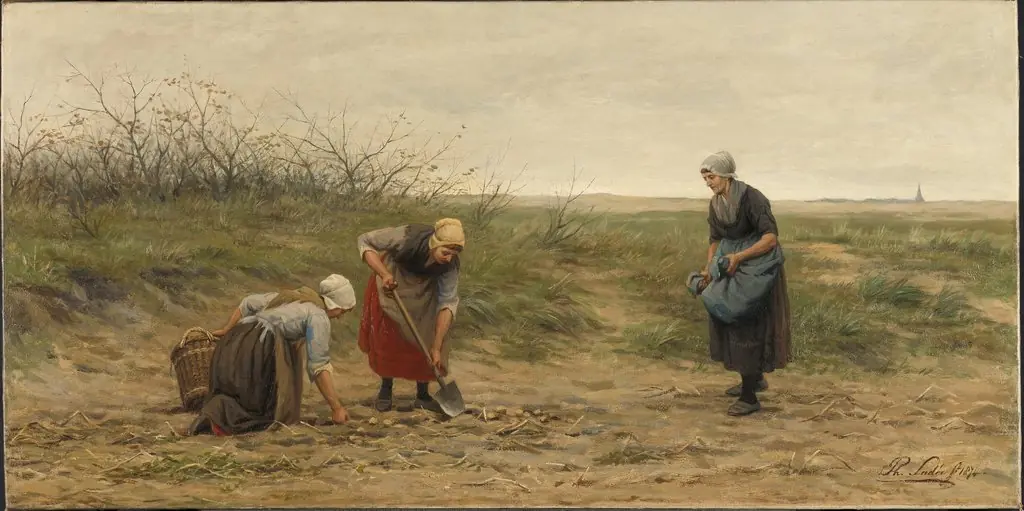
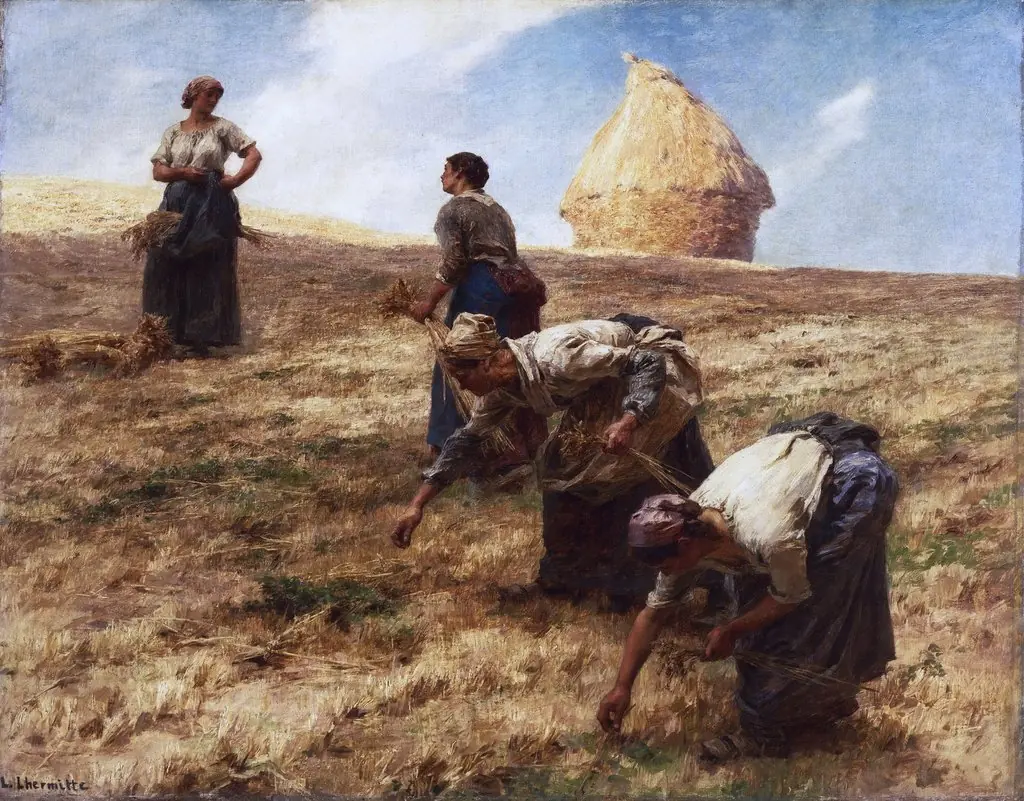
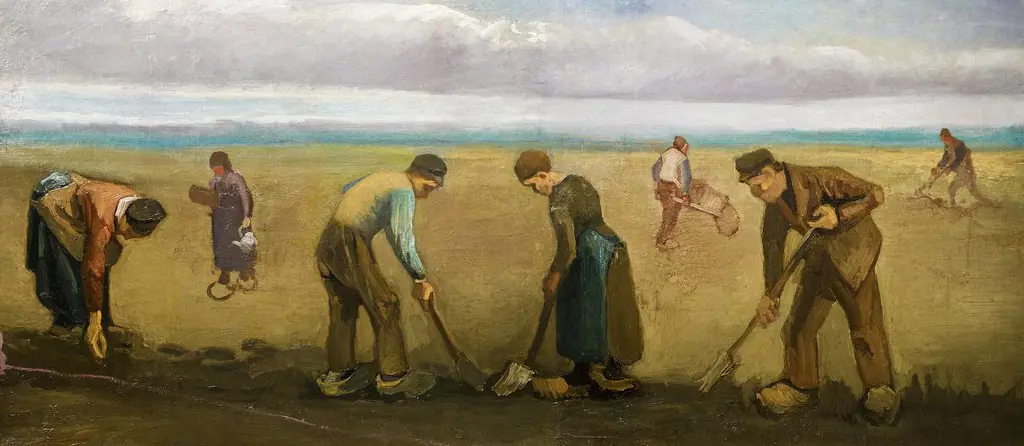
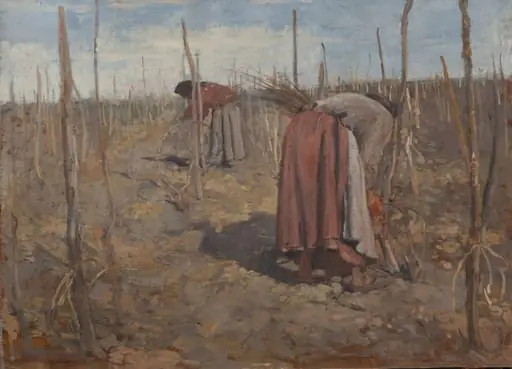
Emile Claus’s 1894 oil on canvas, titled Flaxweeding in Flanders, portrays a rural labor scene set in a verdant field under a clear sky. The work is part of the collection of the Royal Museum of Fine Arts in Antwerp and exemplifies the artist’s early interest in everyday Flemish life.
Subject & Meaning
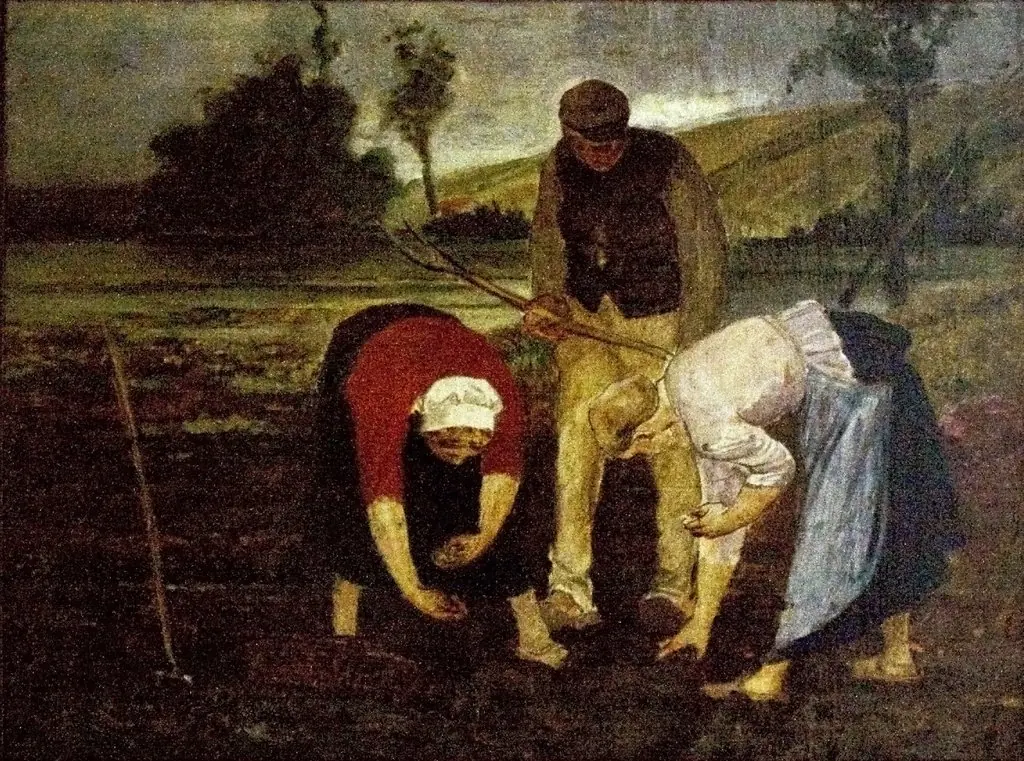
The composition centers on several figures bent over the ground, engaged in the meticulous task of removing weeds from a flax field. Dressed in period attire, the workers convey a sense of collective effort and quiet concentration, suggesting themes of community labor and the rhythms of agricultural life.
Technique & Style
Claus employs a naturalistic palette, rendering the green of the crops and the blue of the sky with subtle tonal variations. The brushwork balances fine detail in the figures’ clothing with broader, more atmospheric strokes for the landscape, reflecting a transition toward the luminous, plein‑air approach that would later define his work.
History & Provenance
Completed in 1894, the painting entered the Royal Museum of Fine Arts Antwerp’s holdings, where it remains on display. Its acquisition reflects the museum’s commitment to preserving examples of late‑19th‑century Flemish genre painting.
Context
Flax cultivation was a staple of the Flemish economy in the 19th century, and the depiction of weeding underscores the labor-intensive processes behind textile production. Claus’s choice to document this activity aligns with contemporary realist tendencies to honor the dignity of ordinary work.
Own this work as a print
Artist & collection