Artwork
The Gleaners
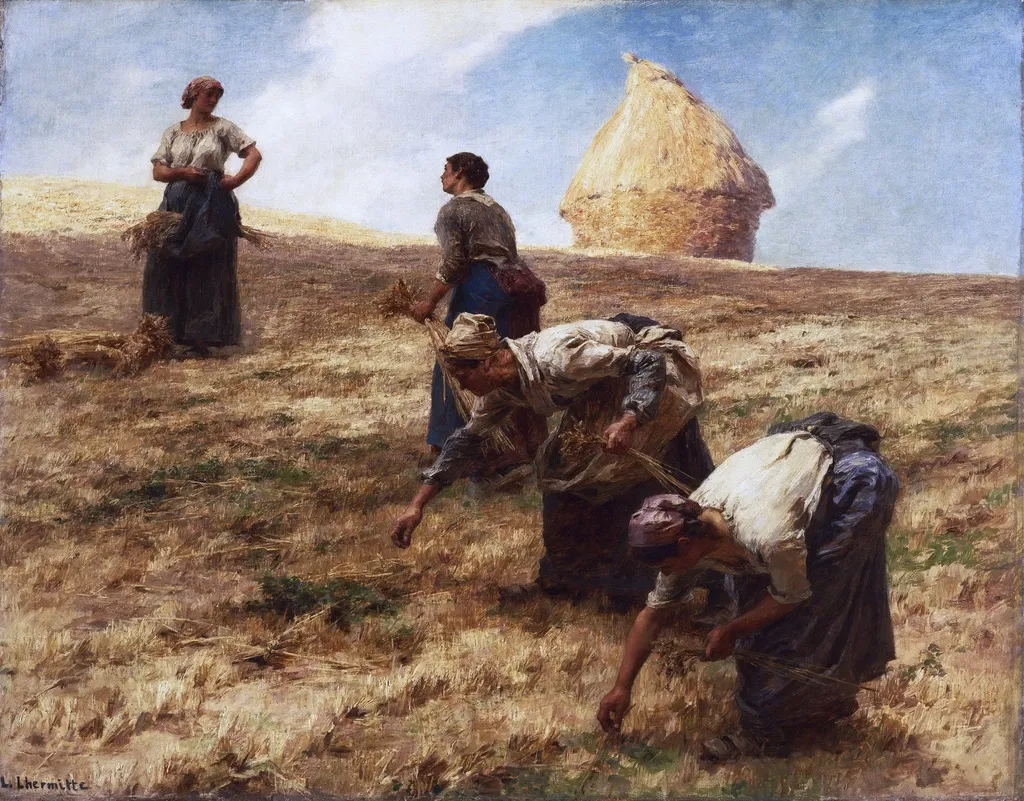
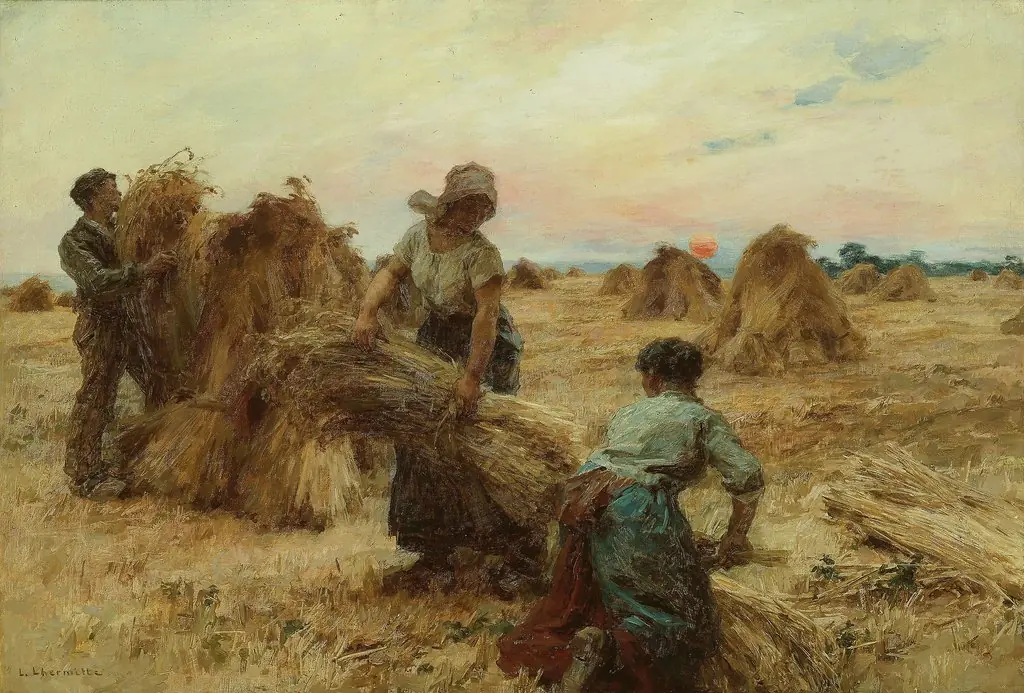
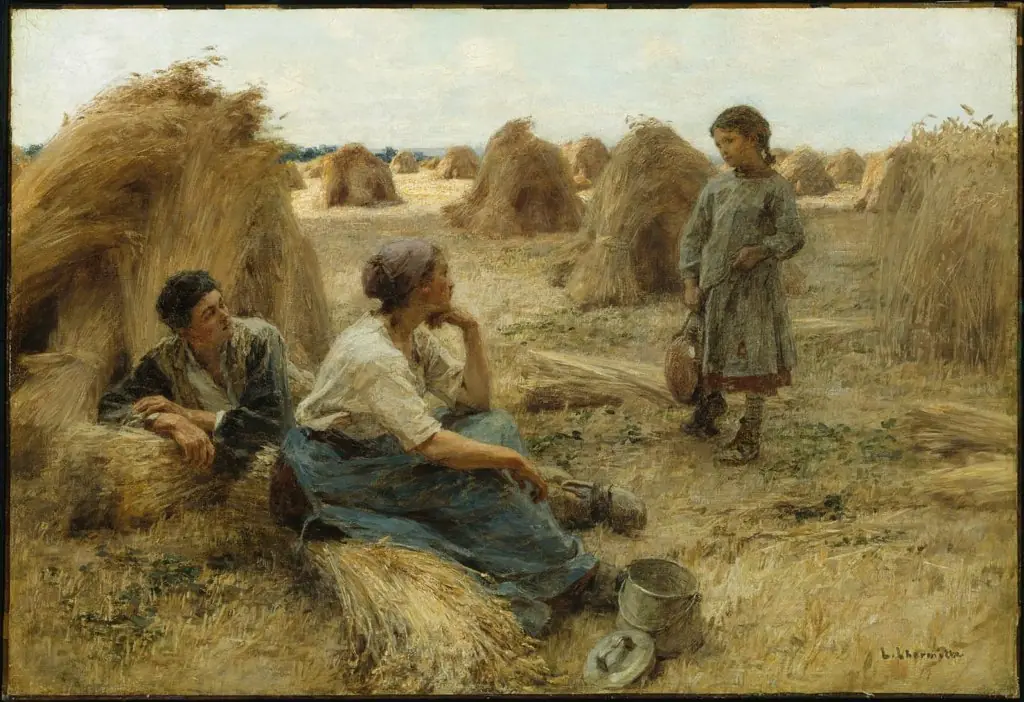
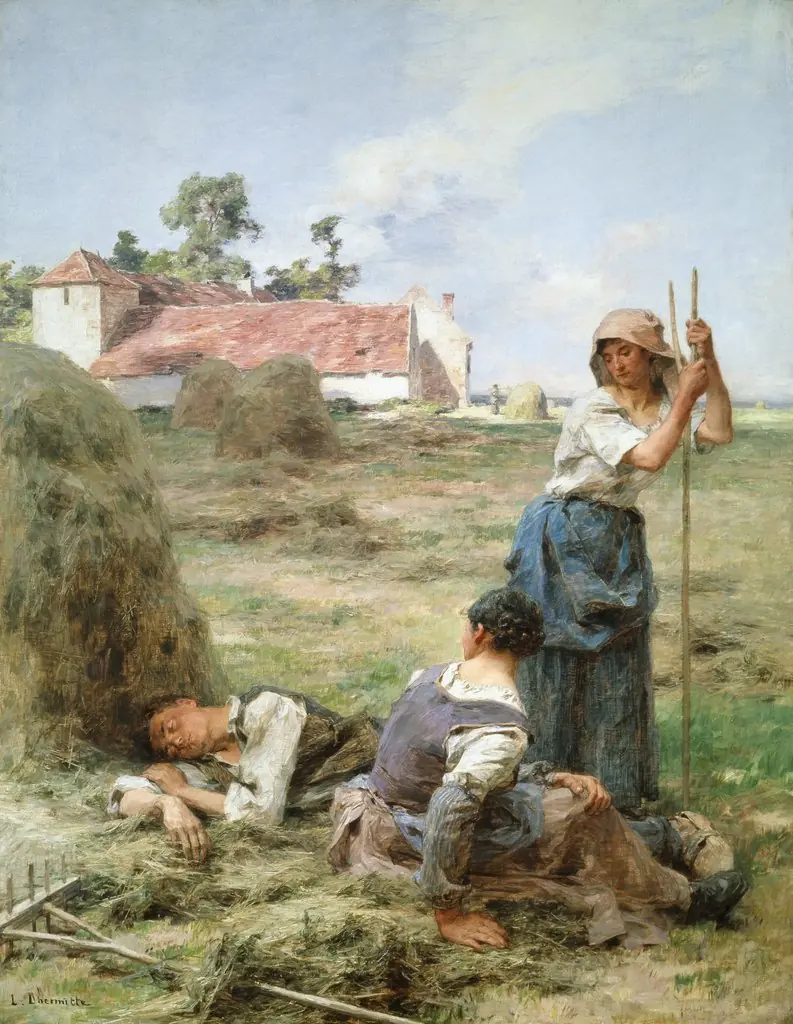
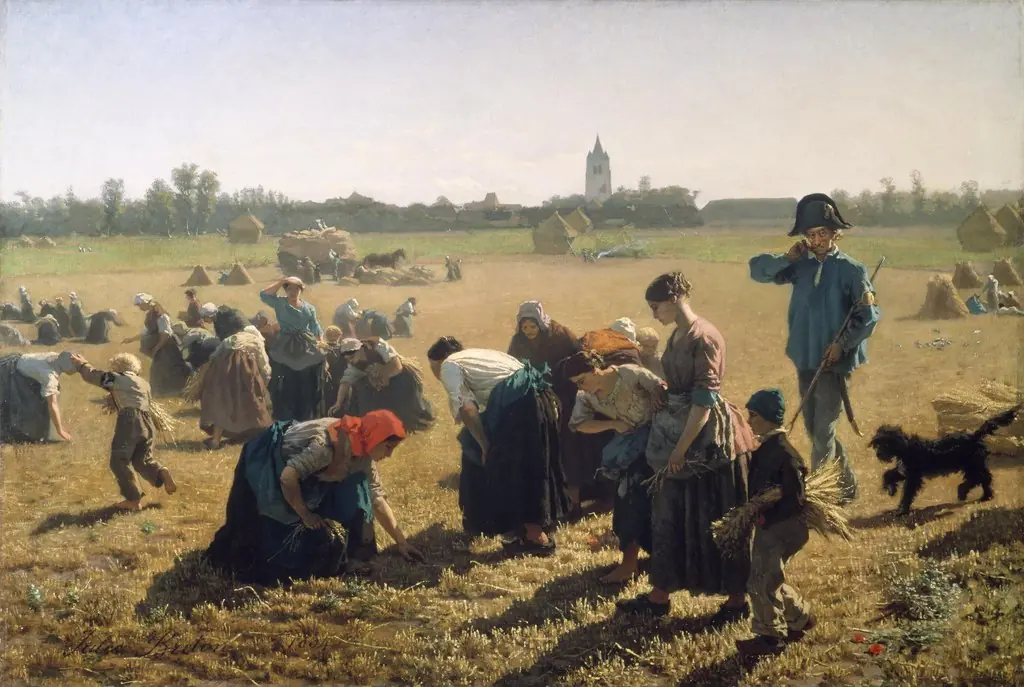
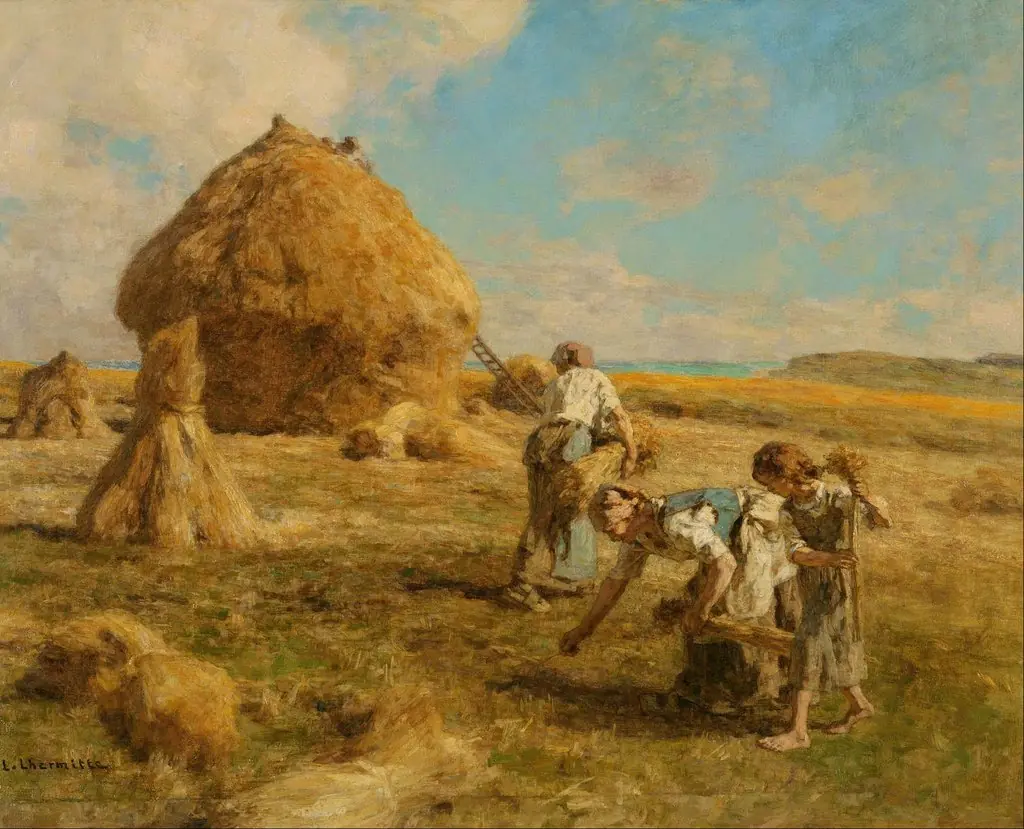
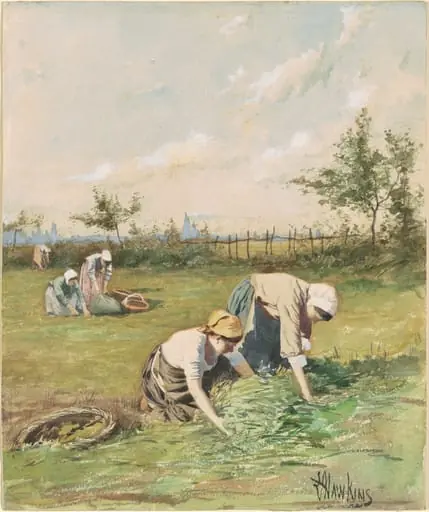
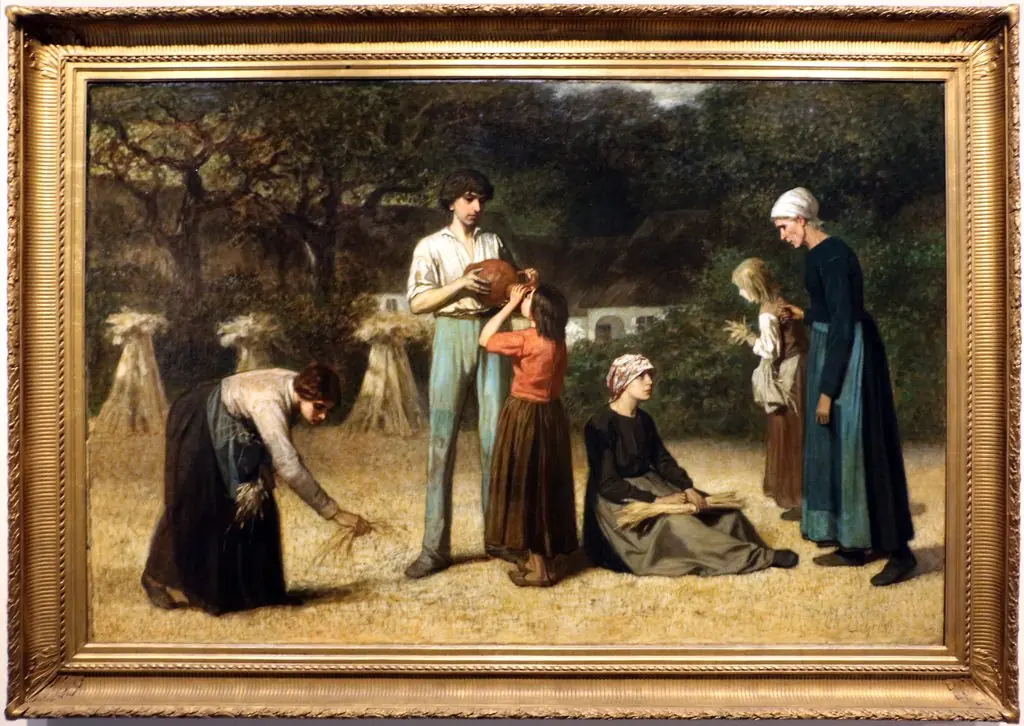
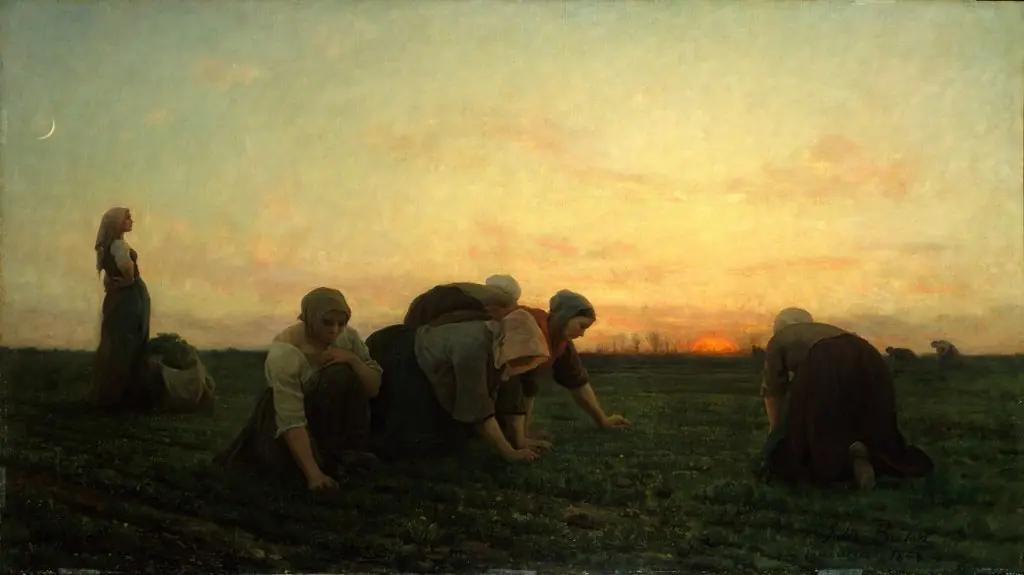
The Gleaners is an oil painting by the Realist artist Léon Augustin Lhermitte. It dates from 1894 and is held in the collection of the Philadelphia Museum of Art.
About this work
Overview
The composition reflects Lhermitte’s interest in documenting the dignity of manual work, aligning him with the realist tradition in French art.
Painted in 1887, The Gleaners is an oil on canvas work by French artist Léon Lhermitte, currently held in the Philadelphia Museum of Art. It portrays rural laborers engaged in the post-harvest gathering of leftover grain, a common practice among the rural poor. The composition reflects Lhermitte’s interest in documenting the dignity of manual work, aligning him with the realist tradition in French art.
Subject & Meaning
The painting shows three women bent over in a harvested field, collecting scattered ears of wheat. Their postures and simple clothing emphasize physical toil and quiet endurance. No idealization is present; the scene conveys the unglamorous reality of subsistence labor. The absence of overseers or landowners underscores the isolation of their effort, framing it as a silent, necessary act of survival.
Technique & Style
Lhermitte employs soft, blended brushwork and a warm, earth-toned palette to evoke the dry, sunlit field. Subtle chiaroscuro defines the forms of the figures against the golden landscape, lending volume without dramatic contrast. The sky, rendered in pale blues and whites, recedes gently behind the workers, reinforcing the quiet rhythm of their labor rather than imposing narrative drama.
History & Provenance
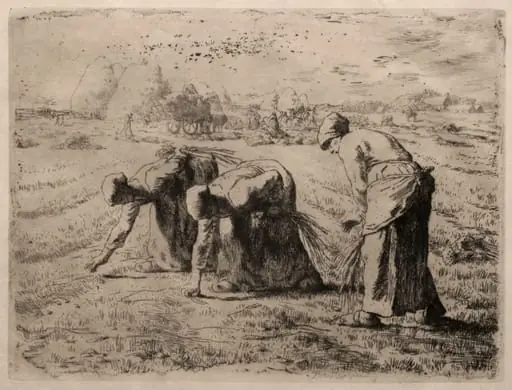
Completed in 1887, the painting entered the collection of the Philadelphia Museum of Art in the early 20th century. While not as widely known as Millet’s earlier version of the same subject, Lhermitte’s interpretation gained recognition among contemporaries, including Vincent van Gogh, who admired its unembellished portrayal of peasant life and its emotional restraint.
Context
Lhermitte painted during a period when French artists increasingly turned to rural labor as a subject, responding to social changes brought by industrialization. His work, like that of Millet, sought to elevate everyday toil through visual honesty. Unlike romanticized depictions, Lhermitte’s scene avoids sentimentality, reflecting a broader 19th-century shift toward social realism in art.
Legacy
Though overshadowed by Millet’s more famous version, Lhermitte’s The Gleaners remains a significant example of late 19th-century French realism. Its quiet intensity influenced later artists interested in the dignity of labor. The painting’s endurance in museum collections attests to its role as a thoughtful, unadorned record of rural existence in an era of rapid transformation.
Own this work as a print
Artist & collection
Artist
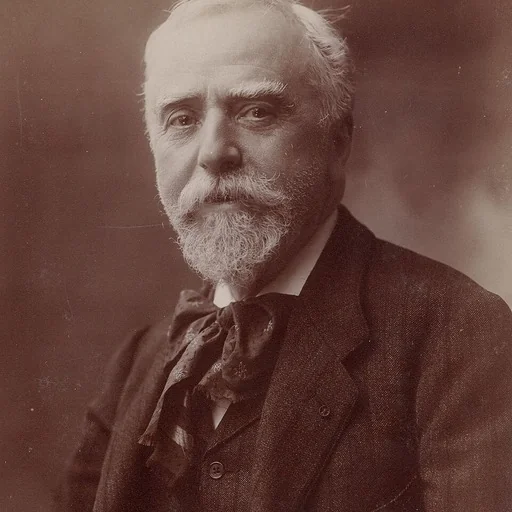
Léon Augustin Lhermitte (French pronunciation: ; 31 July 1844 – 28 July 1925) was a French naturalist painter and etcher whose primary subject matter was rural scenes depicting peasants at work.